Hello and welcome,
I have this problem to solve:
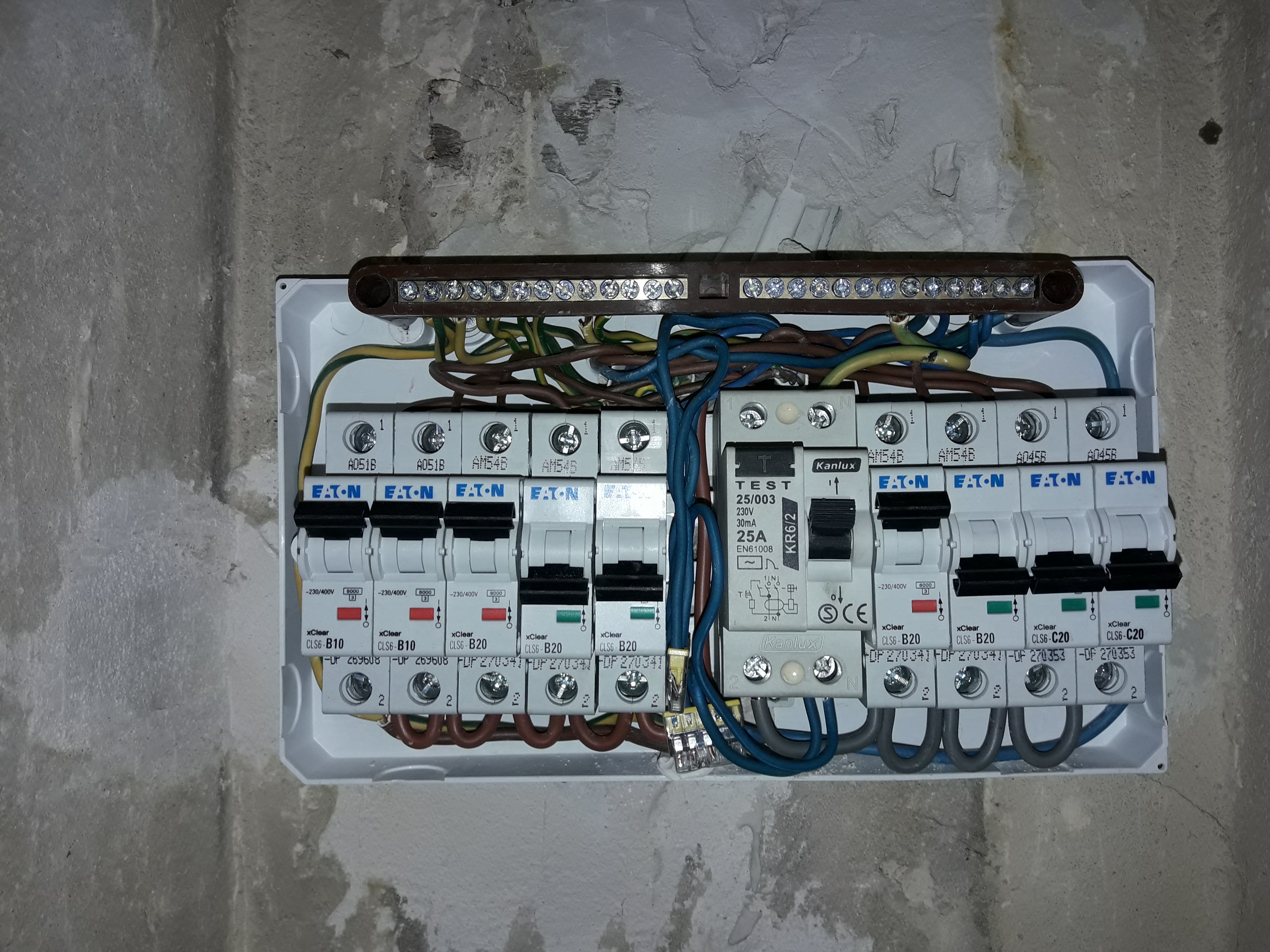
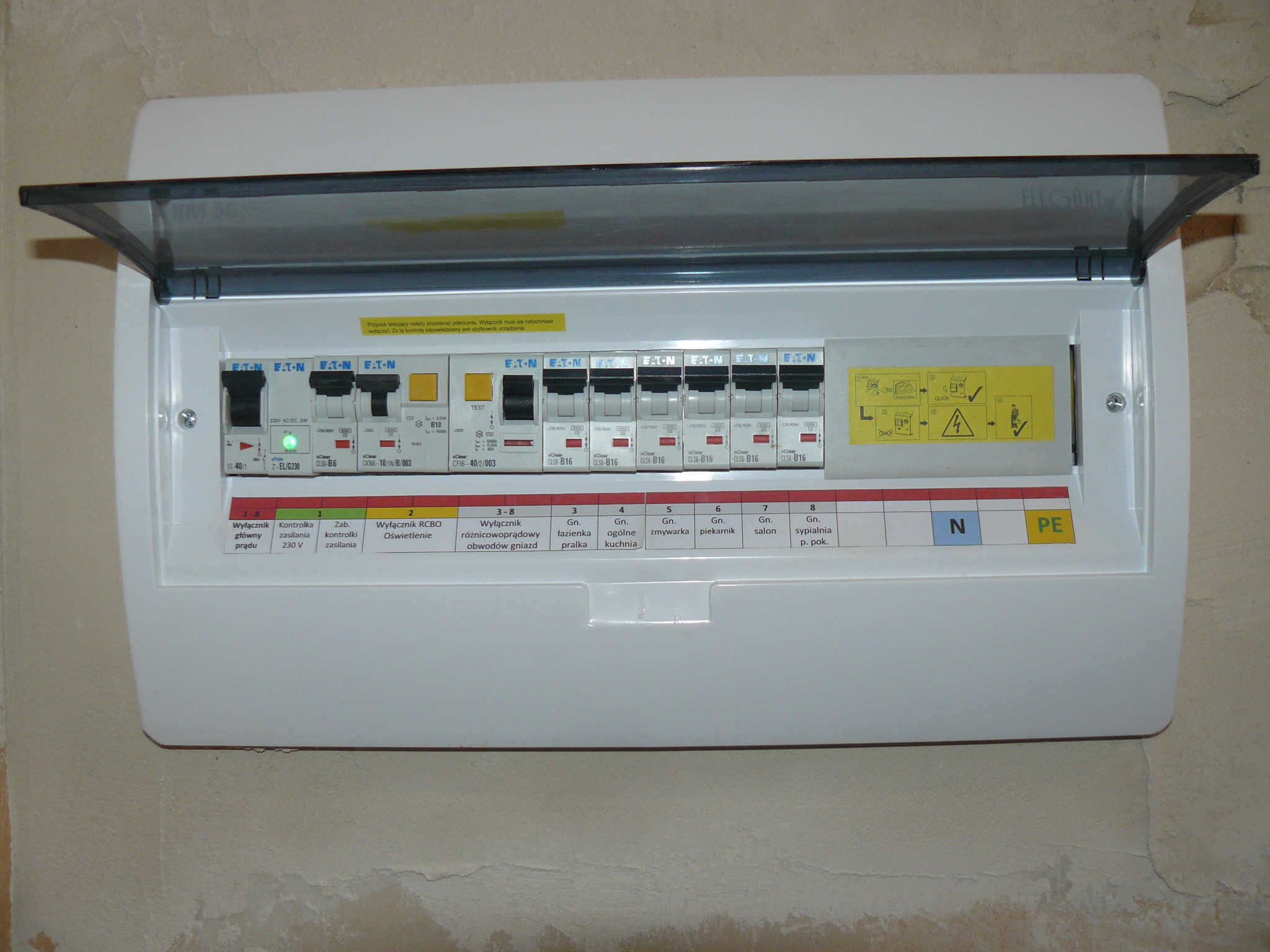
An electrician on one perimeter made me lights in four rooms (bathroom and room, living room and hall) and one socket in the bathroom. The socket in the bathroom is to be used to connect a hair dryer and a charger to the electric toothbrush. The whole is pulled with a 1.5 mm copper wire. Secured with "ESM" B10.
My question:
Does such a solution exist? Will it not be me constantly blasting this "esa"?
Thank you very much in advance for your help.
I have this problem to solve:
An electrician on one perimeter made me lights in four rooms (bathroom and room, living room and hall) and one socket in the bathroom. The socket in the bathroom is to be used to connect a hair dryer and a charger to the electric toothbrush. The whole is pulled with a 1.5 mm copper wire. Secured with "ESM" B10.
My question:
Does such a solution exist? Will it not be me constantly blasting this "esa"?
Thank you very much in advance for your help.

 Another problem is its location, something else, if there were RCBO B10A, it can be in the bathroom.