FAQ
TL;DR: Bosch CTES32 not heating? One user measured 35 Ω on the heater and found a blown thermal fuse; replacing the heater fixed it. “It will be much easier.” [Elektroda, bosman116, post #16680123]
Why it matters: This FAQ helps DIYers quickly diagnose cold-water output and avoid frying a new heater in Bosch CTES32/TES50321RW machines.
Quick Facts
- Typical heater element reading: Approx. 30–40 Ω when measured out of circuit. [Elektroda, kesy1, post #16652847]
- Mains to control board was 240 V, but only a few volts reached the heater when faulty. [Elektroda, kesy1, post #16641287]
- Most common root cause cited: a damaged thermal fuse; control board faults also occur. [Elektroda, nioop, post #16640889]
- Watch-out: If the power module is shorted, the heater may energize immediately after plugging in. [Elektroda, bosman116, post #16652867]
- Disassembly tip: remove bean container after unhooking 2 optical sensors and side casing. [Elektroda, bosman116, post #16680123]
How do I quickly confirm if my Bosch CTES32 heater is actually bad?
Unplug the machine. Disconnect heater leads and measure resistance across the element. A healthy unit reads around 30–40 Ω. If it reads open (infinite), the element or a series thermal fuse is blown. Check the two inline thermal fuses individually with an ohmmeter before ordering parts. Replace any open fuse and inspect the NTC sensor while inside. [Elektroda, kesy1, post #16652847]
Why is my machine dispensing only cold water but otherwise working?
Grinding and pumping can work while the heater circuit fails. Forum diagnostics showed full mains (240 V) entering the control board, but only a few volts exiting to the heater. That points to an open heater circuit, a blown thermal fuse, or a switching fault on the control board. Measure voltage at heater leads with the heater disconnected to isolate the issue. [Elektroda, kesy1, post #16641287]
What usually fails first: heater, fuse, or control board?
Experienced repairers report thermal fuses as the most frequent failure, followed by control electronics. If a fuse opened, find why before installing a new heater. “Most often one of the thermal fuses is damaged.” Replace the NTC sensor with the fuse if heat stress is suspected. [Elektroda, nioop, post #16640889]
How do I test the thermal fuses on the heater block?
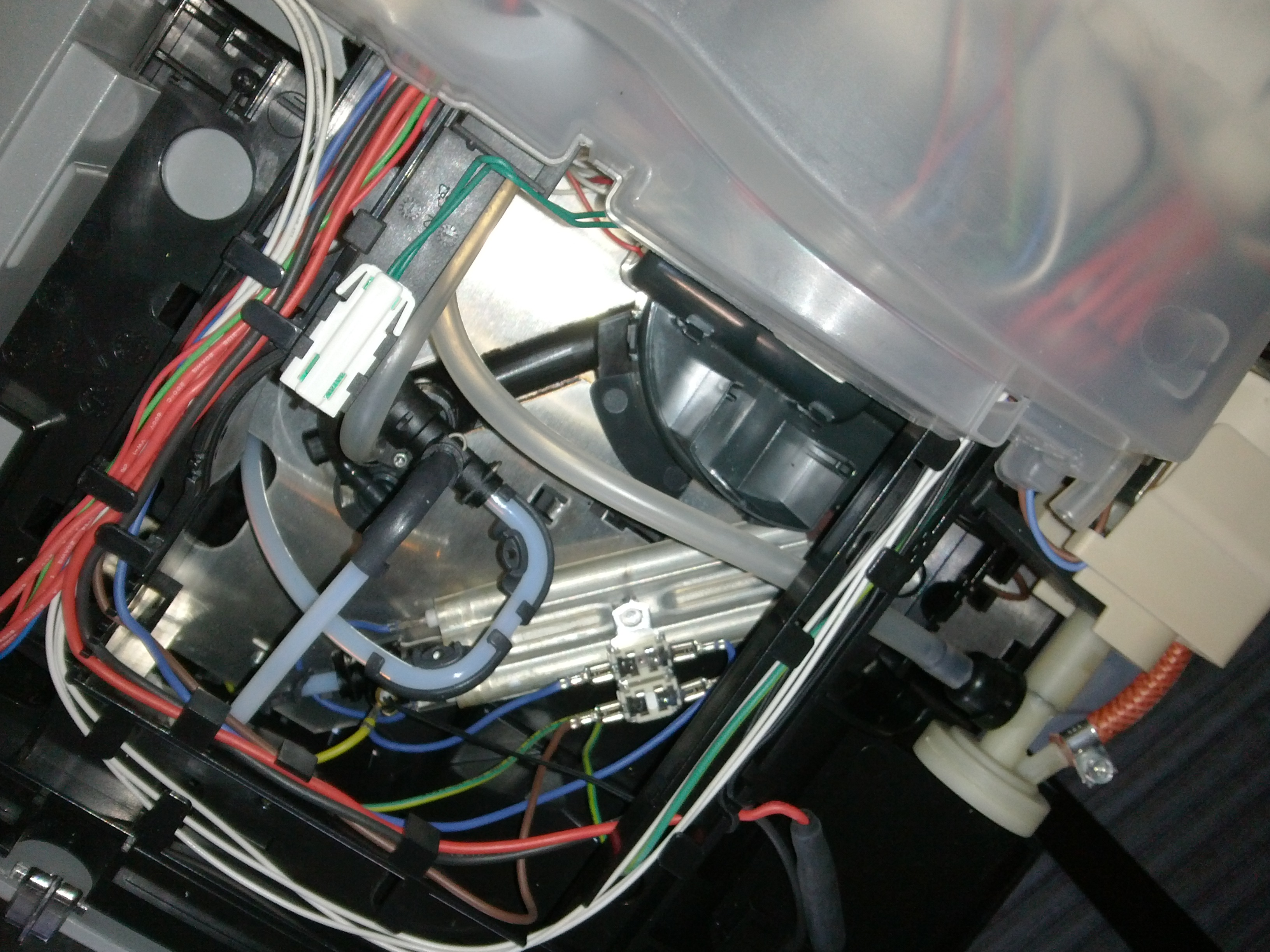
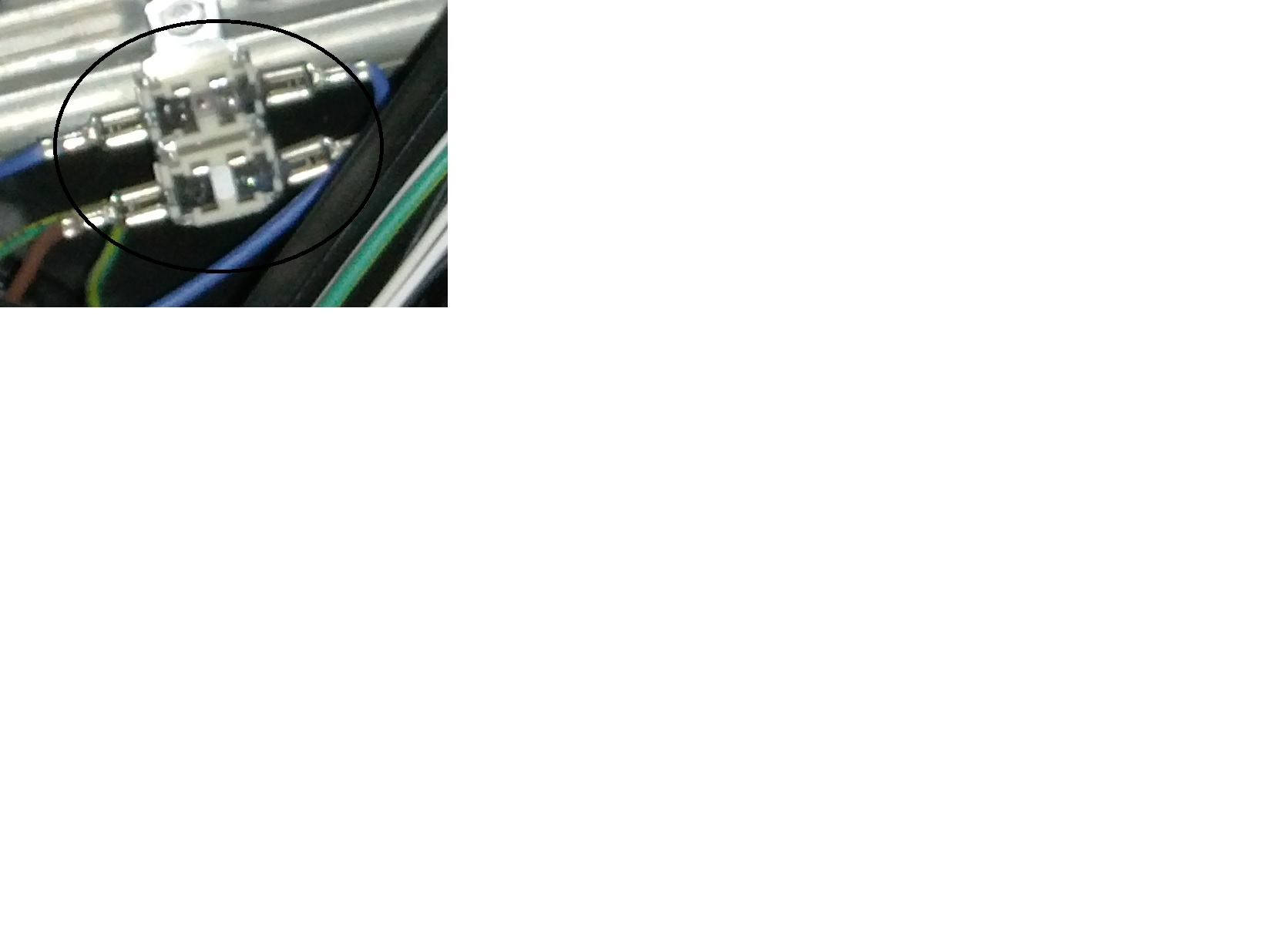
With power unplugged, access the heater and identify the two inline thermal fuses. Test each fuse for continuity using an ohmmeter. A good fuse reads near 0–2 Ω; an open reading means replacement. You do not need to desolder if you can isolate one lead for testing. Confirm the heater element itself reads roughly 35 Ω when measured past the fuses. [Elektroda, bosman116, post #16652690]
Could a bad control board fry my new heater immediately?
Yes. A shorted power module can energize the heater as soon as you plug in the machine. Test with the old heater first by temporarily bridging around the blown fuse for diagnosis only. Keep wires away from metal parts to avoid shorts. If it heats instantly at idle, repair the board before fitting new parts. [Elektroda, bosman116, post #16652867]
What is an NTC sensor in this coffee machine?
An NTC (Negative Temperature Coefficient) sensor measures heater temperature; its resistance drops as temperature rises. The control board uses this to regulate heating and protect from overheating. If a thermal fuse blew, replace the NTC alongside to restore reliable temperature control. Faulty NTC readings can prevent heat-up or cause safety trips. [Elektroda, nioop, post #16642116]
How can I safely check heater voltage output from the board?
Disconnect heater leads first. Power the machine and command hot water. Measure across the heater output terminals. Expect switched mains when heating is requested. If you see only a few volts, the board isn’t driving the heater, or a sensor/fuse interlock is open. Reconnect power only when probes and leads are stable and insulated. [Elektroda, nioop, post #16642116]
How do I remove the bean container to reach the NTC or heater wiring?
Empty the beans. Unhook the two optical presence sensors from their clips. Release the grinder-area hooks and lift the container straight up. Remove the outer casing around the machine first; “It will be much easier.” This provides top access for sensor and wiring service. [Elektroda, bosman116, post #16680123]
Is there a simple 3-step process to diagnose ‘water heating up’ then reset?
- Measure heater element resistance out of circuit; target ~35 Ω.
- Check both thermal fuses for continuity; replace any open units.
- With heater disconnected, verify the control board outputs switched mains to heater terminals during heat request.
Perform steps in order to avoid damaging new parts. [Elektroda, kesy1, post #16652847]
What resistance values did successful repairs observe?
One repair reported about 35 Ω for the heater and around 1.5 Ω across the intact thermal fuse. Those figures indicate a sound element and a good low-resistance fuse. Use them as ballpark checks during troubleshooting. Replace any component that reads open or wildly outside these values. [Elektroda, kesy1, post #16652847]
After replacing the heater, should the machine work immediately?
Yes, if the root cause was a failed heater or fuse. The thread’s resolved case reported full function after installing a new heater. Always confirm no board short exists before final assembly to avoid repeat failures. Run a hot-water cycle and a coffee cycle to verify heat-up stability. [Elektroda, kesy1, post #16681885]
Can I operate the machine with a bypassed thermal fuse for testing?
Only briefly and only for diagnostics with the old heater connected. Keep all bridged conductors insulated and isolated from metal. If the heater energizes at idle, stop and repair the power module. Do not leave a fuse bypassed in normal use; it is a critical safety device. [Elektroda, bosman116, post #16652867]
What if I measure infinity on the heater and only a few volts leaving the board?
An infinite reading indicates an open circuit in the heater path. The few volts at the board output suggest it isn’t driving a valid load due to the open heater or fuse. Replace the blown fuse or element, then recheck for normal mains switching at the output. [Elektroda, kesy1, post #16641287]
What brands or tools are helpful for this repair?
Use a reliable multimeter with continuity and resistance modes, insulated probes, and clip leads. Keep a spare NTC sensor and thermal fuses matched to the heater assembly. Bosch TES50321RW/12 owners follow identical access steps for the bean container and top cover. Label connectors to ease reassembly. [Elektroda, bosman116, post #16680123]