FAQ
TL;DR: The fix is to power the camera through a relay; use a 12V relay with 2A contacts. Expert tip: "Use a small 12V relay with 2A contacts." [Elektroda, emil, post #16696594]
Why it matters: This stops flicker caused by noisy reverse-light power and gives your Android mirror a clean, stable video feed.
Quick-Facts
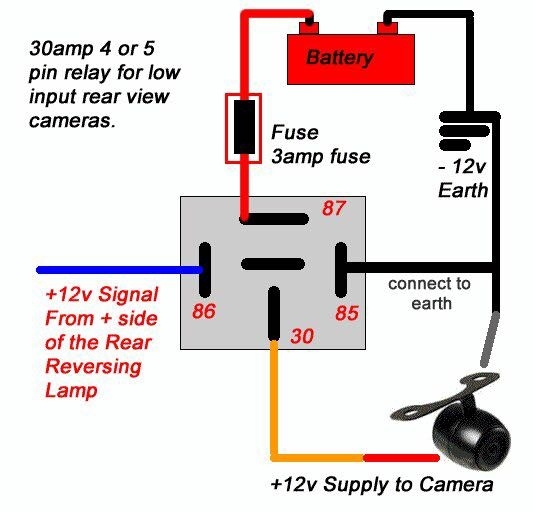
- Trigger the relay coil from the reverse light; power the camera from a fused, clean source via relay contacts. [Elektroda, emil, post #16688977]
- Recommended spec: 12V coil, approx. 2A contact rating; large 30–40A relays are unnecessary bulk. [Elektroda, emil, post #16696594]
- Use shielded multi-core cable for extensions; maintain continuous shielding end-to-end. [Elektroda, CameR, post #16941607]
- Unshielded extensions can cause noise/green artifacts; ensure shields are bonded together. [Elektroda, CameR, post #16941607]
- Typical retail: shielded 5×0.5 mm² cable ~6.84 PLN per meter. [Elektroda, CameR, post #16941607]
Quick Facts
- Trigger the relay coil from the reverse light; power the camera from a fused, clean source via relay contacts. [Elektroda, emil, post #16688977]
- Recommended spec: 12V coil, approx. 2A contact rating; large 30–40A relays are unnecessary bulk. [Elektroda, emil, post #16696594]
- Use shielded multi-core cable for extensions; maintain continuous shielding end-to-end. [Elektroda, CameR, post #16941607]
- Unshielded extensions can cause noise/green artifacts; ensure shields are bonded together. [Elektroda, CameR, post #16941607]
- Typical retail: shielded 5×0.5 mm² cable ~6.84 PLN per meter. [Elektroda, CameR, post #16941607]
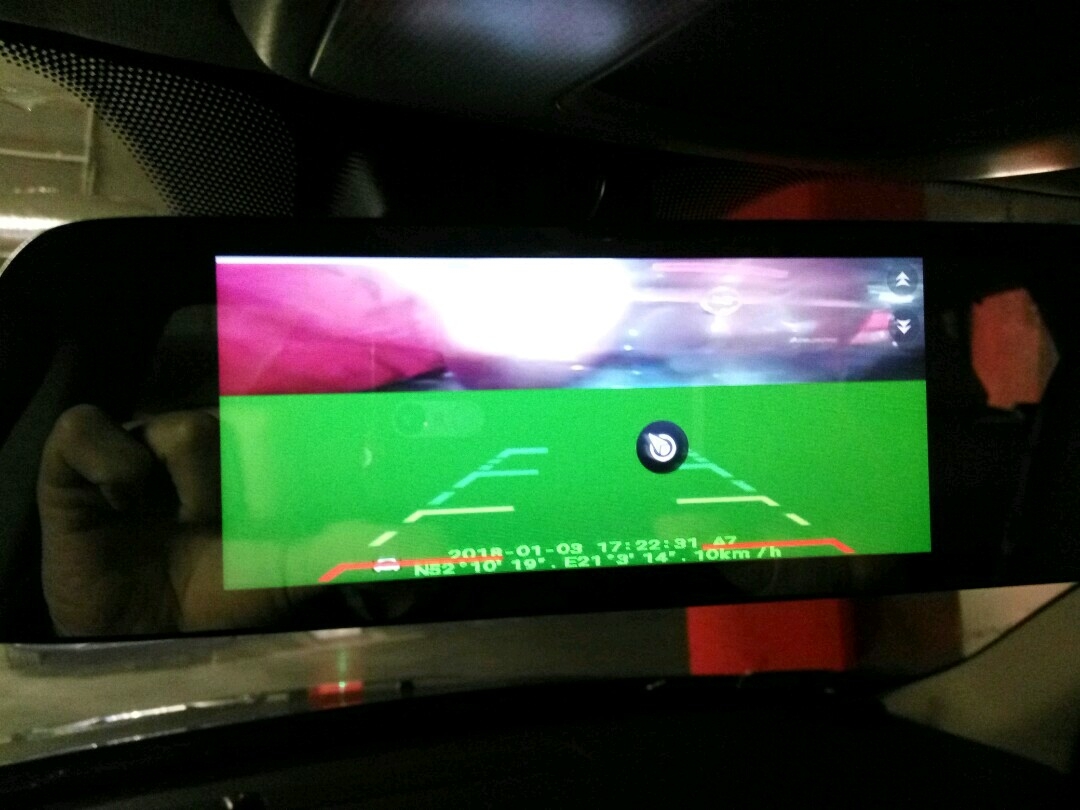
Why does my reversing camera flash when I shift into reverse?
The reverse-light circuit is noisy and can sag under load. That unstable voltage makes the mirror’s video mode flicker. Use the reverse light only as a trigger for a relay. Feed the camera from a cleaner, fused source through the relay contacts. [Elektroda, emil, post #16688977]
How do I wire the relay to stop camera flicker?
Use this 3‑step plan: 1. Connect relay coil; one side to chassis ground, the other to the reverse-light positive. 2. Take fused 12V from the fuse box to a relay contact. 3. From the matching contact, feed the camera’s +12V; keep camera ground to chassis. [Elektroda, emil, post #16688977]
What relay specs should I choose for a dash-mirror rear camera?
Pick a compact 12V relay with about 2A contact rating. That is ample for camera loads and avoids bulky 30–40A automotive relays. As one expert put it, “a small 12V relay … 2A contact load” is enough. [Elektroda, emil, post #16696594]
Will a 30A or 40A automotive relay work here?
Yes, but it is oversized in physical size and contact capacity. It offers no benefit for a camera that draws far less current. Select a smaller relay for easier mounting and cleaner wiring. [Elektroda, emil, post #16696594]
How should I power the mirror and use the reverse signal?
Power the mirror from a stable fused circuit as usual. Use the reverse light only to trigger the relay so the camera gets clean 12V via the relay contacts. This preserves a stable video switch without flicker. [Elektroda, emil, post #16688977]
I extended the cable and now the image is green/noisy—what happened?
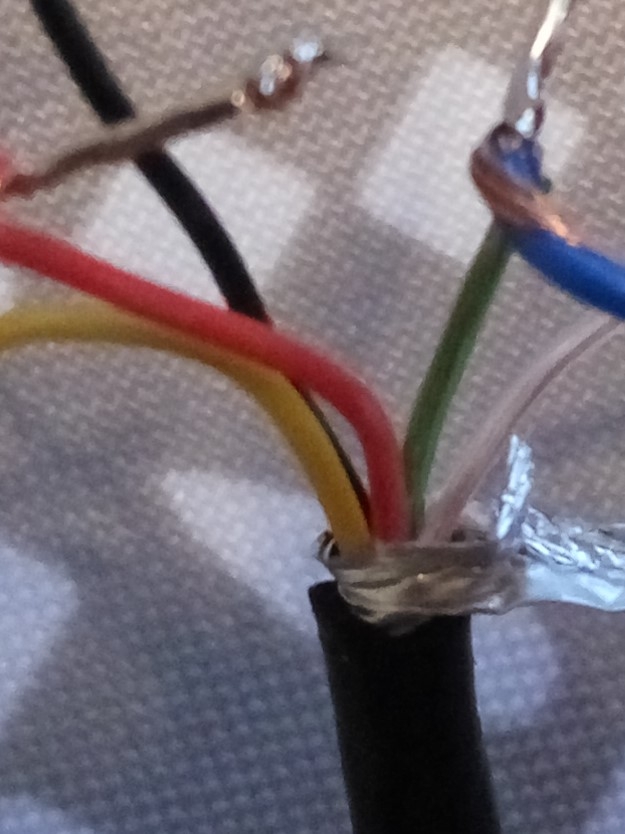
Unshielded extensions act like antennas and inject interference into the video lines. Replace the splice with shielded multi-core cable and bond the shields together securely. "Permanently connect the screen of the old cable with the screen of the new cable." [Elektroda, CameR, post #16941607]
What cable should I use to extend a reversing camera?
Use a shielded 5‑core cable around 0.5 mm² per core. Aluminum-foil or braided shields both work. The key is continuous shielding from camera to mirror, with good soldering on every conductor and the shield. [Elektroda, CameR, post #16941607]
Does foil shield vs. tinned-copper braid make a difference?
No meaningful difference for this use. Either shield type works when the shield is continuous and correctly bonded at the splice. Focus on workmanship and solid shield continuity. [Elektroda, CameR, post #16941607]
How much will the proper cable cost me?
Expect about 6.84 PLN per meter for shielded 5×0.5 mm² cable in EU retail channels. Budget a few meters for routing through trim. This low cost often fixes severe image artifacts. [Elektroda, CameR, post #16941607]
My VW relay marked “30” didn’t switch—what am I missing?
That relay still needs the coil triggered by the reverse light and a solid ground. The camera power must come from a fused 12V feed routed through the relay contacts. Without correct coil wiring, nothing switches. [Elektroda, emil, post #16688977]
Will using a relay affect front and rear recording on the Android mirror?
No. After adding the relay and clean power, the OP reported normal operation and closed the thread as solved. Both cameras continued recording. [Elektroda, paffci0, post #16741156]
What is a relay in this context?
A relay is an electrically controlled switch. The reverse light energizes its coil, and the relay’s contacts pass clean fused 12V to the camera. This isolates sensitive video gear from noisy lighting circuits. [Elektroda, emil, post #16688977]
Edge case: What happens if I keep powering the camera directly from the reverse light?
You risk flashing video, menu blinking, or total dropouts when selecting reverse. Users observed this behavior before adding the relay fix. [Elektroda, paffci0, post #16683948]
Any soldering tips for cable splices on these cameras?
Keep joints short, solder cleanly, and insulate each core. Most important, bond shield-to-shield with low resistance, then insulate the shield splice. Poor splices worsen interference dramatically. [Elektroda, CameR, post #16941607]