FAQ
TL;DR: For Jaworzno ul. Energetyków with ZTE MF283+, LTE800 here uses 2x2 MIMO; “Tests have shown that it is better to use LTE800.” Use two Yagi antennas (ATK‑10/20), set V/H polarizations, and aim at the power plant site. [Elektroda, matek451, post #16692526]
Why it matters: This setup stabilizes weak indoor signal and maximizes Orange LTE coverage for streaming and work-from-home.
Quick Facts
- Best local band: LTE800 (Band 20) from the Jaworzno III power plant chimney; prefer it over LTE1800 here. [Elektroda, matek451, post #16692526]
- Antenna type: Yagi‑Uda is most effective at 800–900 MHz; avoid low‑quality panel/whip options. [Elektroda, matek451, post #16693242]
- Use two external antennas for 2x2 MIMO: one vertical, one horizontal. [Elektroda, matek451, post #16692526]
- Measured performance: LTE800 ~11.24 Mb/s down, 4.11 Mb/s up; ping ~22 ms. [Elektroda, kamiljaw88, post #16692402]
- Router tip: Unlock “LTE only” by disconnecting the session, then select band LTE800. [Elektroda, matek451, post #16691412]
What’s the best antenna setup for ZTE MF283+ on Orange in Jaworzno ul. Energetyków?
Use two directional Yagi antennas for LTE800, such as ATK‑10 or ATK‑20. Mount one in vertical polarization and the other horizontal to leverage 2x2 MIMO. Aim at the Jaworzno III power plant site. Lock the router to LTE800 for stability and throughput. [Elektroda, matek451, post #16692526]
How do I lock my MF283+ to LTE only and choose LTE800?
Disconnect the internet session in the router UI. The network and band fields unlock. Select LTE-only, then pick LTE800 (Band 20). Reconnect and test speeds and signal. Expert note: “LTE and individual LTE bands” become selectable only after disconnecting. [Elektroda, matek451, post #16691412]
Which base stations serve this area and which band should I prefer?
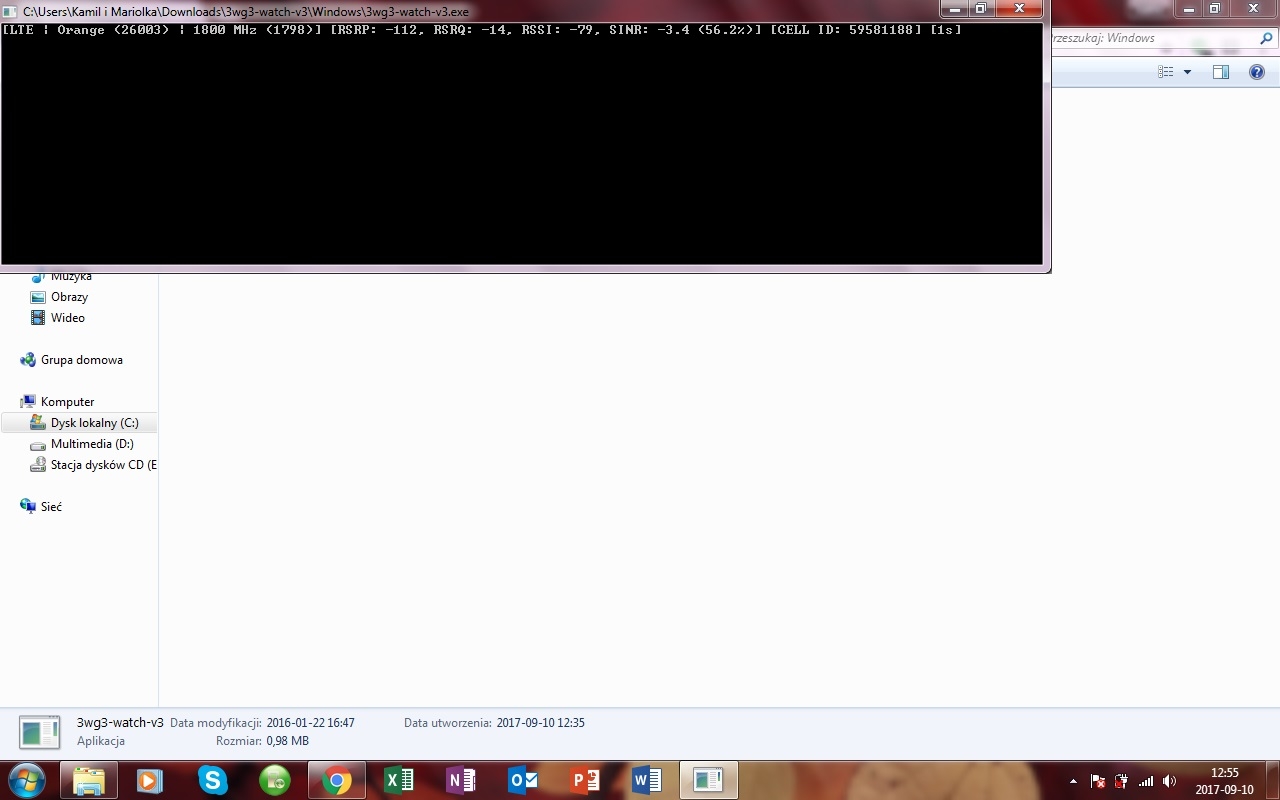
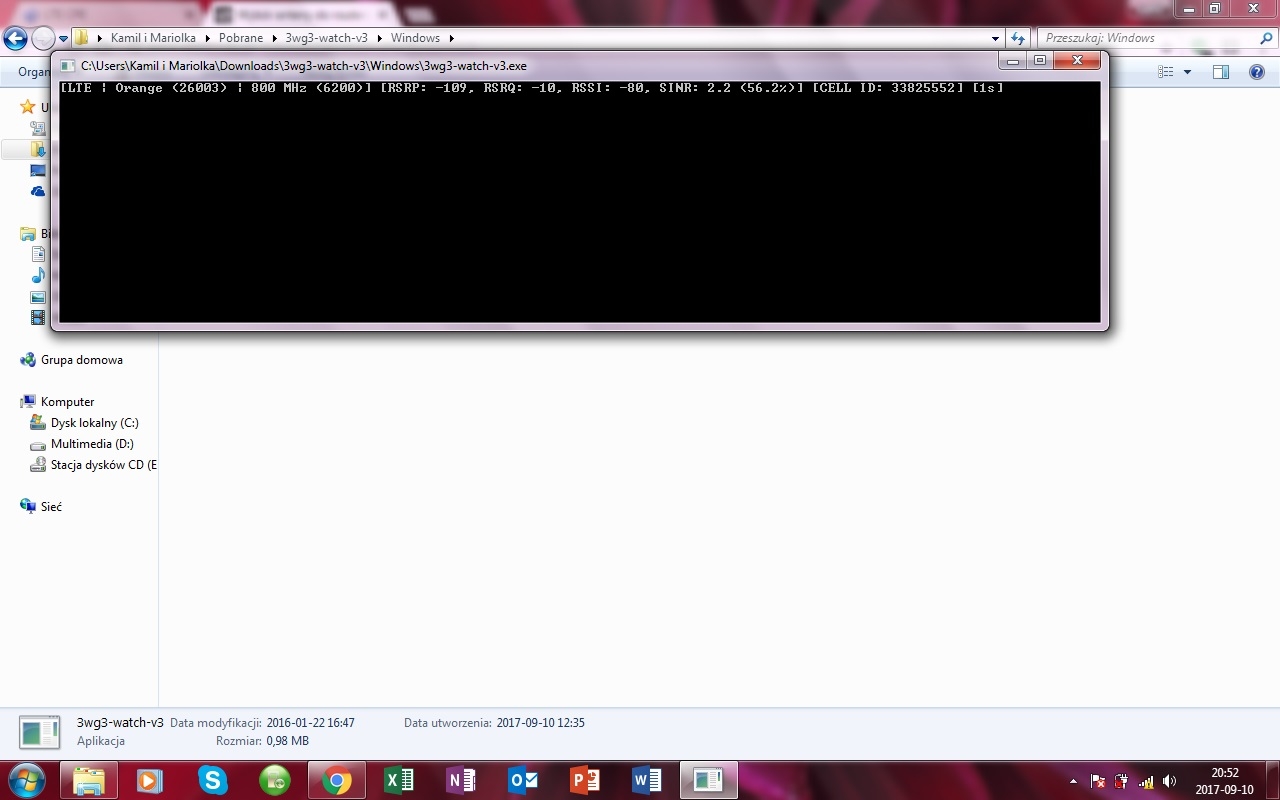
You can reach LTE1800 NetWorks from Grunwaldzka 275, but LTE800 from the Jaworzno III power plant chimney performs better here. Field tests in the thread showed superior signal and speed on LTE800. Prioritize LTE800 for reliability. [Elektroda, matek451, post #16692526]
What speeds did users measure on LTE800 vs LTE1800 at this location?
Reported LTE800 results: about 11.24 Mb/s download, 4.11 Mb/s upload, 22 ms ping. On LTE1800 at the same spot: ~7.15 Mb/s down and 0.96 Mb/s up. This indicates LTE800 was faster and more consistent indoors in this case. [Elektroda, kamiljaw88, post #16692402]
Are panel or small whip antennas a good idea here?
No. At 800–900 MHz, Yagi‑Uda designs are more effective. The thread’s expert discouraged certain panel brands and treated mini whip products as unsuitable for LTE800 performance. Choose proven Yagi models instead. [Elektroda, matek451, post #16693242]
I accidentally aimed at Jaworzno II and saw no improvement—why?
Aiming at a site without the desired Orange LTE800 transmitter yields no gain. The user confirmed mis-aiming at Jaworzno II caused unchanged parameters. Correct the azimuth toward the Jaworzno III chimney and retest. Edge case: wrong site equals zero benefit. [Elektroda, kamiljaw88, post #16702419]
How can I read band, CID, and signal metrics from the MF283+?
Install the 3WG3‑Watch utility on your PC and connect to the router. It shows LTE band, cell ID, and key signal metrics for alignment. Take screenshots before and after antenna tweaks to verify improvements. [Elektroda, matek451, post #16691272]
What does 2x2 MIMO mean for my antenna choice?
2x2 MIMO uses two independent data streams for higher throughput and resilience. You need a pair of matched antennas, one vertical and one horizontal. This configuration is required to fully exploit LTE800 performance in this area. [Elektroda, matek451, post #16692526]
Can an omnidirectional antenna solve my indoor signal problem?
Omnidirectional antennas trade gain for convenience and underperform on weak LTE800 signals. The expert guidance favors higher‑gain Yagi‑Uda antennas at 800–900 MHz for this exact scenario. Directional gain beats omni simplicity here. [Elektroda, matek451, post #16693242]
How do I quickly test whether LTE improves outside before buying antennas?
Place the MF283+ by a window facing the power plant and force LTE. The user saw immediate LTE attachment when moving the router outside, indicating line‑of‑sight helps. If metrics improve, proceed with external antennas. [Elektroda, kamiljaw88, post #16691365]
What is DC‑HSPA+ and why is LTE preferred here?
DC‑HSPA+ is dual‑carrier 3G that combines two channels for higher speeds than standard 3G. In this thread, 3G performed inconsistently indoors. LTE800 offered better stability and throughput at this address, making it the preferred choice. [Elektroda, matek451, post #16692526]
Does my Galaxy S5 support the needed LTE bands?
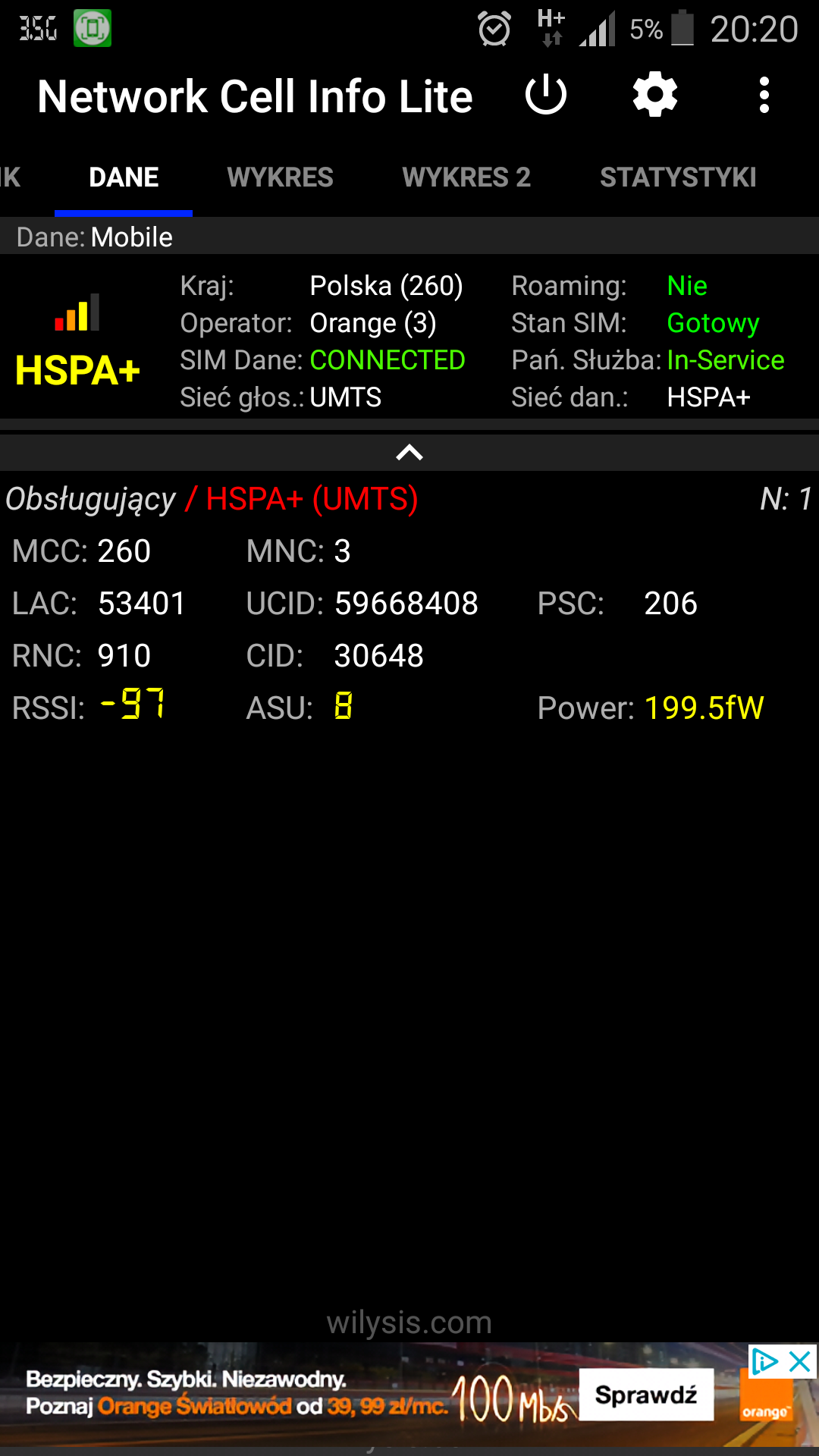
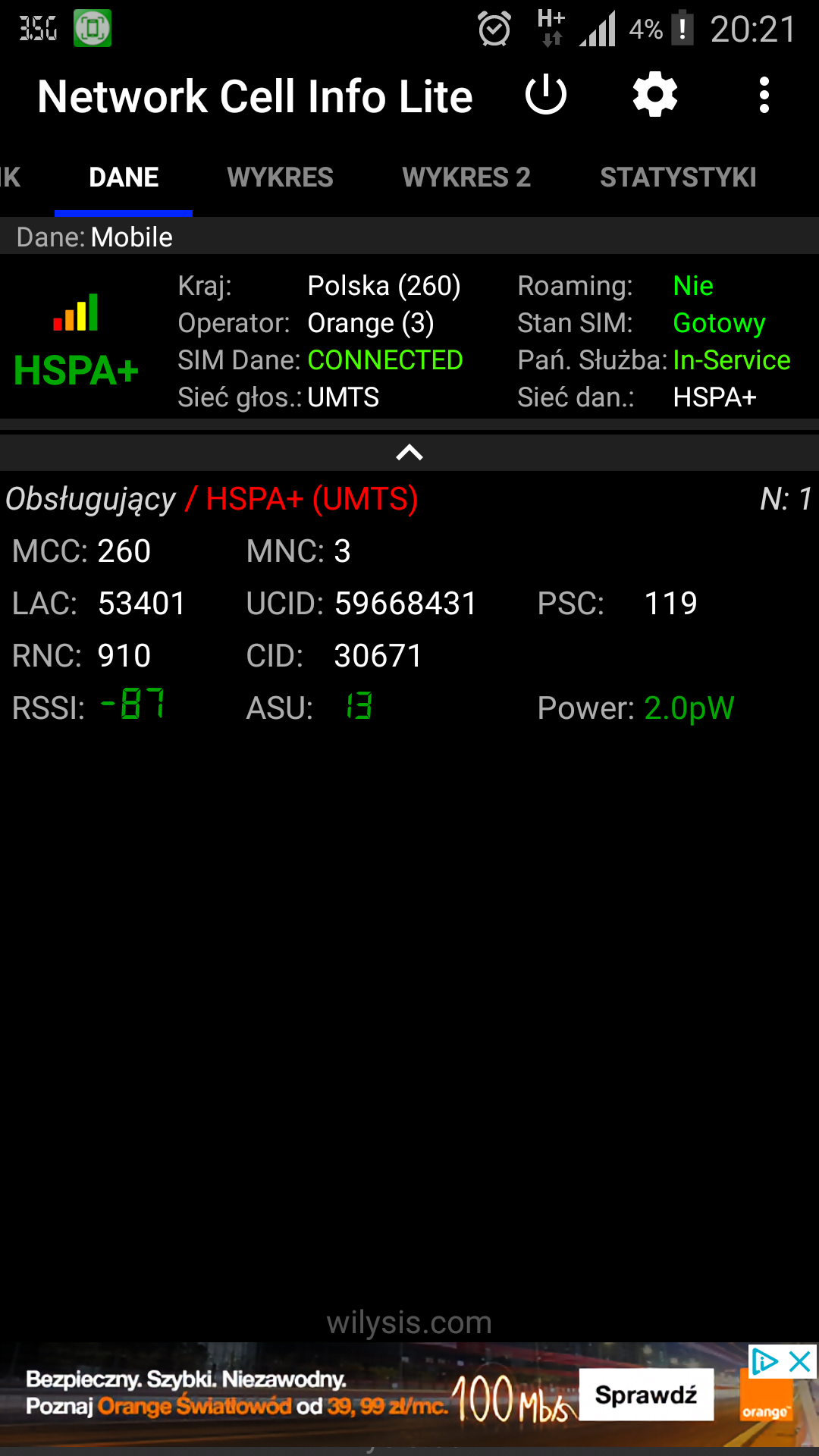
Yes, Galaxy S5 variants used in Europe support LTE800 and LTE1800. The poster confirmed using an S5 for measurements in this thread, which aligned with the LTE bands discussed. Use it to scout signal outdoors. [Elektroda, kamiljaw88, post #16691170]
How should I physically mount and aim the two Yagi antennas?
Mount both above roofline if possible. Set one for vertical polarization, one for horizontal. Space them a short distance apart on the same mast. Aim precisely toward the Jaworzno III chimney, then fine‑tune while watching RSRP/RSRQ. [Elektroda, matek451, post #16692526]
What is a BTS and why does its location matter?
A BTS is the base transceiver station that your device connects to. Its band, distance, and line‑of‑sight determine signal quality. Here, targeting the LTE800 BTS at the power plant outperformed the LTE1800 BTS at Grunwaldzka 275. [Elektroda, matek451, post #16691412]
Step‑by‑step: force LTE800 and verify improvement
- Disconnect the MF283+ internet session, then select LTE‑only and band LTE800.
- Aim antennas at the Jaworzno III chimney and reconnect.
- Run speed tests and log RSRP/RSRQ/CID with 3WG3‑Watch to confirm gains. [Elektroda, matek451, post #16691412]
Which specific antenna models were recommended by name?
ATK‑10/800‑980 and ATK‑20 were named as proven Yagi choices. They match the LTE800 band and deliver the needed directional gain. Use two units for MIMO and mount in cross polarization (V/H). [Elektroda, matek451, post #16692526]