FAQ
TL;DR: For Kinect Xbox One power-cycling, first try a full console shutdown by holding the power button 15 seconds; “problem is purely software.” [Elektroda, Krzychu K., post #16733656]
Why it matters: This FAQ helps DIYers quickly decide between a software reset and a proven hardware bypass to stop Kinect reboots.
Quick Facts
- Symptom: Kinect repeatedly turns on/off, stabilizes when cold, then shuts down again; thermal protection may trigger. [Elektroda, hubalaga, post #16732318]
- Fast try: 15‑second hard power‑off of the Xbox, then reconnect Kinect after boot. [Elektroda, Krzychu K., post #16733656]
- Hardware path: Bypass the Kinect thermal protection by shorting the pins near the IR diodes. [Elektroda, hubalaga, post #16732318]
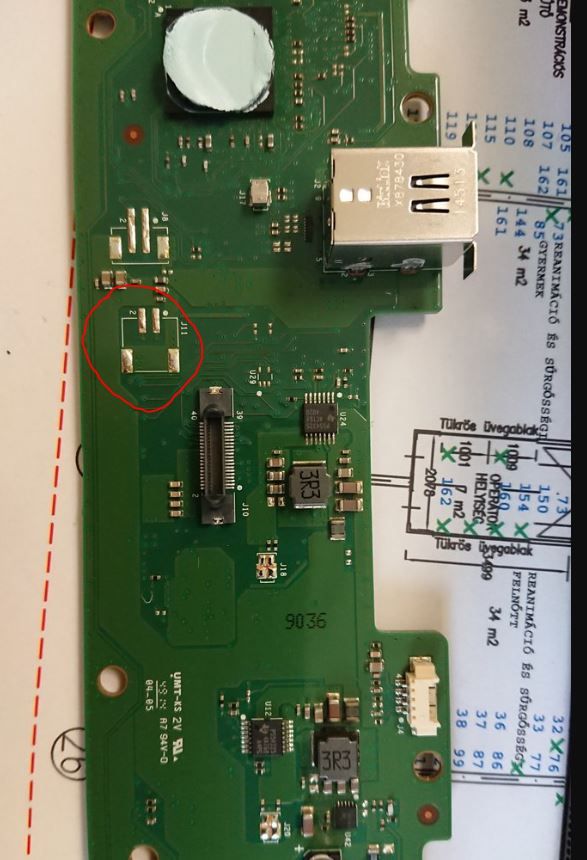
- Some Kinect 2.0 boards lack the external thermal fuse; users report success shorting close‑together pads. [Elektroda, cypeks, post #18670350]
- Edge case: Even with a new fan and firmware, resets can persist; other faults may exist. [Elektroda, gogon21, post #18707628]
What causes my Kinect Xbox One to keep turning on and off?
A tripping thermal protection circuit often causes the periodic on/off cycle. Users report the unit works when cold, then resets and powers off as it warms. The protection device sits near the IR LED cluster and can falsely trigger, leading to loops. [Elektroda, hubalaga, post #16732318]
Is there a quick software fix I should try first?
Yes. Do a hard power reset of the console: hold the power button for 15 seconds, unplug Kinect, boot the console, then reconnect Kinect after the system loads. This addresses cases where software caused the overheating warning. [Elektroda, Krzychu K., post #16733656]
How do I bypass the Kinect thermal protection?
Open the unit and short the thermal protection pins located next to the IR diodes. This disables the over‑temperature cutoff that falsely trips. Quote: “It turns out that Kinect has a thermal protection… It was enough to bypass (close pins) this element.” 1) Open Kinect. 2) Locate IR LEDs and the adjacent protection device. 3) Bridge its pins and test. [Elektroda, hubalaga, post #16732318]
My board has no external thermal fuse—what do I short?
Several Kinect 2.0 boards use pads instead of a plastic thermal switch. Owners restored operation by shorting the two close‑together pads on that footprint. Many also refreshed thermal interface material during the same service. [Elektroda, cypeks, post #18670350]
Does reapplying thermal paste help the Kinect stay stable?
Yes. Users who shorted the close pads also replaced the dried “plasticine” thermal compound on the processor. After adding paste, the Kinect ran stably instead of hanging shortly after start. [Elektroda, cypeks, post #18670350]
Will bridging the pins permanently fix the power‑cycling issue?
Many report success after bridging, with the Kinect returning to normal operation. One user used the video trick and confirmed, “it helped.” As with any bypass, monitor temperatures after the change. [Elektroda, Neortic, post #17958141]
Did soldering or just a bridge solve it for the original poster?
A responder noted the described bypass resolved the issue for the thread’s author. If you replicate it, ensure you bridge the correct points and test thoroughly. [Elektroda, Shark.93, post #18418212]
What if bypassing and replacing the fan still doesn’t stop resets?
Some units continue to reset immediately at startup, even with a new fan and attempted firmware updates. That indicates another fault path and requires deeper hardware diagnosis beyond the thermal switch. [Elektroda, gogon21, post #18707628]
Can the external power module or wiring cause Kinect hangs?
Yes. One user’s Kinect froze after several dozen seconds to a few minutes. They bridged the overheat sensor and soldered 12 V directly to the control board, removing a third‑party power module. The set then ran without jams. [Elektroda, rumian13, post #19798490]
Which pads do I short on the 4‑pad layout?
On boards with four pads where the fuse would sit, users restored operation by shorting the two pads that sit close together. Verify continuity only across that pair before powering up. [Elektroda, cypeks, post #18670350]
Are there Kinect 2.0 versions without the thermal fuse?
Yes. Owners report Kinect 2.0 units that lack the external thermal fuse, which explains why the “plastic” part from videos is missing. Cooling restoration then depends on pad‑level bridging and paste refresh. [Elektroda, gogon21, post #18433503]
Where exactly are the thermal‑protection pins located?
They sit next to the IR diode cluster inside the Kinect. That location is consistent with the part shown in the referenced repair video and described by the first poster. [Elektroda, hubalaga, post #16732318]
Is bypassing the thermal protection safe?
It removes a safeguard that can trip early. The poster called the built‑in protection “quite emergency,” implying aggressive behavior. If you bypass it, improve heat transfer and verify stable temperatures during use. [Elektroda, hubalaga, post #16732318]
When do these failures start showing up?
One owner reported the problem began after two years of use. Software resets did not help in that case, pushing them to hardware measures. [Elektroda, hubalaga, post #16743485]
What does “bridge” or “jumper” mean here?
It means electrically connecting the two target pins or pads so the circuit stays closed. A user without the plastic fuse “closed these 2 pins on the board with a cable,” and the sensor worked. [Elektroda, sluchawa21, post #17421097]
Does the fix help after a recent update or preview OS build?
If you run a preview build, perform the 15‑second hard shutdown and reconnect Kinect after boot. This addresses software‑origin overheat flags before you open the device. [Elektroda, Krzychu K., post #16733656]