FAQ
TL;DR: For a 1000 W S-690 motor, place the soft‑start before the EMI capacitor; "Connect upstream of the anti‑interference suppression capacitor." [Elektroda, Pedros050, post #16770328]
Why it matters: This avoids harsh inrush current while keeping radio‑noise filtering effective in Zelmer-style commutator motors.
Quick facts:
- Motor noted in thread: S‑690, 1000 W, built January 2006. [Elektroda, 3027543, post #16770251]
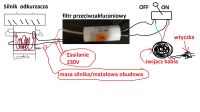
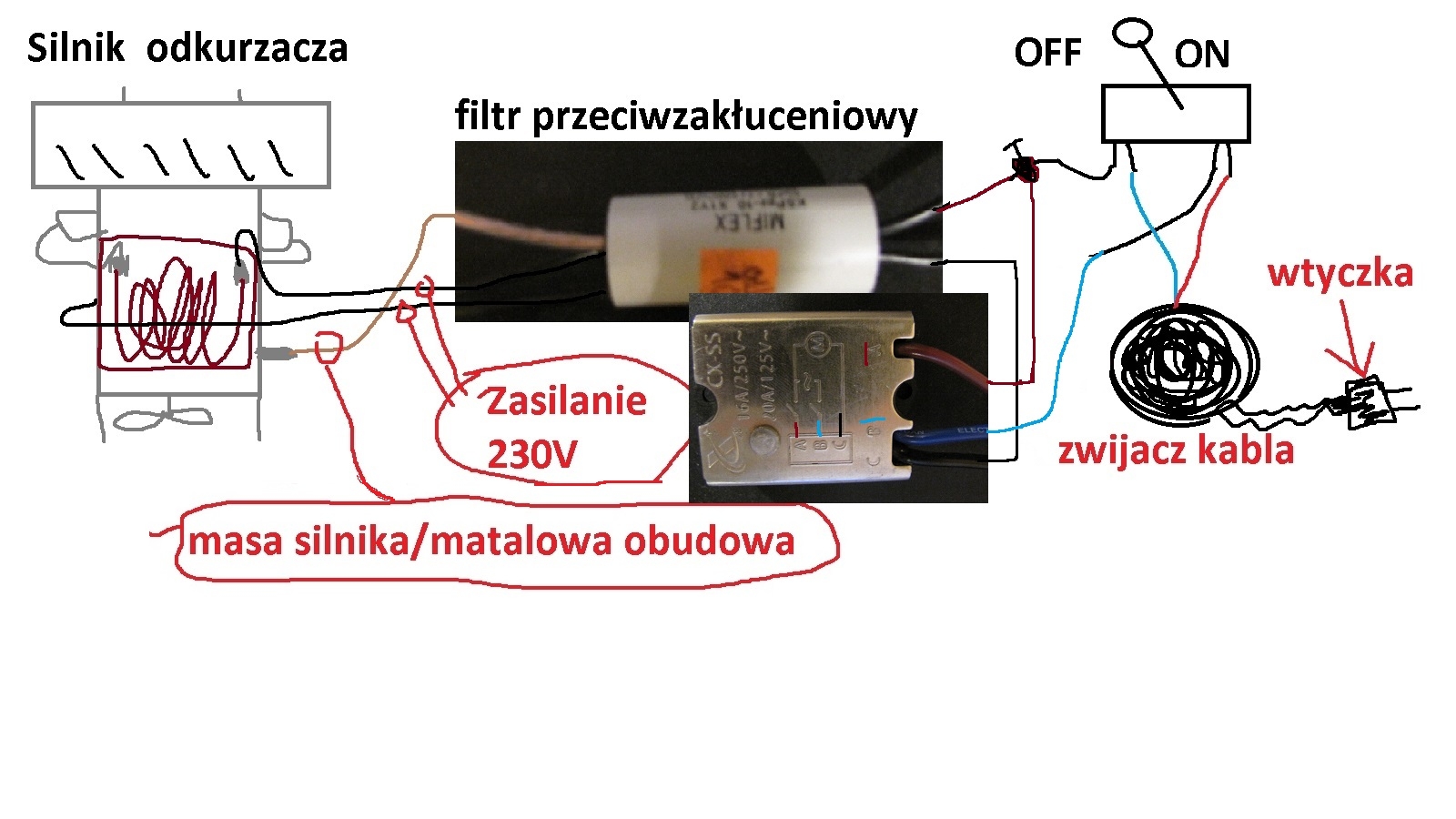
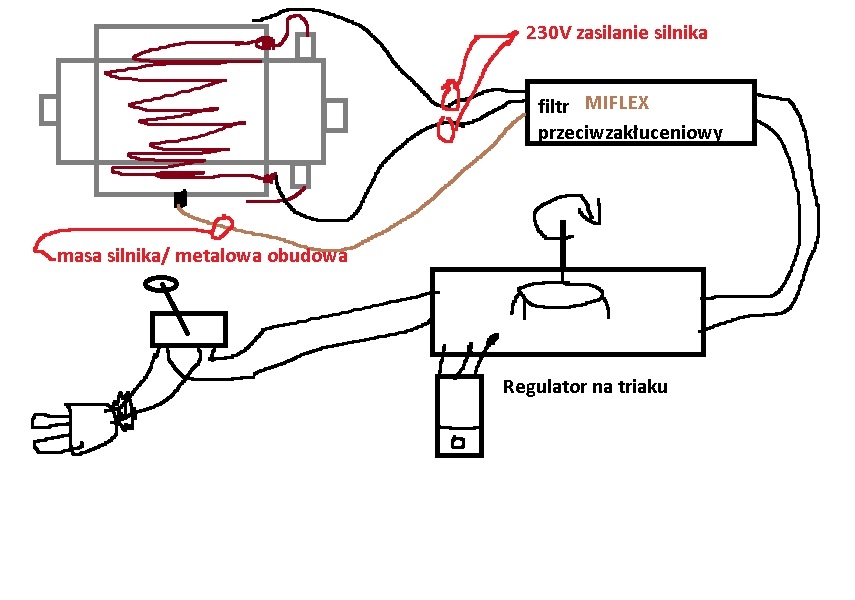
- Soft‑start wiring callouts: black→motor lead; red→switch plus motor lead; blue→switch; EMI capacitor joins red and blue. [Elektroda, Pedros050, post #16770277]
- Recommended placement: soft‑start upstream of the interference‑suppression capacitor. [Elektroda, Pedros050, post #16770328]
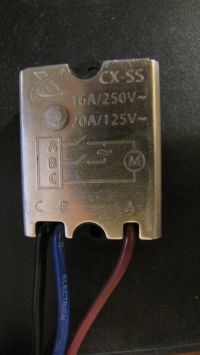
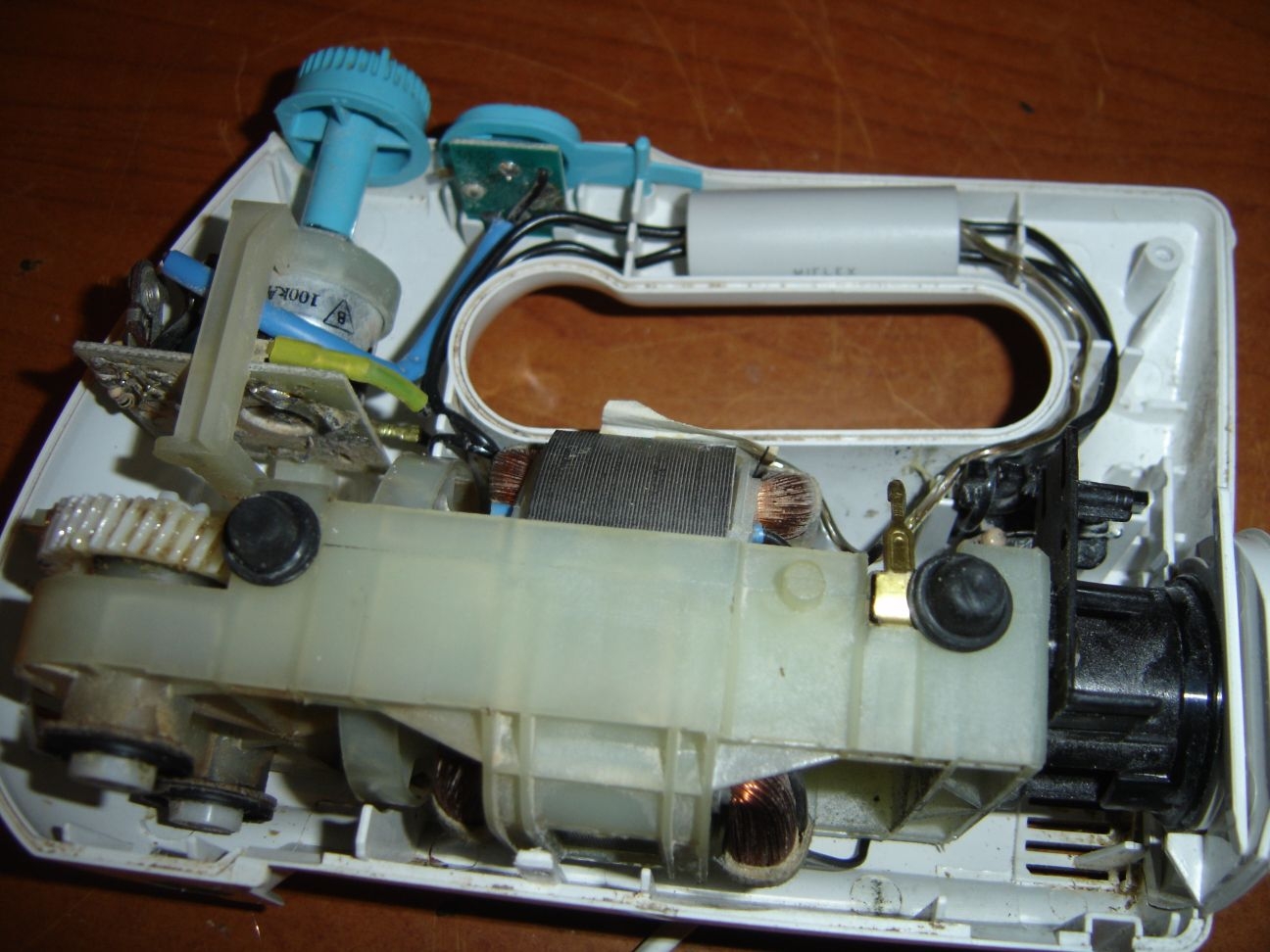
- Mixer photo shows a speed controller module, not just a soft‑start. [Elektroda, Pedros050, post #16770382]
- EMI capacitors curb disturbances from motors and thyristor/triac controls. [Elektroda, Pedros050, post #16770392]
Quick Facts
- Motor noted in thread: S‑690, 1000 W, built January 2006. [Elektroda, 3027543, post #16770251]
- Soft‑start wiring callouts: black→motor lead; red→switch plus motor lead; blue→switch; EMI capacitor joins red and blue. [Elektroda, Pedros050, post #16770277]
- Recommended placement: soft‑start upstream of the interference‑suppression capacitor. [Elektroda, Pedros050, post #16770328]
- Mixer photo shows a speed controller module, not just a soft‑start. [Elektroda, Pedros050, post #16770382]
- EMI capacitors curb disturbances from motors and thyristor/triac controls. [Elektroda, Pedros050, post #16770392]
Where should I place the soft-start: before or after the EMI (anti-interference) capacitor?
Place the soft‑start upstream of the EMI capacitor. This puts the filter closer to the mains and keeps the inrush tamed before the filter. It mirrors the guidance given in the thread’s accepted advice. “Connect upstream of the anti‑interference suppression capacitor.” [Elektroda, Pedros050, post #16770328]
How do I wire the soft-start module on a Zelmer S‑690 motor?
Follow the color cues from the thread sketch. Connect black to the motor power lead. Connect red to the switch together with the second motor lead. Connect blue to the switch. Tie the EMI capacitor across the red and blue switch connections. Keep leads short. [Elektroda, Pedros050, post #16770277]
Is there a quick 3‑step procedure I can follow?
- Route mains through the switch, then into the soft‑start input.
- Connect soft‑start output (black) to the motor lead; return motor lead joins the switch (red).
- Install the EMI capacitor across the red and blue switch terminals. Verify insulation and strain relief. [Elektroda, Pedros050, post #16770277]
Why do some mixers put the EMI filter after a speed controller?
Because the noise source is the motor and its controller. Placing the filter adjacent to that source helps shunt high‑frequency disturbances before they reach the mains. “Because the noise is coming from the engine.” [Elektroda, Pedros050, post #16770438]
Does a triac soft-start or speed controller add electrical noise to the mains?
Yes. Thyristor/triac control systems generate fast current changes that create electromagnetic interference. An EMI capacitor or filter helps contain it. Use proper class components and short leads to reduce emissions. [Elektroda, Pedros050, post #16770392]
Can I connect the soft-start after the EMI capacitor instead?
It will still operate and the cleaner will run. However, noise suppression differs with placement. The thread notes the EMI capacitor works before or after, though best practice favors filtering near the noise source. [Elektroda, Pedros050, post #16770461]
What did the mixer photo actually show—soft-start or speed control?
It showed a speed controller module, not only a soft‑start. That explains the wiring choice around the EMI filter in that appliance photo. [Elektroda, Pedros050, post #16770382]
Is a soft-start for this vacuum typically triac-based?
Yes. The discussion confirms the soft‑start is made on a triac, which ramps conduction to soften startup. This matches common appliance modules. [Elektroda, 3027543, post #16770371]
What if my model sticker is missing—how can I still proceed?
Use the motor label and power rating to guide wiring. The thread unit had an S‑690 motor, 1000 W, produced January 2006. Soft‑start placement and wiring notes still apply. [Elektroda, 3027543, post #16770251]
Do I need any special components for the EMI capacitor?
Use interference‑suppression‑rated capacitors suitable for mains. They must tolerate high pulse currents and low inductance. This keeps radio noise down during motor and triac switching. [Elektroda, Pedros050, post #16770392]
Why tie the EMI capacitor across the red and blue switch terminals?
That position places the capacitor across the switched line, damping spikes when the switch and controller operate. It also aligns with the thread’s wiring guidance. [Elektroda, Pedros050, post #16770277]
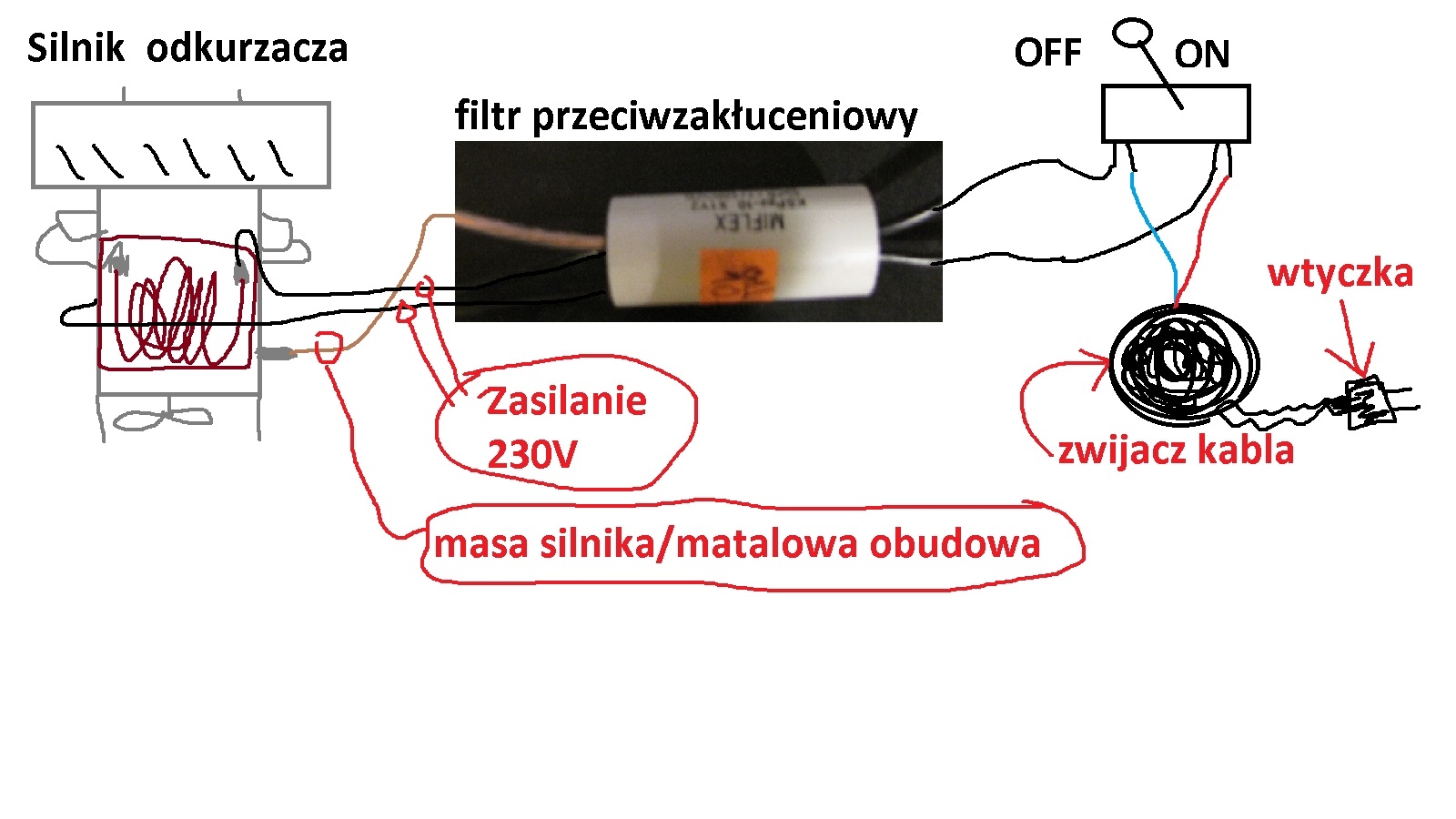
Where can I see reference sketches for these connections?
The thread includes hand sketches showing soft‑start placement options relative to the capacitor and motor. Use them to visualize the two variants. [Elektroda, 3027543, post #16770310]
Will incorrect placement damage the motor or module?
Edge case: Miswiring the soft‑start across mains or the capacitor directly to the motor brush leads can blow the module at power‑on. Double‑check the upstream placement and switch connections first. [Elektroda, Pedros050, post #16770328]
What’s the practical benefit of soft-start on a 1000 W cleaner?
It reduces inrush and brush sparking at power‑on, easing stress on the switch and brushes. The referenced unit is 1000 W, so the effect is noticeable on lights and breakers. [Elektroda, 3027543, post #16770251]
Does placing the filter nearer the controller help compliance?
Yes. Locating suppression at the disturbance source improves conducted‑emission control from thyristor systems. It aligns with the mixer’s layout explained in the thread. [Elektroda, Pedros050, post #16770438]