FAQ
TL;DR: Owner observations: a dealer-serviced Accord with 40,000 km showed strong filler-cap pressure yet no oil loss; "this symptom is in every Honda." Open caps/sticks vent blow-by, so check PCV/odma and monitor smoke/oil level. [Elektroda, koks214, post #16782125]
Why it matters: This FAQ helps Honda Accord 2.2 i‑DTEC owners diagnose oil mist at the dipstick/filler without panic and decide what to check first.
Quick Facts
- Normal crankcase blow-by will escape if you remove the dipstick or filler cap on a running engine. [Elektroda, Michal_WWL, post #16780956]
- Worn rings usually cause blue exhaust smoke and measurable oil consumption. [Elektroda, moto-kord, post #16781937]
- A simple compression test helps assess overall engine condition when symptoms worry you. [Elektroda, Michal_WWL, post #16780979]
- On this engine family, users reported strong cap pressure yet stable oil levels over years of use. [Elektroda, koks214, post #16782125]
Is oil spitting from the dipstick on a 2008 Accord 2.2 i‑DTEC normal?
Yes, if you pull the dipstick or open the filler with the engine running, crankcase gases can vent there and carry a light oil mist. That is expected behavior when the PCV/odma is routing blow‑by. The symptom alone does not mean an engine rebuild. [Elektroda, Michal_WWL, post #16780956]
Will my engine need replacing if it blows oil mist but doesn’t burn oil?
Not based on that symptom alone. All engines have some blow‑by. If oil level stays stable and there’s no blue smoke, schedule checks but don’t assume a rebuild. A compression test can benchmark health. “Each engine has crankcase blow-bys.” [Elektroda, Michal_WWL, post #16780979]
What is the PCV/odma/pneumothorax system?
It’s the Positive Crankcase Ventilation path that routes combustion blow‑by gases from the crankcase back into the intake, preventing pressure buildup and controlling emissions and oil leaks. In this thread it’s called odma or pneumothorax. See general background on PCV. “PCV valve”
Where is the PCV hose on the 2.2 i‑DTEC?
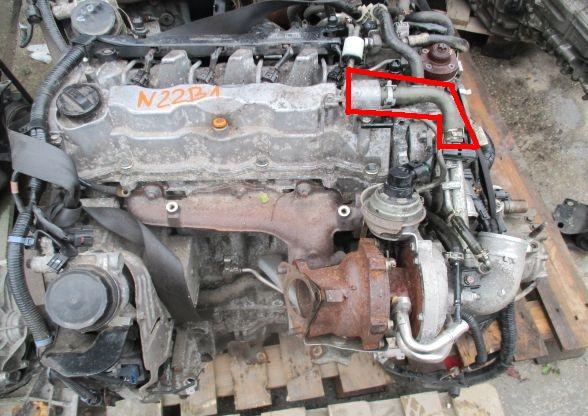
Owners identified the hose running from the crankcase area to the valve cover; a forum reply marked its location in a photo. Use that routing to find the connection points for inspection and cleaning. [Elektroda, sly_1978, post #16782105]
How do I quickly check/clean the odma (PCV) path?
- With engine cool, trace the hose from crankcase to valve cover and remove it.
- Inspect for sludge, kinks, or blockage; wipe and clear gently.
- Refit securely and ensure no cracks or loose clamps.
This aligns with the identified hose path in the thread. [Elektroda, sly_1978, post #16782105]
When should I get a compression test on this engine?
Get one if oil level drops, blue smoke appears, or performance worsens. A test helps separate normal blow‑by from ring or valve issues. A mechanic can perform it to gauge overall condition. “Each engine has crankcase blow-bys.” [Elektroda, Michal_WWL, post #16780979]
Do worn piston rings always mean oil usage on this Honda?
Worn rings typically show as blue exhaust smoke and oil consumption. If rings were failing, you’d expect visible blue smoke under load and falling dipstick levels. Lack of those signs points away from ring failure. [Elektroda, moto-kord, post #16781937]
My oil level hasn’t changed over 4,000 km; should I worry about the mist?
Stable oil levels over 4,000 km suggest the engine is sealing well. Light mist when opening the filler or dipstick can still occur due to vented blow‑by. Keep monitoring level and smoke; schedule routine checks. [Elektroda, koks214, post #16780912]
Is strong pressure at the filler cap common on these engines?
Several owners reported notable cap pressure and some oil splatter with no oil loss over years of driving. That observation reduces concern if other symptoms are absent. Continue normal maintenance and periodic inspections. [Elektroda, koks214, post #16782125]
What does “pneumothorax” mean in this thread about engines?
It’s a colloquial or translated term users applied to the crankcase ventilation system (odma/PCV). Opening the cap or dipstick gives those gases an easier escape route, which you may see as mist or pulses. [Elektroda, Michal_WWL, post #16780956]
What warning signs mean the issue isn’t just normal blow‑by?
Watch for blue smoke, noticeable oil consumption, rising oil level from fuel dilution, or rough running. Those signs warrant deeper diagnostics beyond PCV checks. Blue smoke plus oil loss points to ring wear as a failure case. [Elektroda, moto-kord, post #16781937]
What basic tools help inspect the PCV hose on this Accord?
Use pliers for spring clamps, a flat screwdriver for band clamps, rags, and a flashlight. With the hose path identified between the crankcase and valve cover, you can remove and check it in minutes. [Elektroda, sly_1978, post #16782105]