FAQ
TL;DR: Typical PIR sensors need up to 2 minutes to stabilize; “Sometimes it can take up to two minutes.” Wire blue to N, brown to L, and red as the switched output. [Elektroda, burur, post #16828466]
Why it matters: This FAQ helps DIYers quickly wire and debug a 230V PIR motion sensor so lights actually turn on.
Quick Facts
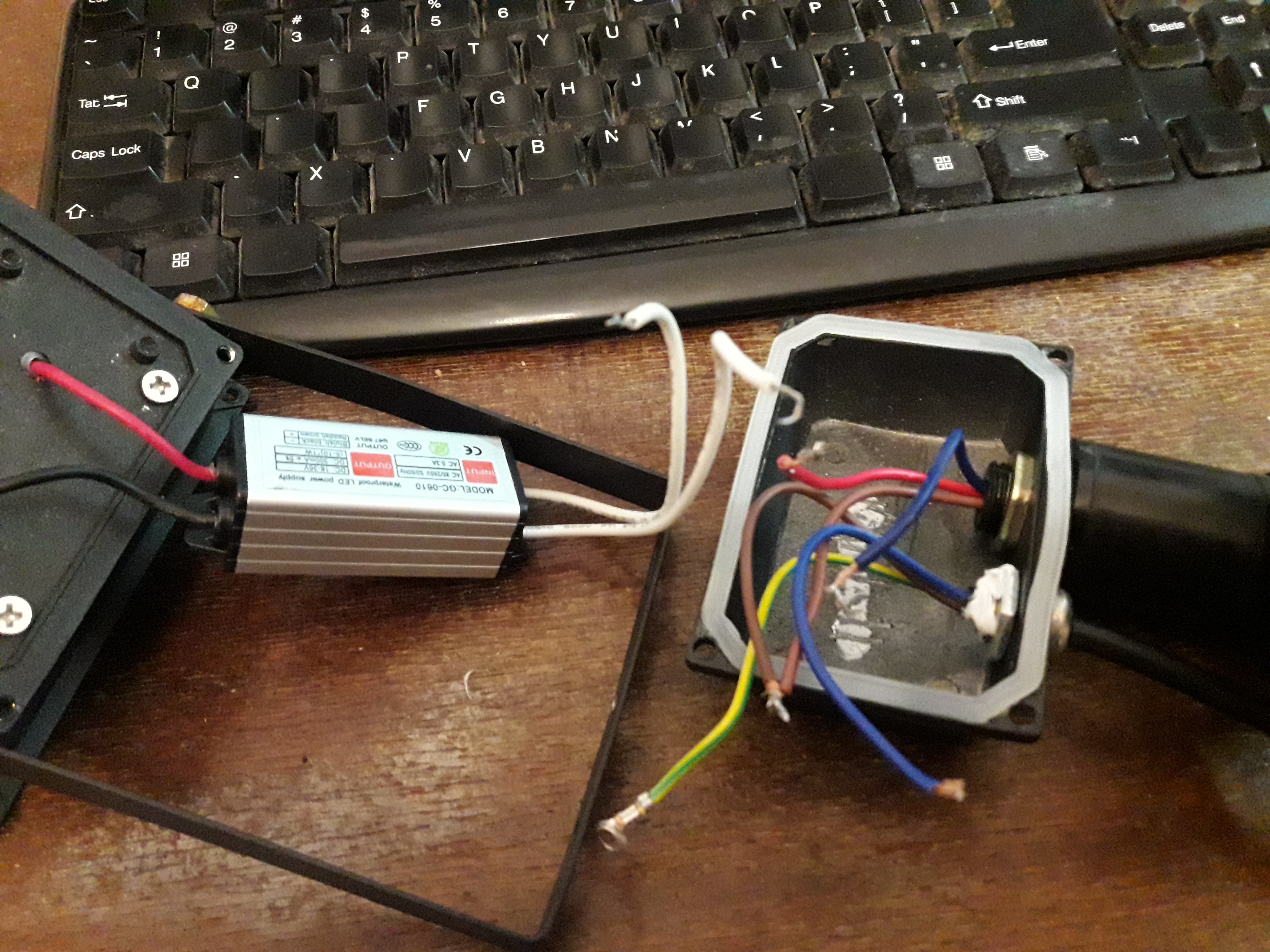
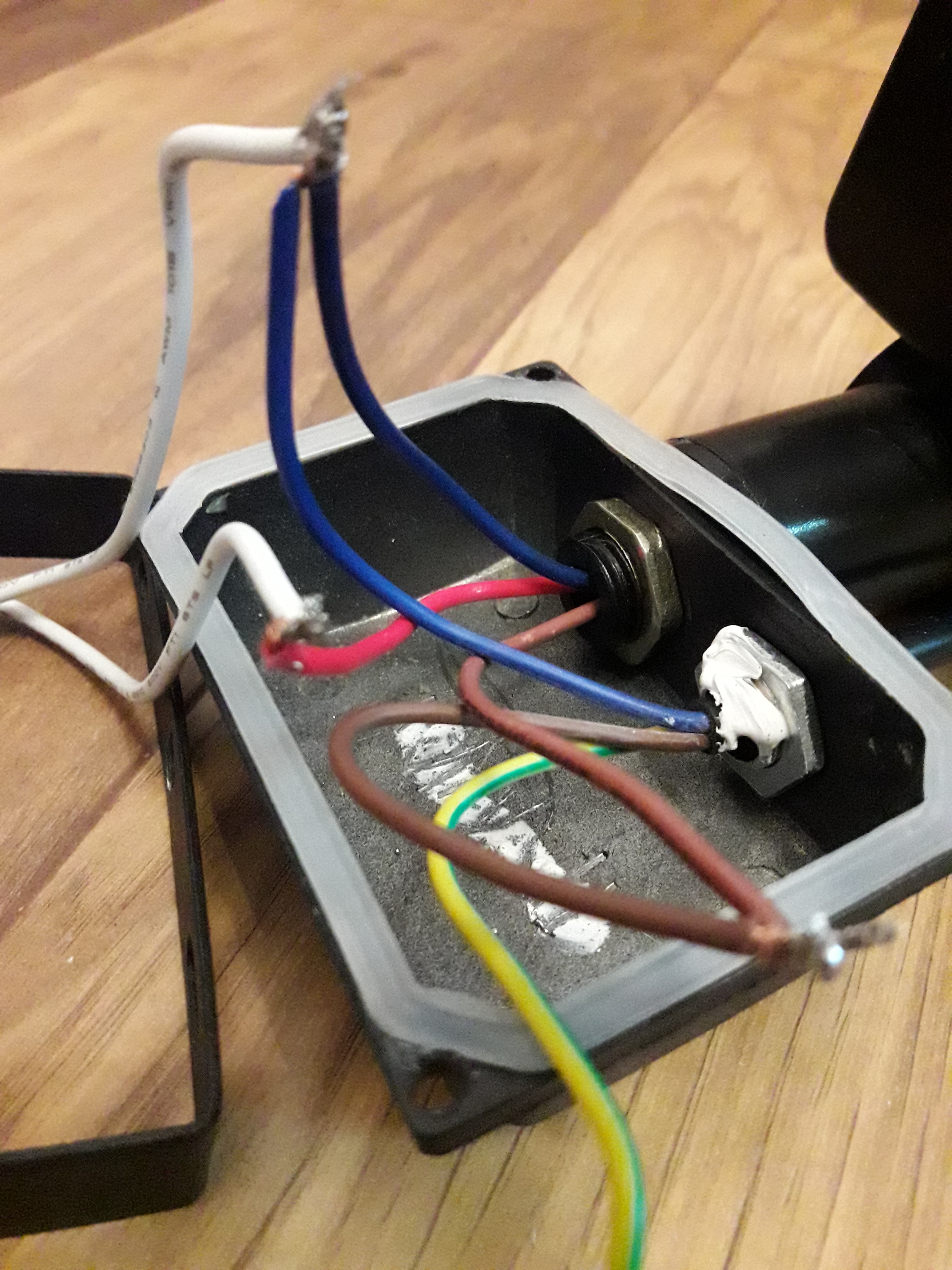
- Wire colors: blue → Neutral (N), brown → Live (L), red → switched Live to the load. [Elektroda, burur, post #16827833]
- Warm-up/settling time after power-on: up to ~2 minutes before reliable triggering. [Elektroda, burur, post #16828466]
- Initial test settings: darkest mode, minimum sensitivity, time at mid-scale; allow long observation. [Elektroda, lukaszd82, post #16828467]
- Max hold-on time some units can deliver: about 30 minutes at the highest setting. [Elektroda, lukaszd82, post #16828467]
- If behavior is erratic, a failed capacitor in the detector electronics is a known fault. [Elektroda, lukaszd82, post #16828753]
How do I wire a 230V PIR motion sensor so it actually works?
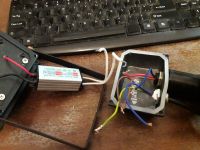
Connect two blues (including supply neutral) to N, two browns to L (line in), and red to the load’s live input. This routes unswitched line and neutral to the sensor while the red wire becomes the sensor’s switched live to your lamp or LED driver. Tighten terminals and insulate all connections. [Elektroda, burur, post #16827833]
Why does my lamp flash once on power-up and then stay off?
Some low-cost sensors misbehave if powered in bright conditions. One user observed a flash at power-on in daylight, and the unit only worked when connected in the dark. Power up in low light and test again after warm-up. Adjust dusk and time knobs afterward. [Elektroda, lukaszd82, post #16827949]
Do PIR sensors need time to stabilize after switching on?
Yes. Expect a short warm-up before proper motion detection. As one expert put it, “Sometimes it can take up to two minutes.” Don’t tweak controls until this adaptation finishes. Avoid rapid power cycling during this period. [Elektroda, burur, post #16828466]
What initial knob settings should I use for a clean first test?
Set dusk to the darkest symbol, sensitivity to minimum, and time to mid-scale. Leave the installation powered and observe for up to an hour. Some units can hold the output for about 30 minutes at maximum. This reduces false triggers while you verify basics. [Elektroda, lukaszd82, post #16828467]
How can I confirm phase and neutral are not swapped?
Verify the brown conductor is live (L) and the blue conductor is neutral (N) at the supply. Use a proper voltage tester and safe methods. Correct polarity helps the sensor and load behave predictably and avoids nuisance faults during testing. [Elektroda, lukaszd82, post #16828142]
What’s a safe way to test the circuit without my LED driver?
Use a simple light bulb as a test load in a safe holder or socket. Follow electrical safety rules, use proper connectors or terminal blocks, and insulate exposed conductors. If the bulb behaves, the issue may be with the driver or settings. [Elektroda, marqqv, post #16828485]
My LED failed earlier; the new LED works on 230V but not through the sensor—what next?
First, confirm the power supply/driver is healthy. Then recheck wiring, restore default test settings, and allow the sensor to warm up fully. If it works briefly on direct 230V but not via the sensor, focus on the sensor’s output path and dusk/time settings. [Elektroda, burur, post #16828209]
What does it mean if touching a meter probe makes everything light up?
That observation suggests the circuit is sensitive and on the edge of triggering. Re-verify each connection, confirm phase/neutral, and repeat the test after warm-up with conservative settings. Replace the load with a bulb to simplify diagnostics. [Elektroda, Tomeksup, post #16828501]
Could a faulty component inside the PIR cause random behavior?
Yes. A failing capacitor in the detector electronics can cause unstable or erratic output. Measure the capacitor’s value and replace it if out of tolerance. “Faulty capacitors make the electronics go crazy,” as discussed in the linked diagnostics. [Elektroda, lukaszd82, post #16828753]
How long can the light stay on after motion is detected?
On some units, the on-time can reach about 30 minutes at the maximum time setting. This is useful for area lighting but can hide wiring issues during tests. Start at mid-scale and tune upward only after stable operation. [Elektroda, lukaszd82, post #16828467]
What’s a simple three-step procedure to commission the sensor?
- Set dusk to darkest, sensitivity to minimum, and time to mid-scale. 2. Power the unit and leave it undisturbed during warm-up. 3. After observation, fine-tune time and sensitivity in small increments. [Elektroda, lukaszd82, post #16828467]
Where can I find the diagnostics link mentioned in the thread?
It’s referenced in the 4th post of the discussion. Review that post to access troubleshooting details about common detector faults and checks. [Elektroda, Witold5, post #16831244]
Does it matter which way I connect live and neutral at the input?
Yes. Connect the phase to the brown wire and neutral to the blue wire. Incorrect polarity can prevent proper triggering and complicate troubleshooting. Confirm with a reliable tester before energizing the circuit. [Elektroda, lukaszd82, post #16828142]
If the sensor worked when new but stopped later, what should I suspect?
Check the load first, since an LED or driver failure can mask sensor behavior. Then verify wiring, allow warm-up, and test with a simple bulb. If issues persist, inspect the detector electronics for a degraded capacitor. [Elektroda, Tomeksup, post #16828419]
How long should I wait before concluding the sensor is faulty?
Allow the full warm-up (up to about 2 minutes) and an extended observation with conservative settings. If the sensor still fails to trigger reliably with a bulb load and correct polarity, investigate internal components like the timing capacitor. [Elektroda, burur, post #16828466]