logo elektroda
logo elektroda
X
logo elektroda

[Solved] Connecting 3-Bulb Ceiling Lamp: Fixing Light Issues & Wiring (Photo Included)

xencikx 5730 11
ADVERTISEMENT
Treść została przetłumaczona polish » english Zobacz oryginalną wersję tematu
  • #1 17046814
    xencikx
    Level 9  
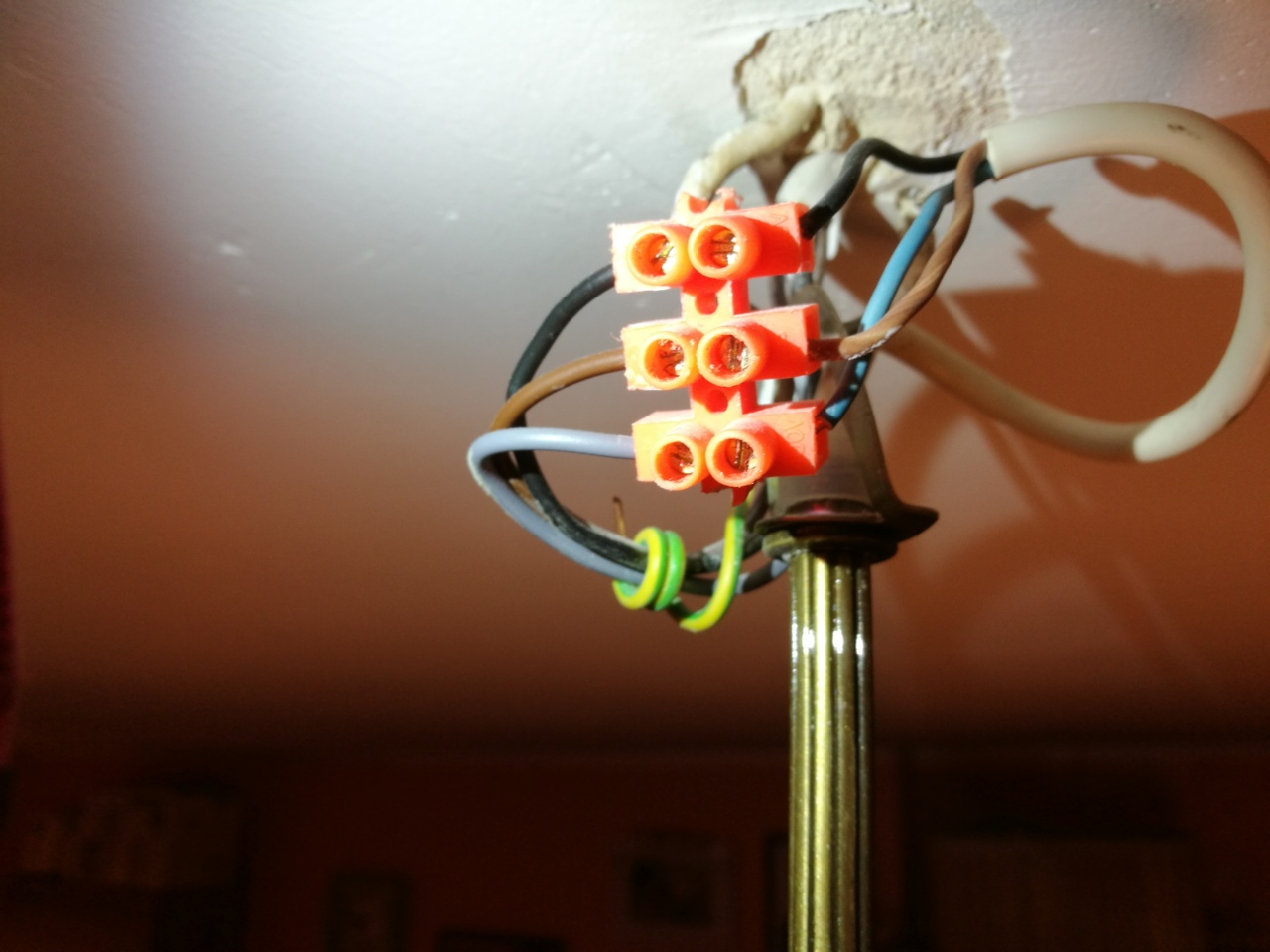
    Hello, I have a ceiling lamp for 3 bulbs. When I turn on the light, only two come on. Please write me what to do to make all 3. burn. How to connect the cables. Attached is the photo as it is connected so far. Thank you.
    Attachments:
    • Connecting 3-Bulb Ceiling Lamp: Fixing Light Issues & Wiring (Photo Included) IMG_20180218_194803.jpg (211.94 KB) You must be logged in to download this attachment.
  • ADVERTISEMENT
  • Helpful post
    #2 17046848
    Pedros050
    Level 43  
    See if I agree with the diagram? Connecting 3-Bulb Ceiling Lamp: Fixing Light Issues & Wiring (Photo Included)
  • Helpful post
    #3 17046852
    Oszech
    Level 13  
    Do you want all 3 to be lit from a single switch? If so, leave the neutral wire (blue) as it is now, while the other 2 (black and brown) going to the lamp, e.g. under the brown protruding from the ceiling.
  • ADVERTISEMENT
  • Helpful post
    #4 17046883
    triakw
    Level 18  
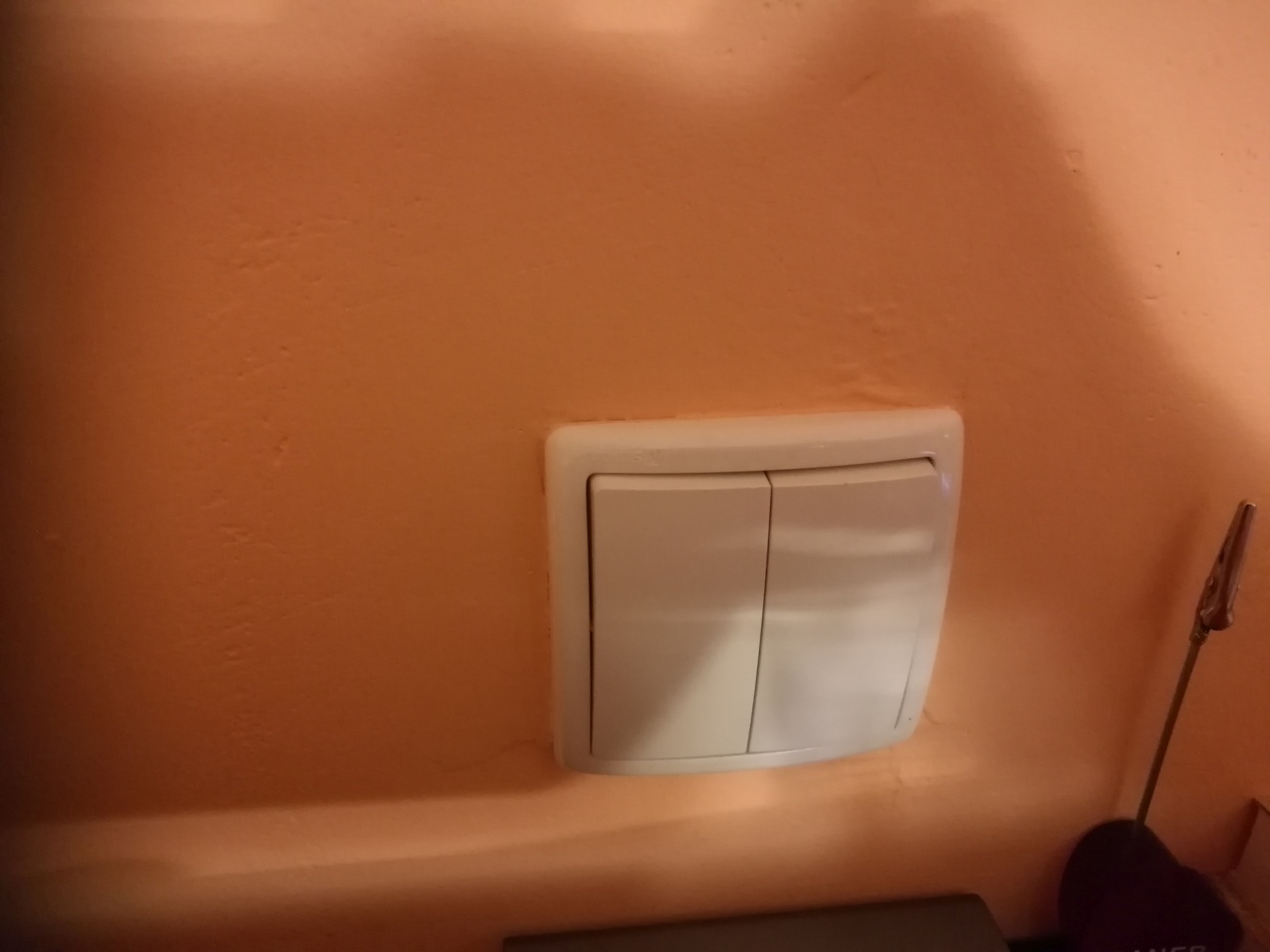
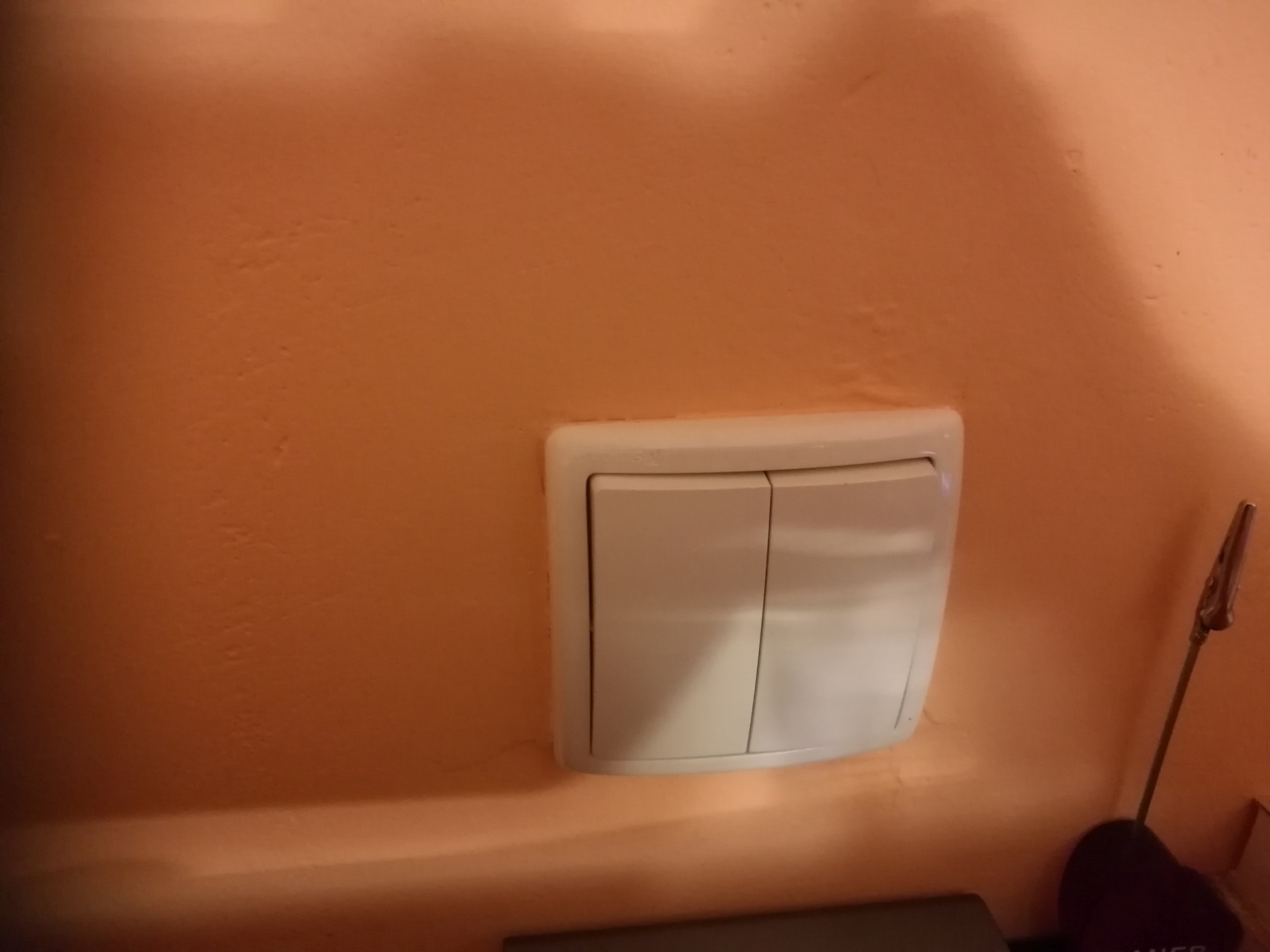
    What is the switch for this lamp. Take a photo.
  • ADVERTISEMENT
  • #5 17046889
    xencikx
    Level 9  
    Oszech wrote:
    Do you want all 3 to be lit from a single switch? If so, leave the neutral wire (blue) as it is now, while the other 2 (black and brown) going to the lamp, e.g. under the brown protruding from the ceiling.


    I have a double switch. At the moment, two bulbs turn on from one switch, while there is no reaction from the other. I would like one switch to be under one bulb and the other for two :)

    Added after 1 [minutes]:

    PITERRR wrote:
    See if I agree with the diagram? Connecting 3-Bulb Ceiling Lamp: Fixing Light Issues & Wiring (Photo Included)


    I'm sorry, but this pattern doesn't tell me much :)
  • Helpful post
    #6 17046895
    Pedros050
    Level 43  
    Is there a double switch just enough to check the color of the wires? Is that correct
  • #7 17046898
    xencikx
    Level 9  
    triakw wrote:
    What is the switch for this lamp. Take a photo.
    Attachments:
    • Connecting 3-Bulb Ceiling Lamp: Fixing Light Issues & Wiring (Photo Included) IMG_20180218_203616.jpg (162.45 KB) You must be logged in to download this attachment.
    • Connecting 3-Bulb Ceiling Lamp: Fixing Light Issues & Wiring (Photo Included) IMG_20180218_203616.jpg (162.45 KB) You must be logged in to download this attachment.
  • ADVERTISEMENT
  • Helpful post
    #8 17046905
    Oszech
    Level 13  
    Check with a voltage tester whether the black and brown vein appear when both switch buttons are on.
  • #9 17046916
    xencikx
    Level 9  
    Oszech wrote:
    Check with a voltage tester whether the black and brown vein appear when both switch buttons are on.


    On black it appears on brown is gone
  • #10 17046920
    triakw
    Level 18  
    The circuit breaker is probably defective, or it is connected incorrectly.
  • Helpful post
    #11 17046924
    Pedros050
    Level 43  
    Then take apart this double light switch and check its connection?
  • #12 17046947
    xencikx
    Level 9  
    PITERRR wrote:
    Then take apart this double light switch and check its connection?


    Thanks to the fact that you wrote me to undress the switches, the problem is solved. One of the switches was not pressed and therefore one of the lamps did not light up. Thank you for your help. Greetings.

Topic summary

✨ The discussion revolves around troubleshooting a 3-bulb ceiling lamp where only two bulbs illuminate. The user seeks guidance on wiring connections to ensure all three bulbs function. Responses suggest checking the wiring configuration, particularly the connections to a double switch. It is advised to verify the color of the wires and use a voltage tester to check for power at the connections. Ultimately, the issue was resolved by ensuring that one of the switches was properly engaged, allowing all bulbs to light up.
Generated by the language model.

FAQ

TL;DR: About 1,000 workplace electrical accidents occur annually; "Electricity can kill." For a 3‑bulb ceiling light, test both switched lives, keep neutrals common, then reseat or rewire the double switch as needed. [Electrical safety and you]

Why it matters: For DIYers troubleshooting a 3‑bulb ceiling fixture with a double switch, this FAQ shows safe wiring for all‑on or 1+2 control.

Quick Facts

  • Europe’s nominal mains: 230 V ±10% at 50 Hz; always verify before touching conductors. [IEC 60038 standard voltages]
  • IEC wire colours: Brown = live (L), Blue = neutral (N), Green/Yellow = protective conductor (PE). [IET Wiring Colours]
  • Use a two‑pole voltage indicator and follow the GS38 “prove dead” method; avoid non‑contact pens for verification. [HSE GS38]
  • Compact lever connectors (e.g., WAGO 221) are rated up to 32 A and 450 V for solid/stranded conductors. [WAGO 221 Series Datasheet]

How do I wire a 3‑bulb ceiling light so all three switch on together?

Keep the blue neutrals together as they are. Put both lamp live leads (e.g., black and brown from the fitting) under the live feed from the ceiling (brown). This ties all three lamps to one switched live, so a single switch controls them together. Isolate power and label wires before moving anything. [Elektroda, Oszech, post #17046852]

How can I wire it so one switch controls 1 bulb and the other controls 2 bulbs?

Common all neutrals together. Run one switched live from gang A to a single lamp. Run the second switched live from gang B to the remaining two lamps. Ensure the permanent live feeds both switch commons (link the commons if needed). Use proper connectors and clear labeling. [Ceiling rose — DIYWiki]

Why do only two bulbs light in my 3‑bulb fixture?

Typical causes are a loose or unseated double‑switch module, a miswired gang, or a dead lamp. In the referenced case, reseating the switch solved it: "One of the switches was not pressed and therefore one of the lamps did not light up." Check the switch first, then connections at the ceiling. [Elektroda, xencikx, post #17046947]

How do I test whether both switched lives are present at the ceiling?

“Check with a voltage tester whether the black and brown [conductors] appear when both switch buttons are on.” Use a two‑pole tester. How‑To: 1. Turn both switch rockers ON. 2. Probe each suspected switched live to neutral. 3. Identify which conductor shows 230 V and label it. [Elektroda, Oszech, post #17046905]

What do the blue, brown, and green/yellow wires mean?

In IEC countries, brown identifies live (phase), blue identifies neutral, and green/yellow identifies the protective conductor (earth). Do not use green/yellow as a live. Confirm colours match your local standard before wiring. [IET Wiring Colours]

One rocker on my double switch does nothing—what should I check first?

Remove power, pull the switch, and inspect terminations. Confirm a permanent live feeds the switch common(s), and each gang’s output clamps its conductor securely. Reseat the mechanism if it isn’t fully latched. Reassemble and retest. "Then take apart this double light switch and check its connection?" [Elektroda, Pedros050, post #17046924]

Can I join two switched lives so one gang runs all three lamps?

Yes. Keep neutrals together. Place both lamp live conductors under the single switched live feed from the chosen gang. Cap any unused switched output safely. This merges both lamp groups onto one switch. Verify with a tester before closing up. [Elektroda, Oszech, post #17046852]

How do I tell if the issue is a faulty switch or miswiring?

Measure each switch output when its rocker is ON. If one output never shows voltage but wiring is intact, replace the switch. As one expert noted, "The [switch] is probably defective, or it is connected incorrectly." Verify continuity and re‑terminate as needed. [Elektroda, triakw, post #17046920]

What voltage should I see between live and neutral on EU lighting circuits?

Expect approximately 230 V AC nominal between live (brown) and neutral (blue) in IEC regions. Allow for ±10% variation. Always verify with a two‑pole tester and isolate before changing any connections. Label conductors clearly after identification to prevent cross‑wiring. [IEC 60038 standard voltages]

Which connectors are safe for grouping neutrals or lives in the ceiling?

Use certified, enclosed connectors with adequate ratings. Lever‑type connectors like WAGO 221 accept various conductor types and are rated 32 A, 450 V. They simplify splitting one switched live to multiple lamps and tidy ceiling roses. Ensure box fill and strain relief are adequate. [WAGO 221 Series Datasheet]

Is it safe for me to do this myself?

Only work de‑energized and test before you touch. About 1,000 workplace electrical accidents occur annually, and “Electricity can kill.” If unsure, hire a qualified electrician. Use a two‑pole tester (e.g., Benning Duspol, Fluke T130) and follow lock‑off procedures. [Electrical safety and you]

How do I identify which ceiling wire goes to which switch gang?

Turn each rocker ON separately and test at the ceiling. Note which conductor becomes live with each rocker. In the thread’s case, "On black it appears; on brown it’s gone"—so black was the active switched live. Label each for 1‑lamp and 2‑lamp feeds accordingly. [Elektroda, xencikx, post #17046916]
Generated by the language model.
ADVERTISEMENT