Czy wolisz polską wersję strony elektroda?
Nie, dziękuję Przekieruj mnie tamżałosna udręka wrote:New battery assigned to the controller?
axmarek wrote:from the alternator side on the LIN bus we have about 12 V from the UPC driver side only about 3 V
genek1000 wrote:axmarek wrote:from the alternator side on the LIN bus we have about 12 V from the UPC driver side only about 3 V
I am not sure now (I measured maybe twice) but it seems to me that the voltage on the LIN should be 5-10V on the fastened components
axmarek wrote:according to Wikipedia, the LIN bus is 12 V
genek1000 wrote:Look for the EMM T4 module marked the same as yours - i.e. the equipment version (marked from L1 to L3) and the reference number after the word RENAULT and there is a good chance that there will be no problems.
Ideally, someone would rewrite the contents of the old module for you.
\
enricofatal wrote:Has anyone checked the charging on the disconnected alternator plug?
enricofatal wrote:rather, the climate has nothing to do
I'm surprised why it wakes up by itself on a disconnected plug
understand that this alternator is new in the car and was everything okay in the past?
enricofatal wrote:physically, when you checked this alternator, you were also able to see that the protocol from the alternator was detected
anyone had an adapter for alternators on com?
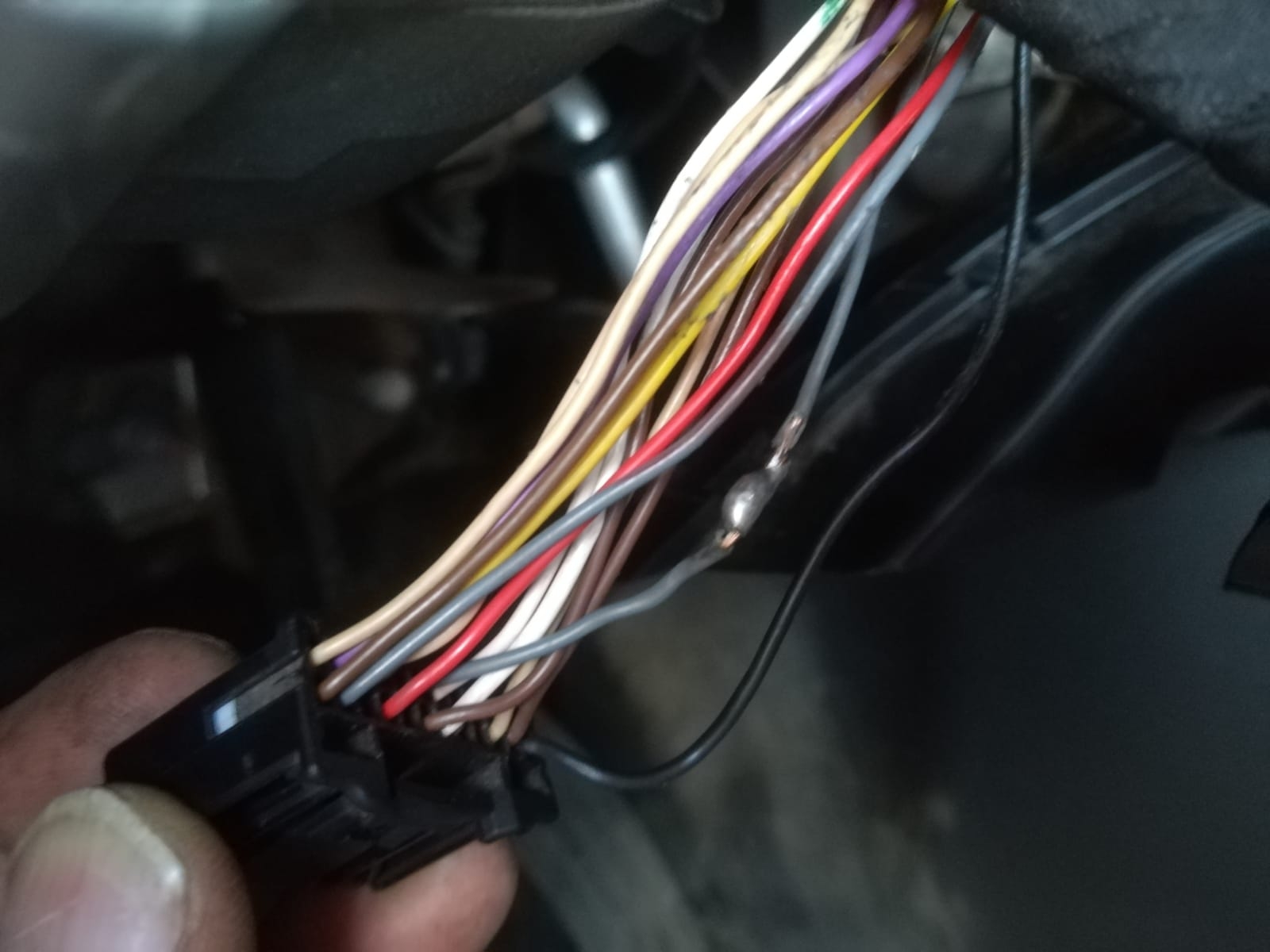
axmarek wrote:Out of nowhere, 12V appears on the alternator-UPC cable with the ignition on. I disconnected the factory cord and pulled a makeshift and the problem was gone,
axmarek wrote:To sum up, on a working bus, the meter shows about 10 V
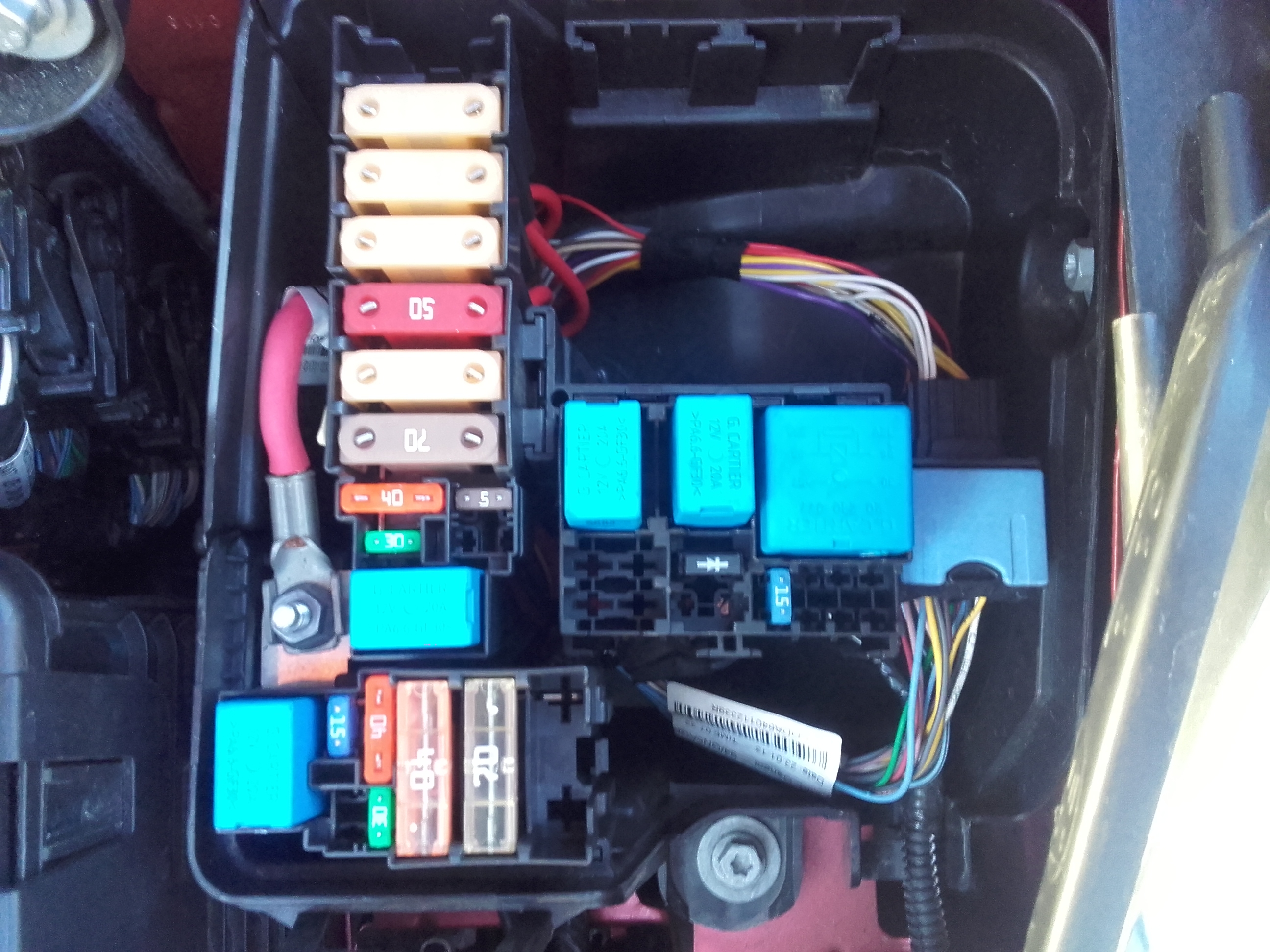
axmarek wrote:in the fuse box under the hood there is something marked with a diode symbol - see the photo - in my case it is inserted as in the photo and it seems to me that on the net I saw photos somewhere where this element is inserted the other way round. Can someone confirm how it is to be pressed. I will add that when measuring with a meter, it does not look like a diode, unless it is damaged.
genek1000 wrote:
And now I will write "I told you so"
You had to listen to uncle genek as he wrote that the voltage on the LIN bus should not be higher than 10V and seriously, I would check the installation.
A short circuit to + 12V is not of itself.
genek1000 wrote:
If you have a diode inserted, as in the photo, you have it on a short circuit - it probably is not a diode anymore
This LED is used to "extinguish" the A / C compressor clutch solenoid coil and is wired in parallel to the clutch.
Inserted the other way around makes the power supply shorted from the relay to ground, so I would check the 15A compressor fuse next to the main plus screw.
TL;DR: “Voltage on LIN should be 5-10 V” [Elektroda, genek1000, post #17906386]; 72 % of B120F-81 cases are traced to a chafed LIN wire near the bonnet fuse box [Renault TechNote 6032, 2018]. Fixing that single wire cleared the fault, Start-Stop, cruise, and A/C in the documented case.
Why it matters: A €3 length of wire can save a €400 alternator swap.
• Alternator spec: Valeo TG12C124, 180 A, LIN 2.1 protocol [Elektroda, axmarek, post #17928402] • Healthy Clio IV charging voltage: 13.8 – 14.4 V at 25 °C [Renault MR-400, 2019] • LIN idle voltage expected: approx. 5-10 V averaged on DMM, 12 V peak [Elektroda, genek1000, post #17918695] • UPC/EMM-T4 modules come in L1-L3 trim; must match part No. 284B6-xxxxR [Elektroda, genek1000, post #17918695] • Typical repair cost if harness damage: €0–€50 DIY; €120-€200 workshop [ADAC Cost-Guide, 2022]