logo elektroda
logo elektroda
X
logo elektroda

Touch Light Switch Connection: Resolving Flashing LEDs in Bathroom Halogen & LED Lamps

papa_smerf 28263 11
ADVERTISEMENT
Treść została przetłumaczona polish » english Zobacz oryginalną wersję tematu
  • #1 17916193
    papa_smerf
    Level 10  
    Posts: 24
    Rate: 4
    Touch Light Switch Connection: Resolving Flashing LEDs in Bathroom Halogen & LED Lamps
    Touch Light Switch Connection: Resolving Flashing LEDs in Bathroom Halogen & LED Lamps
    Touch Light Switch Connection: Resolving Flashing LEDs in Bathroom Halogen & LED Lamps
    Touch Light Switch Connection: Resolving Flashing LEDs in Bathroom Halogen & LED Lamps
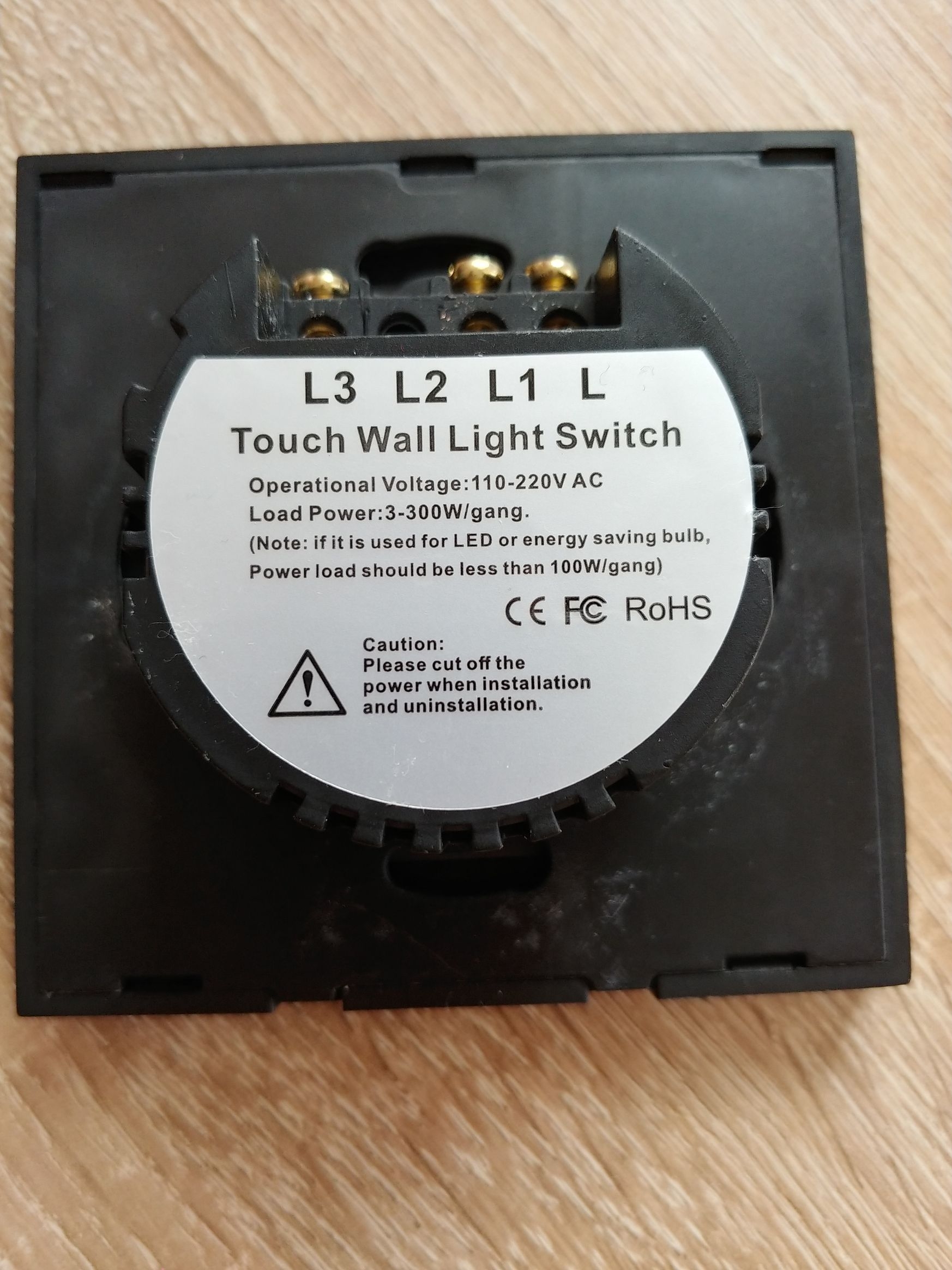
    Hello. I bought touch switches for lighting as in the pictures and I have a problem with connecting such a switch in the bathroom. On the wall in the bathroom, I have a lamp with halogens on one wall and it looks like it is connected correctly - from the wall, the black cable is connected in a cube to the black one from the lamp, blue to blue, and yellow-green also to the yellow-green, which is attached to the housing lamps.
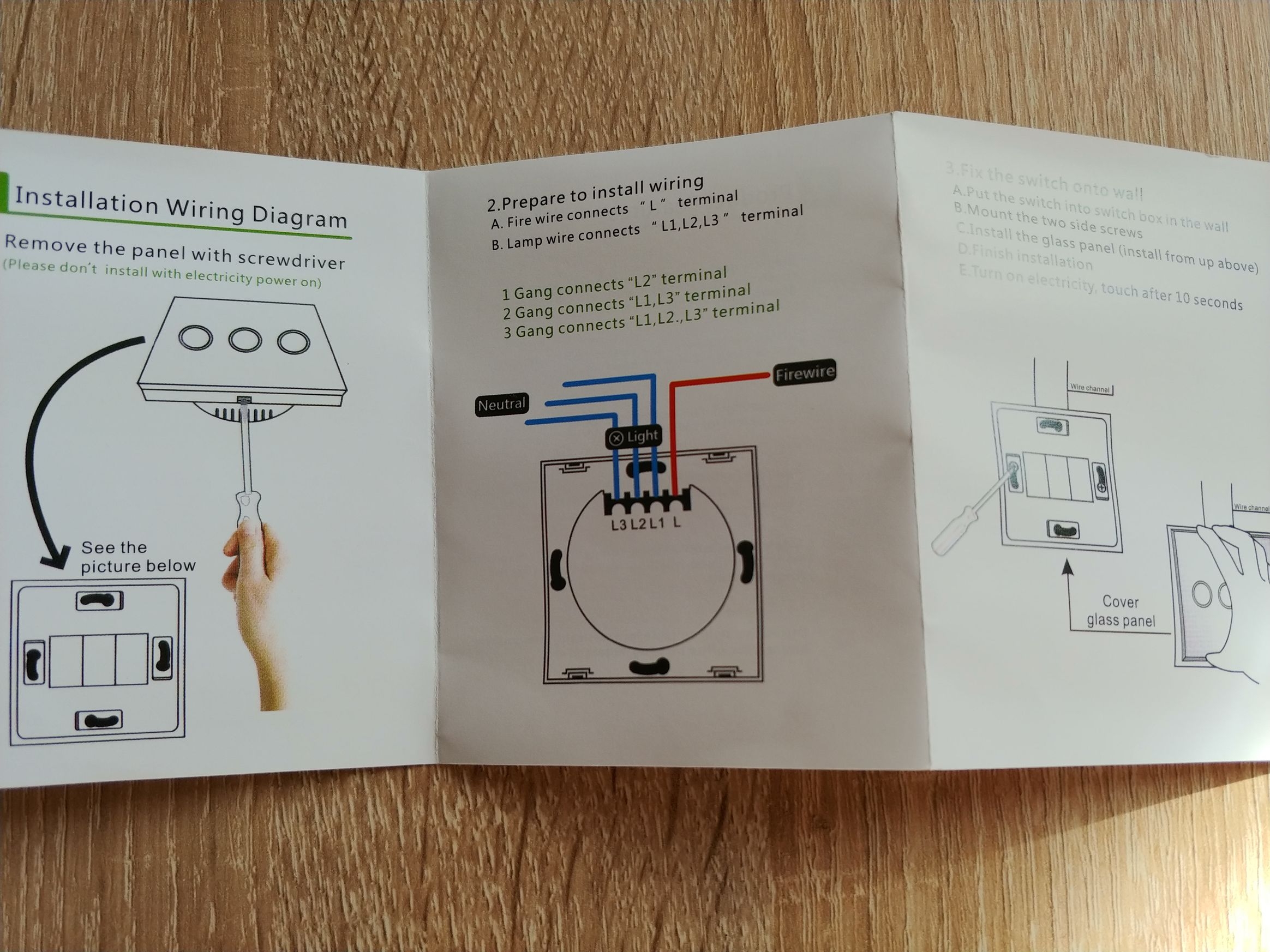
    I have a problem with the second led lamp. This lamp is only temporary, but I would like to solve the flickering problem for now. I doubt if it is properly connected. Well, this lamp has only a blue and black wire and they are connected in a cube with wires of the same colors that are in the wall. However, the yellow-green wire is not connected at all. And now to the seat. The switch, which I showed above, is connected as shown in the diagram, i.e. I connect the phase (black wire) to the L socket, then the neutral (blue wire) to L1 and the protective wire (yellow-green) to L3. As a result, when I turn on only the halogen lamp, it lights up properly, while when I turn on only the LED lamp, it flickers. When I turn on both for now, the halogens glow properly, and the LEDs gently pulsate.
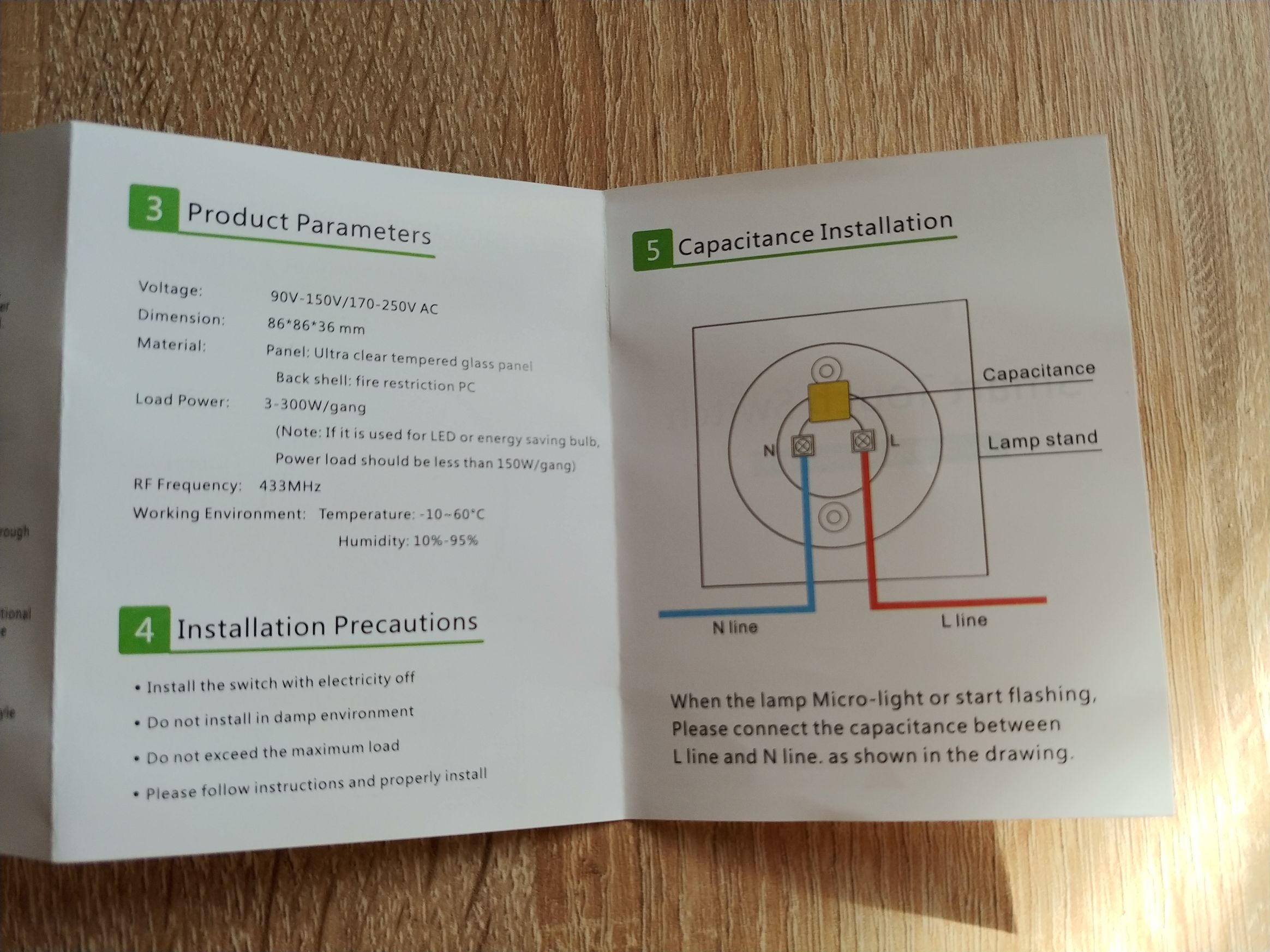
    I used the LED adapter that is included in the set. I connected it with L + L1 in the switch, but it didn't help, and in addition, when the light is off, I have a skylight in the bathroom - the LED lamp is smoldering. I also connected this adapter directly in the cube by the lamp, but it does not change anything. What may be the problem? I am asking for help because I am green in these matters and it is a pity to call an electrician is such a trifle :)
  • ADVERTISEMENT
  • #2 17916599
    Wilktor
    Level 27  
    Posts: 870
    Help: 113
    Rate: 216
    In my opinion, you need to add a capacitor to this LED lamp that will level the ripple from the network
  • ADVERTISEMENT
  • #3 17916856
    papa_smerf
    Level 10  
    Posts: 24
    Rate: 4
    Wiktor626 wrote:
    In my opinion, you need to add a capacitor to this LED lamp that will level the ripple from the network

    Isn't that what I wrote above? The set includes a cube (called an "LED adapter" by the seller) with two wires, which you plug in - one wire to the L wire and the other to the N wire. But as I wrote, it doesn't help with flashing ...
    So I am to understand that the lamp in the way I described is connected correctly? The yellow-green wire that comes out of the wall is supposed to hang just like that and not be connected anywhere? :)
  • ADVERTISEMENT
  • ADVERTISEMENT
  • #5 17917042
    papa_smerf
    Level 10  
    Posts: 24
    Rate: 4
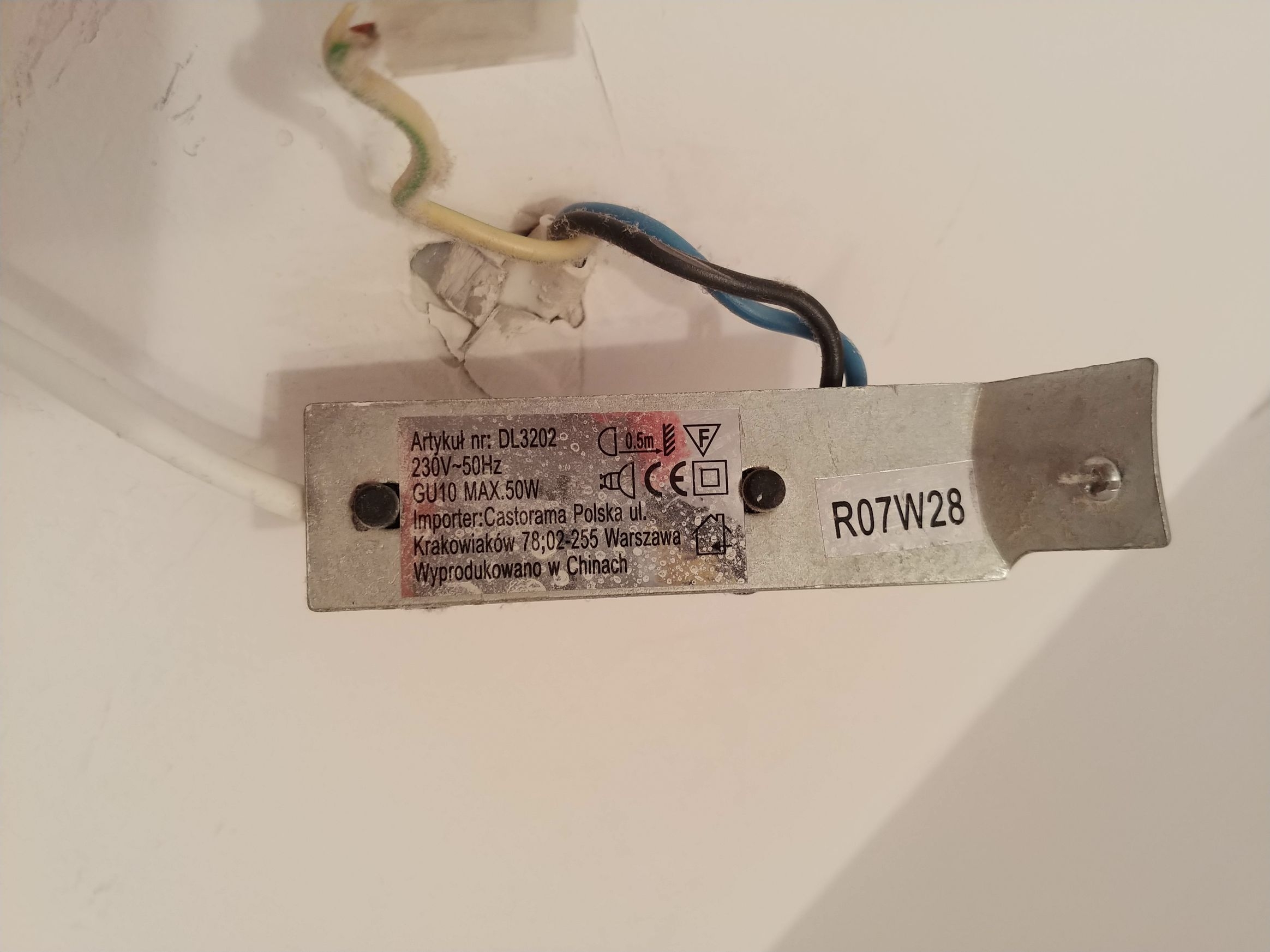
    I think it's a different case, because I have a lamp adapted to 230V, as you can see in the picture below.
    With an ordinary light switch, the lamp did not blink, only now it blinks as I installed this touch switch with backlight.

    Touch Light Switch Connection: Resolving Flashing LEDs in Bathroom Halogen & LED Lamps
  • #6 17917051
    Wilktor
    Level 27  
    Posts: 870
    Help: 113
    Rate: 216
    I heard somewhere that the backlight of the switch can cause flashing
  • #7 17917060
    Robert B
    Level 43  
    Posts: 22594
    Help: 2027
    Rate: 1412
    papa_smerf wrote:
    With an ordinary light switch, the lamp did not blink, only now it blinks as I installed this touch switch with backlight

    And so it will be, because the load for the electronic switch is too small and starts to "pulse".
  • #8 17917728
    mumines
    Level 13  
    Posts: 35
    Help: 4
    Rate: 37
    Hello.
    Fellow Robert B wrote. I heard somewhere that the backlight of the switch can cause flashing.
    You heard very well. All compact and LED energy-saving light bulbs behave like this, the more illuminated switches in the circuit, the more often they blink.
    The load for this switch is appropriate, and since it needs power, there is a current flow through the load, which is sufficient to ignite the system. The current flow is minimal in the order of 1 mA, but it is enough to charge the capacitor in the circuit supplying the bulb enough to activate the circuit.
    The capacitor referred to in the manual is used to bypass the power supply system of the bulb, but it does not interfere with the operation of the switch.
  • #9 17918048
    Rafikusa
    Level 18  
    Posts: 178
    Help: 27
    Rate: 66
    Quote:
    The switch, which I showed above, is connected as shown in the diagram, i.e. I connect the phase (black wire) to the L socket, then the neutral (blue wire) to L1 and the protective wire (yellow-green) to L3.

    Well, you connected it wrong, because neither neutral nor protective is connected to this switch.
    That middle picture in the bottom picture is a little misleading. The description above the drawing agrees.
    You should connect the phase from the mains to L, and L1, L2 and L3 are outputs for three lamps / bulbs. So the phase for the first bulb comes from L1, and you connect N bulbs to N from the network. And the same with the second and third bulb.
    This LED adapter must be connected exactly as shown in the middle photo, i.e. directly on the bulb/lamp holder.
  • #10 17918168
    mawerix123
    Level 39  
    Posts: 4143
    Help: 482
    Rate: 949
    Wiktor626 wrote:
    I heard somewhere that the backlight of the switch can cause flashing


    Baaa, I installed a Schneider switch with LED backlight. In the frame on the ceiling, the LED 11W lit up once ... maybe some defective LED customer brought the second "bulb" once and after the floodlight ... somehow this connector with the backlight caused damage to the LED "bulbs". The LEDs went to the complaint and the connector to be returned.
  • #11 17918662
    kokapetyl
    Level 43  
    Posts: 13444
    Help: 1787
    Rate: 2089
    Rafikusa wrote:
    Quote:
    The switch, which I showed above, is connected as shown in the diagram, i.e. I connect the phase (black wire) to the L socket, then the neutral (blue wire) to L1 and the protective wire (yellow-green) to L3.

    Well, you connected it wrong
    Good point my friend.
    Question to the author of the topic. What wires are in this connector (connection between these and these lamps)
  • #12 19785397
    SUCHY_666
    Level 12  
    Posts: 113
    Rate: 36
    I put such switches in the whole house, and in two places I have a situation where the light goes crazy - it could be described as the operation of a turn signal in a car. Capacitors are installed correctly. Do you have any idea what causes this behavior?

Topic summary

✨ The discussion revolves around issues with connecting touch light switches in a bathroom setting, specifically addressing the flickering of LED lamps when used with halogen fixtures. Users suggest that adding a capacitor to the LED lamp may help stabilize the flickering caused by the touch switch's backlight. It is noted that the load for the electronic switch may be insufficient, leading to pulsing behavior. Proper wiring connections are emphasized, with advice on ensuring that neutral and protective wires are correctly connected. Some users report similar issues with other brands of switches, indicating a common problem with LED lighting and touch switches.
Generated by the language model.

FAQ

TL;DR: 1 mA leakage from touch/illuminated switches can make LEDs flicker or glow; 2the more illuminated switches in the circuit, the more often they blink.2 Fix by wiring L/L18L3 correctly and adding a parallel LED adapter at the lamp. [Elektroda, mumines, post #17917728] Why it matters: This FAQ helps DIYers fix bathroom halogen/LED flashing with touch switches without damaging lamps or miswiring.

Quick Facts

  • Typical leakage through an illuminated/touch switch is about 1 mA, enough to charge many LED drivers and cause flicker. [Elektroda, mumines, post #17917728]
  • Correct mapping: L = permanent line in; L1–L3 = switched line out; do not land neutral (N) or protective (PE) on the switch. [Elektroda, Rafikusa, post #17918048]
  • The LED adapter/bypass must go across the lamp on L–N at the luminaire, not between L and L1 at the switch. [Elektroda, Rafikusa, post #17918048]
  • Two‑wire (no‑neutral) electronic switches often need ~20 W minimum load or a bypass to stabilize LEDs. “Shelly 1L User Guide”
  • Edge case: backlit switches can stress poor LED drivers; a user reported 11 W LEDs failing with an illuminated switch. [Elektroda, mawerix123, post #17918168]

How do I wire a 3 6gang touch light switch marked L, L18L3 for two lamps?

Use only the phase on the switch. How to: 1. Feed permanent phase to L. 2. Connect L1 (and L2/L3 if used) to each lamp2s phase lead. 3. Join neutrals together with supply neutral at the luminaire; keep PE continuous; do not connect N or PE to the switch. This mirrors the manufacturer diagram and prevents miswiring. [Elektroda, Rafikusa, post #17918048]

Why do my LEDs flicker or glow when the touch/illuminated switch is off?

The switch electronics draw a small current through the lamp even when off. That leakage charges the LED driver until it flashes or glows. As one expert notes, 2the current flow is minimal in the order of 1 mA.2 Disabling the backlight or adding a bypass removes the charge path. [Elektroda, mumines, post #17917728]

Where should I install the included LED adapter/bypass so it actually works?

Install it across the lamp, between L and N, inside the luminaire or junction near the lamp. Do not place it between L and L1 at the switch, especially if no neutral is present there. Placement at the lamp shunts the leakage away from the driver. [Elektroda, Rafikusa, post #17918048]

My LED still flashes with the adapter installed. What else can I try?

Confirm the adapter is across L8N at the lamp. Some drivers still react to tiny currents, so increase effective load or choose a non illuminated or neutral powered switch. 2The load for the electronic switch is too small and starts to 'pulse'.2 Swapping the LED lamp/driver can also help. [Elektroda, Robert B, post #17917060]

Should the yellow green (PE) wire be connected to the touch switch or the 2 wire LED?

Do not connect PE to the switch terminals. Connect PE only to luminaires that provide a PE terminal or metal body requiring earthing. If the lamp has only L and N (double insulated), insulate the PE in the box and keep it continuous in the circuit. [Elektroda, Rafikusa, post #17918048]

Can the switch2s backlight cause LED flashing?

Yes. The indicator path allows a tiny current that repeatedly charges LED inputs. 2The more illuminated switches in the circuit, the more often they blink.2 Disable the backlight or add a proper LED bypass at the lamp to stop it. [Elektroda, mumines, post #17917728]

Is mixing halogens and LEDs on the same touch switch okay?

It works electrically. The halogen provides extra load that can reduce flicker, but LEDs may still pulse. The original poster saw halogens operate normally while the LED gently pulsed, even with both on. Consider a bypass or non illuminated switch for stability. [Elektroda, papa_smerf, post #17916193]

Why did my LED bulb get damaged with a backlit switch?

Repeated charge and fire pulses can stress weak or incompatible LED drivers. One user reported an 11 W LED failed twice when used with an illuminated Schneider switch. Treat it as an edge case and switch to a non illuminated or neutral powered control. [Elektroda, mawerix123, post #17918168]

How can I stop 2turn signal2 cycling even with capacitors installed?

That pattern means the circuit charges to a threshold, fires, then collapses and repeats. Place the bypass across L8N at the lamp, not at the switch. Use a single bypass per circuit. If it persists, disable the switch backlight or use a neutral powered model. [Elektroda, mumines, post #17917728]

Do I need to connect neutral to this touch switch?

No. This type takes line into L and outputs switched line on L18L3. Keep neutrals joined to the supply neutral at the lamps. Landing neutral on L18L3 is a miswire and causes faults. [Elektroda, Rafikusa, post #17918048]

Will a standard 230 V LED lamp work with a touch switch?

Yes, but compatibility depends on the LED driver. A 230 V LED that was fine on a mechanical switch flickered after installing a backlit touch switch. Add a bypass or use a switch that does not leak through the load. [Elektroda, papa_smerf, post #17917042]

Why does the LED smolder when off?

The touch switch needs power and draws a small current through the lamp when off. That leakage, about 1 mA, slowly charges the LED supply, causing a faint glow. A parallel bypass across the lamp eliminates the glow path. [Elektroda, mumines, post #17917728]

Can I put the LED adapter at the switch between L and L1?

No. With no neutral at the switch, that connection does not bypass the LED driver. Install the adapter across L and N right at the luminaire or lamp holder for effect. [Elektroda, Rafikusa, post #17918048]

What minimum load do no neutral/touch switches typically need with LEDs?

Many two wire controllers require roughly 20 W to self power. Below that, fit the manufacturer2s LED bypass or choose a model that uses neutral. This prevents leakage from charging the LED driver and triggering flicker. “Shelly 1L User Guide”
Generated by the language model.
ADVERTISEMENT