Czy wolisz polską wersję strony elektroda?
Nie, dziękuję Przekieruj mnie tammolskyka wrote:The cameras cannot be configured because I do not have coverage.
matek451 wrote:the effectiveness of your monitoring and alarm is close to zero
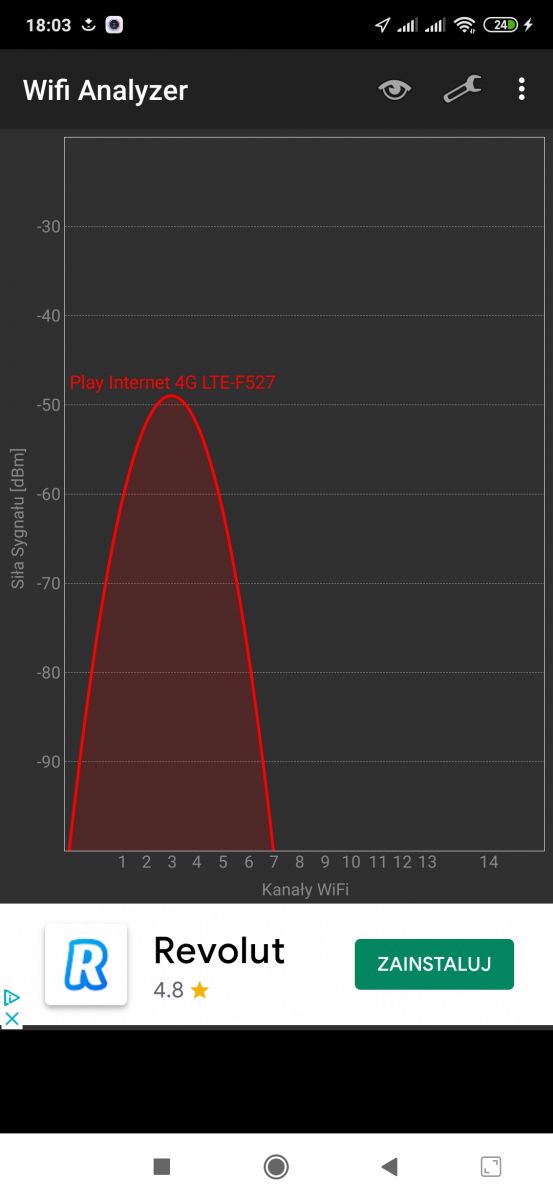
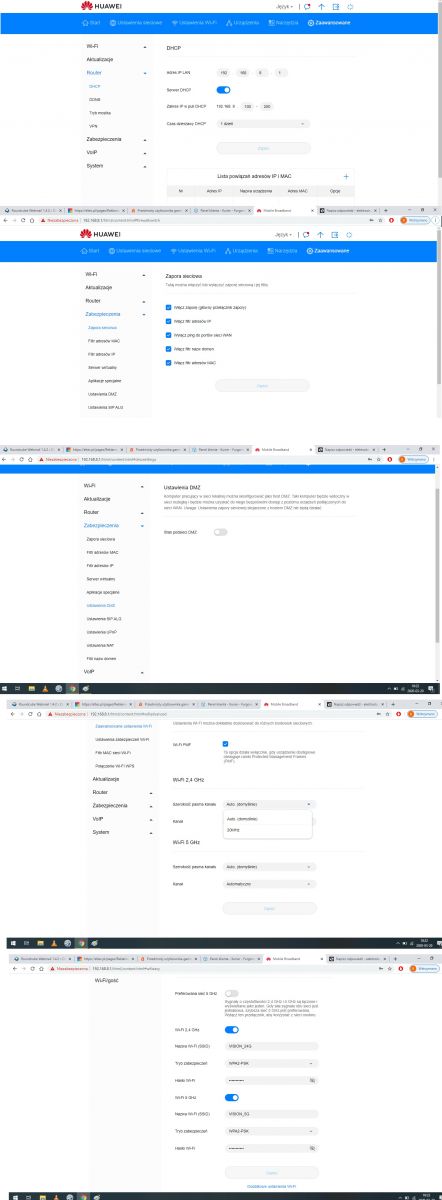
molskyka wrote:I have no idea about these address pools. I am interested in wifi coverage which is weak outside the home unlike Alcatel
molskyka wrote:Good - you TRADE because you have no idea about their operation and configuration.Hello, I don't know why you are so skeptical about wifi cameras, I trade them every day.
molskyka wrote:People buy for convenience no cables easy DIY installation.
molskyka wrote:4 mpx
molskyka wrote:4 cameras, stove, alarm
molskyka wrote:is he so weak do you have to sit with him and pay attention to him?
matek451 wrote:but it's just a radio, still having its limitations and susceptibility to interference, especially at such high frequencies and inside rooms.
TL;DR: 72 % of range complaints are fixed by repositioning or adding a wired access point [Ofcom, 2022]; “all routers work with 100 mW at 2.4 GHz” [Elektroda, matek451, post #18536271] Huawei 4G Router 3 Prime’s antenna jacks lift LTE signal, not Wi-Fi; add an external AP or replace faulty hardware.
Why it matters: Knowing the difference between LTE and Wi-Fi antennas saves cash and prevents poor surveillance coverage.
• EU Wi-Fi power cap: 100 mW EIRP @ 2.4 GHz; 200 mW @ 5 GHz [ETSI EN 300 328]. • Huawei 4G Router 3 Prime (B818) Wi-Fi: 2×2 MIMO 802.11ac, 300 Mbps (2.4 GHz) / 867 Mbps (5 GHz) [Huawei Datasheet]. • MAIN/DIV SMA ports are 50 Ω LTE connectors, not Wi-Fi [Huawei User Manual]. • Dual-pol 7 dBi outdoor LTE panel antenna: €35–€50 [Amazon Listings, 2024]. • One Power-over-Ethernet access point can extend coverage ~90 m² for ≈€40 [TP-Link Spec, 2024].