logo elektroda
logo elektroda
X
logo elektroda
Dostępna jest polska wersja

Czy wolisz polską wersję strony elektroda?

Nie, dziękuję Przekieruj mnie tam

[Solved] White Coating Appearing on Painted Wall After 2 Years: Health Risk or Aesthetic Issue?

Malkoni 31368 18
ADVERTISEMENT
Treść została przetłumaczona polish » english Zobacz oryginalną wersję tematu
  • #1 19158400
    Malkoni
    Level 6  
    Good morning.
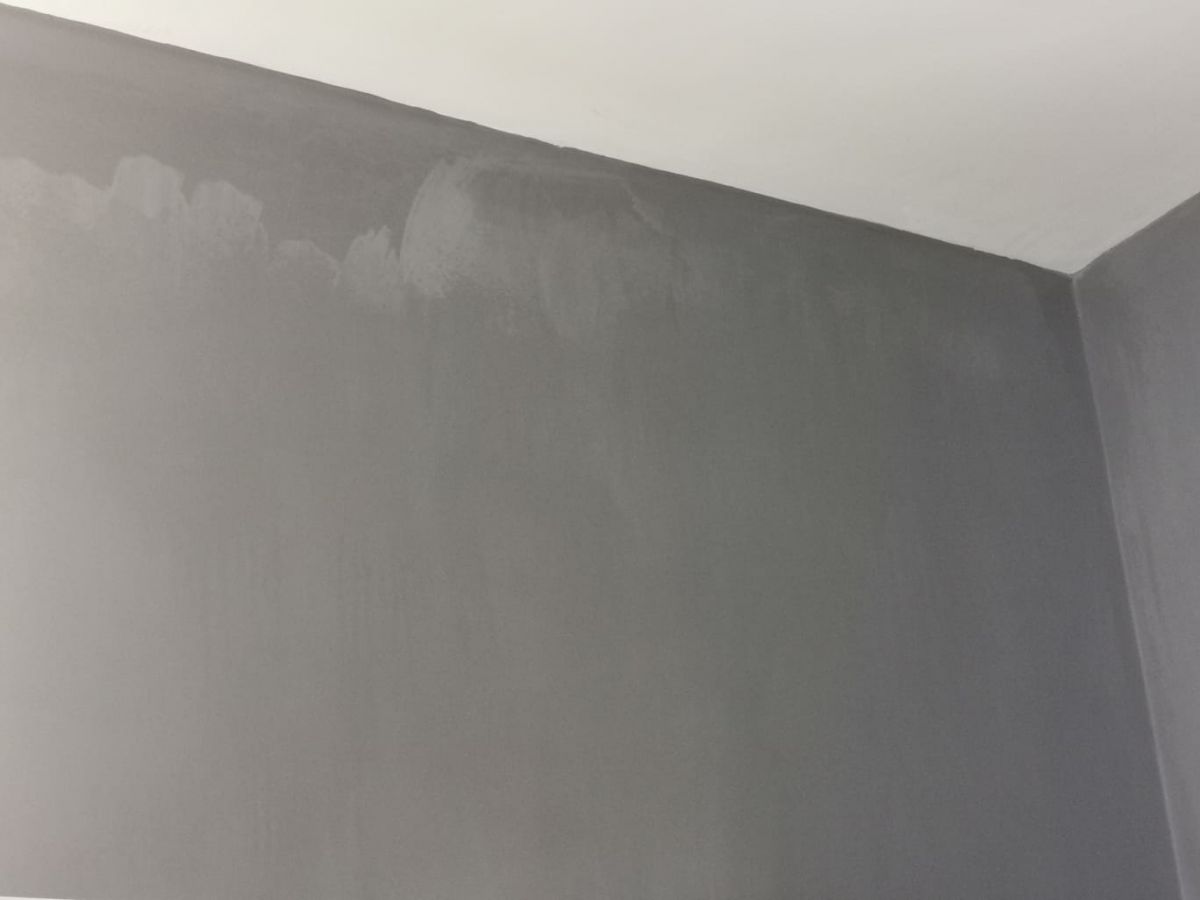
    Inside the room, a white coating appeared on a wall painted with paint in various places on the wall. What could it be. Is it dangerous to health or does it just look bad aesthetically? Will such efflorescence appear when repainting the wall on a new surface? The wall was painted over 2 years ago. Bloom now.
  • ADVERTISEMENT
  • #2 19158611
    freebsd
    Level 42  
    What is the wall made of, more about the building, what kind of paint, what is the purpose of the room and is it heated? Are there any installations inside the wall? What`s on the other side of the wall? Possibility of flooding? How is the room ventilated? Maybe you can take a photo of this raid?
  • #3 19158640
    Malkoni
    Level 6  
    I tried to take a photo, but the light reflects poorly and you can`t see well. It looks as if someone was playing with chalk and then carelessly wiped the spot on the wall. There are many such wall cakes in various places. Mostly on the wall with a window. The child`s room is heated. I don`t know what group the paint is from, but it was bought at Leroy Merlin from their brand`s products.
  • ADVERTISEMENT
  • #4 19158752
    klm787
    Level 37  
    A dozen or so years ago, when I finished building walls made of the so-called max, i.e. the popular hollow brick.
    I also noticed such a coating after some time. The coating appeared after about two years, the walls were "bare" and not plastered during that time, I won`t even mention painting. :D
    The tarnish spots were irregular, the only idea that came to my mind was that the tarnish was caused by chemicals added to the mortar to improve its properties (experts will probably know what I mean).
    After plastering without special cleaning and subsequent painting of the walls, the tarnish cannot be seen.
  • #5 19158869
    Malkoni
    Level 6  
    The building is 60 years old. It was insulated 17 years ago. Nothing happened at that time, so it`s not a problem with the external walls and plasters, but it seems to be a problem from the inside. Most likely from the paint. But because I don`t know, I`m looking for answers here.
  • #6 19158880
    trojan 12
    Level 40  
    Not so long ago, the windows were replaced with plastic ones.
  • #7 19158910
    Malkoni
    Level 6  
    The windows were replaced with plastic ones 17 years ago, but they were replaced again 2 years ago. The same situation happened with my friends, but in a block of flats, in a hall with no windows.
  • ADVERTISEMENT
  • #8 19158921
    trojan 12
    Level 40  
    The windows may be too tight and there is no natural ventilation. The windows have a micro-ventilation function / handle diagonally and it should calm down.
    It wouldn`t hurt to check the ventilation grilles, especially in the kitchen.
  • ADVERTISEMENT
  • #9 19159113
    Malkoni
    Level 6  
    So the problem is with ventilation and not looking for the problem in what`s on the wall? The window is open most of the day and open in the evening for an hour before going to bed. The only time I don`t do this is when it`s raining heavily. This coating did not appear suddenly, it has been happening for some time and now it is very visible when there is more of it. The strange thing is that it is dry, like chalk. If it were damp, it wouldn`t look like this
  • #10 19163681
    Anonymous
    Level 1  
  • #11 19163758
    Malkoni
    Level 6  
    In the meantime, I wiped the entire wall with a wet cloth with Ludwik. I want to see if something starts to appear and if it will be in the same places.
  • #12 19742337
    volver220
    Level 2  
    I also have the same problem.
    A year after painting, I began to be "attacked" by a strange white coating/sediment on the walls (even those made of plaster).
    It can be wiped off and comes back after about a month.
    I add a photo in the attachment.

    Can anyone give me some advice?
    Regards
    White Coating Appearing on Painted Wall After 2 Years: Health Risk or Aesthetic Issue?
  • #13 19742405
    Malkoni
    Level 6  
    Welcome back.
    It`s still the same for me, maybe a little weaker than before, but I wipe it off every 2 months.
  • #14 19742699
    Tommy82
    Level 41  
    @Malkoni

    Are these efflorescences from the putty under the paint due to moisture?
  • #15 19743362
    Lisek64
    Level 33  
    This is some kind of fungus-mould. An identical situation occurred in one of my friends` rooms, where their son had an aquarium. The room is quite small, the aquarium is large (around 150-200 liters). It didn`t seem like there was any evaporation on the entire surface because of the lighting from above, etc., but it was enough to keep the humidity too high despite the ventilation and relatively high temperature in the room. Various chemicals and washing the walls were only temporary methods. The problem ended after the aquarium was closed down
  • #16 19744041
    volver220
    Level 2  
    I don’t have an aquarium,
    The room is quite small,
    I was just wondering if it was some kind of mold or fungus, but I couldn’t find a similar case even in Google.
    Insofar as there are such efflorescences on the wall visible in the photo, I can understand it because it is a wall from the "manor" side, but I am surprised that these efflorescences appear on the plaster wall, which is an internal wall separating the room from the room and is not in contact with any sides with the yard.

    I will buy a moisture absorber and check after some time how it will look like.
    When everything goes away, we will know that it was caused by excess moisture and I will share the information.
    Regards
  • #17 19753620
    Malkoni
    Level 6  
    The dehumidifier didn`t help me
  • #18 19754605
    Anonymous
    Level 1  

Topic summary

✨ A user reported a white coating appearing on a painted wall in a child's room after two years, raising concerns about its health implications and aesthetic impact. The wall, painted with a product from Leroy Merlin, shows signs of efflorescence, particularly near a window. Various responses suggest potential causes, including inadequate ventilation due to tightly sealed windows, moisture accumulation, or chemical reactions from the paint or wall materials. Some users recommend testing for mold or fungus, while others suggest using moisture absorbers or dehumidifiers. The discussion highlights the importance of proper ventilation and moisture control in preventing such issues.
Generated by the language model.

FAQ

TL;DR: Up to 50% indoor RH is the threshold; "Keep humidity levels as low as you can—no higher than 50%." White, chalky patches usually trace back to moisture (efflorescence, mold, or paint chalking). This FAQ helps homeowners/renters judge health risk and fix it fast. [EPA, 2023]

Why it matters: It shows you how to decide if the white coating needs health-focused action or just repaint prep, and how to stop it recurring.

Quick Facts

  • Target indoor humidity: 30–50% RH; keep it ≤50% to curb mold and condensation. [EPA, 2023]
  • Efflorescence = soluble salts carried by moisture; it wipes off but returns until the moisture path is stopped. [PCA, "Efflorescence"]
  • Paint chalking = powder from binder breakdown; wash off, then prime and repaint for lasting results. [Sherwin-Williams, "Chalking (Powdering)"]
  • For small mold areas: clean with soap/water or 1 cup bleach per gallon on hard surfaces; dry fast. [CDC, 2021]
  • Airtight windows cut natural air exchange; add mechanical/trickle ventilation to manage indoor moisture. [DOE, 2023]

Is the white coating on a painted wall a health risk or just cosmetic?

Not all white residues are mold, but mold can be white. Treat health first: control humidity, dry surfaces, and clean promptly. Mold exposure can affect breathing and allergies. Keep RH ≤50% and ventilate well. If you see spots spreading or musty odor, treat as mold. [CDC, 2021]

Could newly replaced tight windows or insulation trigger this?

Yes. Tighter envelopes reduce natural air leakage and can raise indoor humidity. Higher moisture drives condensation on cold walls and around windows. That moisture can foster mold or reveal salt deposits. Add planned ventilation or use window trickle/micro-vent positions to stabilize RH. [DOE, 2023]

What is efflorescence, and how do I stop it indoors?

Efflorescence is a white, powdery salt deposit from moisture moving through masonry or plaster. It often wipes off but returns until the moisture path is fixed. Find and stop water sources, improve ventilation, and allow thorough drying. Then brush/clean residues and seal or repaint per guidance. [PCA, "Efflorescence"]

What is paint chalking, and how do I fix it?

Chalking is a fine powder when the paint binder degrades, sometimes faster with low-quality paint or sun. Rub the wall; if your hand turns white, chalking is likely. Wash to remove all chalk, let dry, then apply a suitable primer and quality topcoat. This restores durability. [Sherwin-Williams, "Chalking (Powdering)"]

Could the white coating be white mold? What should I do?

Yes. Some molds appear white and powdery. Clean small areas with soap and water, or a bleach mix on hard, non-porous surfaces. Keep RH ≤50% and fix leaks to prevent regrowth. Porous moldy materials may need removal. Dry the area within 24–48 hours. [CDC, 2021]

How do I tell salt (efflorescence) from mold fast?

Use this quick check.
  1. Mist a spot with clean water; efflorescence dissolves and temporarily disappears.
  2. Examine texture; efflorescence looks crystalline and brushes off dry.
  3. If unsure, collect a small sample and consult an inspector.
    Efflorescence signals moisture movement, not growth. [InterNACHI, "Efflorescence vs. Mold"]

Will repainting stop the white coating from coming back?

No. Repainting over moisture or mold issues leads to recurrence and poor adhesion. Fix water problems first and dry the wall. Clean and prepare the surface properly before any coating. Paint is a finish, not a moisture solution. [EPA, 2023]

Is it safe in a child’s bedroom?

Act promptly if it’s mold or dampness. Dampness and mold are linked to a 30–50% increase in respiratory symptoms. Maintain RH ≤50%, ventilate, and clean visible growth. Seek medical advice if symptoms arise. Remove persistent mold sources. [WHO, 2009]

Dehumidifier didn’t help—what should I do next?

Pair dehumidification with source control and ventilation. Fix leaks, insulate cold surfaces, and exhaust moisture from kitchens and baths. Tight homes need deliberate fresh air pathways. Dehumidifiers help, but they don’t replace proper ventilation and repairs. [DOE, 2023]

Soap vs. bleach: what should I use to clean it (e.g., Ludwik vs. Ace)?

For small mold areas, soap and water can clean the surface. On hard, non-porous surfaces, use 1 cup bleach in 1 gallon water, then rinse and dry. Do not mix bleach with other cleaners. Bleach may not reach mold roots in porous materials. [CDC, 2021]

Why is the coating mostly on the wall with a window?

Window walls can be colder due to thermal bridging. Moist air condenses there first, feeding mold or drawing salts to the surface. Improve insulation continuity and ensure regular ventilation to reduce condensation. Monitor RH with a hygrometer. [DOE, 2023]

It wipes off but returns every month—what does that indicate?

Recurring white powder after cleaning indicates ongoing moisture transport. That pattern fits efflorescence, which reappears until moisture is controlled. Track humidity, inspect for hidden leaks, and allow full drying before sealing or repainting. [PCA, "Efflorescence"]

My issue started after window replacement—related?

Likely. "The windows may be too tight and there is no natural ventilation." Use micro-vent/trickle settings and verify exhaust grilles work. This restores basic air exchange and can lower indoor humidity. [Elektroda, trojan 12, post #19158921]

What did other users in this thread observe?

One user reports the coating wipes off but returns in about a month. That recurrence suggests an underlying moisture or coating issue, not just surface dirt. Plan diagnosis and prevention, not only cosmetic cleaning. [Elektroda, volver220, post #19742337]
Generated by the language model.
ADVERTISEMENT