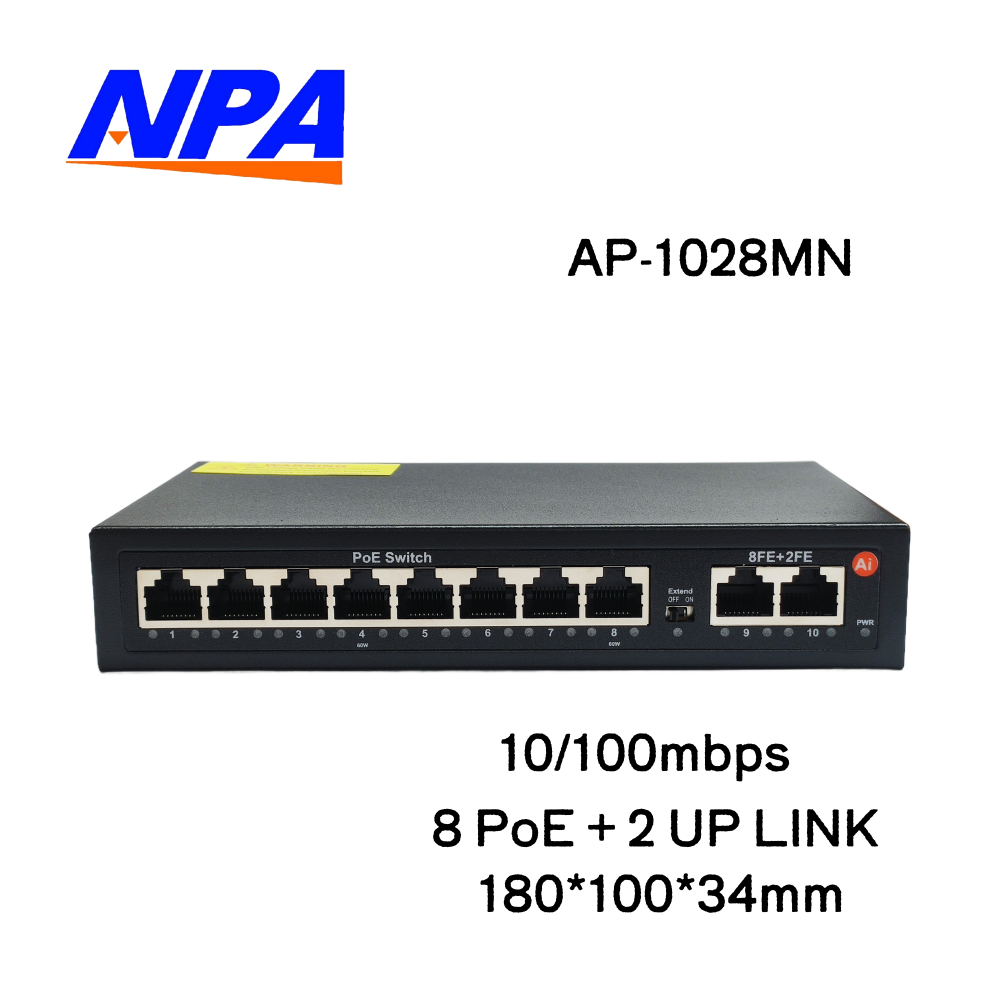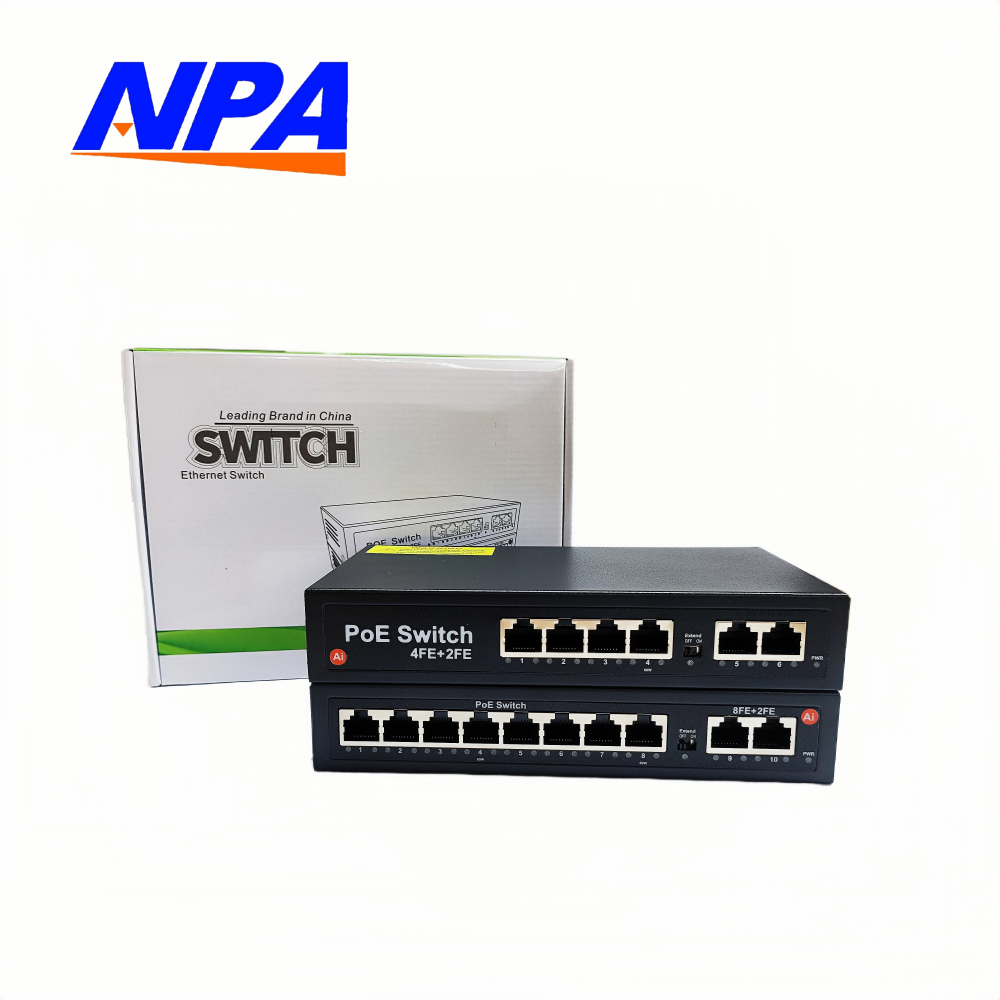



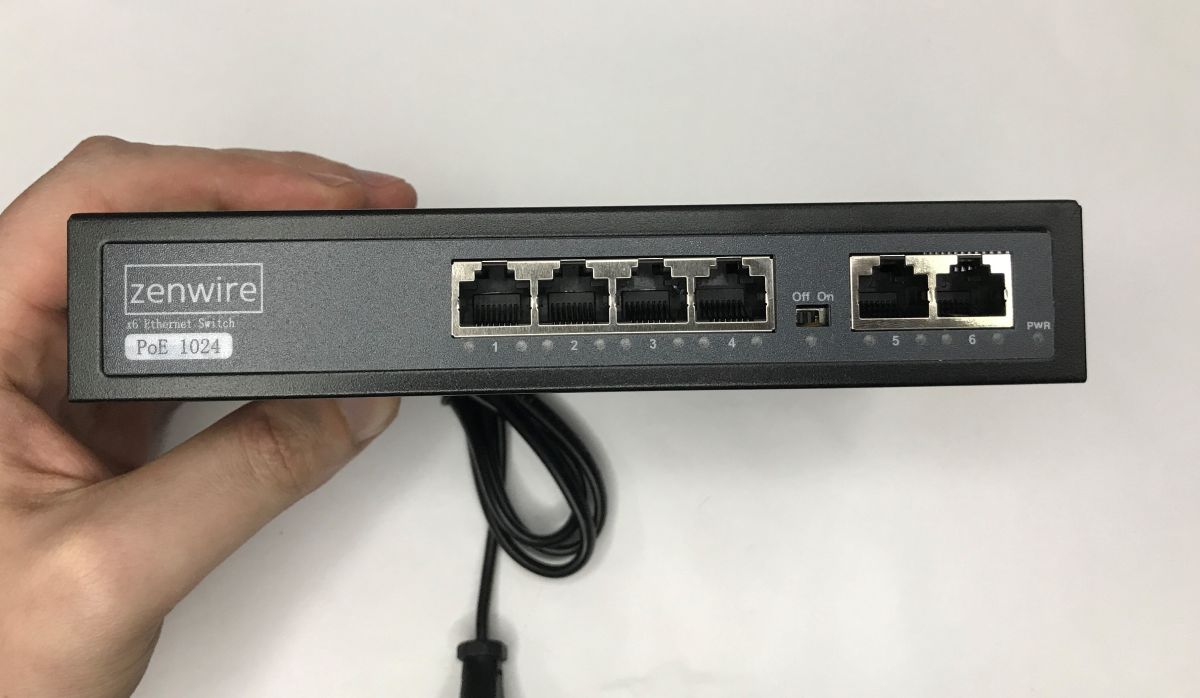
Here I will show the inside of a PoE-compliant IEEE 802.3af/at/bt switch with up to 60 W, offering 4 LAN ports (with power), 2 uplink ports and a throughput of up to 1.6 Gbps. PoE (Power over Ethernet), as the name suggests, is a technology that allows data and power to be transmitted simultaneously over the same network cable. For example, IP cameras, access points or there VoIP telephones, as well as many other devices, can be conveniently powered in this way.
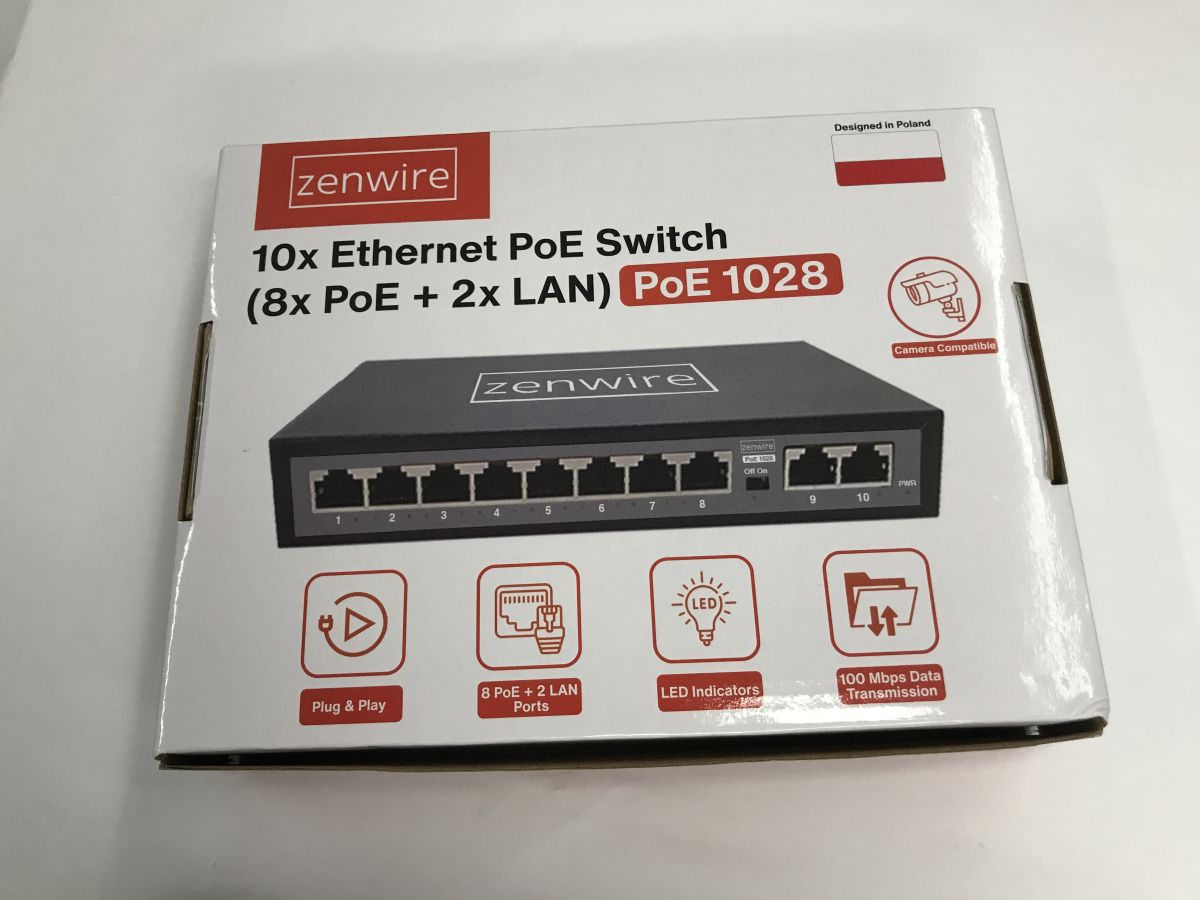
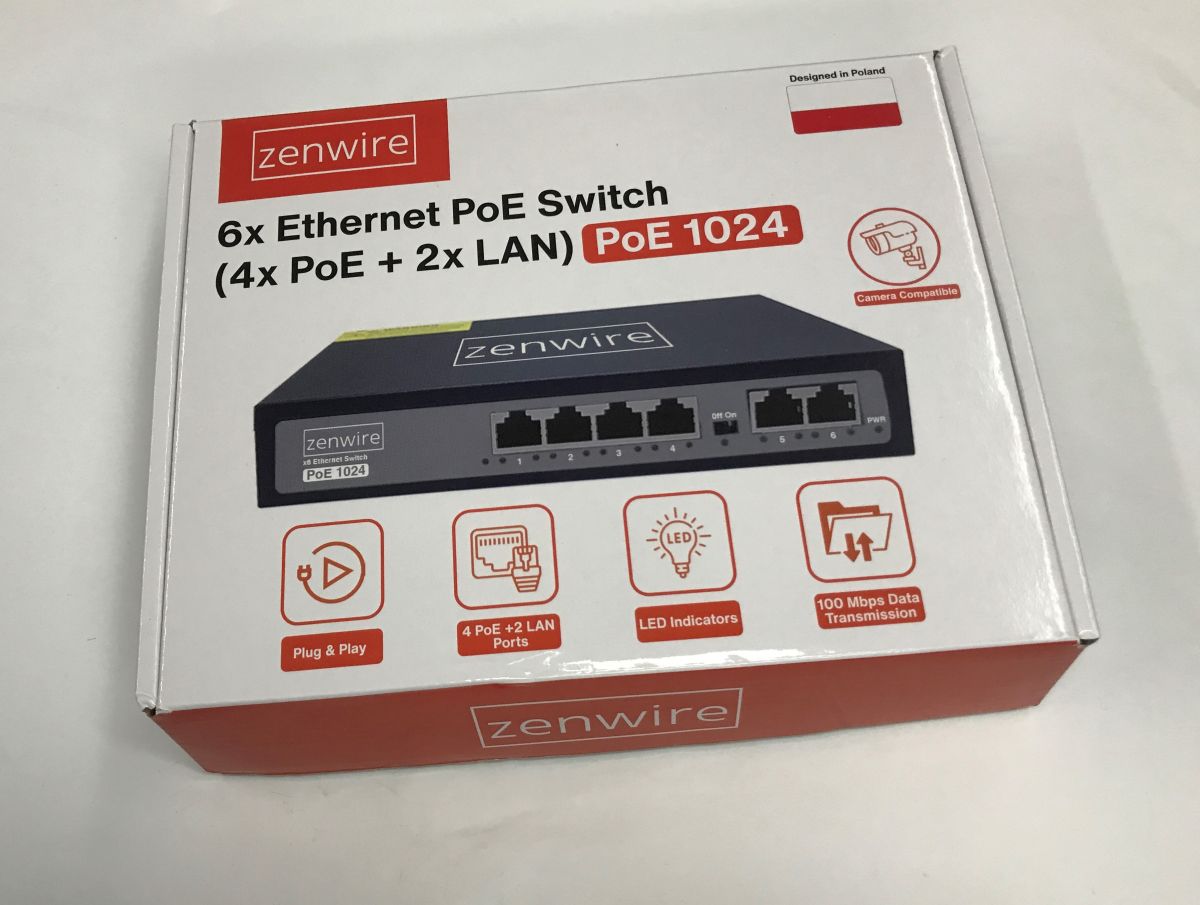
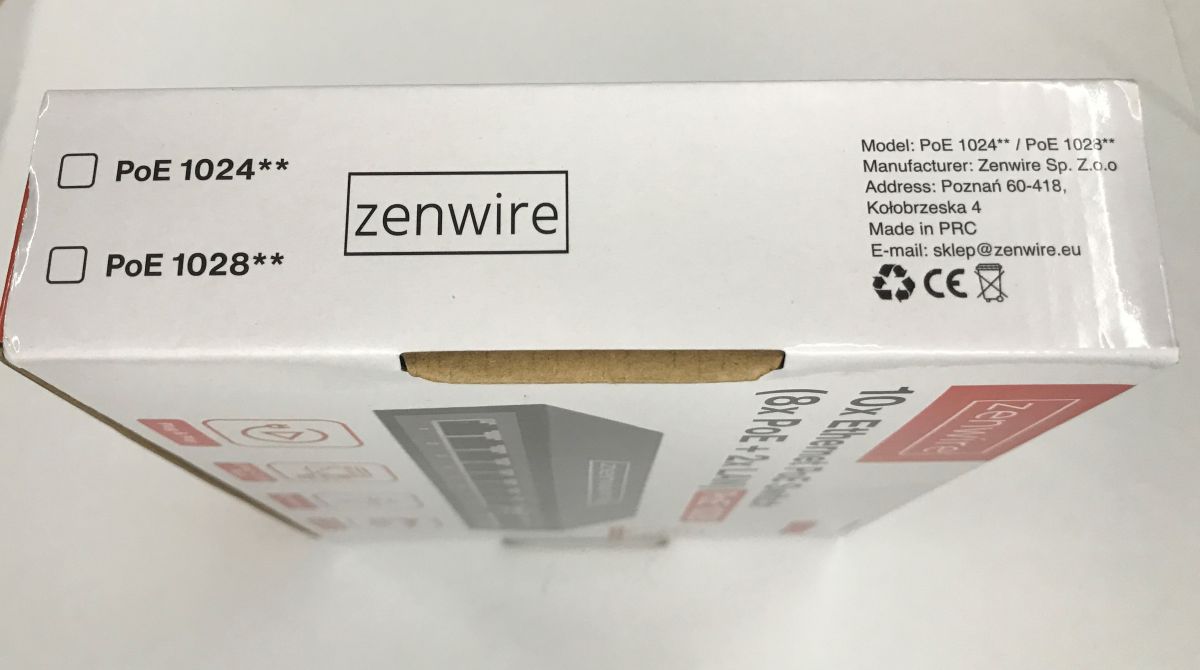
The box is interesting in that it has one model on one side and another on the other - and it's the same box.
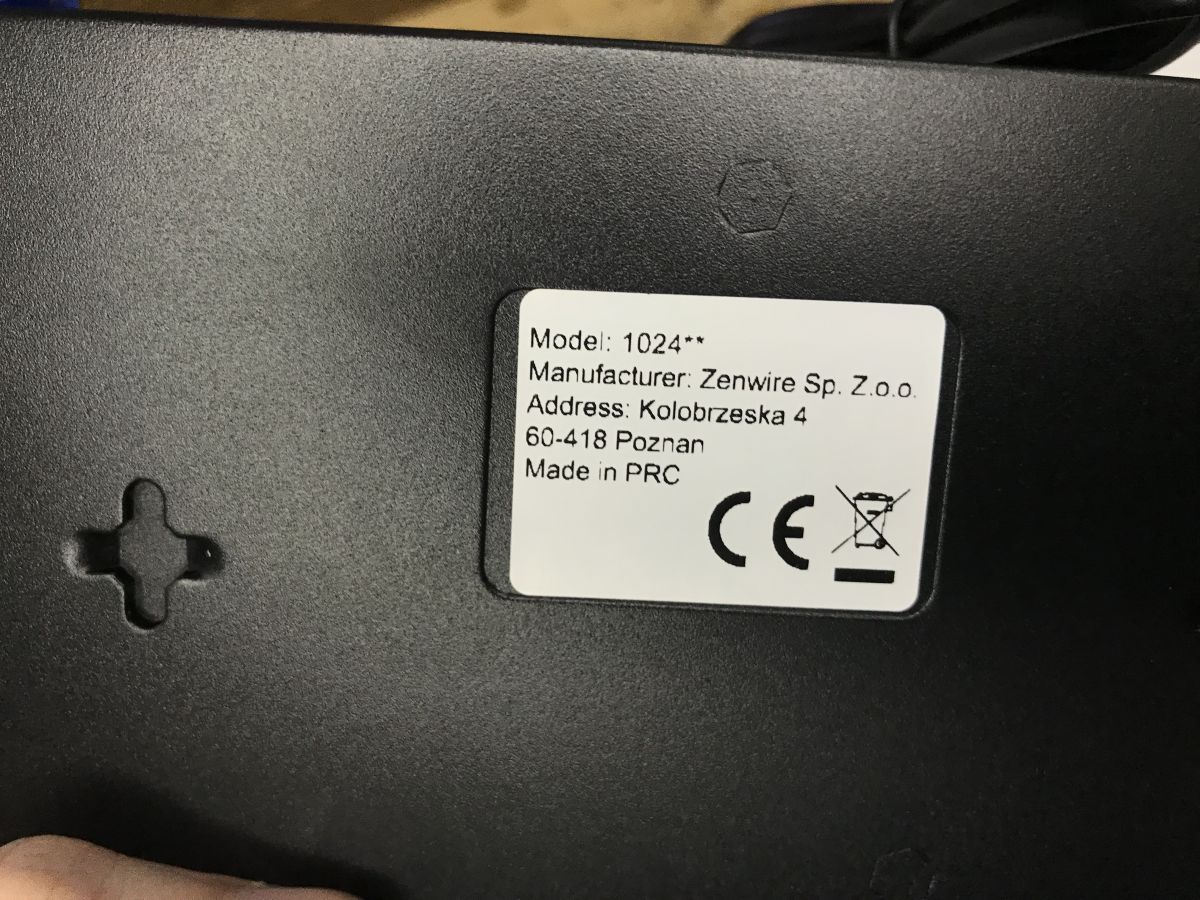
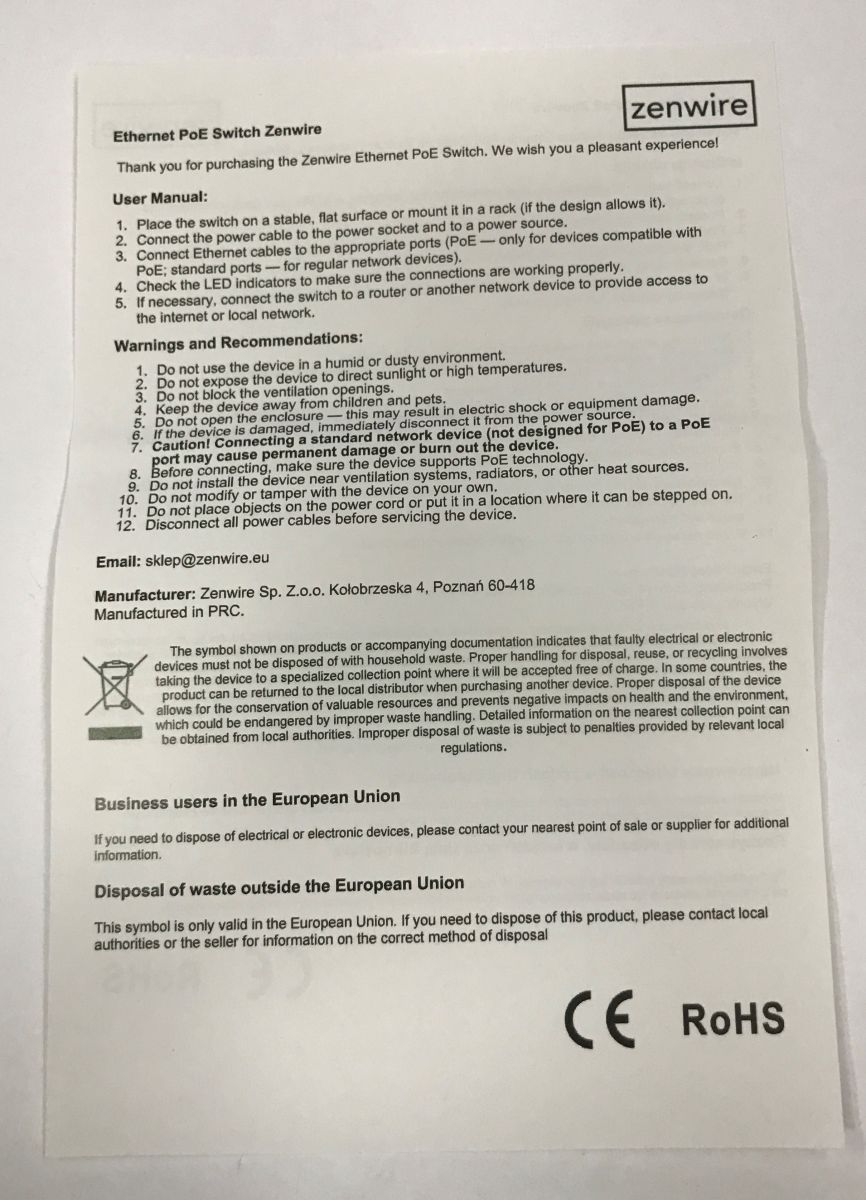
The product costs just under PLN70 and is advertised as designed in Poland, which already made me curious - the production is obviously in PRC, but the design is supposedly ours. We'll have a look inside soon, there's still a manual left:
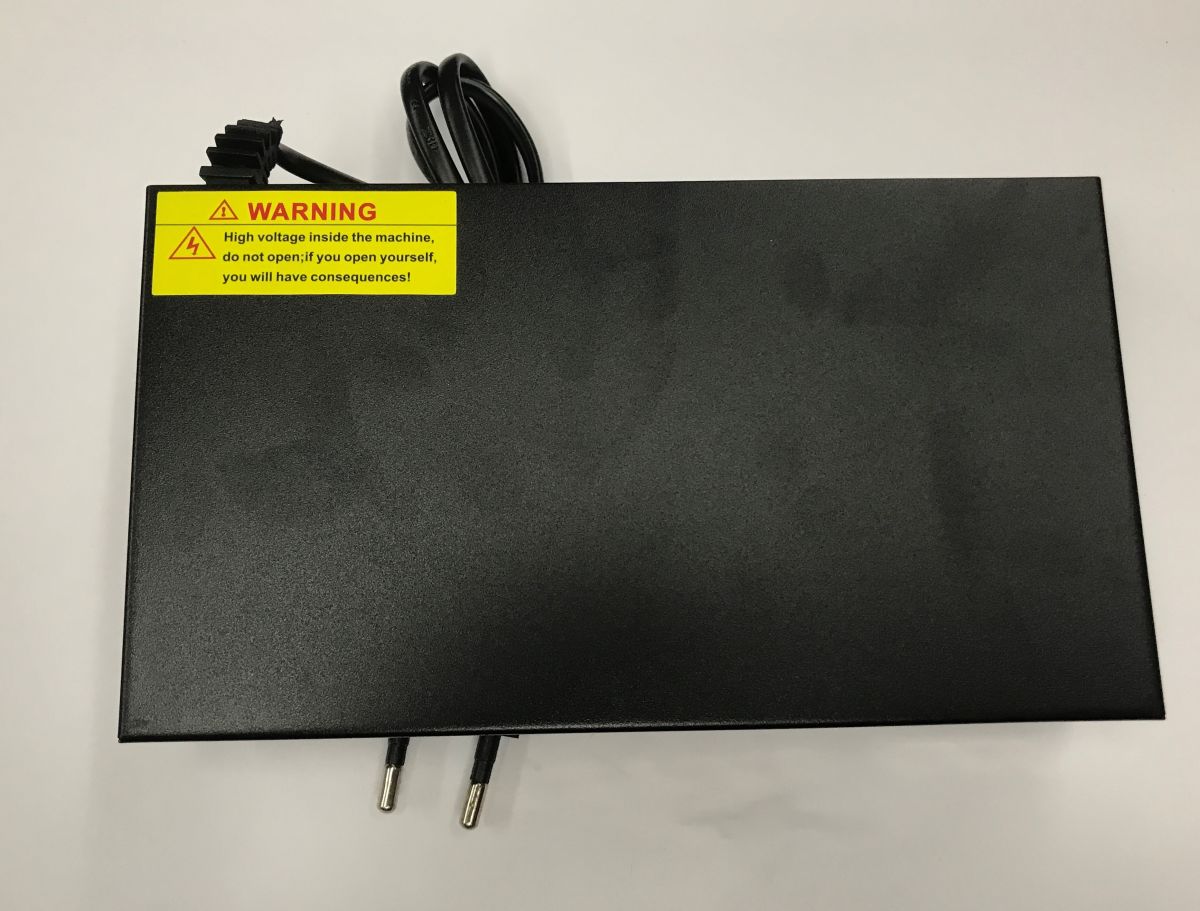
The casing is encouraging, it is metal and quite solid.
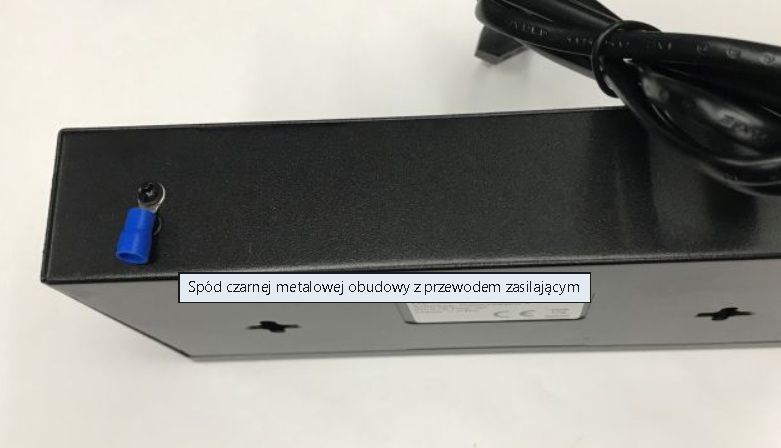
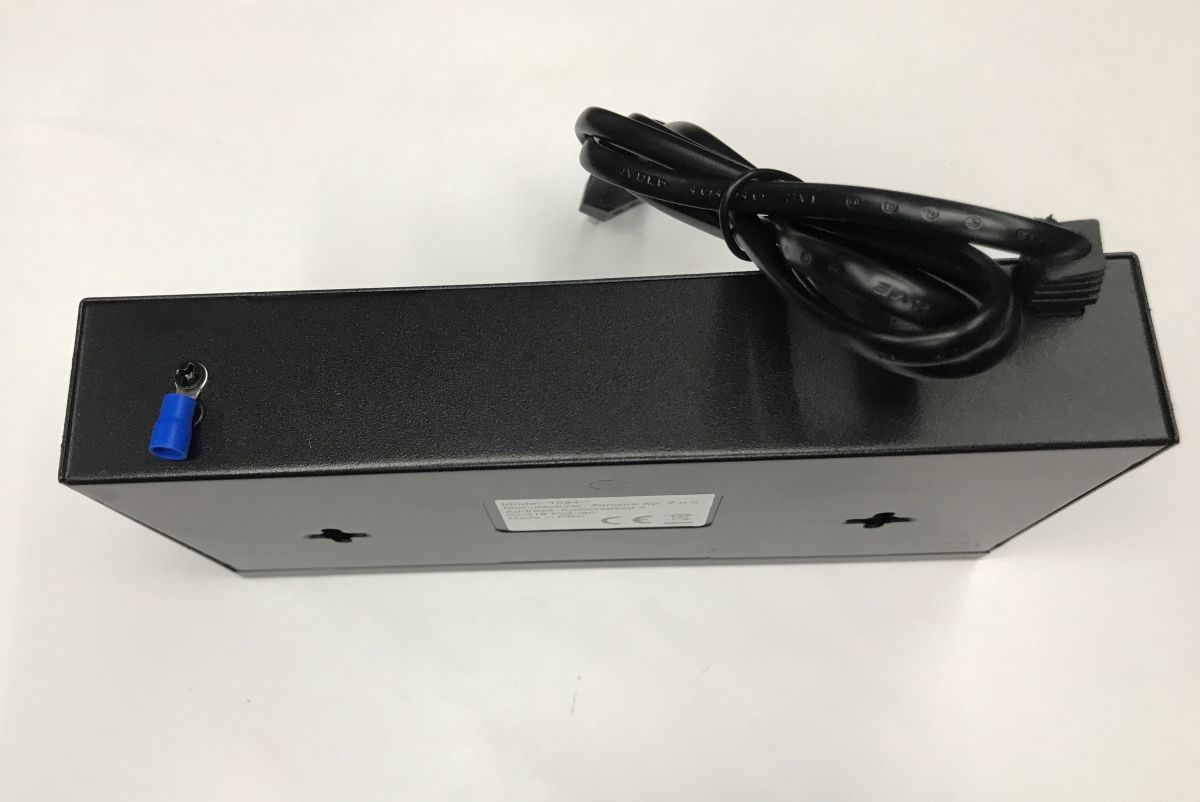
The cable is not grounded, but can be connected next to it:
We take a look inside. There we have two boards - one is the power supply and the other is the mains controller.
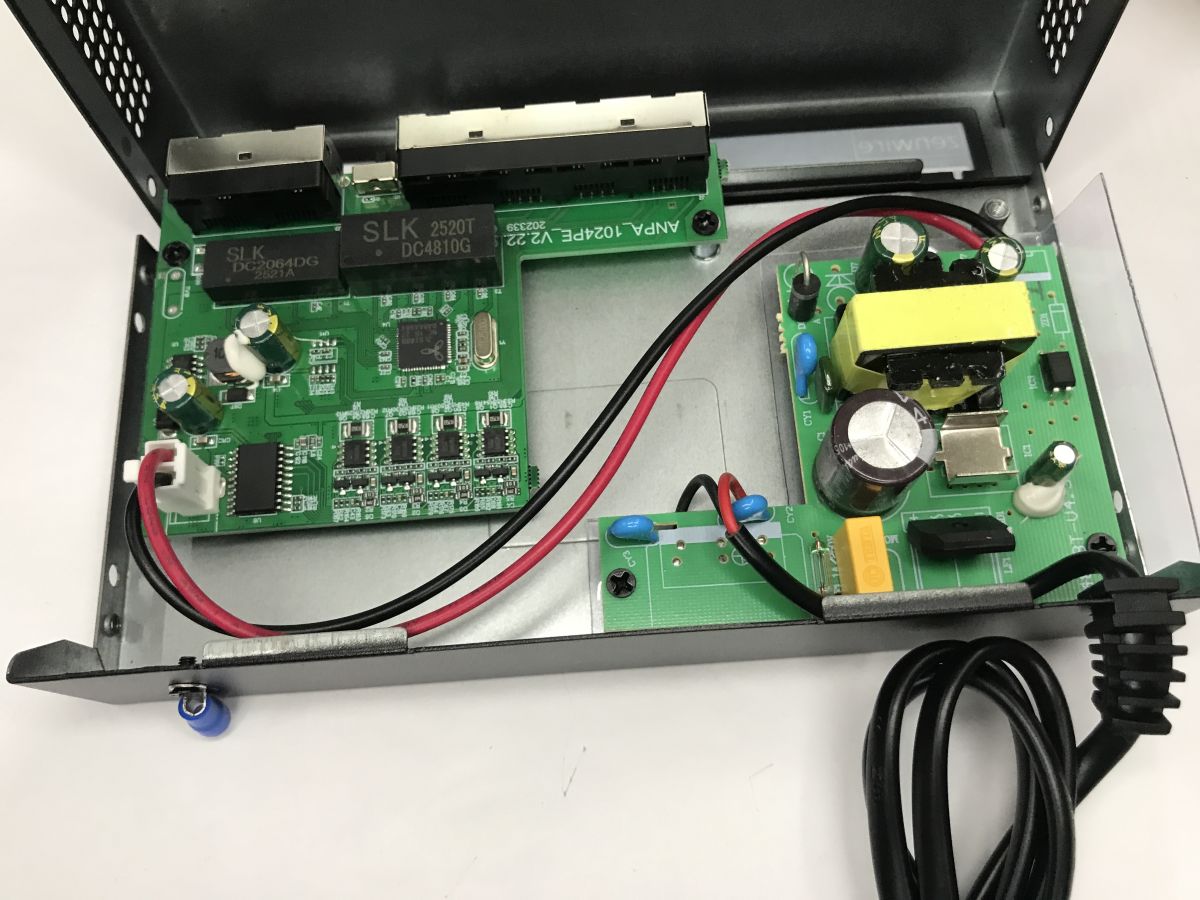
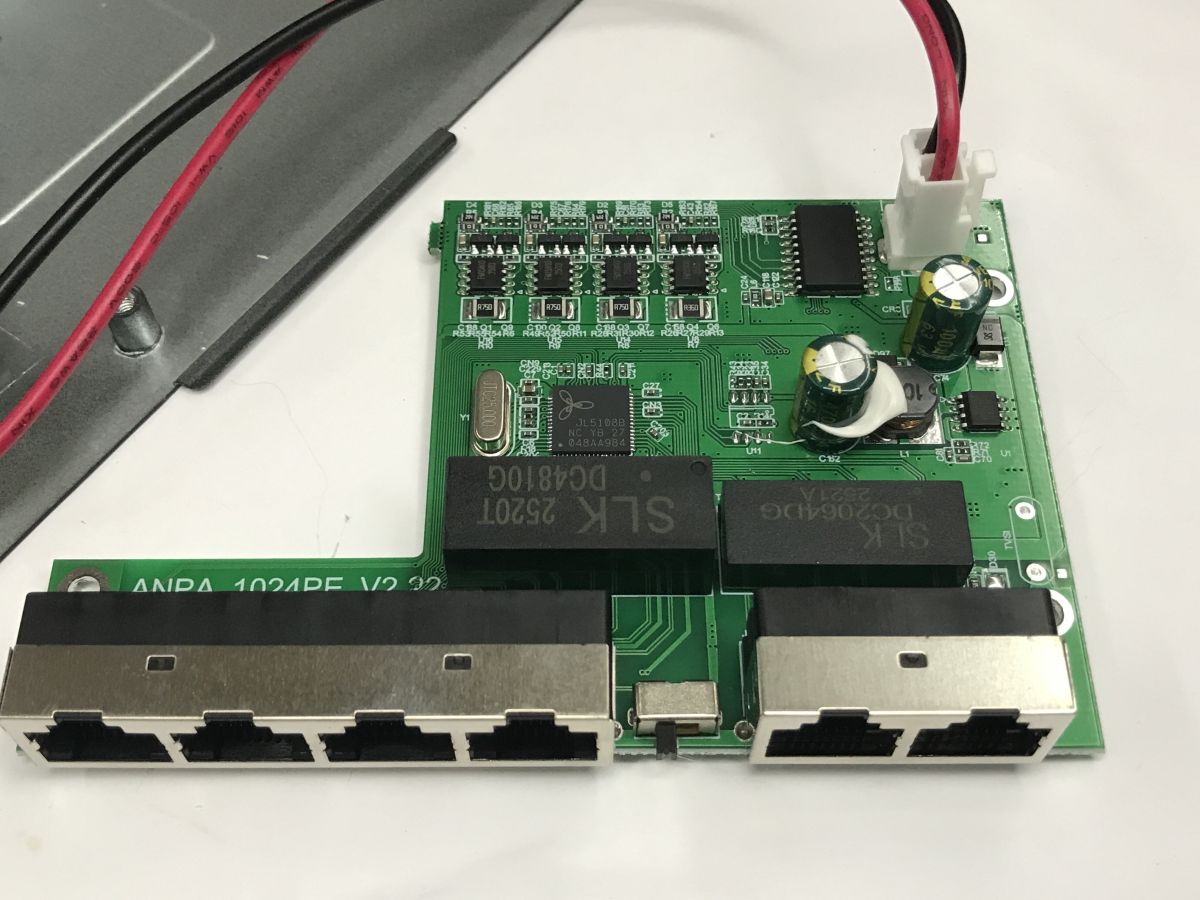
PCB designation: ANPA_1024PE_V2.22:
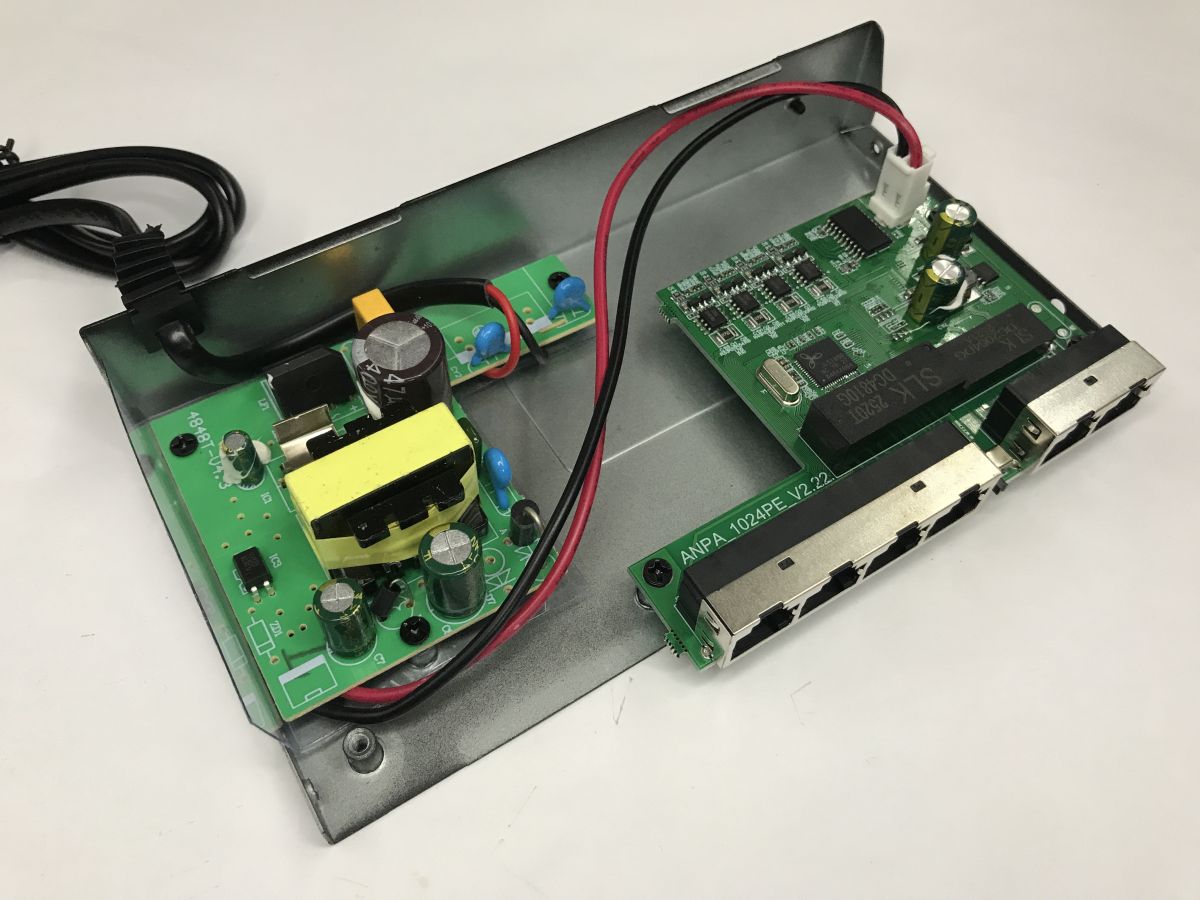
PCB from the power supply - here we have a simple flyback topology, I even see a TL431 on the bottom:
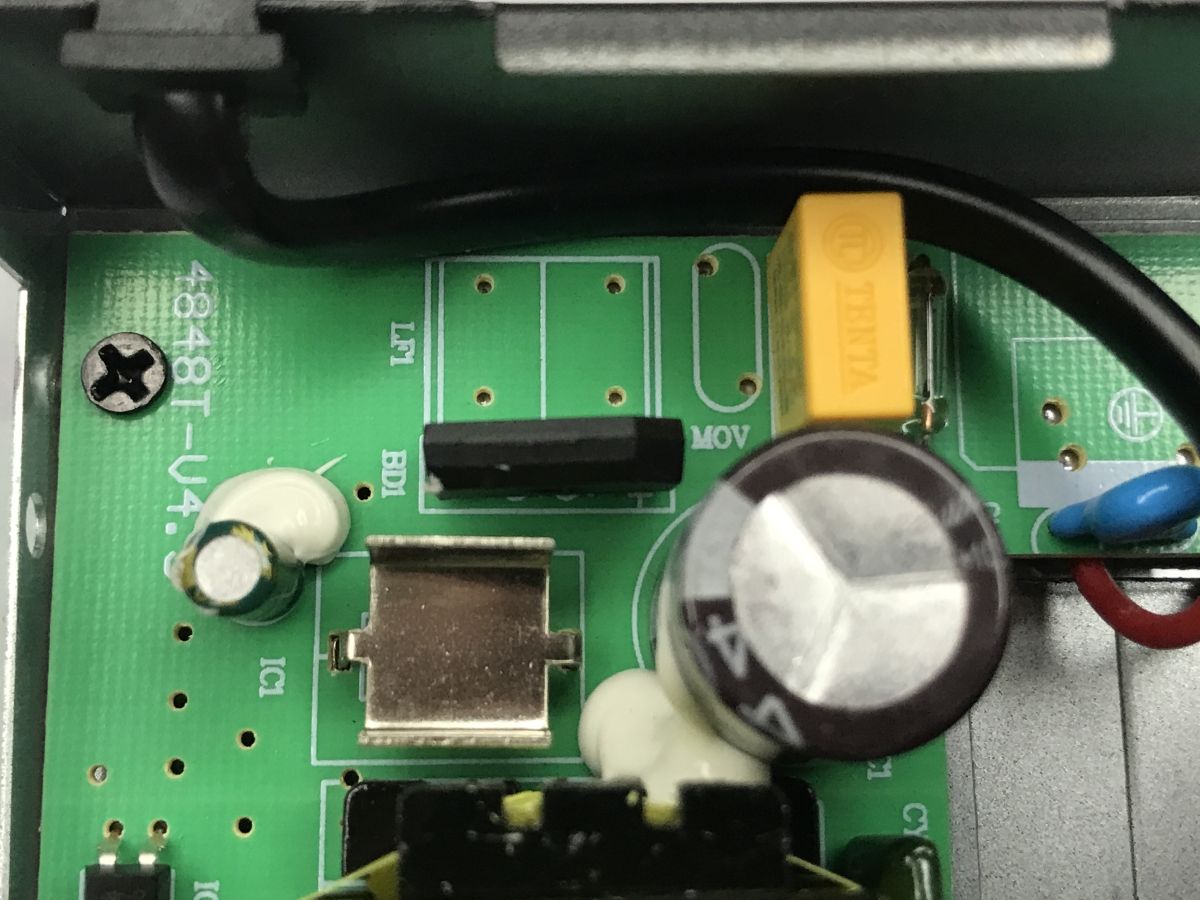
There's an empty space on the power supply input for filters and a varistor:
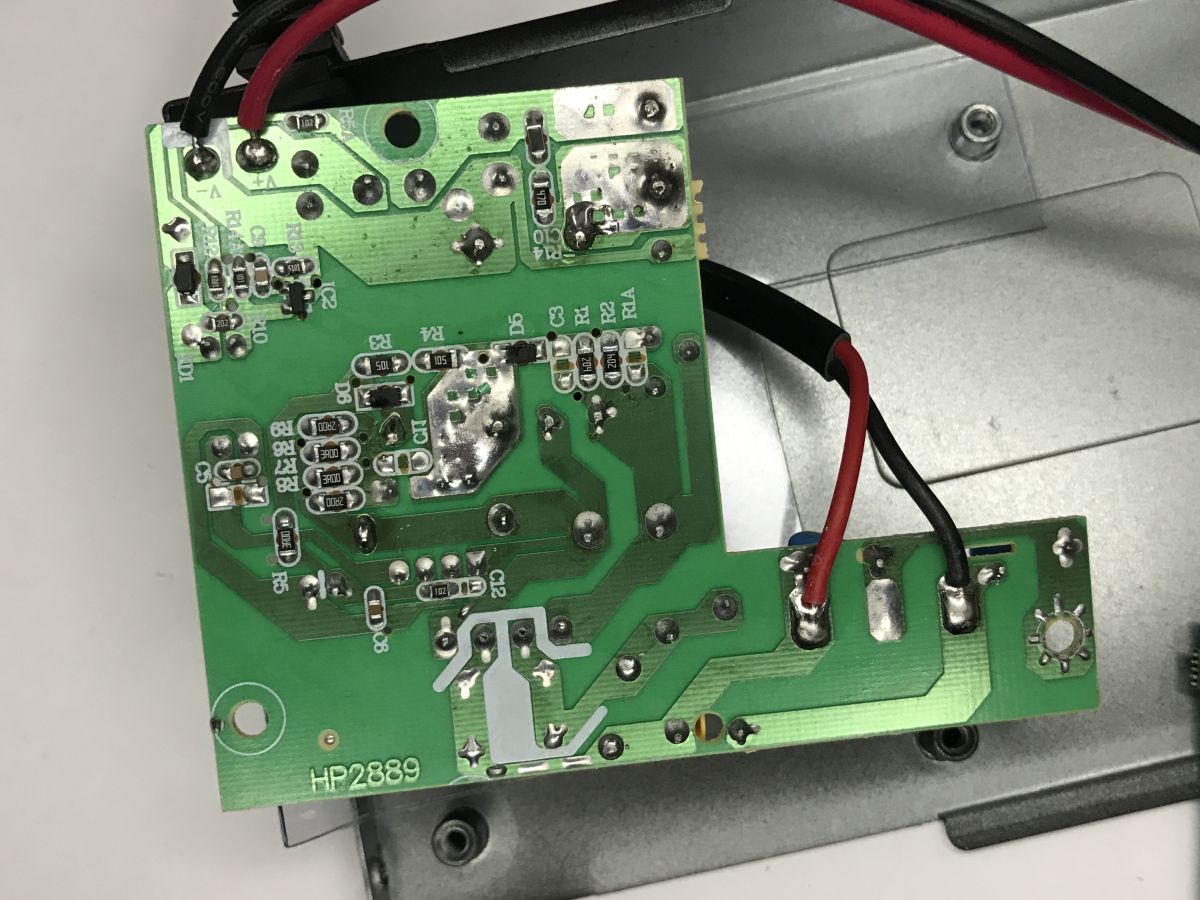
I haven't checked what the inverter is realised on - I didn't want to desolder the heatsink. Maybe it's some kind of circuit from the ViPER or TNY series?
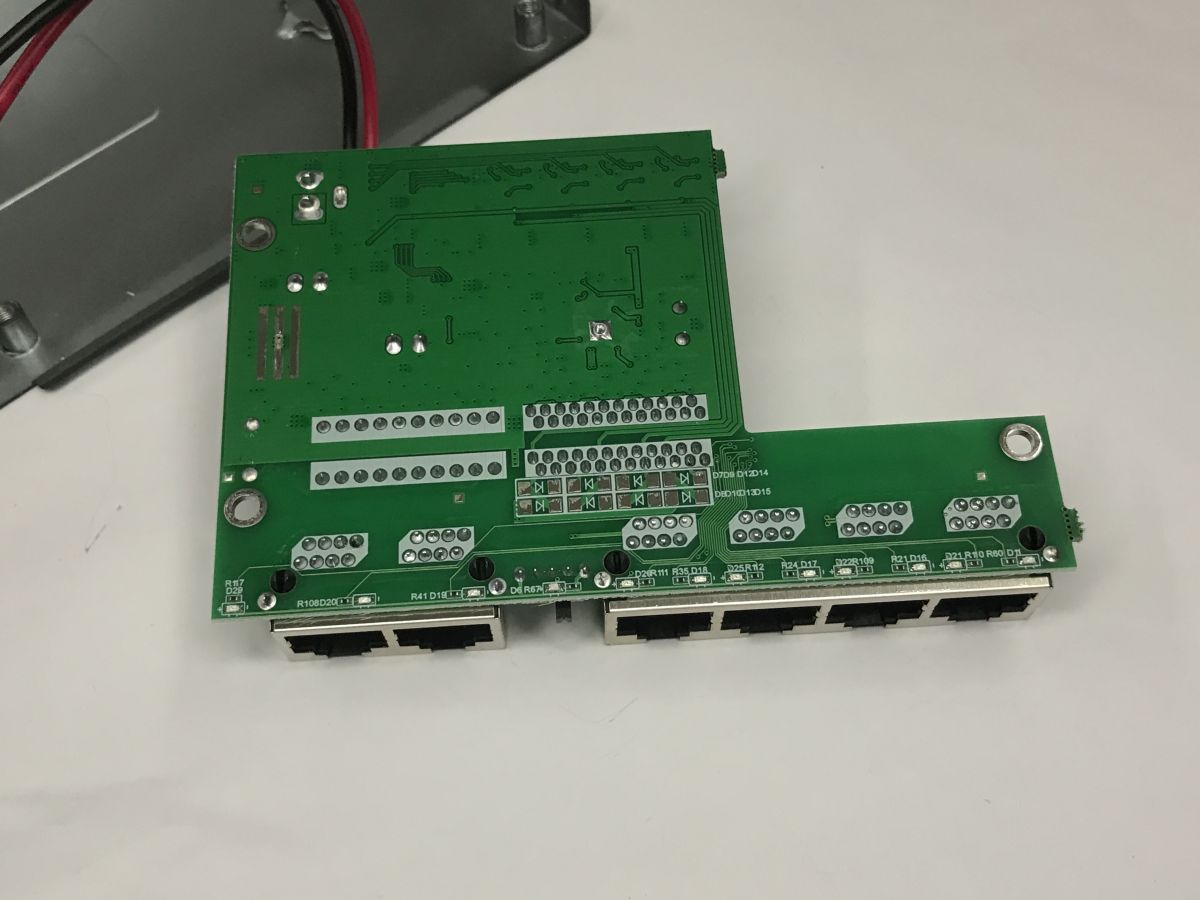
Now for the second board. Anyone lusted after the protective LEDs? The connector LEDs are on the bottom of the PCB, I guess it was cheaper that way than buying RJ45 connectors with built in LEDs.
Isolation signal transformers are separate (no integrated 'magjack' here):
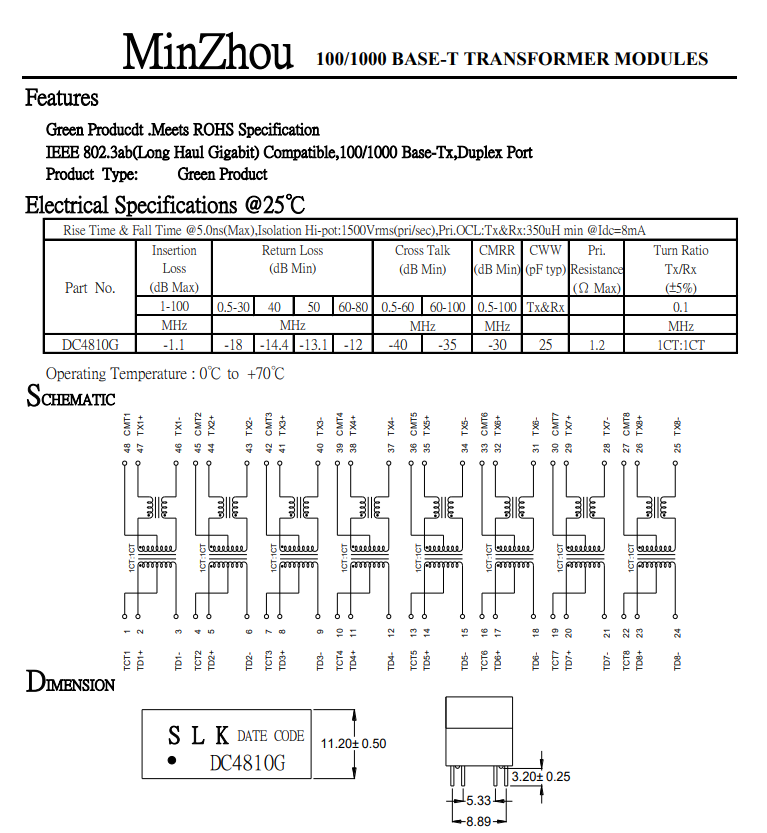
DC4810G and DC2064DG. Catalogue note that it is for gigabit connection.
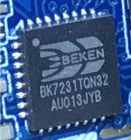
Apart from that, we have the main controller, the main inverter and four FM15N10 chips in there.
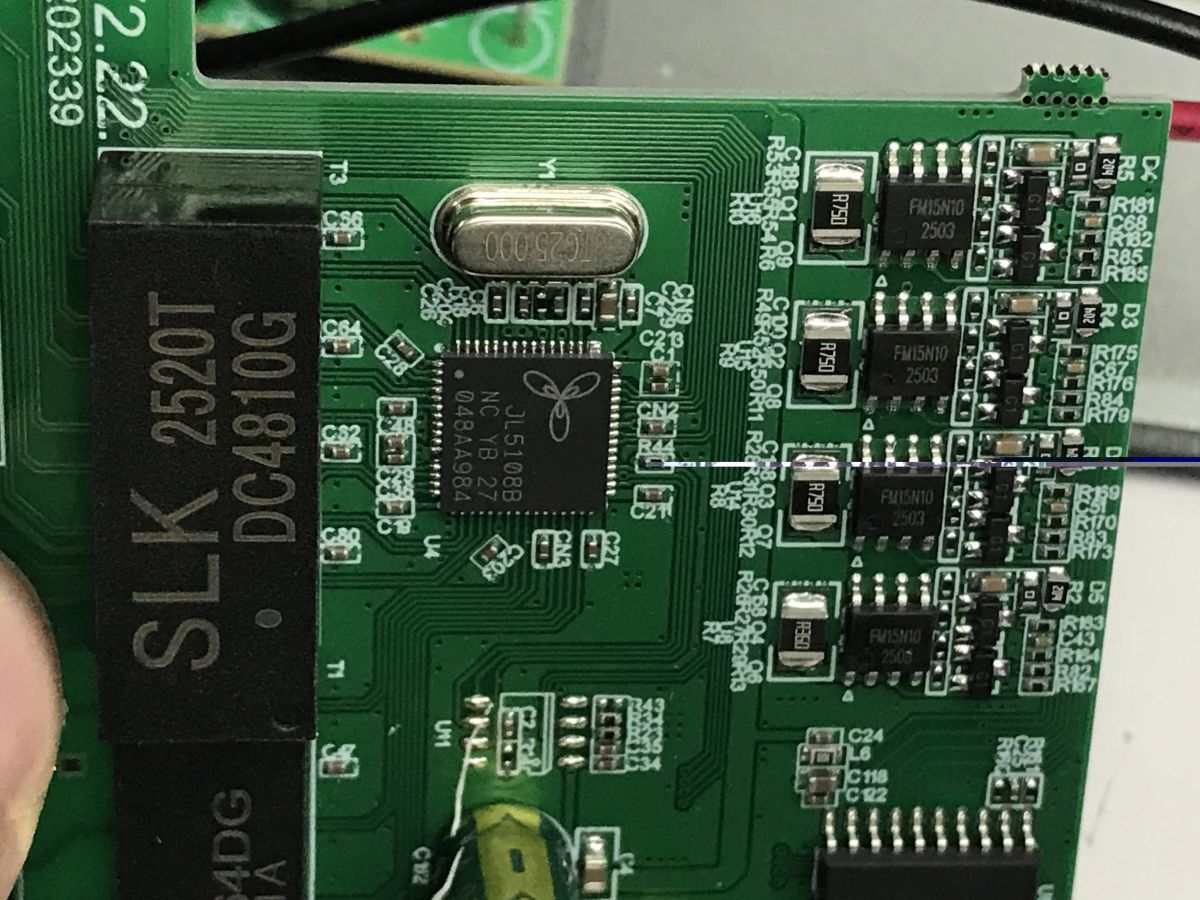
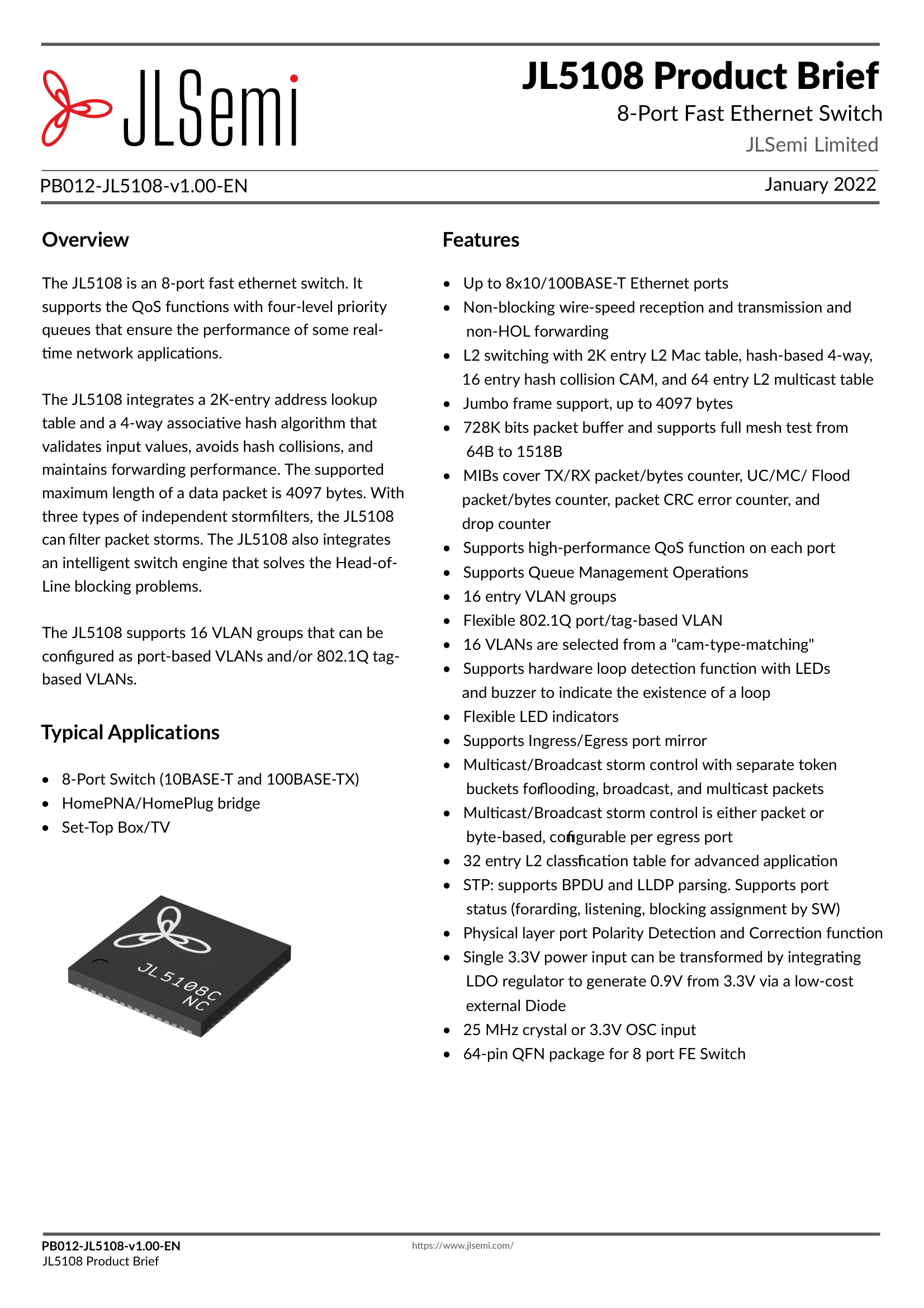
JL5108B:
FM15N10 role I did not recognise, maybe it is a MOSFET?
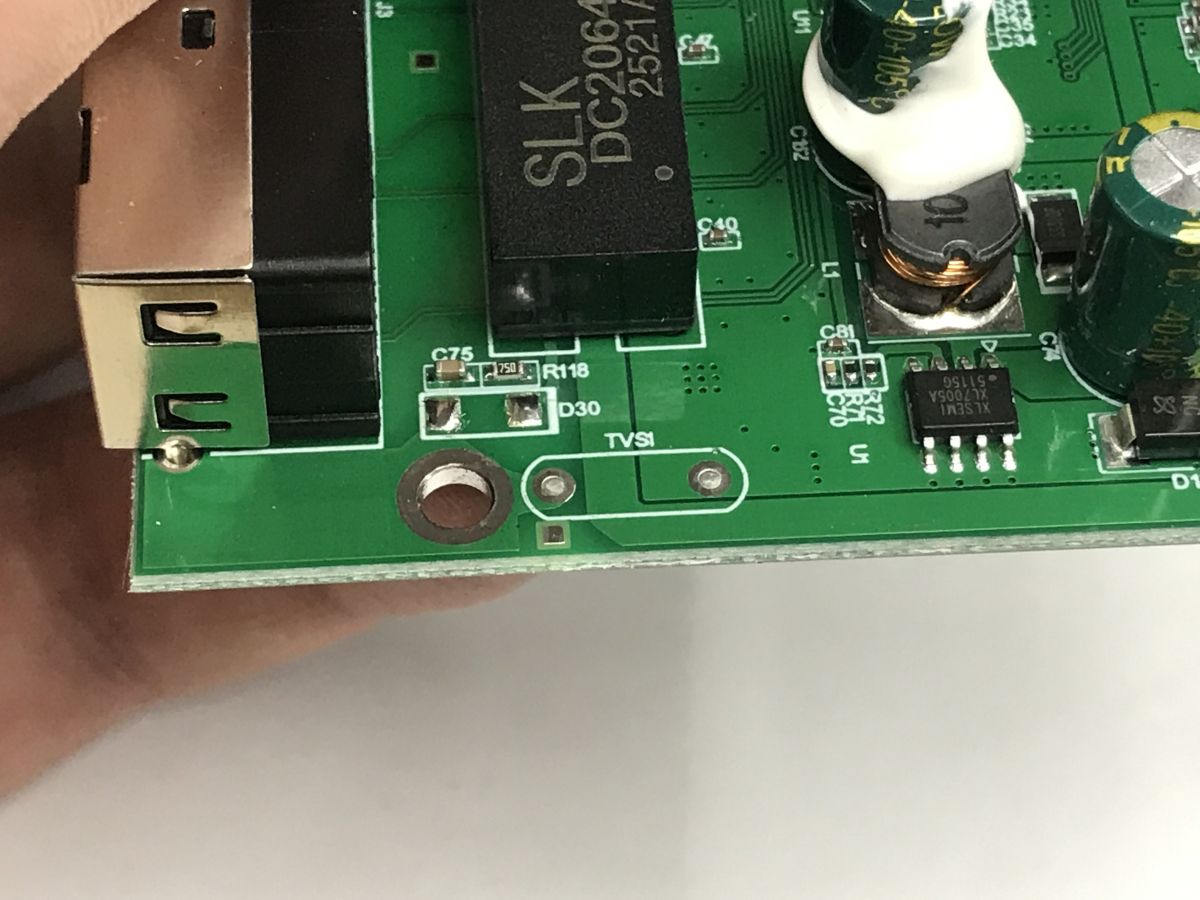
There is also an XL7005A inverter on the input, this is probably used to step down the voltage to supply the rest of the circuit. Interestingly, there is a place on the PCB for a TVS protection diode, but it is not soldered on. Next to the inverter, there is still a surface-mounted chip in a SOIC case, which is not marked.
I briefly tested this switch at my site, but without PoE testing. With no wires connected (or no network traffic) it draws about 1.5 W, with moderate traffic it draws 2.5 W.
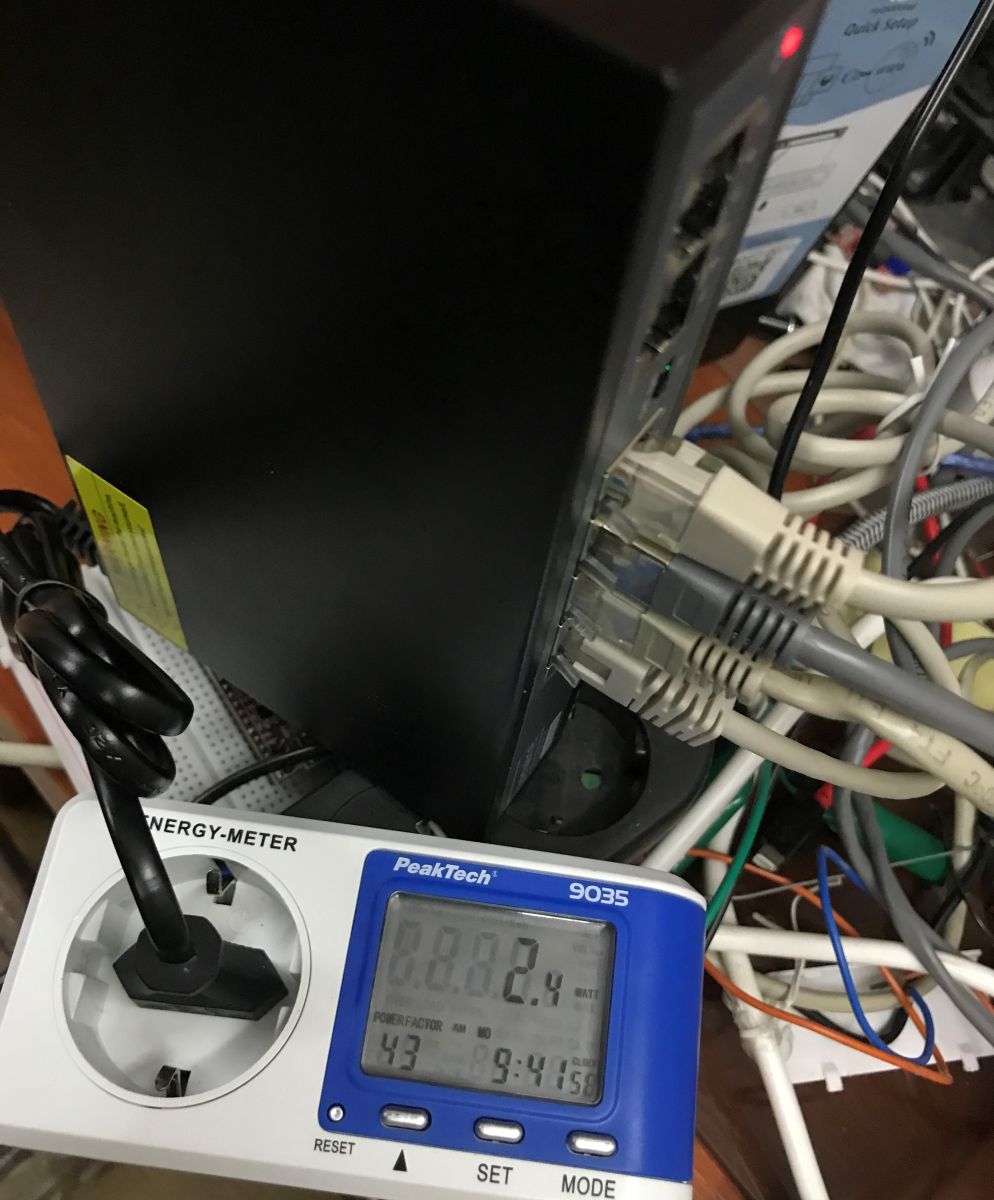
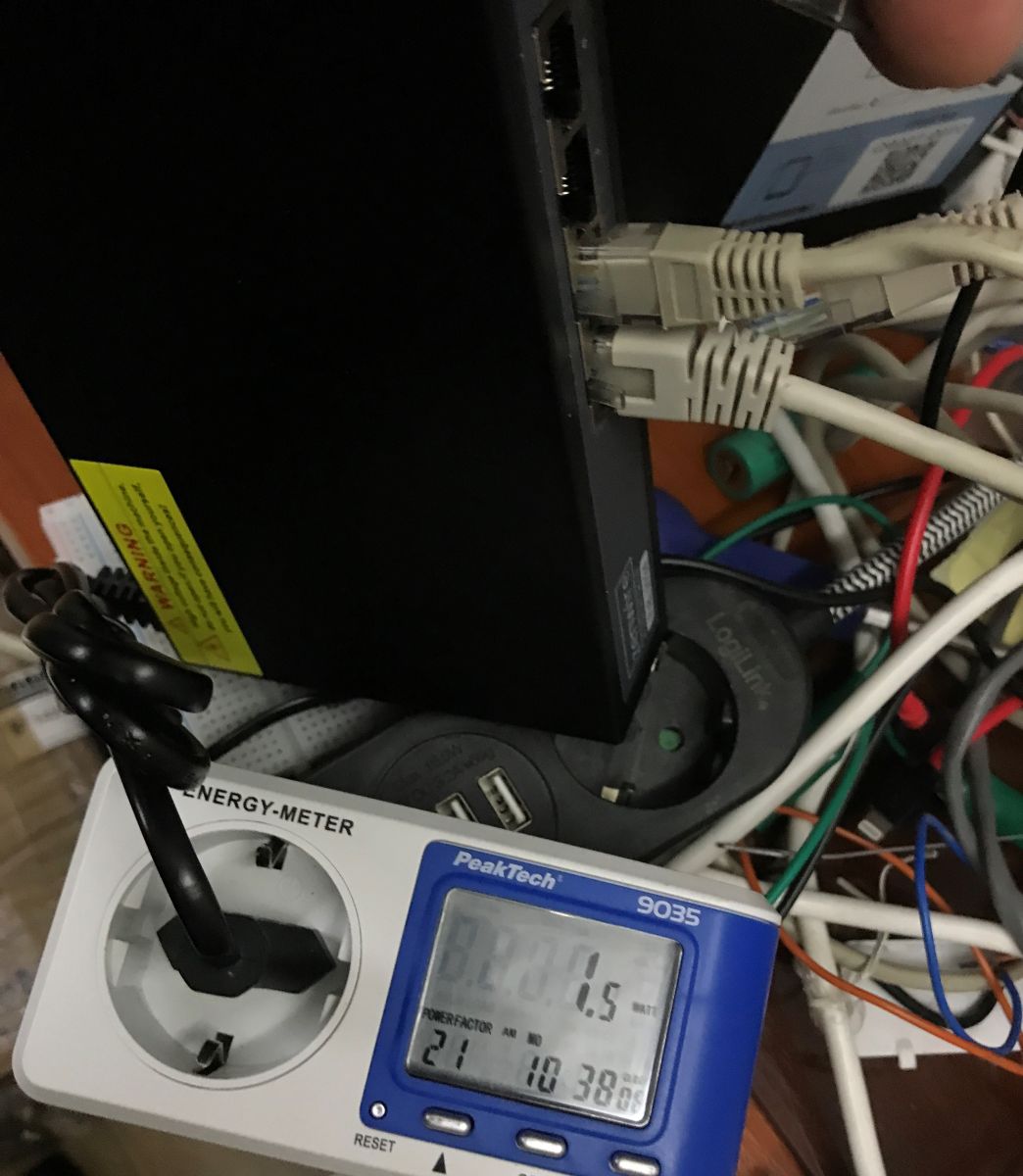
I then mounted the switch in the target location to work with the cameras and it works flawlessly.
In summary, this was a brief demonstration of a PoE switch which, according to the information on the packaging, was designed in our country. It is difficult for me to judge how much this was actually the case, although undoubtedly inside you can see some savings on components and changes of plans in relation to the design of the PCB itself. Also, not all the electronic circuits inside have been clearly identified, so if anyone has anything more to add, feel free to comment. Do you use PoE switches?
Cool? Ranking DIY Helpful post? Buy me a coffee.