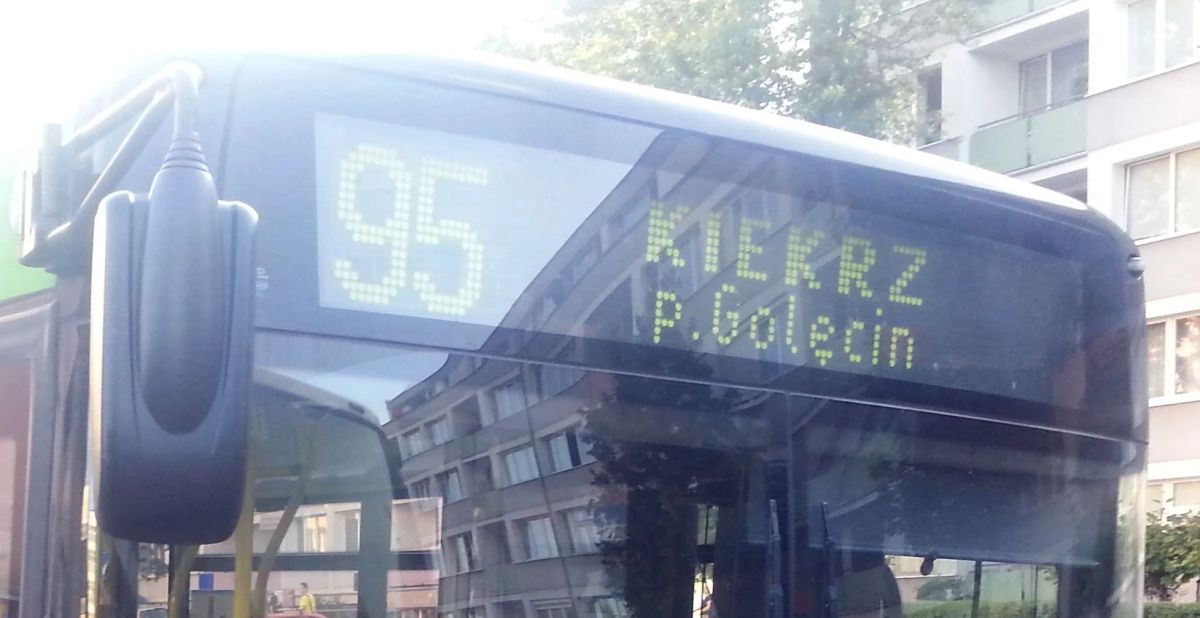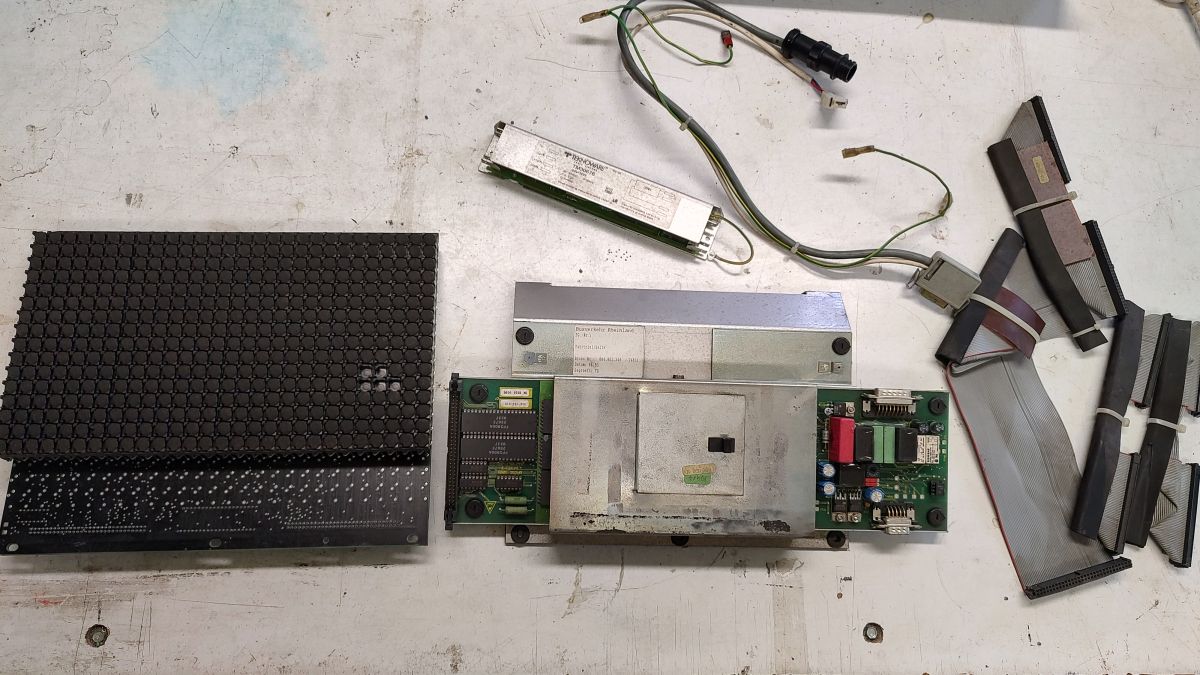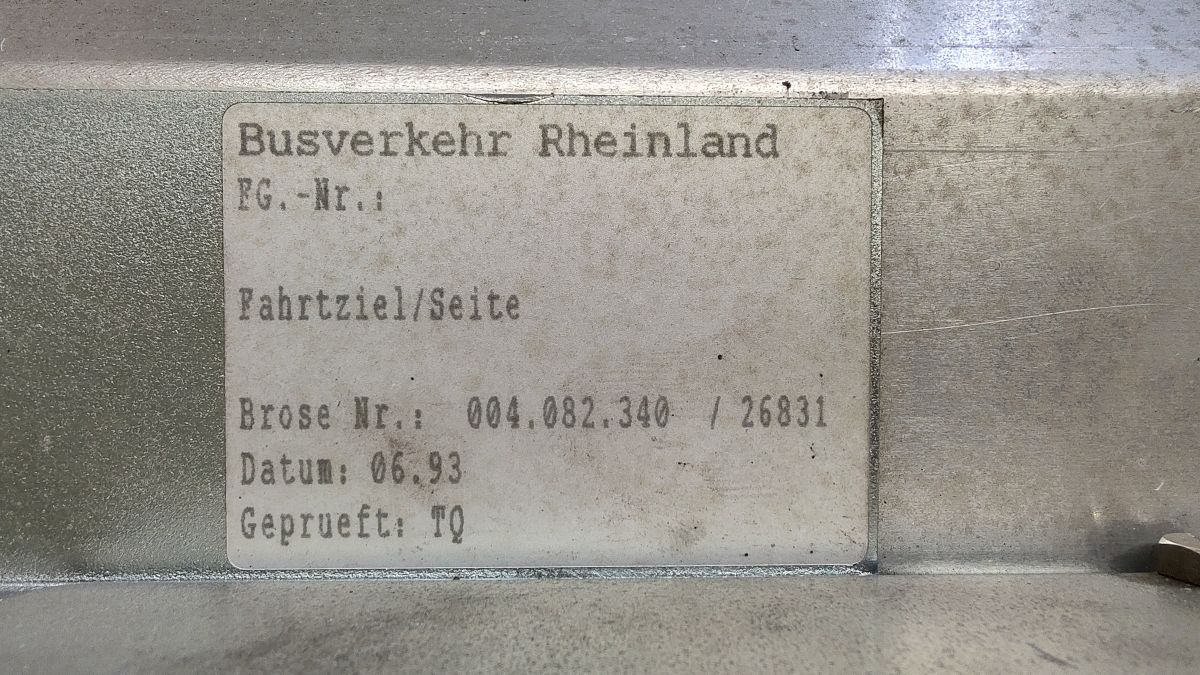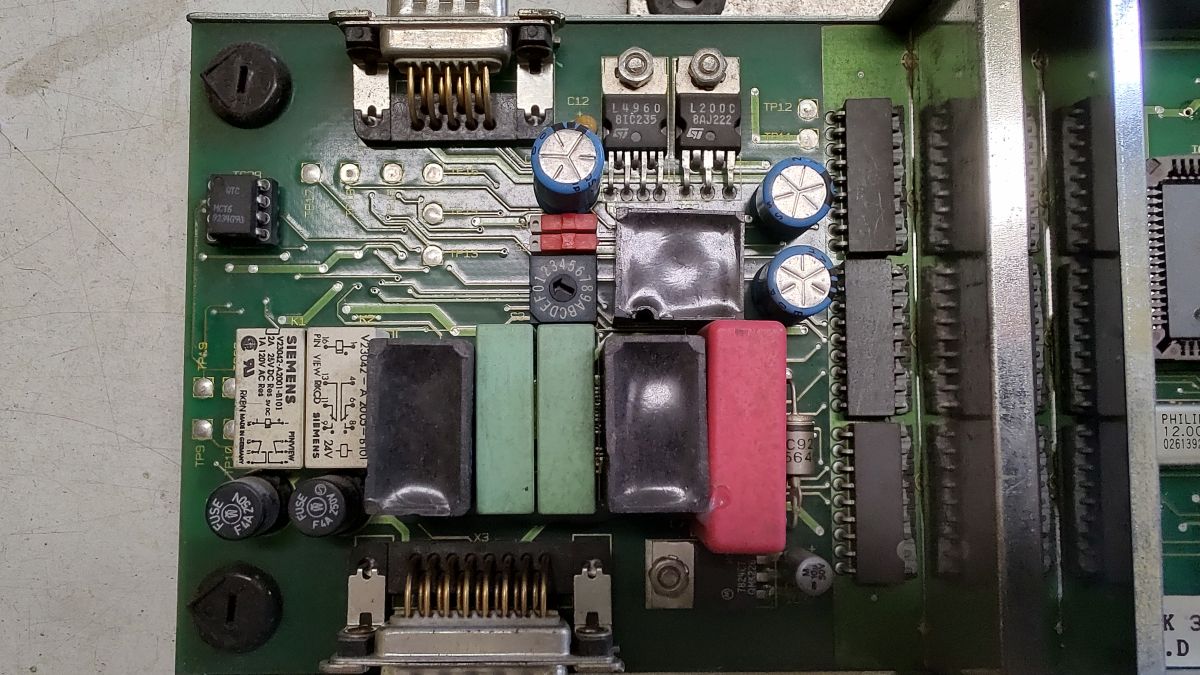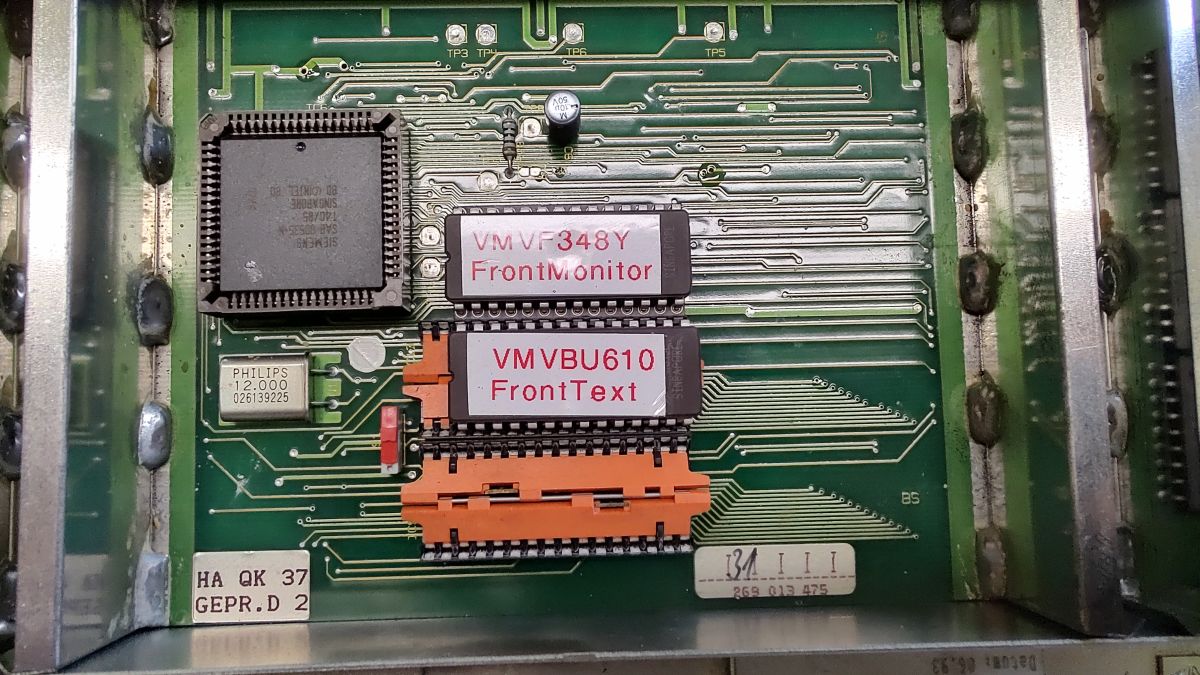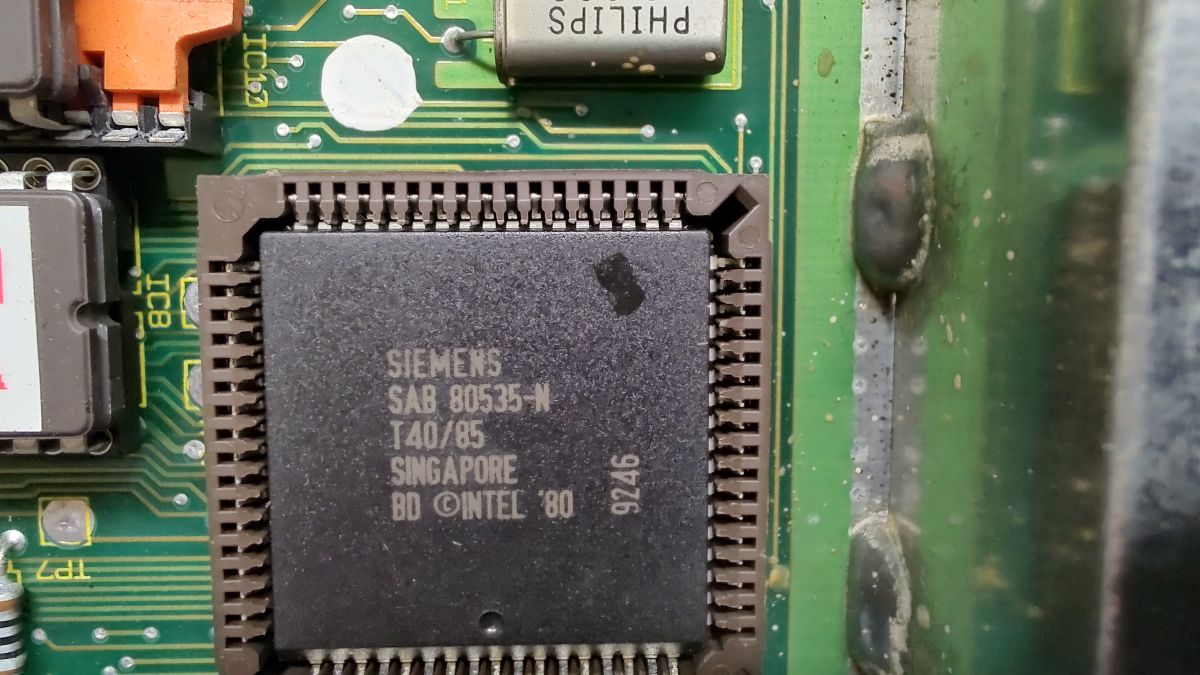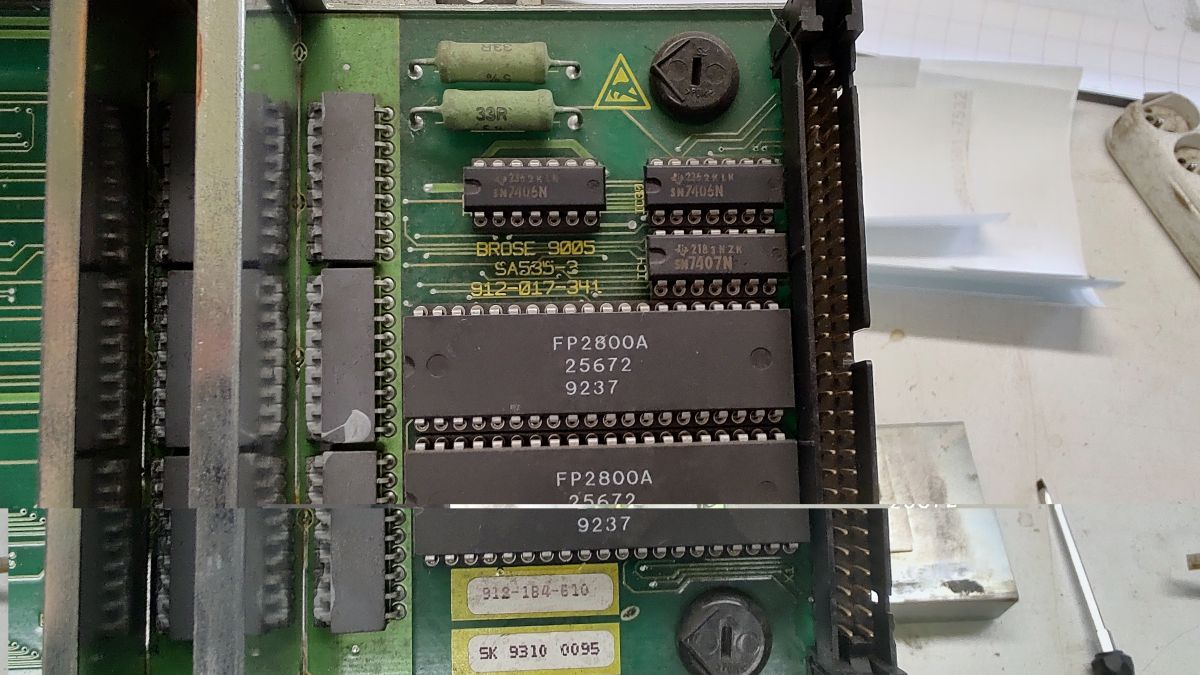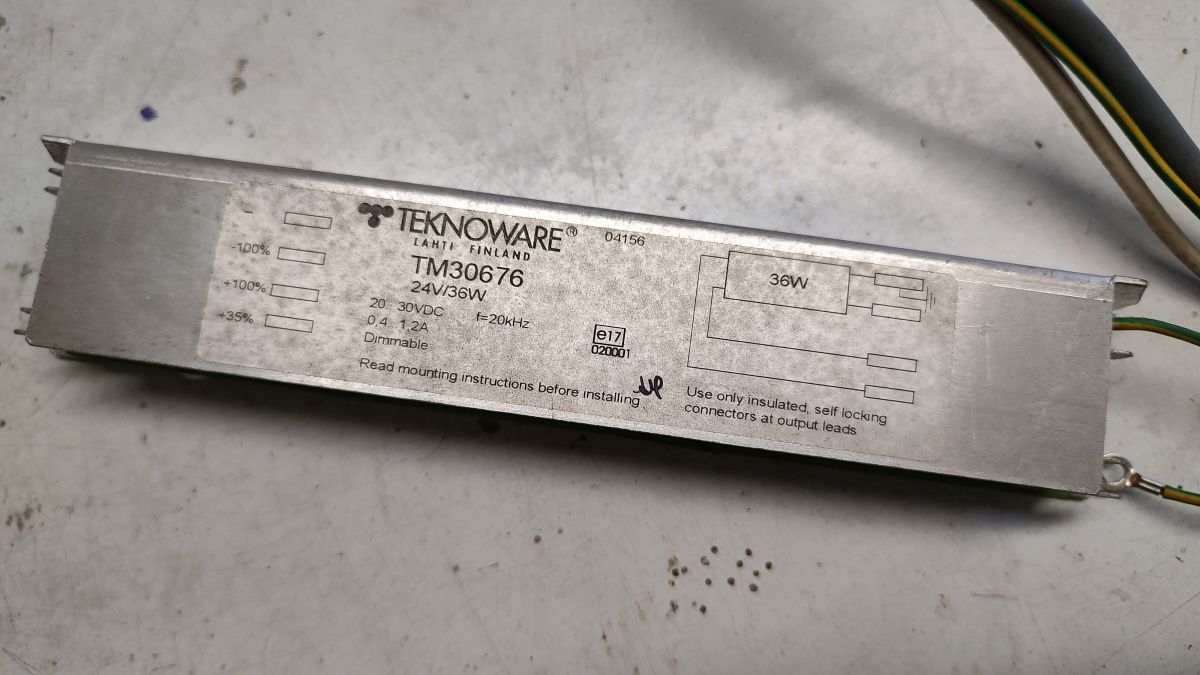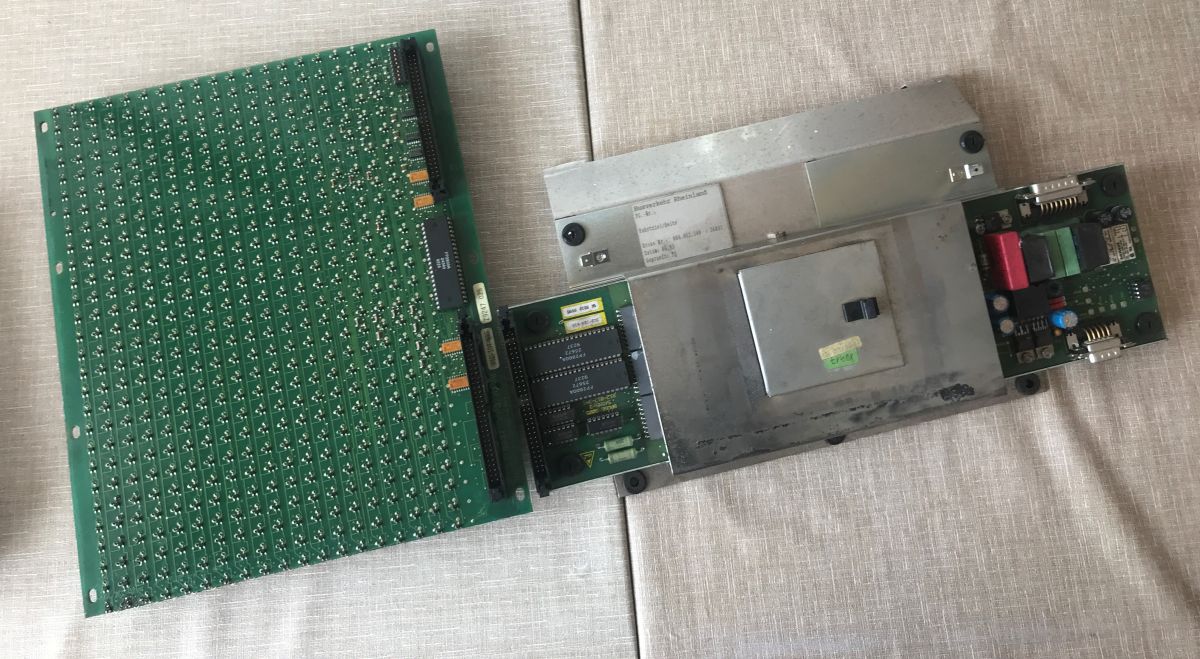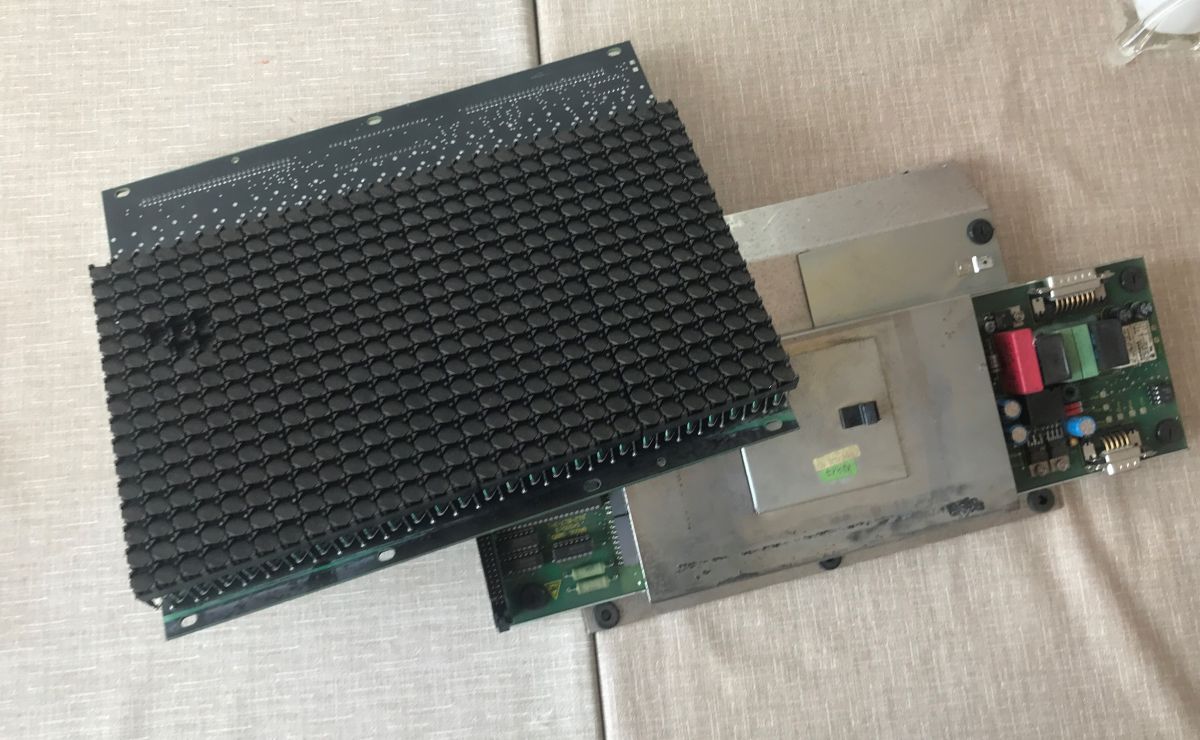

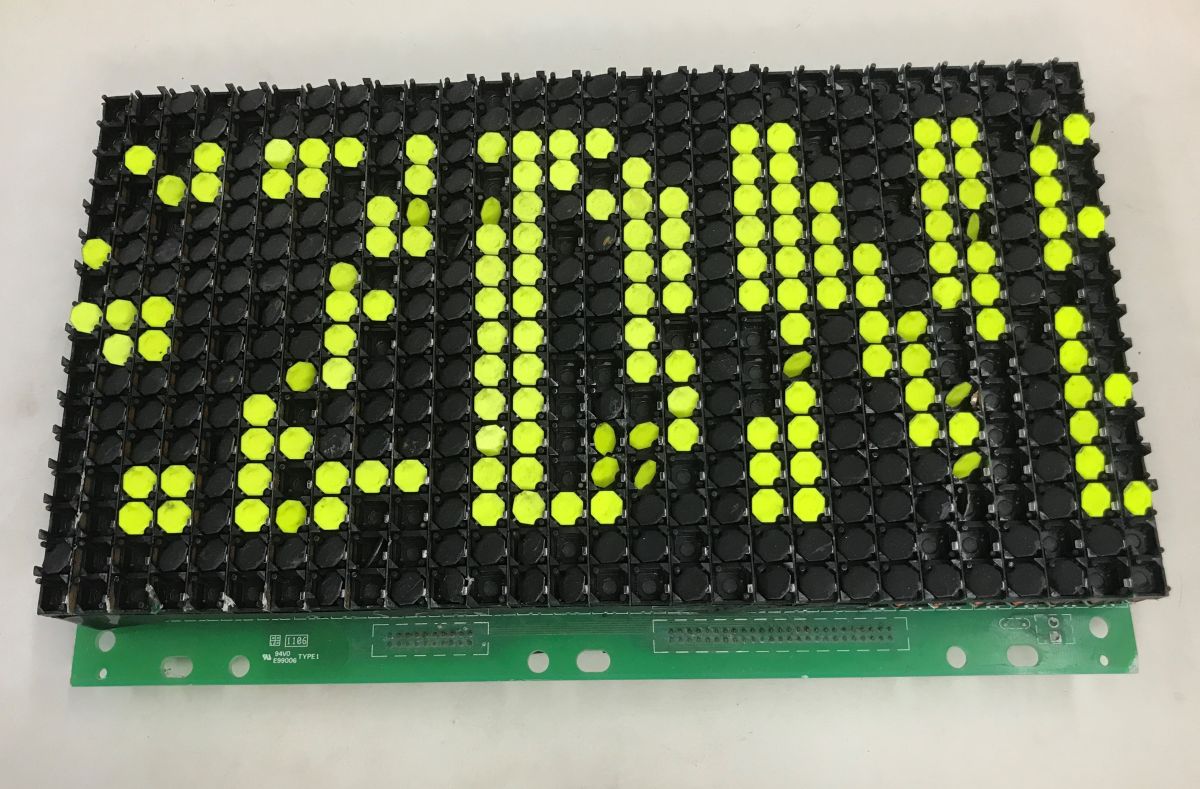
Do you recognise this distinctive type of display, which used to be a common sight at railway stations? A while ago, I presented a series of ‘railway’ devices, including a GPS and an on-board computer, and today I’m continuing this theme by showing you a display I acquired from the same source following its decommissioning.
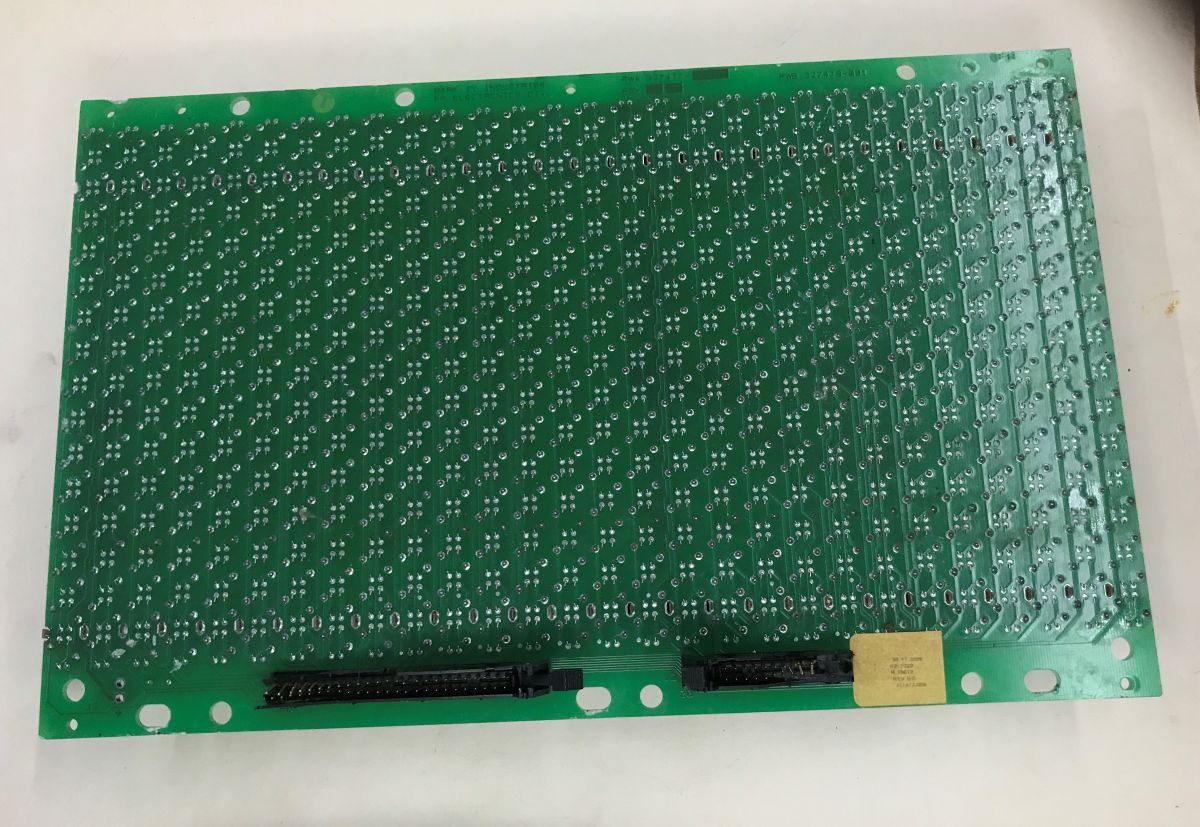
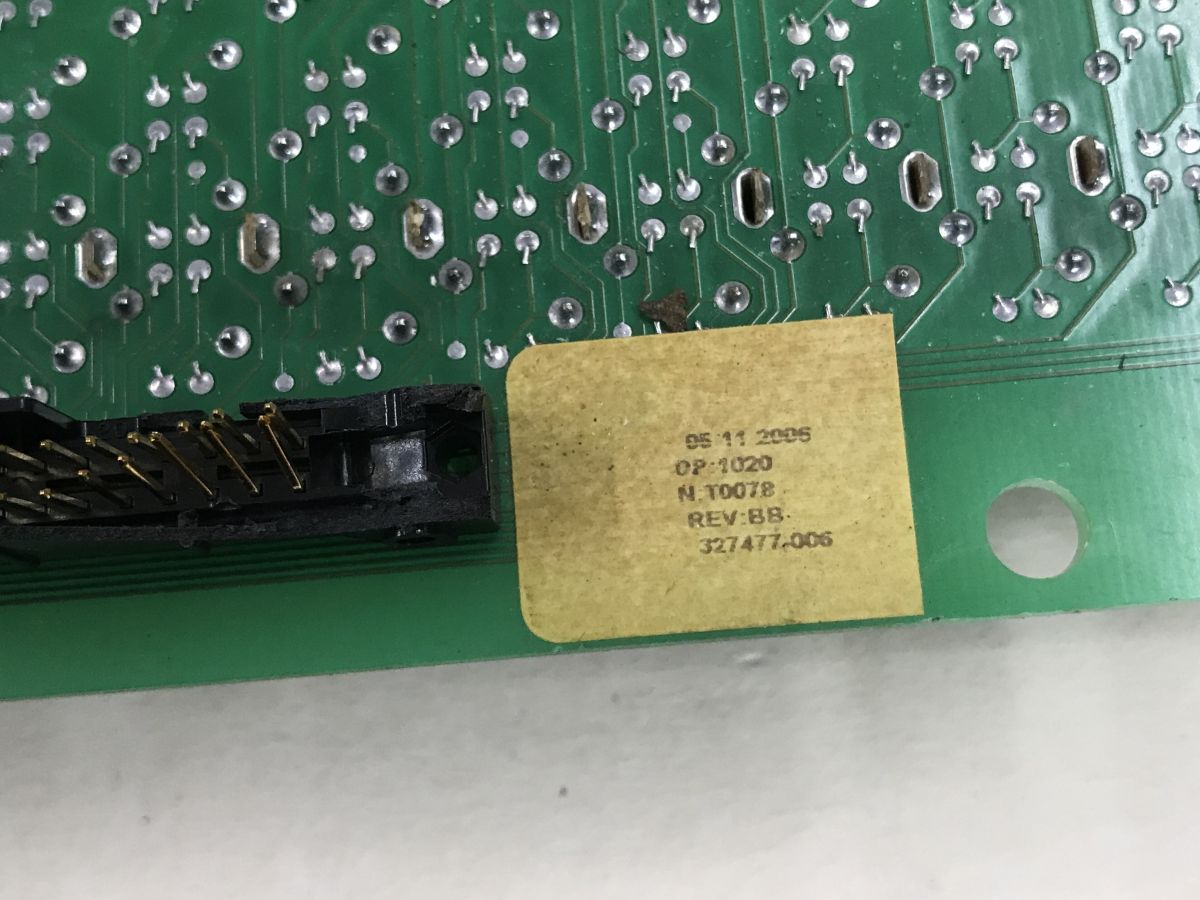
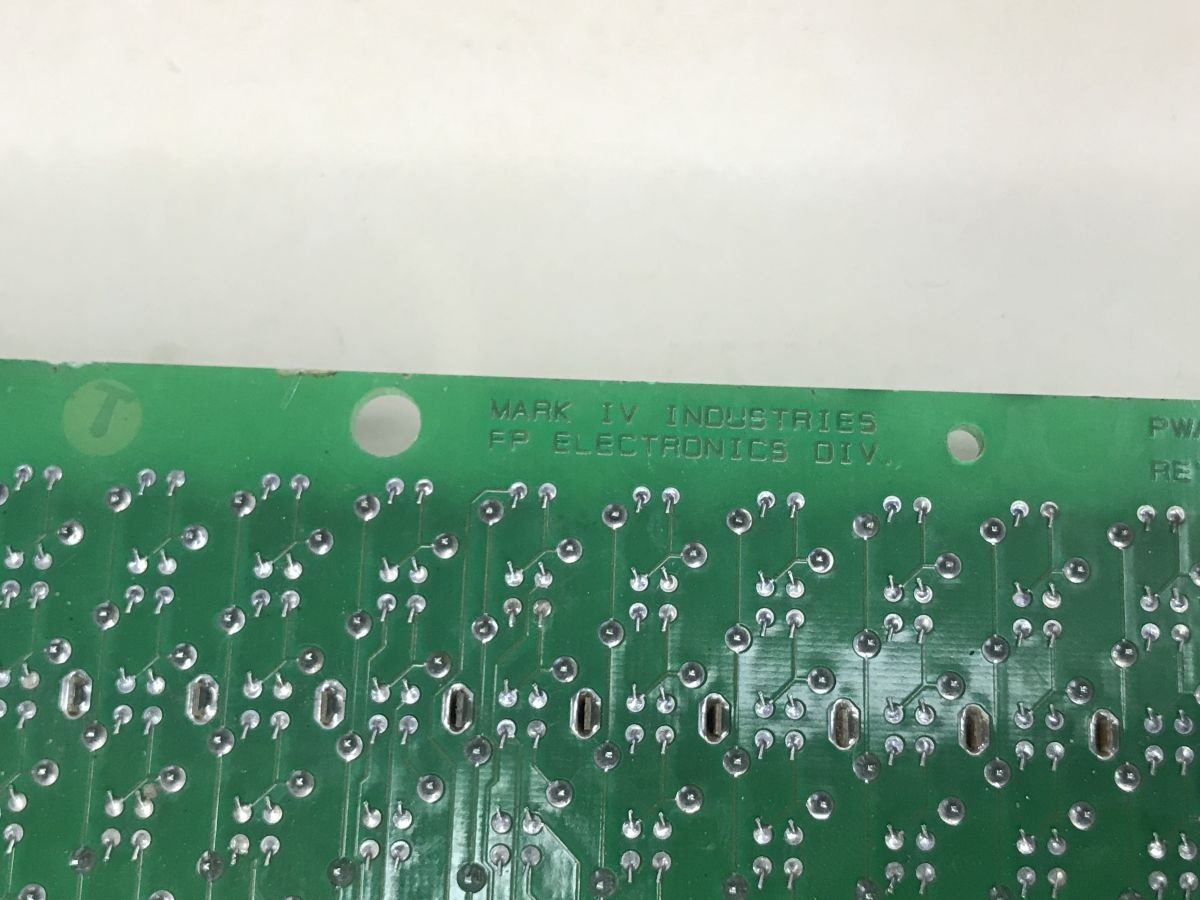
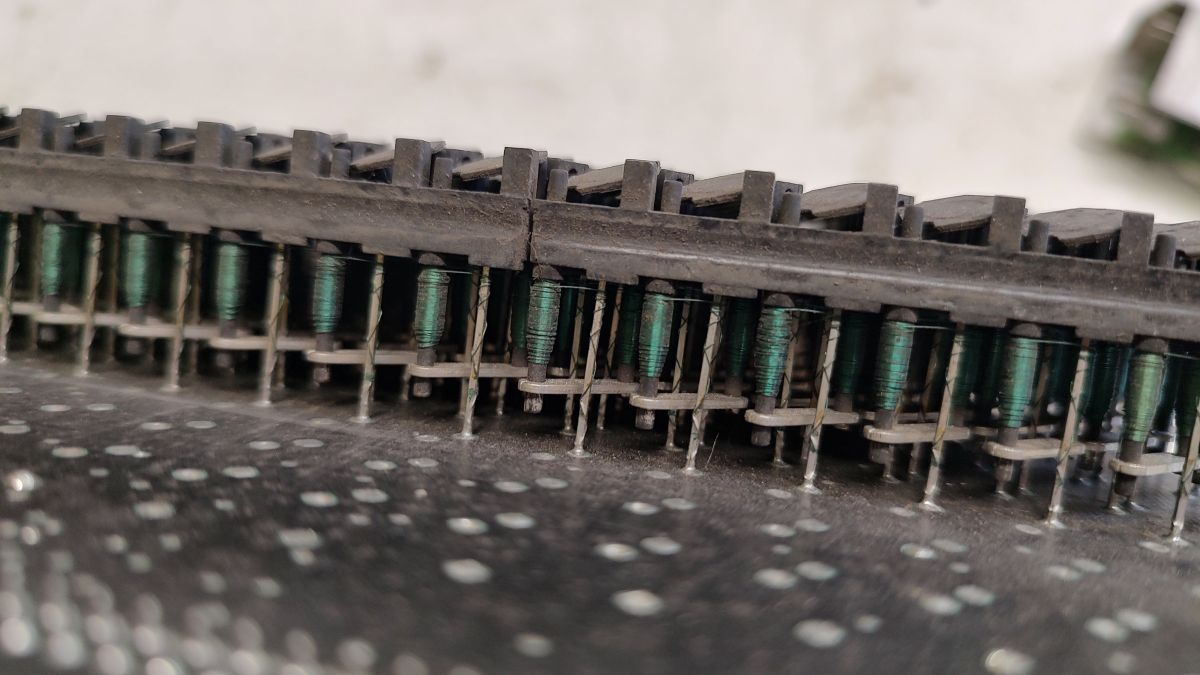
An electromagnetic display, often referred to as a ‘flip-dot display’, as the English name suggests, consists of two-colour flip-dots that are rotated by electromagnets. Each flip-dot has two sides in different colours (usually yellow and black), and its position is changed by a short current pulse applied to the coil. After such a pulse, the dot remains in the set position even after the power is switched off, which means very low power consumption – current is only required when the displayed information is changing. This entire process is accompanied by a characteristic mechanical ‘clicking’ sound.
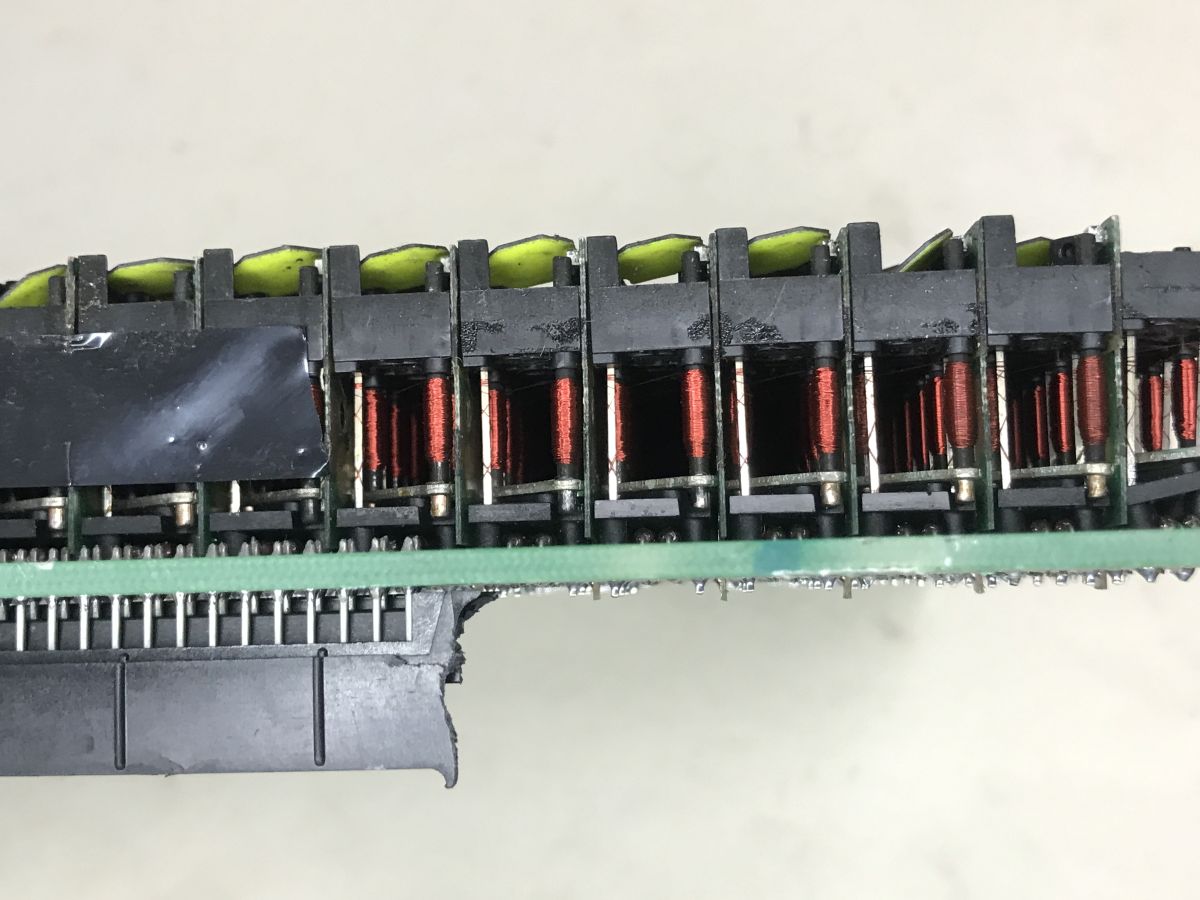
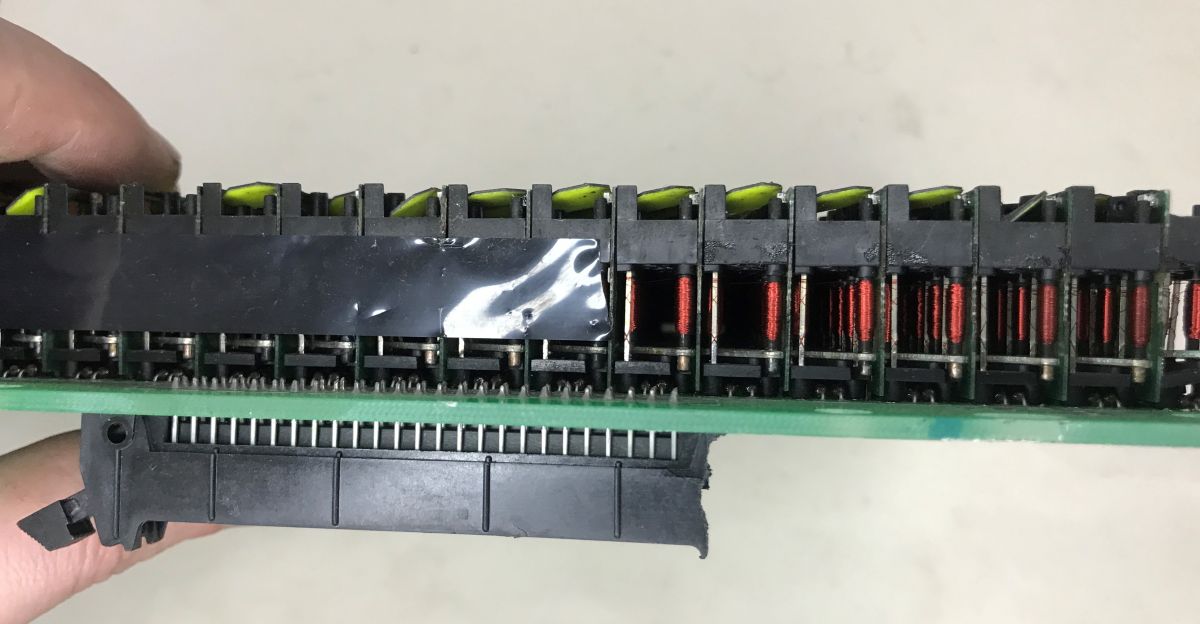
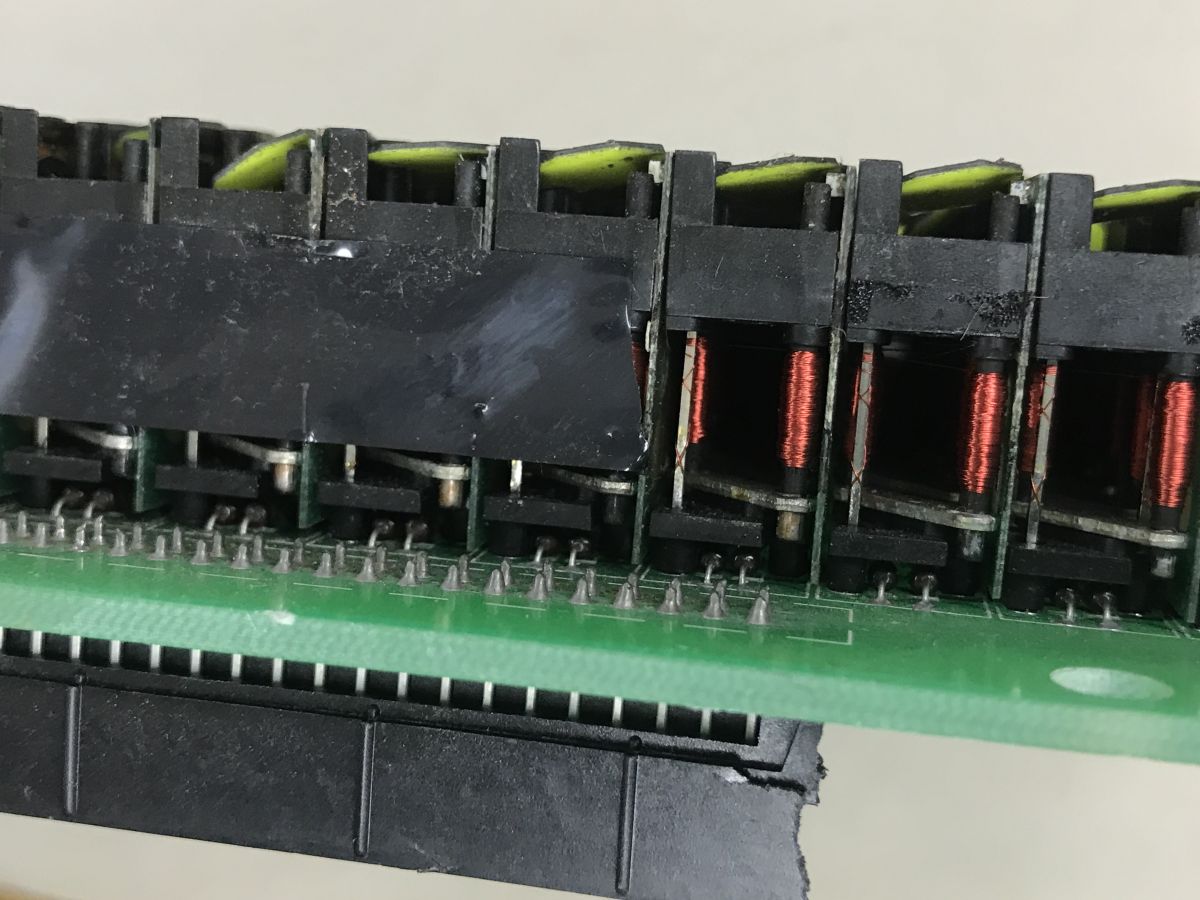
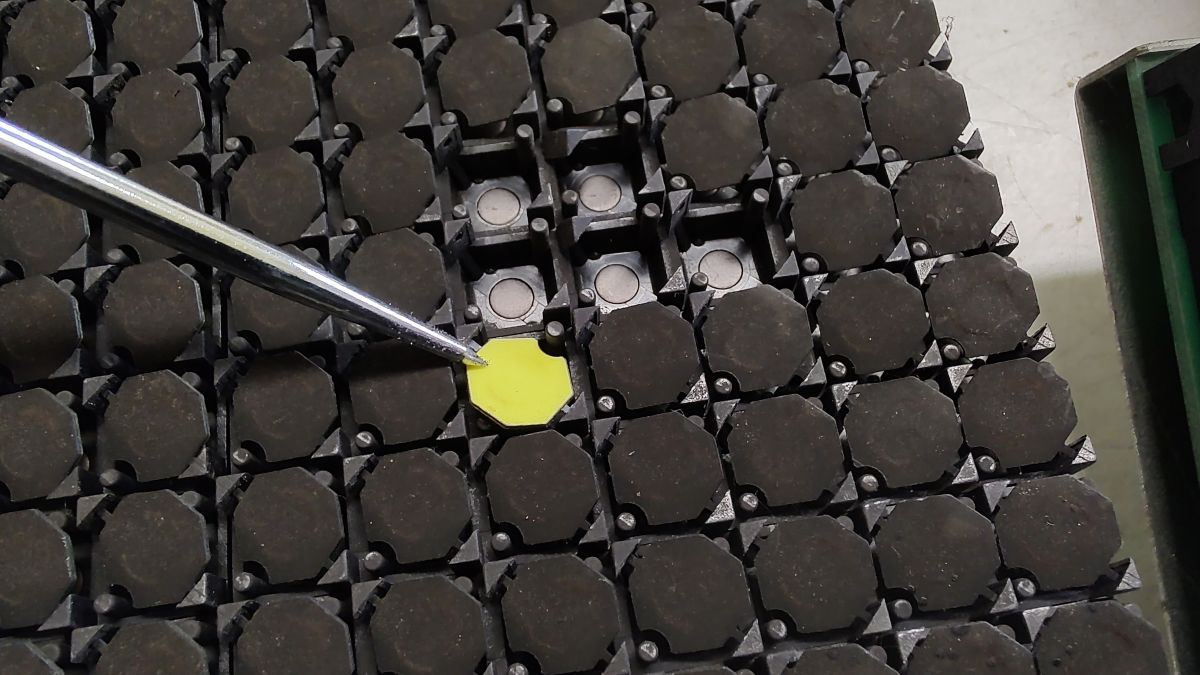
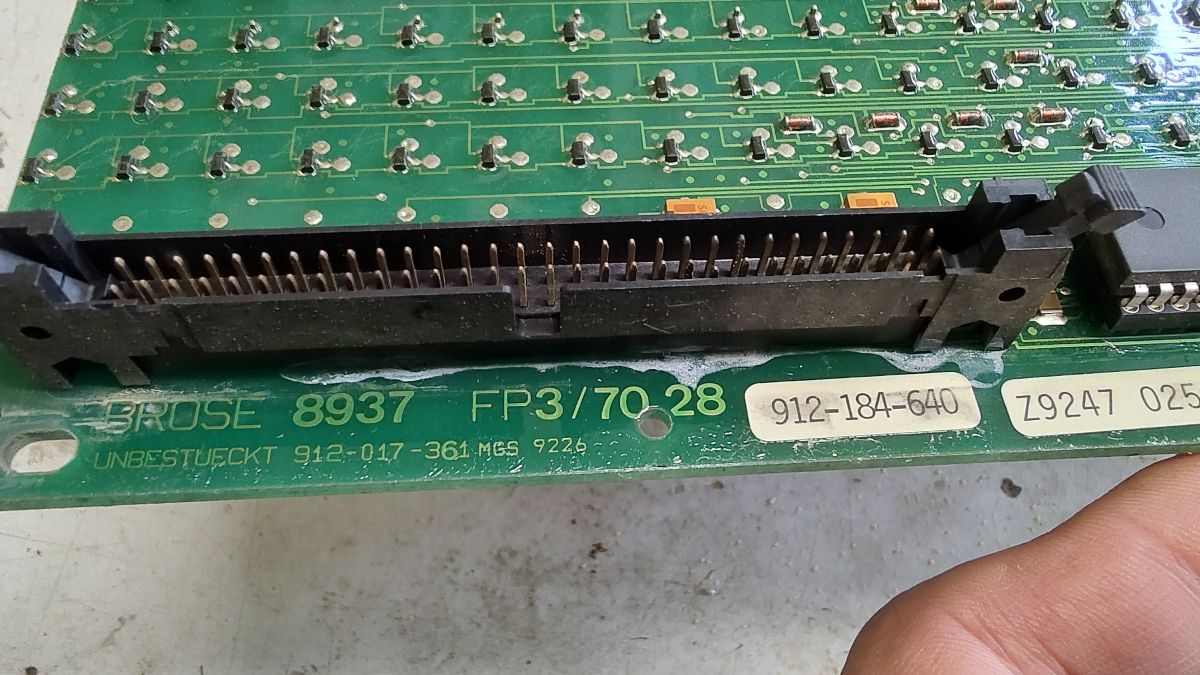
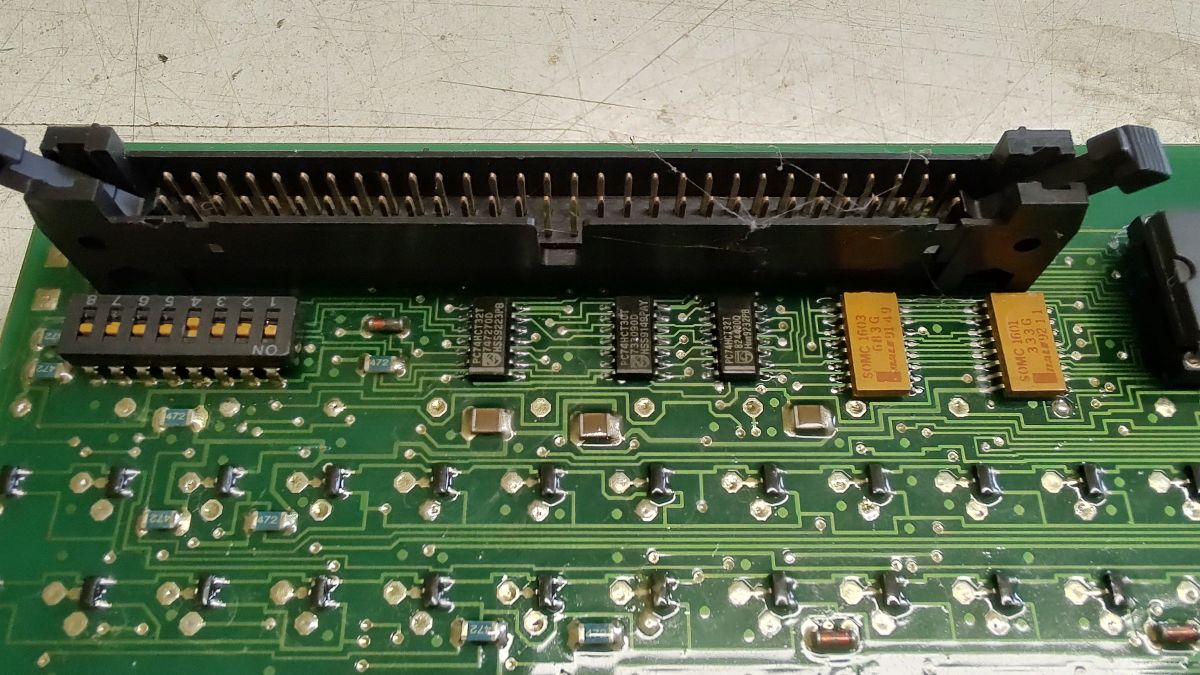
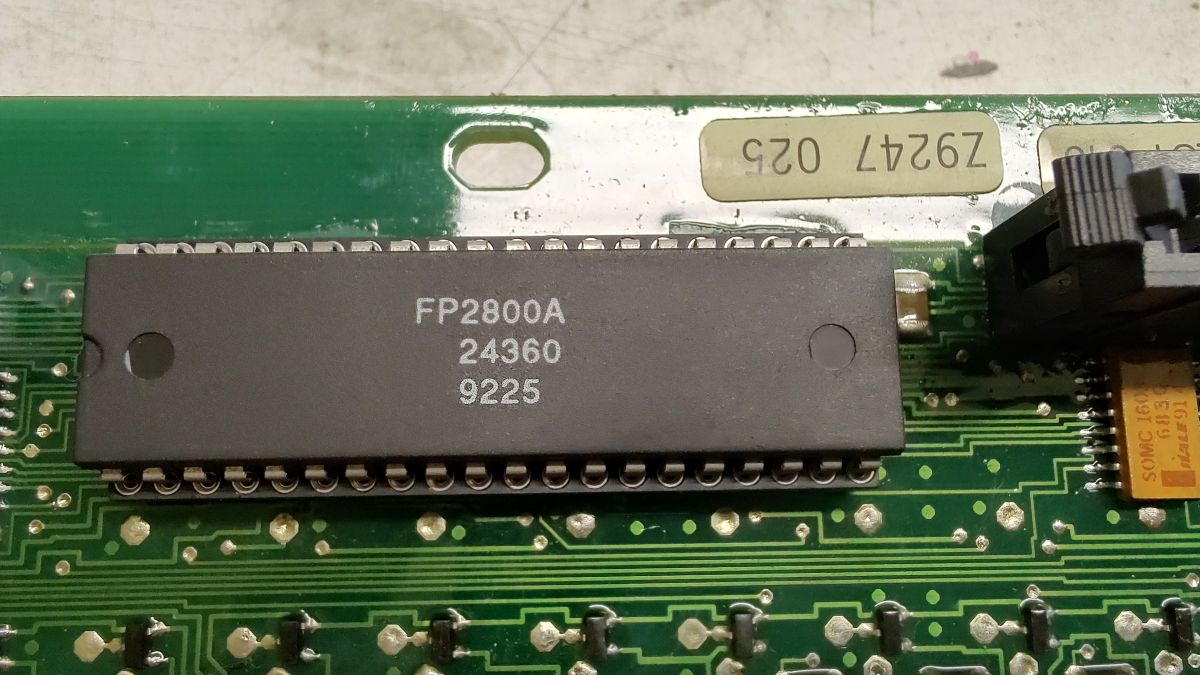
My unit was already damaged and came from a scrap heap, so I decided on a slightly more destructive demonstration and also took a look right underneath the coils.
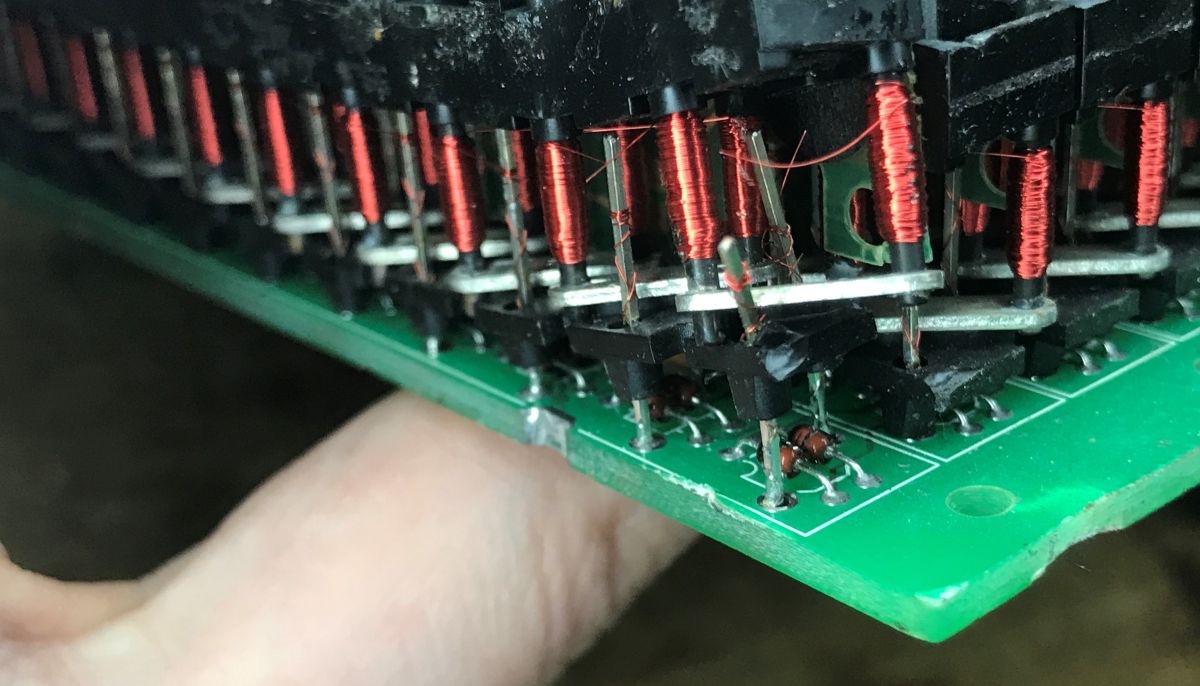
You can see two diodes there, which enable matrix-style polarisation control and simplify the matrix wiring. This makes it possible to address points in the array by rows and columns without running separate wires to each coil.
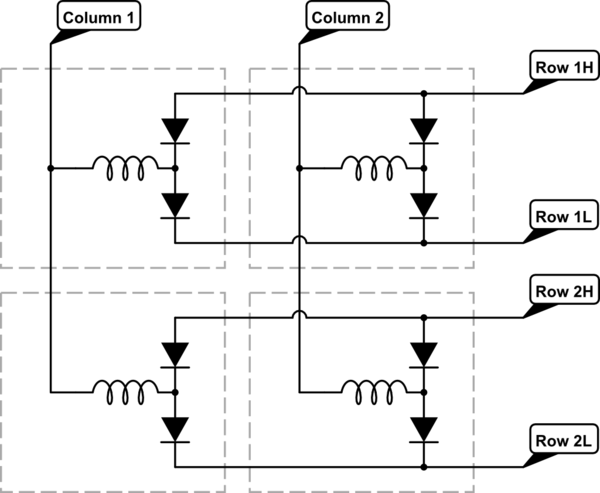
(schematic source: https://electronics.stackexchange.com/questio...is-the-purpose-of-diodes-in-flip-dot-displays )
Finally, a short video demonstration – I simply controlled the whole thing manually by connecting wires from a laboratory power supply – you can watch it with sound:
To sum up , this was a rather old flip-dot display salvaged from a scrap heap. It arrived in such a poor condition that I simply decided it wasn’t worth trying to get it working. You can’t see it very well in the photos, but many of the dots are missing, and the connectors are also in need of replacement. The unit itself appears to be quite old; the date on the sticker reads 05.11.2006, meaning it’s nearly 20 years old. Judging by the display’s condition when I received it, this is likely just one of at least several segments. And here’s the mystery – what on earth could this display have been showing in the first photo? I don’t really have any specific ideas about that…
Have you used this type of display, either at work or perhaps for DIY projects? Where else might you come across them?
PS: Related ‘railway’ topics:
A railway on-board computer from a Polish company – construction, interior and commissioning
Railway modem module manufactured by the Polish company ISM, 868 MHz RM-2 – interior and construction
Railway expansion module manufactured by a Polish company – construction and internal components
Railway GPS module manufactured by a Polish company – construction and interior
Cool? Ranking DIY Helpful post? Buy me a coffee.