





STRUMYK - Hi-Fi streamer on Raspberry Pi 4 + IQaudIO DAC Pro
TL;DR
- STRUMYK is a hi-fi streamer built on a Raspberry Pi 4 with an IQaudIO DAC Pro card, streaming music from a home NAS and playing 16-24 bit audio.
- It runs Volumio and supports control from both a mobile app and a 5" OSOYOO touchscreen connected via DSI.
- The rear panel provides two switchable pairs of RCA outputs, an RJ45 socket, a power switch, and a USB-C power connector.
- The enclosure was 3D-printed on a Bambu Lab P1S and is designed to work with a tube amplifier using 6P6S tubes.
AI summary based on the discussion. May contain errors.
Hello forum members.
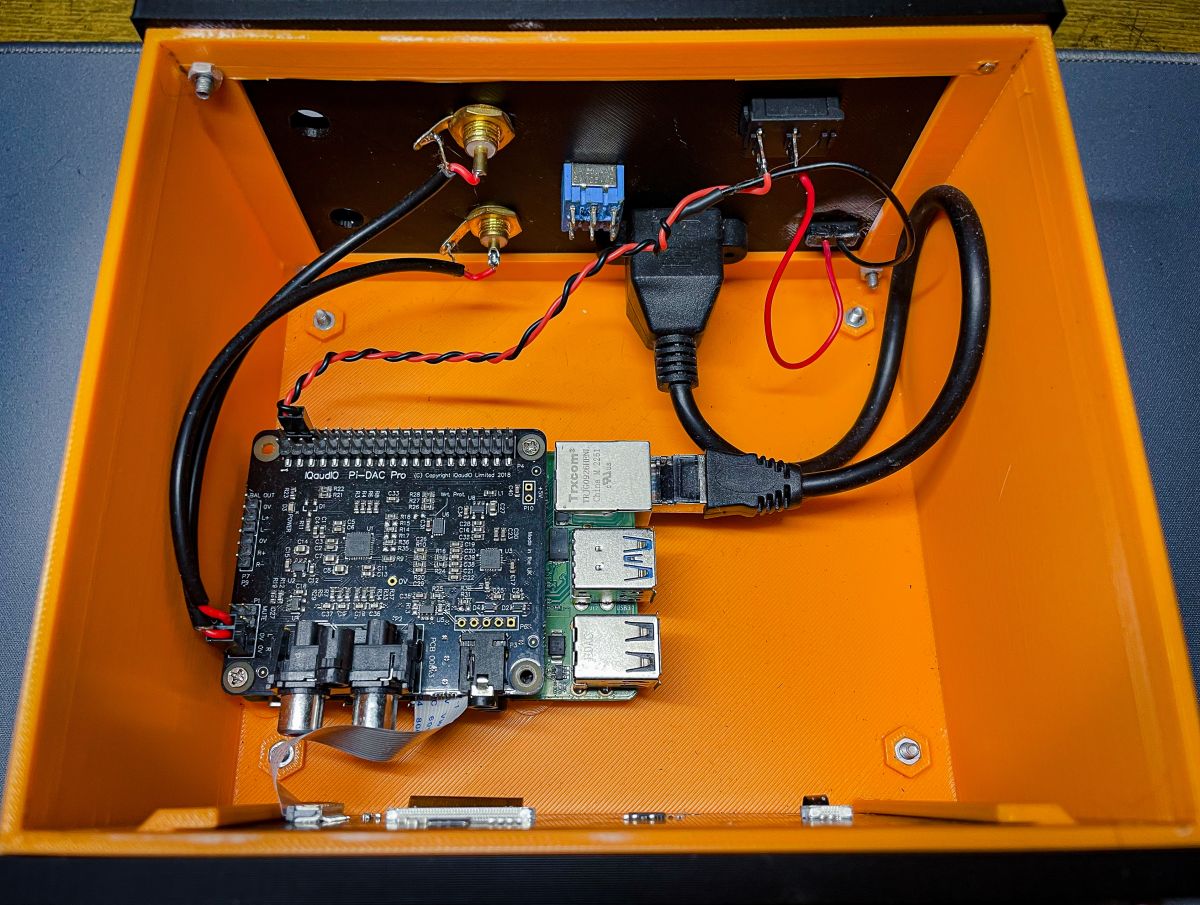
I would like to present a chassis design I have made for the Raspberry Pi 4 that works with the IQaudIO DAC Pro card. The device serves as a music streamer from a home NAS server and can play audio material in 16-24 bit quality.
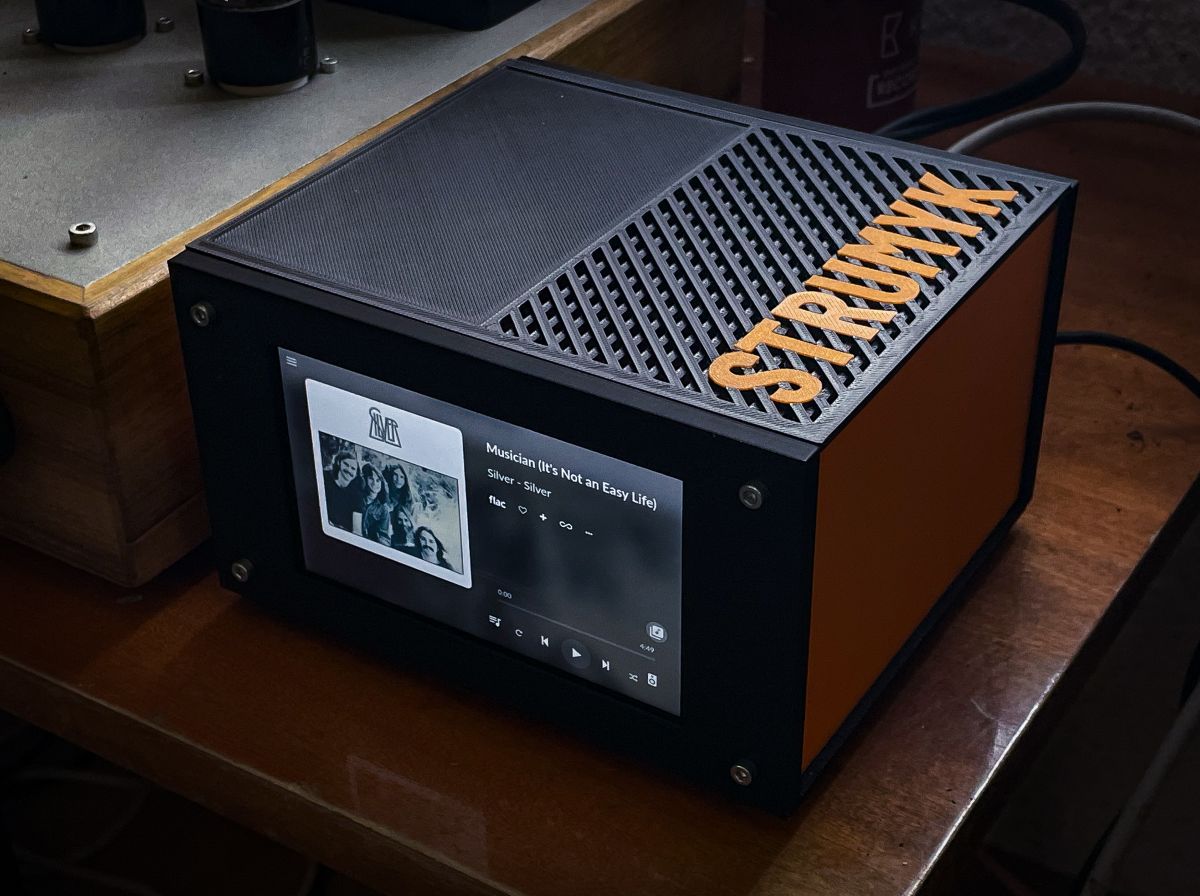
I used the Volumio system as the software. Operation is possible both from the mobile app and via the 5" OSOYOO touchscreen display connected via DSI.
The rear panel houses:
- two pairs of RCA outputs (switchable via a switch),
- RJ45 socket,
- power switch,
- USB-C connector for power supply.
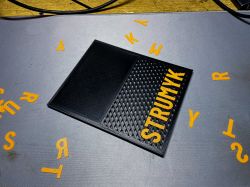
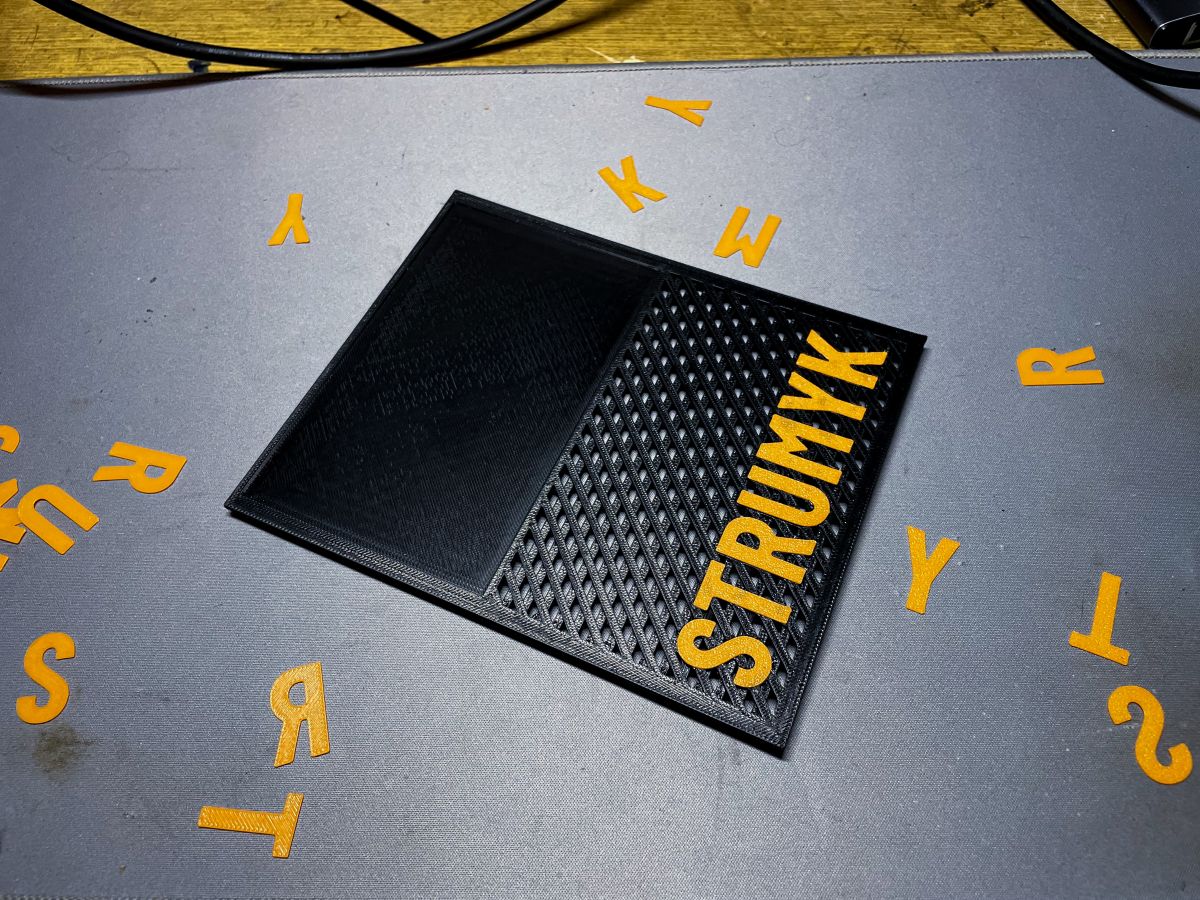
The enclosure was printed on a Bambu Lab P1S printer. The design works with my tube amplifier on 6P6S tubes, which I featured earlier in the profile.
It's nothing amazing, but interestingly on Reddit the design has been very positively received, and this is my first product that can be purchased on my patreon
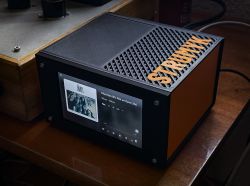
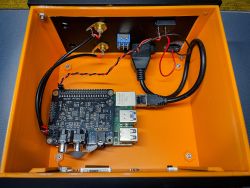
I would like to present a chassis design I have made for the Raspberry Pi 4 that works with the IQaudIO DAC Pro card. The device serves as a music streamer from a home NAS server and can play audio material in 16-24 bit quality.
I used the Volumio system as the software. Operation is possible both from the mobile app and via the 5" OSOYOO touchscreen display connected via DSI.
The rear panel houses:
- two pairs of RCA outputs (switchable via a switch),
- RJ45 socket,
- power switch,
- USB-C connector for power supply.
The enclosure was printed on a Bambu Lab P1S printer. The design works with my tube amplifier on 6P6S tubes, which I featured earlier in the profile.
It's nothing amazing, but interestingly on Reddit the design has been very positively received, and this is my first product that can be purchased on my patreon
Comments
It looks nice. Could you also provide a full cost breakdown? [Read more]
Apart from the casing, are the other components of this device DIY? [Read more]
Elegant! Have you perhaps wondered if it would be possible to somehow avoid those screw heads on the front panel? What kind of screen is it? [Read more]
main parts: https://obrazki.elektroda.pl/4881378700_1763200796_thumb.jpg [Read more]
No, just the casing I probably could, but in my opinion they add to the look so I wasn't hiding anything. The screen is OSOYOO 5", it says in the description :) [Read more]
Ok. What else? [Read more]
in the sense that only the housing is diy [Read more]
I know what you mean, but it's not those days that DIY meant making something yourself from A to Z. Now are different times, different people, different DIY. It's a good thing that the author still wanted... [Read more]
rest assured, in a year's time I'll learn to make processors and produce capacitive displays :D I recommend playing "with these finished blocks" and seeing how 3d printing and design is simple and wo... [Read more]
Congratulations on a successful project. However, to be honest, the enclosure you presented is simple but not great - terrible 3d printing texture and lack of any structural reinforcement, some cracks... [Read more]
And the code? Did a colleague write it himself or a ready-made one? [Read more]
So am I to understand that Elektroda.co.uk is an elitist and luxury community (not society*)? :D Regarding that awful texture; what pleases who, I'm not complaining, and reinforcements? What for? Nobody... [Read more]
Elite is yes, but luxury is not so much. [Read more]
Terribly large box for just RPi + LCD. It would be possible to avoid those RCA and RJ45 socket extensions. But what does anyone like... [Read more]
A big plus from me for the fact that you have put all the "blocks" together in one place and thus made a functional device. Instead of a tangle of wires and modules, which would have ended up in a drawer... [Read more]
You would add a view of the rear panel. I wouldn't count on the accolades on the forum, as these are finished blocks both in terms of hardware and software. Have you modified anything in the system? At... [Read more]
Yes that's right ;D do you have any idea what could be packed in this enclosure? Added after 6 [minutes]: when I have a moment I will throw it. i haven't modified anything, unfortunately I don't... [Read more]
It's hard to give constructive criticism, because the whole project is based on taste - either you like the printed plastic or you don't, and there are so few photos that it's even hard to judge the quality... [Read more]
Personally, I don't either and am even in favour, but in cases where such an enclosure needs to be "fitted" to specific design elements. Printing a cuboid that might as well be a shoebox is not particularly... [Read more]