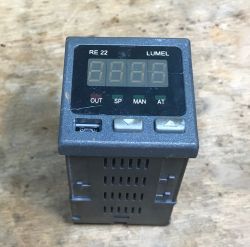
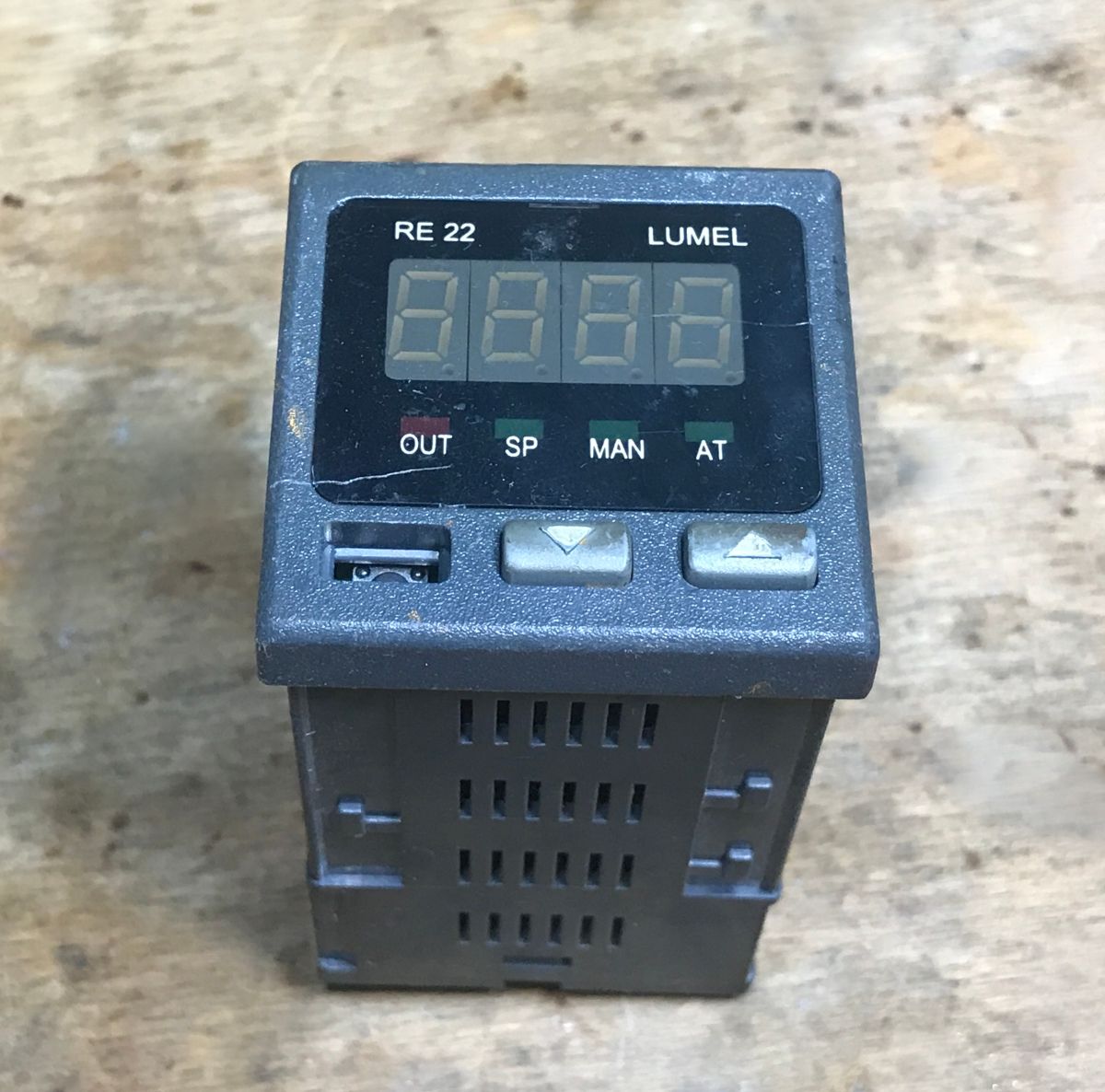
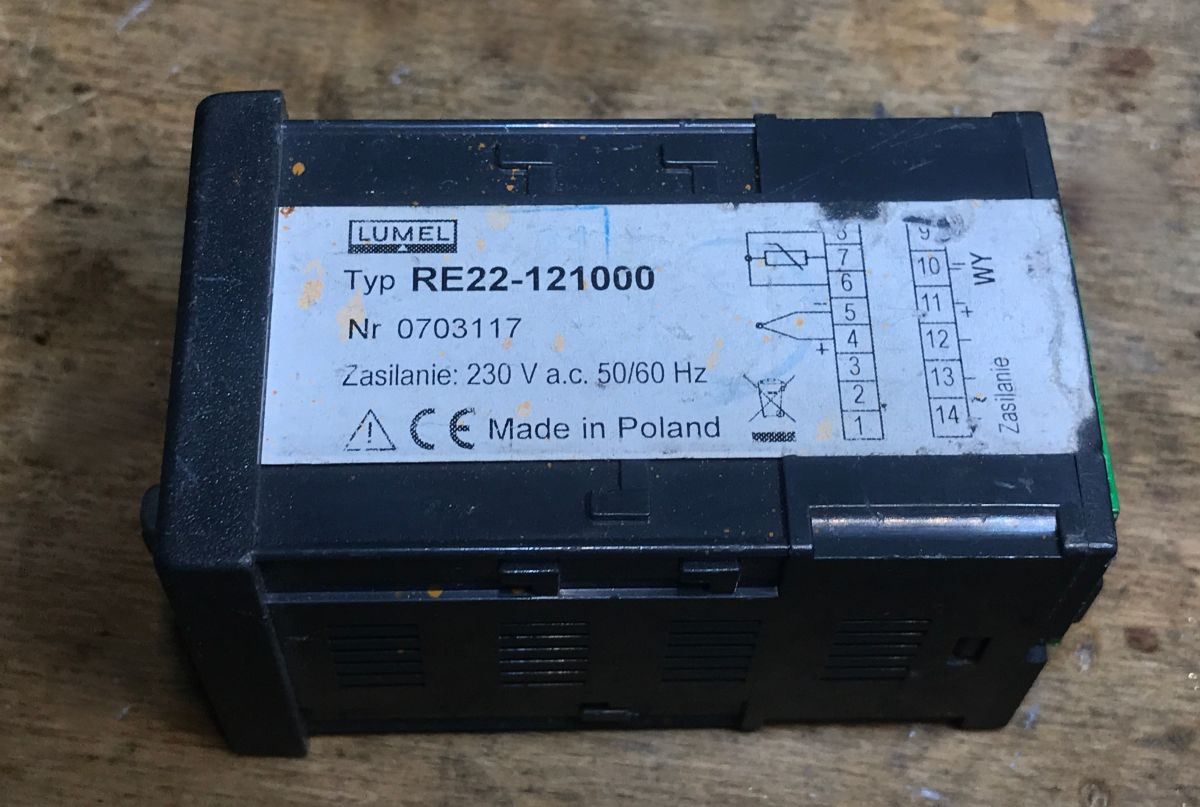
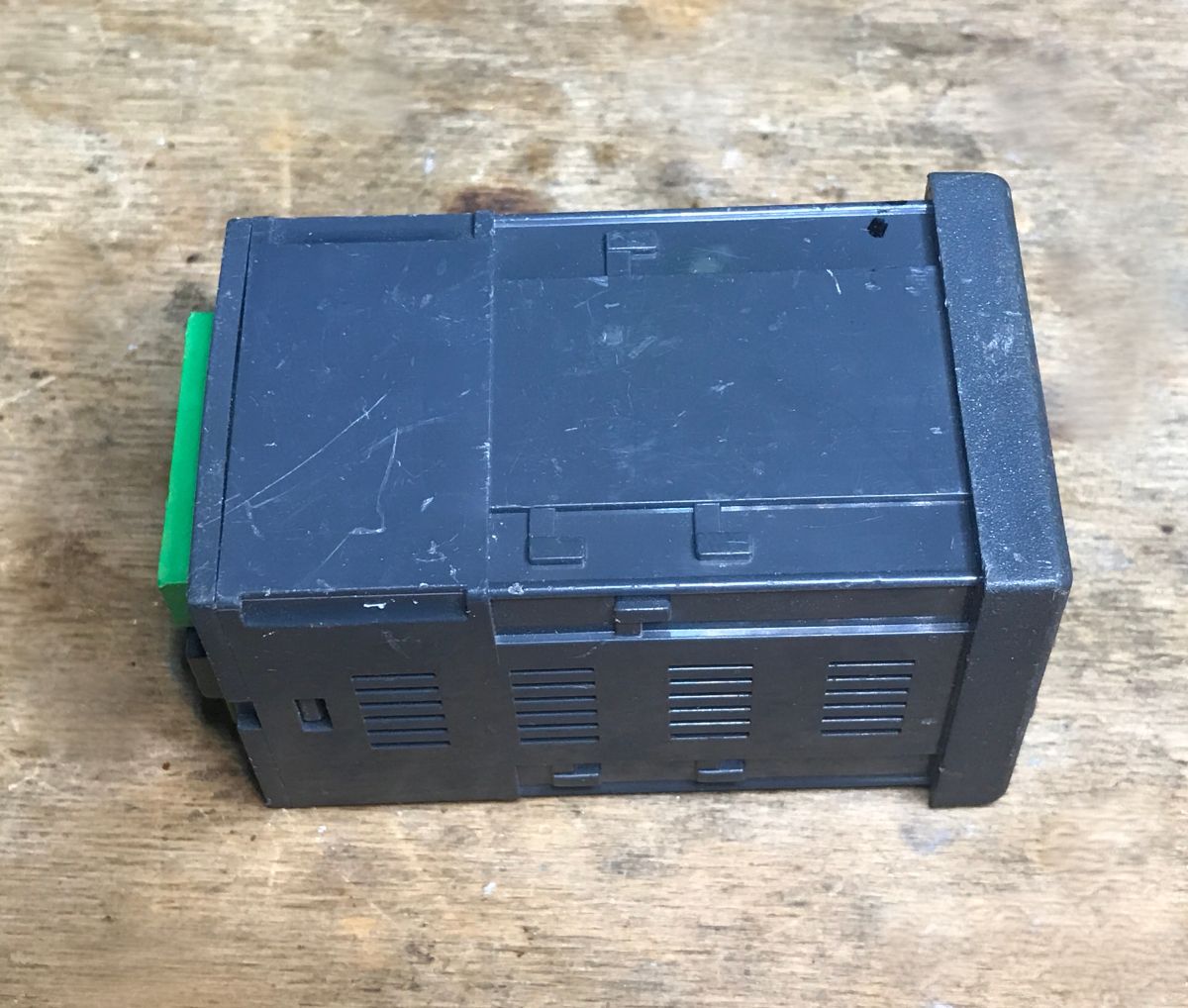
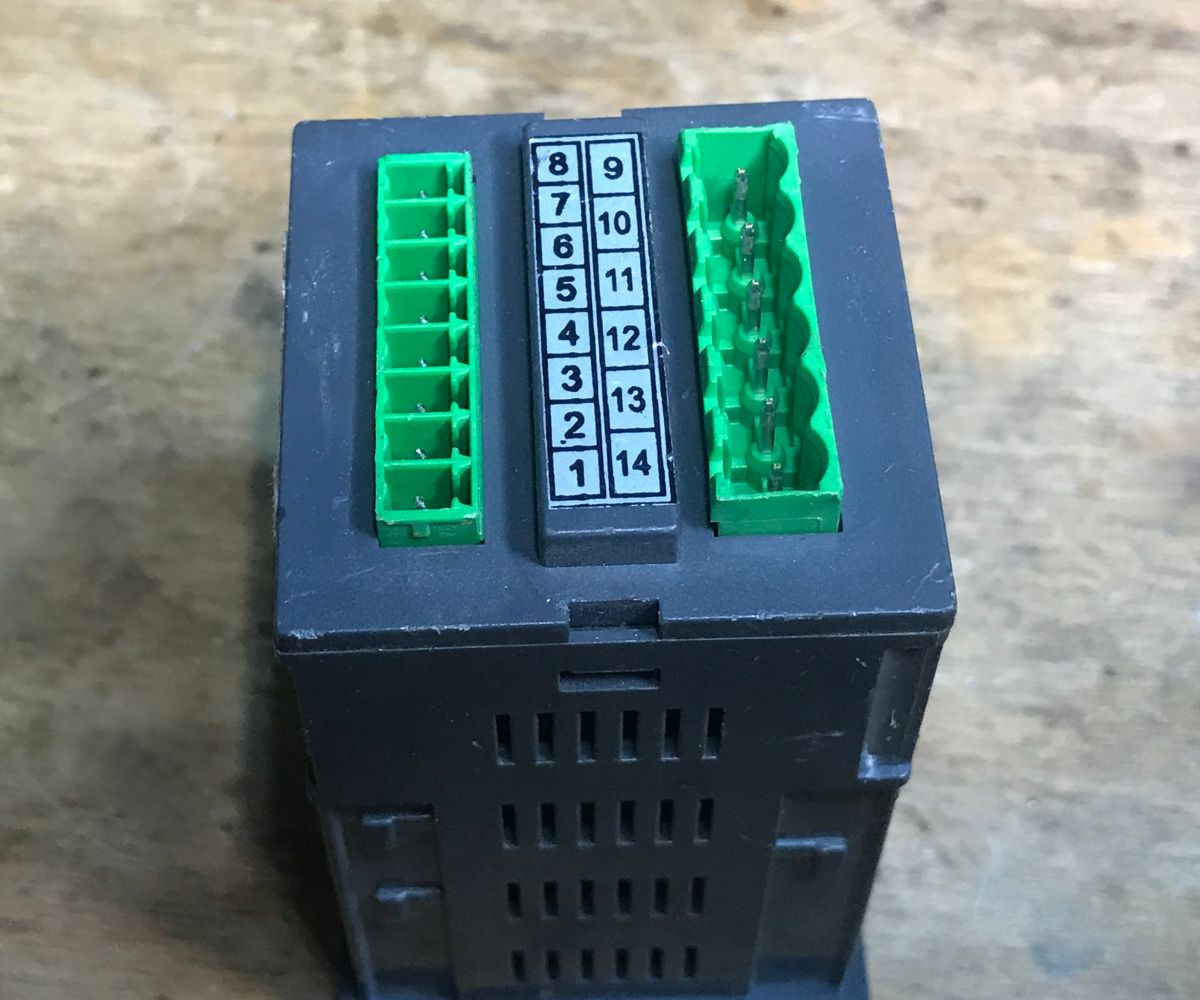
I always look with curiosity at devices signed as Made in Poland, and this was also the case here. This tiny module with a four-digit display, four lights and three buttons is a temperature controller. According to the manufacturer, it is designed for use in the plastics industry, food industry, drying industry and anywhere else where temperature stabilisation is required.
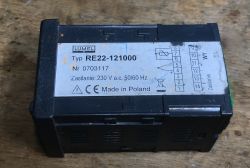
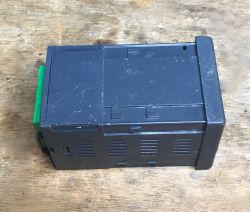
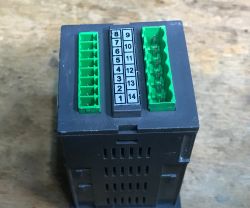
The device works with resistance temperature sensors, thermocouples and standard analogue signals. Control can be performed in simple on/off mode with hysteresis or using a PID algorithm, the parameters of which can be set manually or selected automatically thanks to the auto-adaptation function. The relay output allows the direct control of small consumers and the settings can be password-protected. The entire unit is enclosed in an IP65-rated enclosure, supplied from typical mains voltages.
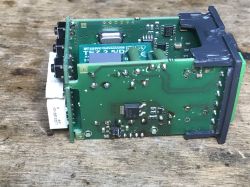
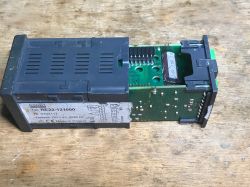
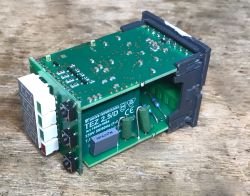
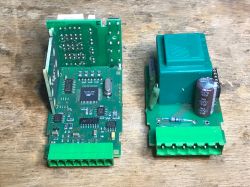
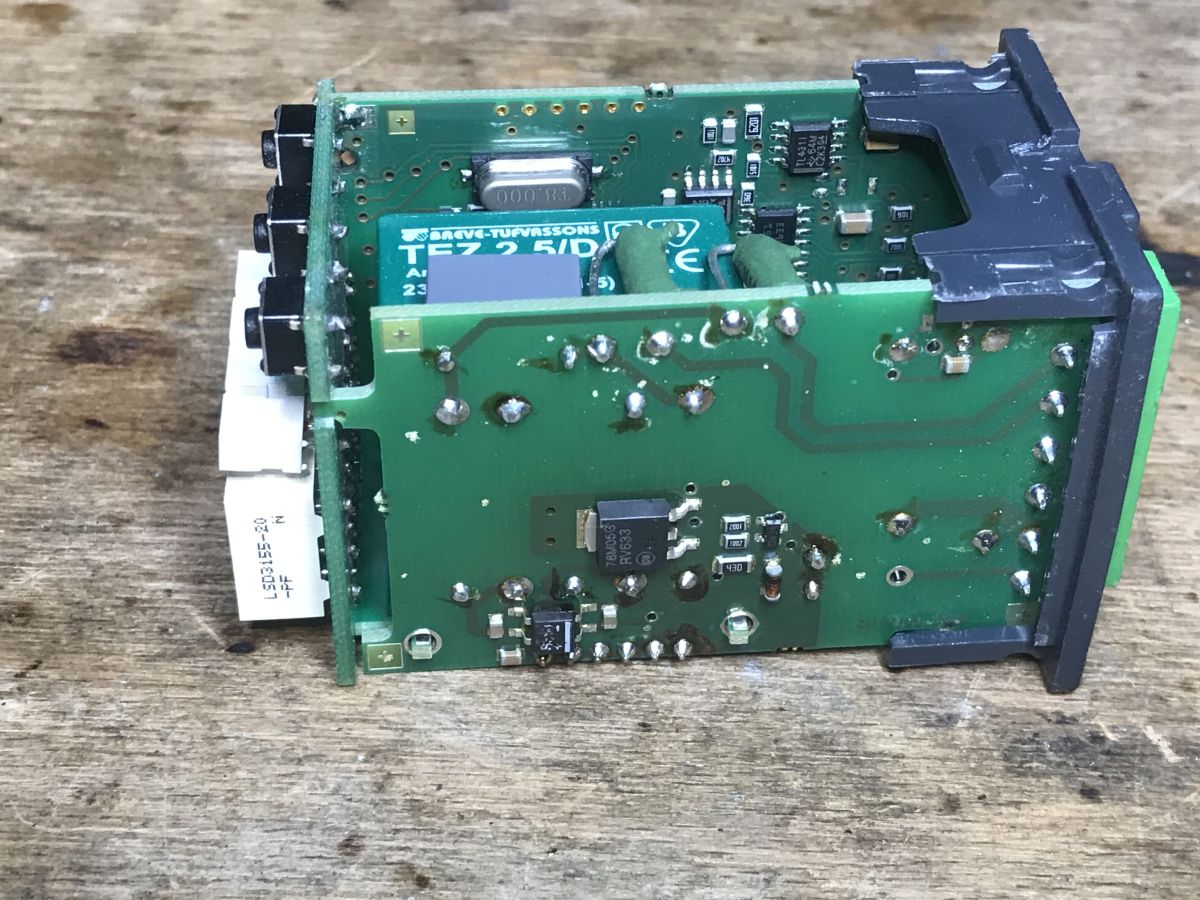
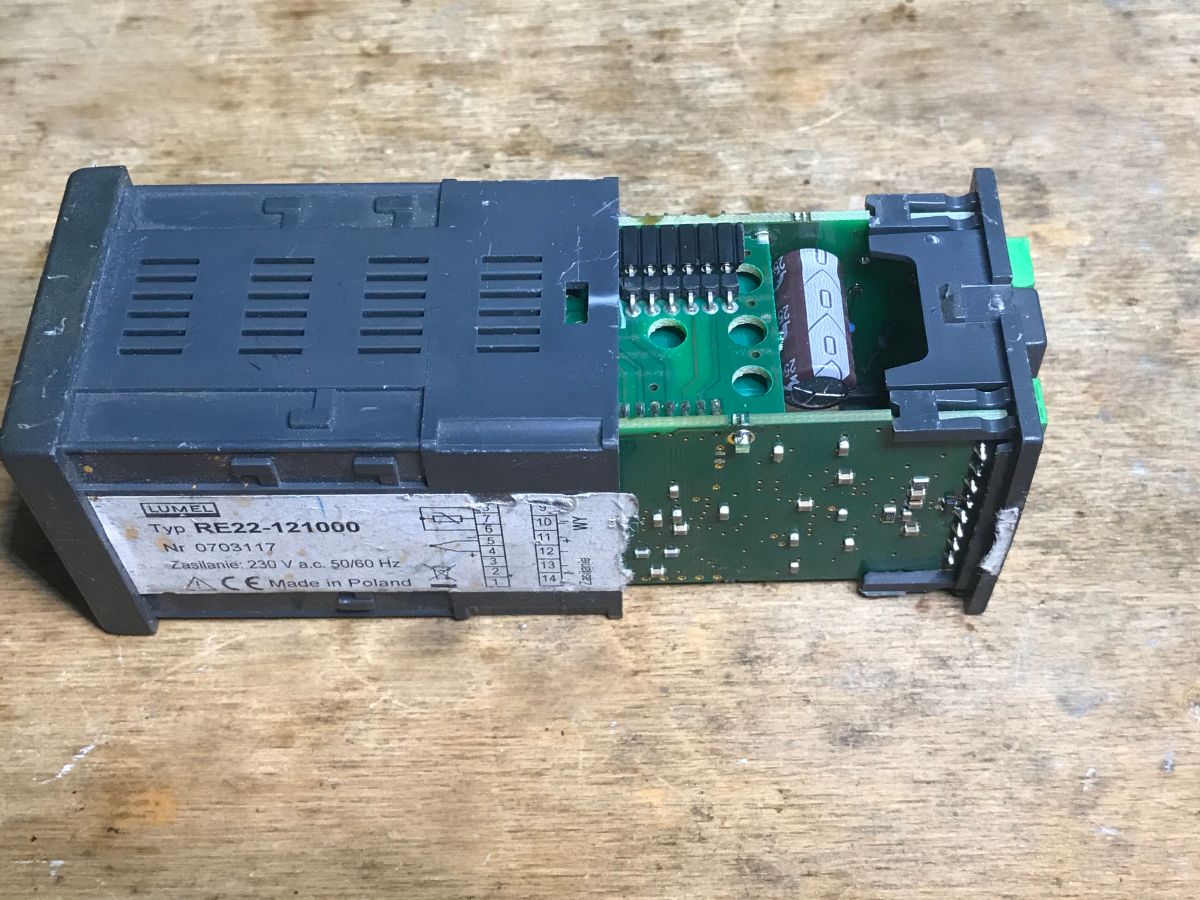
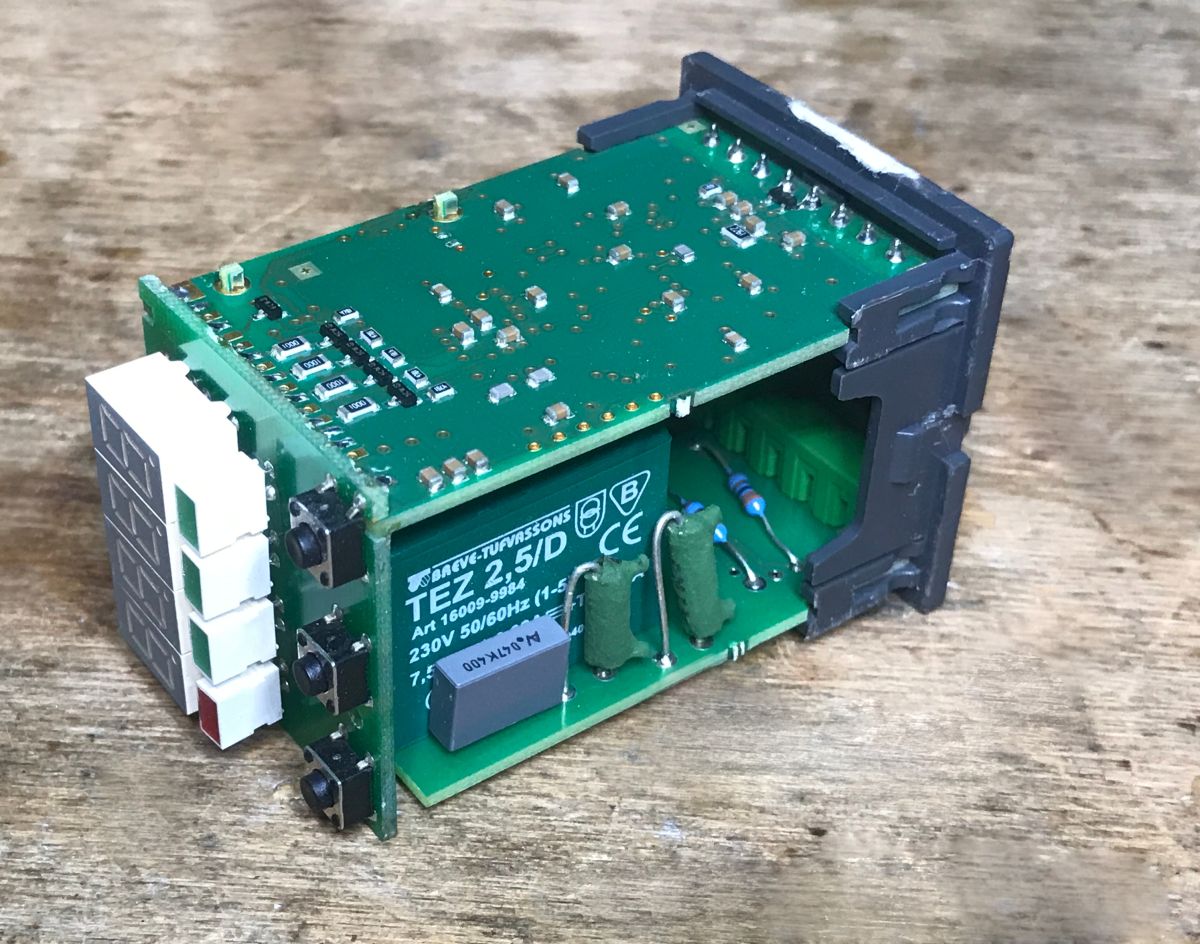
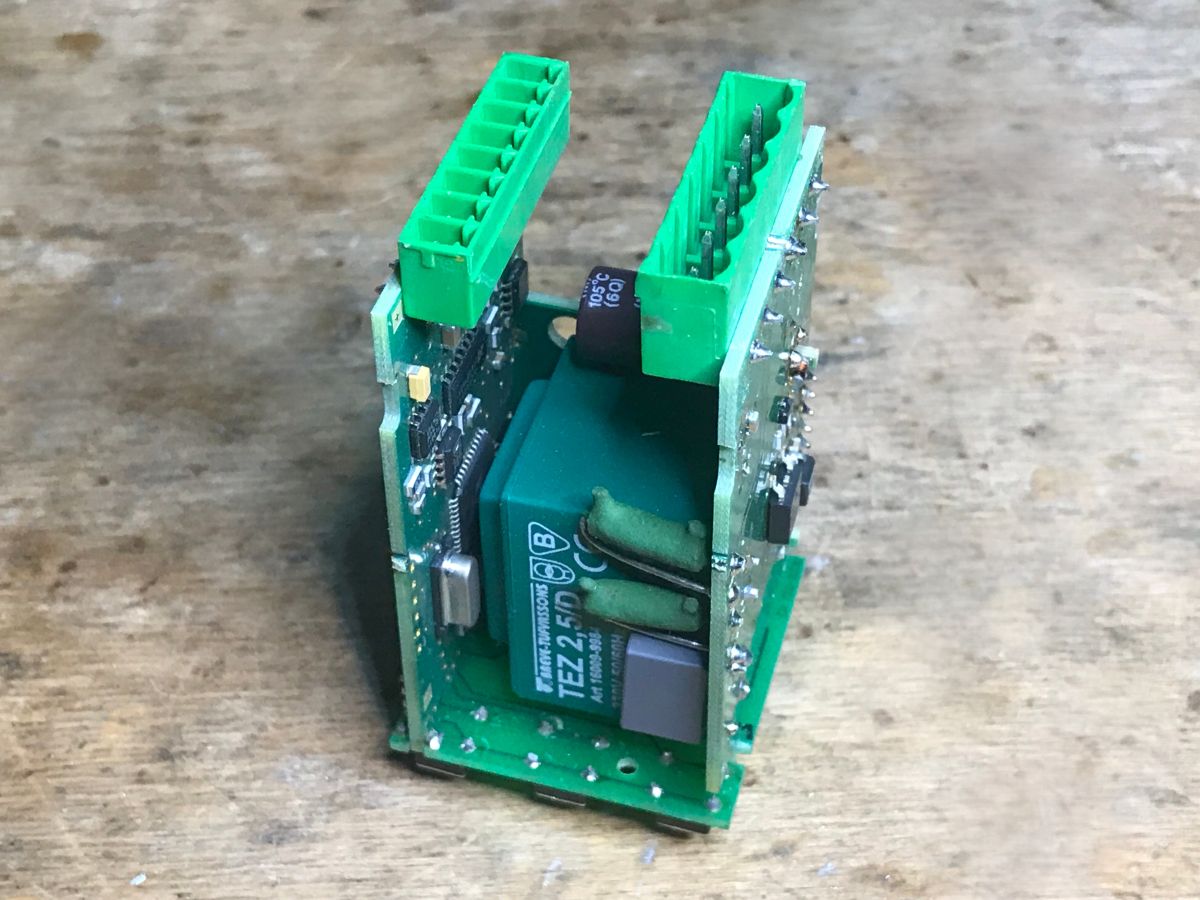
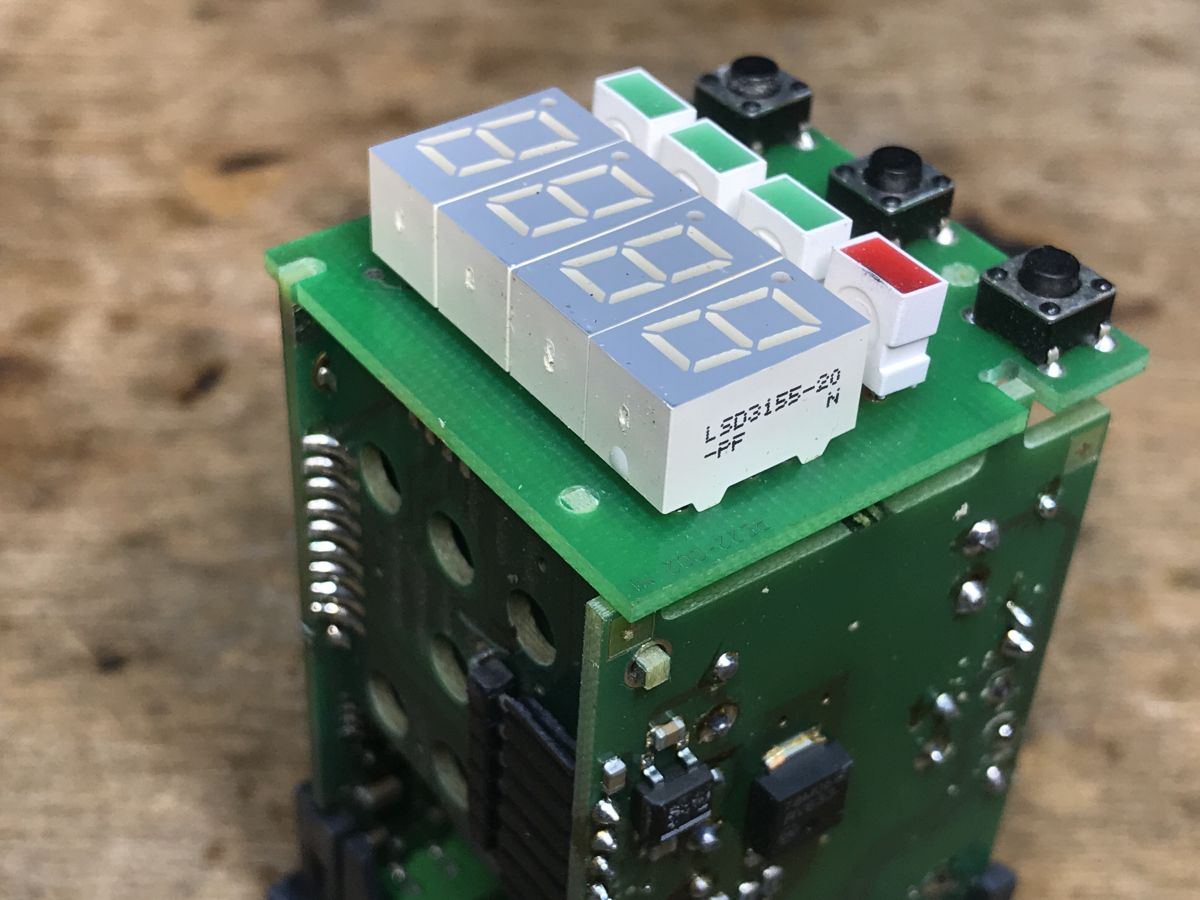
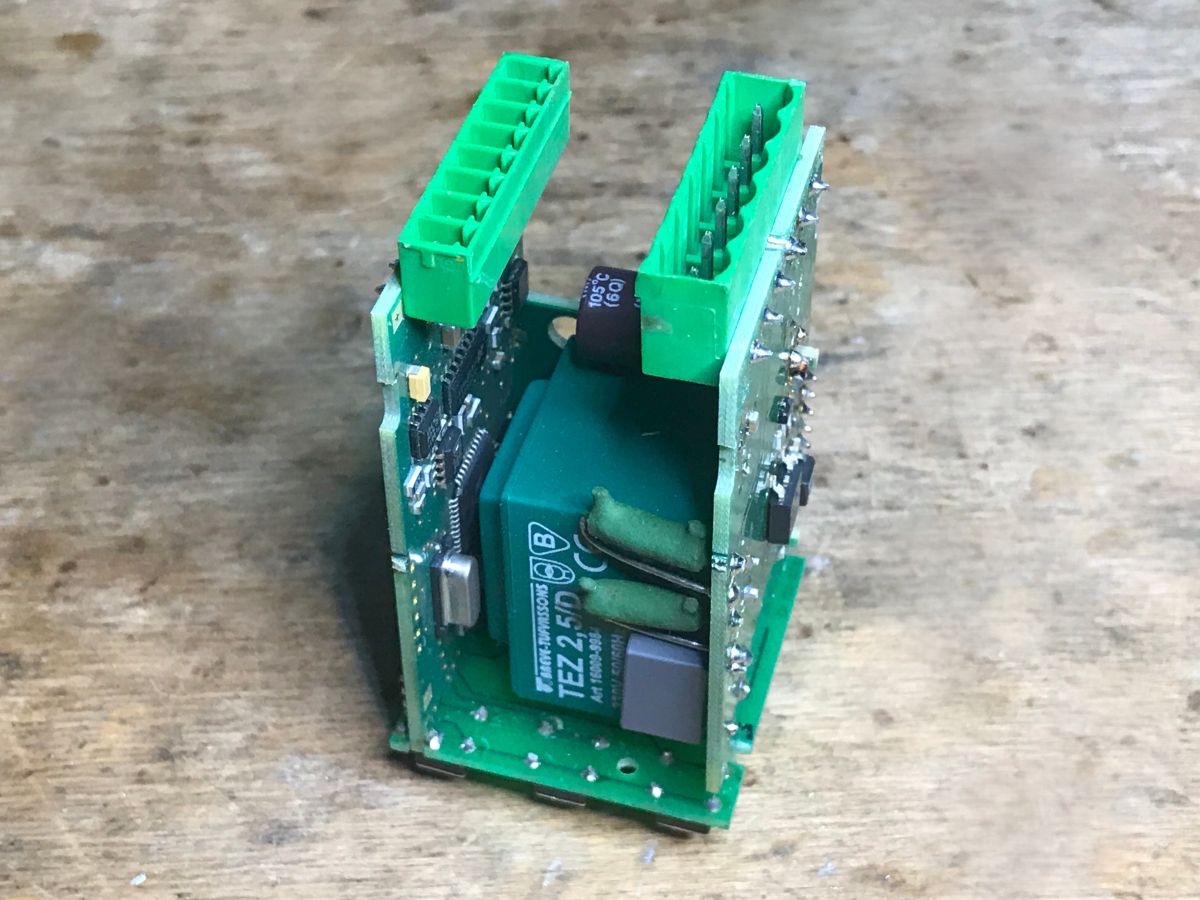
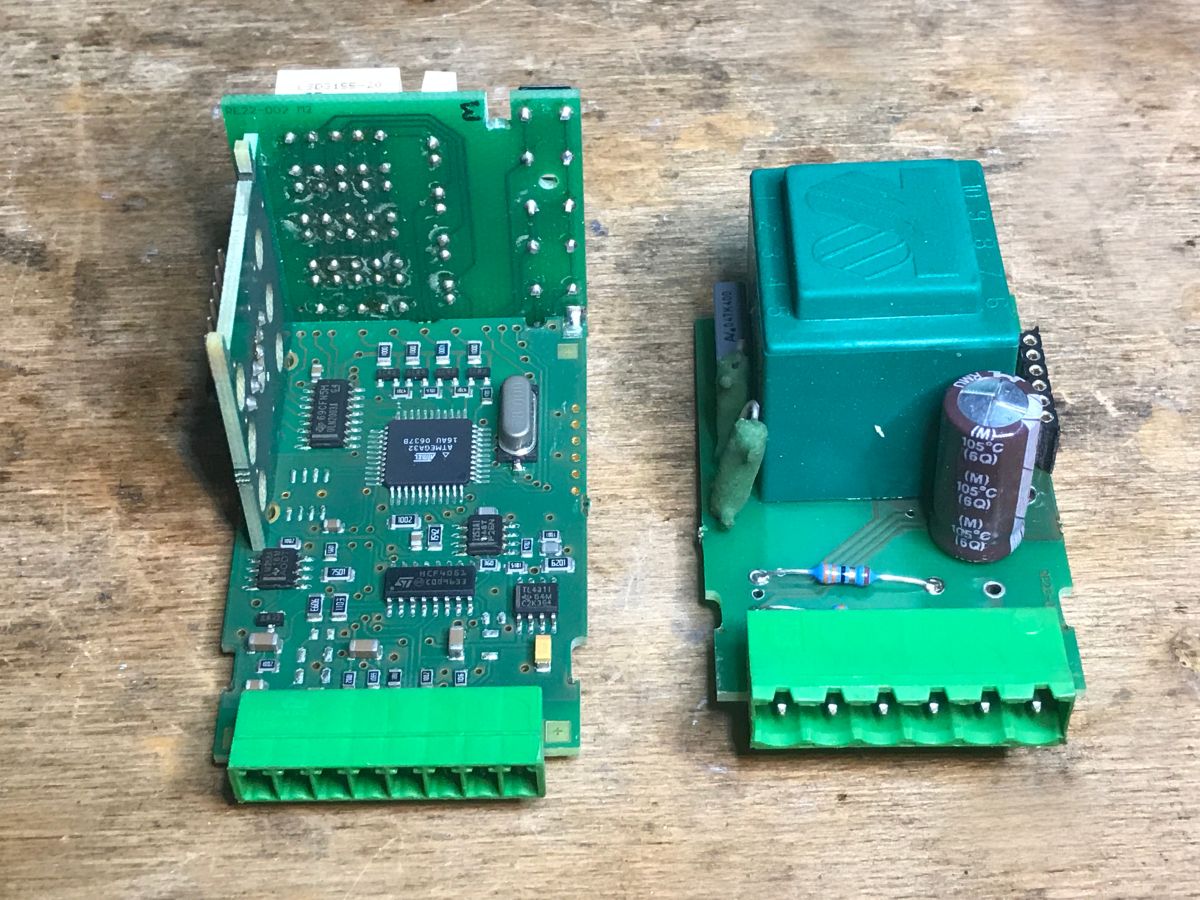
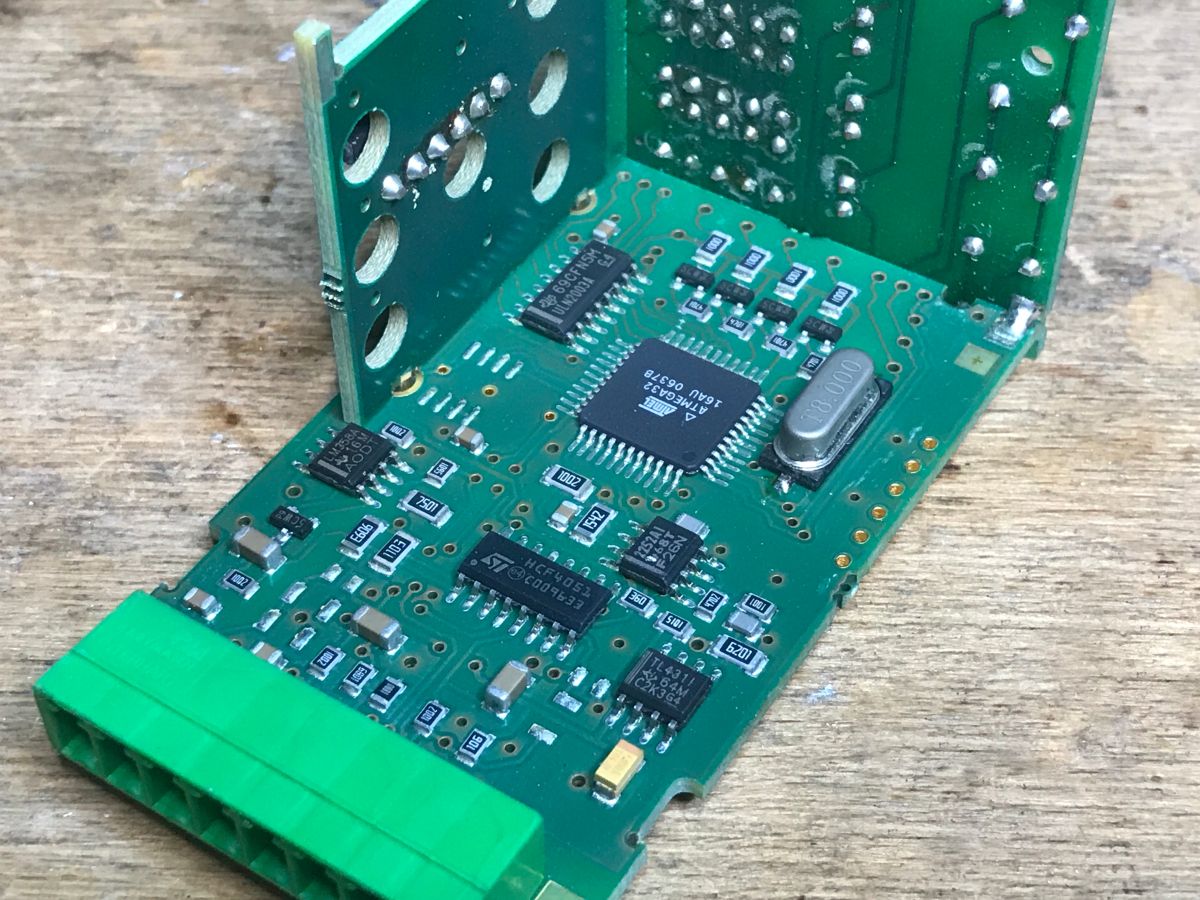
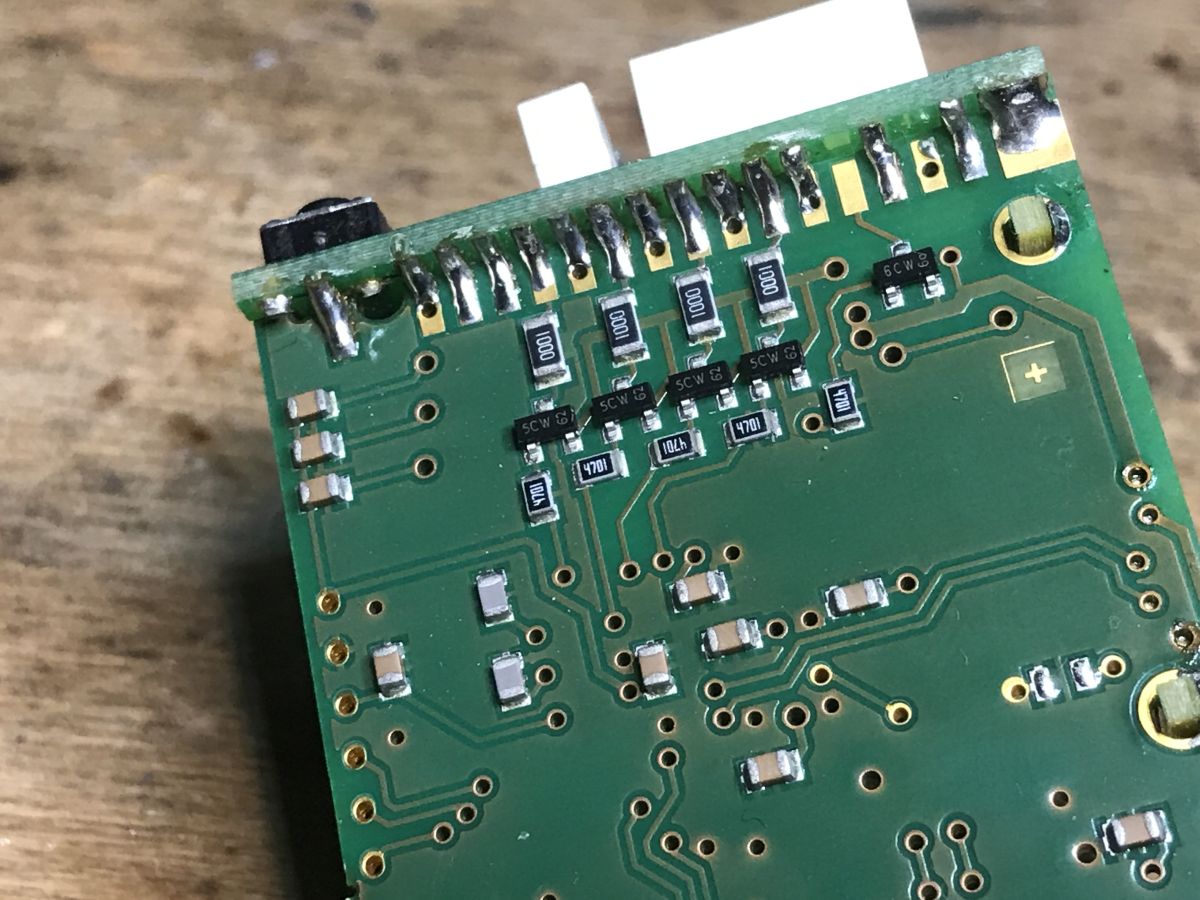
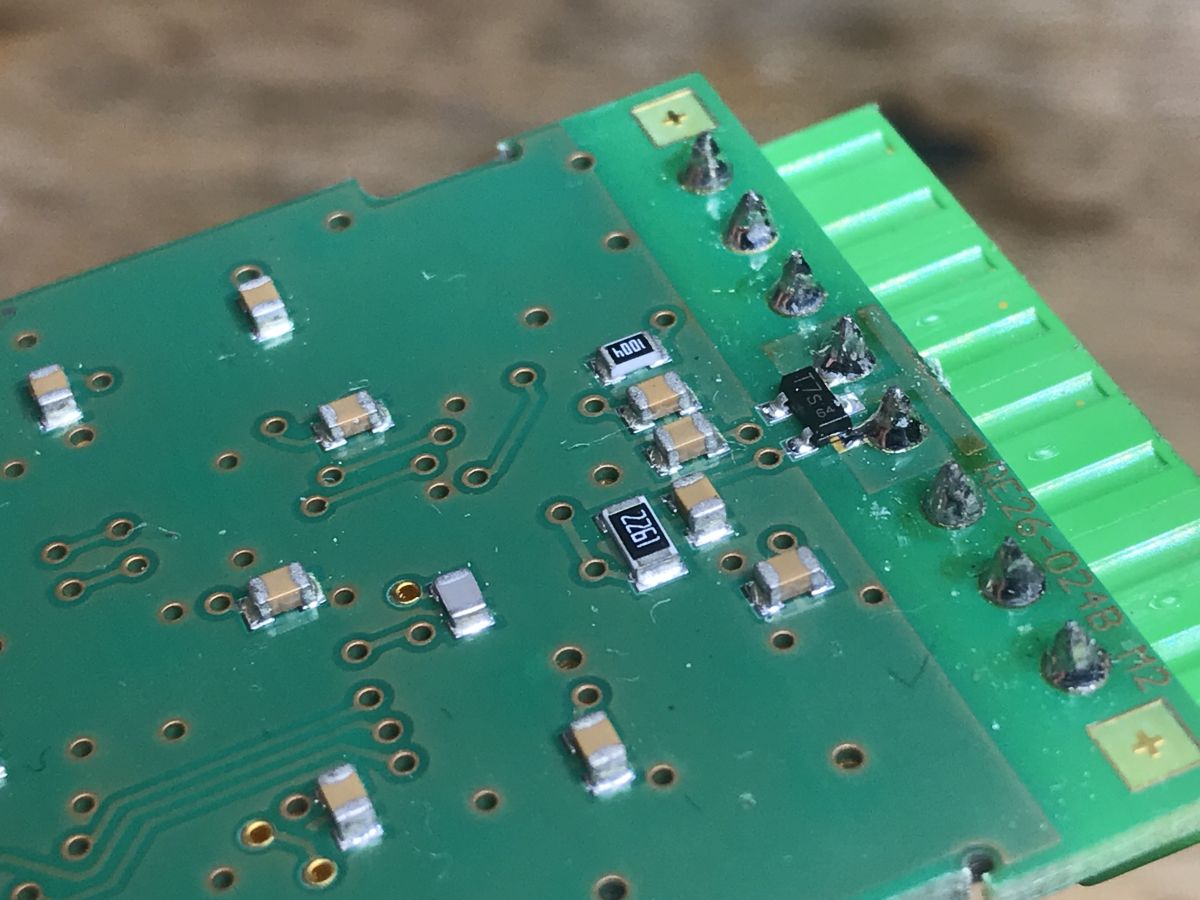
We take a look inside to find out the secret of the compact design. The whole thing is made up of not one, but four laminate boards, cleverly fitted together on pin joints or simply soldered together (front panel with base). Primarily surface mount is used, although through-hole components are also available.
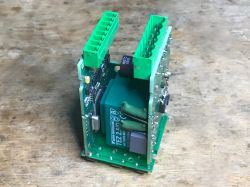
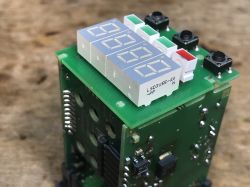
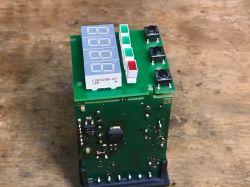
The display is made up of separate digits - the LSD3155-20. The construction of the whole appears to be fairly simple and does not include unusual components such as a dedicated display driver with an I2C style interface.
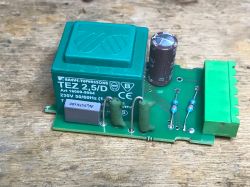
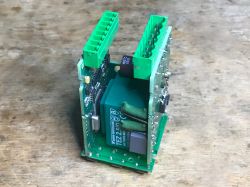
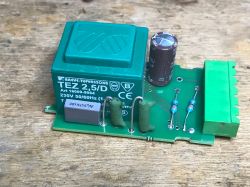
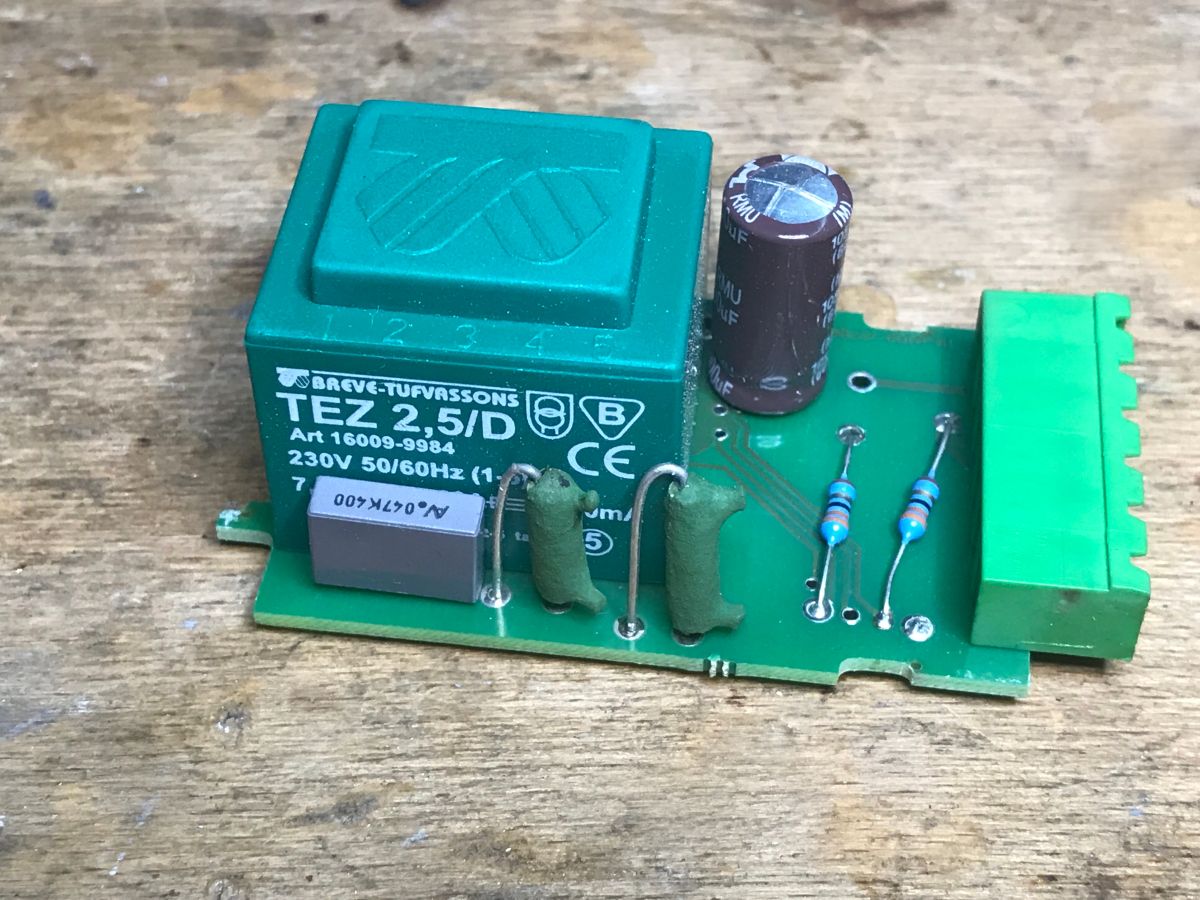
The whole thing is powered by a TEZ 2.5/D BREVE-FUFVASSONS Art 16009-9984 mains transformer. As far as I can see, the power of this transformer is 2.0 VA and the voltage on the secondary side is 7.5 V.
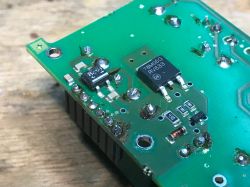
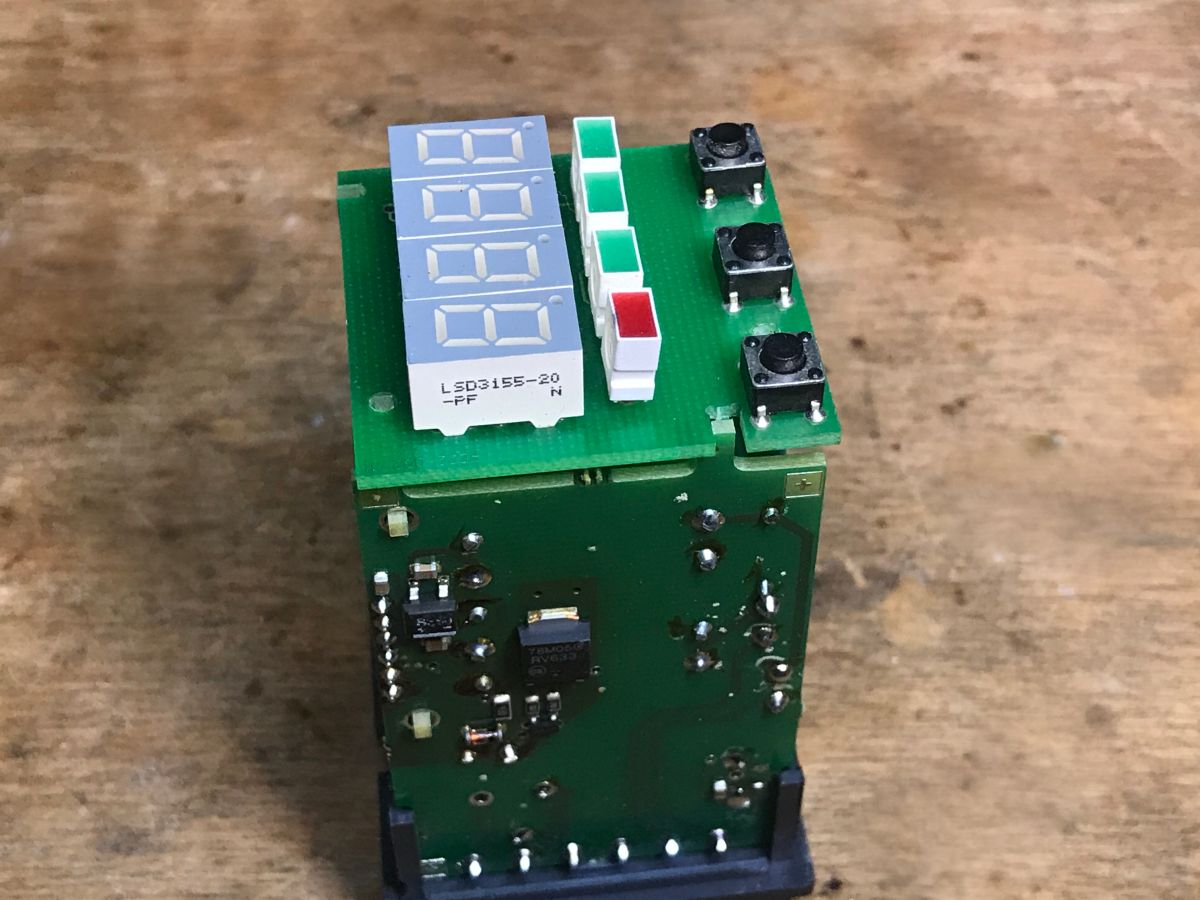
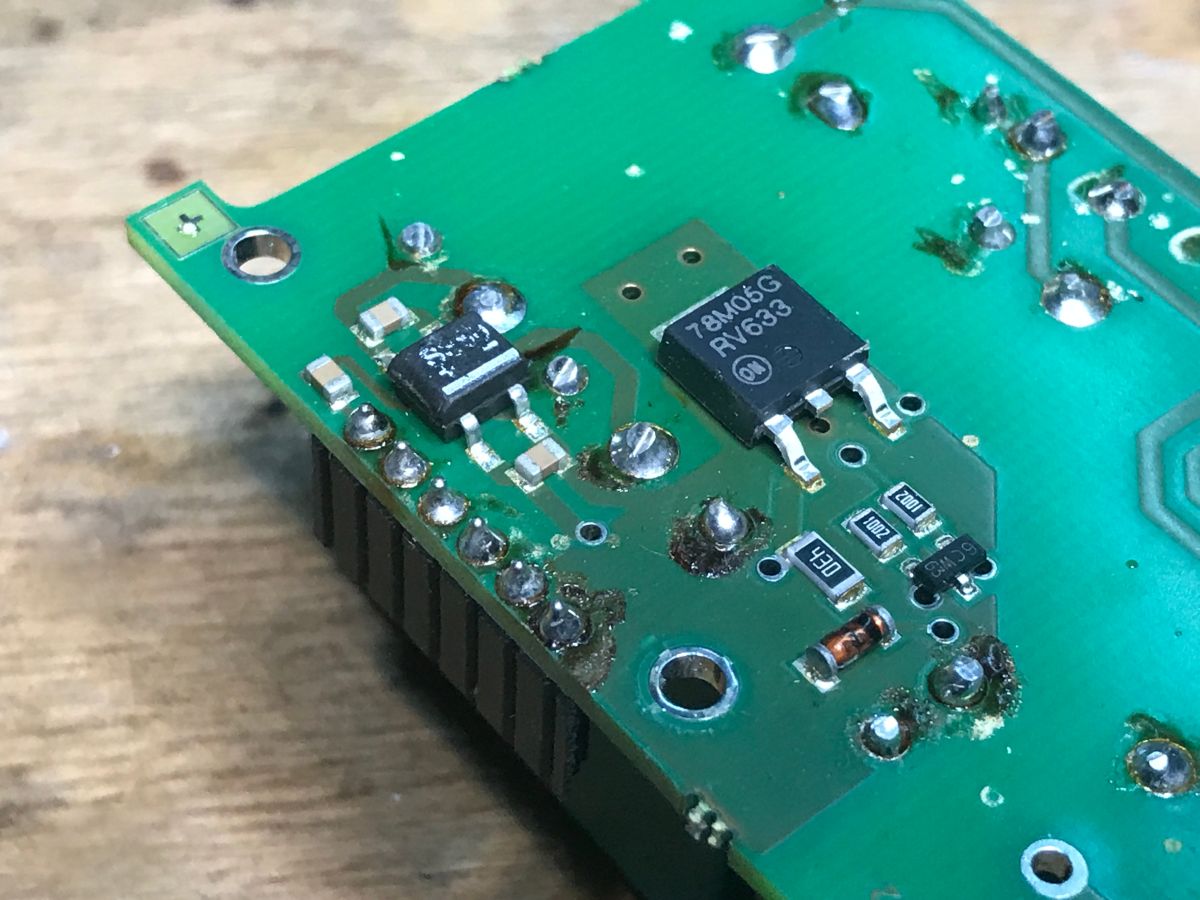
In the power supply section is the immortal 78M05 stabiliser. The solder is a bit conspicuous because someone didn't clean up the rosin. It is by every point, suggesting that this is a leftover from the factory.
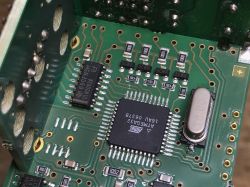
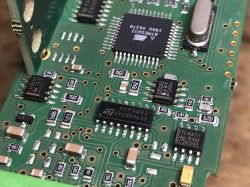
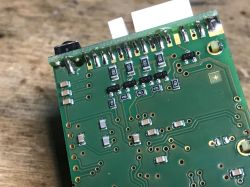
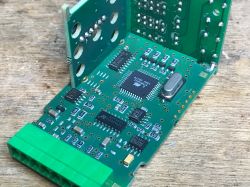
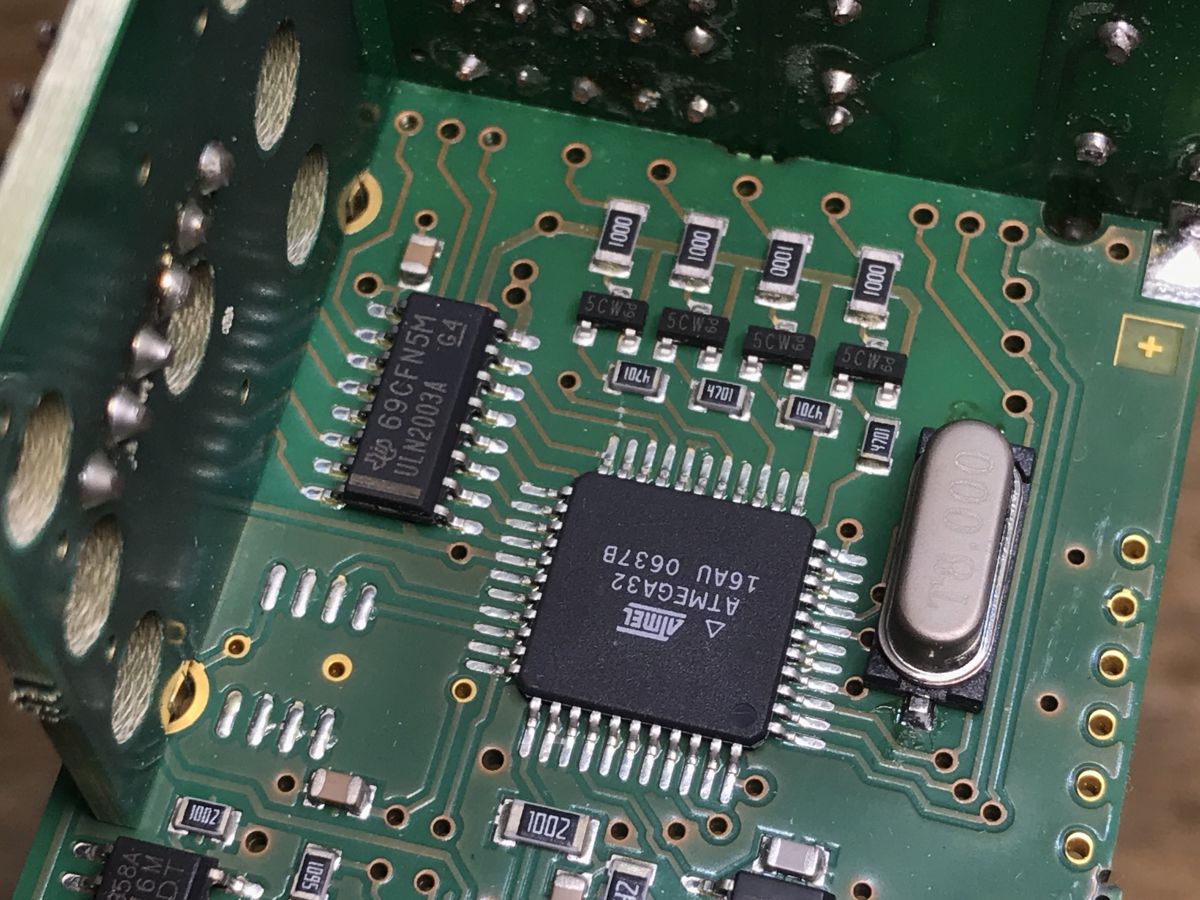
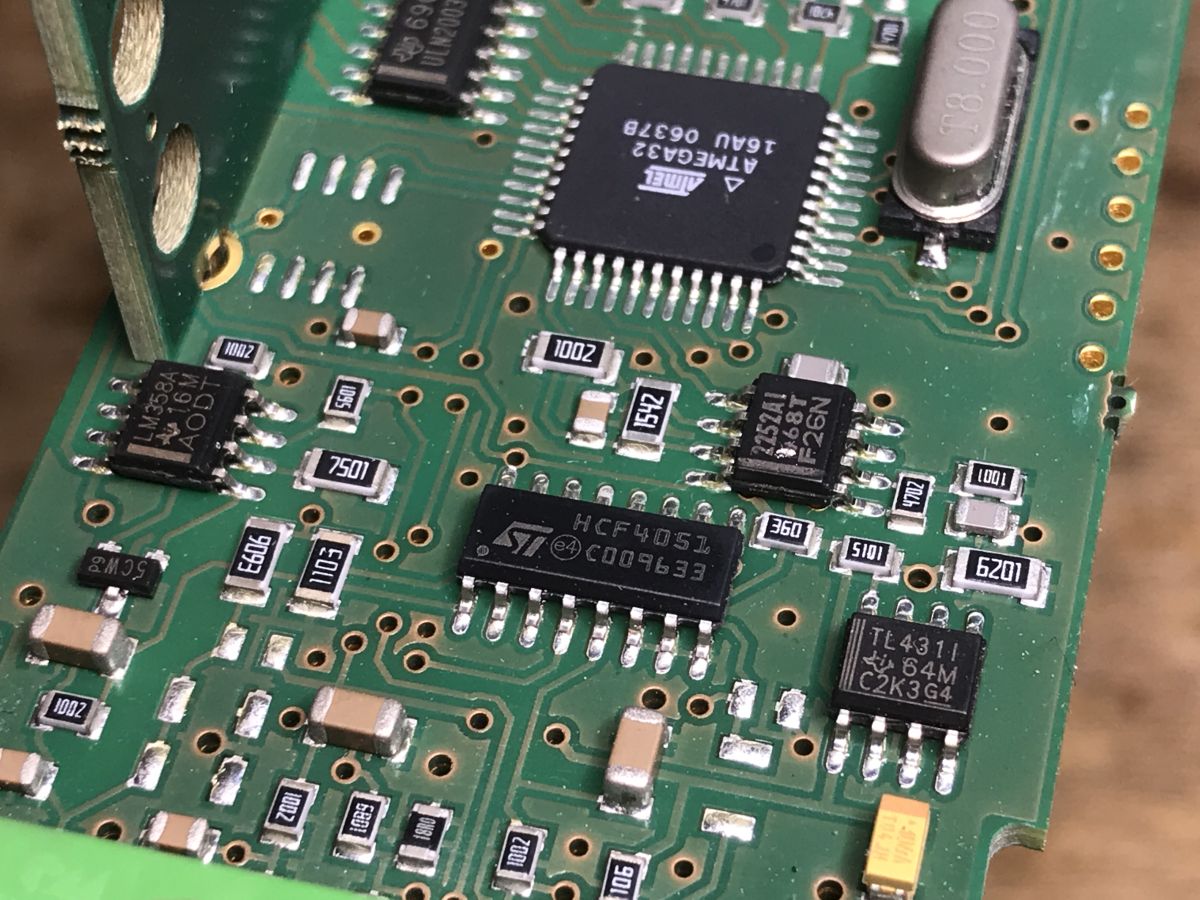
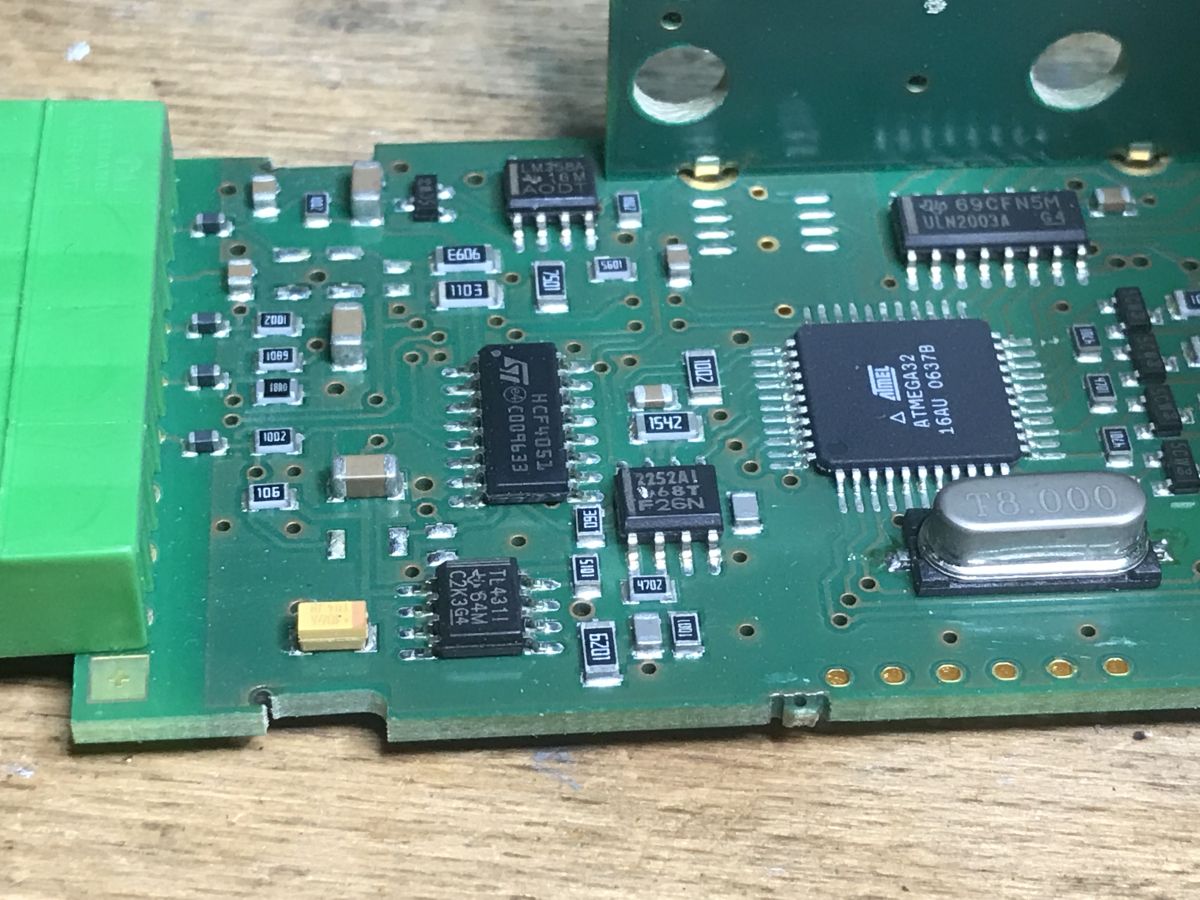
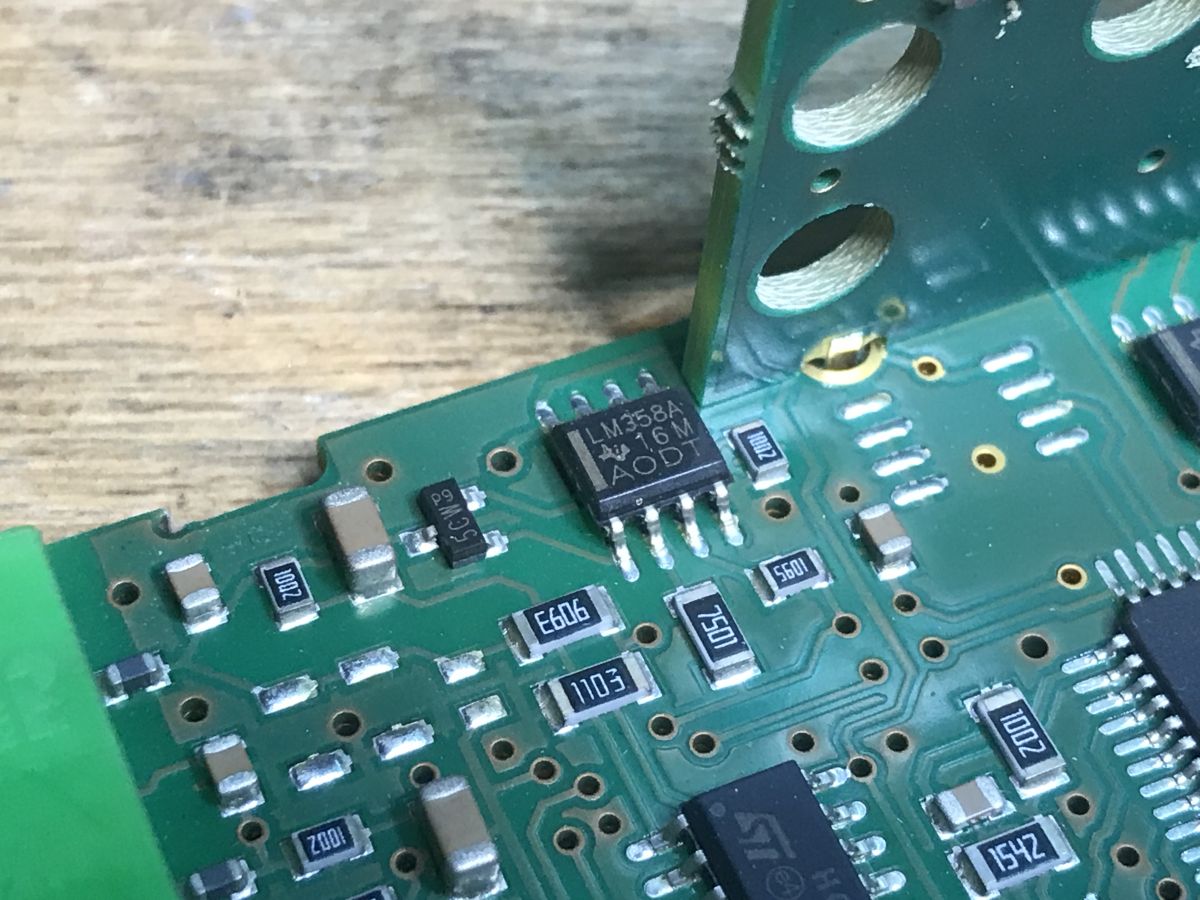
At the heart of the module is the Atmega32. This is no surprise, it's probably one of the more popular microcontroller families with us. I was a bit expecting a PIC there, but looking at our forum they are less known though. Next to the Atmega you can see four transistors to control the separate digits of the display. Next to it is also a ULN2003 - probably also to control the displays, or more precisely the segments. In the measurement section I see an LM358 (operational amplifier), HCF4051 (multiplexer), TL431 (reference voltage) and a 2252A circuit that I don't recognise. Suggestions? I'm also surprised by the extra four transistors - there are eight in total.
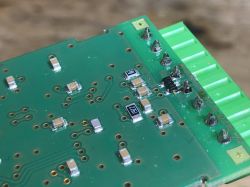
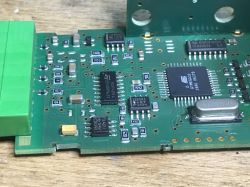
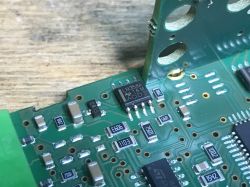
All in all, that will be about it. Apart from the solder, another capacitor caught my eye, it looks slightly faded, although the module itself doesn't have a switching power supply, so I'm a little more surprised than usual.
The whole thing could probably be made to work, I can also see a programming port on the board, so you could make your own DIY based on this module.
The device manual is available online, so there is nothing to discuss here.
Have you used this type of controller? 






Comments
And it probably is. In the transformer housing. Because it's a transformer sticker. German. I would read it like this: "on the sticker it is drawn, that it is ". [Read more]
Just Breve is a mould from Lodz, so Poland. The transformer does not have a built-in fuse, this marking suggests that it should be protected with a fuse of the value given next to this symbol. [Read more]
Where does this information come from? IP65 is a dust- and waterproof enclosure, and you can see from the photos that it has large ventilation slots, the buttons are not sealed, similar to the connectors... [Read more]
The specifications (including IP65) are from the manufacturer's RE22 website. I can also give you the current price of the product by the way - £349. https://obrazki.elektroda.pl/8960129900_1775650072_bigthumb.jpg... [Read more]
https://obrazki.elektroda.pl/5847049500_1775651419_thumb.jpg Everything is in the specification when it comes to IP 20 from the contacts and IP 65 from the front. [Read more]
TLC2252 made by Texas Instruments, although you might want to make sure by checking the connections on the board. [Read more]
RE 22 briefly, I replaced it with an ER71 regulator. Out of several hundred units fitted, only one failure. So cheap and reliable. [Read more]
Four segments + four leds on the panel ;) [Read more]
Happens if, for example, a rectifier bridge has short-circuited or a capacitor has been running at elevated temperatures all the time. Made in Poland but unfortunately probably not a single component... [Read more]
After all, this is a transformer made by Breve - a Polish company from Lodz https://www.breve.pl/ A much nicer company to deal with than Indel, very good quality products. [Read more]
I see a different factor here. These units typically run either most of the time or virtually continuously. An example of a food storage unit must provide the correct temperature whatever the circumstances.... [Read more]
And actually, something confused me about that company name on the transformer. I've had no contact with their products so far. There is also some Swedish shareholder there from what I read, but I think... [Read more]
The regulators I have installed have been in service for over 20 years, at a minimum of 10 hours a day. [Read more]
The service life of a capacitor, e.g. 2000h (4 months), is determined for the maximum operating temperature and with a slight deterioration in parameters (capacitance and ESR). Reducing the temperature... [Read more]
I come with specifics. @pawlik118 Daewoo Electronics is the name used since March 2006. However, there was Partsnic between that date and December 2000. It is also possible that the Partsnic logo was... [Read more]