FAQ
TL;DR: Skoda Octavia 2.0 16V park sensors: ~1800 Ω between pins 1–2 and 2–3 is typical; “Between pins 1 and 2 approximately 1800 ohms.” [Elektroda, pwpib, post #16693472]
Why it matters: This FAQ helps DIYers quickly diagnose no‑click, 4‑second‑beep parking aid faults without wasting money on random sensor replacements.
Quick Facts
- The car in this thread uses 8 ultrasonic sensors; the system beeped for ~4 seconds after selecting reverse. [Elektroda, pwpib, post #16693472]
- Typical bench reading: ~1.8 kΩ between pins 1–2 and 2–3 on a healthy sensor. [Elektroda, pwpib, post #16693472]
- Harness branch references: front supply on pins 1 & 2; rear on pins 8 & 11 at the controller plug. [Elektroda, pwpib, post #16695730]
- Controller can talk over OBD while supplying 0 V to all sensors (edge case). [Elektroda, pwpib, post #16879399]
- Final fix in this case: clean corroded contacts; system restored. [Elektroda, pwpib, post #18301422]
How do I interpret ~1800 Ω readings on Octavia parking sensors?
The OP measured about 1.8 kΩ between pins 1–2 and 2–3 on working sensors. A brief reading between 1 and 3 then dropping also appeared. These observations were used to judge sensors as operational. Use consistent meter polarity and compare across all sensors. [Elektroda, pwpib, post #16693472]
My car beeps for four seconds in reverse and then shuts off—what does that imply?
A continuous ~4‑second tone after selecting reverse, followed by shutdown and no obstacle response, indicates the parking aid deactivates due to a detected fault. In the thread, no sensor reacted during this condition. Investigate power to sensors and wiring next. [Elektroda, pwpib, post #16693826]
Where do I check power for the front and rear sensor branches?
At the controller connector, the front branch supply is on pins 1 and 2. The rear branch supply is on pins 8 and 11. Measure with ignition on and reverse selected. The OP found no voltage on these pins during the fault. [Elektroda, pwpib, post #16695730]
None of my sensors click—what’s the next check?
If no sensors click with ignition on and reverse selected, verify supply voltage at the controller outputs first. In the case discussed, there was no voltage to either branch, explaining the silence. Confirm harness integrity and connector condition. [Elektroda, pwpib, post #16695730]
Does one bad sensor cut off power to the others in this car?
A contributor clarified sensors are always powered, but unreliable indication from any sensor causes the system to deactivate. That means you may still measure supply, yet get a shutdown and long tone. “The system is deactivated and turns off.” [Elektroda, Anonymous, post #16698056]
Should I start with diagnostics or ohmmeter tests?
Start with diagnostics. “The parking aid system is diagnosable and you have to start with that.” Use a scan tool to read stored faults, then confirm power and clicking. This approach avoids unnecessary sensor purchases. [Elektroda, milejow, post #16693746]
Is the ‘listen for clicking’ test valid on VW‑group cars?
Opinions vary. One poster says a good sensor makes an audible ticking when active. Another notes that on VW‑group cars, a tester is better than relying on an ear. If unsure, confirm with a scan tool. [Elektroda, Ireneo, post #16698326]
What is VCDS and how did it help here?
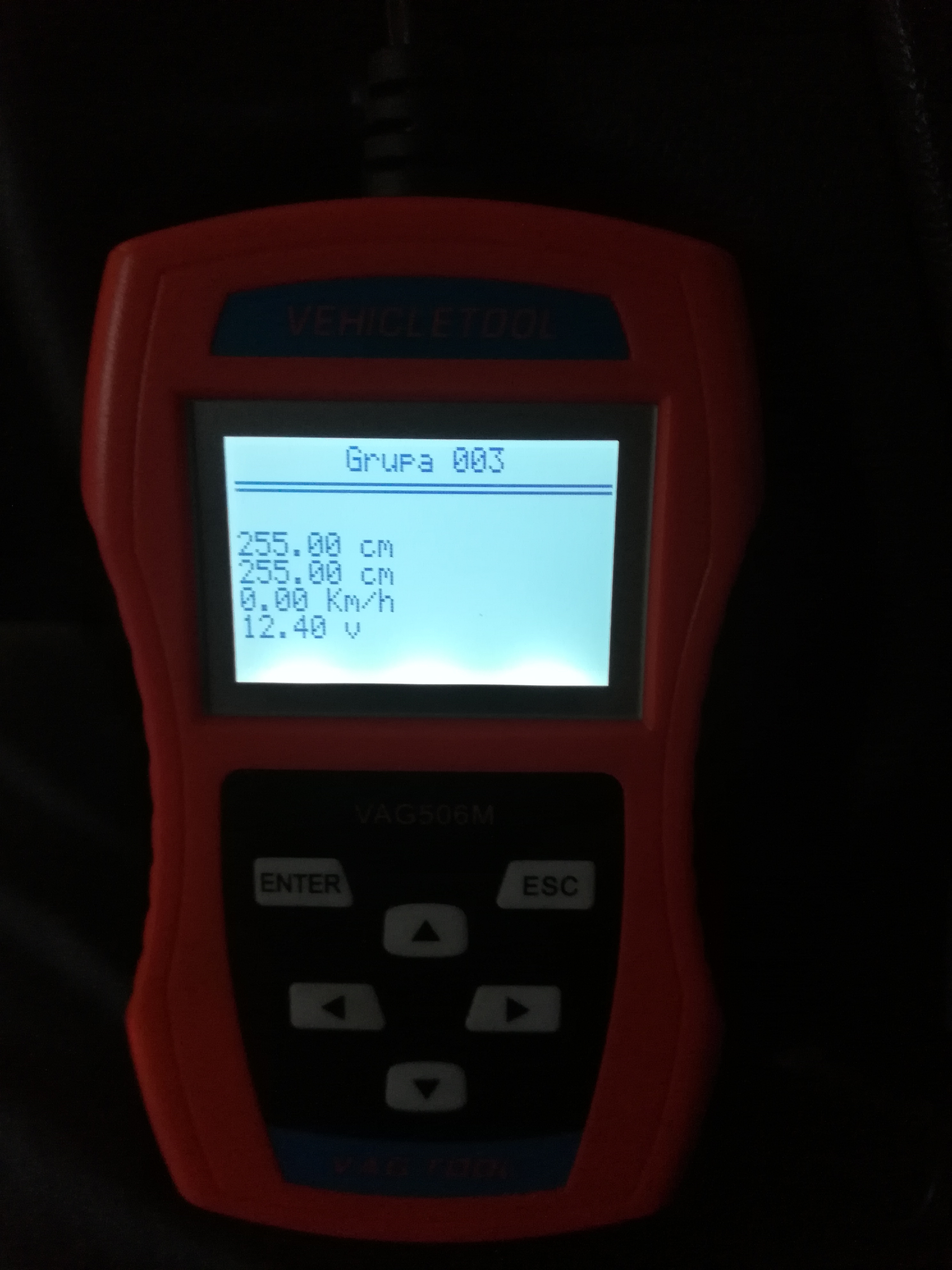
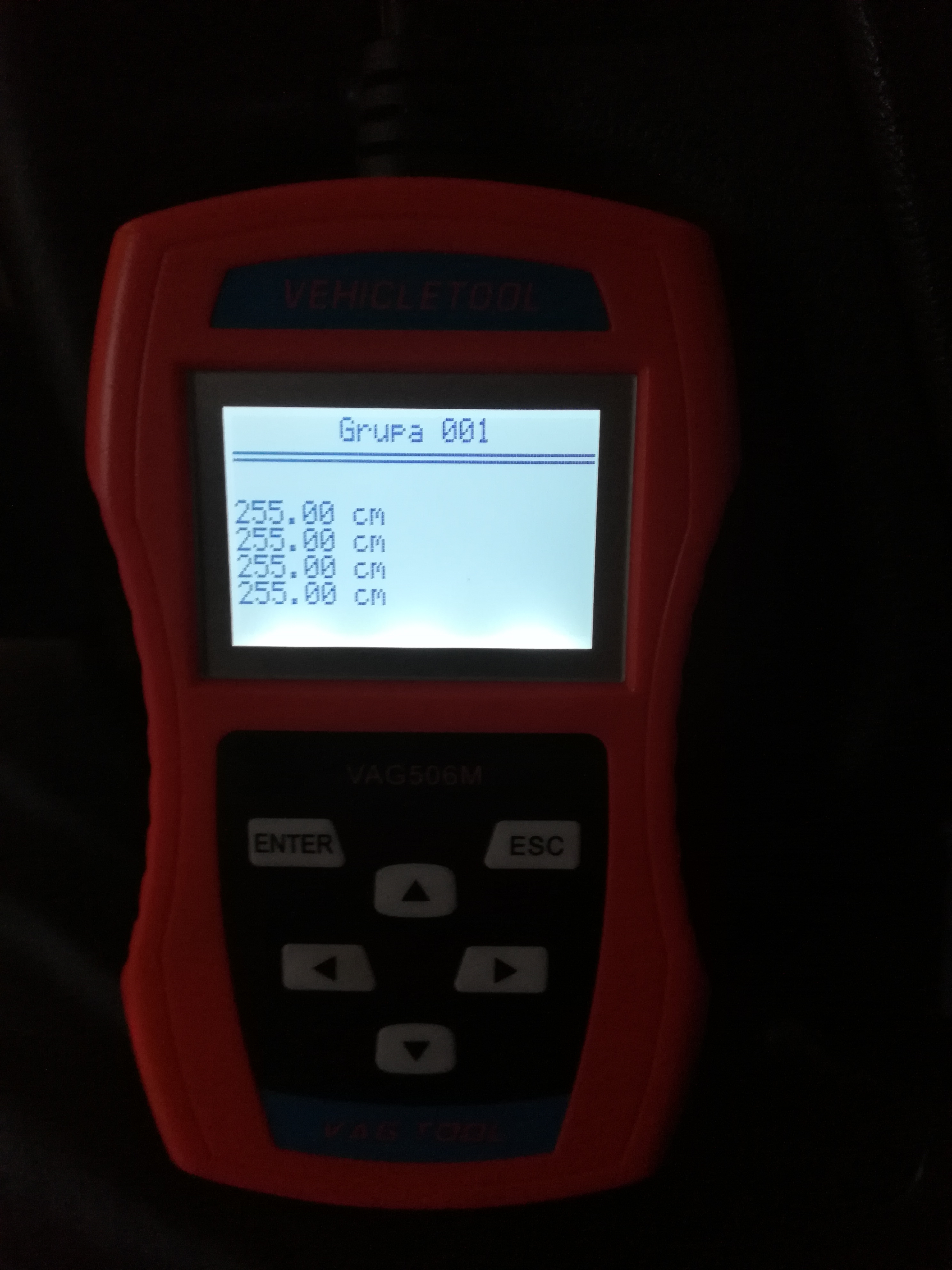
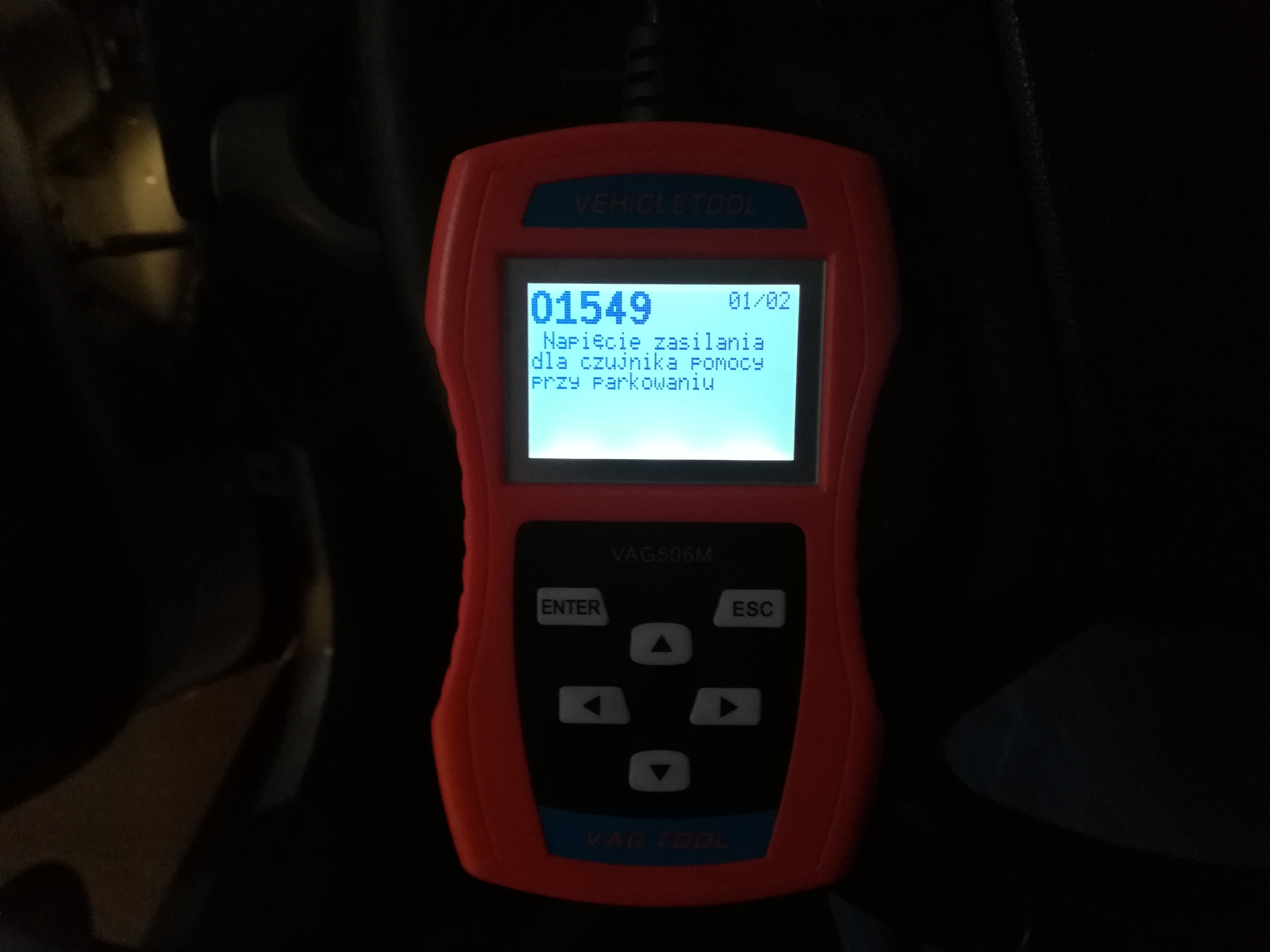
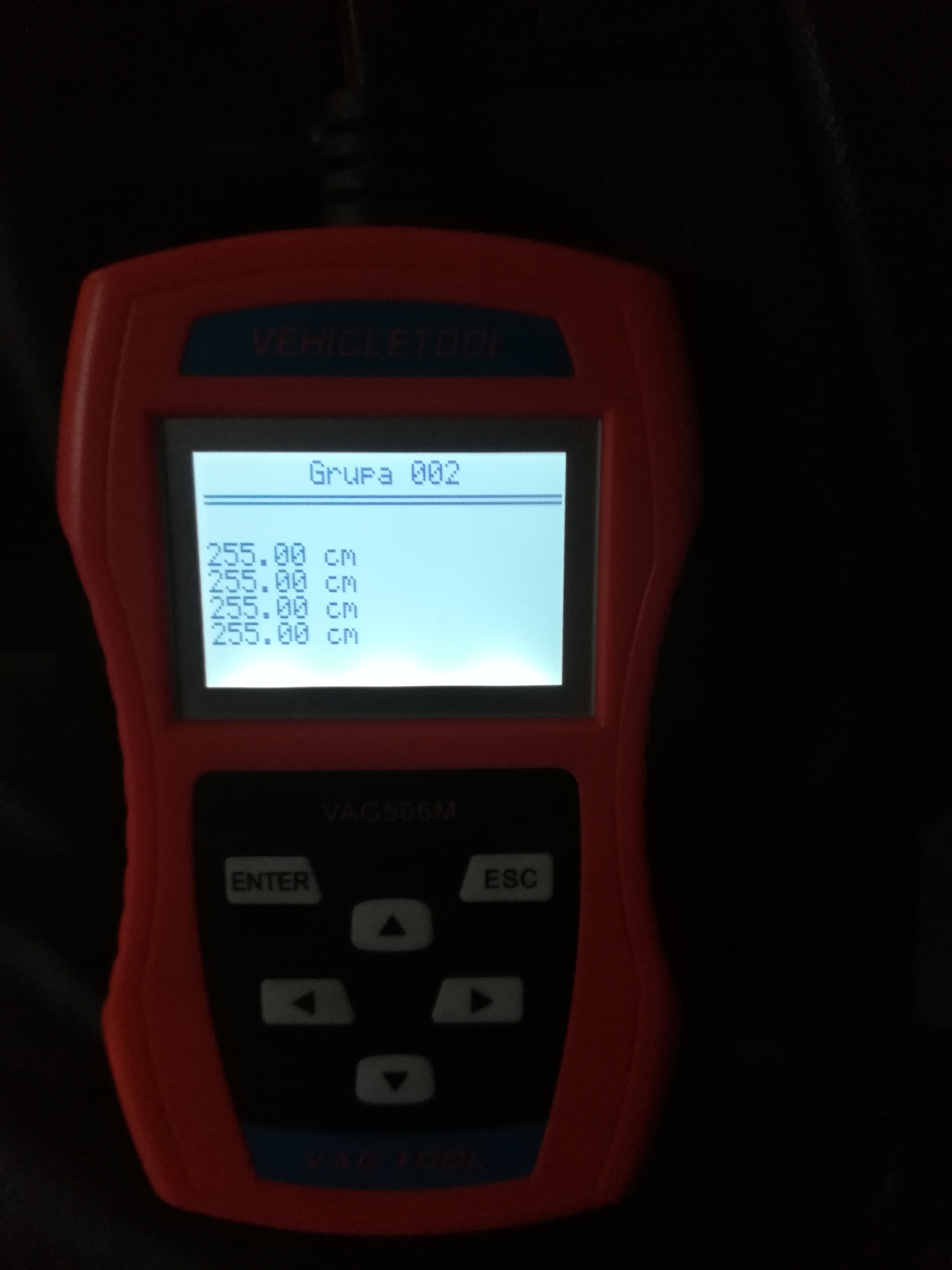
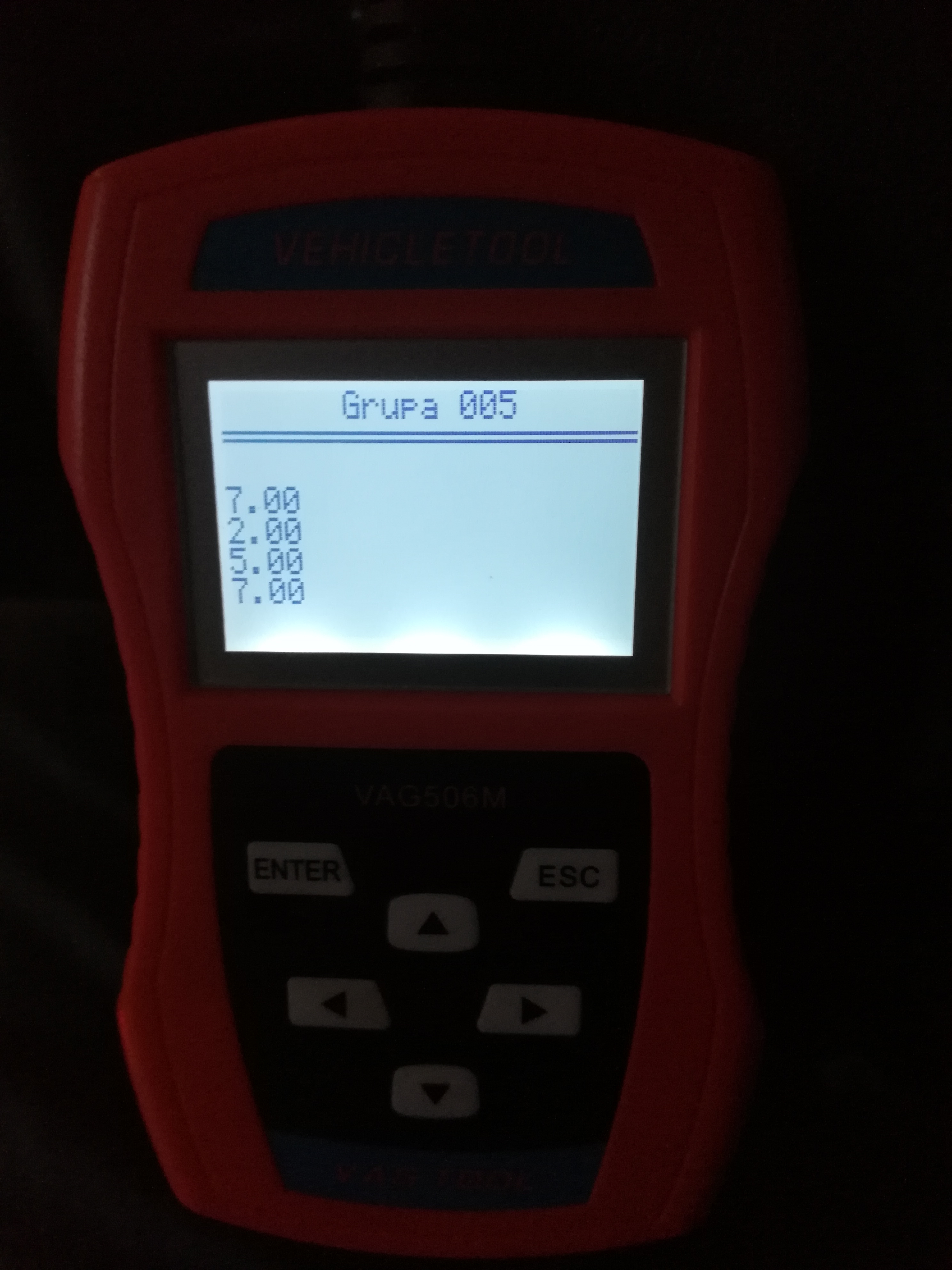
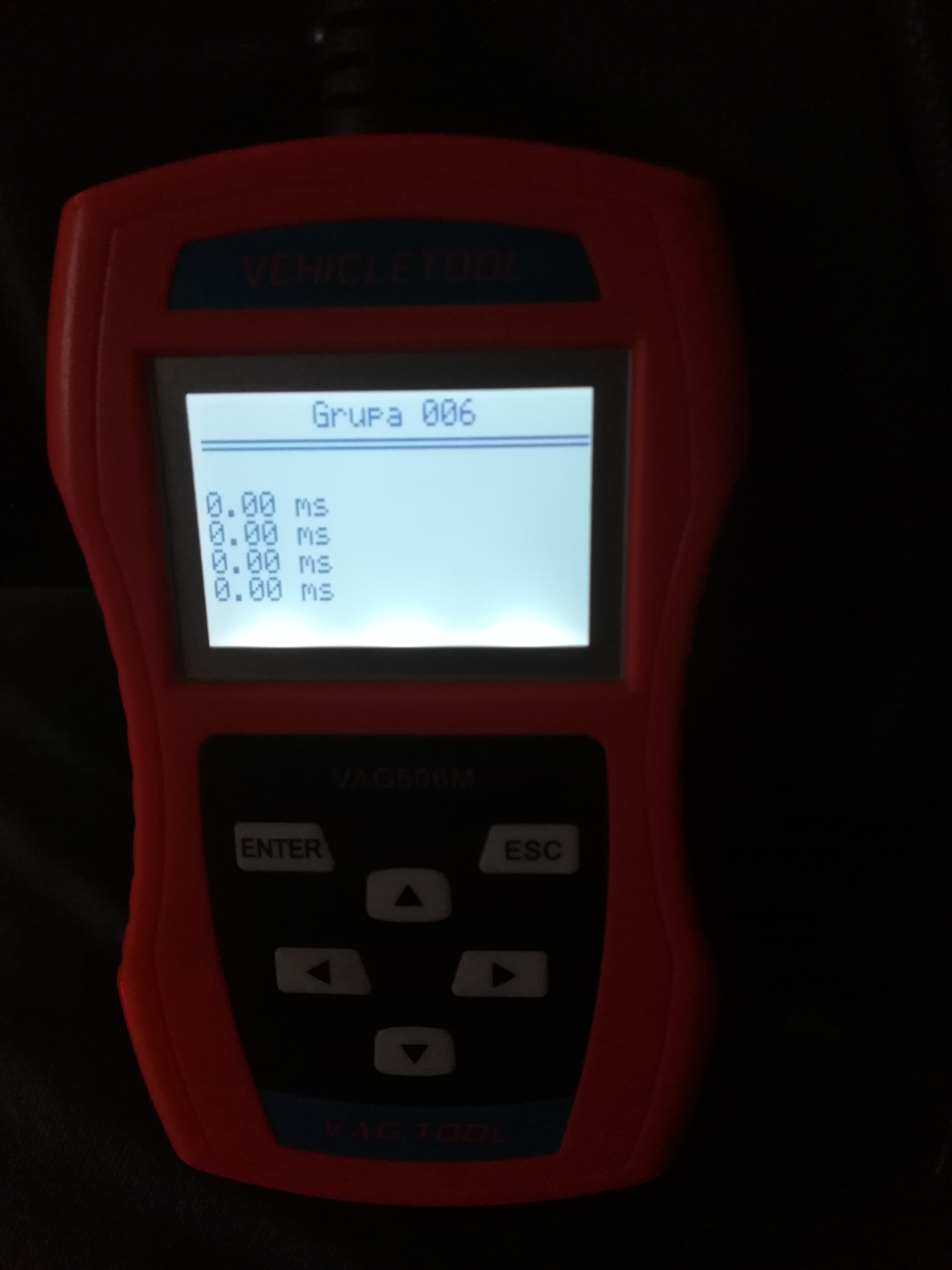
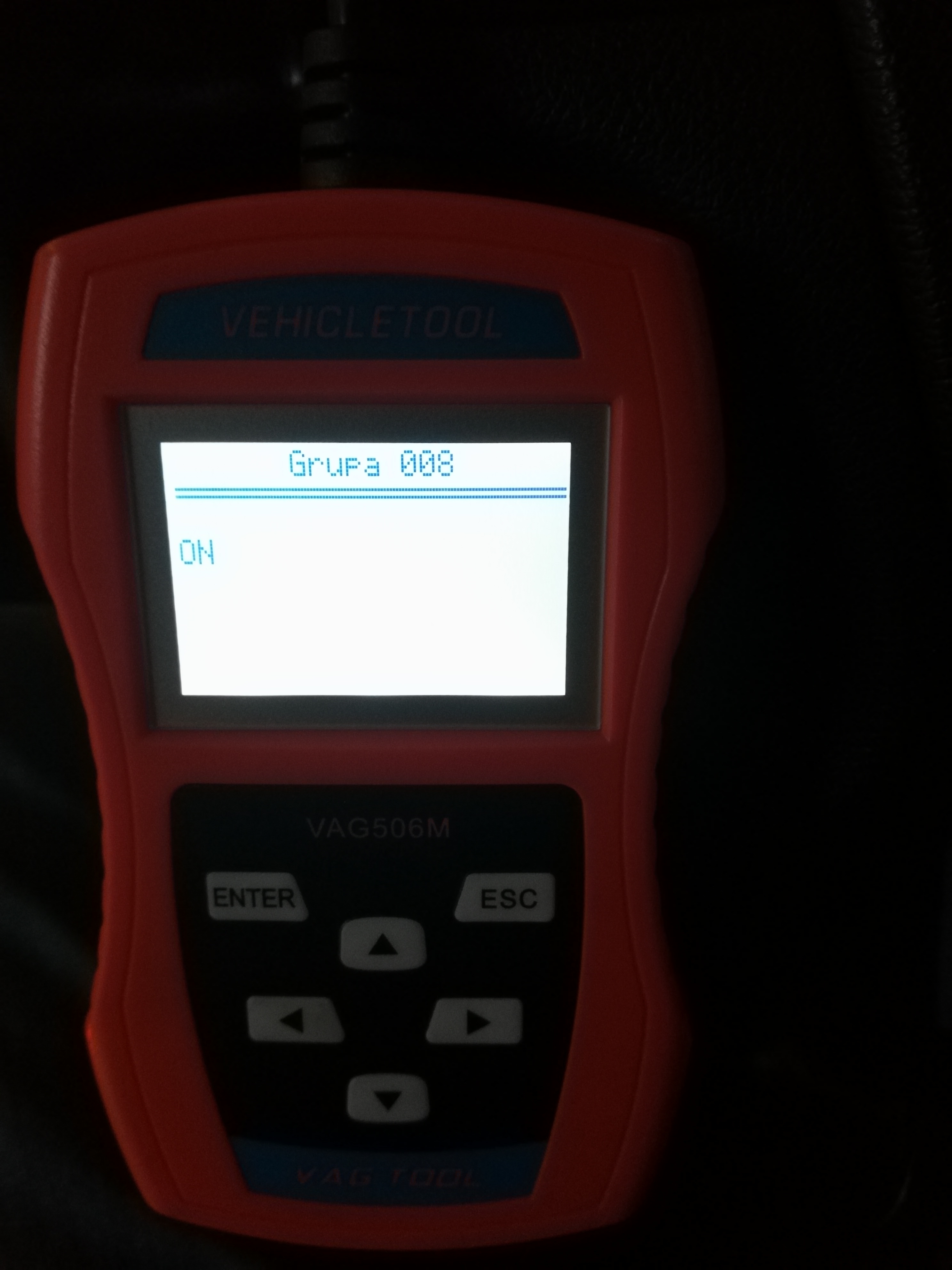
VCDS is a diagnostic tool used via the OBD port for VW‑group vehicles. In this case, VCDS reported no power to all sensors, even though the controller still communicated. That narrowed the fault to supply or connector issues. [Elektroda, pwpib, post #16879399]
Can the controller communicate over OBD yet still fail to power sensors?
Yes. The controller in this case talked to OBD, but its outputs to all sensors had 0 V during reverse selection. That’s a typical failure pattern and can mislead owners. Check supply circuits and contact condition carefully. [Elektroda, pwpib, post #16879399]
What simple fix ultimately restored the parking sensors?
Cleaning the contacts solved it. After cleaning corroded connectors, the system resumed normal operation without replacing the controller or more sensors. Always inspect and clean contacts before buying parts. [Elektroda, pwpib, post #18301422]
How can I avoid buying sensors endlessly when readings vary?
Bench‑test suspect sensors in a known‑good car, as the OP did, to confirm they work. Then focus on power feed and connectors. Use diagnostics to identify network‑level faults instead of relying only on resistance measurements. [Elektroda, pwpib, post #16879399]
Could a short circuit on the output be the cause?
It’s a common suspicion. In this case, the OP checked and reported no short circuit present. If you suspect a short, isolate harness branches and re‑measure to protect the module. [Elektroda, pwpib, post #16880645]
Quick 3‑step: how do I check PDC power safely?
- Switch ignition on, select reverse, chock wheels.
- Backprobe controller pins 1–2 (front) and 8–11 (rear) for supply.
- If no voltage, inspect and clean contacts, then re‑test.
Use a fused meter lead and avoid probing shorts. [Elektroda, pwpib, post #16695730]
What clicking test guidance did contributors give?
One tip: with reverse selected, place your ear near each sensor; a healthy unit “makes a nice sound.” Another contributor prefers a diagnostic tester, especially for VW‑group vehicles. Combine both methods intelligently. [Elektroda, T5, post #16693852]
How many sensors are on this Octavia system and why note it?
This case used eight sensors, which increases failure points and connector count. More connectors mean more chances for contact oxidation. Track each sensor’s reading consistently to spot outliers fast. [Elektroda, pwpib, post #16693472]
What’s the expert’s first move when nothing appears in photos or logs?
Verify live reaction to obstacles and confirm the specific stored power error. A contributor asked whether the power error was the only one saved and about sensor reactions. That focuses troubleshooting. [Elektroda, milejow, post #16693810]