FAQ
TL;DR: Windows 7 can loop into Startup Repair after disk or OS faults; an expert saw “at least 2 cases” tied to disk issues. “It started over and over again.” [Elektroda, masterten, post #16735335]
Why it matters: This FAQ shows how to diagnose disk, repair system files, and decide when to reinstall—without risking data.
Who it’s for: Windows 7 users facing Startup Repair loops or no‑boot scenarios.
Quick Facts
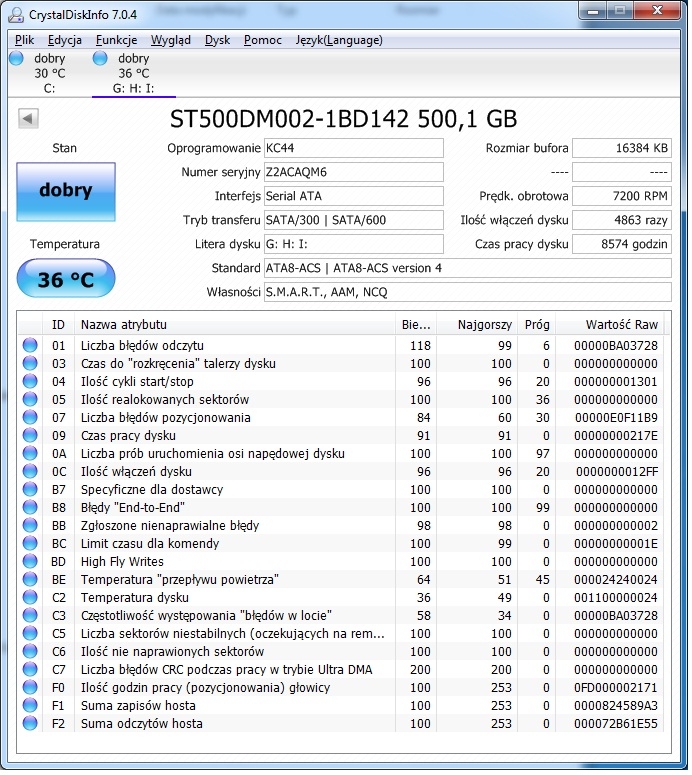
- Affected build in thread: Intel DQ57TM, Core i5, 4 GB RAM, ST500DM002 500 GB SATA. [Elektroda, tadro, post #16729730]
- System Restore ran from a single point dated 2017‑09‑29 12:28:03, but the fault persisted. [Elektroda, tadro, post #16729730]
- “Repair your computer” exposes five tools: Startup Repair, System Restore, System Image Recovery, Memory Diagnostics, Command Prompt. [Elektroda, tadro, post #16731915]
- SFC showed a pending repair; advice included renaming pending.xml and temporarily disabling AVG by renaming its folders. [Elektroda, masterten, post #16733035]
- Final fix in this case: clean reinstall of Windows 7; disk tested OK afterwards. [Elektroda, tadro, post #16745281]
How do I start troubleshooting a Windows 7 Startup Repair loop?
First, try normal boot and watch for a blue screen. Press F8, then choose “Disable automatic restart on system failure” to read the stop info. From the same menu, you can access recovery options for deeper diagnostics rather than hoping one click fixes it. [Elektroda, masterten, post #16731123]
What recovery options can I reach without booting Windows?
From “Repair your computer,” you can launch Startup Repair, System Restore, System Image Recovery, Windows Memory Diagnostics, and Command Prompt. These tools let you roll back changes, check memory, or run commands like SFC when Windows will not start. [Elektroda, tadro, post #16731915]
SFC says a repair is pending. How can I run sfc /scannow anyway?
Boot to Command Prompt via “Repair your computer.” Navigate to C:\Windows\WinSxS and rename pending.xml if present. Optionally, temporarily disable AVG by renaming its program folders, then reboot and retry SFC. “Once you have successfully booted the system, change the names back.” [Elektroda, masterten, post #16733035]
There’s no pending.xml file. What should I try next?
If pending.xml is missing, continue with other recovery paths. The OP confirmed pending.xml was absent and renaming AVG did not help. Proceed to disk checks, System Restore from another point or image, or consider reinstall if the loop persists. [Elektroda, tadro, post #16734182]
How do I check if my hard drive is the culprit?
Experts requested SMART data first. Use a bootable tool such as MHDD to read SMART outside Windows. “This should be checked first. Without this, other actions don’t make sense.” Replace the drive if SMART shows reallocated or pending sectors. [Elektroda, safbot1st, post #16733052]
System Restore says it succeeded, but the loop remains. Why?
In the case discussed, a restore to 2017‑09‑29 reported success yet the fault persisted, indicating the restore point also contained the issue. If this happens, pick an older image or move to file‑level recovery and a reinstall. [Elektroda, tadro, post #16729730]
Is “Repair your computer” safe for my files?
That menu provides tools; it does not auto‑fix everything with one click. Using System Restore or Startup Repair does not wipe user data, but always verify backups before deeper actions. Use Command Prompt for non‑destructive checks first. [Elektroda, masterten, post #16731123]
Could antivirus (AVG) block boot or repairs?
Yes. One expert advised renaming the AVG folder (e.g., Program Files\AVG and ZEN) to stop its services from loading during repair attempts. Revert the names after a successful boot to restore protection. [Elektroda, masterten, post #16733035]
What finally fixed the thread author’s PC?
They confirmed the Windows 7 installation was corrupted. A clean reinstall resolved the Startup Repair loop. The disk tested fine afterward, and the system ran normally with multiple SATA devices connected during data copy. [Elektroda, tadro, post #16745281]
Could the power supply be a factor here?
A moderator flagged the HEDY 4002 PSU as weak and suggested replacing it before further repairs. Marginal PSUs can cause unstable power, data errors, and repeated repair loops under load. [Elektroda, safbot1st, post #16738108]
How do I perform a clean reinstall safely (3‑step plan)?
- Backup files using WinRE Command Prompt or a Linux live USB.
- Reinstall Windows 7 from installation media; install drivers and updates.
- Restore data and apps; verify stability and SMART health before daily use.
This path resolved the case discussed. [Elektroda, tadro, post #16745281]
What is MHDD?
MHDD is a bootable disk diagnostic that reads SMART and scans for bad sectors without Windows. Experts recommended it to rule out storage faults before software repairs. Use it to confirm drive health early. [Elektroda, safbot1st, post #16733052]
How common are disk‑related repair loops?
One expert reported “at least 2 cases when automatic repair started over and over again” due to disk failure. Treat SMART warnings as urgent and clone or replace the drive immediately. [Elektroda, masterten, post #16735335]
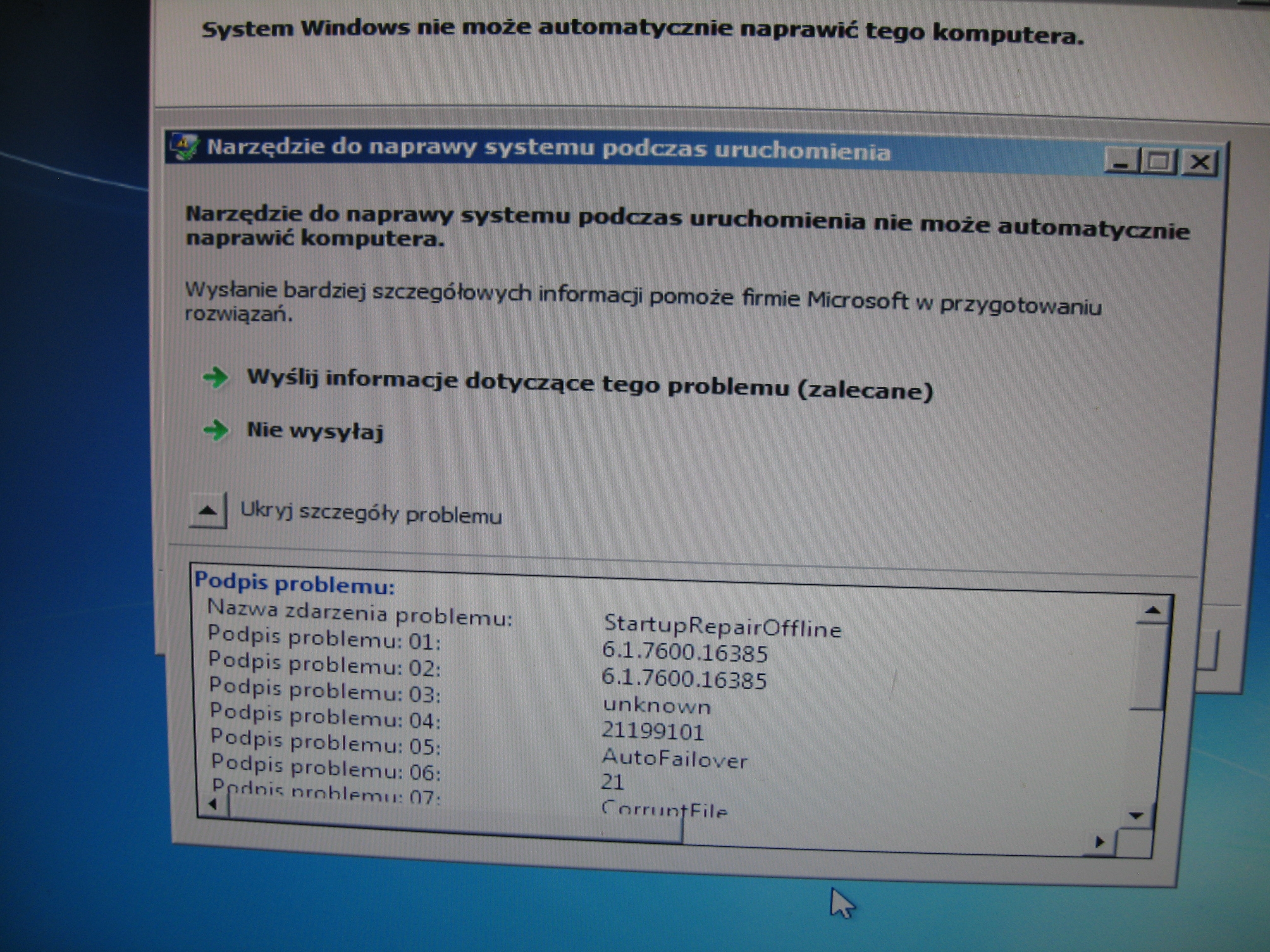
Why does Startup Repair say “CorruptFile” but not boot?
The thread indicates Startup Repair may detect a corrupted file yet still loop. Use F8 to stop auto‑restart and gather error details, then try SFC, restore, or a clean install if corruption is deep. [Elektroda, masterten, post #16731123]
Does renaming antivirus folders risk my data?
Temporarily renaming AVG prevents it from loading, which can unblock repairs. It does not delete data. Restore the original folder names after the system boots and complete pending repairs. [Elektroda, masterten, post #16733035]