logo elektroda
logo elektroda
X
logo elektroda

Procedure for Attaching Frame to Plasterboard Corners: A Step-by-Step Guide

10338 16
Best answers

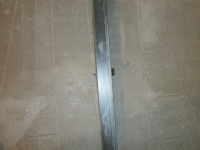
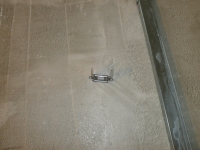
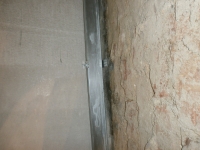
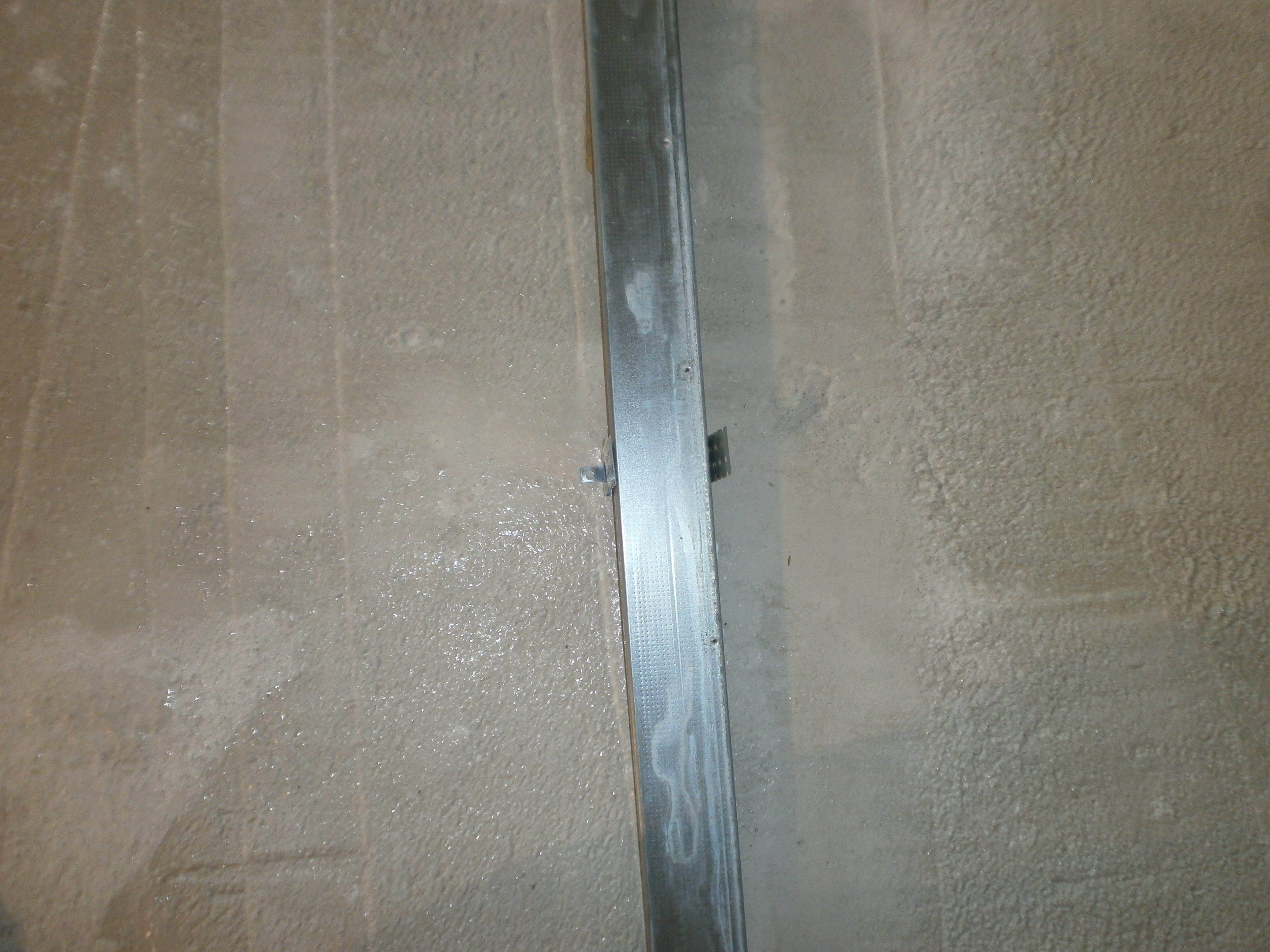
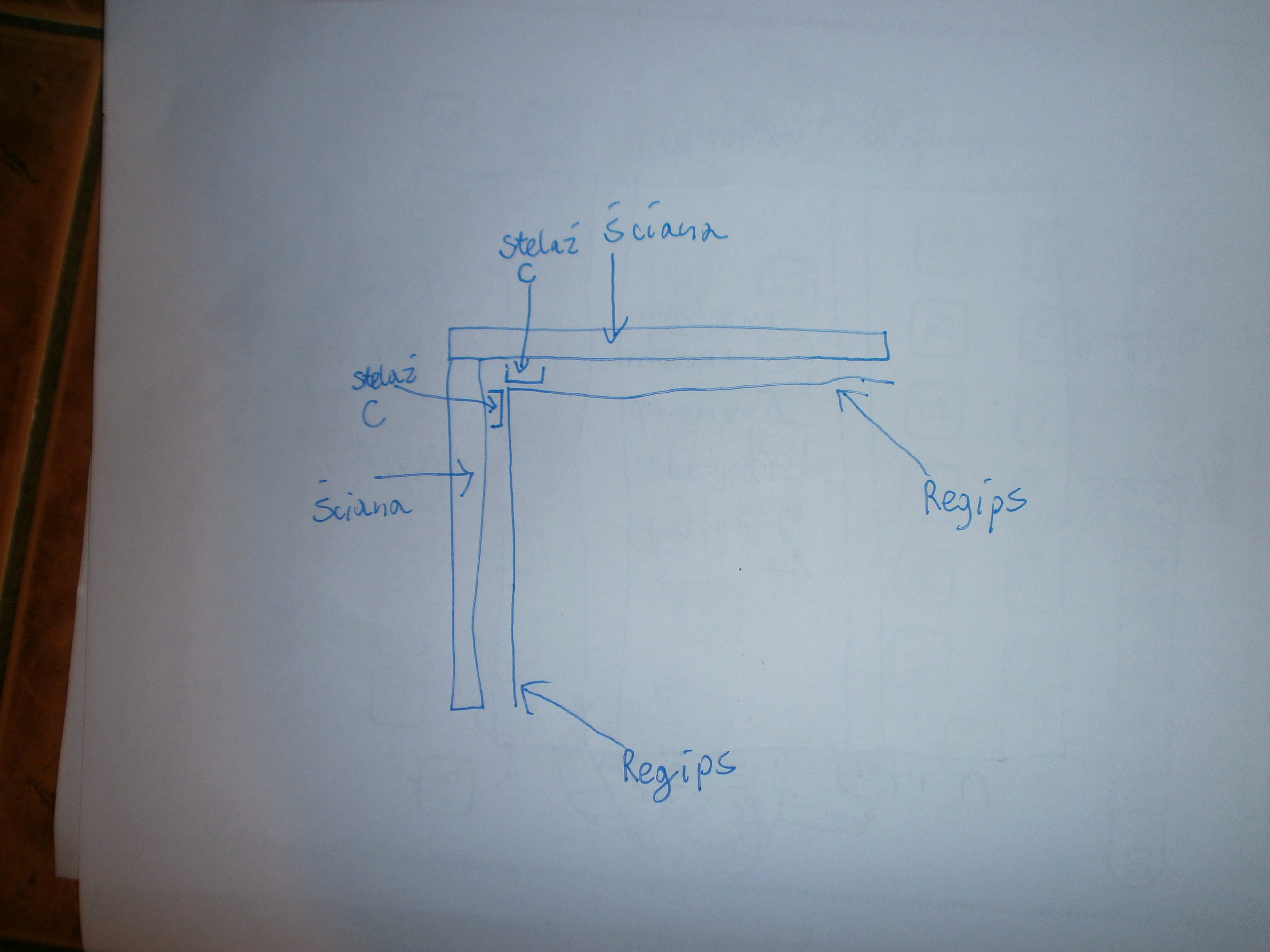
How do I attach plasterboard frame profiles at a 90° wall corner when there is no room to screw one side of the corner profile?

At the corner, mount two profiles as close together as possible—one for each wall—and screw them together so the corner joint is reinforced [#16737563] If there isn’t room to fasten a C profile to an ES hanger in the corner, use a U profile fixed to the wall and turn the plasterboard to it, or close one wall first and then start the next wall from the previous board/profile [#16738520][#16738403] This is exactly to avoid trying to drive screws into the awkward side of the 90° corner [#16738520] If you do use C profiles on ES hangers near the walls, the profile may bend while you screw the board, so fasten the boards densely, about every 10–15 cm, until the next profile is in place [#16738520]
Generated by the language model.
ADVERTISEMENT
Treść została przetłumaczona polish » english Zobacz oryginalną wersję tematu
  • #1 16737334
    Anonymous
    Anonymous  
  • ADVERTISEMENT
  • Helpful post
    #2 16737563
    marekhab
    Level 33  
    At the corners, give two profiles, one for the wall, as close to each other as possible.
    It is good to screw them together, because when the walls will work, the joint between the panels in the corner may crack.
  • Helpful post
    #3 16737797
    Parowy
    Level 22  
    Welcome.

    I deal with this professionally and I would like to help you, but I don't really understand what you want to do.
    Why do you put a C profile on the handles (so called ES) in the corner?

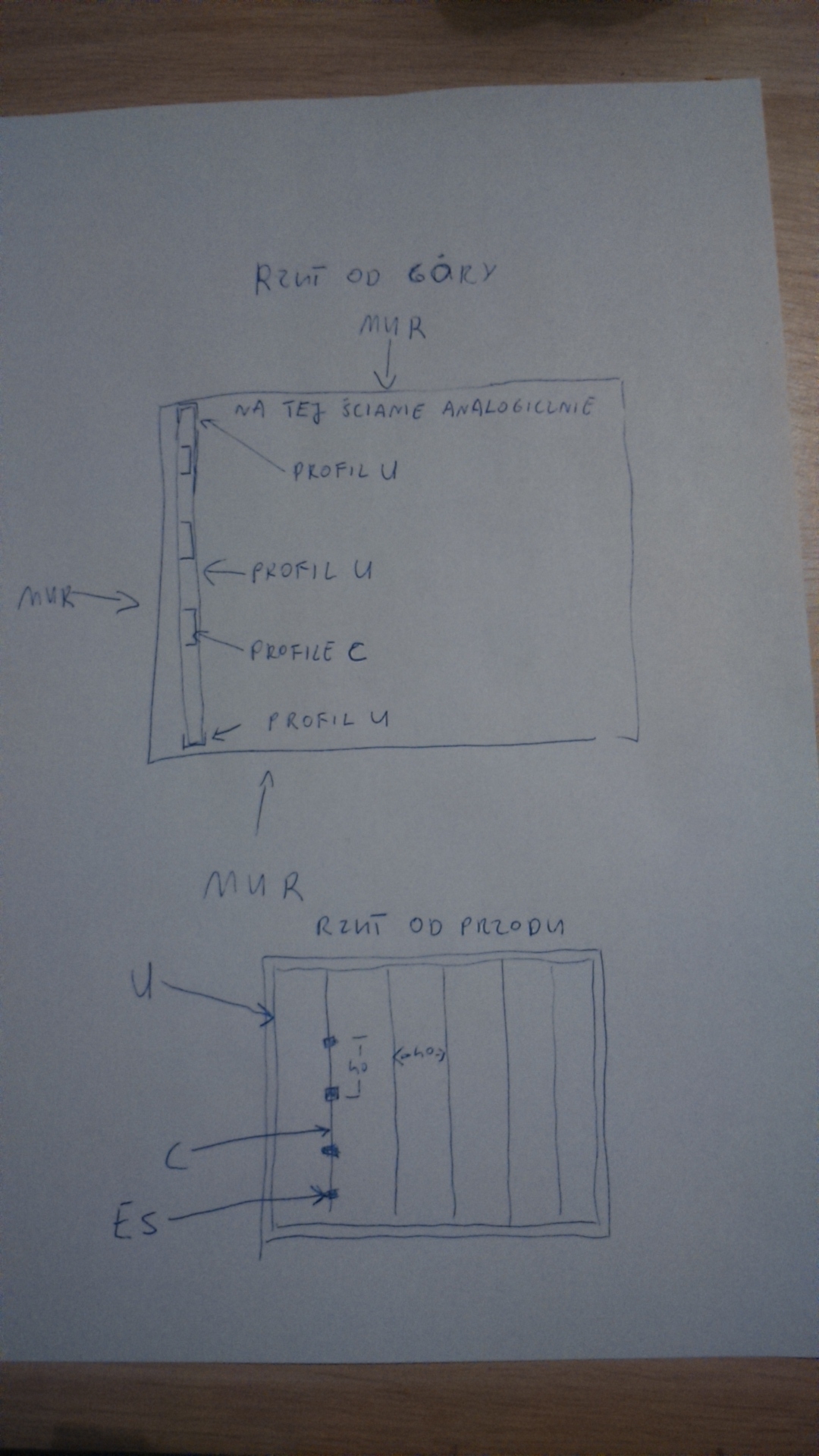
    Ceiling C profiles are mounted as if in the middle of the structure, U profiles are mounted at the floor, ceiling and walls.
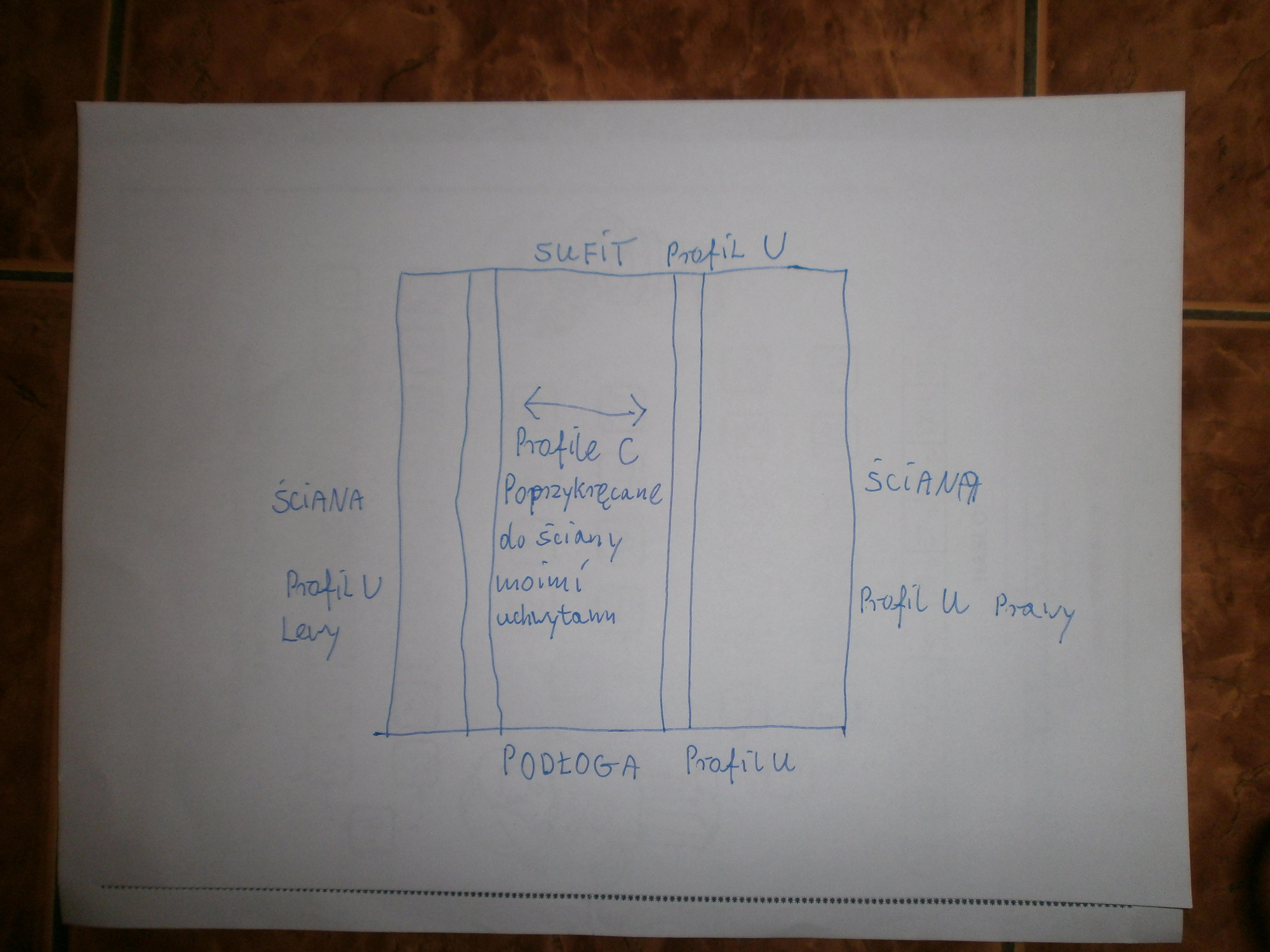
    The C profile is inserted into the center of the U-profiles on the floor and ceiling, and the C-profile can be fixed to the wall with ES grips.

    Have you viewed the YT tutorial videos?
  • #4 16737844
    Anonymous
    Anonymous  
  • Helpful post
    #5 16737870
    maurycy123
    Conditionally unlocked
    You mount the U-profile on the ceiling. From this you "lead out" the riser and install two U-profiles on the walls plus the floor. You install C-profiles in the middle. You can also put one C-profile at the same U-profiles on the walls. Then, after screwing the KG, you will have something to screw the next U-profiles to. It is difficult to explain to someone who has not done it.
  • ADVERTISEMENT
  • #6 16738119
    Anonymous
    Anonymous  
  • Helpful post
    #7 16738184
    Parowy
    Level 22  
    Kurtka na wacia wrote:
    It will not be a ceiling, but a wall ...


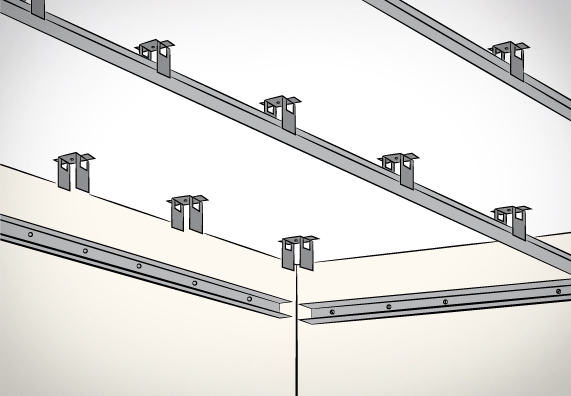
    I figured it out, but you have ceiling profiles, if I'm not mistaken - CD60 is the main ceiling profile that matches the width of the escutcheons.

    Theoretically, the wall can be placed on the ceiling profiles, but you need to give more grooves and possibly cover it twice with the board.

    In your case you are making the ceiling on the wall, the main CD60 profiles should be every 40 cm, on each main profile also every 40 cm.

    https://youtu.be/EEgc4UZ0cXw

    Procedure for Attaching Frame to Plasterboard Corners: A Step-by-Step Guide
  • #8 16738187
    maurycy123
    Conditionally unlocked
    Kurtka na wacia wrote:
    I used to put regipsy,
    And you don't know how to deal with this problem?
  • ADVERTISEMENT
  • Helpful post
    #9 16738196
    Parowy
    Level 22  
    Kurtka na wacia wrote:
    ... My doubts are raised by U left and right profiles. They will only be attached at the top of the ceiling and floor. And in the middle? ..


    Why is this so?
    There is just no wall to pin it?

    Edit:
    In the last photo from your first post, on the right, the wall is, what's the problem?
  • #10 16738211
    Anonymous
    Anonymous  
  • ADVERTISEMENT
  • #11 16738269
    Parowy
    Level 22  
    Procedure for Attaching Frame to Plasterboard Corners: A Step-by-Step Guide

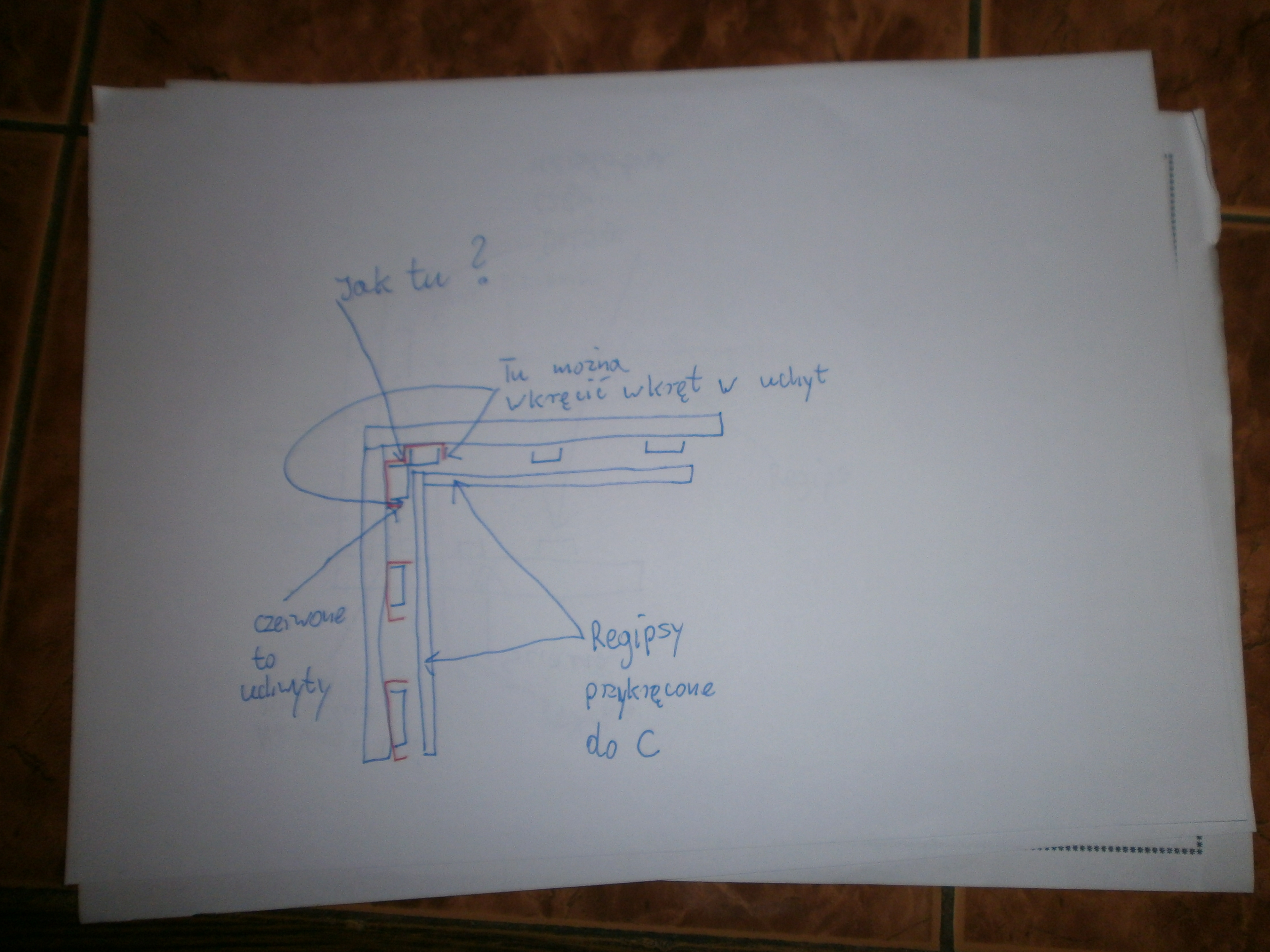
    First, close one wall with the plate, then turn the next profiles to the plate. This is it?
  • #12 16738312
    Anonymous
    Anonymous  
  • #13 16738353
    mod22
    Level 28  
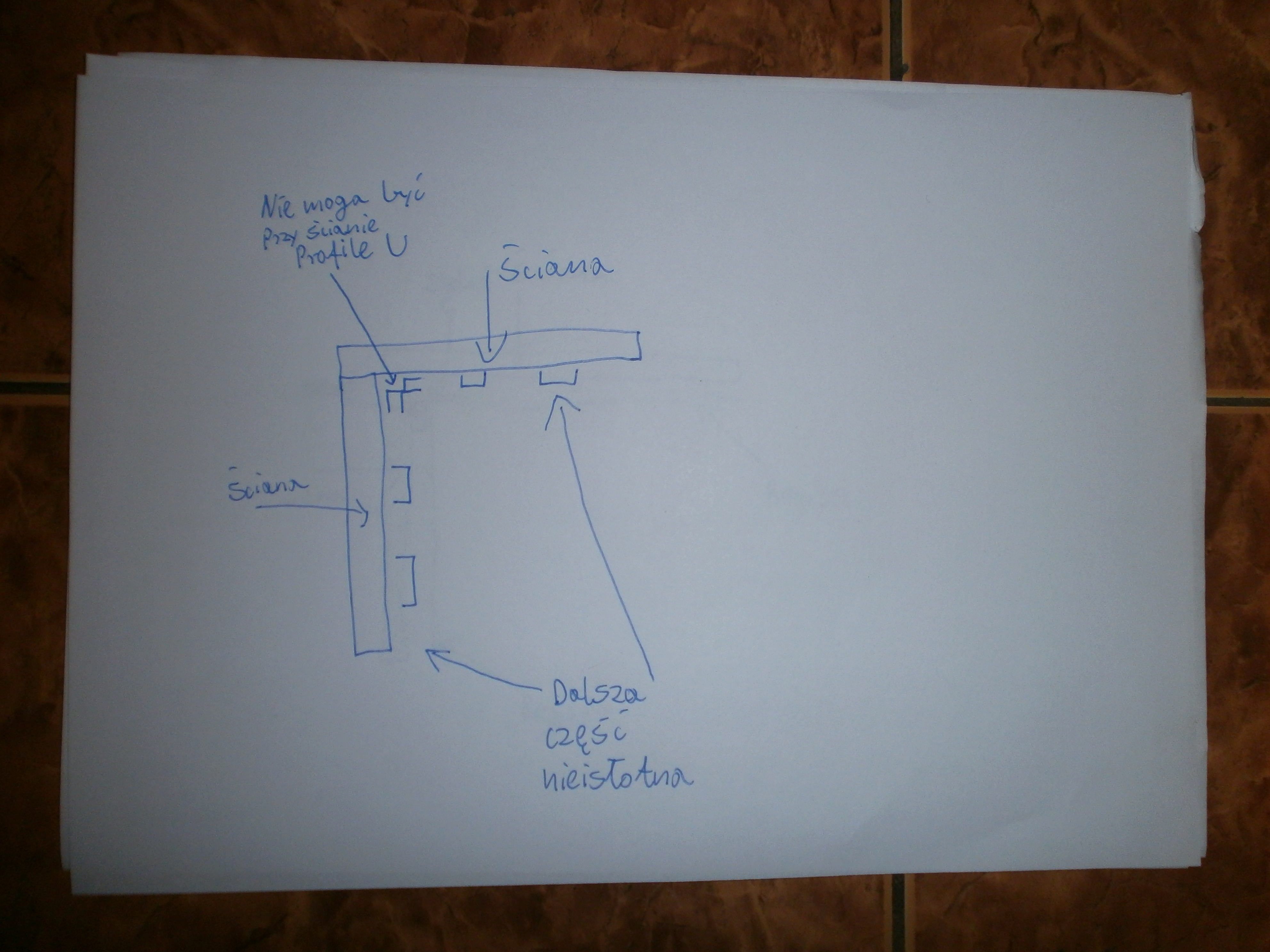
    And why can't there be profiles against the wall?
  • #14 16738363
    Anonymous
    Anonymous  
  • #15 16738403
    mod22
    Level 28  
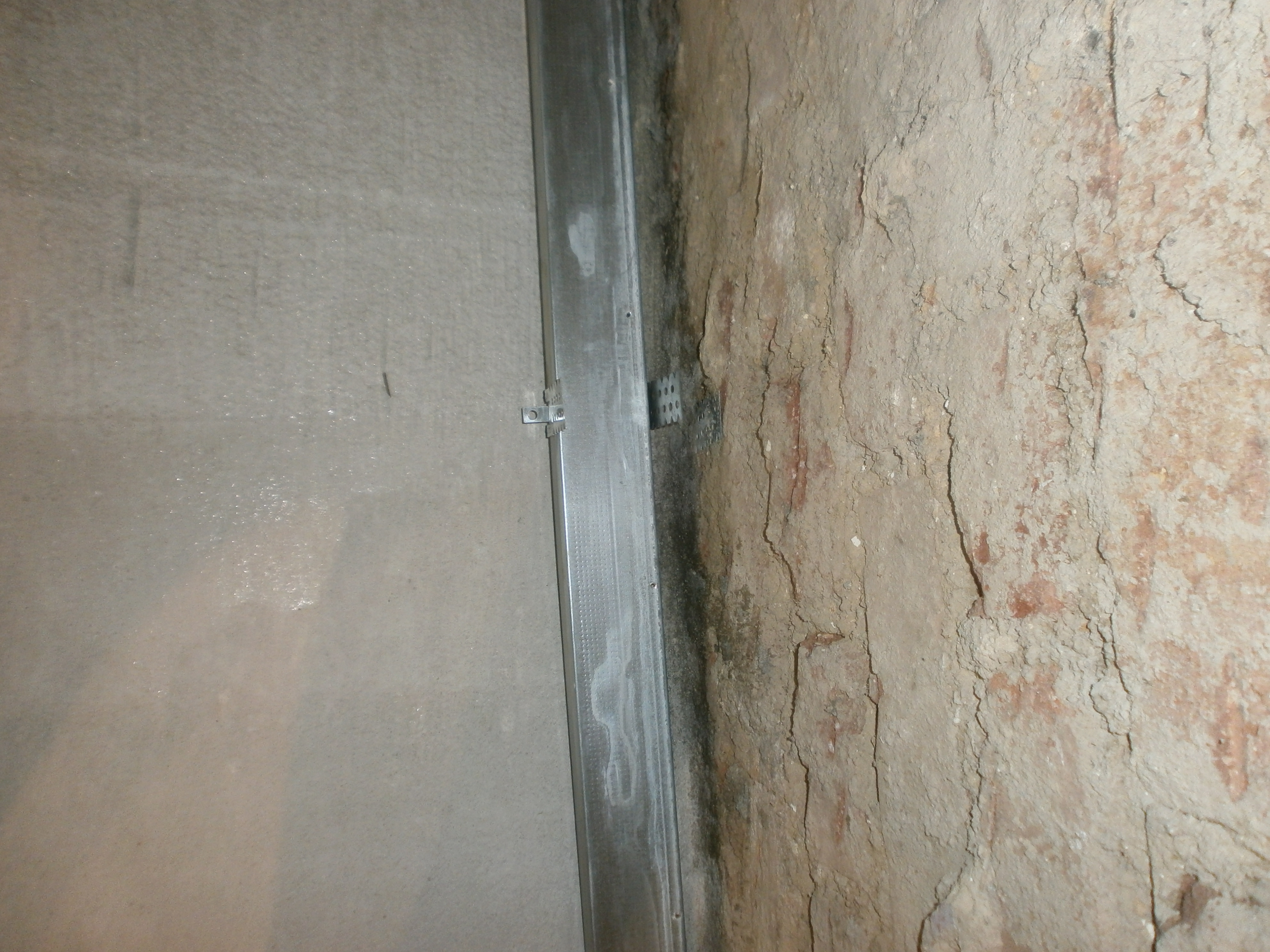
    So screw the first cd profile 4 cm from the wall, close it with a plate. Start next wall from u30 to previous wall to first profile cd, etc.
  • #16 16738520
    Parowy
    Level 22  
    Kurtka na wacia wrote:
    Ok. I can handle it. Come on, that's not what I mean ...
    But I will do as you advise. First, one wall, then bolted to the board. Come to reduce the room by the width of U + regips.


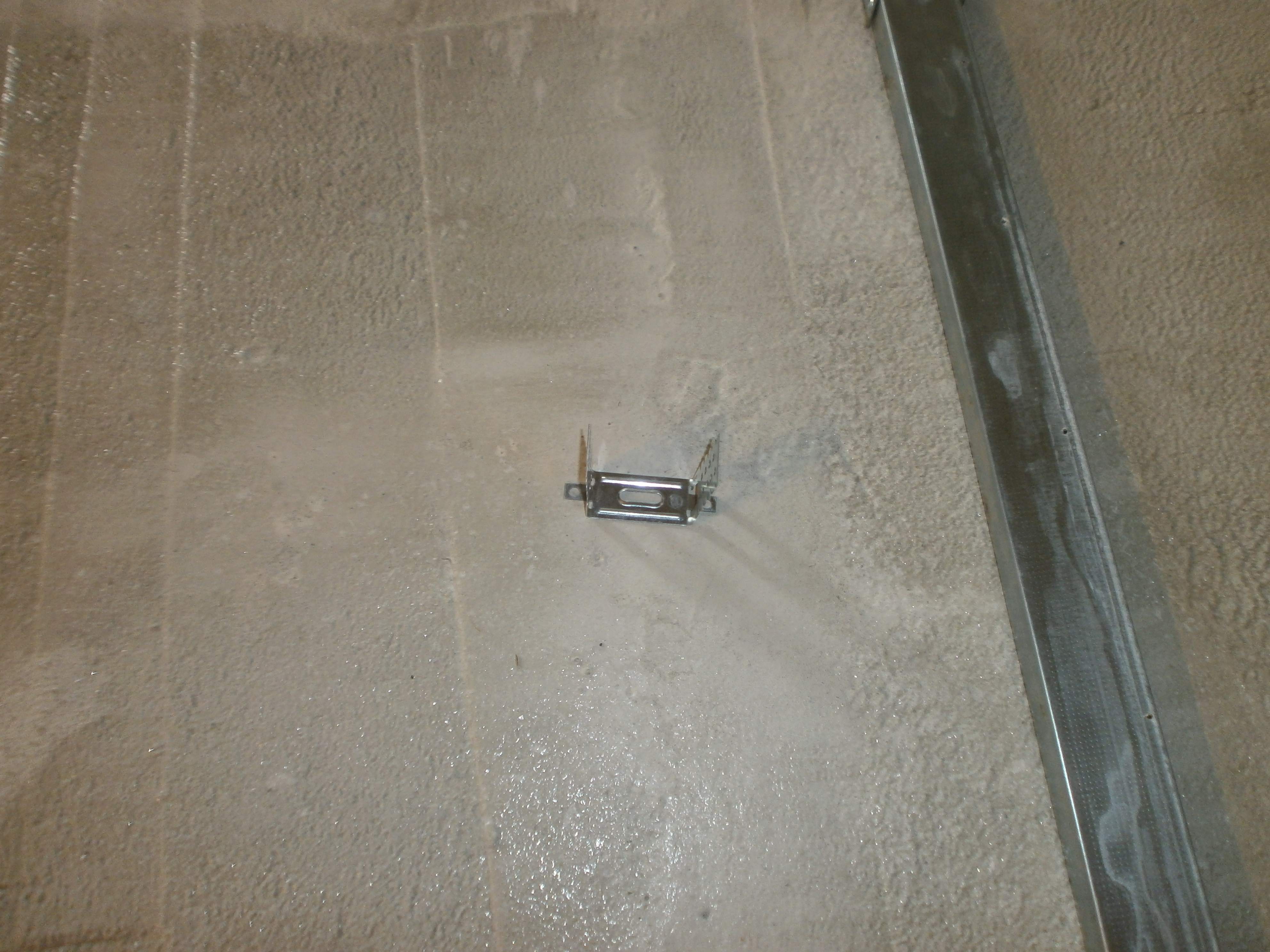
    Precisely because it is not possible to screw C to the handle (esa) in such a tight place - in the sense in the corner, it was invented that there is a U profile pinned to the wall, and the plate is turned to it.

    And don't worry about the surface, it won't get smaller. It will be the same with both solutions.

    Edit:
    On the other hand, if you want there to be no U but C attached to the esa next to the walls, you can do it.
    After assembly, plastering, etc., the strength of the wall in this place, with this method of assembly, will not be much lower.
    Problems will arise when screwing the board, the C profile supported by esami only on one side may bend when screwing the screw, you need to strain a little to catch it to the board, and when you succeed, give the screws densely (every 10-15 cm) to the previous one held the profile until the next one was screwed.
  • #17 16887996
    Anonymous
    Anonymous  

Topic summary

✨ The discussion revolves around the procedure for attaching a frame to plasterboard corners. The user seeks guidance on how to secure profiles at wall corners, specifically when creating a 90° angle between racks. Responses suggest using two profiles at the corners, securing them together to prevent cracking due to wall movement. It is recommended to mount U-profiles on the ceiling and walls, with C-profiles inserted in the middle. The user is advised to attach the first profile 4 cm from the wall, close it with a plate, and then proceed to the next wall. Concerns about the stability of the structure and the method of attaching profiles are addressed, emphasizing the importance of proper screw placement to avoid bending during installation.
Generated by the language model.

FAQ

TL;DR: Use CD60 profiles at 40 cm spacing; “the main CD60 profiles should be every 40 cm.” Build one wall, board it, then turn the next frame to that board for clean 90° corners. [Elektroda, Parowy, post #16738184]

Why it matters: This avoids corner cracks, speeds layout, and delivers a stiffer wall when space from the masonry is required.

Quick Facts

How do I attach a frame to plasterboard corners when boards stand off the wall by ~4 cm?

First, frame and board one wall fully. Then rotate the perpendicular profiles to that freshly fixed board, using it as your corner reference. This keeps the 4 cm cavity consistent and makes screw access easy. [Elektroda, Parowy, post #16738269]

What’s the simplest, crack‑resistant way to build a 90° plasterboard corner?

Run two metal profiles tight in the corner and screw them together. This ties movement between walls and lowers the risk of corner joint cracking after finishing. “Screw them together” is the key instruction. [Elektroda, marekhab, post #16737563]

Which profiles go where (UD/U vs. CD/C)?

Fix UD/U profiles to the floor, ceiling, and adjacent walls. Insert CD/C studs between these tracks. Where needed, fix CDs to the masonry with ES brackets. This is the standard light-steel framing layout for board systems. [Elektroda, Parowy, post #16737797]

What spacing should I use for CD60 studs on a wall system?

Use 40 cm centers for CD60 studs, with 40 cm cross support on each main line. This spacing balances board stiffness and screw bite, especially if boards are doubled. [Elektroda, Parowy, post #16738184]

I can’t get a screwdriver into the tight corner—what’s the workaround?

Avoid corner ES fixes. Instead, mount a UD track on the wall first and turn the board to it, or pre-board one side and fix the next frame to the board face. Access stays clear. [Elektroda, Parowy, post #16738184]

How do I start if the first CD must be 4 cm off the wall?

Screw the first CD about 4 cm from the wall and board that face. Then start the perpendicular wall from a U30 anchored to the boarded face, forming a clean corner line. [Elektroda, mod22, post #16738403]

Should I double‑layer the gypsum board for a stiffer wall?

Yes. When using ceiling‑type CDs as wall studs or longer ES brackets, doubling the boards increases rigidity and feel. It also helps acoustic performance. [Elektroda, Parowy, post #16738184]

What are ES brackets and when should I use them?

ES brackets are flat metal hangers that hold a CD/C stud off the masonry. Use them to create a service void or align studs when the board must sit away from the wall surface. [Elektroda, Parowy, post #16737797]

My corner CD is only supported on one side by ES. How do I stop it flexing while screwing?

Pre‑hold the profile to the board and drive screws densely, every 10–15 cm, until the line stiffens. This controls local bending during fixing. [Elektroda, Parowy, post #16738520]

Will building to a boarded face reduce my room size more than using a UD in the corner?

No. Whether you turn the next wall to a UD fixed to masonry or to a pre‑boarded face, the finished footprint is effectively the same. [Elektroda, Parowy, post #16738520]

How do I fix profiles at an internal corner step‑by‑step?

  1. Install and level UD on floor/ceiling; set CDs at 40 cm centers. 2. Board the first wall fully to the corner. 3. Fix UD for the second wall to the boarded face, then insert CDs and board. [Elektroda, Parowy, post #16738184]

What causes corner cracks in plasterboard and how can I prevent them?

Independent wall movement opens the taped corner. Tie the corner using two tight profiles screwed together, then tape and finish. This structural tie reduces crack risk. [Elektroda, marekhab, post #16737563]

Is using ceiling CD60 profiles on walls acceptable?

Yes, with adjustments. Increase hanger points and consider double boarding for stiffness. Keep stud spacing at about 40 cm centers for reliable screw purchase. [Elektroda, Parowy, post #16738184]

How do I maintain a consistent 4 cm cavity around the room?

Set the first stud line at the target offset, level it, and use the boarded surface as the reference for the adjacent walls. Repeat the turn‑to‑board method at each corner. [Elektroda, Parowy, post #16738269]

Any tip for beginners aligning the second wall perfectly square?

Use the straight, boarded first wall as your datum. Fix the second wall’s UD to that board, check 90° with a square, then insert CDs. [Elektroda, Parowy, post #16738269]
Generated by the language model.
ADVERTISEMENT