FAQ
TL;DR: Explorer crashed when right‑clicking “New folder” due to shell/registry issues; logs showed “The log shows a lot of errors” and an ESENT UnistoreDB fault with 4096 bytes pages. Uninstall conflicting utilities, run AdwCleaner, and apply an FRST fixlist. [Elektroda, Kolobos, post #16741258]
Why it matters: This FAQ helps Windows 10 users fix crashes that block creating folders and odd keyboard behavior on SSD/HDD setups.
Quick Facts
- Setup reported: Windows 10 x64, SSD 256 GB + HDD 1 TB; right‑clicking New Folder closed the window. [Elektroda, zwn51, post #16737408]
- Symptom detail: after right‑clicking, the window auto‑closed in about 2 seconds even with another mouse. [Elektroda, zwn51, post #16737648]
- First checks: swap keyboard/mouse to rule out device faults or stuck modifier keys. [Elektroda, Kolobos, post #16737420]
- Cleanup step: uninstall tune‑up/toolbar tools (ASC, Ashampoo, WinThruster, etc.) and run AdwCleaner “Search and Delete.” [Elektroda, Kolobos, post #16740849]
- Event log clue: ESENT UnistoreDB store.vol error (EventID 476, 4096‑byte page) can indicate corruption or hardware issues. [Elektroda, Kolobos, post #16741258]
How do I fix Windows 10 crashing when I click New Folder on a drive?
Remove conflicting utilities first. Uninstall items like Advanced SystemCare, Ashampoo WinOptimizer, WinThruster, toolbars, and McAfee Security Scan. Then run AdwCleaner with “Search and Delete.” Reboot and retest Explorer’s context menu. This targets shell extensions and adware that destabilize Explorer. [Elektroda, Kolobos, post #16740849]
Why does the window close by itself ~2 seconds after right‑clicking?
That timing suggests a shell extension or context‑menu handler crash rather than a mouse fault. The author observed the same auto‑close after swapping the mouse, which points away from hardware. Cleaning or disabling add‑ons is the right next move. [Elektroda, zwn51, post #16737648]
Should I uninstall Kaspersky temporarily during troubleshooting?
Yes. The helper advised uninstalling it because logs showed issues, and you can reinstall later. This isolates third‑party hooks from Explorer while you test. As they put it, “You can reinstall it later.” [Elektroda, Kolobos, post #16743432]
What did the ESENT UnistoreDB error in my logs actually mean?
The log flagged UnistoreDB store.vol verification failure (EventID 476) on a 4096‑byte page and warned of possible faulty hardware. It recommends restoring the database from backup if the condition persists. Such corruption can crash components that Explorer touches. [Elektroda, Kolobos, post #16741258]
How do I run an FRST fixlist safely?
- Place Fixlist.txt in the same folder as frst.exe with the exact entries provided.
- Run FRST and choose Fix to apply the scripted repairs and task removals.
- Reboot when prompted and retest the New Folder action in Explorer.
[Elektroda, Kolobos, post #16741258]
What is FRST?
FRST (Farbar Recovery Scan Tool) collects detailed system logs and can apply a tailored Fixlist to remove problematic tasks, services, and entries. The helper requested FRST logs to diagnose the crash and script a repair. [Elektroda, Kolobos, post #16737671]
What is AdwCleaner and when should I use it?
AdwCleaner is a lightweight cleaner for adware, PUPs, and unwanted toolbars. Run it after uninstalling tune‑up and toolbar software to remove leftovers that can hook Explorer’s context menu and cause crashes. Use the Search and Delete workflow. [Elektroda, Kolobos, post #16740849]
My right Ctrl + key triggers a magnifier and I can’t type certain characters—what now?
Start by swapping the keyboard and mouse to rule out stuck modifiers or hardware shortcuts. Strange combos and overlays often trace to input devices or their software. Test with another set before deeper software cleanup. [Elektroda, Kolobos, post #16737420]
Could this be hardware? What’s the edge case I should know?
Yes. The ESENT message explicitly notes a potential hardware problem. If errors persist after cleaning software, check SMART, run memory tests, and back up. A failing drive or RAM can corrupt UnistoreDB and destabilize Explorer. [Elektroda, Kolobos, post #16741258]
How do I attach diagnostic logs on that forum?
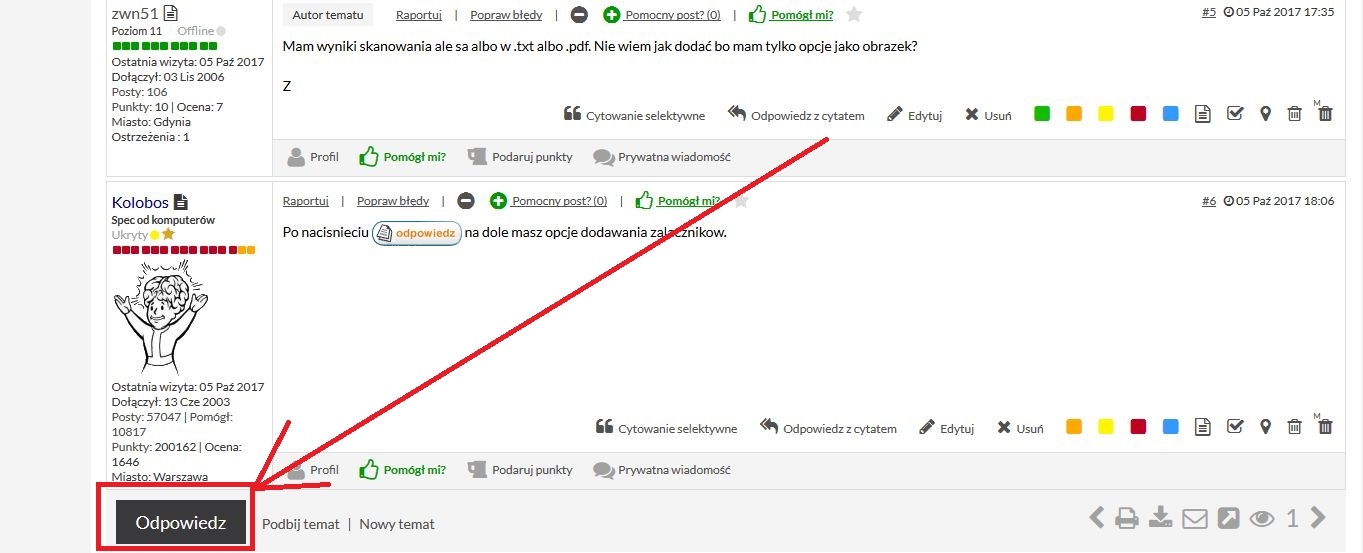
Use the Reply button, then add attachments from the options at the bottom of the compose page. Upload the original .txt files rather than PDFs to keep them readable. [Elektroda, Kolobos, post #16739880]
What is ESENT?
ESENT is the Windows Extensible Storage Engine used by system components. When it logs verification failures, a database like UnistoreDB may be corrupt, which can ripple into shell instability. Treat ESENT errors as actionable signals. [Elektroda, Kolobos, post #16741258]
What is UnistoreDB (store.vol) and why does it matter here?
UnistoreDB, located under AppData\Local\Comms, stores communications data for Windows apps. The log showed store.vol page verification failures. If Explorer or related components touch this data, corruption can trigger crashes during file operations. [Elektroda, Kolobos, post #16741258]
Did the original poster eventually solve it?
Yes. They returned later and confirmed the issue was fixed after following guidance and notes from a magazine (KS Special 1/2018), then closed the topic. [Elektroda, zwn51, post #16893770]
If uninstalling tools and cleaning didn’t help, what’s the next move?
Proceed with the FRST fixlist provided, then retest. If ESENT errors remain, back up and consider restoring the UnistoreDB from backup. Finally, evaluate hardware health if the same errors recur after software repairs. [Elektroda, Kolobos, post #16741258]
Is swapping the mouse enough to rule out peripherals?
No. The author swapped the mouse, and the crash still occurred after a ~2‑second delay. Swap both keyboard and mouse to isolate input issues fully. [Elektroda, zwn51, post #16737648]
Why avoid converting diagnostic logs to PDF?
PDFs bloat size and hinder review. Upload raw .txt outputs so helpers can parse and quote lines accurately and prepare precise fixlists. [Elektroda, Kolobos, post #16740849]