FAQ
TL;DR: Using a 2.5‑ton frog (trolley) jack, lift only at manufacturer‑designated jacking points; “Only in designated places.” [Elektroda, kortyleski, post #16747044]
Why it matters: This FAQ helps DIY car owners avoid crushed sills, failed supports, and paint damage when lifting a car at home.
Quick Facts
- Lift at the vehicle’s designated jack points; avoid random sill spots to prevent structural damage. [Elektroda, kortyleski, post #16747044]
- Place jack stands under rear spring mounts and the front suspension/subframe mounting area for stable support. [Elektroda, stanislaw1954, post #16748925]
- Avoid bricks as supports; they can crumble and fail under load. Use proper stands instead. [Elektroda, wojtek1234321, post #16747677]
- Use a thick rubber pad between saddle and body to protect paint and coatings. [Elektroda, stanislaw1954, post #16746871]
- Light-duty stands can feel too delicate above about 1.5 t; choose stands with sufficient rating. [Elektroda, freebsd, post #16748223]
Where can I safely place a Eurotec frog jack on my car?
Use only the manufacturer’s marked jacking points on the pinch welds or subframe areas. Do not lift elsewhere. “Only in designated places.” [Elektroda, kortyleski, post #16747044]
Where should I position jack stands after lifting?
Set stands under the rear spring mounts and, at the front, under the main suspension/subframe mounting points for load-bearing stability. [Elektroda, stanislaw1954, post #16748925]
Is it OK to lift anywhere along the sill if I use a rubber pad?
No. A rubber pad reduces cosmetic damage, but lifting must still be at the manufacturer’s designated jack points only. [Elektroda, kortyleski, post #16747044]
What should I put between the jack/stand saddle and the car?
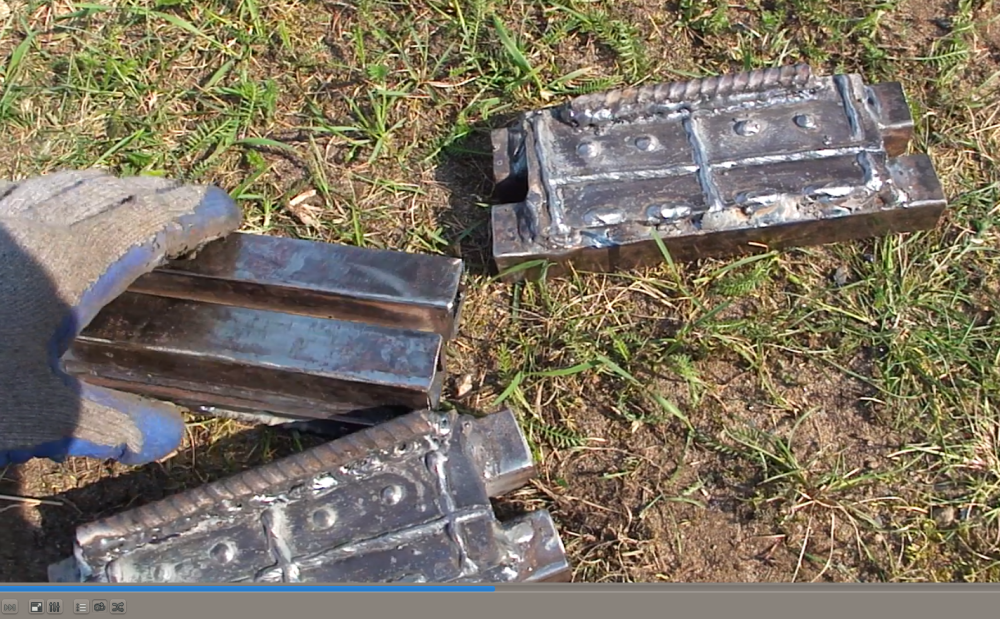
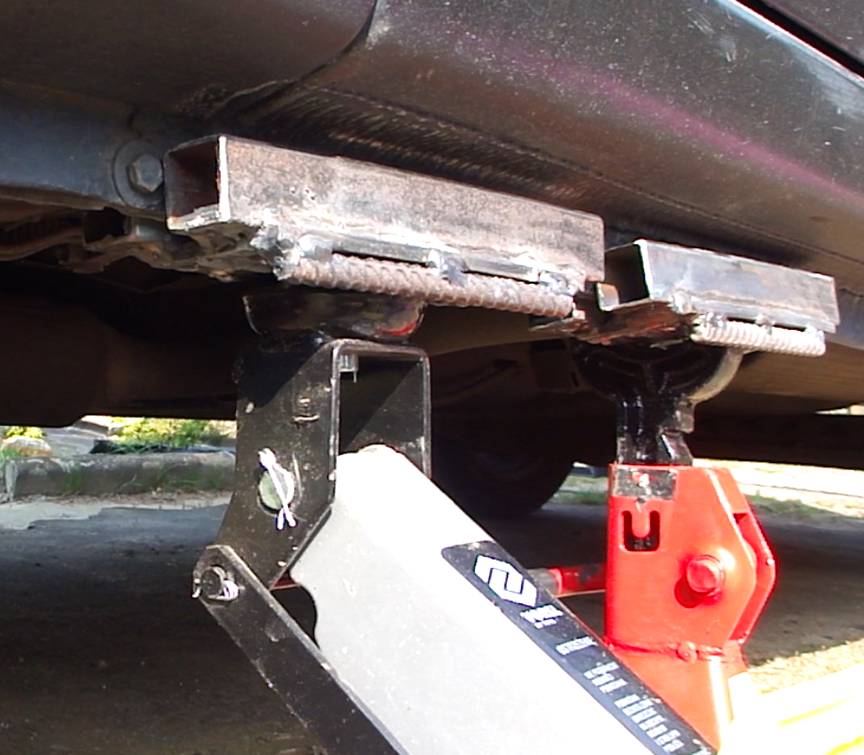
Use a thick rubber pad to prevent marring, or a purpose-made jack rubber. You can also fabricate metal adapters sized for the pinch weld. [Elektroda, freebsd, post #16748223]
Are bricks or wooden blocks safe as supports under a car?
Avoid bricks. They can crack and crumble under compressive load. As one user put it, “Bricks are not safe.” Use proper stands. [Elektroda, wojtek1234321, post #16747677]
Should I buy factory-made adjustable jack stands?
Yes. Adjustable stands are inexpensive and provide safer, repeatable support than improvised stacks or blocks for home maintenance. [Elektroda, lookashECL, post #16748178]
Are some jack stands too weak for heavier vehicles?
Yes. Light-duty stands can feel too delicate above about 1.5 tons. Select stands with a rating that exceeds your vehicle’s mass. [Elektroda, freebsd, post #16748223]
Will metal or wooden adapters scratch underbody coatings or paint?
Yes. Pads and adapters can mark coatings. Inspect and touch up any scratches with protective paint to prevent corrosion, especially before winter. [Elektroda, freebsd, post #16748539]
Is a concrete garage floor suitable for using this frog jack?
Yes. Concrete provides a hard, stable base. On softer ground, add a larger base plate and a rubber top layer to protect surfaces. [Elektroda, stanislaw1954, post #16746871]
Can I make a slotted wooden block for pinch‑weld lifting?
You can, but wood can still mar coatings. Purpose-made rubber pads or robust metal adapters shaped for the weld give better durability. [Elektroda, freebsd, post #16748223]
How do I lift and support the car step‑by‑step with a frog jack?
- Position the jack at a manufacturer‑designated lifting point and raise the vehicle.
- Place stands under approved support points at the axle or subframe.
- Lower the vehicle onto the stands and keep the jack as a secondary safety. [Elektroda, kortyleski, post #16747044]
Can I support the car at both the front and rear? Where exactly?
Yes. At the rear, set stands under spring mounts. At the front, use the area where the front suspension or subframe mounts to the body. [Elektroda, stanislaw1954, post #16748925]
Are DIY solutions like modified office chairs acceptable as trestles?
One user built adjustable trestles from office chair mechanisms with C‑profiles, rubber pads, and locking bolts. Ensure solid locking and rubber contact surfaces. [Elektroda, vodiczka, post #16748489]