FAQ
TL;DR: Bosch Logixx 8 inverter failures often burn the LNK304 and “three resistors”; experts warn “the module needs to be replaced.” [Elektroda, cezet, post #16861471]
Why it matters: This FAQ helps DIYers diagnose F57 errors, confirm PSU faults, and decide between board repair and full module replacement.
Quick Facts
- Symptom: F57 persists even after replacing visibly burnt parts. [Elektroda, yoshi62, post #16861145]
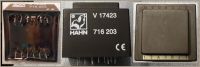
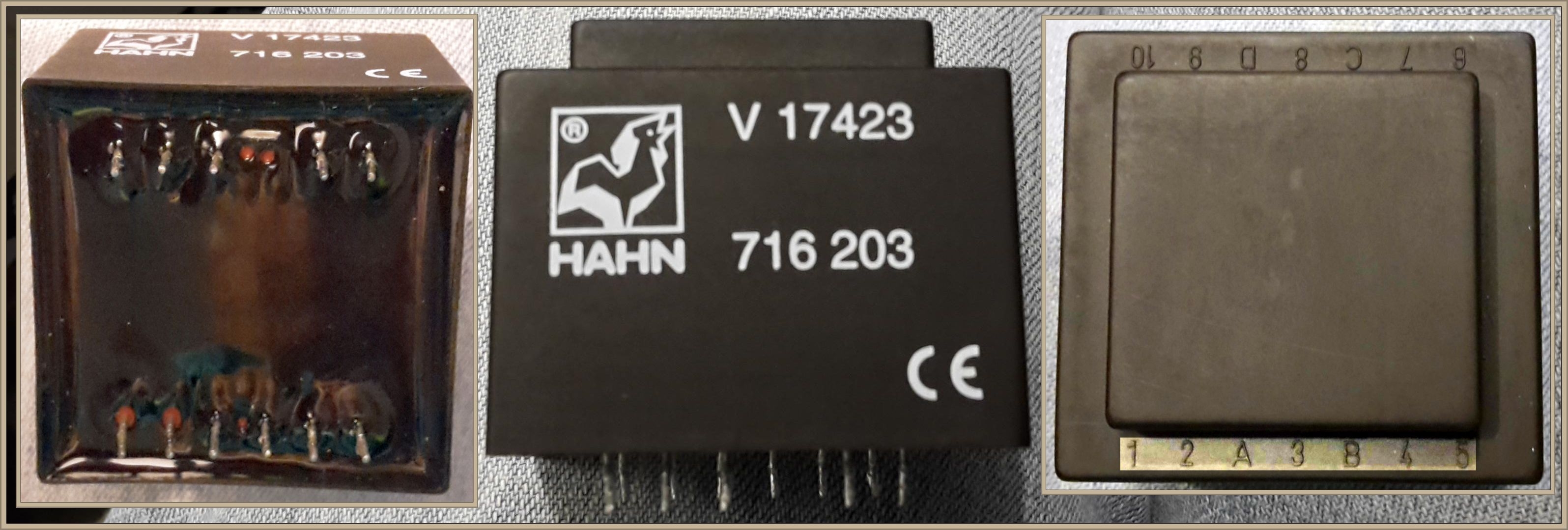
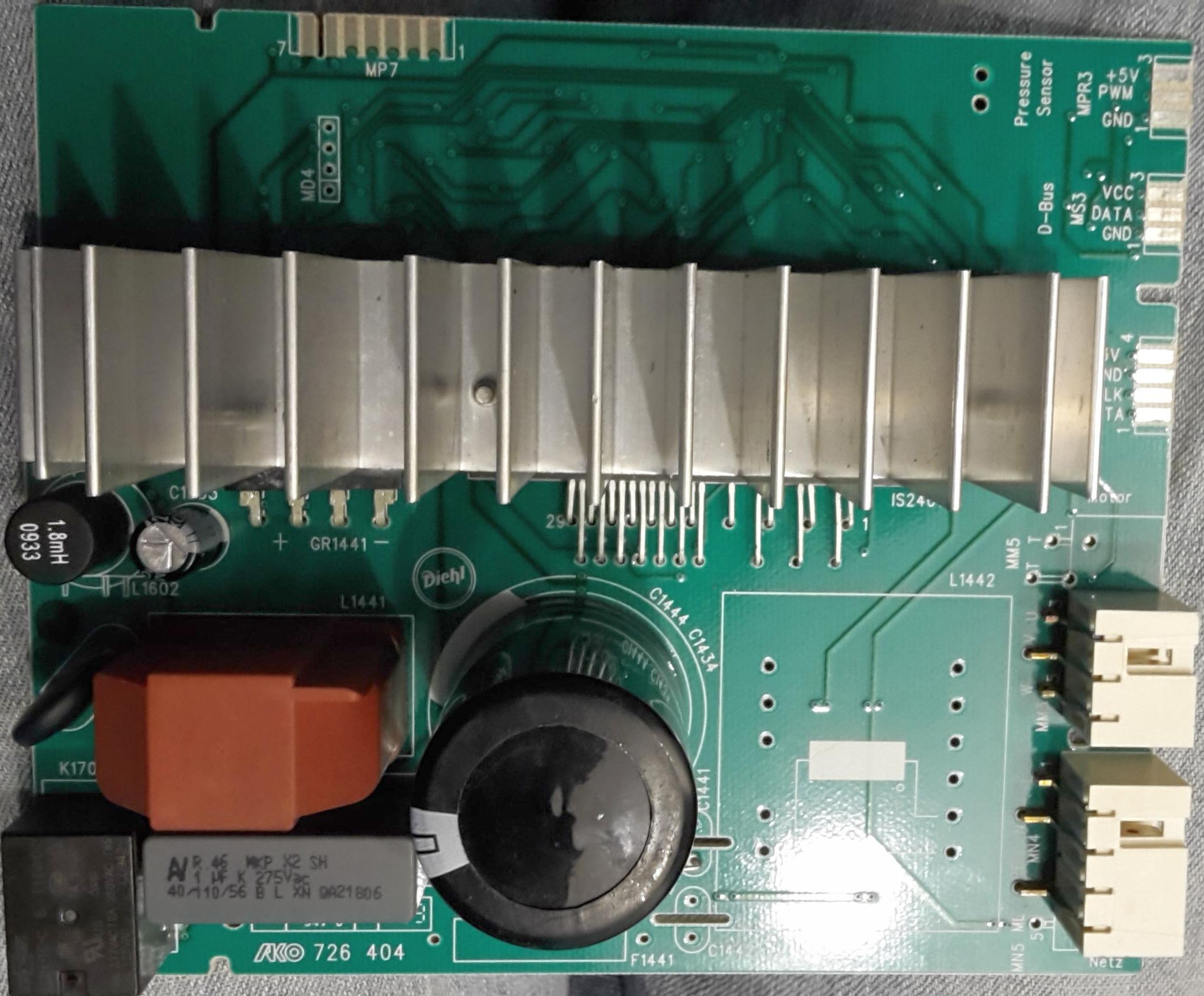
- The Hahn V17423 part on this board is an EMI choke, not a transformer. [Elektroda, POL02, post #16861655]
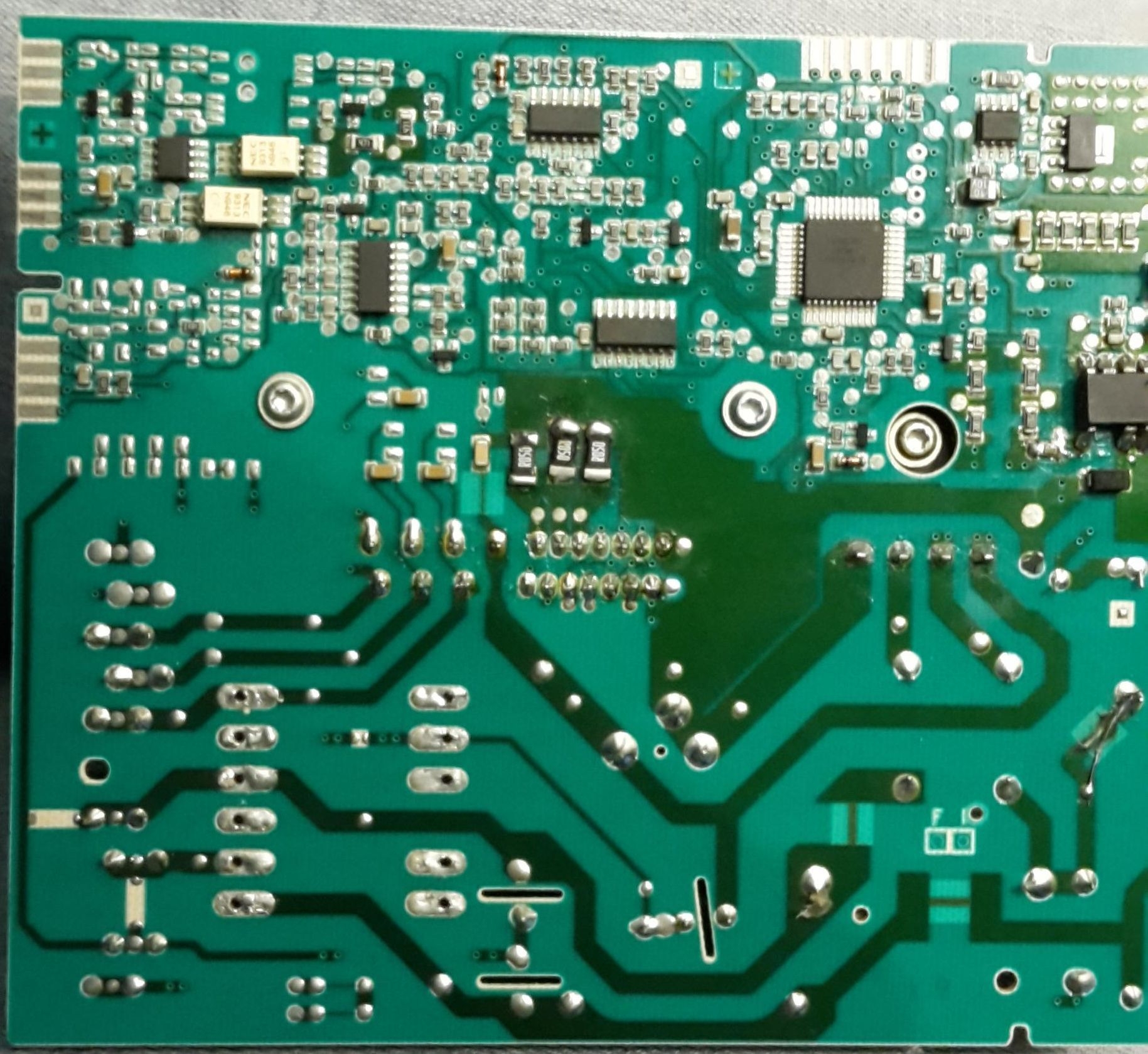
- Typical damage set: LNK304 switcher plus three series resistors in the PSU area. [Elektroda, cezet, post #16861471]
- If the converter blows, the CPU is usually taken out as well. [Elektroda, POL02, post #16864616]
- Field reading reported: 15 V present where 5 V logic supply was expected. [Elektroda, yoshi62, post #16864869]
What does F57 mean on a Bosch Logixx 8 in this case?
On this machine, F57 stuck after an inverter event. The thread shows F57 persisted despite replacing burnt parts, pointing to a failed inverter power section. Use it as a cue to check the PSU, logic 5 V rail, and motor control board for damage. [Elektroda, yoshi62, post #16861145]
Is the Hahn V17423 actually a transformer?
No. The part identified as Hahn V17423 on this board functions as an EMI choke in the input filter, not a step-down transformer. Treating it as a transformer leads to dead-end measurements because you won’t find primary/secondary windings. “It is probably a choke of the anti-interference filter.” [Elektroda, POL02, post #16861655]
Which components typically fail when this inverter goes down?
Experienced repairers flagged the LNK304 switcher IC and three resistors as the usual casualties. Once those go, downstream logic and supply rails become suspect. Many users choose board replacement at this stage to avoid chasing collateral damage. [Elektroda, cezet, post #16861471]
Where do I measure the 5 V rail to confirm the PSU is alive?
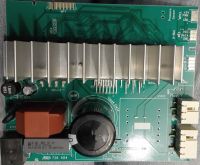
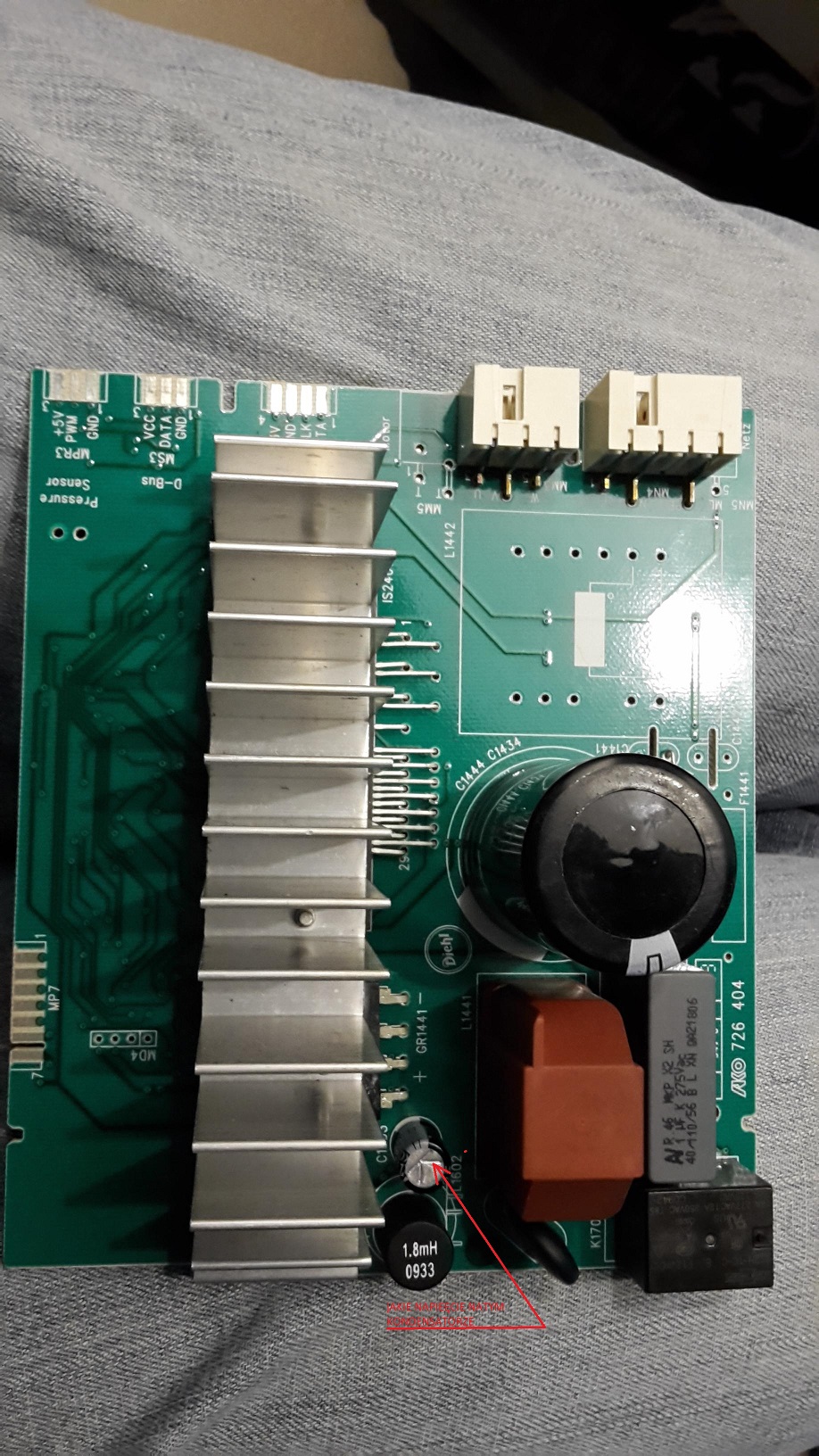
Probe the capacitor highlighted near the converter section and confirm 5 V reaches the microcontroller supply pins. Lack of 5 V at the MCU means the PSU is still down or there’s a shorted load. “I marked the converter system and the capacitor on which the voltage should be measured.” [Elektroda, POL02, post #16861775]
I see 5 V in and 0 V out of a regulator—what does that imply?
That points to a hard short or an overcurrent shutdown on the regulator’s output, often caused by a damaged microcontroller. The advisor’s guidance was to verify at the processor because it’s likely failed. Replace or isolate the load to retest. [Elektroda, cezet, post #16864603]
Can a blown converter kill the CPU on this module?
Yes. Technicians report that when the converter dies, the processor often dies with it. Overvoltage or surge conditions propagate into logic rails, rendering the MCU nonfunctional. “When the converter system is damaged, the processor is damaged.” [Elektroda, POL02, post #16864616]
I measured 15 V on the output—shouldn’t it be 5 V?
Correct, logic rails must be 5 V. A measured 15 V indicates regulation loss or misrouting, and can destroy the MCU and decoupling parts. In the thread, 15 V coincided with a shorted small capacitor callout. Power down before further tests. [Elektroda, yoshi62, post #16864869]
Is it worth repairing the board, or should I replace the whole module?
Pros in the thread recommend module replacement once the LNK304 and resistors burn, due to likely MCU damage and hidden faults. As one expert put it, “the module needs to be replaced.” This often saves time versus piecemeal repair. [Elektroda, cezet, post #16861471]
Can I simply replace and program a new CPU myself?
Replacement demands the exact programmed firmware image and suitable tools. The expert challenge was direct: “I’m curious how and what you program the new one.” Without the OEM image, success is unlikely. Most go for a complete module. [Elektroda, cezet, post #16865050]
What hidden faults should I check besides the obvious burns?
Inspect for charred vias and broken through-hole transitions between PCB layers. The thread documents a burned interlayer via that blocked proper supply routing. Edge case: such a via can read fine from one side yet fail under load. [Elektroda, yoshi62, post #16864869]
How do I quickly triage this inverter board?
- Verify AC input filtering and confirm the EMI choke isn’t open.
- Check the converter area (LNK304 and series resistors) and measure the marked capacitor.
- Confirm a stable 5 V at the MCU; if absent or high, suspect the CPU and plan for module replacement. [Elektroda, POL02, post #16861775]
Are official schematics available for this inverter module?
None were available to the thread participants. One repairer worked “in the dark” without a schematic and had to trace power paths manually. Expect reverse-engineering time if you pursue component-level repair. [Elektroda, yoshi62, post #16861679]
What is the LNK304PN doing on this board?
It is the small offline switcher that forms the low-voltage power supply feeding the logic and inverter control. In this case, it was replaced along with other PSU parts before further checks of the 5 V rail and MCU health. [Elektroda, POL02, post #16861655]
A tiny capacitor near the PSU reads short—what next?
Shorted decoupling capacitors often appear after overvoltage. Remove power, lift one leg to verify the short, and check for 5 V rail recovery. Investigate for upstream faults that caused the stress before replacing the cap. [Elektroda, yoshi62, post #16864869]