FAQ
TL;DR: Lenovo build: 1× PCIe x1, 1× PCIe x16, 2× PCI; “PCI Express is not backward compatible with PCI.” A PCIe‑to‑PCI bridge plus a riser lets you add one more PCI sound card; otherwise replace the board/case. “PCI Express”.
Why it matters:** Musicians ask how to run three legacy M‑Audio PCI cards on modern PCs with limited slots; this FAQ shows workable paths and limits.
For: Home‑studio users, techs, and DIY PC builders trying to install M‑Audio Delta 1010/1010LT on Lenovo desktops with too few PCI slots.
Quick Facts
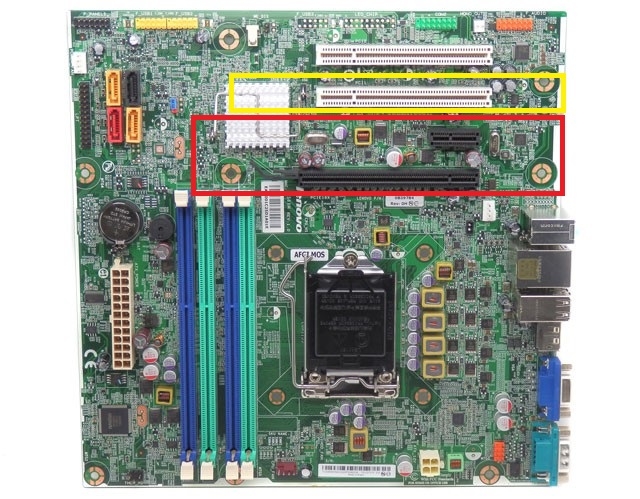
- Reported Lenovo layout: 1× PCIe x1 (free), 1× PCIe x16 (GPU), 2× PCI (one free). [Elektroda, greg_155, post #16914283]
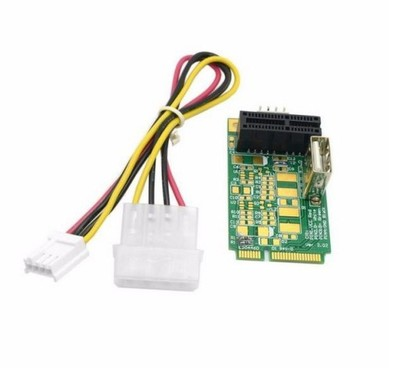
- PCIe x1→PCI bridge cards exist; many require Molex power for stability. [Elektroda, enhanced, post #16914357]
- A flexible PCIe x1 riser can create clearance beneath a dual‑slot GPU. [Elektroda, pawelr98, post #16914766]
- Multiple replies recommend swapping motherboard/case when space or slots run out. [Elektroda, zen3x, post #16915797]
Can I run three M‑Audio PCI cards with only two PCI slots?
Yes. Use the second PCI slot for one card, then add a PCIe x1→PCI bridge for the third. You may also need a PCIe x1 riser to clear the GPU. This setup was suggested and noted as workable if you can physically route the riser and power the bridge. [Elektroda, pawelr98, post #16914766]
Are PCI and PCIe directly compatible with a simple adapter?
No. They are different buses. A passive adapter will not work. You need an active bridge controller that translates between PCIe and PCI signaling. As one expert put it, “A bus controller is required for the transition from pci to pci‑e.” [Elektroda, szwagros, post #16914783]
Will a PCIe x1→PCI bridge act like a normal PCI slot?
Usually it enumerates as a standard PCI bus, and many PCI cards function normally. Reliability depends on the bridge chipset, drivers, and power. Choose models with external Molex power and plan cable management. Test each audio card individually before stacking. [Elektroda, enhanced, post #16914357]
How do I physically fit the bridge when my GPU blocks slots?
Use a PCIe x1 riser to move the bridge away from the GPU shroud. Flexible ribbon risers can tuck under or around the graphics card area. Secure the bridge and card to avoid mechanical strain. [Elektroda, pawelr98, post #16914766]
What is a PCIe‑to‑PCI bridge?
It’s an active interface card that presents a legacy PCI bus behind a PCIe link. The OS sees a downstream PCI bus through the bridge. This enables older PCI peripherals to run on newer motherboards lacking native PCI. “PCI Express”.},{
Do these bridges need extra power?
Many units include a Molex connector to supply 5V/12V to the PCI slot. Connect it to avoid brownouts or instability under load. Lack of supplemental power is a common failure point during audio recording. [Elektroda, enhanced, post #16914357]
Is replacing the motherboard or case the better long‑term fix?
Yes, if you need multiple full‑height legacy cards and clean airflow. Several contributors advised upgrading the board and/or chassis instead of forcing a cramped layout. One summed it up: “Better change the board.” [Elektroda, zen3x, post #16915797]
What is a riser cable?
A riser is an extension that relocates a slot away from the motherboard position. Here, a PCIe x1 riser lets you position the PCIe→PCI bridge where it fits safely, improving clearance under a large GPU. [Elektroda, enhanced, post #16914467]
Any real‑world outcome from this thread?
Yes. The original poster ultimately replaced the computer, closing the topic after considering bridges and risers. Upgrading solved both slot count and space constraints. [Elektroda, greg_155, post #16937969]
Quick 3‑step: How do I add a third PCI sound card?
- Install a PCIe x1 riser in the free x1 slot.
- Connect a PCIe→PCI bridge to the riser and power it via Molex.
- Insert the third M‑Audio card, secure, then install drivers and test. [Elektroda, pawelr98, post #16914766]
What bandwidth does a PCIe x1 link provide for a bridge?
Approx. 250 MB/s for Gen1 per lane, which is ample for control traffic to a single PCI audio card. Audio throughput largely rides the card’s own DMA, not bulk disk I/O over the slot. “PCI Express”.
What edge cases should I expect with audio cards behind a bridge?
Drivers may not enumerate correctly behind some bridge chipsets. Power or IRQ routing can also cause dropouts. If you hit detection issues, reduce to one card, update drivers, and test another bridge model. When stability matters most, replace the motherboard. [Elektroda, zen3x, post #16915797]
Can I just buy an adapter and be done?
An adapter alone is not enough if it only changes the connector. You need a controller‑based bridge, not a passive piece. Several replies warned that signal translation is required for PCI↔PCIe. [Elektroda, szwagros, post #16914783]