logo elektroda
logo elektroda
X
logo elektroda

Renault Clio II ph 2 - The steering wheel turns hard and does not straighten

zbyszek100 18429 16
Best answers

Why does the steering wheel on a Renault Clio II turn hard and fail to return to center after a turn?

The most likely cause is a mechanical binding point in the suspension/steering, especially the McPherson top bearing or the steering rack/column area, not the power steering itself [#17049648] [#21080561] Check whether the strut tops rotate freely while someone turns the wheel; if they move in jerks, the bearing should be replaced [#17049648] Also inspect under the rubber boots on the steering rack/gearbox for rust or rubbing, and lubricate/check the joints and covers carefully [#21080561] The steering should turn almost by itself when the front wheels are lifted, so if you still feel resistance there is a fault somewhere in the steering/suspension linkage [#21080561]
Generated by the language model.
ADVERTISEMENT
Treść została przetłumaczona polish » english Zobacz oryginalną wersję tematu
  • #1 17049485
    zbyszek100
    Level 18  
    Posts: 861
    Help: 1
    Rate: 206
    Hello, toy car Clio II 1.2 75 HP 55 kW petrol. I have a problem with the steering wheel, it turns hard and when turning while driving does not return to its place, does not straighten. I noticed it only when changing to other Clio, the same model, it works like a rocket. The problem was already a year ago, but the steering wheel returned to 45 degrees. This winter, I noticed that the problem got worse, now it doesn't come back at all, I have to straighten it myself, and when it comes back I jump more than smooth movement. Nothing knocks on the steering wheel. What could be the reason?
  • ADVERTISEMENT
  • #2 17049648
    MUSZKA-ALA
    Level 13  
    Posts: 46
    Help: 7
    Rate: 27
    Pillow with column bearing MC Pherson front NISSAN KUBISTAR; RENAULT CLIO II, KANGOO, THALIA, TWINGO II 1.1-1.9D 08.97-
    MONROE
    Number:
    MONMK100

    Open the bonnet, one person turns the steering wheel the other looks whether the goblets from the persona bw column freely twist. As it goes in leaps and bounds, it needs to be replaced. Repair time about 2 hours per page. Greetings.
  • ADVERTISEMENT
  • #3 17052445
    zbyszek100
    Level 18  
    Posts: 861
    Help: 1
    Rate: 206
    The wheel turns nicely, smoothly together with the spring. This can be ruled out. Steering column cross faded?
  • #4 17052467
    Doktorr
    Level 35  
    Posts: 2427
    Help: 286
    Rate: 1090
    A system with or without support? If power-assisted then what electro-hydraulic or electric?
  • #6 17052516
    Doktorr
    Level 35  
    Posts: 2427
    Help: 286
    Rate: 1090
    See if these items are in the car and if there is liquid in the reservoir.
  • #7 17052747
    zbyszek100
    Level 18  
    Posts: 861
    Help: 1
    Rate: 206
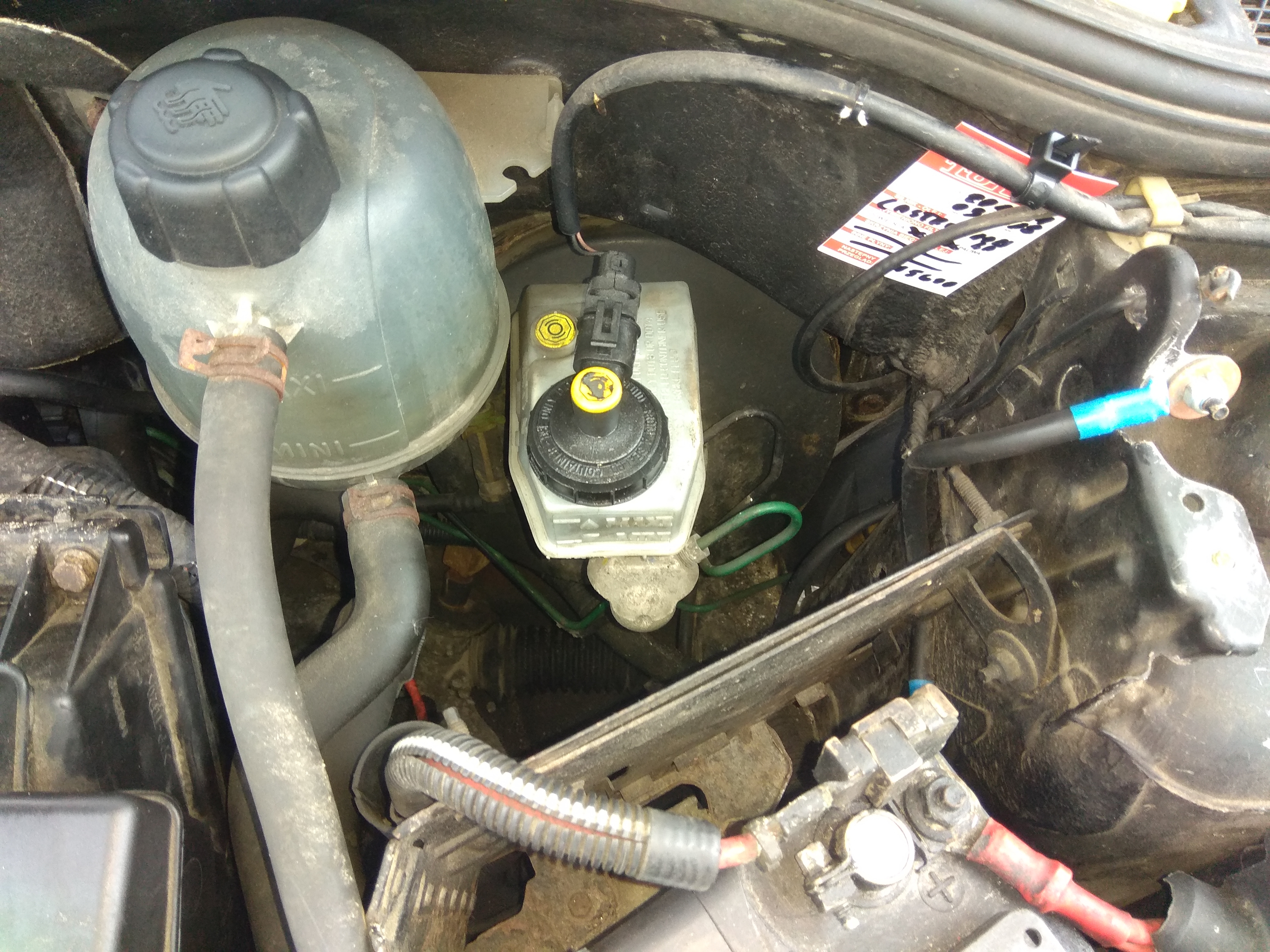
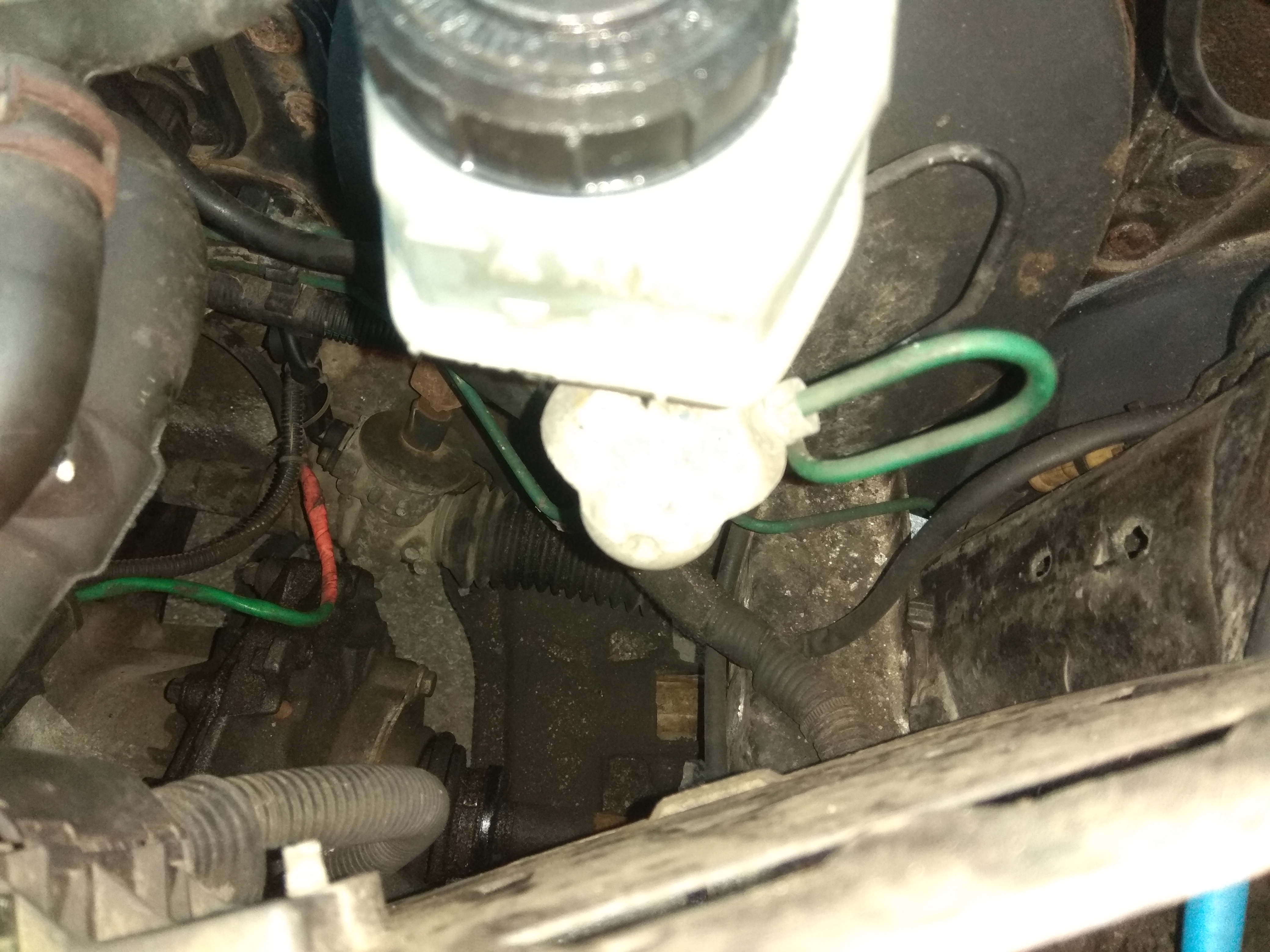
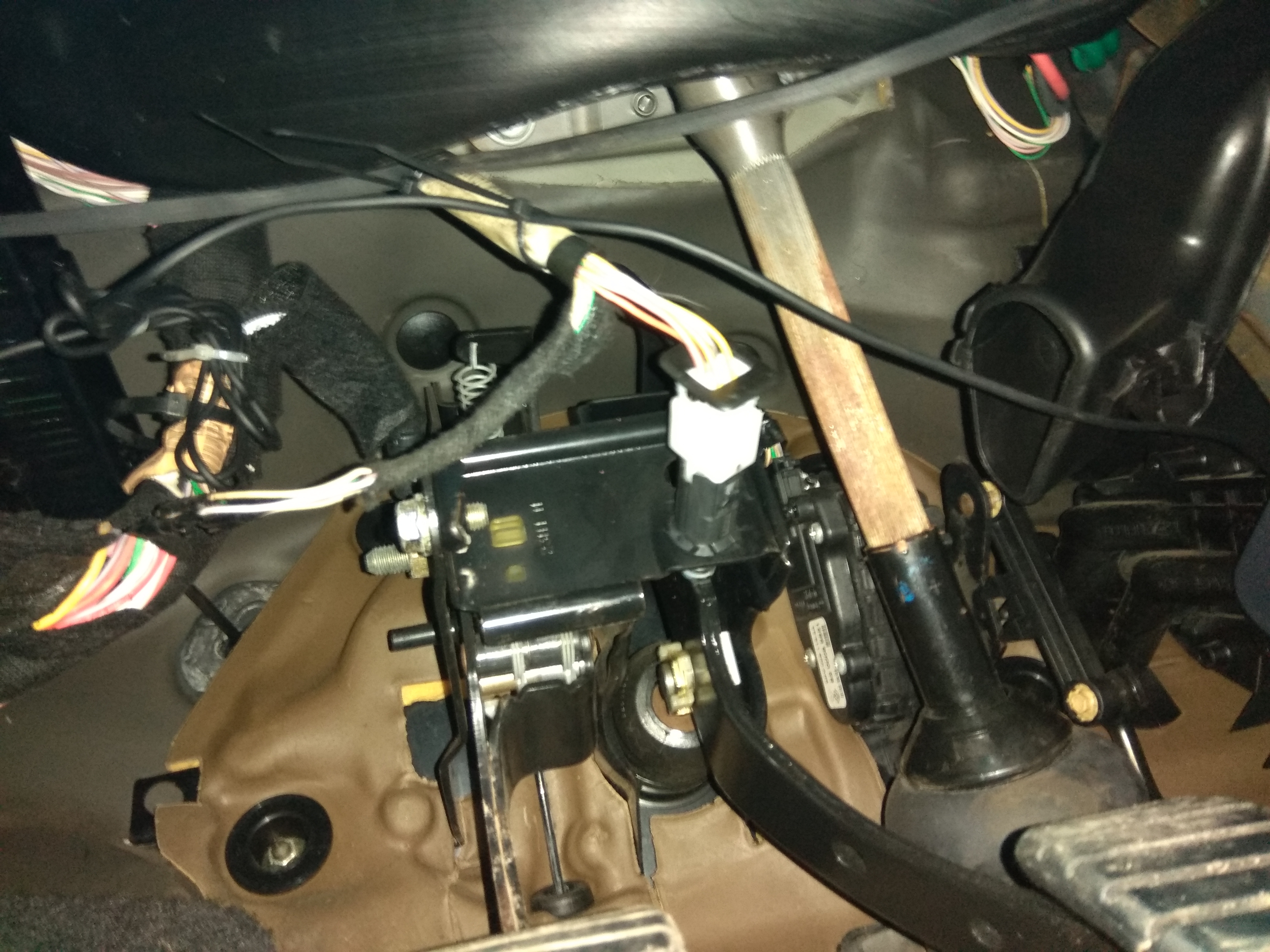
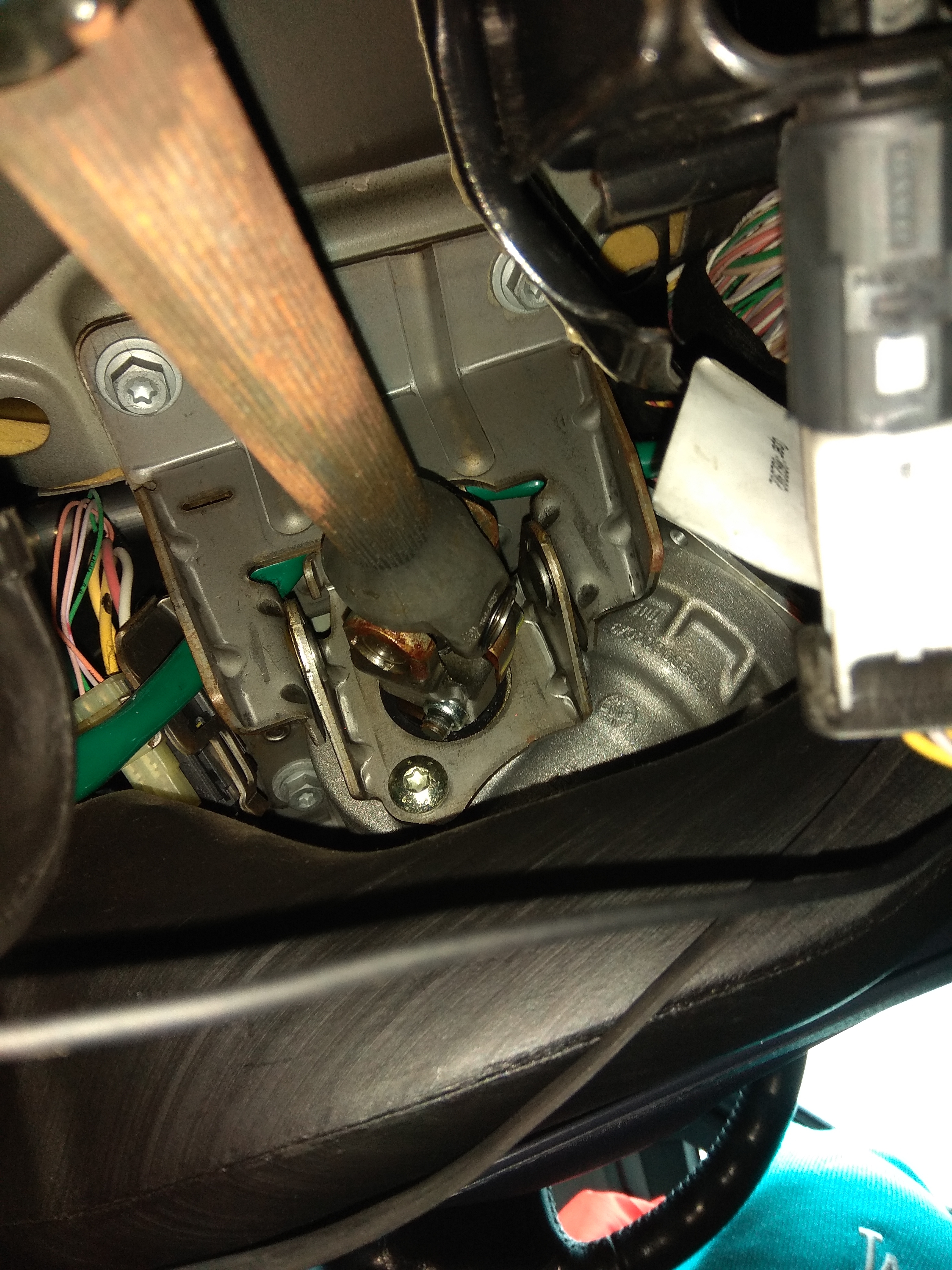
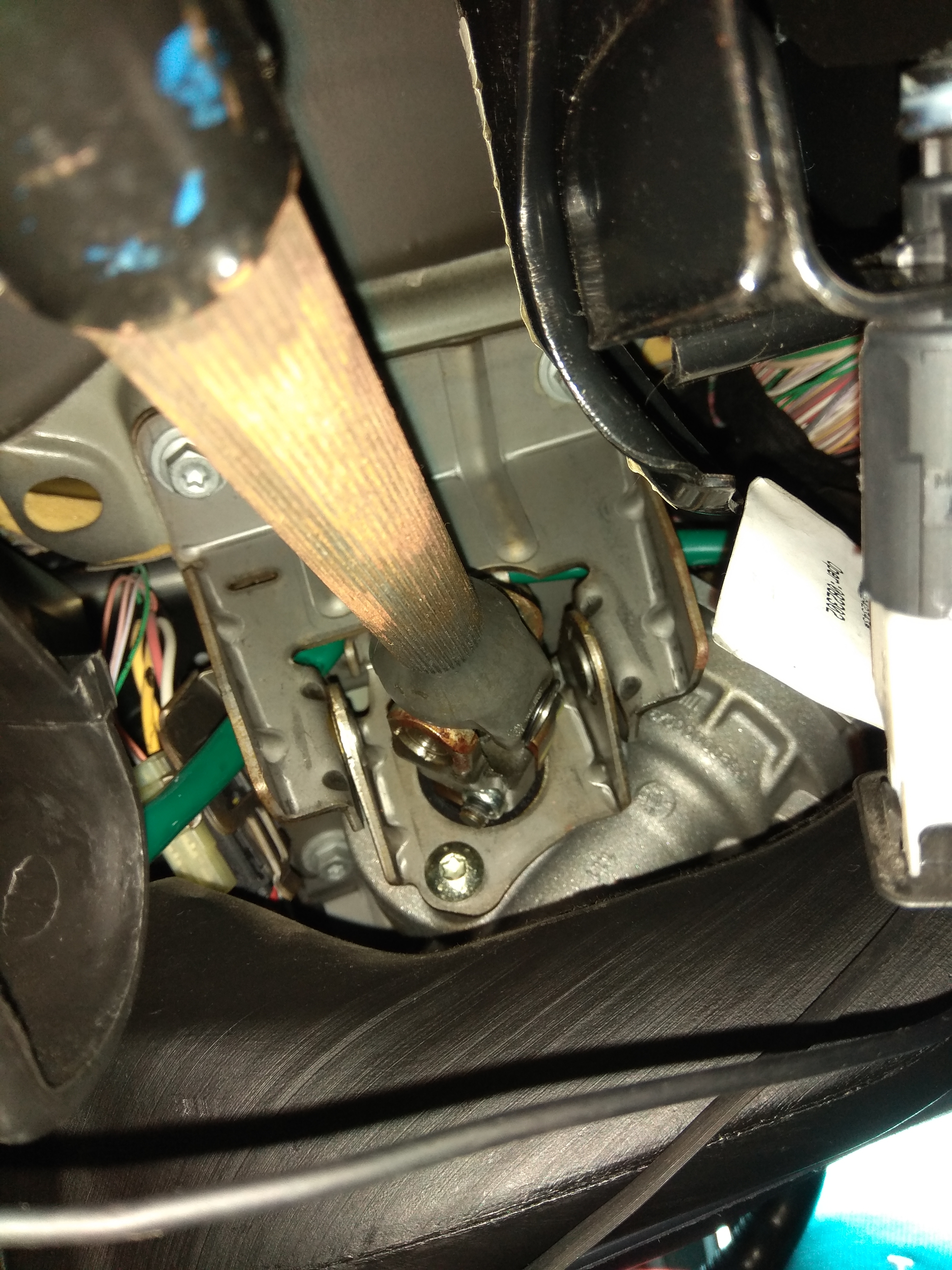
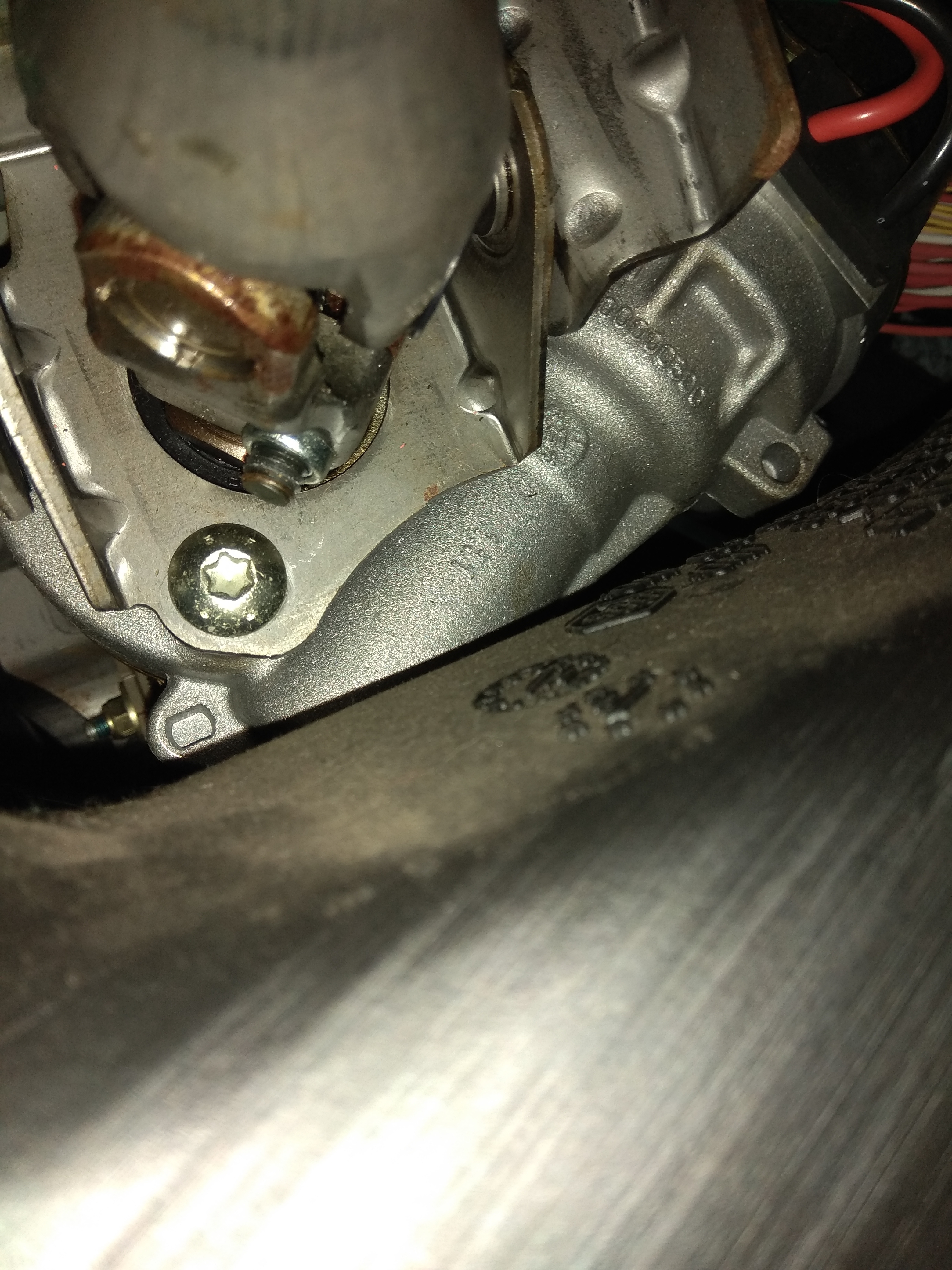
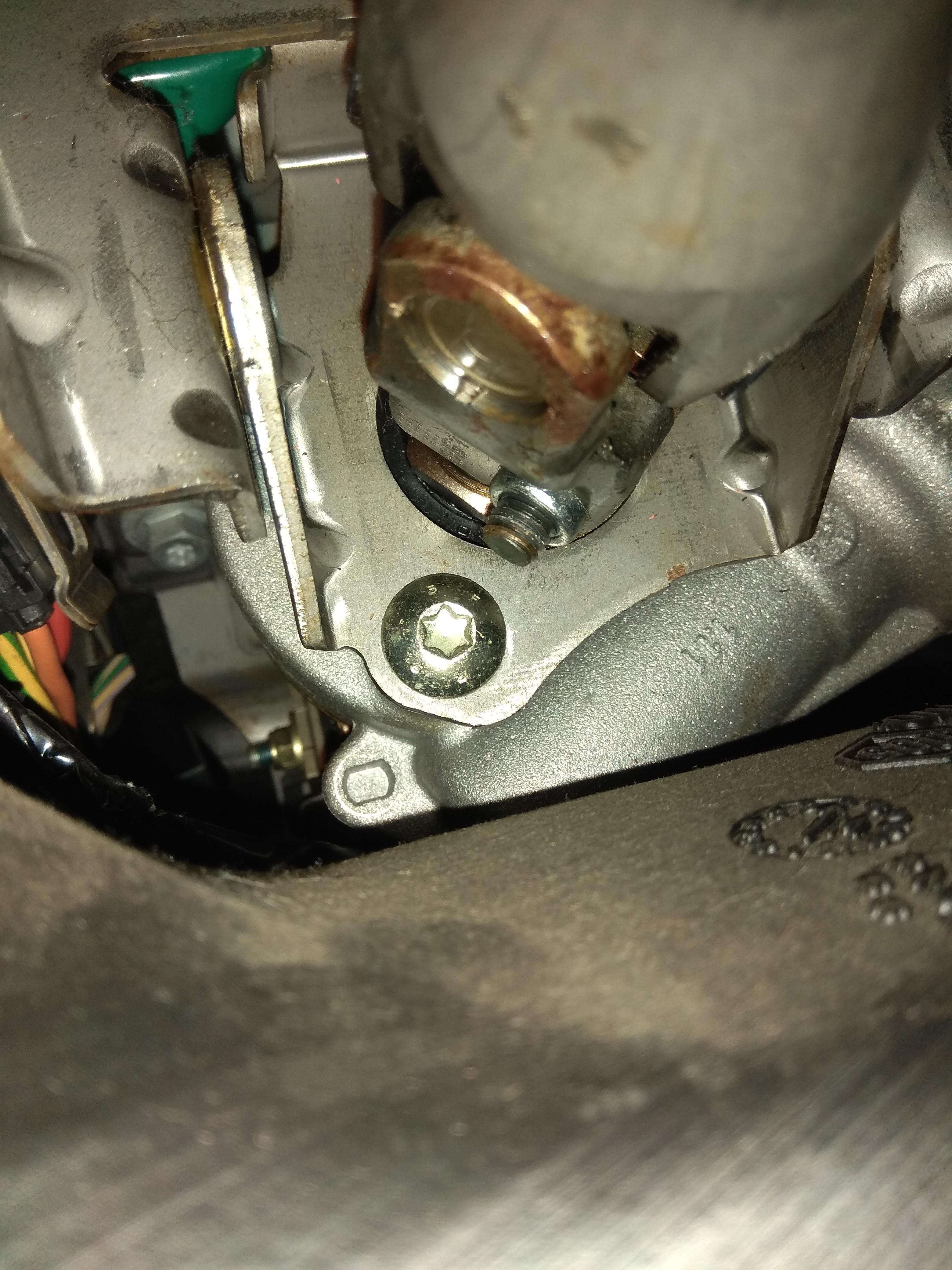
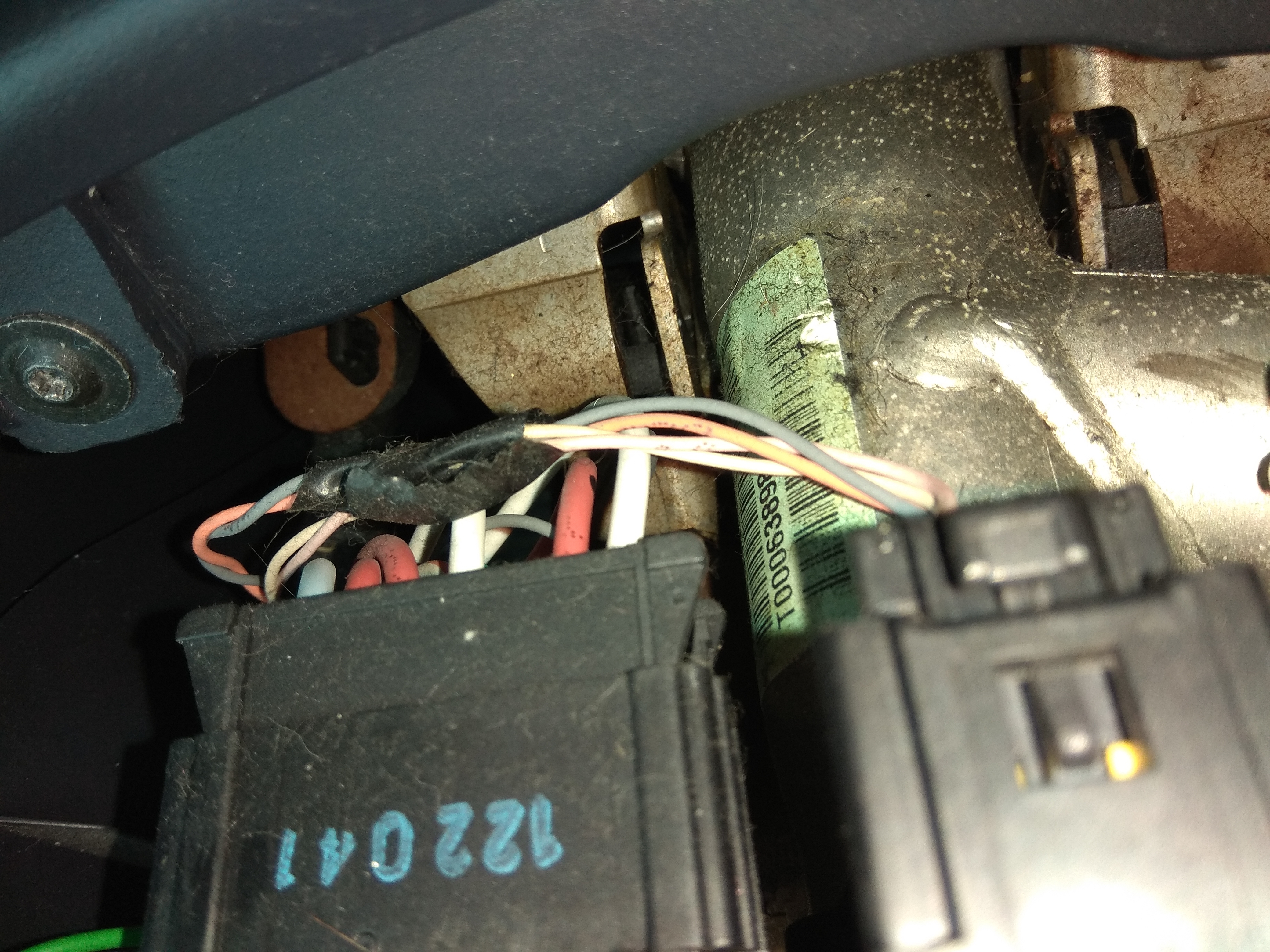
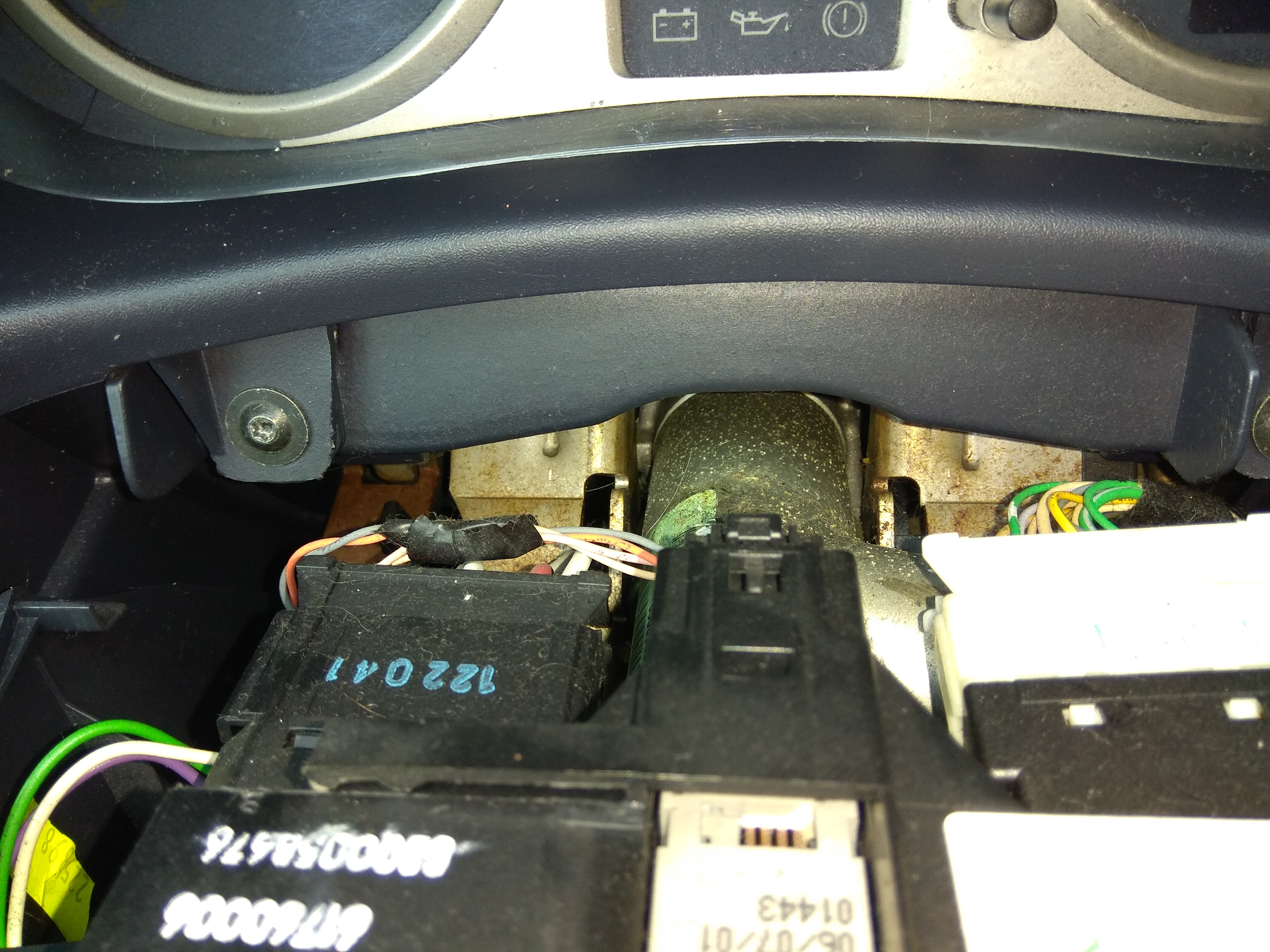
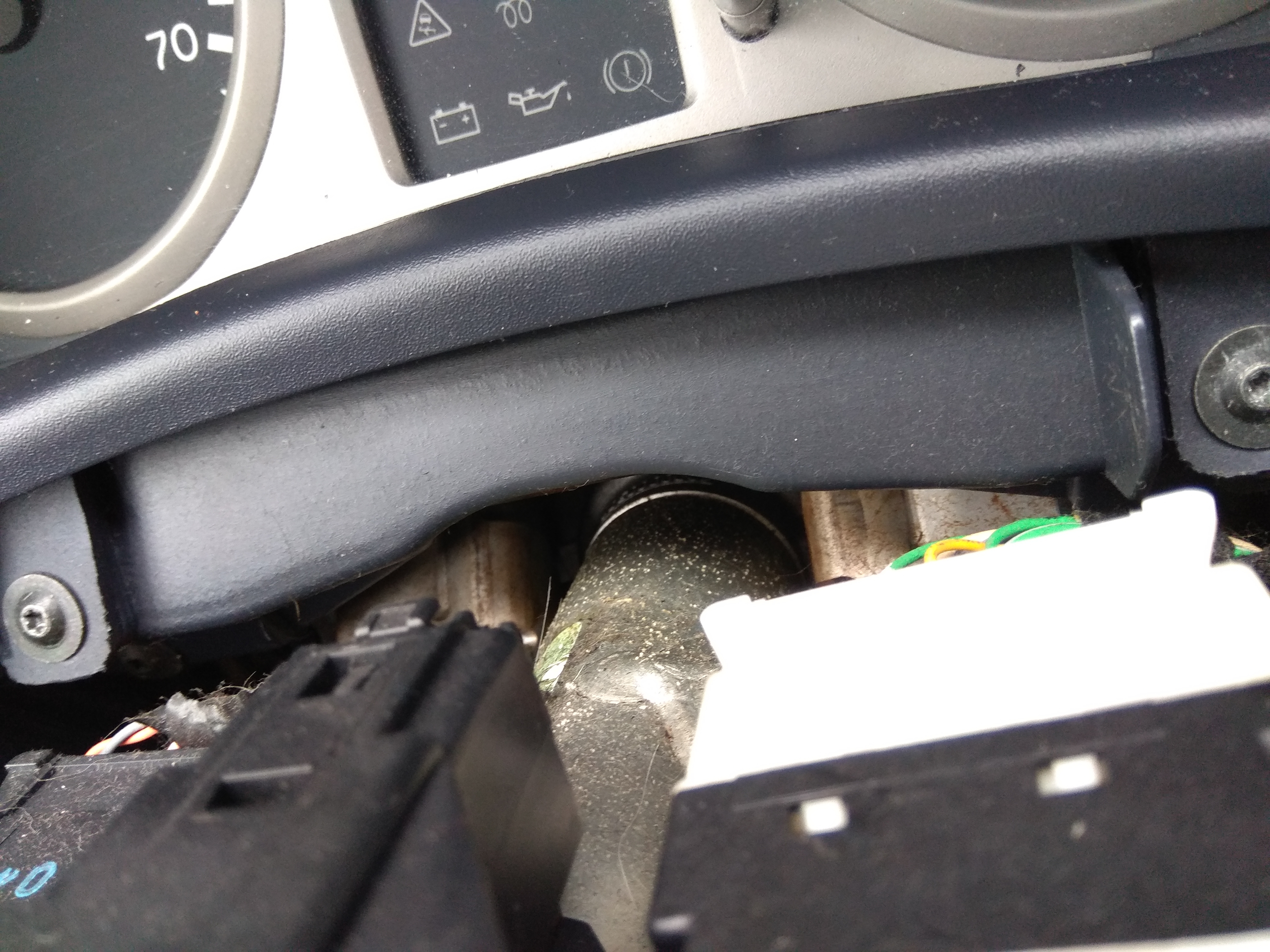
    I took pictures quickly, I had little time I could not remove the bottom case, and probably there would be the most.

    Renault Clio II ph 2 - The steering wheel turns hard and does not straighten Renault Clio II ph 2 - The steering wheel turns hard and does not straighten Renault Clio II ph 2 - The steering wheel turns hard and does not straighten Renault Clio II ph 2 - The steering wheel turns hard and does not straighten Renault Clio II ph 2 - The steering wheel turns hard and does not straighten Renault Clio II ph 2 - The steering wheel turns hard and does not straighten Renault Clio II ph 2 - The steering wheel turns hard and does not straighten Renault Clio II ph 2 - The steering wheel turns hard and does not straighten Renault Clio II ph 2 - The steering wheel turns hard and does not straighten Renault Clio II ph 2 - The steering wheel turns hard and does not straighten

    Added after 34 [seconds]:

    I don't have a tank
  • ADVERTISEMENT
  • #8 17053012
    brani
    Level 17  
    Posts: 223
    Help: 19
    Rate: 112
    McPerson bearing for replacement
  • #9 17053172
    Doktorr
    Level 35  
    Posts: 2427
    Help: 286
    Rate: 1090
    As you can see the electric support. You need to connect the diagnostic computer with the support module to see if there are errors and what.
  • #10 17053377
    zbyszek100
    Level 18  
    Posts: 861
    Help: 1
    Rate: 206
    brani wrote:
    McPerson bearing for replacement


    And this does not manifest itself in the fact that the spring knocks, haunts, harder to walk?

    For me it works smoothly, because cupids, springs and bearings have recently been replaced.
  • #12 21080472
    artur5008
    Level 2  
    Posts: 8
    Rate: 2

    Hello, did you find this power steering fluid reservoir? I wanted to attach to my Clio and have the same as yours.
  • #13 21080529
    mariukonie
    Level 31  
    Posts: 1293
    Help: 196
    Rate: 370
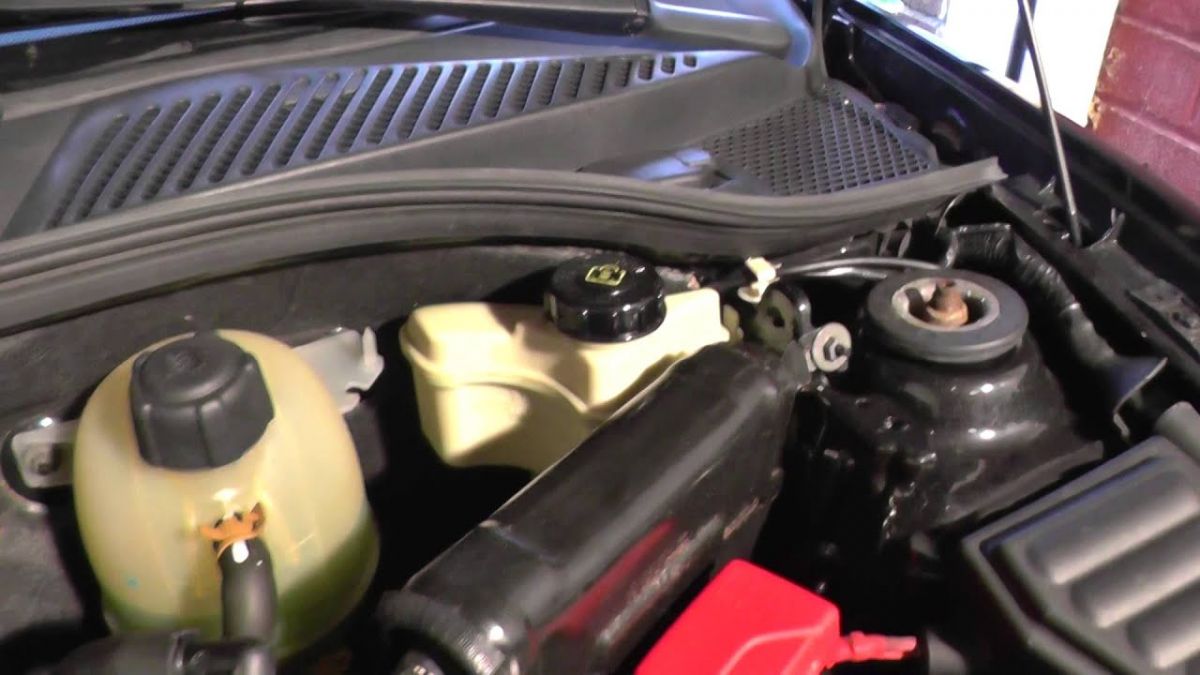
    The tank is here
    View of a car engine compartment with visible fluid reservoirs. .
  • ADVERTISEMENT
  • #14 21080561
    m2606
    Level 34  
    Posts: 2606
    Help: 168
    Rate: 543
    You need to look under the rubbers on the steering rod/gearbox and check for rust.
    Loosen the covers on the side of the gearbox, turn the wheels so that you can see as much as possible, and even if it is ok, lubricate it prophylactically.Such a defect is immediately revealed by lifting the car with two wheels.The steering wheel should then go practically by itself, and if you need to use any force, you can be sure of it.Other faults relating to the gearbox with the electric steering causing the lack of straightening of the wheels, and not giving other symptoms, are rather beyond the scope of your repair capabilities and it is better that you do not dig around there.
    Another element is the pins, they can also cause such a situation, but with this type of suspension it is extremely rare, applies to cars that are not driven much, and in addition, the problem quickly disappears in favor of play and it happens quickly.The fact that the steering wheel does not return, is certainly not caused by a defect in the power steering and I would not even look there.
    The power steering only works when a greater torque is required on the steering wheel, until then there is nothing there to help because there is no need for it.
    The power steering is a tracking system, you need to turn the steering wheel a fraction of a degree to activate the actuator or motor in the case of an electric system.The wheels should return by themselves without touching the steering wheel, just as in a car without power steering.Connecting to any computers in this case does not make any sense.
    I don't bet on it,but it wouldn't hurt to check the rubbers well,because it is their leakage that gives such a result.
    From experience I know that 99% of damage to all components equipped with a ball joint begins with a broken cover.
    It would be good to get to grips with the subject, because any fault that causes resistance, ends only in two ways, namely rapid wear and play or blockage.
    The cause may also be the suspension geometry and contrary to popular opinion does not necessarily then eat the tyres .
    What about the column bearings themselves, I advise you to check on the ground and do not lift the car.
  • #15 21080897
    artur5008
    Level 2  
    Posts: 8
    Rate: 2

    it should be there, but I don't have it, just like in your picture above
  • #16 21080916
    m2606
    Level 34  
    Posts: 2606
    Help: 168
    Rate: 543
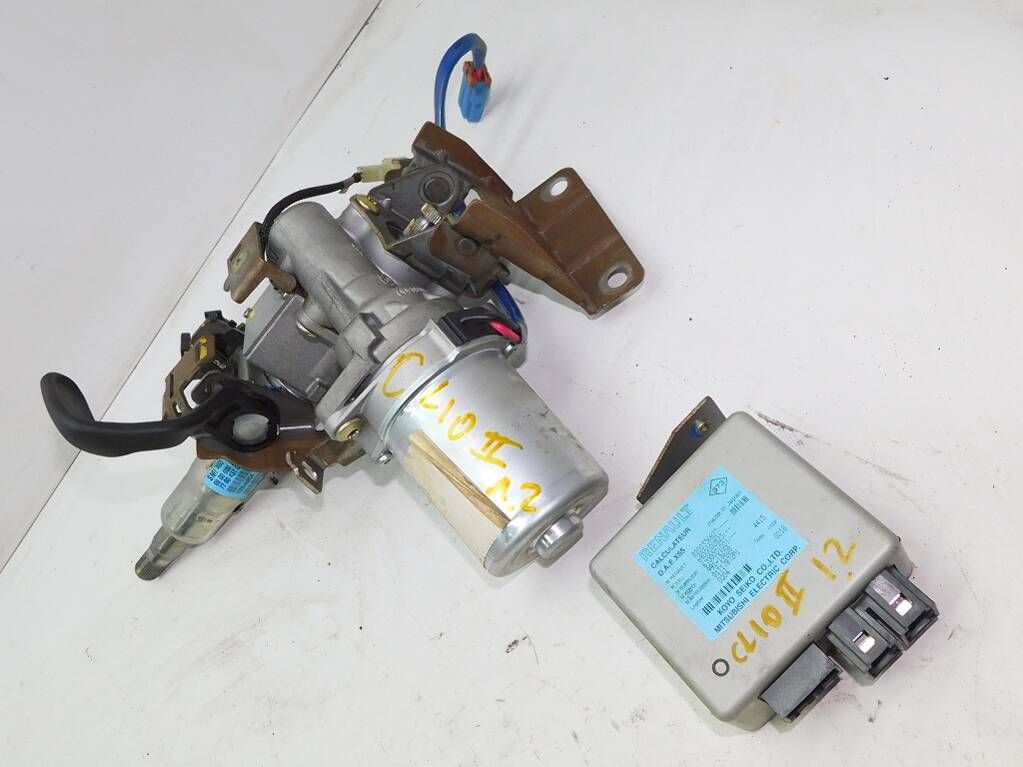
    Because you have such a thing in your car contained in the steering column
    Motor with gearbox and sensors from the steering column and electronic control module.
    You don't have a tank , because there is a motor with a gearbox and sensors, not a pump.
    This should also rotate loosely.
  • #17 21081693
    artur5008
    Level 2  
    Posts: 8
    Rate: 2
    Thank you very much for your answer Greetings

Topic summary

✨ The discussion revolves around a Renault Clio II 1.2 75 HP experiencing difficulty with the steering wheel, which turns hard and fails to return to the center after turns. Various potential causes are explored, including issues with the McPherson bearing, the steering column, and the power steering system. Users suggest checking for fluid levels in the power steering reservoir, inspecting the steering rod/gearbox for rust, and ensuring that the electric support system is functioning properly. Diagnostic checks with a computer are recommended to identify any errors in the support module. The conversation includes troubleshooting steps and links to images for reference.
Generated by the language model.

FAQ

TL;DR: On Clio II, 99% of steering resistance starts at torn boots or joints; "The steering wheel should then go practically by itself." Check strut-top bearings, rack boots, and whether you have electric column assist (no fluid tank). [Elektroda, m2606, post #21080561]

Why it matters: Hard, non-centering steering raises safety risk and accelerates wear.

Quick-Facts

Quick Facts

Why won’t my Clio II steering wheel self-center after a turn?

Self-centering depends on caster and low friction in the steering path. Common friction points are seized rack ends under torn boots, dry or binding strut-top bearings, or tight column bearings. Electric assist does not create return-to-center; the geometry does. "The power steering is a tracking system." Inspect for resistance sources before blaming EPS. [Elektroda, m2606, post #21080561]

How do I quickly test the strut top (McPherson) bearing for binding?

Open the bonnet. Have a helper turn the steering lock-to-lock while you watch the strut tops. If the tops rotate in steps or jump instead of turning smoothly, the bearing is binding and needs replacement. This simple two-person test isolates a common return-to-center fault. [Elektroda, MUSZKA-ALA, post #17049648]

What top-mount bearing fits the Clio II front suspension?

A referenced replacement is the MONROE McPherson top kit MONMK100 for Clio II and related models. Always cross-check by VIN or supplier catalog before ordering, as hardware and fitment can vary by build date and engine. [Elektroda, MUSZKA-ALA, post #17049648]

How long does replacing a Clio II strut-top bearing take?

Plan approximately 2 hours per side for replacing the McPherson top bearing. Time varies with tools, corrosion, and whether you pull the strut fully. Use proper spring compressors and torque specs during reassembly. [Elektroda, MUSZKA-ALA, post #17049648]

My steering feels jerky only with the car lifted—what points to the cause?

If you feel jerky rotation or hear crackling with wheels off the ground, watch the strut tops during turning. Stepwise motion at the top mount indicates a binding McPherson bearing. Replace the bearing if it does not rotate smoothly. [Elektroda, MUSZKA-ALA, post #17049648]

Where is the power-steering fluid reservoir on a Clio II?

Some Clio II versions have a hydraulic assist with a reservoir located in the engine bay, as shown by owners. If your engine bay lacks this tank, your car may not use hydraulic assist. Verify your configuration visually. [Elektroda, mariukonie, post #21080529]

I can’t find a power-steering tank—am I missing it on my Clio II?

You may have electric column assist. "You don’t have a tank, because there is a motor with a gearbox and sensors, not a pump." Look at the steering column for the assist unit. [Elektroda, m2606, post #21080916]

Should I scan the electric power steering (EPS) module for faults?

Yes, if the car has EPS, connect a diagnostic tool to the assist module and check for stored faults. Fault codes can reveal sensor or motor issues that affect assist performance and steering feel. [Elektroda, Doktorr, post #17053172]

Does EPS cause poor self-centering on the Clio II?

No. EPS assists only when higher torque is demanded. It follows your input and does not create the return force. "The power steering is a tracking system." Poor return means mechanical friction or geometry issues. [Elektroda, m2606, post #21080561]

How do I check the steering rack boots and address potential binding?

Use this 3-step check:
  1. Loosen the rack boot clamps and slide the boots back at each end.
  2. Turn the wheels to expose the inner rod; inspect for rust or roughness.
  3. If clean, apply suitable lubricant and refit the boots securely. Any resistance here will hinder self-centering. [Elektroda, m2606, post #21080561]

Can worn pins or ball joints make the steering heavy on a Clio II?

Yes, seized or dry joints can add friction and resist centering. However, with this suspension, pins causing this without other symptoms are rare and usually evolve quickly into play. Inspect covers; damage often starts with a torn boot. [Elektroda, m2606, post #21080561]

Can wheel alignment cause poor return-to-center without obvious tyre wear?

Yes. Incorrect geometry, particularly caster, can reduce self-centering even if tyres look fine. Do a professional alignment after fixing mechanical friction to restore proper return. Geometry-related issues do not always eat tyres immediately. [Elektroda, m2606, post #21080561]

Is it safe to keep driving with stiff, non-centering steering?

No. "Any fault that causes resistance ends only in two ways, namely rapid wear and play or blockage." Binding can escalate to loss of control or sudden steering lock. Diagnose and repair immediately for safety. [Elektroda, m2606, post #21080561]

How can I quickly tell which assist system my Clio II has?

Look for a hydraulic reservoir and hoses to the rack. If absent and you see a motorized unit on the steering column, it’s electric assist. If a tank is present, it’s hydraulic or electro-hydraulic. [Elektroda, Doktorr, post #17052516]

Should I check steering column bearings on the ground or lifted?

Check them with the car on the ground. Lifting can mask loads and give misleading feedback. Feel for roughness, tight spots, or noise while turning the wheel slowly without moving the vehicle. Address any resistance you detect. [Elektroda, m2606, post #21080561]
Generated by the language model.
ADVERTISEMENT