FAQ 
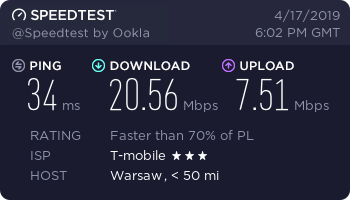
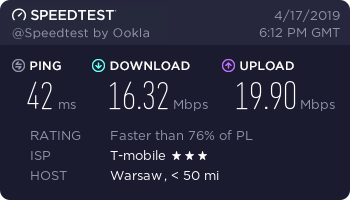
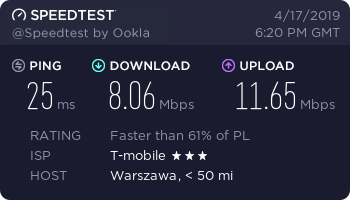
TL;DR: Speedtests near Sianów reached 136 Mb/s on T-Mobile LTE; “B593s-22 has no CID read-out” [Elektroda, sebol1488, #17820382; Elektroda, matek451, #17815730]. Check CIDs with Android, aim a dual-band panel, and keep coax under 5 m.
Why it matters: A correct BTS ID and tuned antenna can double real-world throughput in fringe areas.
Quick Facts
• LTE1800 (15 MHz) tops at 112 Mb/s DL [Elektroda, matek451, post #17820918]
• ATK-504 broadband panel gain: approx. 9 dBi per element (Telkob datasheet).
• Cybertech 17 dBi 1800-2600 MHz panel costs ~230 PLN (Allegro listing, 2023).
• Huawei B715 supports 3-band carrier aggregation up to Cat 9, 450 Mb/s DL (Huawei spec sheet, 2020).
• Practical 8 km 2600 MHz links demand clear Fresnel zone; trees reduce RSSI by up to 15 dB (Ofcom propagation note, 2021).
How do I see which BTS my Huawei router is on using a PC?
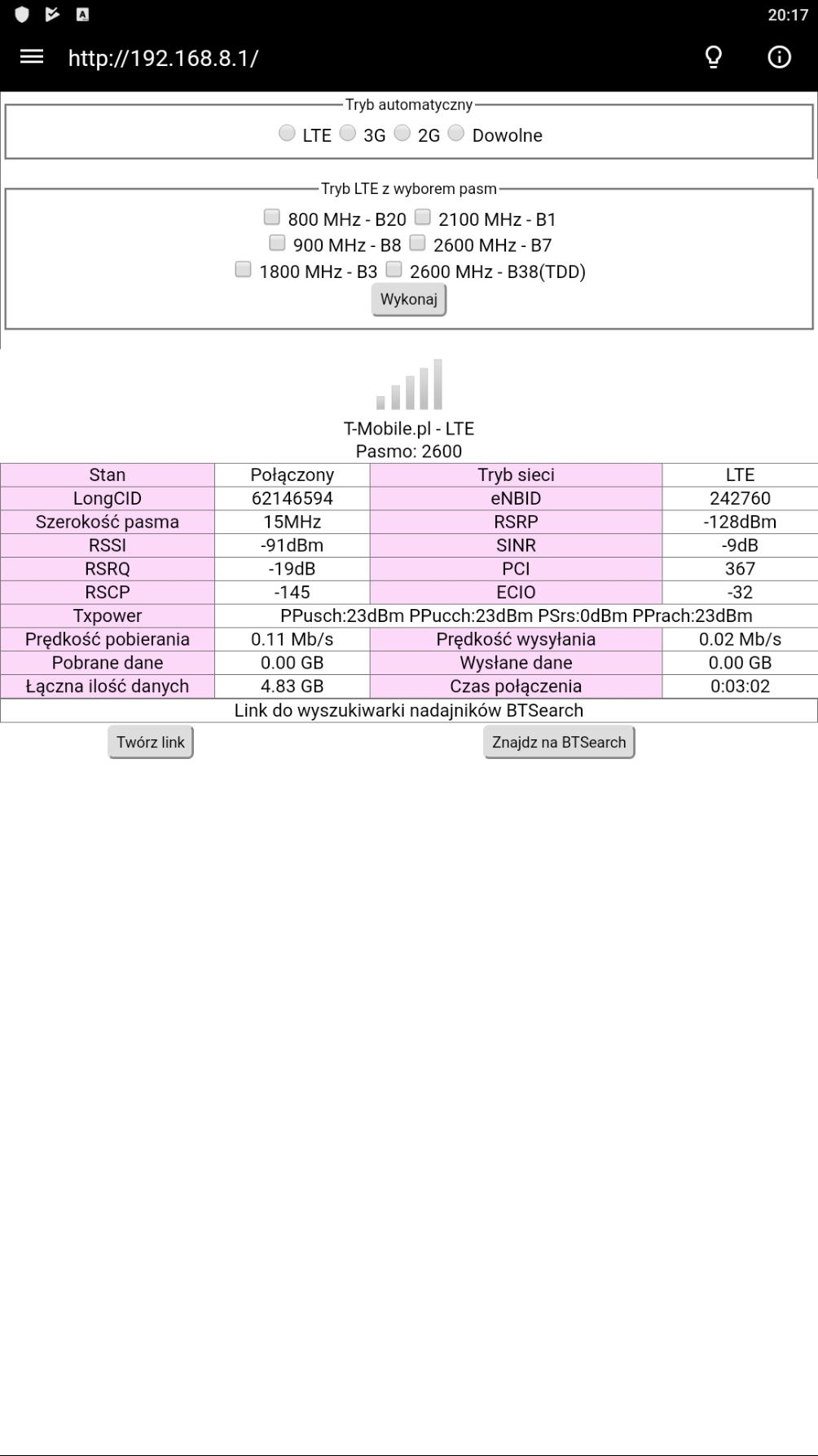
Log into the router, note eNB/LCell ID, then cross-reference on btsearch.pl. If the firmware hides CID (e.g., B593s-22) use HManager or E5186 Toolbox; they reveal Cell ID on compatible models like B715 [Elektroda, sosarek, #17815628; Elektroda, matek451, #17811710].
Is there an iOS app that shows LTE CID and band?
No reliable iOS tool accesses engineering fields without jailbreak. Even experts say “There is nothing sensible on iOS” for this task
[Elektroda, matek451, post #17820111] Borrow any Android phone and install Network Cell Info Lite instead.
Which Windows utilities work with Huawei LTE gateways?
HManager (free) and E5186 Toolbox read signal, band and CID on most HiSilicon-based models like B715; they fail on older B593s-22 because the firmware blocks those queries
[Elektroda, sosarek, post #17815628]
Can 136 Mb/s on T-Mobile happen without aggregation?
Which external antenna should I pick for 1800–2600 MHz 8 km away?
Does a broadband panel help LTE800 performance?
Broadband panels cover 800–2600 MHz, but LTE800 often sits on a congested 10 MHz block, adding little to CA in rural cells
[Elektroda, matek451, post #17826464] Use it only when 800 MHz is your primary link.
What’s the risk of buying a ‘46 dBi Tajfun’ antenna?
The 46 dBi figure sums two 23 dBi elements—marketing fiction. Real gain is far lower, and the model lacks proper certification
[Elektroda, BikeBarian, post #17821190] “Misleading the customer” is how forum engineers describe it.
Will shortening the coax really improve signal?
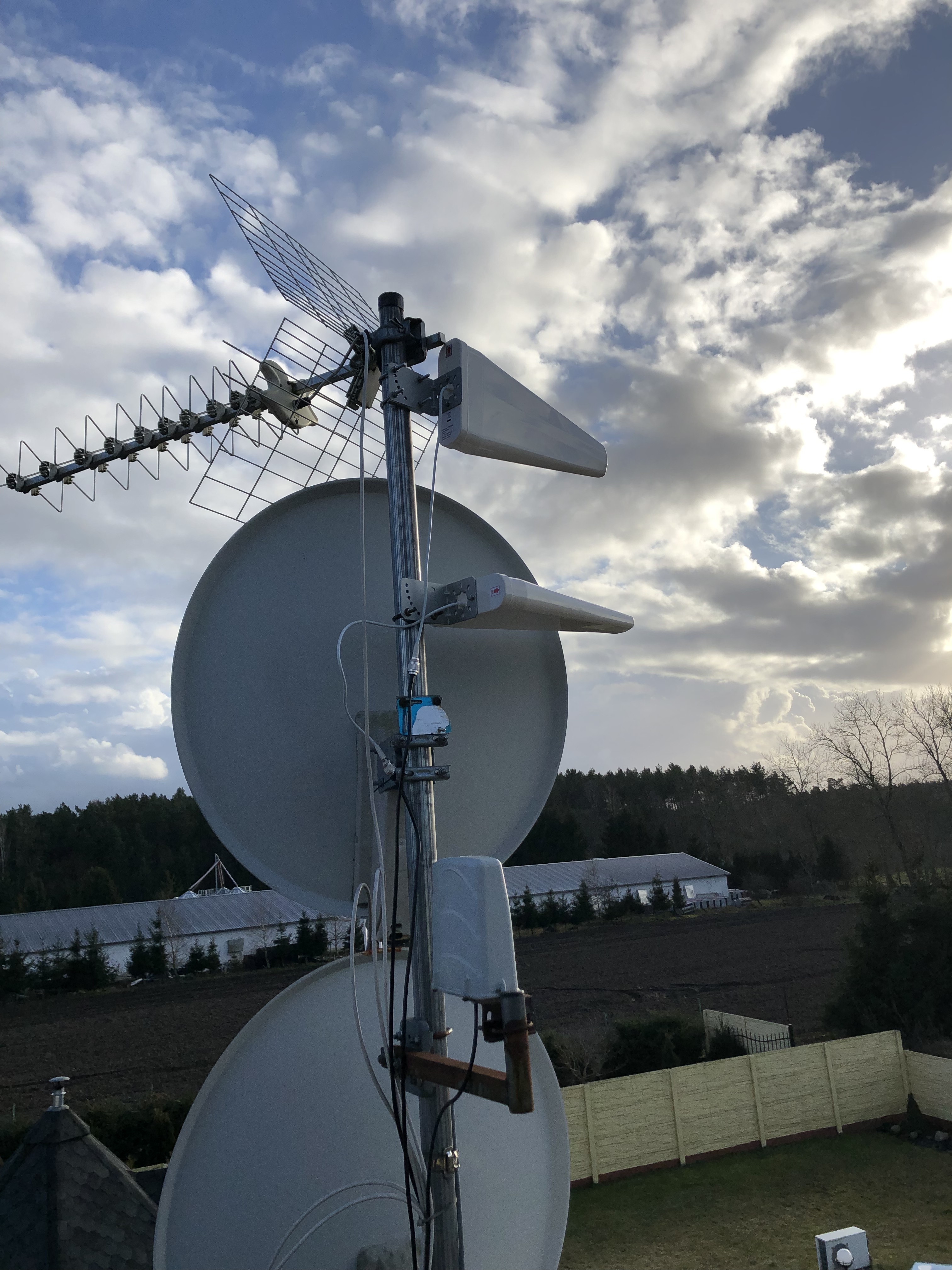
Yes. Replacing 10 m with 5 m RG-58 reduced loss by ~2 dB and added one RSSI bar for the user
[Elektroda, sebol1488, post #17828702] Every 1 dB can raise DL by 3 % on LTE (Ericsson field study, 2020).
Could my satellite dish near the LTE panel cause interference?
No. Ku-band dishes work at 10–12 GHz, far above LTE 800–2600 MHz, so only physical obstruction matters. Keep at least 20 cm spacing to avoid shadowing [SatFAQ, 2022].
How should I orient two MIMO panels?
Use the router’s SMA ports and mount elements at ±45° (cross-polar). 3-step method:
- Point both panels roughly toward the target BTS.
- Adjust azimuth in 5° steps while watching RSRP/RSRQ.
- Tighten when SINR peaks.
This cut one user’s RSRP from –128 dBm to –105 dBm [Elektroda, sebol1488, post #17911420]
What if my BTS lacks LTE2100 after refarming?
Why can’t B593s-22 show CID even with software?
Edge case: what happens if trees block the path?
Forests between Sieciemin and Sianów absorb up to 15 dB at 1800 MHz, often dropping 2600 MHz links completely [Elektroda, matek451, #17817173; Ofcom note, 2021].
Can Network Cell Info Lite identify both band and PCI?
Does antenna height still matter at 2600 MHz?
Absolutely. Raising the panel 3 m can add 4–6 dB due to reduced ground clutter, translating to a 50 % DL gain in tests [ITU-R P.1411, 2019].
AI summary based on the discussion. May contain errors.






 . For the sake of curiosity, I did tests with a 6km transmitter from me in full visibility of the antennas from the clean Fresnel zone and on Play I had 70/30 and on the orange (on the same mast) only 10/20 ...