logo elektroda
logo elektroda
X
logo elektroda

[Solved] Regulations for Installing Electrical Switchboard in Cabinet Recess with Sliding Doors

Wojtasekowski 22410 48
Best answers

Can an electrical switchboard and meter be installed in a wall recess hidden behind sliding cabinet doors, and what access requirements apply?

No, a switchboard and meter should not be built into a closet-like recess where access is hindered; they must remain freely accessible [#18203613][#18203778] The key rule repeated in the thread is unhindered access, meaning you must be able to reach and switch off the installation immediately, without moving furniture or searching through wardrobes in an emergency [#18203778][#18204620] For meters, installers also note that access must allow not only reading but eventual replacement, and that hidden installations in cabinets often get rejected during legalization or later service work [#18203449][#18203173] One practical recommendation given was to move the meter to a generally accessible place, such as the stairwell, and leave only the indoor distribution board in the flat if it can still be kept accessible [#18203173][#18220566]
Generated by the language model.
ADVERTISEMENT
Treść została przetłumaczona polish » english Zobacz oryginalną wersję tematu
  • #1 18200212
    Wojtasekowski
    Level 6  
    Posts: 82
    Rate: 6
    Hello gentlemen and ladies.
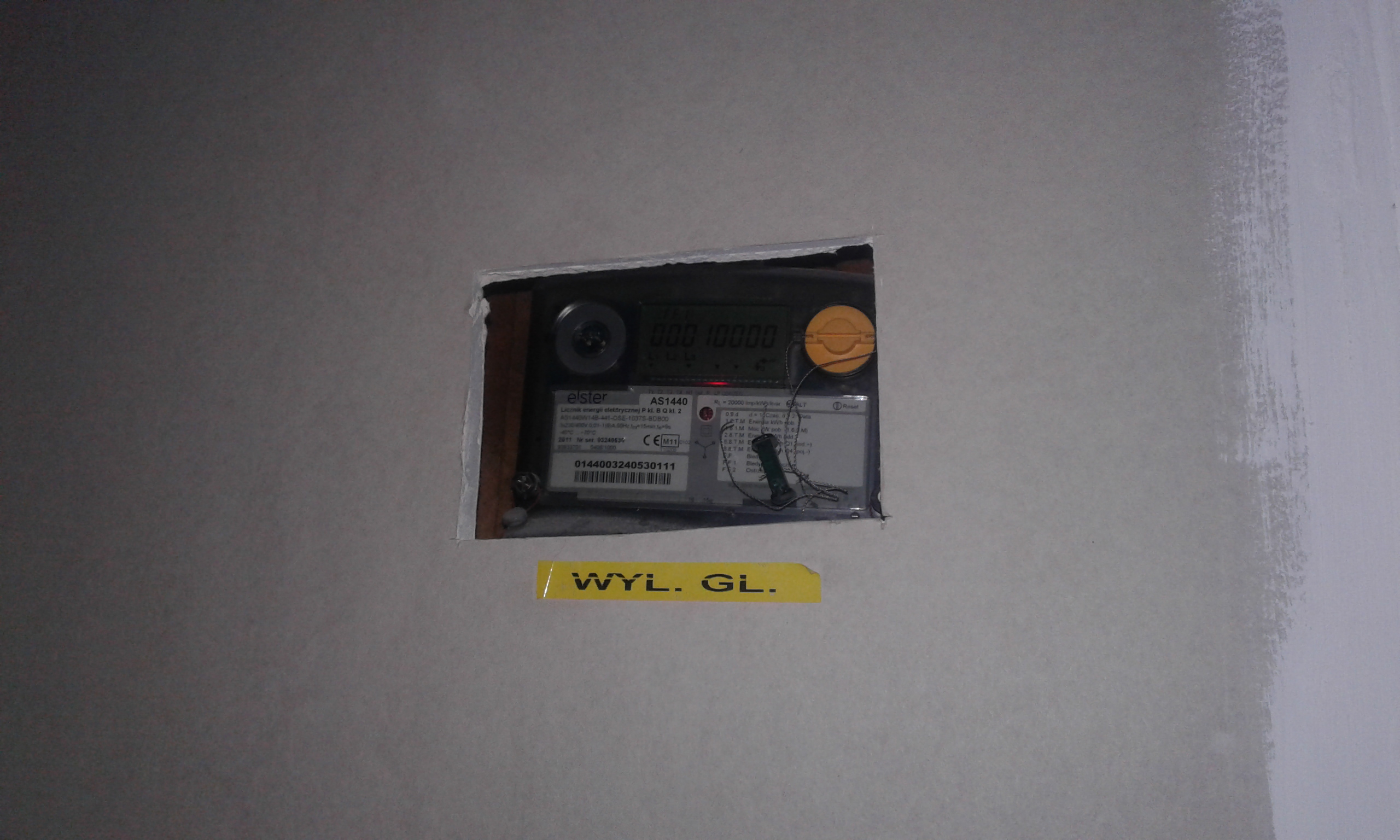
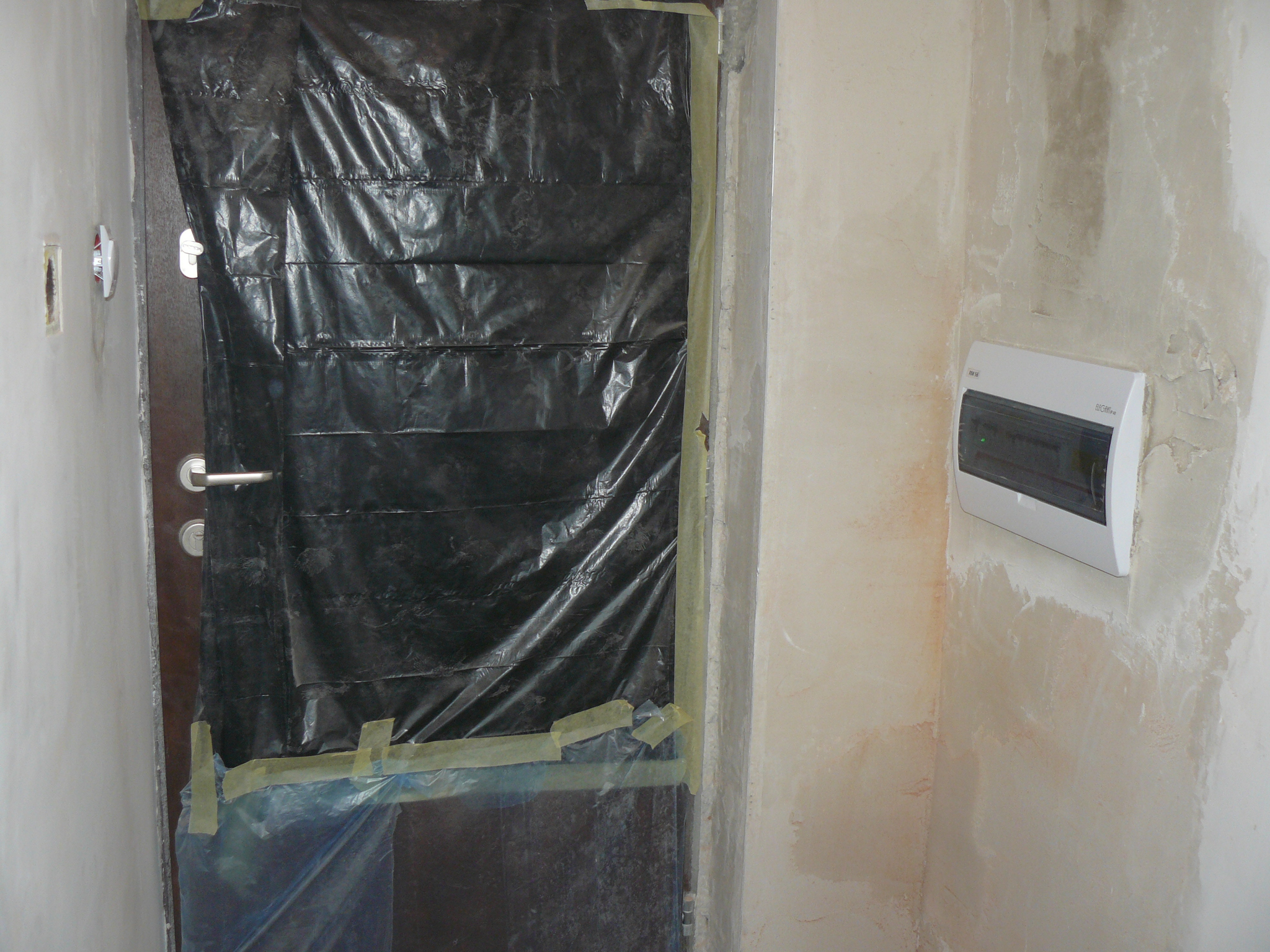
    The renovation is getting closer and closer to the end and the topic remains whether the electrical switchboard can be installed in a recess, which is covered with sliding doors (it makes a wardrobe), I have no other place in the hall and in this recess there is now a meter :)

    How do the regulations relate to this?

    Regards
  • ADVERTISEMENT
  • #2 18200241
    retrofood
    VIP Meritorious for electroda.pl
    Posts: 31317
    Help: 1140
    Rate: 4781
    Wojtasekowski wrote:
    can the electrical switchboard be installed in a recess covered with sliding doors (for a cabinet)

    Take some more and hang something that is highly flammable, such as made of artificial fabrics. It will be great.
  • #3 18200732
    Wojtasekowski
    Level 6  
    Posts: 82
    Rate: 6
    In the recess there is a special place for the counter (it is enclosed with boards with a margin of 10 cm and there is no contact with clothes, there is no wood, only a door covers it. move it elsewhere.
  • ADVERTISEMENT
  • #4 18200834
    stonefree
    Level 27  
    Posts: 1495
    Help: 85
    Rate: 319
    I suspect that during the first legalization replacement, ZE employees will issue a protocol with the recommendation to move the meter to an accessible place, so I would suggest doing it right away.
  • #5 18200882
    retrofood
    VIP Meritorious for electroda.pl
    Posts: 31317
    Help: 1140
    Rate: 4781
    Wojtasekowski wrote:
    I know that this is not a perfect solution, but it has always been in such a place and there is not much to move it elsewhere.

    "There is no way" is a famous fairy tale. You can tell it in kindergarten, the children will be delighted.
    "There is no possibility" during the renovation ... The horse would laugh.
  • #6 18201022
    Wojtasekowski
    Level 6  
    Posts: 82
    Rate: 6
    retrofood wrote:
    Wojtasekowski wrote:
    I know that this is not a perfect solution, but it has always been in such a place and there is not much to move it elsewhere.

    "There is no way" is a famous fairy tale. You can tell it in kindergarten, the children will be delighted.
    "There is no possibility" during the renovation ... The horse would laugh.


    You write back very abruptly. Take the example of a colleague in advance that it is possible to prompt questions normally. Back to the topic. The load-bearing wall in the corridor is covered with a wardrobe, the rest of the exposed walls are built up to the edge of a brick plot, the corridor is narrow, so the surface-mounted box is out of the question. The meter was replaced once in the building and there were no restrictions from the power supply that it had to be moved.
  • #7 18201116
    retrofood
    VIP Meritorious for electroda.pl
    Posts: 31317
    Help: 1140
    Rate: 4781
    Wojtasekowski wrote:
    You write back very abruptly.

    Forgive me, but after forty years of classes with construction and renovation topics, I am allergic to the statements "it is impossible" and "it is not possible".
    Wojtasekowski wrote:
    The load-bearing wall in the corridor is covered with a wardrobe, the rest of the exposed walls are plots of bricks erected upright , the corridor is narrow, so the surface-mounted box is out of the question. The meter was replaced once in the building and there were no restrictions from the power supply that it had to be moved.


    I myself have a switchboard in a partition wall. There are also versions for plasterboard walls. So "you can" if you want to.
  • #8 18201509
    Wojtasekowski
    Level 6  
    Posts: 82
    Rate: 6
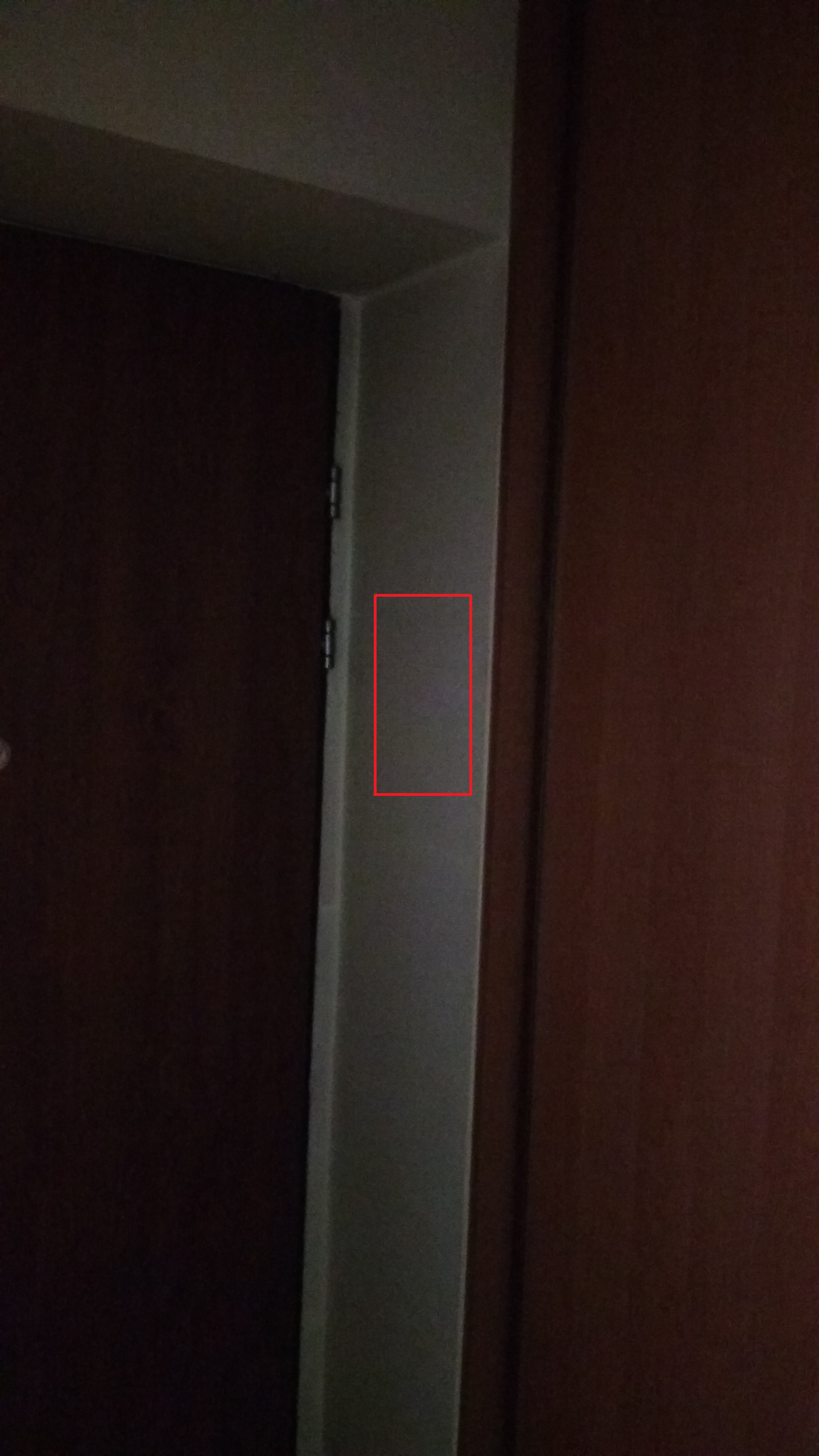
    retrofood then I have a different question. I can give the distribution box itself in the partition wall because it will fit, but what about the meter? I have a 30 cm door recess and it would be fine to stuff it there, but is it possible?
    In the photo I marked what I mean.
    Regulations for Installing Electrical Switchboard in Cabinet Recess with Sliding Doors
  • #9 18203173
    bartekfigura
    Level 30  
    Posts: 1294
    Help: 112
    Rate: 521
    It is best to move the counter during the renovation to a generally accessible place, i.e. to the staircase. The only thing left is to fit the switchgear in the house.
  • #10 18203335
    maurycy123
    Conditionally unlocked
    Posts: 3083
    Help: 225
    Rate: 728
    retrofood wrote:
    Wojtasekowski wrote:
    can the electrical switchboard be installed in a recess covered with sliding doors (for a cabinet)

    Take some more and hang something that is highly flammable, such as made of artificial fabrics.


    I often find switchgears hidden in cabinets in hotels. Someone designed it, someone took it. So you can.
  • #11 18203365
    kkas12
    Level 43  
    Posts: 17356
    Help: 1073
    Rate: 4262
    No buddy, you can't.
    Only a madman can put a fuse board in the closet.
    Access to the board cannot be hindered.
  • #12 18203391
    maurycy123
    Conditionally unlocked
    Posts: 3083
    Help: 225
    Rate: 728
    kkas12 wrote:
    No buddy, you can't.
    Only a madman can put a fuse board in the closet.
    Access to the board cannot be hindered.
    So the designer has no idea what he is designing? Whoever allows it to use, has no idea what it allows? The works manager has no idea what he is supervising?
  • #13 18203407
    Łukasz-O
    Admin of electroenergetics
    Posts: 21783
    Help: 654
    Rate: 4278
    I don't think the designer designed switchgears in cabinets. It is rather the fault of interior designers and investors who have little interest in the electrician.
  • #14 18203420
    maurycy123
    Conditionally unlocked
    Posts: 3083
    Help: 225
    Rate: 728
    Łukasz-O wrote:
    It is rather the fault of interior designers and investors who have little interest in the electrician.
    You're right. But still someone allows it to be used.
  • ADVERTISEMENT
  • #15 18203437
    kkas12
    Level 43  
    Posts: 17356
    Help: 1073
    Rate: 4262
    Probably like you :)
    Somewhere they saw something and it seems to them
    maurycy123 wrote:
    So you can.
  • ADVERTISEMENT
  • #16 18203449
    bartekfigura
    Level 30  
    Posts: 1294
    Help: 112
    Rate: 521
    I carry out legalization replacements of meters and, unfortunately, quite often, especially in blocks, it happens that in order to replace the meter I have to sit in the wardrobe, recently even a guest took apart the entire kitchen furniture because the meter was completely unavailable. When designing a furniture layout, people think that, as you can see, the reading window is ok and it is enough, but they forget that the meter is replaced from time to time and access is needed. I have already cut GK boards a few times, completely destroying a piece of a nice wall ... Well, unfortunately life ... That's why you have to remember that the meter and security should be freely accessible ...
  • #17 18203454
    maurycy123
    Conditionally unlocked
    Posts: 3083
    Help: 225
    Rate: 728
    kkas12 wrote:
    Probably like you :)
    Somewhere they saw something and it seems to them
    maurycy123 wrote:
    So you can.
    Do not insult me. I have seen such things in more than one hotel (even a four-star hotel). Someone designed, someone picked up, someone allowed for use.
  • #18 18203479
    Łukasz-O
    Admin of electroenergetics
    Posts: 21783
    Help: 654
    Rate: 4278
    maurycy123 wrote:
    You're right. But still someone allows it to be used.

    When buildings are made of furniture, nobody is there for a long time.

    bartekfigura wrote:
    I have also cut GK boards several times, completely destroying a piece of a nice wall ...

    Unfortunately, I also meet:
    Regulations for Installing Electrical Switchboard in Cabinet Recess with Sliding Doors Regulations for Installing Electrical Switchboard in Cabinet Recess with Sliding Doors
  • #19 18203485
    maurycy123
    Conditionally unlocked
    Posts: 3083
    Help: 225
    Rate: 728
    bartekfigura wrote:
    Therefore, it must be remembered that the meter and security should be unhindered access ...
    Which does not mean that it cannot be built-up. It is important that there is access to it.
  • #20 18203541
    bartekfigura
    Level 30  
    Posts: 1294
    Help: 112
    Rate: 521
    And it is access that enables exchange, not only reading.
  • #21 18203613
    kkas12
    Level 43  
    Posts: 17356
    Help: 1073
    Rate: 4262
    maurycy123 wrote:
    Which does not mean that it cannot be built-up.
    No, it cannot be built-in, i.e. in a closet with a lot of flammable things. Neither the meter nor the fuse board (and that's what the topic is about)

    You do not need to be an electrician to be aware of the potential danger posed by such a location.
    For me, those who design and install meter boards above the door also have a lack of imagination.
  • Helpful post
    #22 18203746
    maurycy123
    Conditionally unlocked
    Posts: 3083
    Help: 225
    Rate: 728
    kkas12 wrote:
    No, it cannot be built-in, i.e. in a closet with a lot of flammable things. Neither the meter nor the fuse board (and that's what the topic is about)
    Re-read the author's post. Then speak up.

    kkas12 wrote:
    You do not need to be an electrician to be aware of the potential danger posed by such a location.
    Ibid.

    kkas12 wrote:
    For me, those who design and install meter boards above the door also have a lack of imagination.
    Where are they supposed to design them? Under the door?
  • #23 18203778
    kkas12
    Level 43  
    Posts: 17356
    Help: 1073
    Rate: 4262
    Wojtasekowski wrote:
    ... can the electrical switchboard be installed in a recess covered with sliding doors (for a cabinet)
    read maurica slowly and carefully. Until you understand :)
    maurycy123 wrote:
    Where are they supposed to design them? Under the door?
    Or maybe next to the door?

    Access to the board is to be unhindered. This means not to block it or cover it, and also not to look for a ladder when there is a sudden need to suddenly turn off the voltage.
    When you live to a ripe old age, you will understand the nonsense of such a location above the door, it is time to test RCDs. Maybe you will fall off the stool, pierce into what you are wearing on your neck and ask the question "what kind of sheep is this up to".


    Maybe you should take part in sections and topics about which you have at least a vague idea.
    For here you are a complete layman.
  • #24 18203819
    maurycy123
    Conditionally unlocked
    Posts: 3083
    Help: 225
    Rate: 728
    kkas12 wrote:
    maurycy123 wrote:
    Where are they supposed to design them? Under the door?
    Or maybe next to the door?
    You so serious

    kkas12 wrote:
    Access to the board is to be unhindered. This means not to block it or cover it, and also not to look for a ladder when there is a sudden need to suddenly turn off the voltage.
    Then tell those who design the installation in hotels.

    kkas12 wrote:
    When you live to a ripe old age, you will understand the nonsense of such a location above the door, it is time to test RCDs.
    So, in your opinion, I should install switchboards near the floor?
  • Helpful post
    #25 18203837
    kkas12
    Level 43  
    Posts: 17356
    Help: 1073
    Rate: 4262
    Discuss with the doctor http://www.edwardmusial.info/pliki/nowel_rozp_instalacje_el.pdf
    though I don't think it gets what the doctor writes.
    Read also the Ordinance on the conditions to be met by buildings ...
    Find anything there that will prove your distorted point of view.

    The author does not write about the hotel but about the apartment.
    In the hotel, the customer is warned against the fuse board. Qualified service is there.
  • #26 18203838
    Łukasz-O
    Admin of electroenergetics
    Posts: 21783
    Help: 654
    Rate: 4278
    maurycy123 wrote:
    So, in your opinion, I should install switchboards near the floor?

    No, you can go a little higher:
    Regulations for Installing Electrical Switchboard in Cabinet Recess with Sliding Doors
  • #27 18203846
    kkas12
    Level 43  
    Posts: 17356
    Help: 1073
    Rate: 4262
    maurycy123 wrote:
    So, in your opinion, I should install switchboards near the floor?
    You can even install a fuse board in the bathroom on your account. After all, for you, as you can see, there are no limits.
  • #28 18204439
    stomat
    Level 39  
    Posts: 5600
    Help: 255
    Rate: 1952
    Łukasz-O wrote:
    maurycy123 wrote:
    So, in your opinion, I should install switchboards near the floor?

    No, you can go a little higher:
    Regulations for Installing Electrical Switchboard in Cabinet Recess with Sliding Doors

    And can you imagine that this switchgear will not be covered with a cabinet? Not all fuse plates are as important as coat of arms shields and must be displayed in places of honor, centrally on the exposed wall. This is a virtually maintenance-free device, and I don't see anything wrong with placing it above the door. Even if I had to put on a ladder once a month. In practice, almost everyone can reach there without any ladder. And the counter in a shaft in the stairwell.
  • #29 18204475
    elpapiotr
    Electrician specialist
    Posts: 12199
    Help: 1013
    Rate: 3508
    stomat wrote:
    This is a virtually maintenance-free device, and I don't see anything wrong with placing it above the door. Even if I had to put on a ladder once a month. In practice, almost everyone can reach there without any ladder
    Tell this to an elderly, lonely, infirm, or crippled person to pull a ladder up. I know, you will write immediately that the neighbor, that the native member, etc.
    PS. In one of the apartments, the so-called of the old building industry, "electricians" placed a pseudo-sign S2 under the ceiling of a 3.5-meter (or higher) apartment, because there was the main junction box.
    Without a large ladder (or a brush on a stick), do not move on.
  • #30 18204488
    kkas12
    Level 43  
    Posts: 17356
    Help: 1073
    Rate: 4262
    stomat wrote:
    Fuse plates are not as important for everyone as coat of arms shields ...
    Maybe not for everyone, but the electrician should know where the sign should be and where it shouldn't be.
    Or maybe put them in a recess and brick the recess and we have a beautifully exposed wall.

Topic summary

✨ The discussion revolves around the installation of an electrical switchboard in a recess covered by sliding doors, as part of a renovation project. Participants express concerns regarding compliance with regulations, accessibility, and safety. Many emphasize that the switchboard and meter must remain easily accessible for maintenance and emergency situations. Some argue against placing electrical components in enclosed spaces due to potential fire hazards and the need for quick access during emergencies. Suggestions include relocating the meter to a more accessible area, while others share experiences of encountering similar installations in hotels and residential buildings. The consensus leans towards ensuring that electrical installations do not obstruct access and adhere to safety standards.
Generated by the language model.

FAQ

TL;DR: 85 % of Polish DSOs require meters to be in common stairwells, not apartments [URE, 2021]; “Access must be unhindered” [Elektroda, retrofood, post #18203365] Place domestic switchboards 0.7–1.8 m high with 0.8 m free space [PN-HD 60364-5-51].

Why it matters: Wrong placement can block acceptance, void insurance, and delay power restoration.

Quick Facts

• Height band for main operating parts: 0.4 – 2.0 m a.g.l. [PN-HD 60364-5-51] • Minimum free floor area in front: 0.8 m × 0.8 m [MI Rozporządzenie, §188.5] • Typical meter replacement cycle: 8 – 15 years [TAURON, 2022] • DSO relocation fee when inside dwelling: 0 – 400 PLN/apartment if done during renovation [Enea, 2021] • 24 % of home fires start in electrical installations [KG PSP, 2020]

Is it legal to mount a domestic switchboard behind sliding wardrobe doors?

No. Polish building rules demand "easy, direct and unhindered" access; a door you must slide and a wardrobe interior filled with belongings hinders access [MI Rozporządzenie, §188.5][Elektroda, kkas12, post #18203365]

Which standards specify where a switchboard may be installed?

PN-HD 60364-5-51 and the 12 Apr 2002 Building Regulation §188 govern location, height, clearances and fire protection [PN-HD 60364-5-51][MI Rozporządzenie].

What clearance is required in front of the board?

Keep at least 0.8 m width and 0.8 m depth clear zone so a person can operate or disconnect power rapidly [MI Rozporządzenie, §188.5].

What is the recommended mounting height for breakers?

Standard allows 0.4–2.0 m, with 1.4–1.6 m optimal so most users can reach without ladders [PN-HD 60364-5-51].

Can I leave the energy meter inside the apartment?

Yes only if your DSO contract still permits, but 85 % of DSOs now request relocation to common areas during the next legalization swap [URE, 2021][Elektroda, stonefree, post #18200834]

How often are meters exchanged, and why does access matter?

Meters are sealed and replaced every 8–15 years; poor access forces furniture demolition or wall cutting, raising cost and risk [TAURON, 2022][Elektroda, bartekfigura, post #18203449]

Are flammable materials near switchgear banned?

Yes. PN-HD 60364 and DSOs prohibit mounting in spaces used to store textiles or other combustibles due to arc-flash and fire spread risk [PN-HD 60364-4-42][Elektroda, retrofood, post #18200241]

What penalties apply for non-compliant placement?

During DSO inspection you may receive a written demand to relocate; failure can lead to refusal to reseal the meter and power disconnection until corrected [Energa, 2021].

How do I integrate a board in a narrow corridor legally?

  1. Select a flush-mount enclosure 12 cm deep. 2. Recess it in a partition wall at 1.5 m height. 3. Install a metal door with 180° opening; keep 0.8 m of clear floor in front. This meets §188 and avoids protrusion [Hager Tech Note, 2020].

Edge case: what happens if a fire starts in a closet-mounted board?

Flames ignite stored textiles within 90 seconds; occupants lose safe egress and insurers may refuse payout for violating placement rules [KG PSP, 2020].

Does hiding a switchboard affect home insurance?

Many insurers exclude damage if electrical devices are installed against code; check OWU clauses on "rażące niedbalstwo" (Warta, 2022).

What is a realistic cost to move a meter and board during renovation?

Approx. 300 – 600 PLN for DSO seal, 200 – 500 PLN for electrician labour, plus 150 PLN for a new recessed enclosure [Enea, 2021].
Generated by the language model.
ADVERTISEMENT