logo elektroda
logo elektroda
X
logo elektroda

An idea for a practical 3D print for the kitchen - pot lid holder

p.kaczmarek2 8475 25
ADVERTISEMENT
Treść została przetłumaczona polish » english Zobacz oryginalną wersję tematu
📢 Listen (AI):
  • An idea for a practical 3D print for the kitchen - pot lid holder
    Hello my dears
    I'd like to share here share an idea for a practical 3D print for the home and kitchen that has already appealed to several people and allowed us to get our cupboards in order. The idea is a simple organiser/handle/hanger for pot lids. I designed the whole thing from 0 and at the end of the topic I will give the 3D printable model files for download.

    Introduction
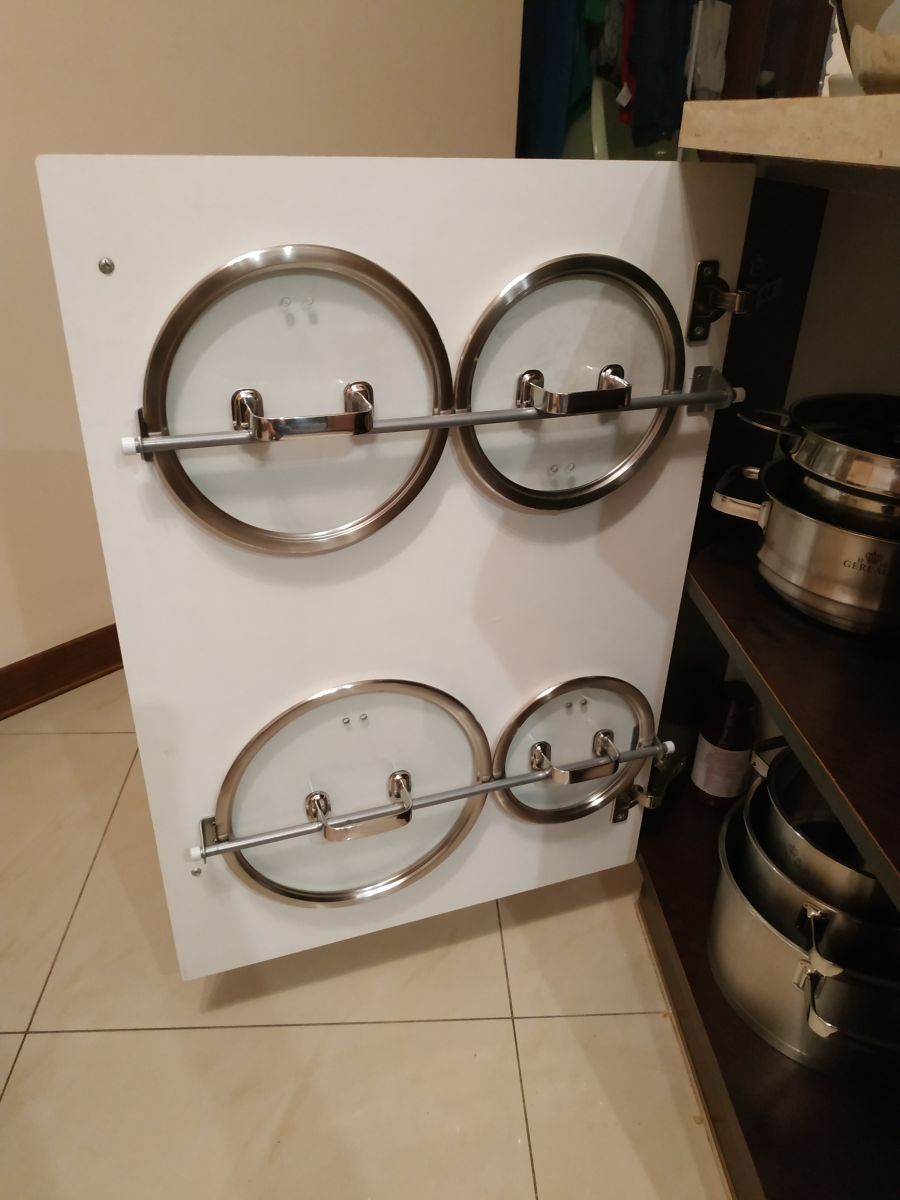
    The idea is trivial but very practical. Instead of keeping the pot lids together with the pots (which makes them difficult to pull out), you can keep them hung vertically from the inside of the cupboard doors. This saves space in the cupboards and makes it easier to access the lids themselves.
    It was for the purpose of storing the pot lids in this way that I designed a suitable holder - I made the 3D model itself in the program Blender , whereas I printed it out of PLA on a Creality Ender 3 Pro printer.

    Beginning of the project
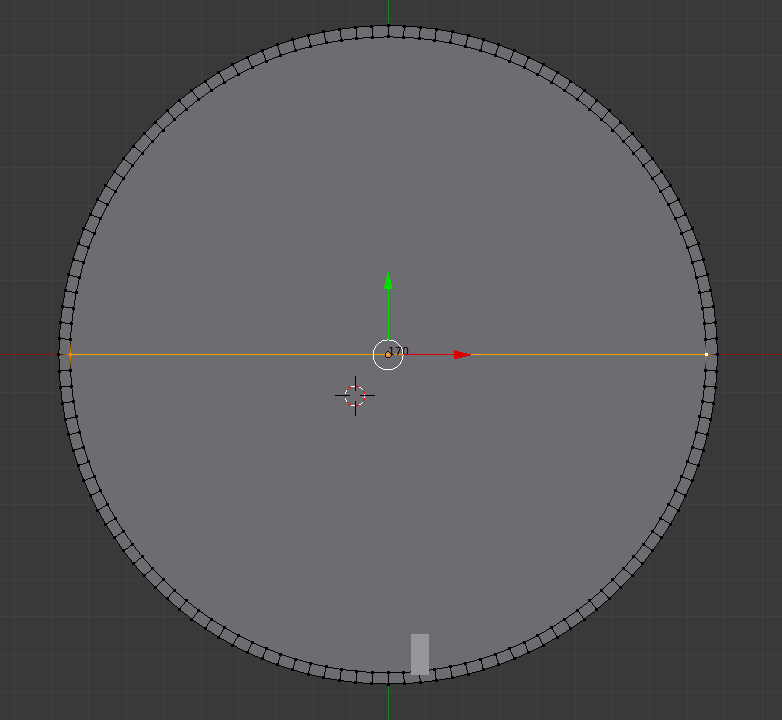
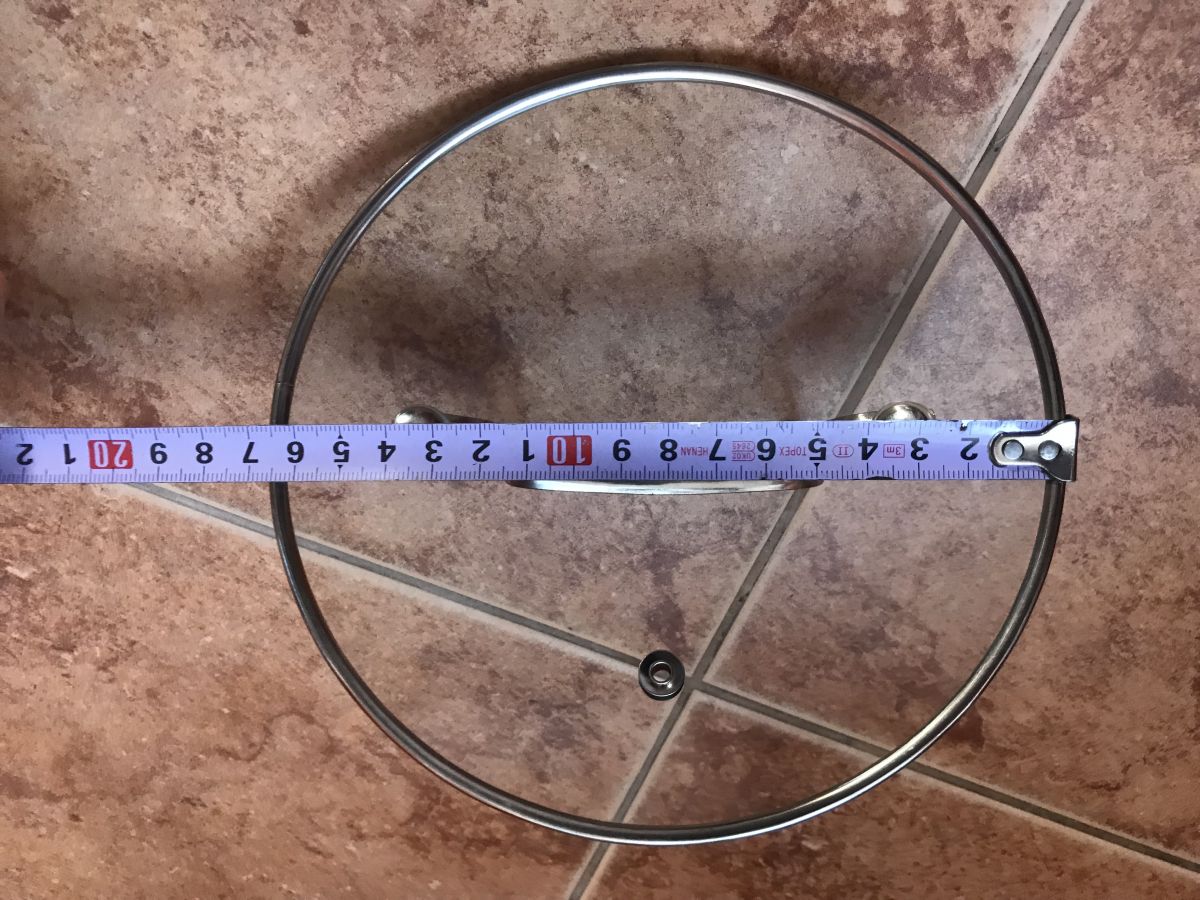
    I started the project by sizing the smallest of the lids:
    An idea for a practical 3D print for the kitchen - pot lid holder
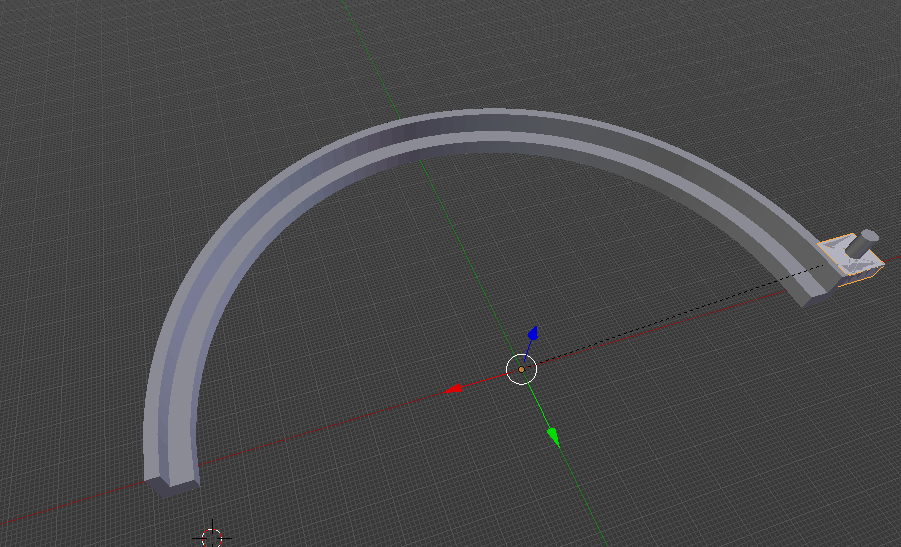
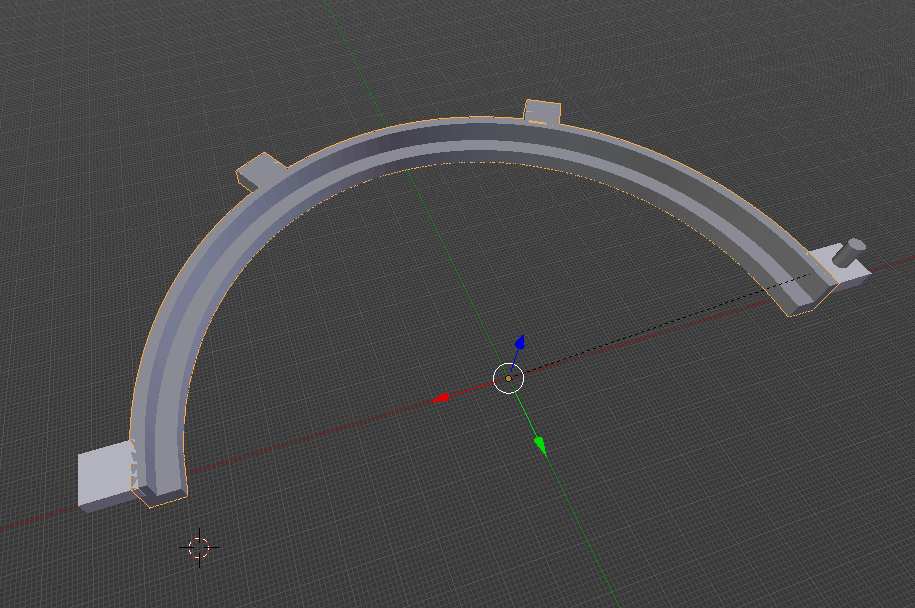
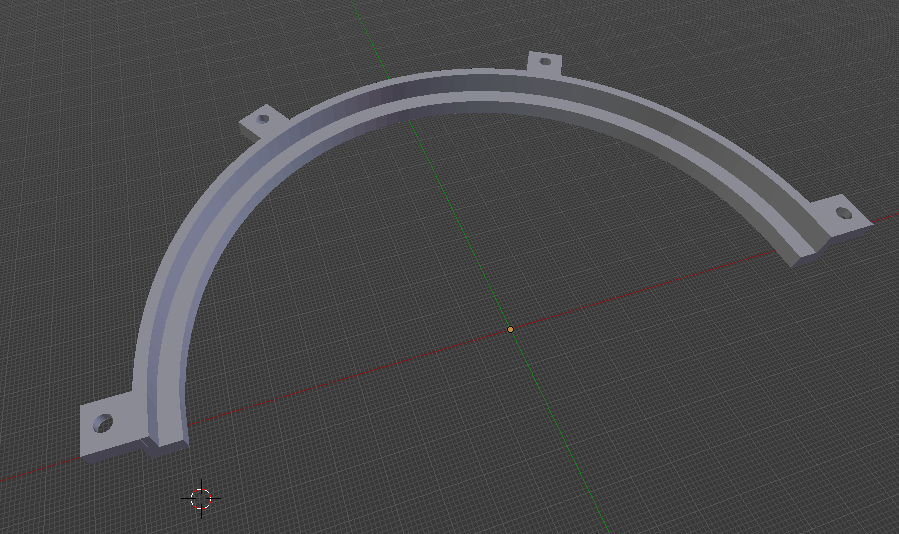
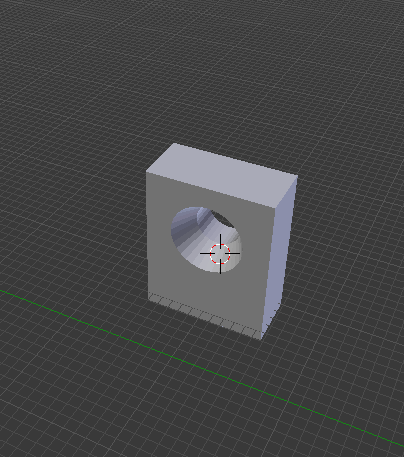
    I designed the whole piece. There could have been fewer fixing holes, but I assumed that the whole thing should last quite a long time and, moreover, I already knew that for larger lid diameters I would print the parts divided into two halves:
    An idea for a practical 3D print for the kitchen - pot lid holder
    An idea for a practical 3D print for the kitchen - pot lid holder
    An idea for a practical 3D print for the kitchen - pot lid holder
    An idea for a practical 3D print for the kitchen - pot lid holder
    An idea for a practical 3D print for the kitchen - pot lid holder
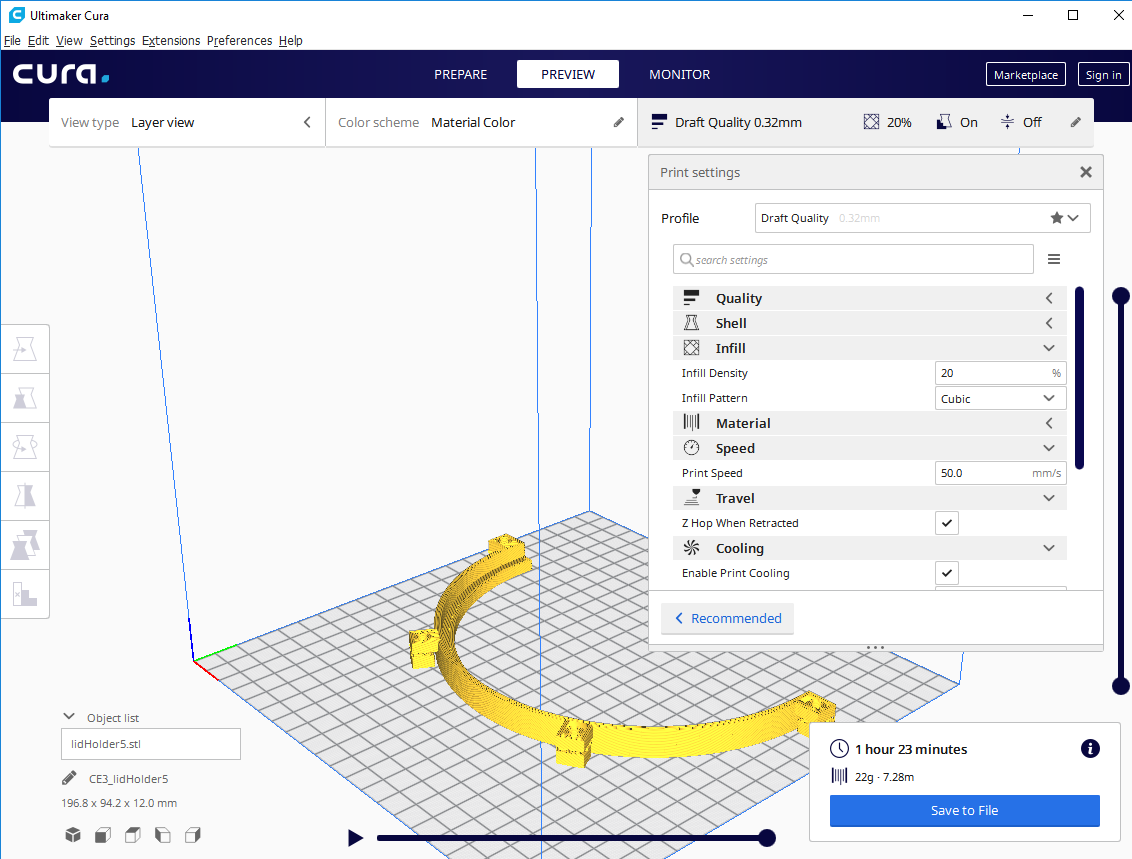
    I have enabled support (supports) in the print configuration in Cura:
    An idea for a practical 3D print for the kitchen - pot lid holder
    I selected the smallest print quality - Draft - that was sufficient.
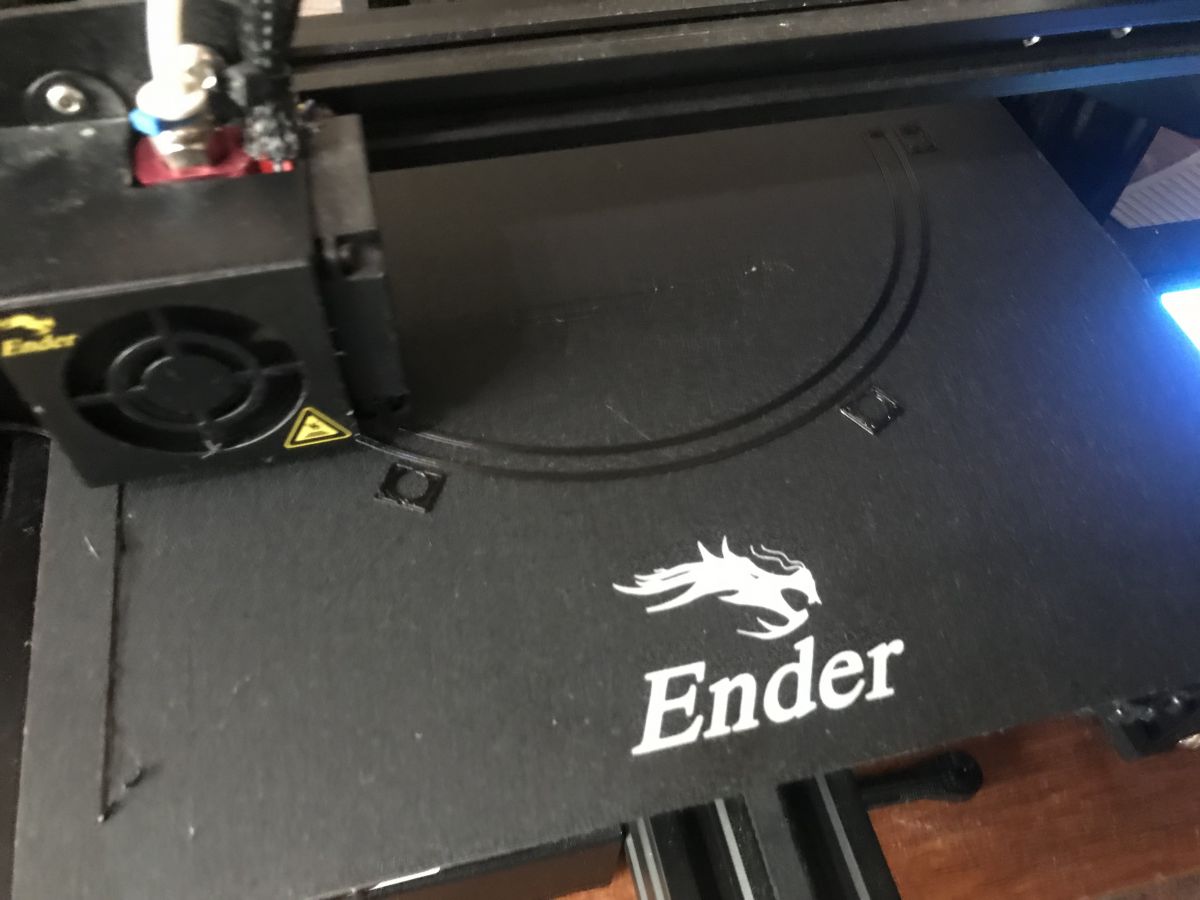
    I then started printing. I was then still using the nozzle 0.6mm and not as is usually the case 0.4mm , so it went quite quickly, about an hour and a half:
    An idea for a practical 3D print for the kitchen - pot lid holder
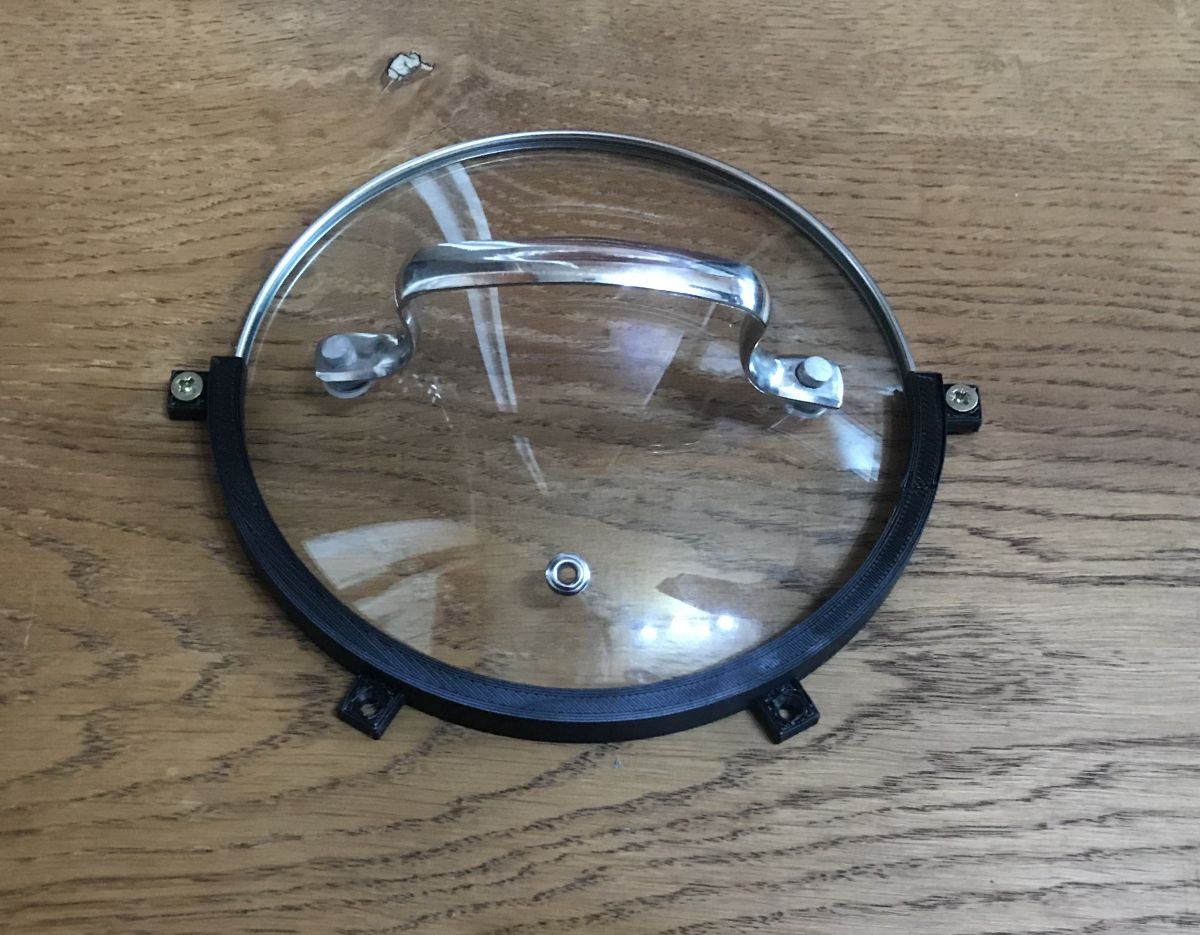
    First test of the printed piece with the lid:
    An idea for a practical 3D print for the kitchen - pot lid holder
    Everything came out reasonably well on the first try:
    An idea for a practical 3D print for the kitchen - pot lid holder
    The only change I made to the overall mounting scheme after the first print was to make it 1 mm deeper to make it more convenient to insert/remove the lid.

    Two-piece mounts
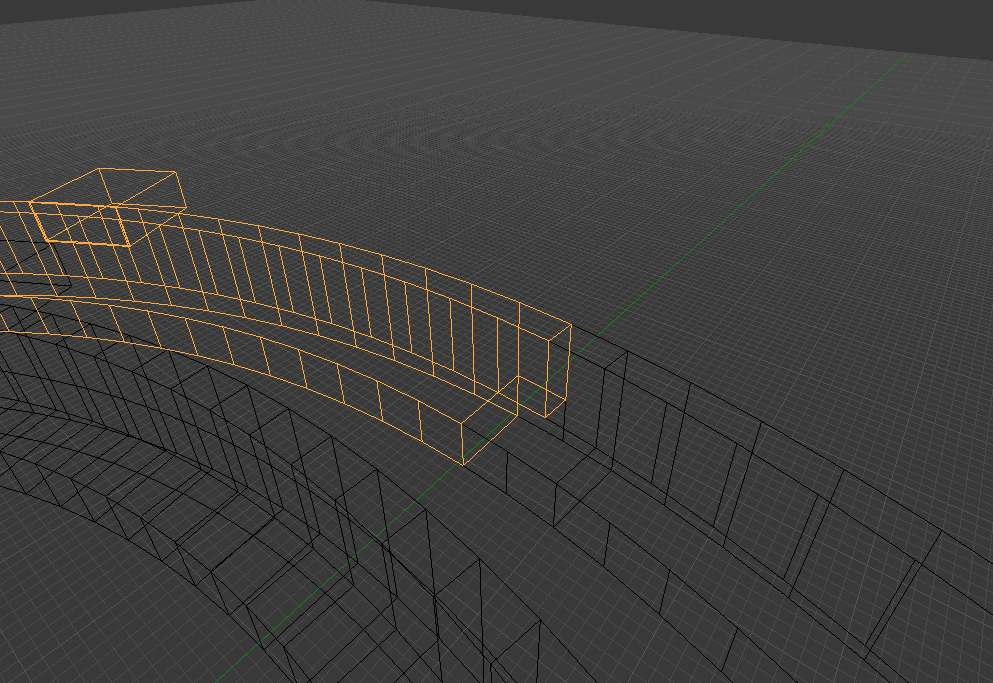
    The printer 3D that I use ( Creality Ender 3 PRO ) can print items with a maximum base of 220mm x 220mm . Larger ones simply do not fit. To this end, most holders i had to divide it into two pieces before printing so that it could be glued together easily afterwards:
    An idea for a practical 3D print for the kitchen - pot lid holder
    An idea for a practical 3D print for the kitchen - pot lid holder
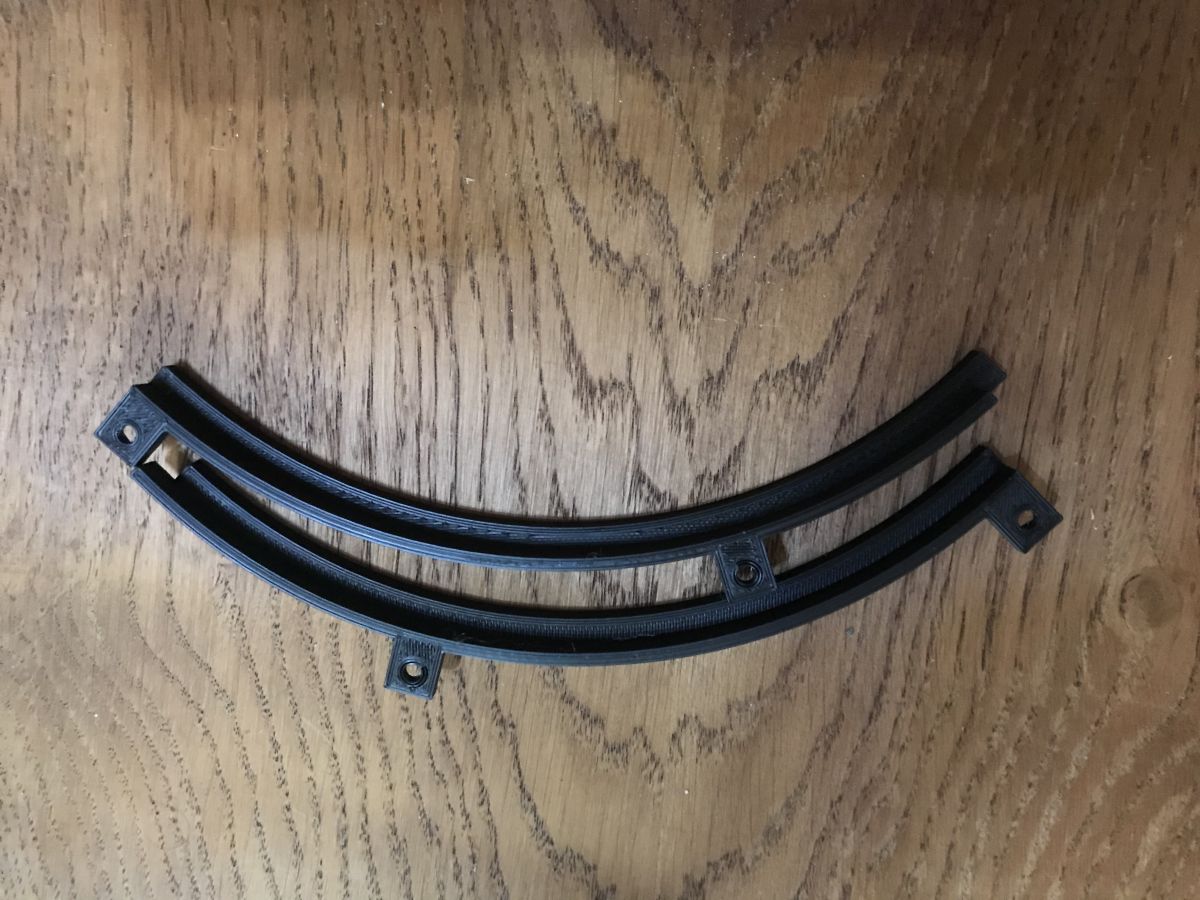
    After printing, they presented as follows:
    An idea for a practical 3D print for the kitchen - pot lid holder
    An idea for a practical 3D print for the kitchen - pot lid holder
    I used an all-purpose, strong drop/superglue to glue it together.

    Gluing the printed parts is very easy, you just need to hold them together a little to allow the glue to catch.
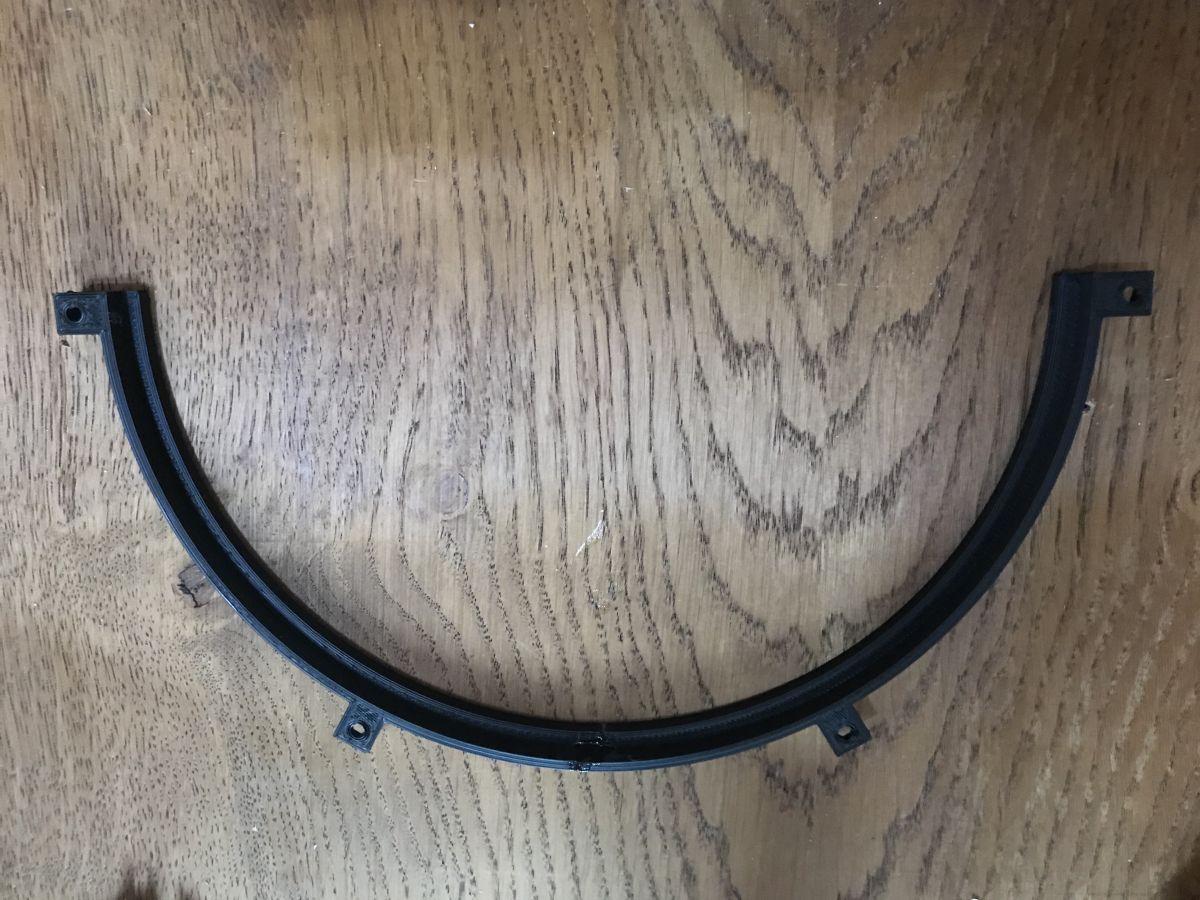
    Finished fixing:
    An idea for a practical 3D print for the kitchen - pot lid holder
    Finished kit for the first cabinet:
    An idea for a practical 3D print for the kitchen - pot lid holder
    Final result (I did not choose the mounting location):
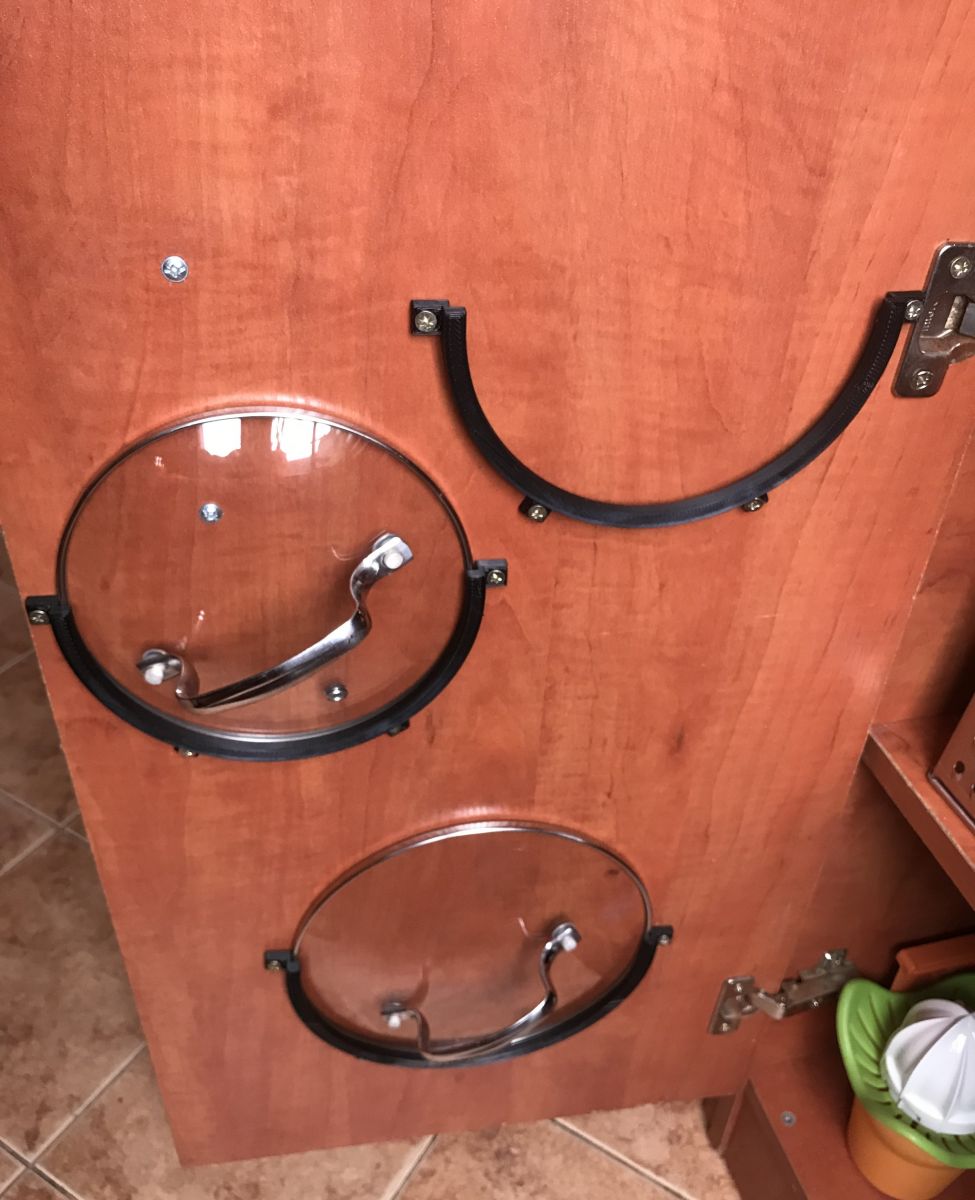
    An idea for a practical 3D print for the kitchen - pot lid holder
    The solution seen in the photo above has been in place for a month now and works very well.

    Fixes for a second set of pots
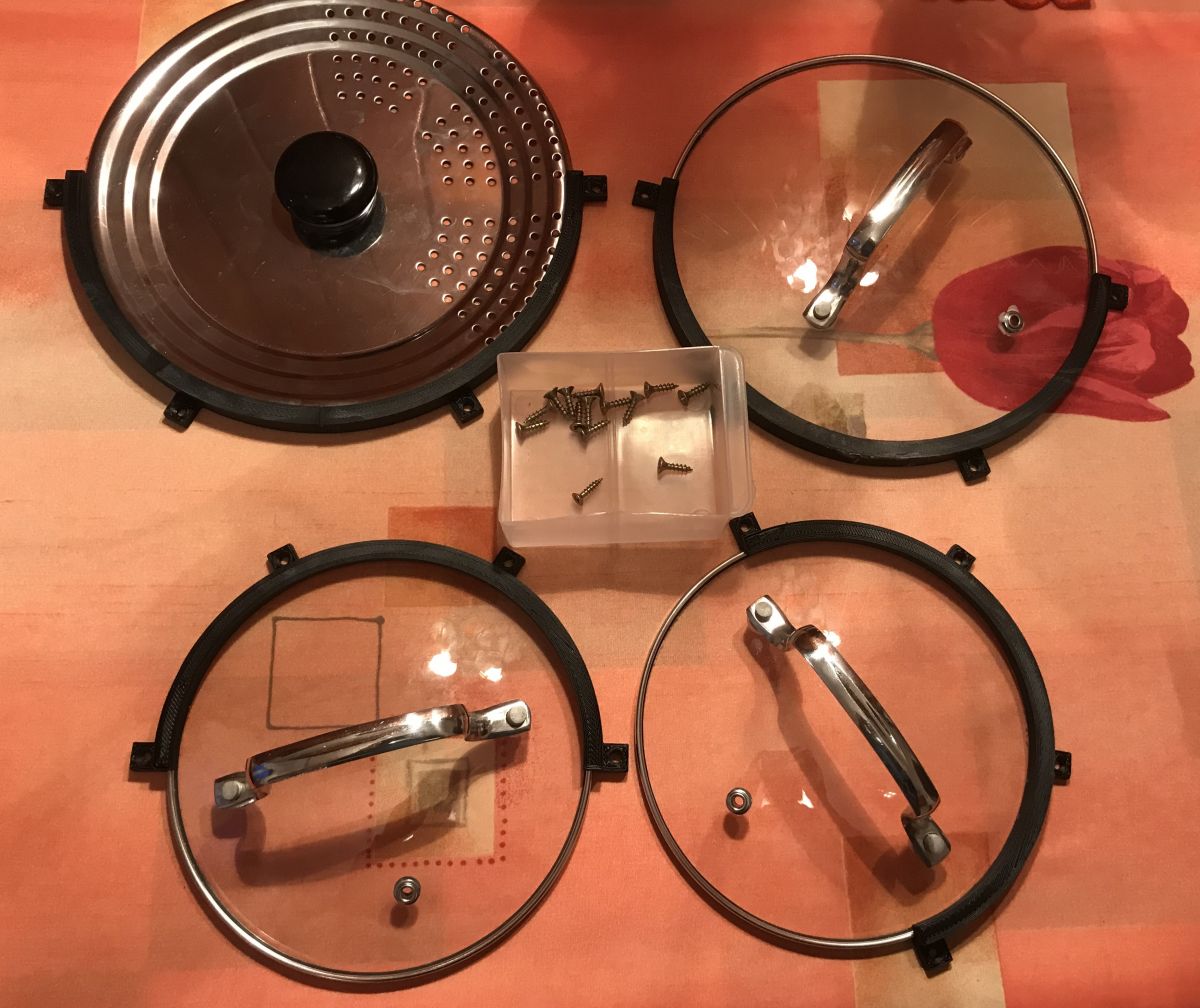
    A few weeks later I received another set of pots (actually lids) from another kitchen, also to prepare the handles.
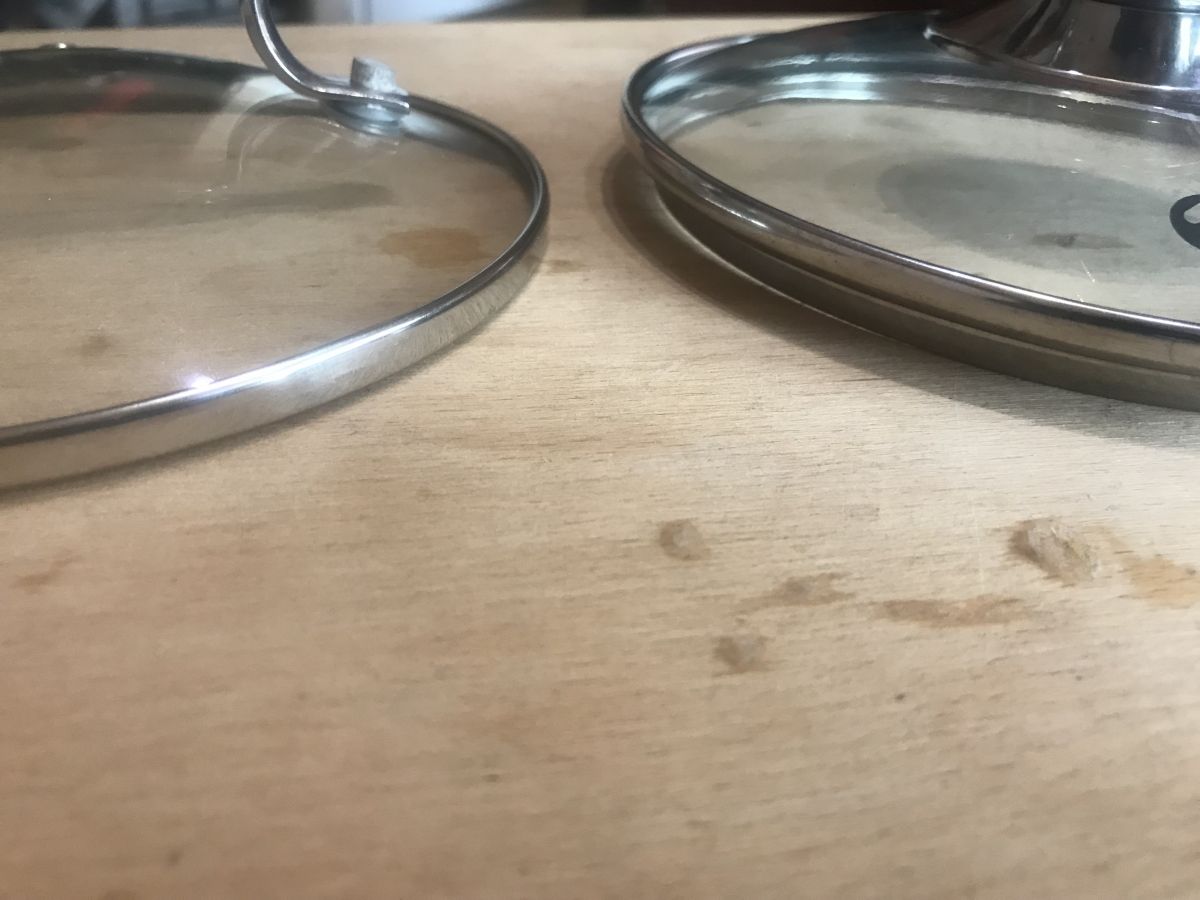
    It was immediately apparent that the dimensions of some of the lids were different, on top of which the lids were more deep (deep on the right, shallow on the left):
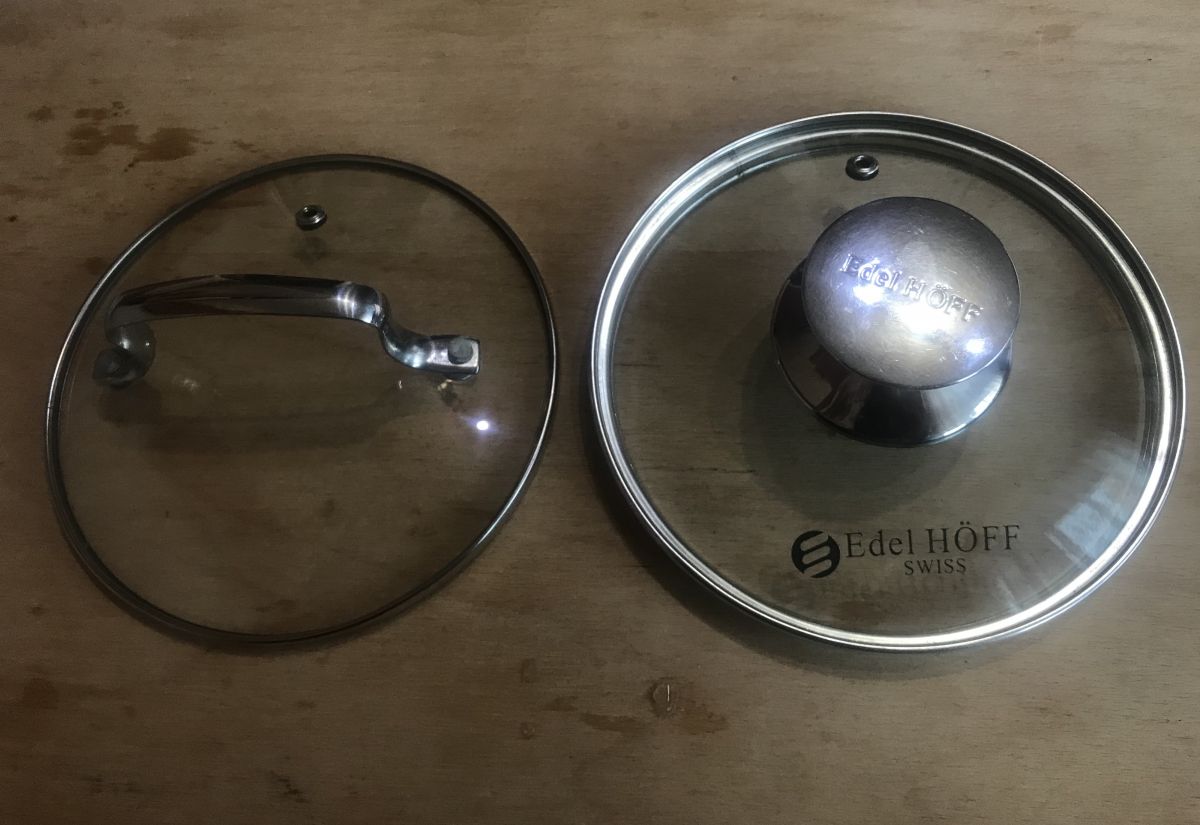
    An idea for a practical 3D print for the kitchen - pot lid holder An idea for a practical 3D print for the kitchen - pot lid holder
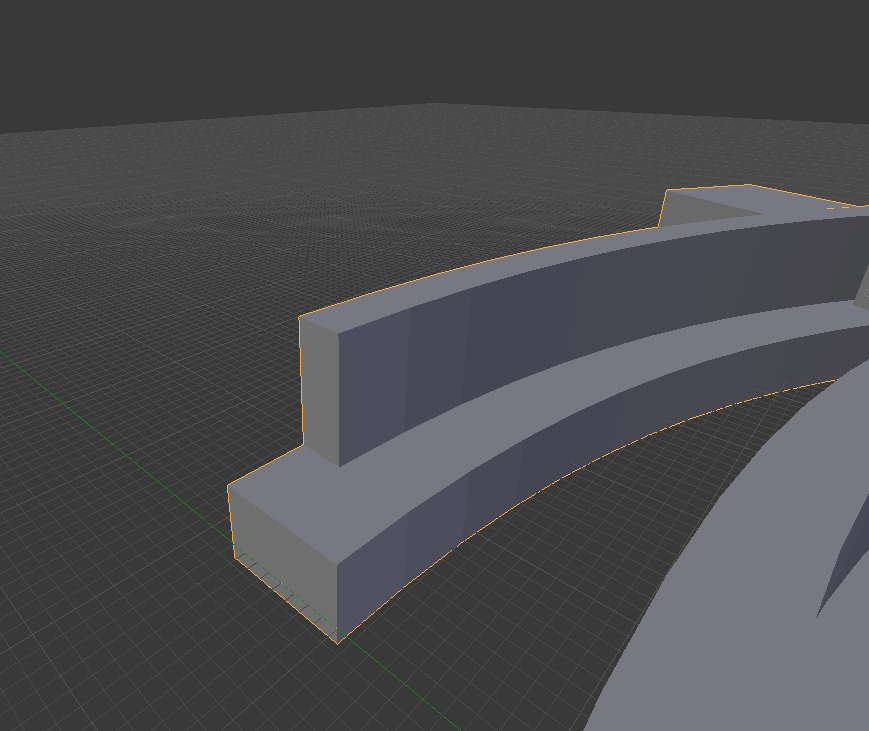
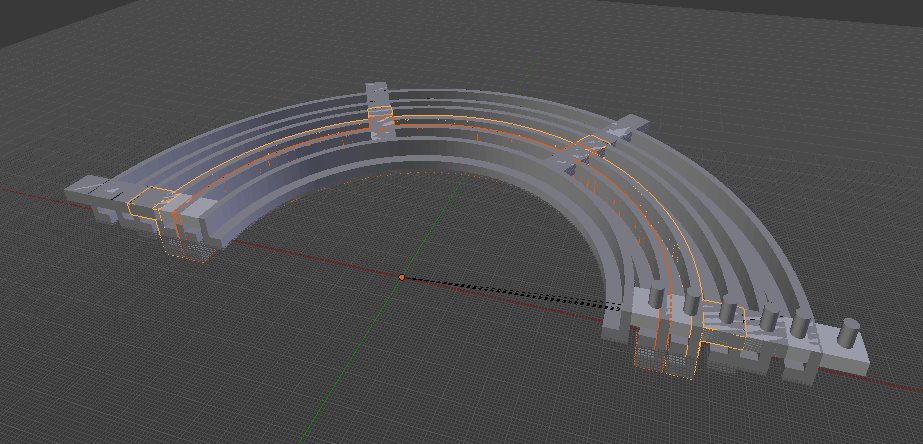
    An additional collar must be included in the model 3D :
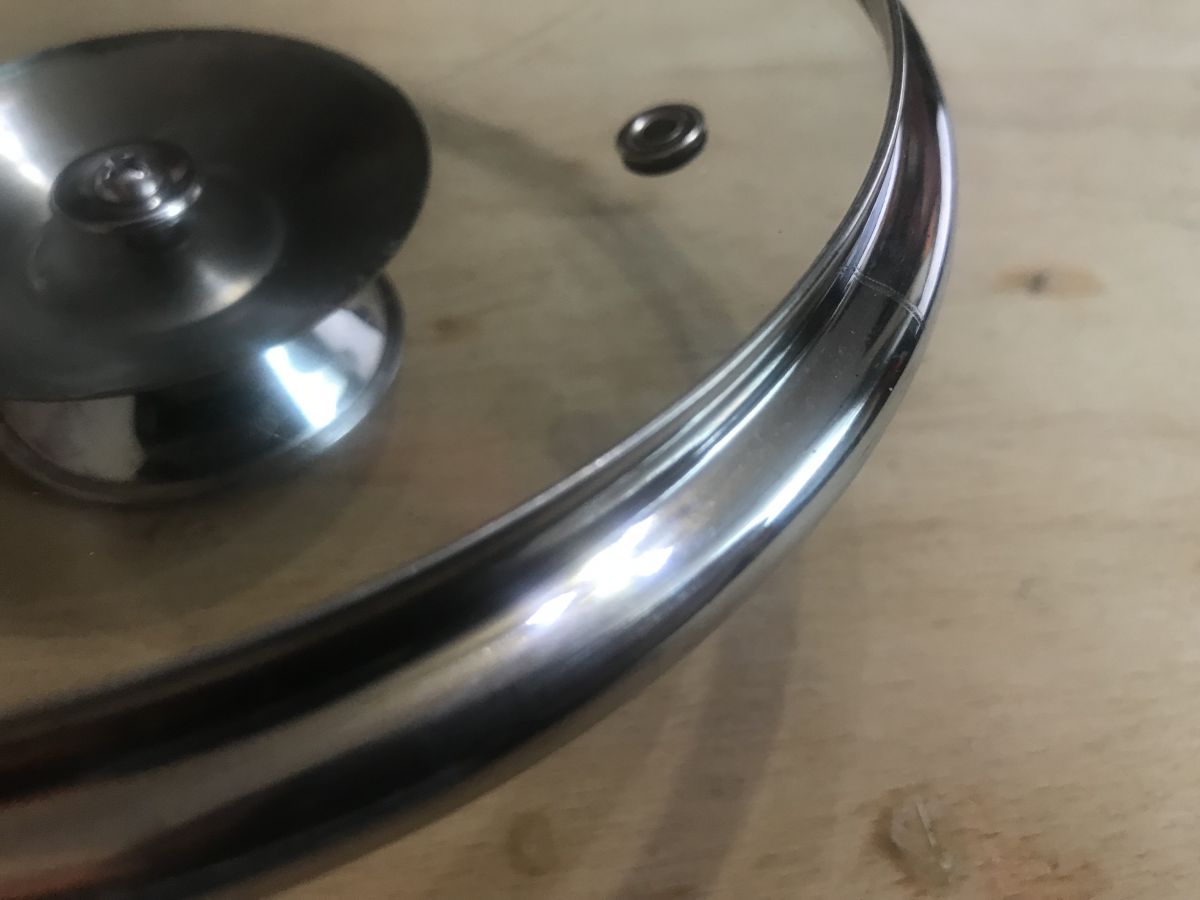
    An idea for a practical 3D print for the kitchen - pot lid holder
    I have thus enriched my collection of 3D handles with further versions, including two 'deep' versions:
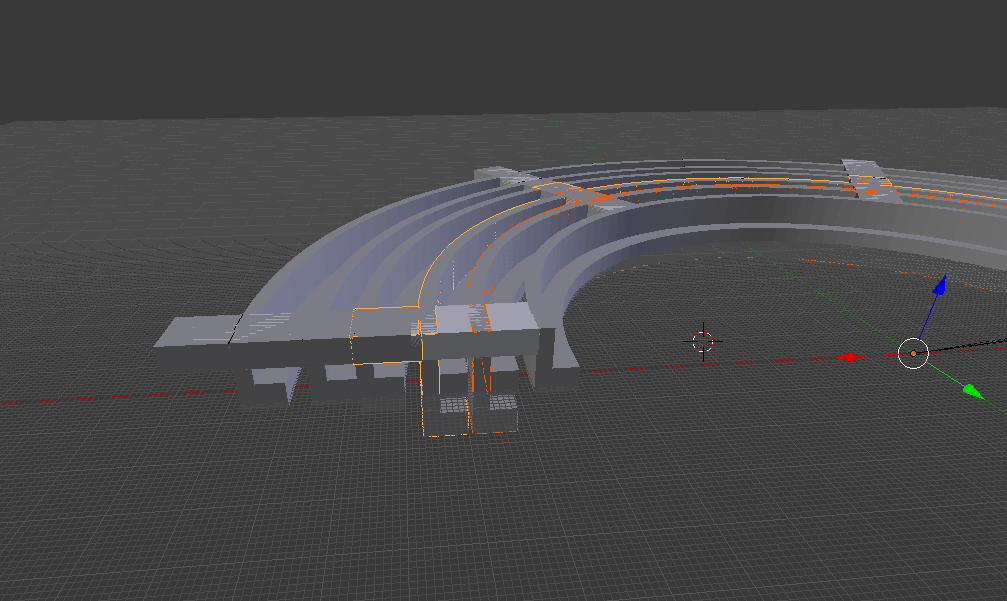
    An idea for a practical 3D print for the kitchen - pot lid holder
    An idea for a practical 3D print for the kitchen - pot lid holder

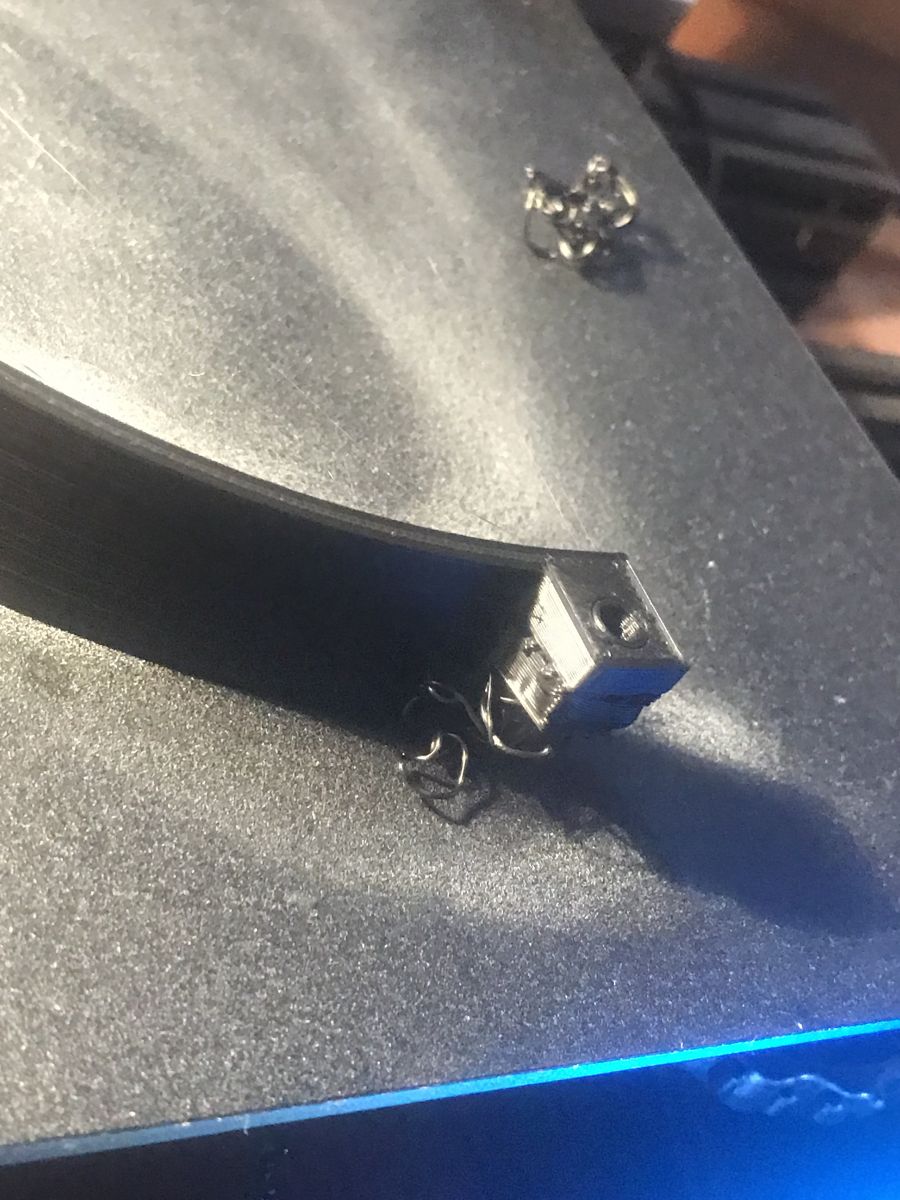
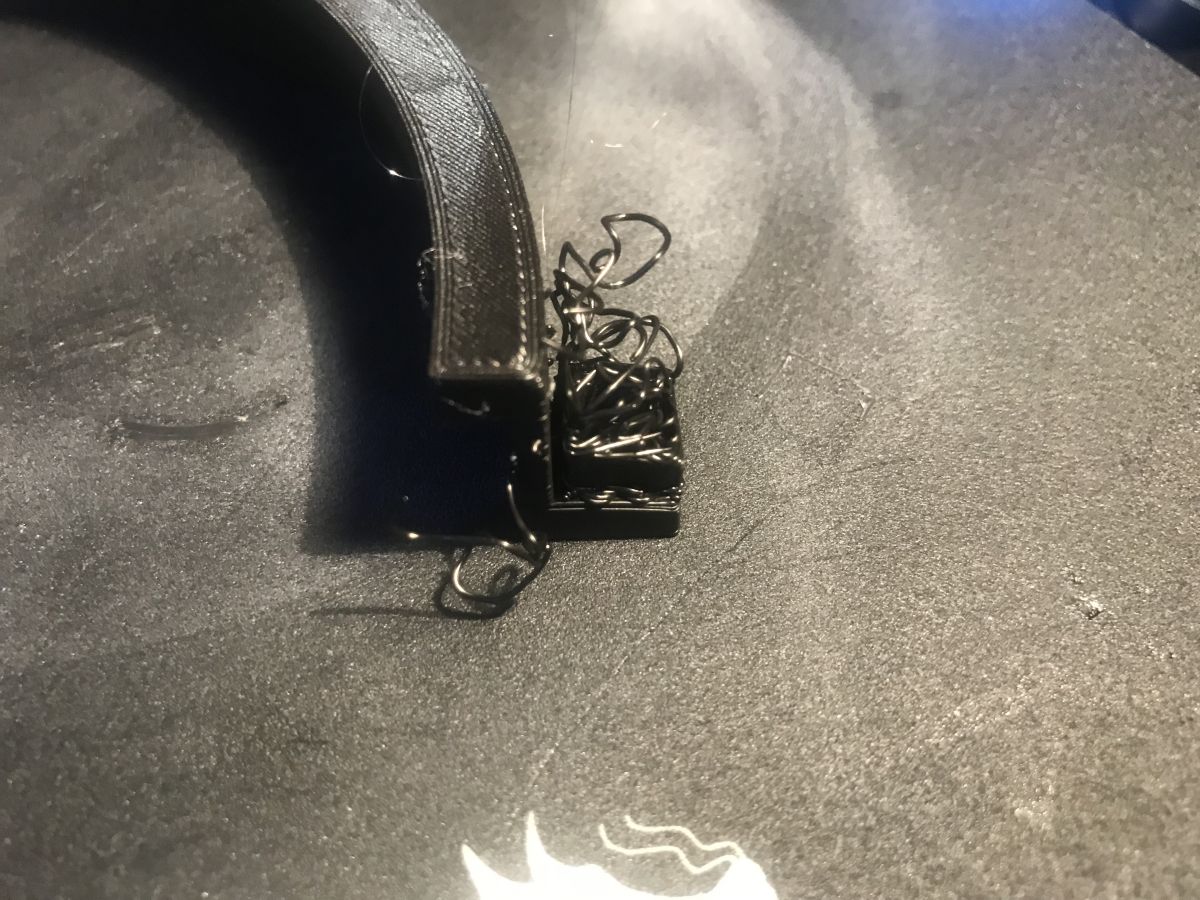
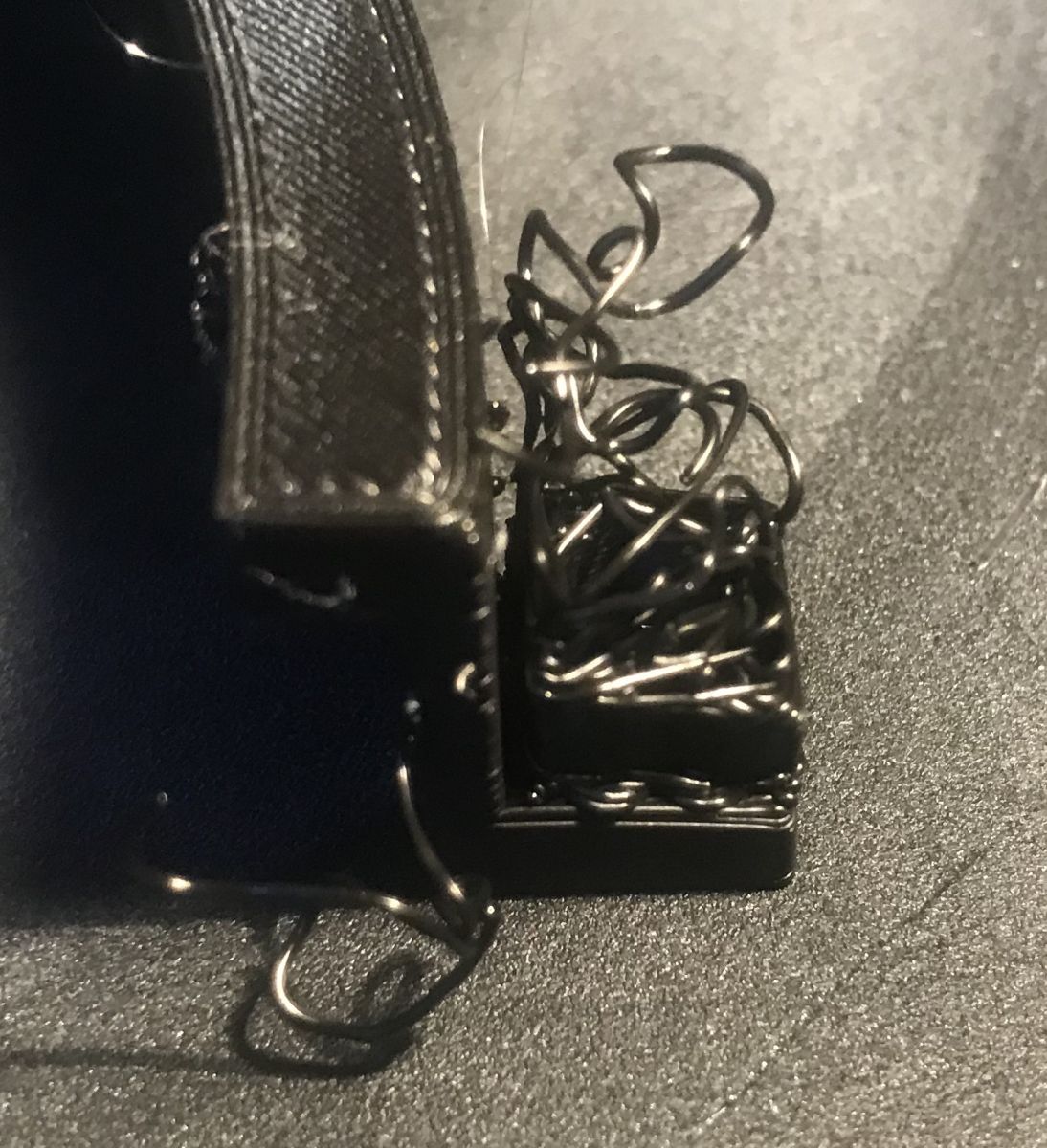
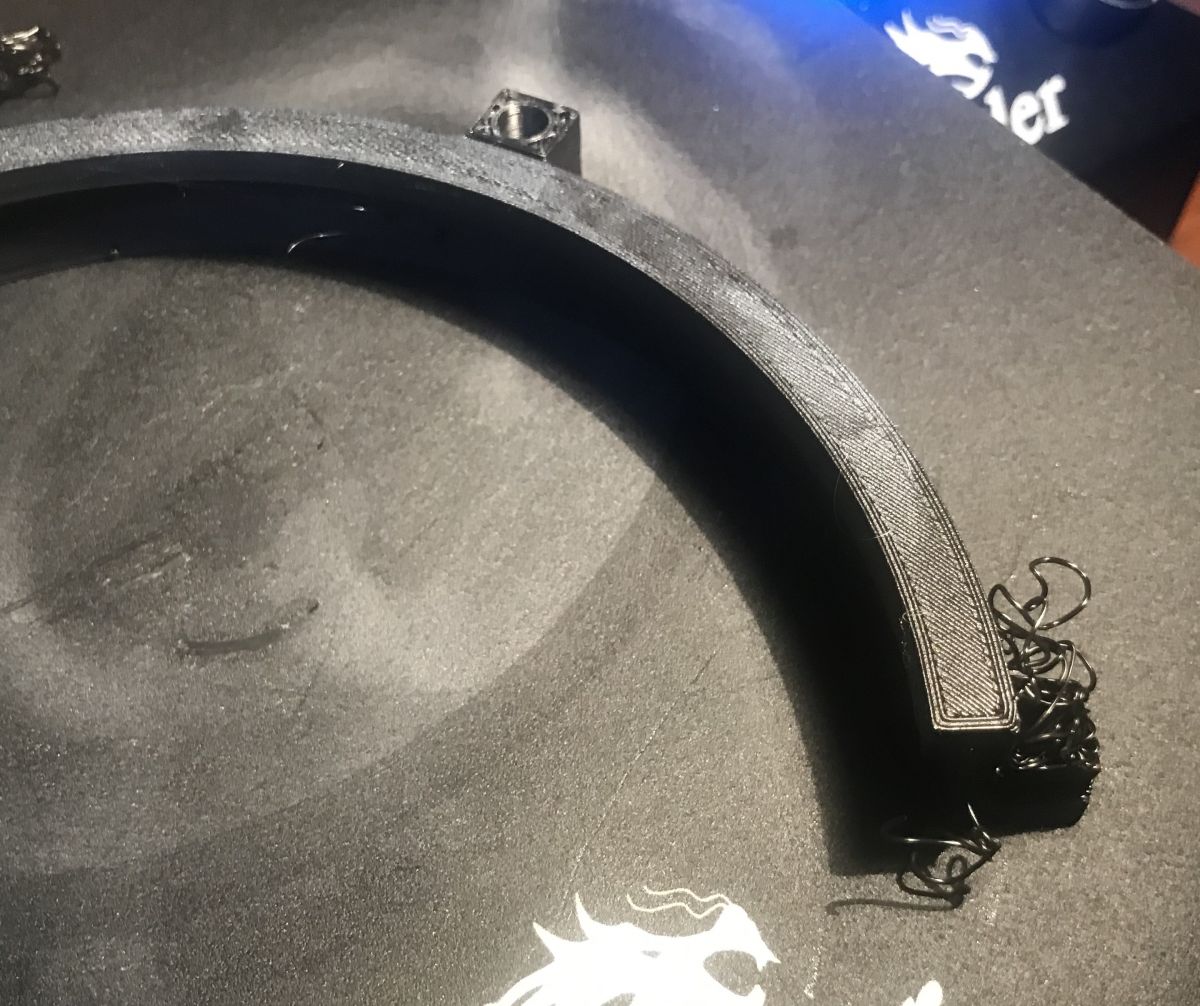
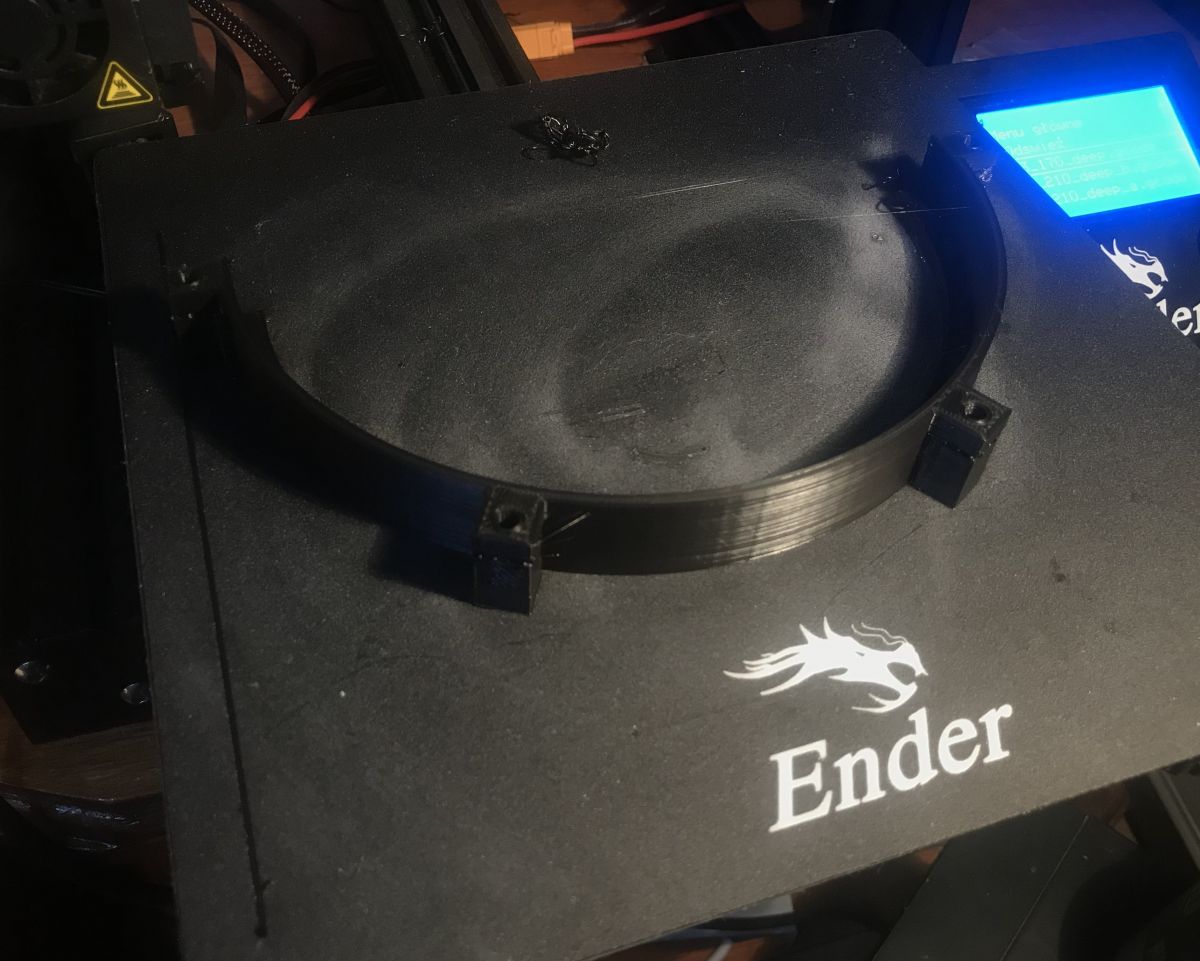
    When printing one of the mounts for the new lids, a minor problem occurred - the support (prop) of one of the mounts did not start to print correctly; a so-called 'spaghetti' of filament was created. However, in the end, by some miracle the mount itself printed correctly and the piece came out 100% correct. You can see the whole thing in the pictures:
    An idea for a practical 3D print for the kitchen - pot lid holder
    An idea for a practical 3D print for the kitchen - pot lid holder
    Close-up of the whole:
    An idea for a practical 3D print for the kitchen - pot lid holder
    When removed and inverted:
    An idea for a practical 3D print for the kitchen - pot lid holder
    An idea for a practical 3D print for the kitchen - pot lid holder An idea for a practical 3D print for the kitchen - pot lid holder
    But only the support element printed incorrectly here, not the handle itself, so after removing the support everything was ok.
    The second set of handles was also fully printed and fitted in the second kitchen, and was also well received by the householders.

    Attachment
    I place here the .blend source file with all the mounts I printed.
    There are separate objects in it:
    - mounting_diam188 - 188mm diameter mount
    - mounting_diam170 - mount with a diameter of 170mm
    - mounting_diam210_a - 210mm diameter mount - half one
    - mounting_diam210_b - 210mm diameter mount - half two
    - itp. etc.
    The naming of the objects indicates their size, so that it would be easy to find what we are looking for.
    They should be exported to STL so that they can then be opened in Cura or another slicer.
    Of course, we export each object separately - only the one that interests us at the moment.
    Attachment:
    lidHolde..2.zip Download(228.31 kB)Points: 2
    received by the file author


    Summary
    The design has worked well for us, and I have done it for three different kitchens already. I'm sharing the design with the idea that maybe someone will like it too and it will help to make the kitchen tidy. If anyone is interested, everything is downloadable in the appendix. The individual objects in the .blend file are also properly signed and have dimensions in mm. If anyone needs a particular STL or a handle modelled to a particular dimension, please let me know, I'd be happy to help.

    Cool? Ranking DIY
    Helpful post? Buy me a coffee.
    About Author
    p.kaczmarek2
    Moderator Smart Home
    Offline 
    p.kaczmarek2 wrote 13926 posts with rating 11732, helped 630 times. Been with us since 2014 year.
  • ADVERTISEMENT
  • #2 18461387
    Ty-grysek
    Level 12  
    The idea is interesting and practical, and the workmanship also deserves praise. However, I would like to point out that the filaments are not approved for food contact and - although in this case the contact is indirect - I would have some concerns. But maybe I am oversensitive and exaggerating.
  • ADVERTISEMENT
  • #3 18461437
    error105
    Level 14  
    Neither are the hands, the pipes from which the water flows the same, and we boil soups. So yes, you are oversensitive :)

    I'm leaving aside the fact that the pot also touches a cupboard which has no such admission either, the sink, the countertop or the dryer. So I guess the filament would be the least of the problems in all this.
  • #5 18461516
    Ty-grysek
    Level 12  
    Ryszard49 wrote:
    Ty-grit , read:
    Link

    Thanks, that's what I missed. The price is high, but not prohibitive. I wonder if and when it will be available in Poland.
  • #6 18461774
    szeryf3
    Level 29  
    A cool project and quite useful in real life.
    I've been looking for similar components from our brothers in Asia, but they don't have any. Pity.
  • #7 18461904
    error105
    Level 14  
    Ryszard49 wrote:
    Ty-grit , read:
    Link


    It is the filament that will be allowed, but what about the printer nozzle, the Teflon tube or the table on which we print ? It becomes one dog whether we print with PETG without certificate or with certificate.
  • ADVERTISEMENT
  • #10 18462913
    0ceanborn
    Level 25  
    As someone already said - food contact material. Typical filaments are not suitable but there are special ones. Of course for the right printer, with a regular daVincim you won't do it.
    Bad idea. Why create something that already exists ? Just do a google search.
    Lots of other things are needed that would really be worth printing for the kitchen.
  • #12 18463663
    error105
    Level 14  
    0ceanborn wrote:
    Lots of other things are needed that would really be worth printing for the kitchen.

    Then why haven't you presented any of these things until today ? Or are you also advocating to buy a printer and print the much needed figures from the thingiverse ?
  • #13 18463708
    szeryf3
    Level 29  
    @lubik00 these handles shown by the topic founder are cooler.
  • #14 18463857
    lubik00
    Level 15  
    szeryf3 wrote:
    @lubik00 these handles shown by the topic founder are cooler.


    It's a matter of taste.
  • #15 18465117
    pietszyk
    Level 13  
    Very cool idea. I, due to the lack of a printer, managed it like this.

    An idea for a practical 3D print for the kitchen - pot lid holder
  • #16 18465646
    KJ
    Level 31  
    Filament certified for food contact is only part of the problem, even assuming that the printer also has such a certificate. The problem here is reportedly the porous structure of the print which encourages the proliferation of unwanted micro-organisms.
  • #17 18466180
    0ceanborn
    Level 25  
    error105 wrote:

    Then why haven't you presented any of these things until today ?

    I don't know how to design shapes.
    error105 wrote:

    Or are you also advocating to buy a printer and print the much needed figures from the thingiverse ?

    No, and the Thingverse is not only useless figures, there are also a lot of necessary things e.g. spare parts for various devices.
    KJ wrote:
    Filament certified for food contact is only part of the problem even assuming the printer also has such a certificate. The problem here is reportedly the porous structure of the print which encourages the proliferation of unwanted microorganisms.

    Yes, although there are probably methods to deal with this, such as coating the finished product with some other material.
  • ADVERTISEMENT
  • #18 18466759
    Belialek
    Level 22  
    error105 wrote:
    Are you also advocating to buy a printer and print the much needed figures from the thingiverse ?


    That's a mate flying a bit... It's not a question of whether or not someone prints lid holders for themselves at home, it's just that these types of "projects" are posted on the electrode - right next to, for example, metal detector. There are specialist forums for 3D printing - I have no idea why this is littering this forum.... I can still understand if someone has made a design for an appliance case, or anything related to the topic of the forum - but a pot holder, seriously?

    Going back to the quoted passage - I bought a Prusa MK3 for a specific purpose, designed and printed the necessary gears, mechanisms, housing and handles for my device, and I don't throw myself at every project from thingiverse and design bullshit that can be bought for a pittance just to keep the printer running. For you the "much-needed figures" are meaningless, for others the lid holder (where a couple of posts above there is a solution how it can be done without printing, aesthetically pleasing and more robust - and being a printer owner I would choose just such a solution).

    This whole discussion can be boiled down to one statement - the electrode is not the place for a project to 3D print lid holders.
  • #21 18468198
    romulus73
    Level 28  
    Print projects are given to the thing that is electrode. I have plenty of them inserted in the dedicated forum but not on alektrod.


    An idea for a practical 3D print for the kitchen - pot lid holder An idea for a practical 3D print for the kitchen - pot lid holder An idea for a practical 3D print for the kitchen - pot lid holder
  • #22 18478379
    Marek Sp
    Level 20  
    Very cool idea and as always full of critics
  • #23 20822148
    bozenakurzewska
    Level 2  
    Cool stuff you guys are making. Maybe someone has the willingness, the time, to make me a part of the handle for the pressure cooker for a fee or for a friendly rematch. The pressure cooker is an old type, KUKTA, Hungarian from the '80s and the part, now, is not available for purchase and I could use it. I'm not going to buy the whole pressure cooker because it's quite a big expense where there's a chance to make it. I will send, if anything, the damaged part, at my own expense, of course.
  • #24 20823197
    Ty-grysek
    Level 12  
    bozenakurzewska wrote:
    Part of the handle for the pressure cooker
    This is where an ordinary 3D printer with filament will not work - such prints are not temperature resistant
  • #25 20823977
    bozenakurzewska
    Level 2  
    Thanks, have a great day!
  • #26 21530529
    OPservator
    Level 39  
    @Ty-grysek
    Czech Prusa sells Filaments suitable for food contact - mainly PLA and PET-G, and from Chinese brands you have Creality PLA+ and AnyCubic PLA+.

    Maybe I wouldn't necessarily print a cup out of PLA and drink tea in it (the softening temperature of PLA is about 120*C), but I would have no problem pouring water into it.

    Added after 2 [minutes]:

    Generally biodegradable filaments are considered chemically neutral and safe for food contact.
    Older type printers, due to their lower precision, could make micro gaps in the prints, if you drink in such a cup, fungus will end up growing between the walls.
    But there is also a remedy for this, you can always cover it with some super-safe varnish :D
📢 Listen (AI):
ADVERTISEMENT