logo elektroda
logo elektroda
X
logo elektroda

DIY 3D printer as an experiment and the start of a 3D printing adventure

Bobo[PL] 5823 12

TL;DR

  • A DIY filament 3D printer was built from T2040 and v-slot profiles, an IGUS linear guide for the Y-axis, and stepper motors from storage.
  • The design used a BigTreeTech SKR1.3 controller, TFT43 display, TMC2208 3.0 UART drivers, M8 threaded rods for Z, and FR4-made mounts and belt tensioners.
  • Core parts included an MK8 extruder and an E3D v6 hotend, while an early CD-ROM-drive concept was dropped as too limited.
  • After quick calibration of the table, extruder, and Z-axis, the amateur prototype started working perfectly.
  • The first prints were made on a table with no cable tidying, and a primitive filament cleaner was added later from a tissue and paper clip.
Generated by the language model.
ADVERTISEMENT
Treść została przetłumaczona polish » english Zobacz oryginalną wersję tematu
📢 Listen (AI):
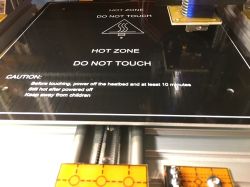
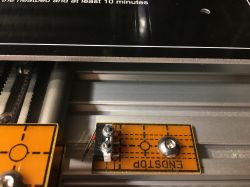
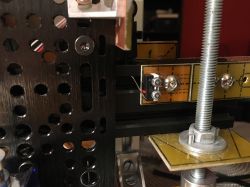
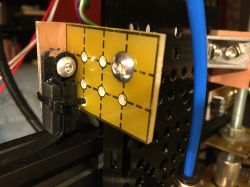
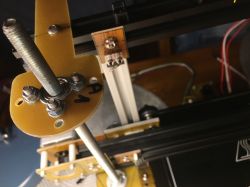
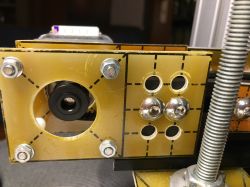
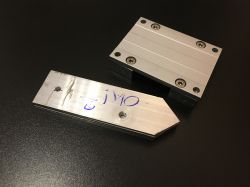
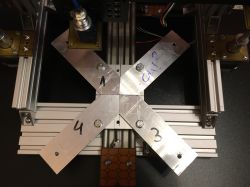
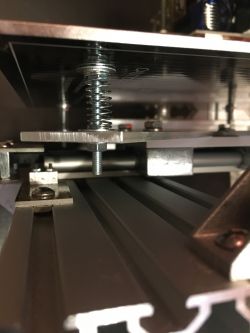
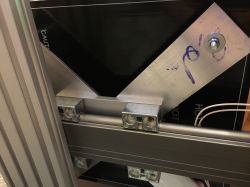
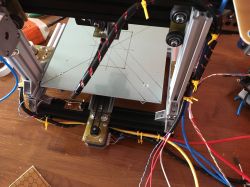
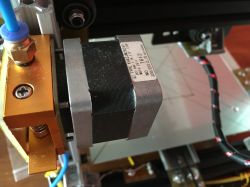
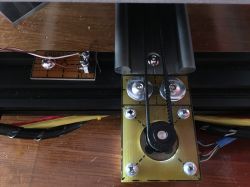
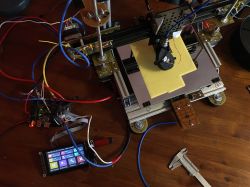
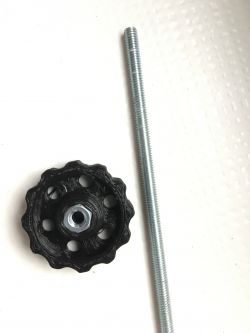
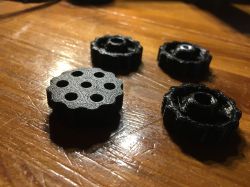
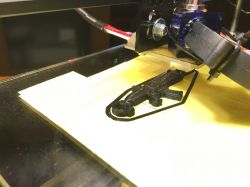
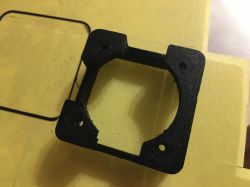
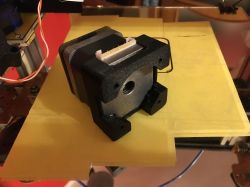
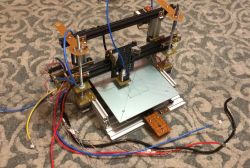
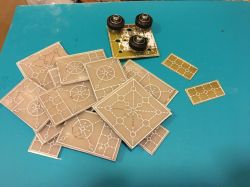
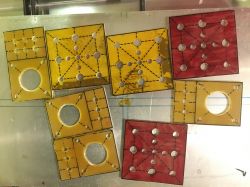
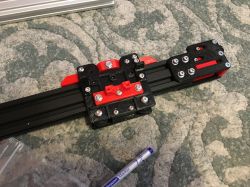
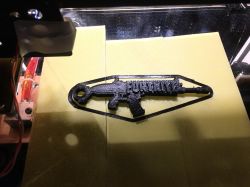
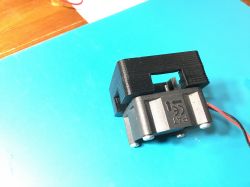
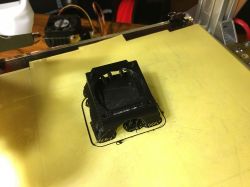
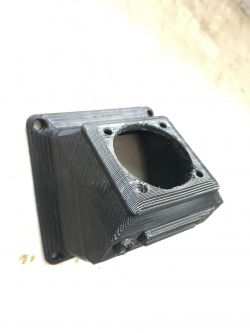
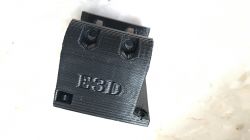
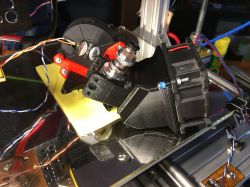
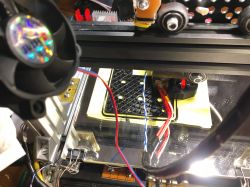
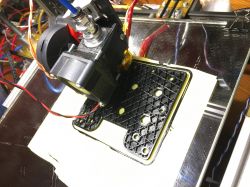
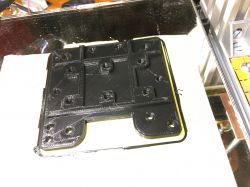
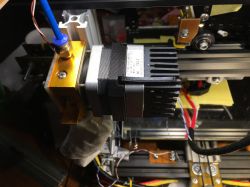
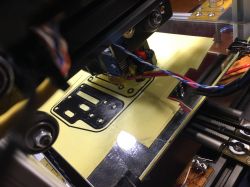
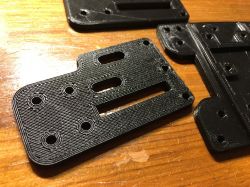
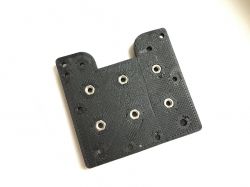
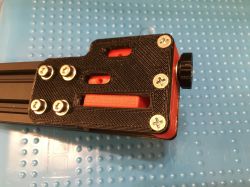
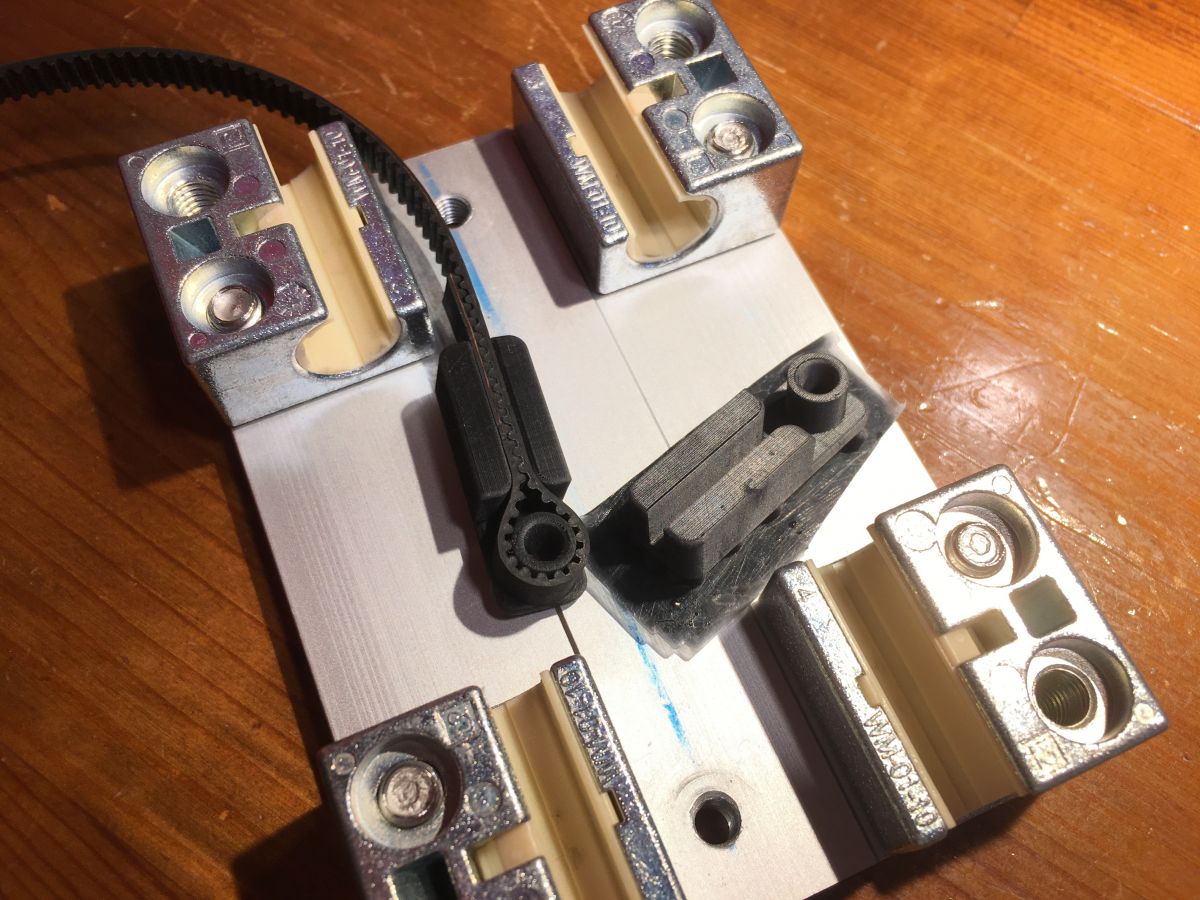
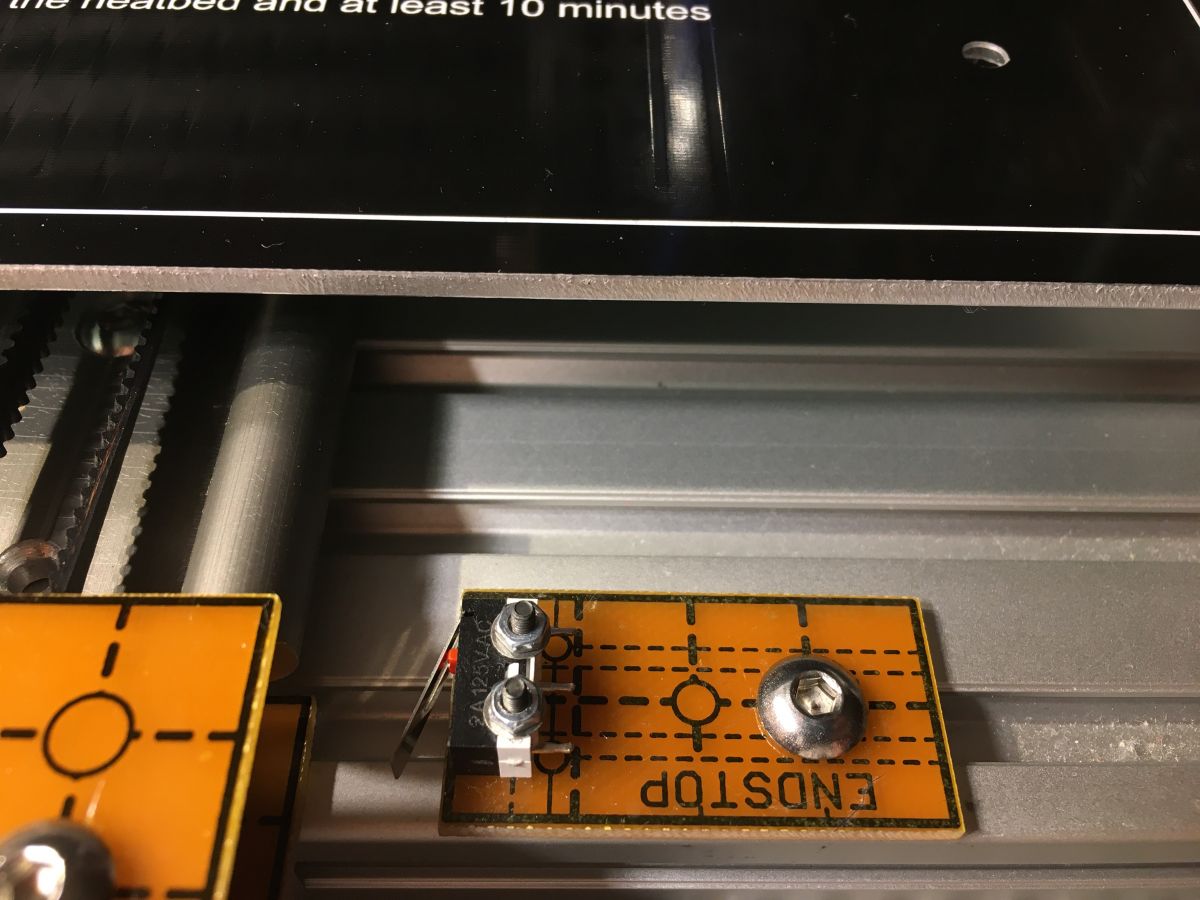
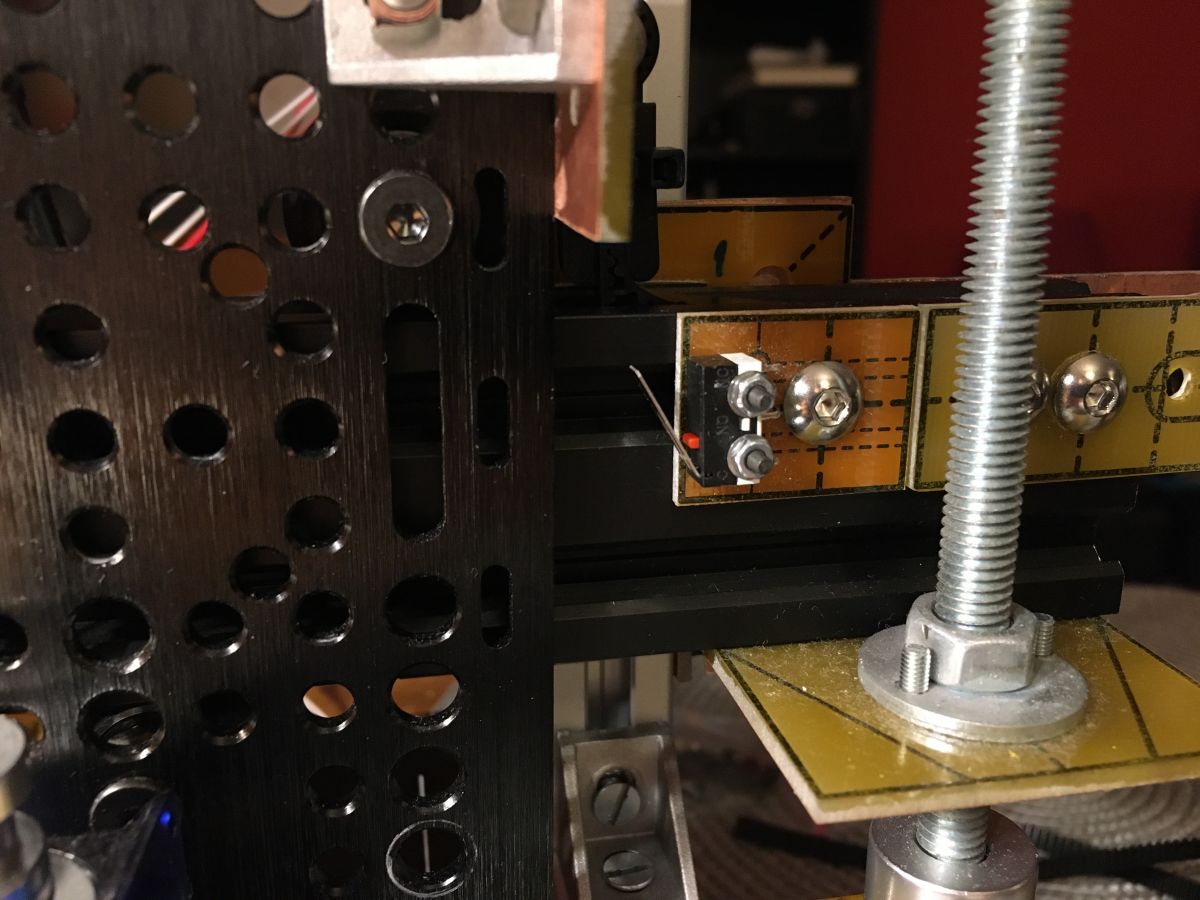
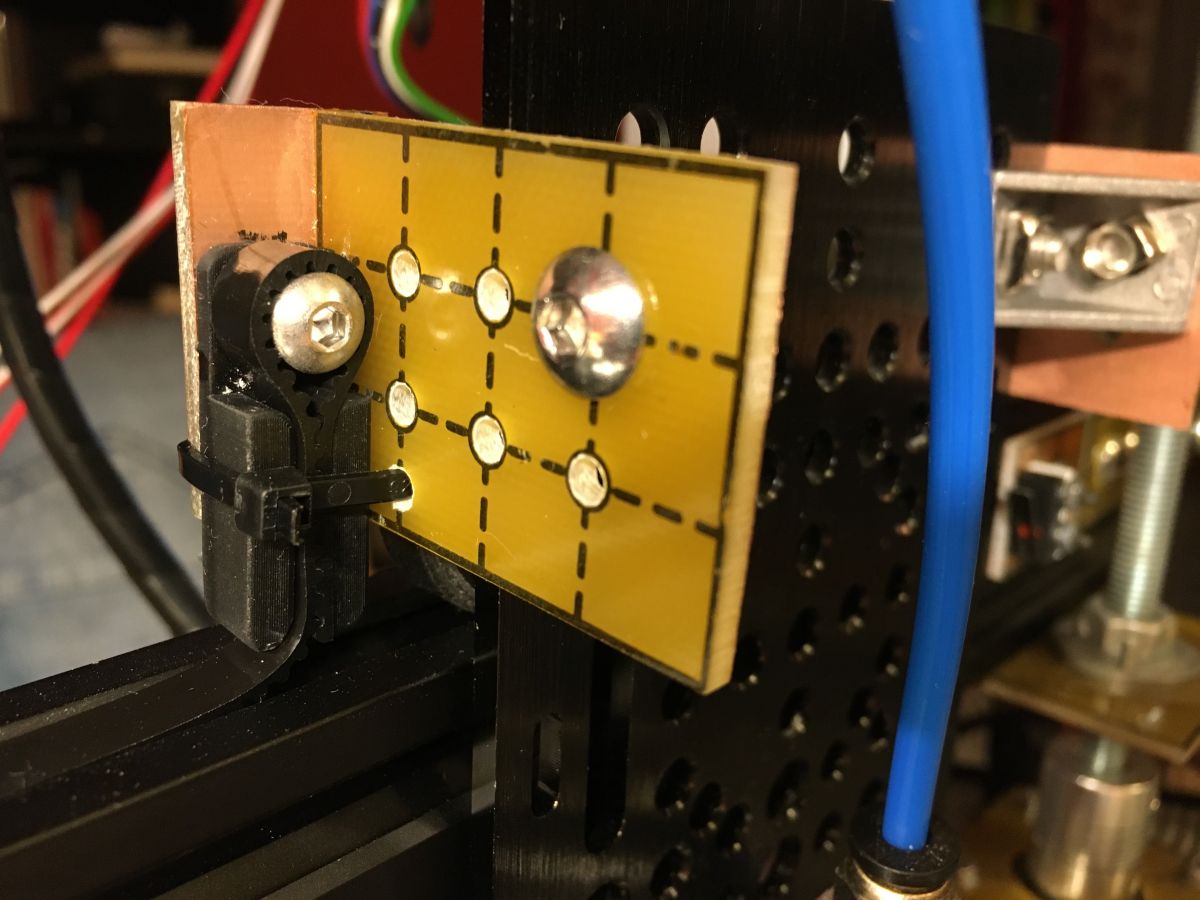
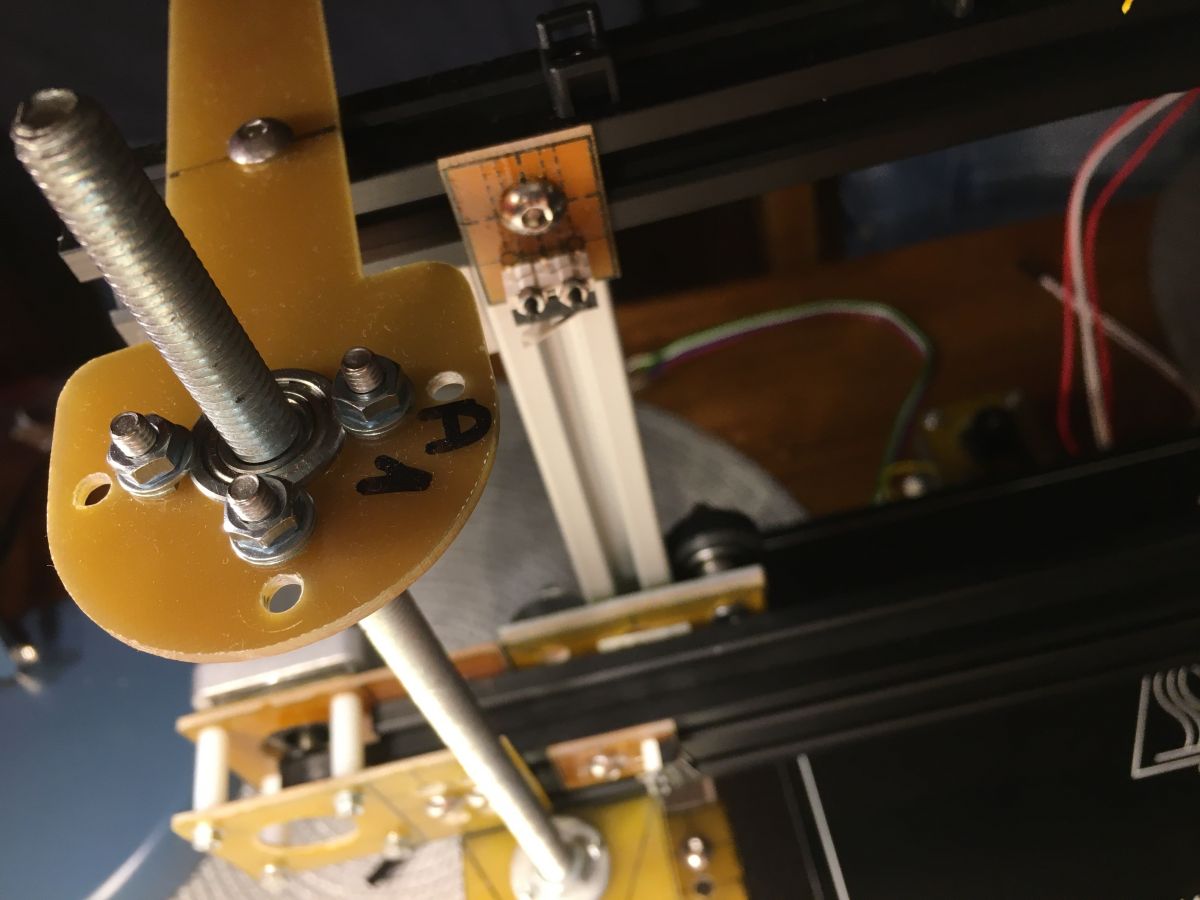
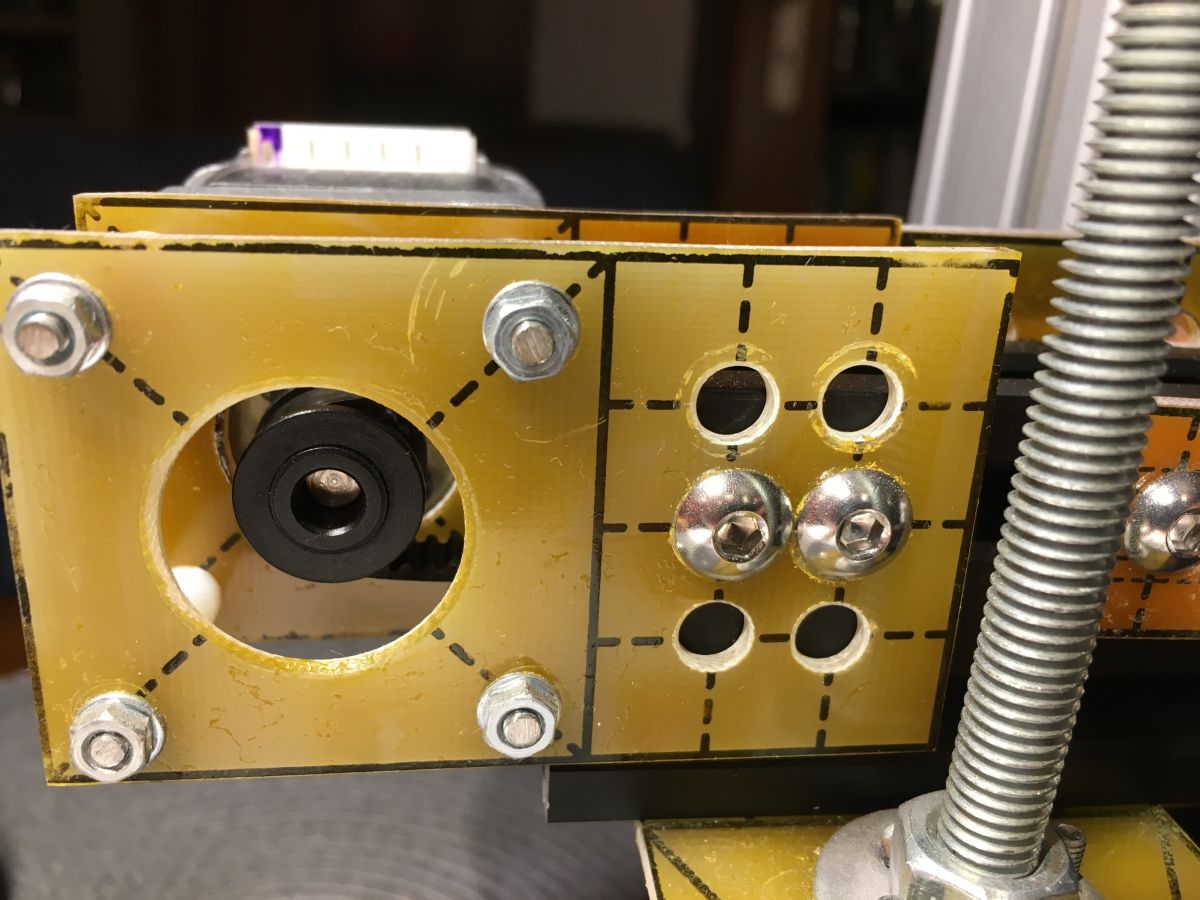
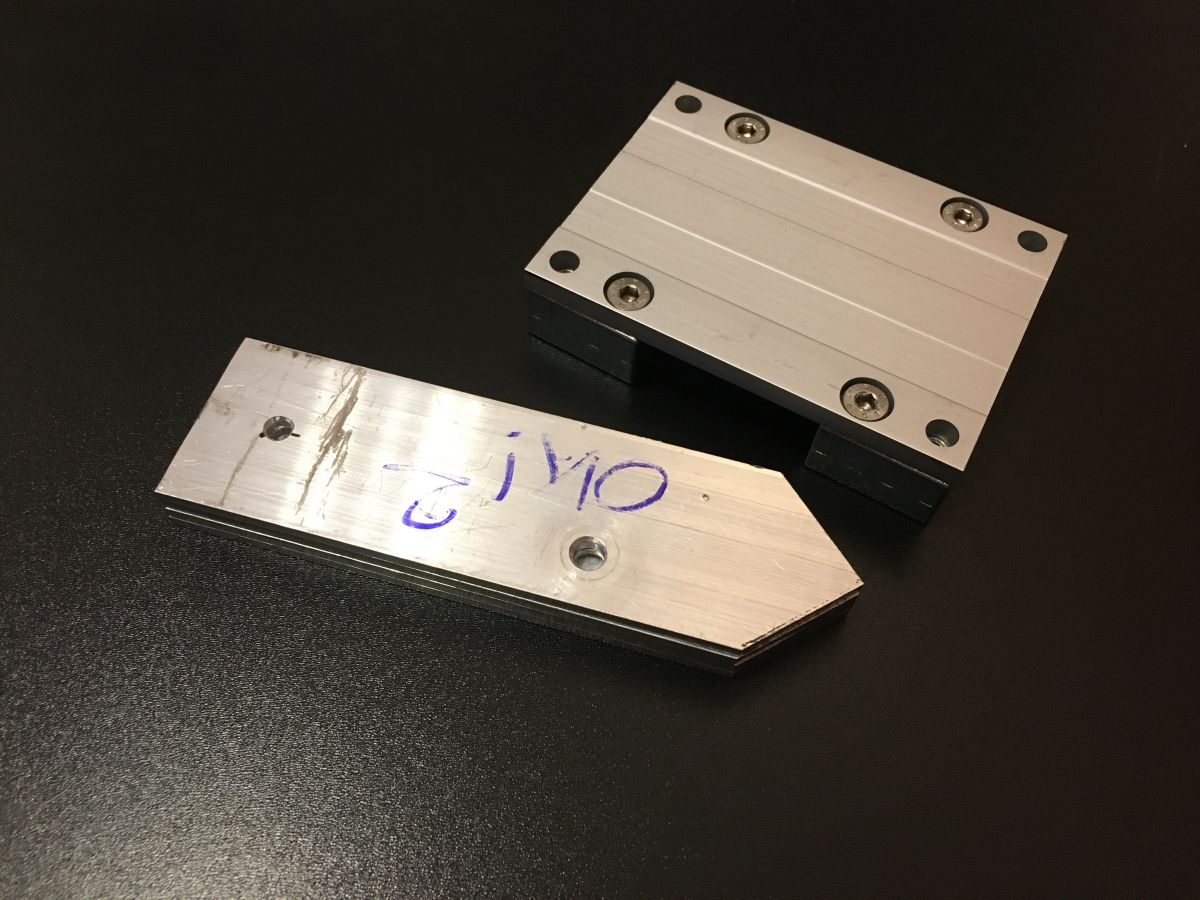
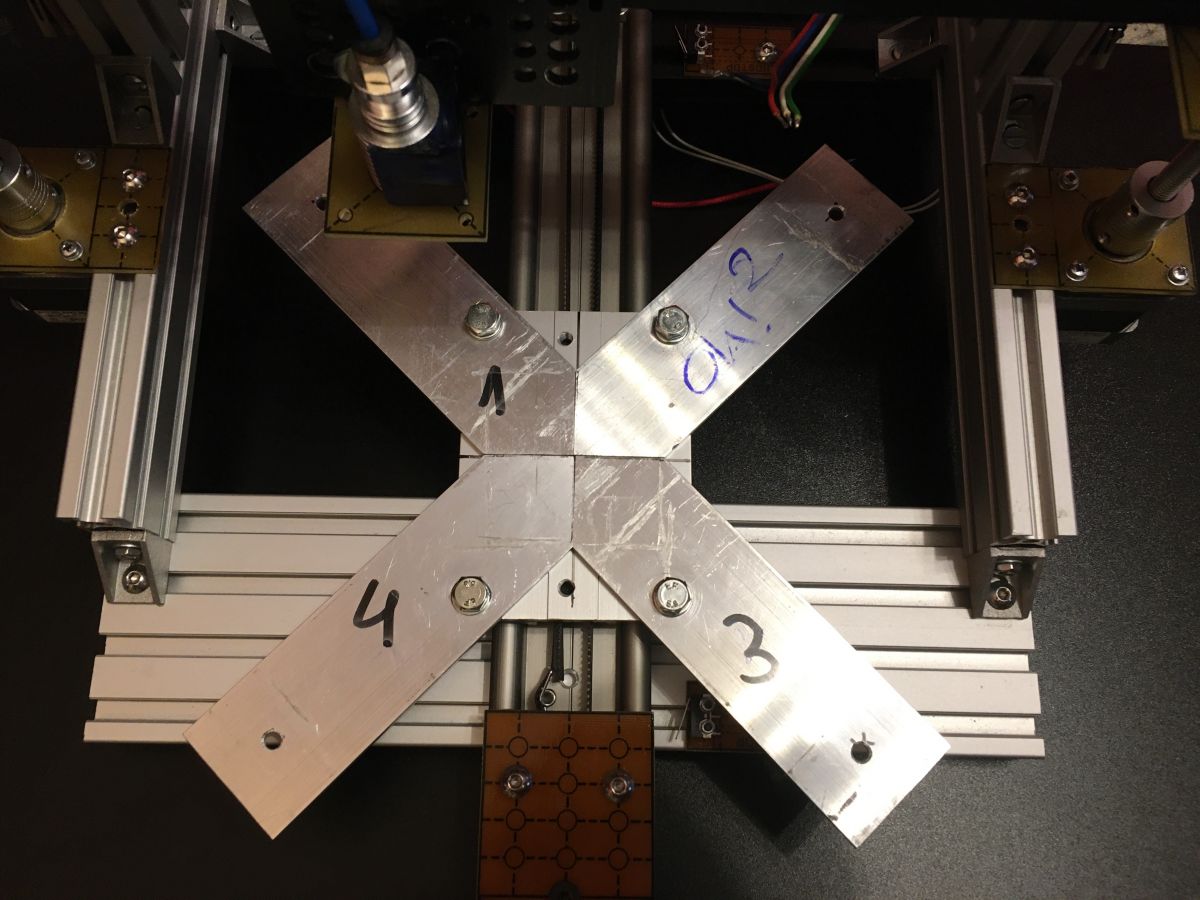
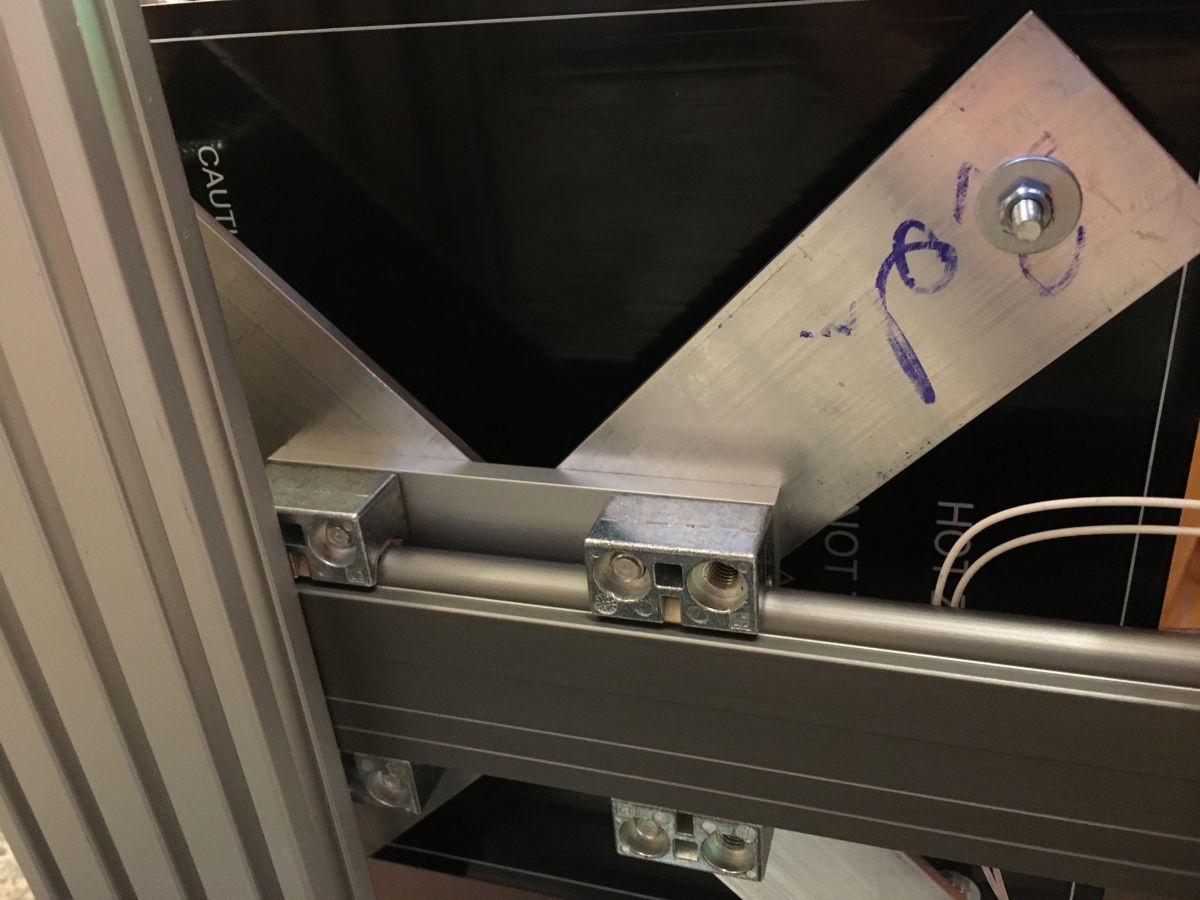
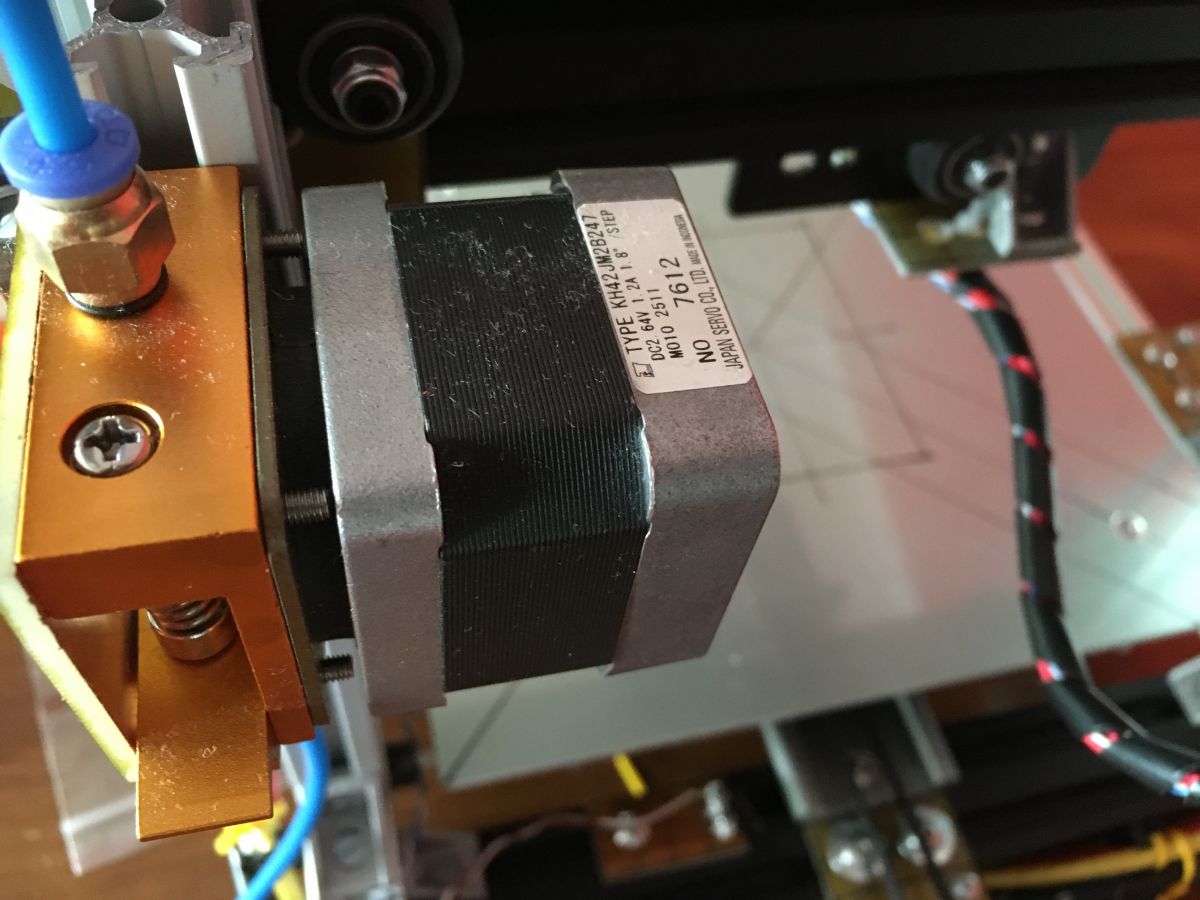
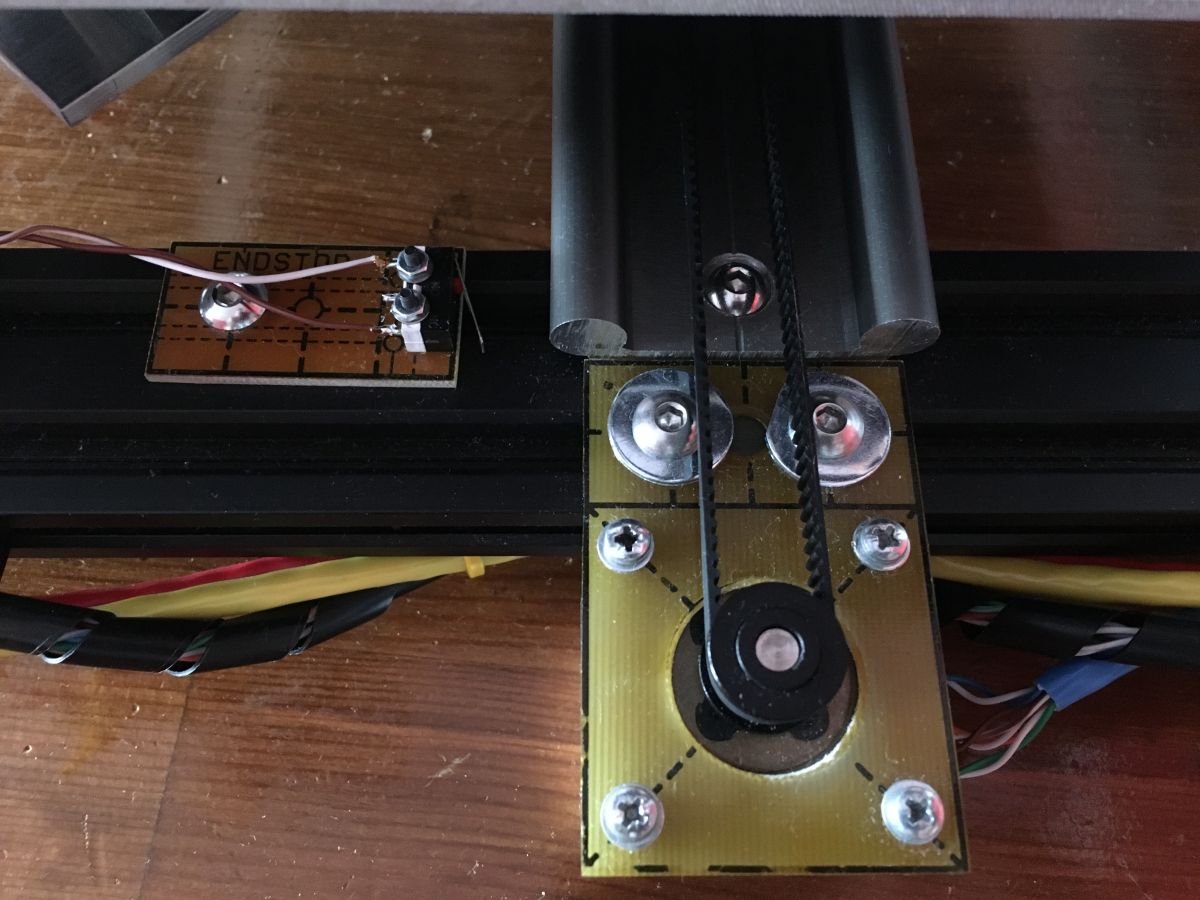
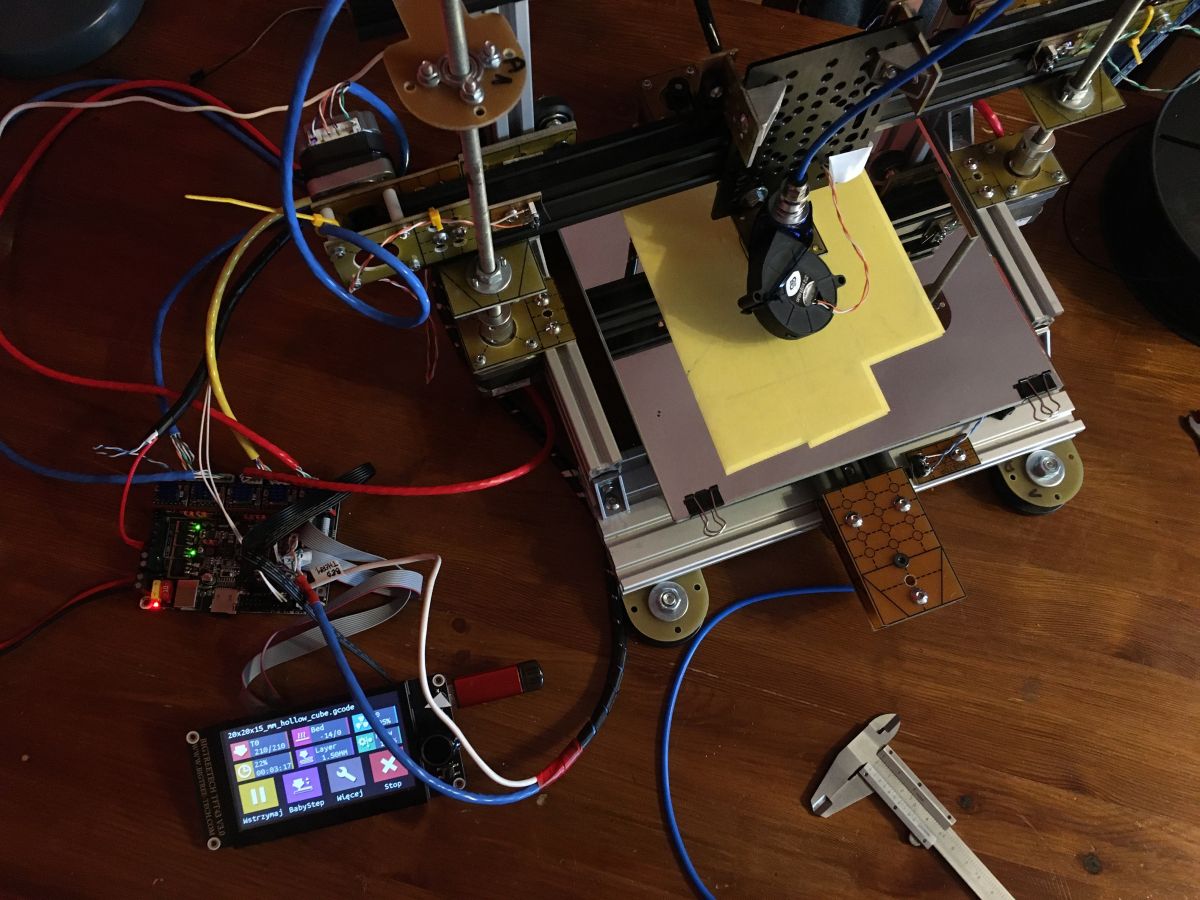
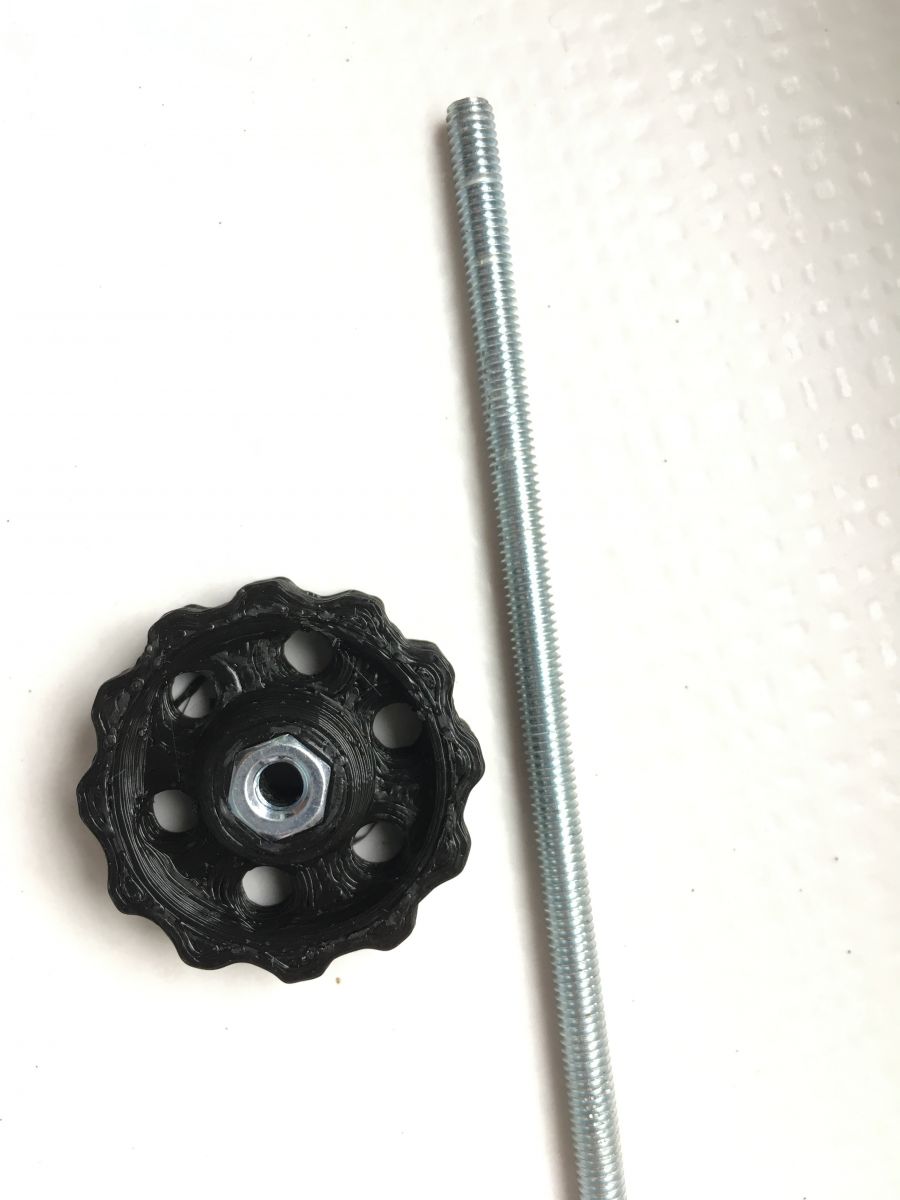
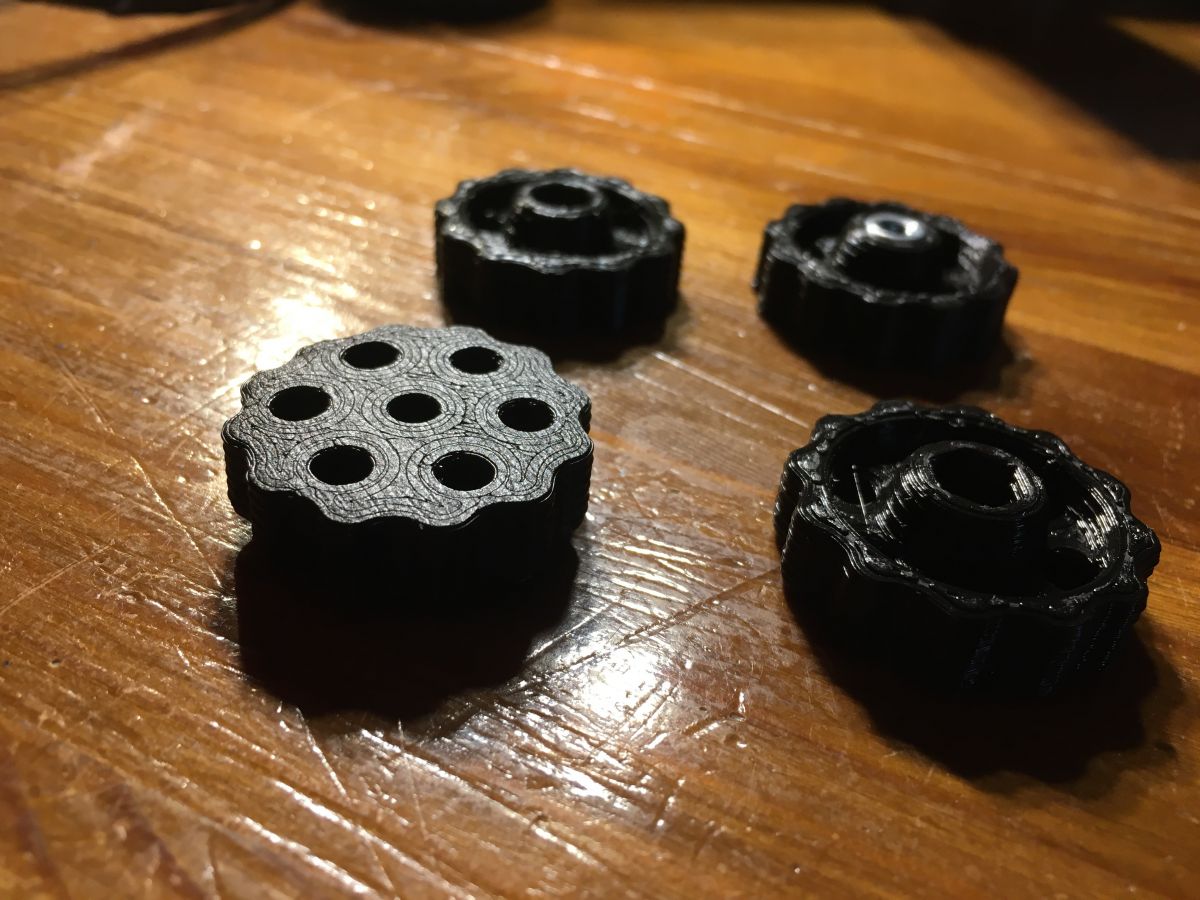
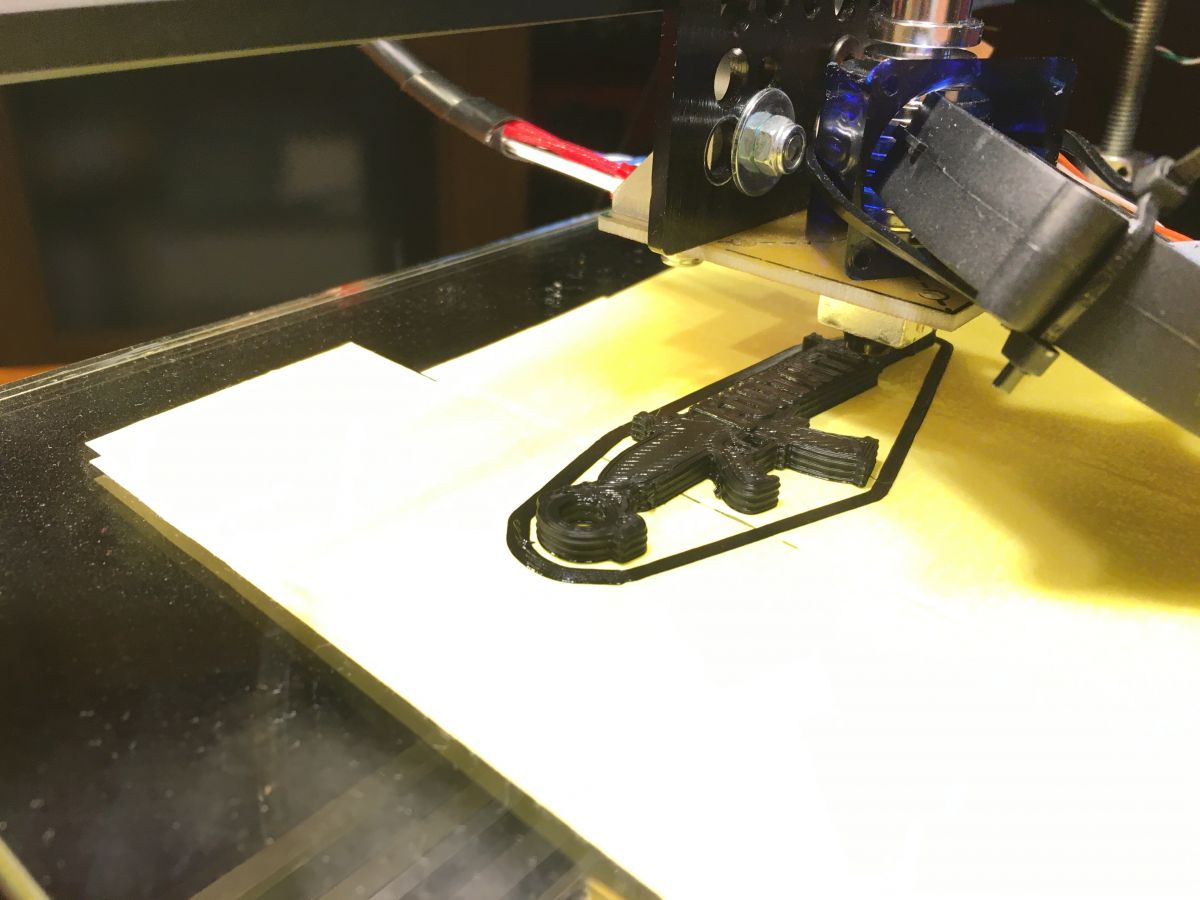
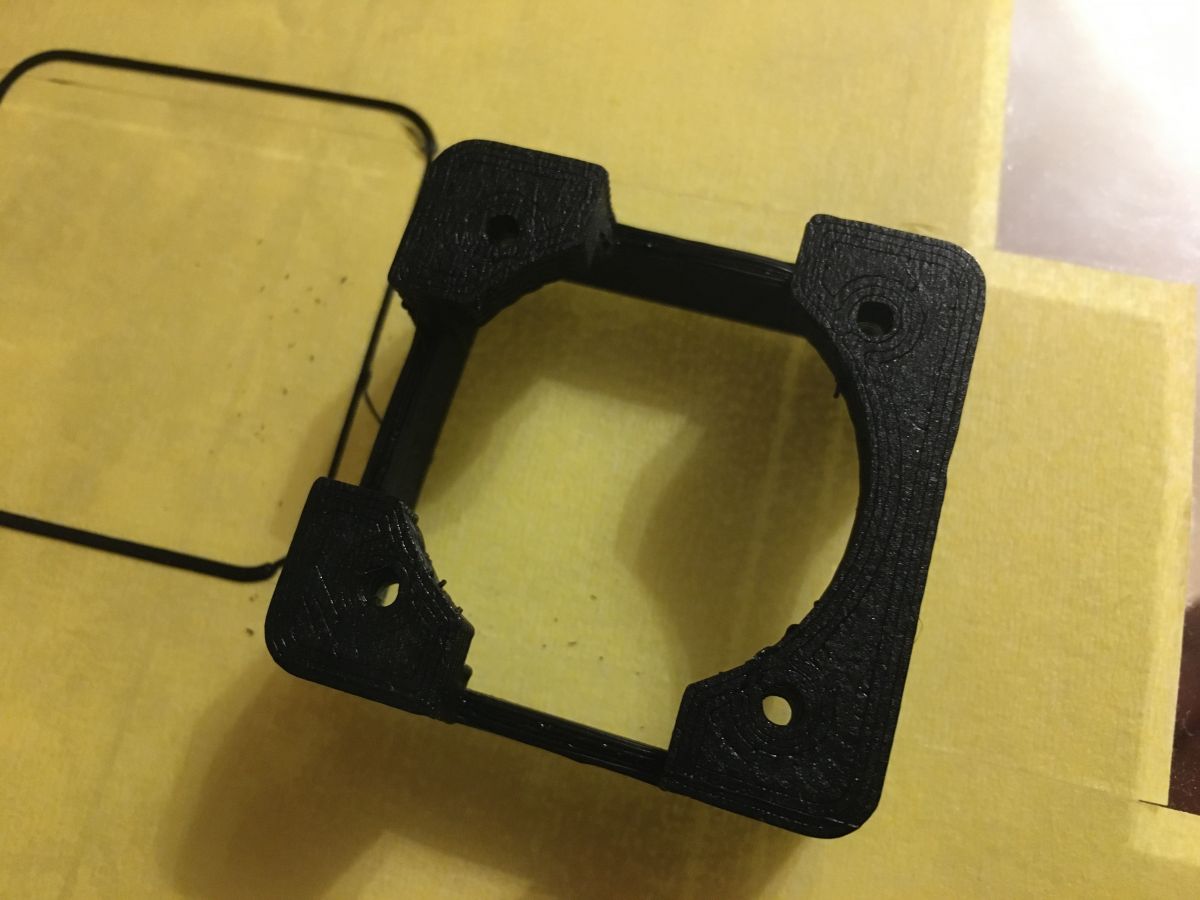
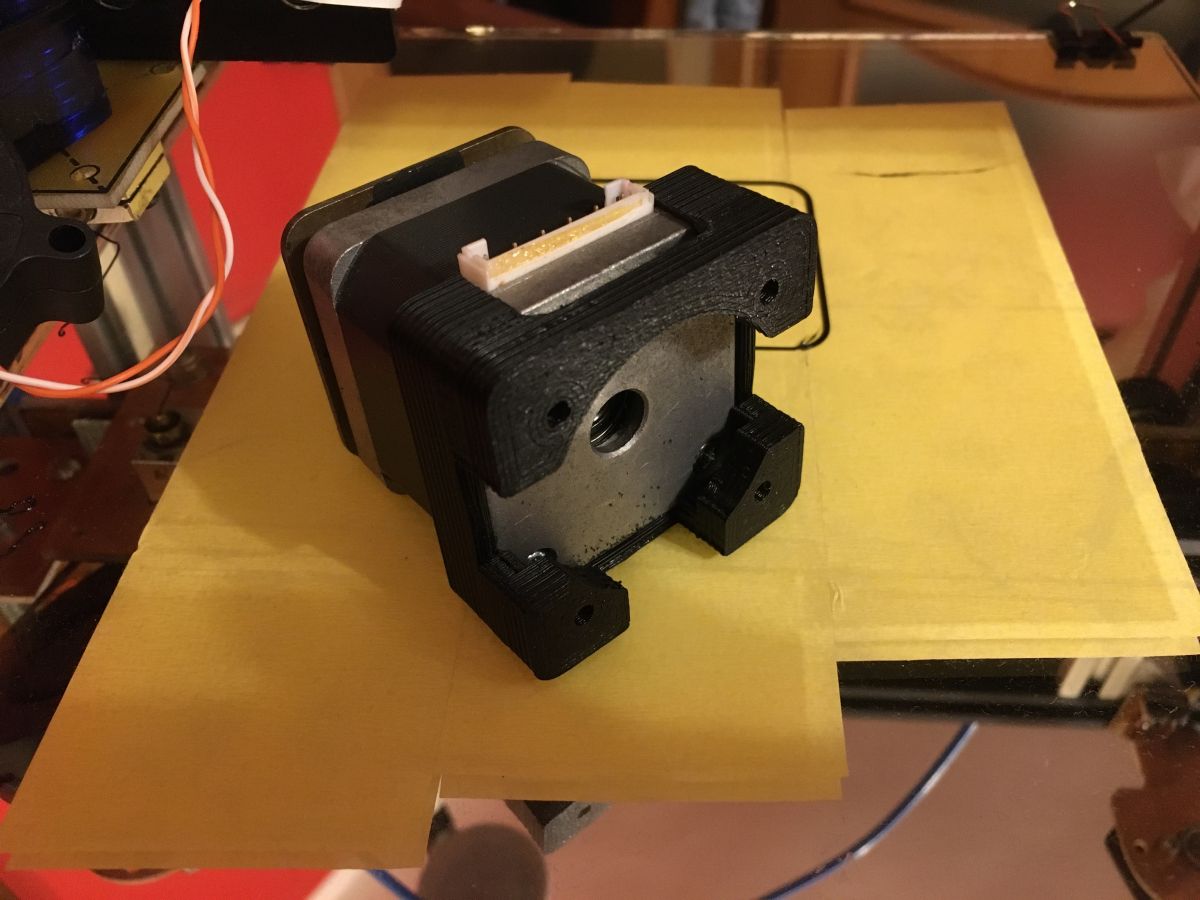
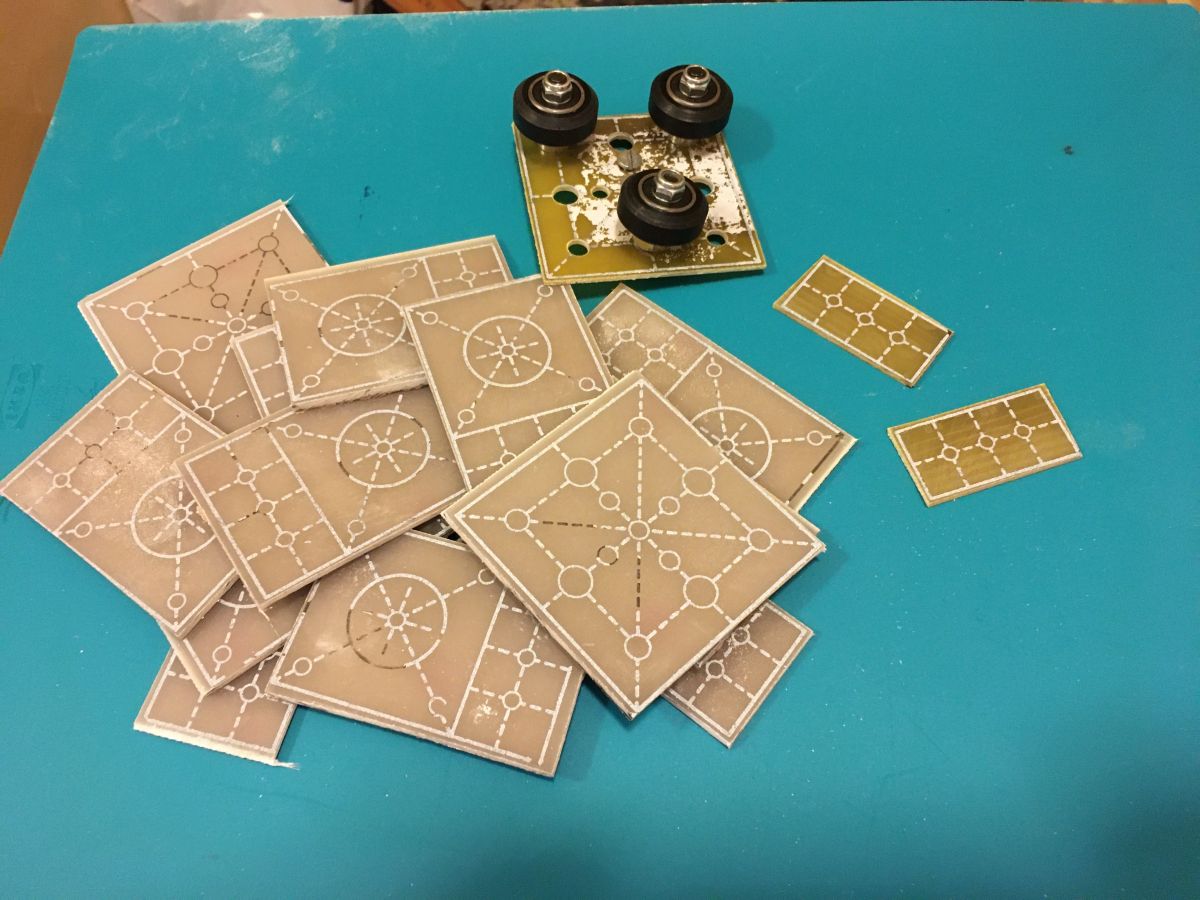
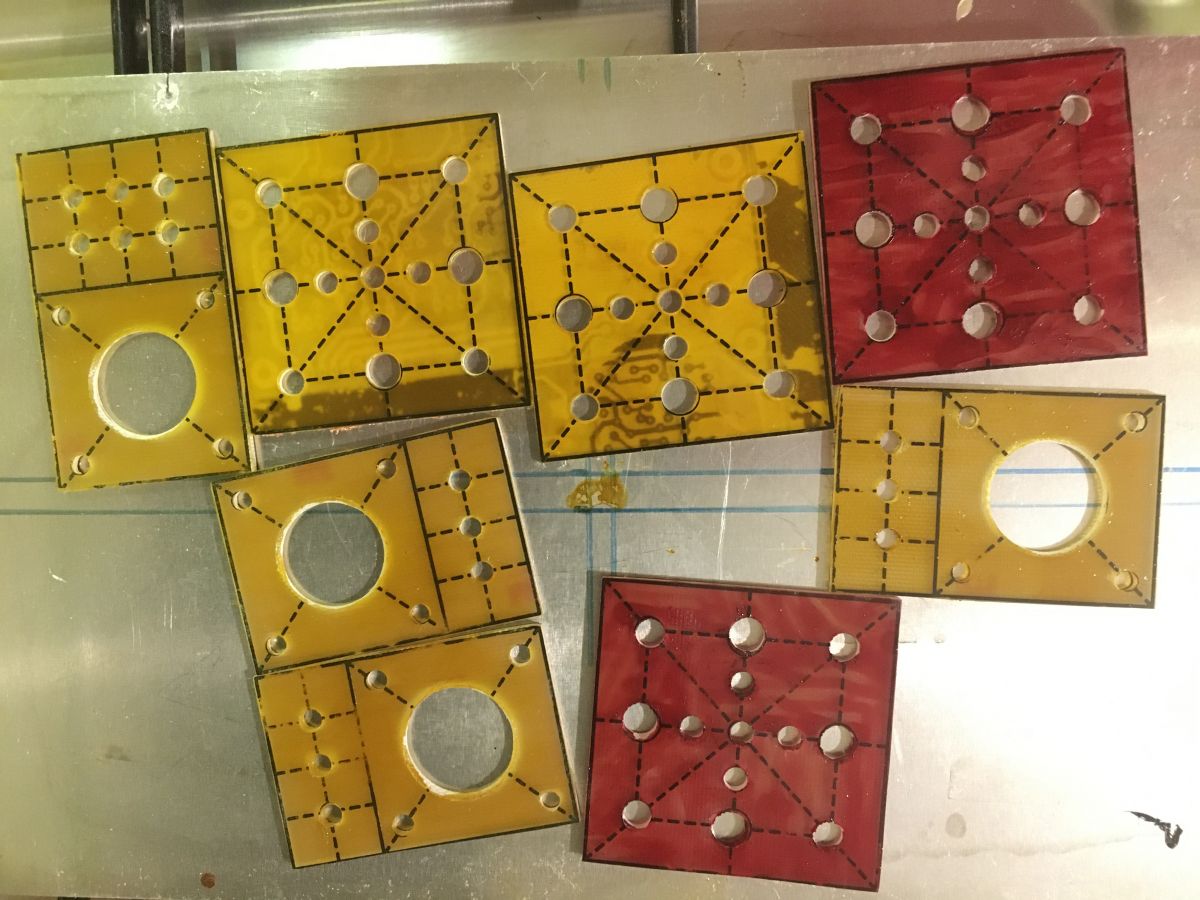
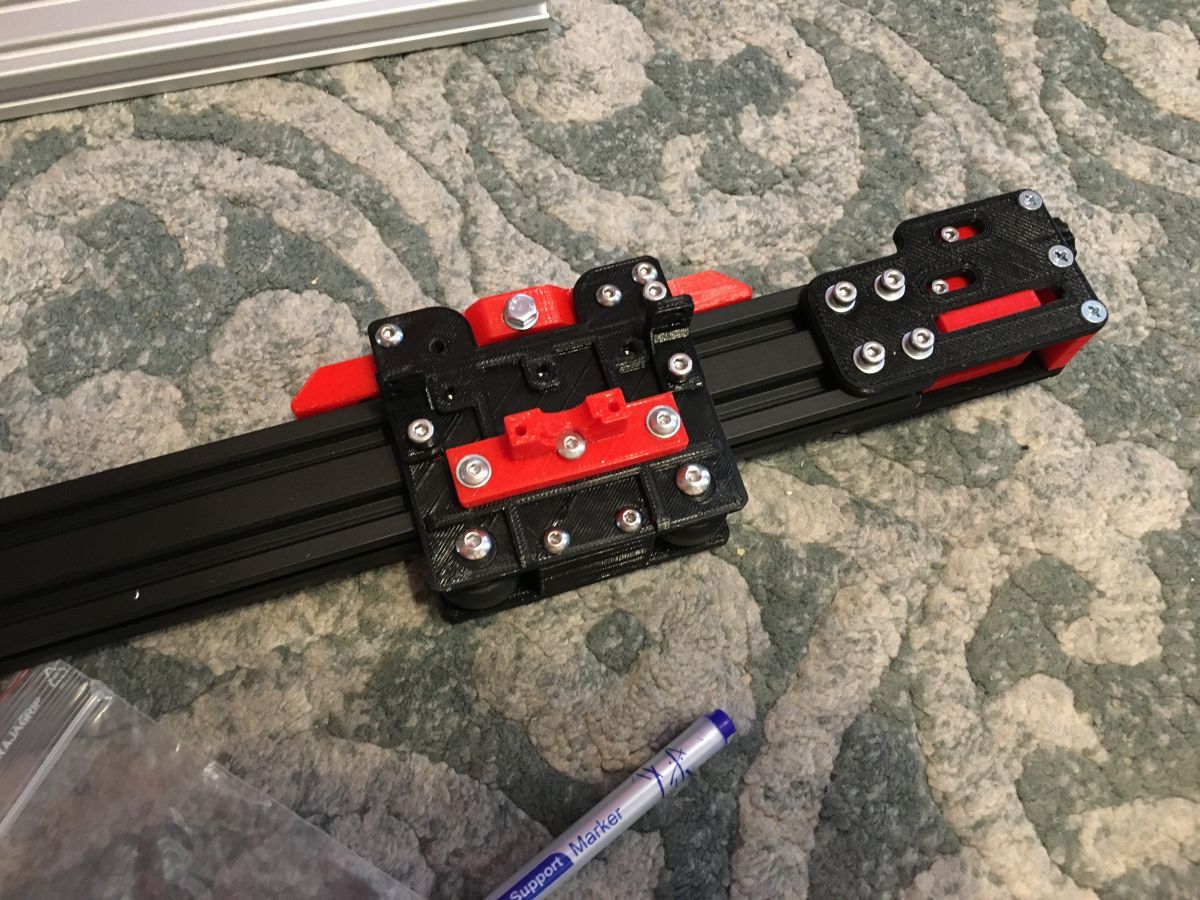
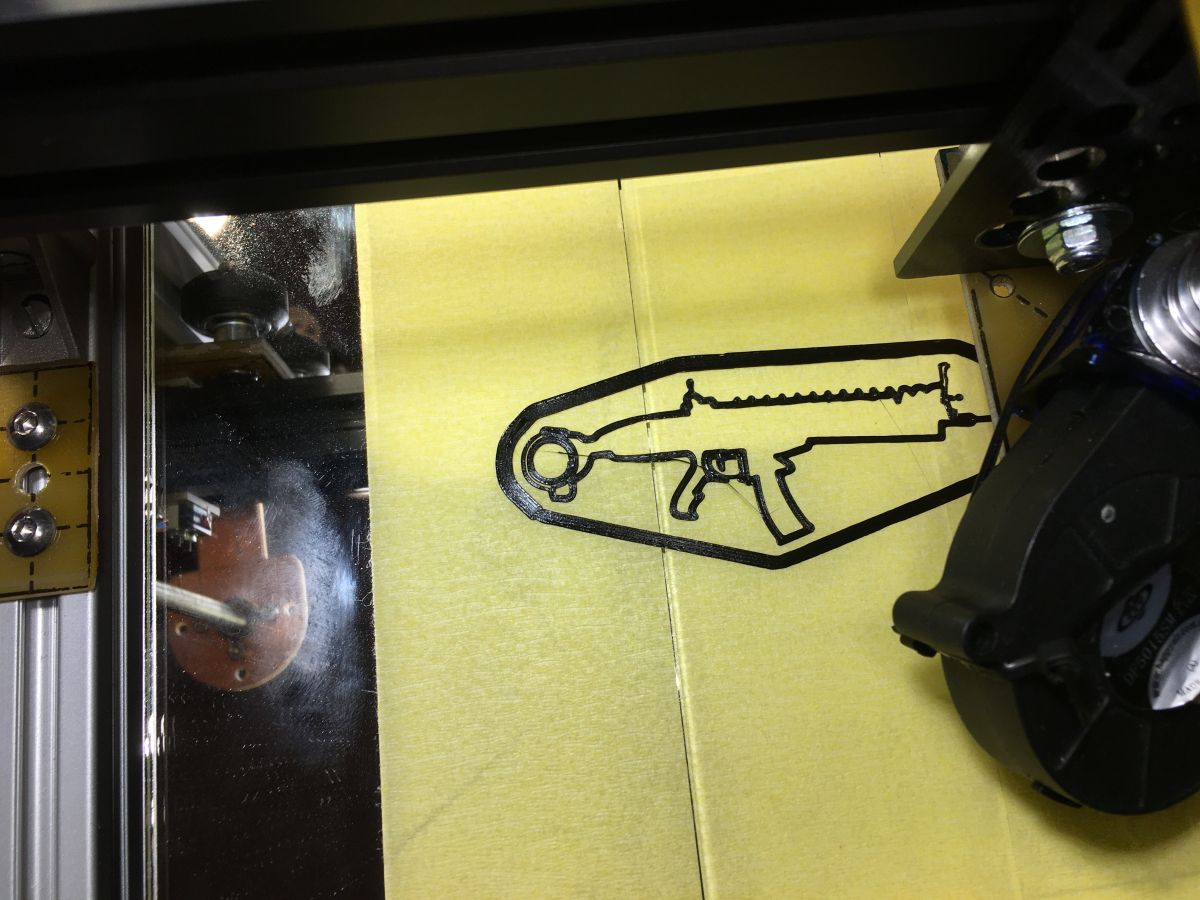
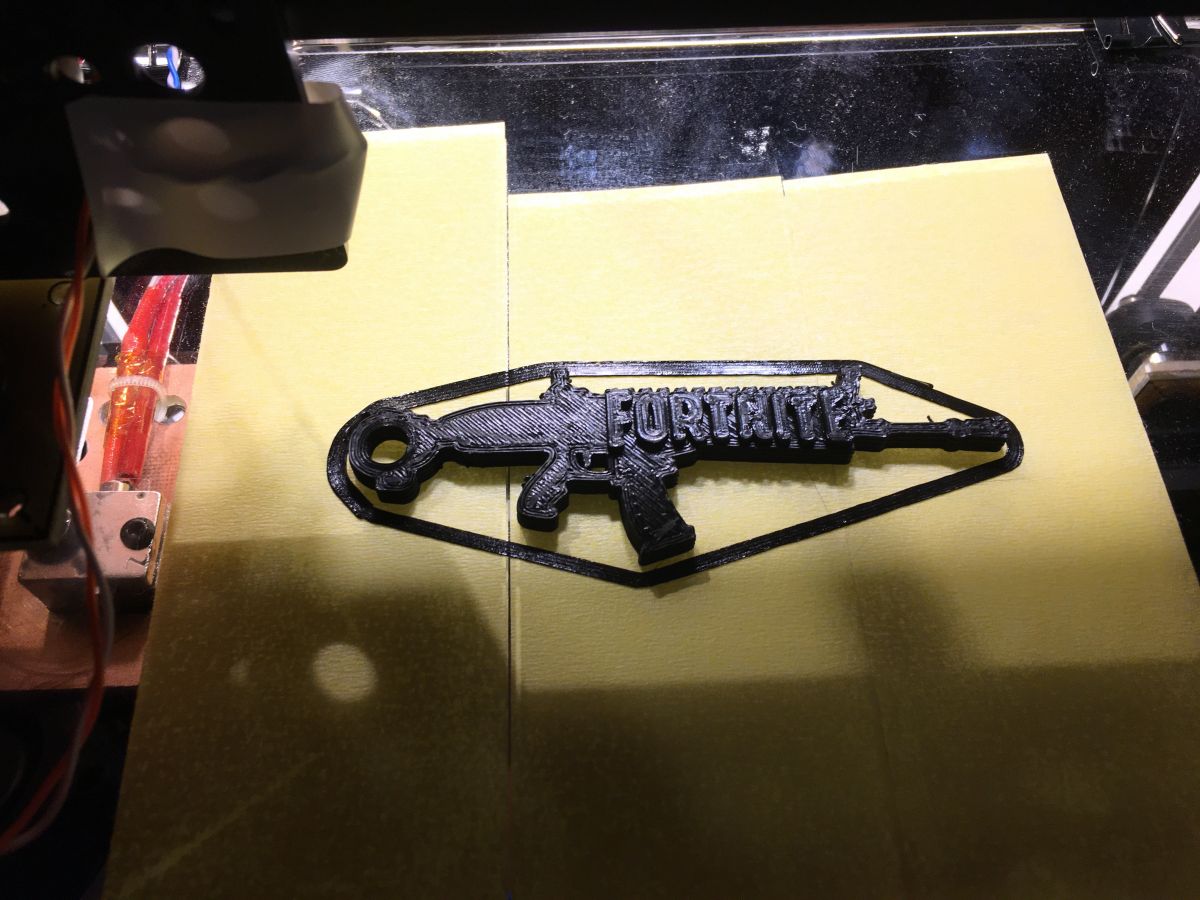
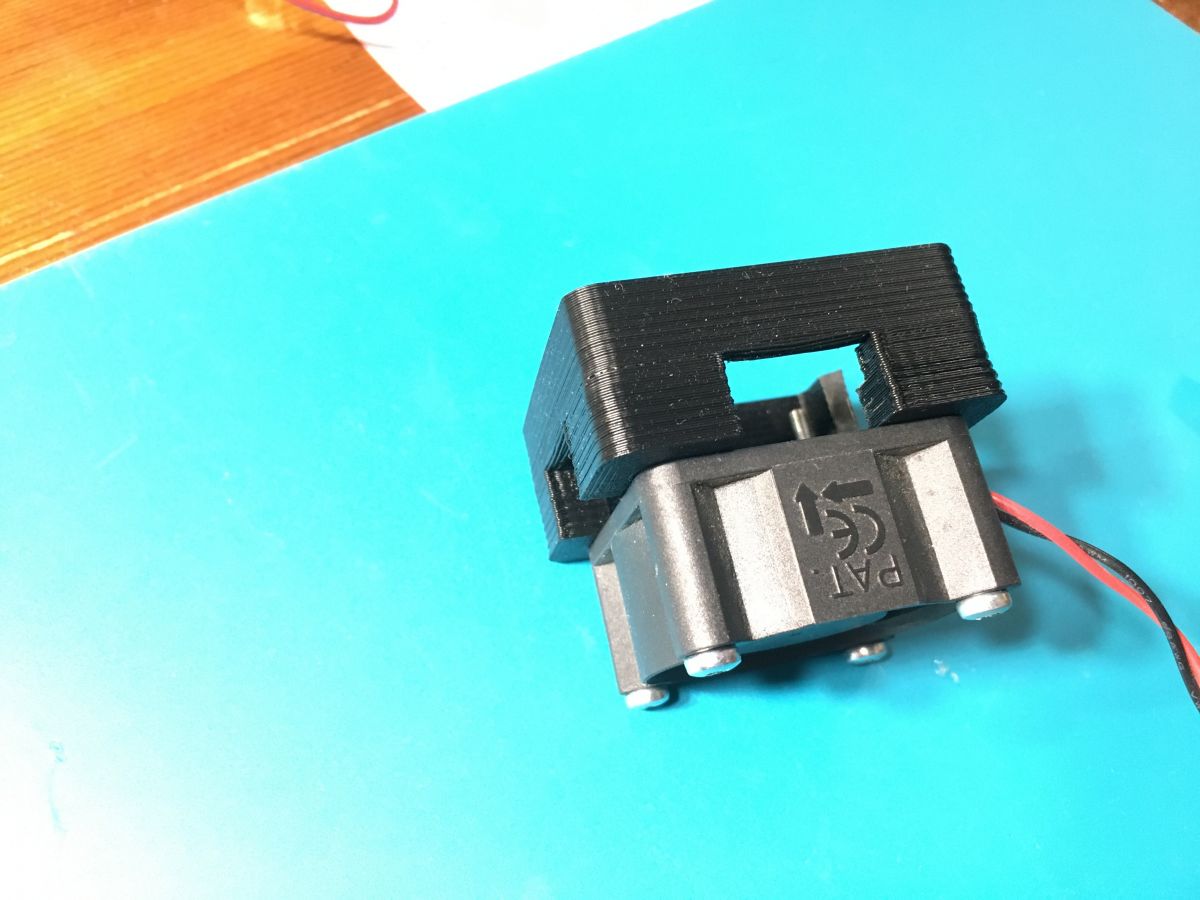
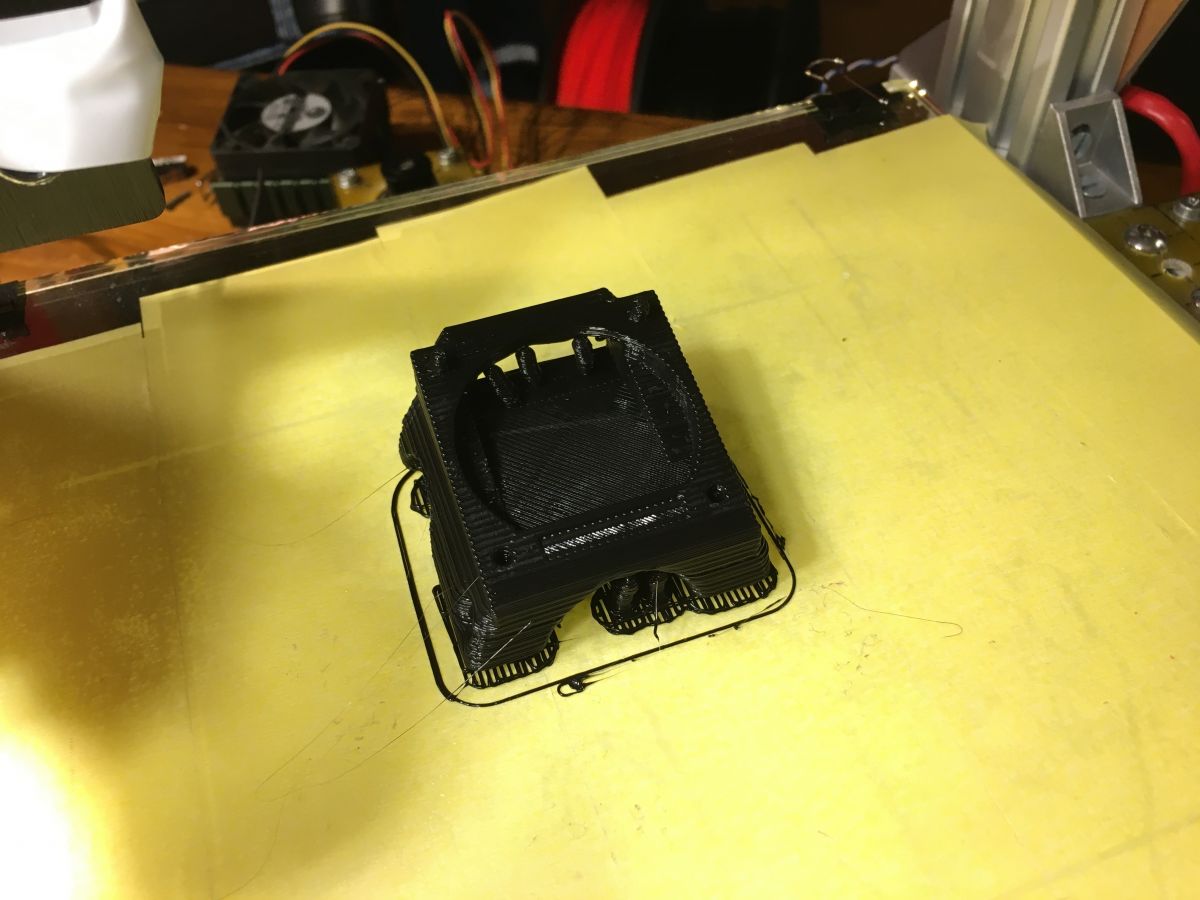
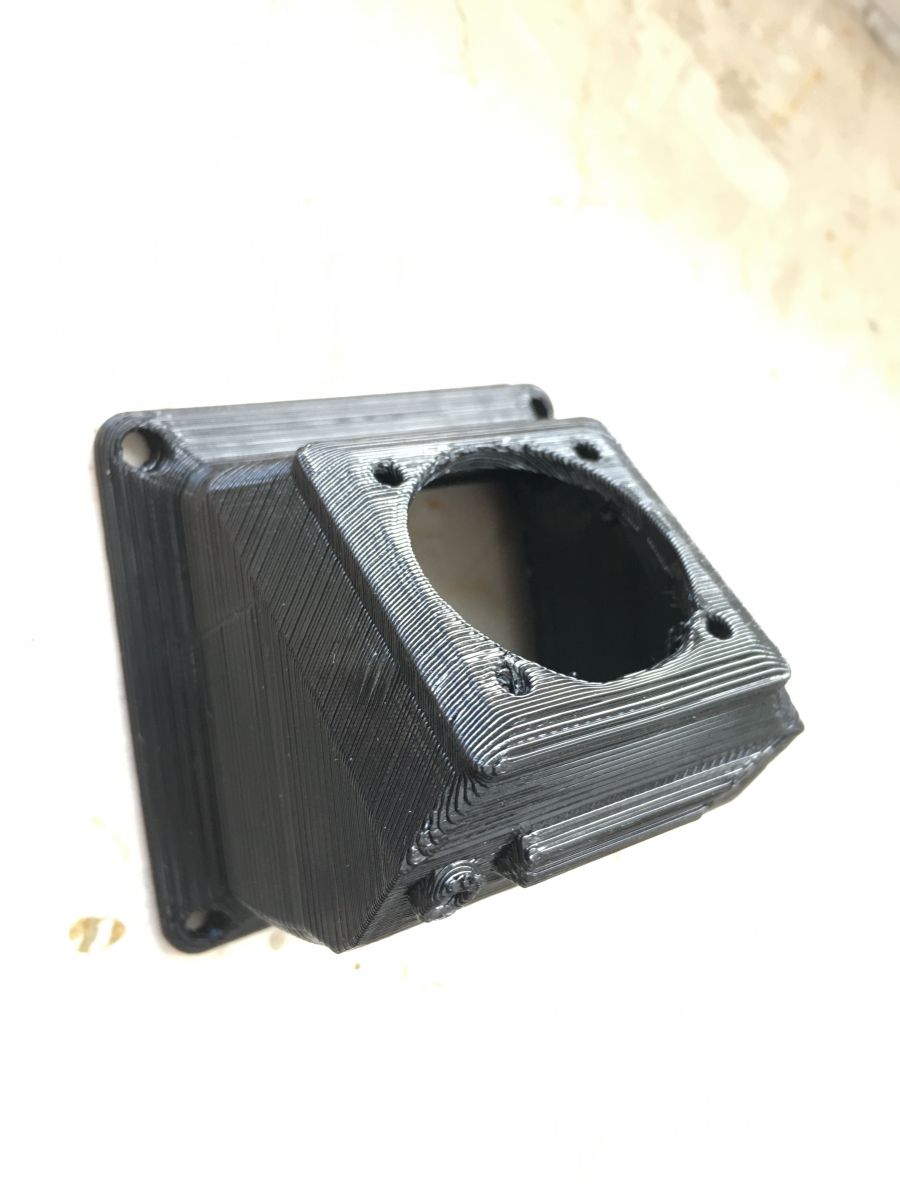
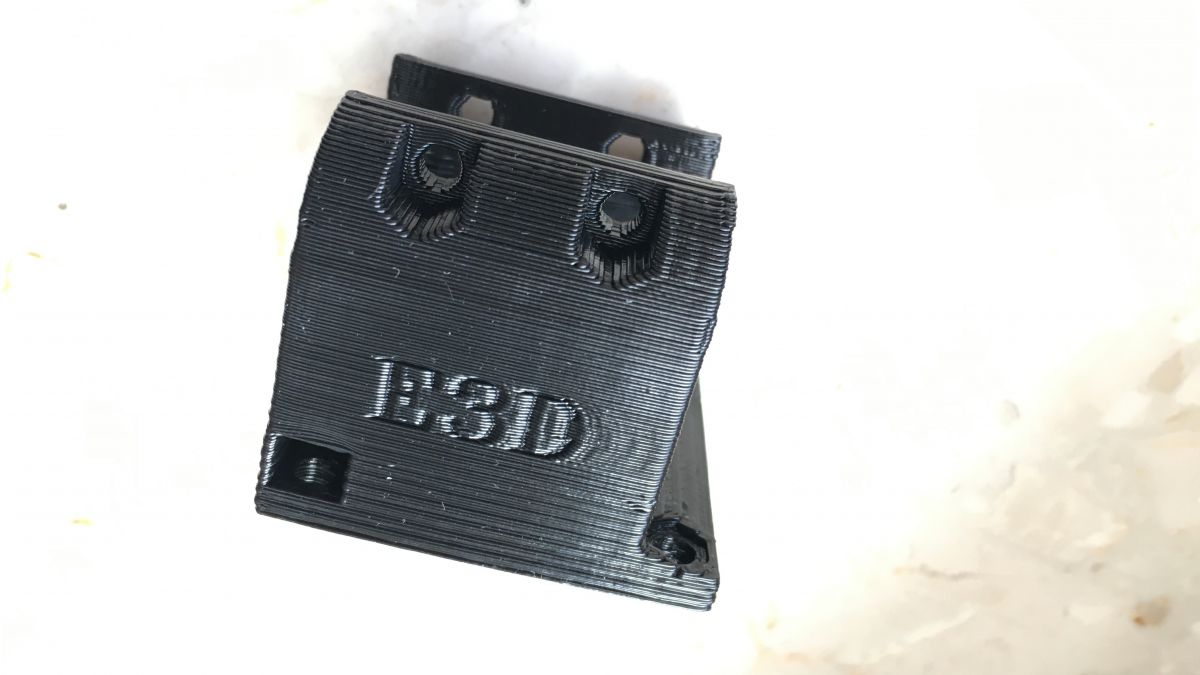
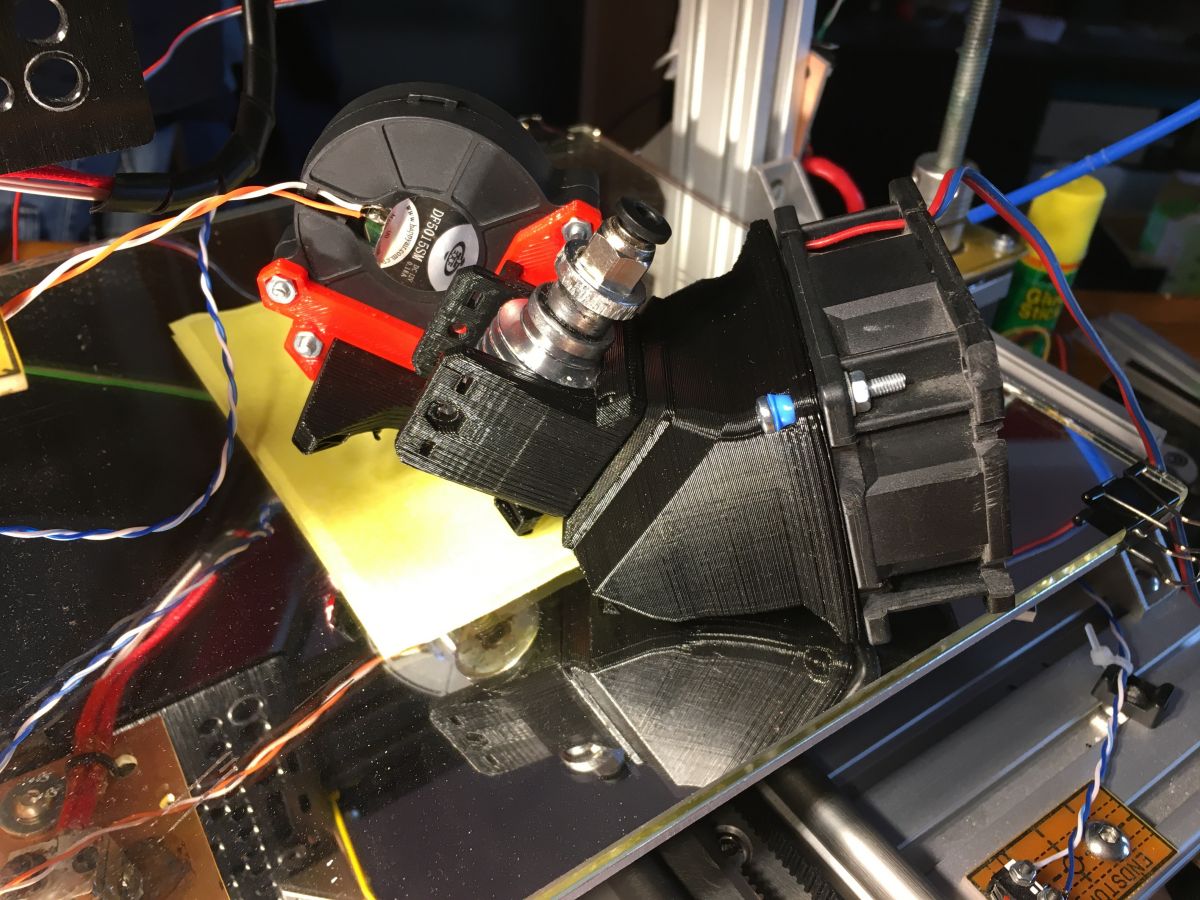
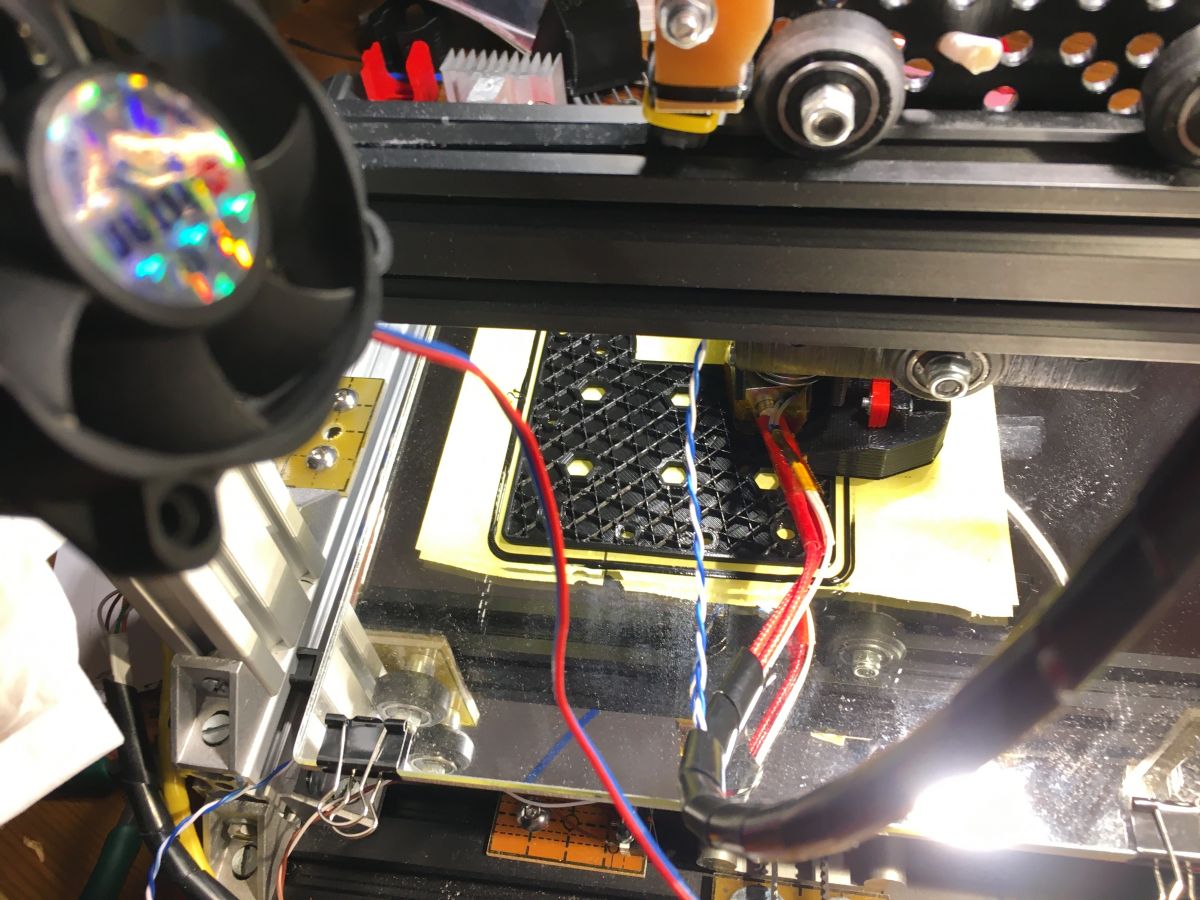
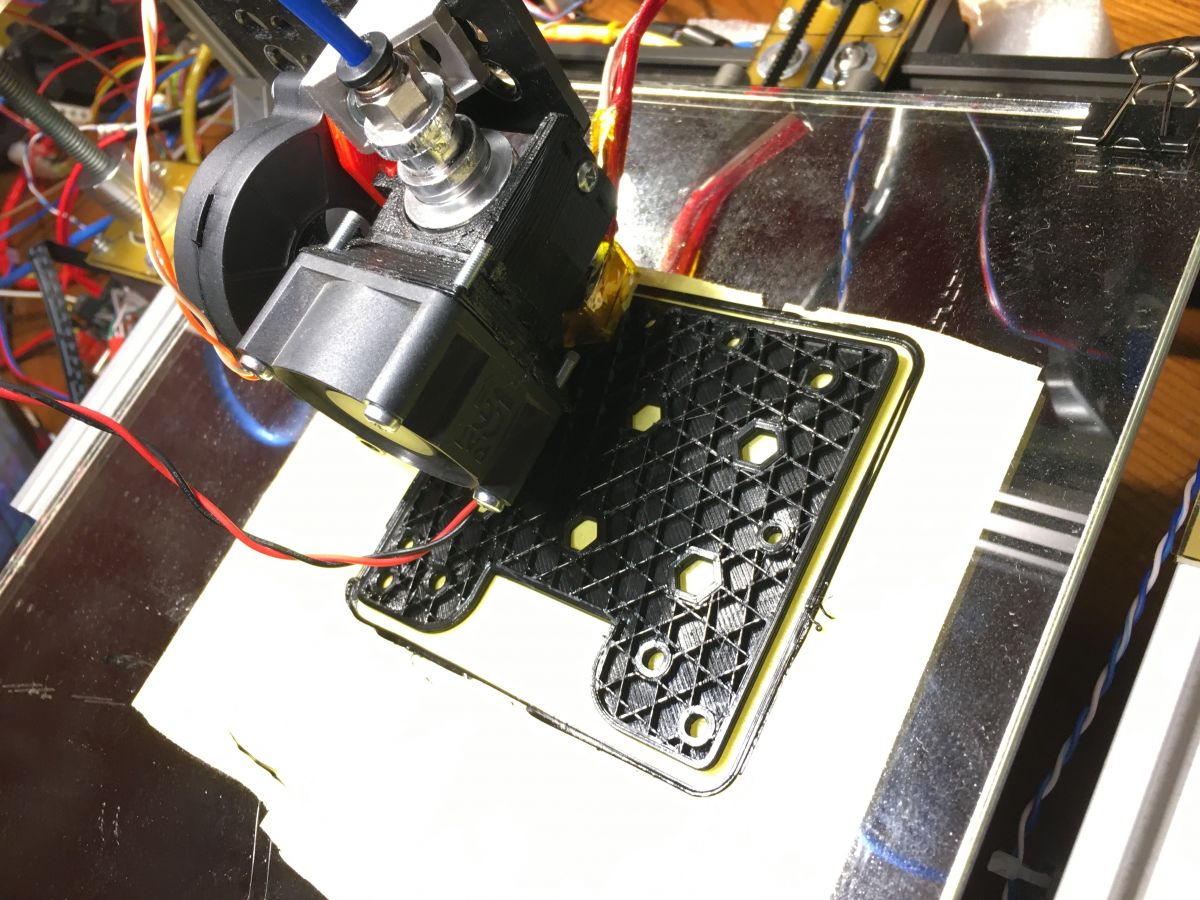
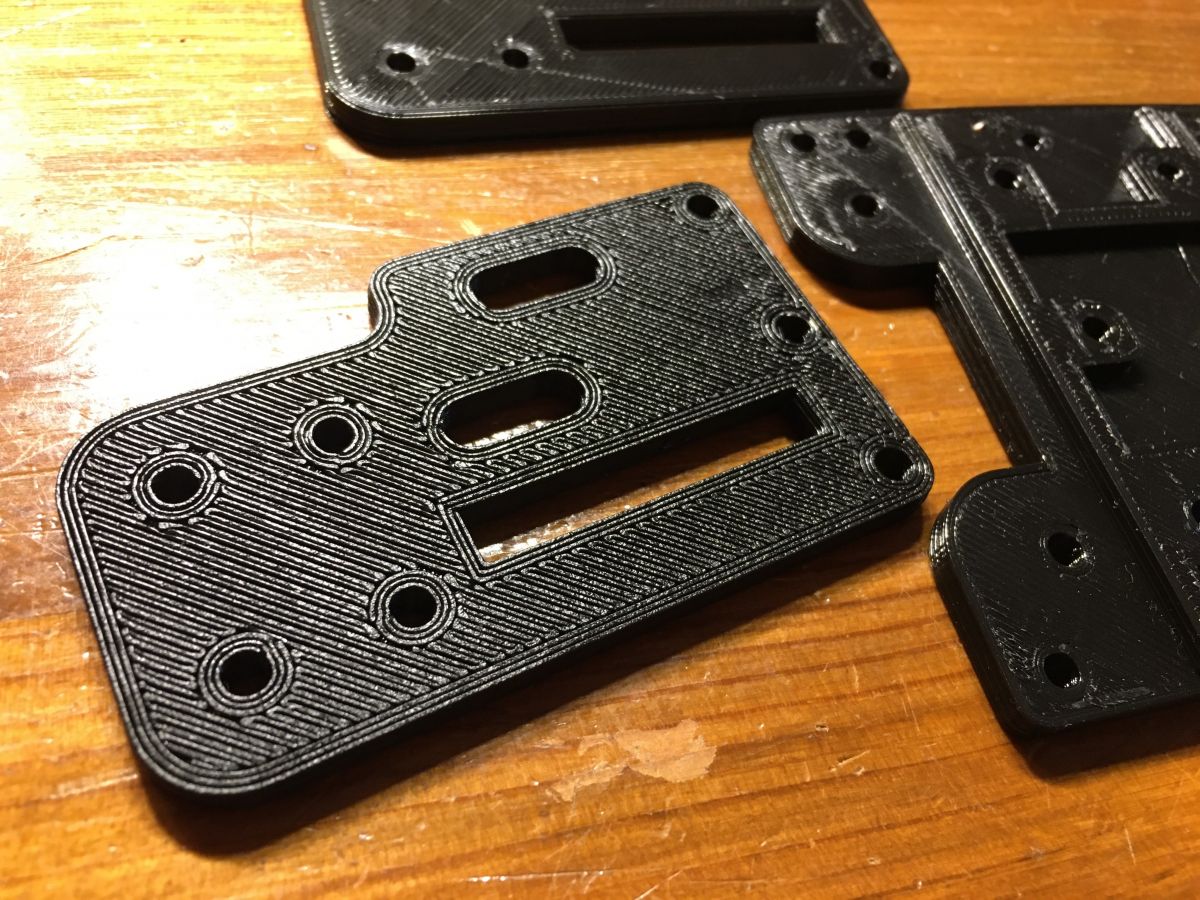
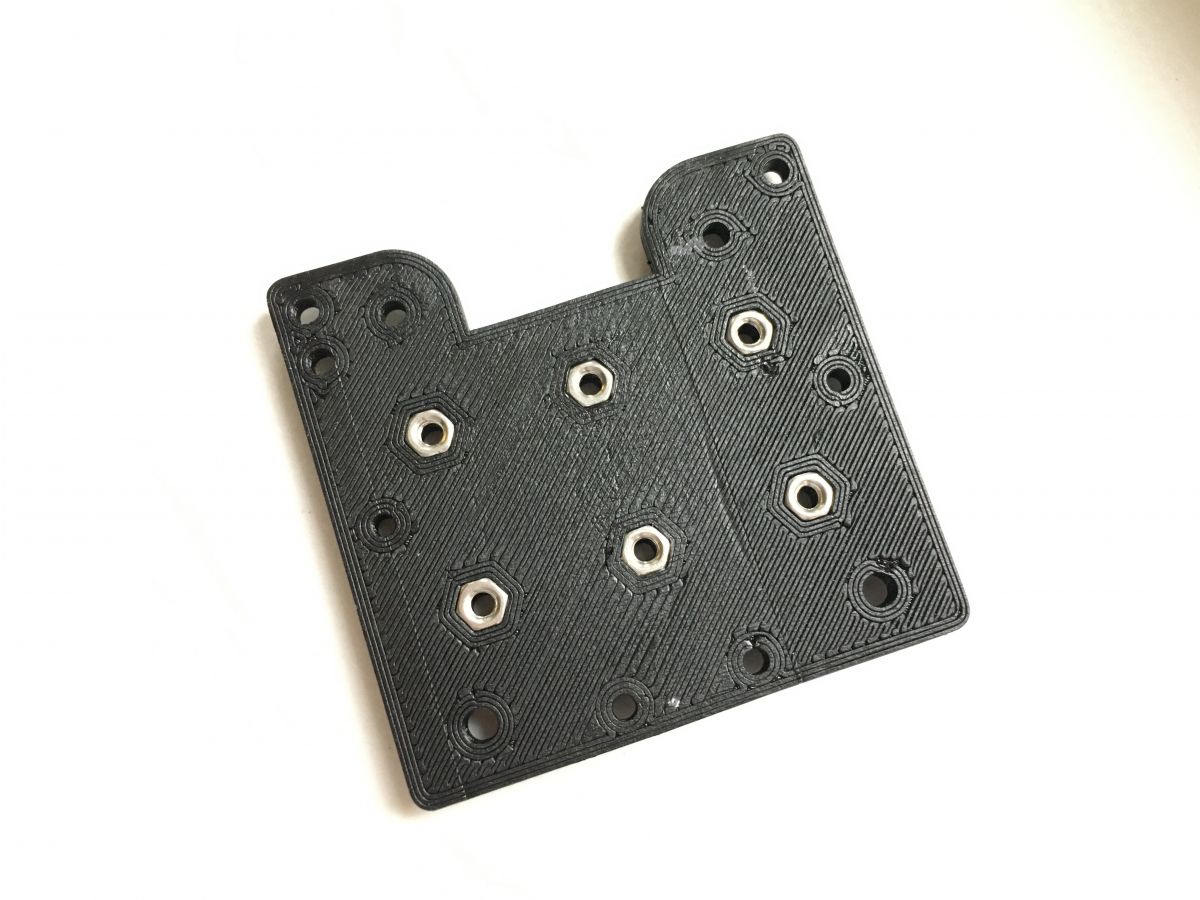
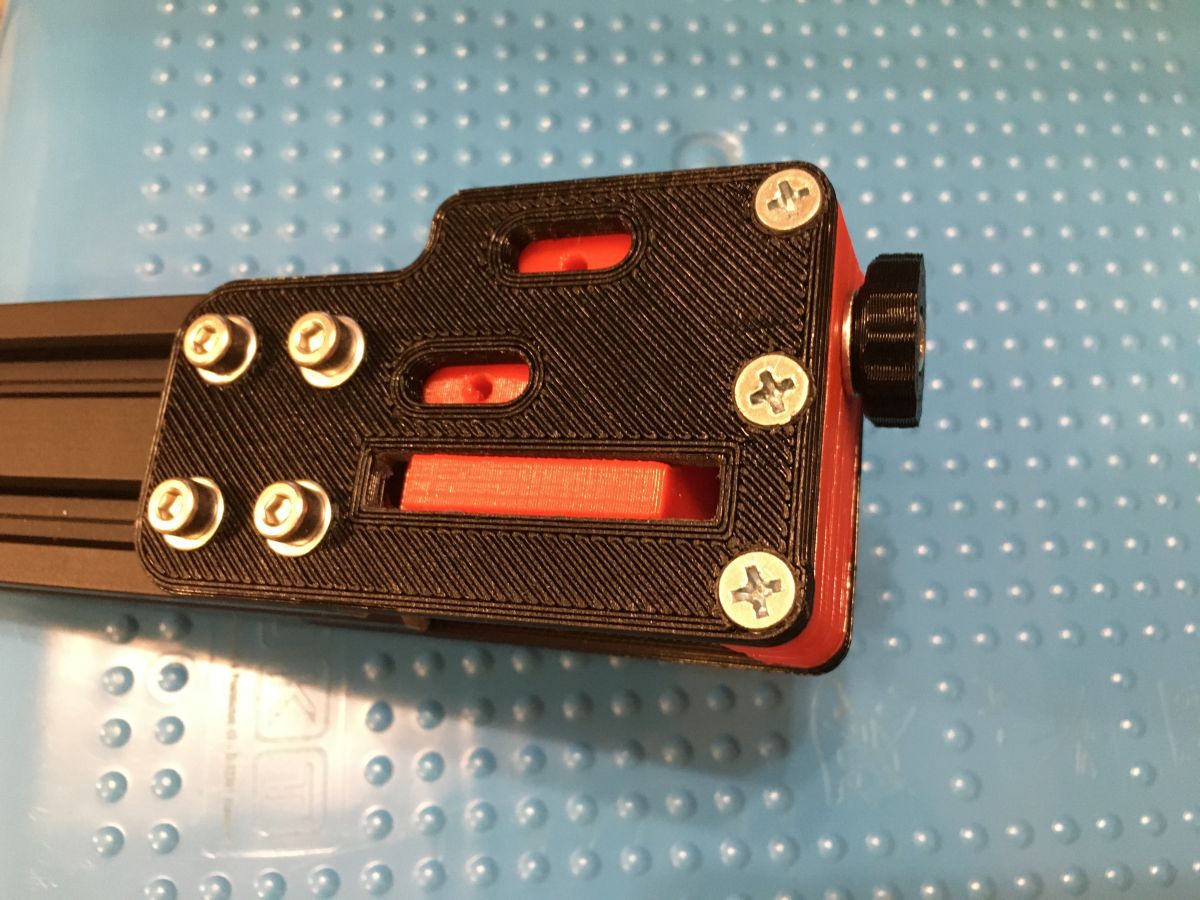
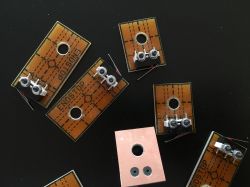
  • The 3D printer is a subject that has interested me for a long time. I thought my own 3D printer was completely out of my reach, until I had my first exposure to an Anycubic Photon resin printer that I got for repair. Once the equipment was up and running I was able to play around with printing. I went nuts ;) :D However, the time to print a part took too long for me, so I became interested in the subject of filament printers. I had a couple of T2040 and v-slot profiles in stock with rollers and gantry plates, so I set about bolting them together. I also had a 'sample' linear guide with carriage from IGUS-this was my Y-axis. I purchased a BigTreeTech SKR1.3 controller with TFT43 display and TMC2208 3.0 UART motor drivers. The stepper motors had been lying in my cupboard for a few years. Now they have come in handy. For the Z-axis I used M8 threaded rods (ordinary, rolled ones from the market). I made all the necessary motor mounts, belt tensioners (and more) from FR4 2mm laminate. I bought an MK8 extruder and a HOTEND E3D v6 and a few small things and after a few days the launch took place. I should add that I had originally thought of an experimental design based on old CD-ROM drives, but I now know that this would have been pointless due to the very slim possibilities. The printer, after a quick calibration of the table, extruder and Z-axis, started working perfectly immediately (perfectly for an amateur design built "on the knee"). Today this machine is in the process of being expanded, on components printed by itself :) but I would like to present what was then created driven by dreams. At the time, as it was a prototype, I didn't think about tidying up the cables - I put everything together on a table and the first prints were created under these conditions.
    DIY 3D printer as an experiment and the start of a 3D printing adventure DIY 3D printer as an experiment and the start of a 3D printing adventure DIY 3D printer as an experiment and the start of a 3D printing adventure DIY 3D printer as an experiment and the start of a 3D printing adventure DIY 3D printer as an experiment and the start of a 3D printing adventure DIY 3D printer as an experiment and the start of a 3D printing adventure DIY 3D printer as an experiment and the start of a 3D printing adventure DIY 3D printer as an experiment and the start of a 3D printing adventure DIY 3D printer as an experiment and the start of a 3D printing adventure DIY 3D printer as an experiment and the start of a 3D printing adventure DIY 3D printer as an experiment and the start of a 3D printing adventure DIY 3D printer as an experiment and the start of a 3D printing adventure DIY 3D printer as an experiment and the start of a 3D printing adventure DIY 3D printer as an experiment and the start of a 3D printing adventure DIY 3D printer as an experiment and the start of a 3D printing adventure DIY 3D printer as an experiment and the start of a 3D printing adventure DIY 3D printer as an experiment and the start of a 3D printing adventure DIY 3D printer as an experiment and the start of a 3D printing adventure DIY 3D printer as an experiment and the start of a 3D printing adventure DIY 3D printer as an experiment and the start of a 3D printing adventure DIY 3D printer as an experiment and the start of a 3D printing adventure DIY 3D printer as an experiment and the start of a 3D printing adventure


    edit: some more photos:
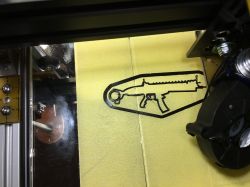
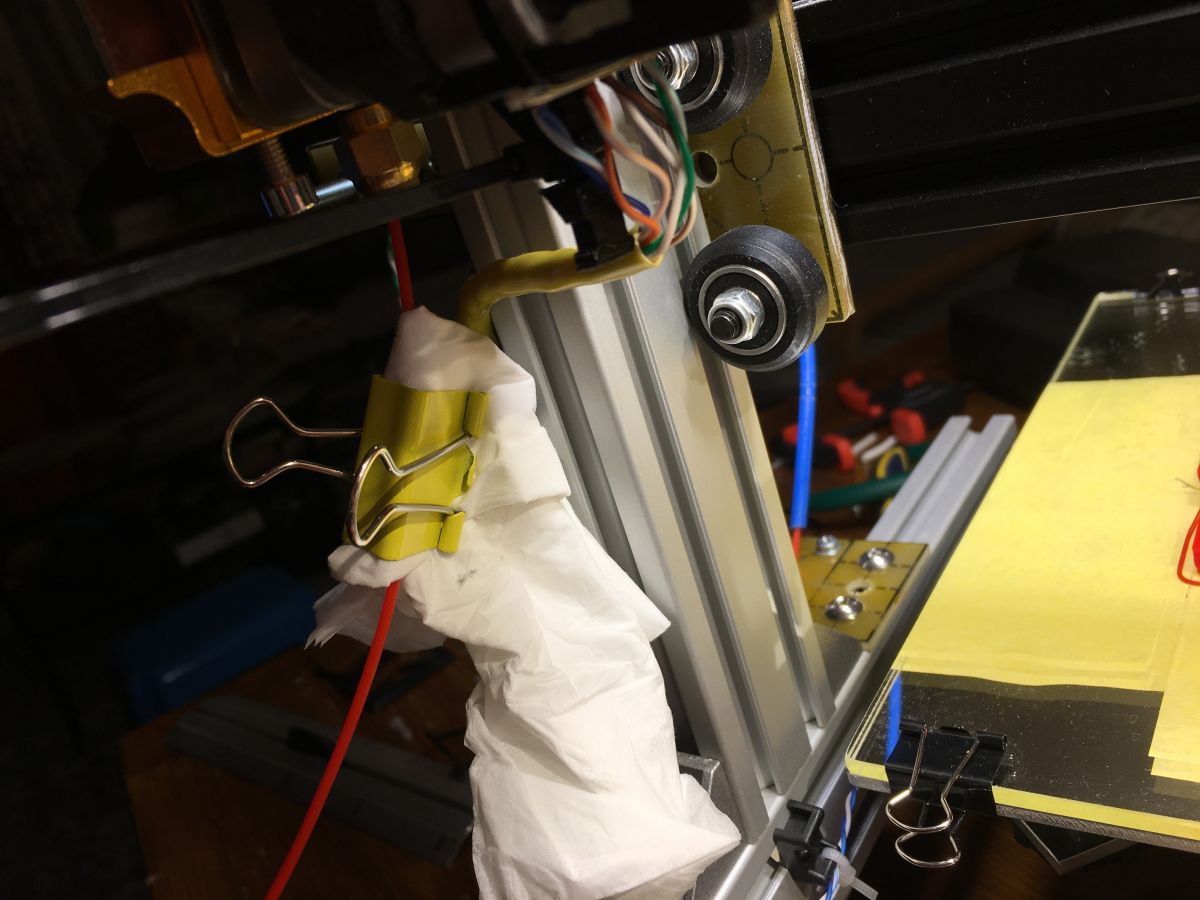
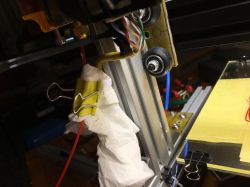
    i made a primitive filament cleaner out of a tissue and clipped it with a paper clip ;)
    DIY 3D printer as an experiment and the start of a 3D printing adventure DIY 3D printer as an experiment and the start of a 3D printing adventure DIY 3D printer as an experiment and the start of a 3D printing adventure DIY 3D printer as an experiment and the start of a 3D printing adventure DIY 3D printer as an experiment and the start of a 3D printing adventure DIY 3D printer as an experiment and the start of a 3D printing adventure DIY 3D printer as an experiment and the start of a 3D printing adventure DIY 3D printer as an experiment and the start of a 3D printing adventure DIY 3D printer as an experiment and the start of a 3D printing adventure DIY 3D printer as an experiment and the start of a 3D printing adventure DIY 3D printer as an experiment and the start of a 3D printing adventure DIY 3D printer as an experiment and the start of a 3D printing adventure DIY 3D printer as an experiment and the start of a 3D printing adventure DIY 3D printer as an experiment and the start of a 3D printing adventure DIY 3D printer as an experiment and the start of a 3D printing adventure DIY 3D printer as an experiment and the start of a 3D printing adventure DIY 3D printer as an experiment and the start of a 3D printing adventure DIY 3D printer as an experiment and the start of a 3D printing adventure DIY 3D printer as an experiment and the start of a 3D printing adventure DIY 3D printer as an experiment and the start of a 3D printing adventure DIY 3D printer as an experiment and the start of a 3D printing adventure DIY 3D printer as an experiment and the start of a 3D printing adventure

    Cool? Ranking DIY
    About Author
    Bobo[PL]
    Level 14  
    Offline 
    Bobo[PL] wrote 150 posts with rating 352, helped 2 times. Live in city Zabrze. Been with us since 2006 year.
  • ADVERTISEMENT
  • #2 19004814
    LA72
    Level 41  
    Bravo for your self-denial in creating your device.
    What kind of working area did you come up with?
    Think about replacing the screws with trapezoidal ones.
  • #3 19004865
    Bobo[PL]
    Level 14  
    Thanks 🙂
    Although the table was 235x235mm the range of movement was limited to 150x200mm.
  • ADVERTISEMENT
  • #4 19004974
    Tomekob
    Level 15  
    Super! I started with the Anet A8 and only today I see that a printer comparable to the Anet can be assembled in-house, I think with much better results. The pain of my Anet is the levelling of the table. How do you have this solved at your place? I have tried various ways, inductive sensors, unfortunately I print on glass and the sensors work poorly. I tried the Hallon from GMZ but somehow that didn't spark either, I'm currently using the Chinese BlTouch and I will say I'm also having problems. Still that first layer needs a lot of attention.
    Is the guide from Igus all in one piece, did they give out samples like that? I unfortunately have such short ones probably ko 200mm.
    All the time I am trying on, that in parallel to my printer I will build my own construction, as far as possible without the disadvantages of the bought Aneta, but somehow I keep postponing it.
    Bravo, I like your construction, I would do a few things differently myself, but yours at least exists and mine is still waiting to be realised :-)
  • #5 19006427
    Bobo[PL]
    Level 14  
    Tomekob wrote:
    The pain of my Aneta is the levelling of the table. How do you have this solved at your place?


    I do the levelling "on a piece of paper". I do this with the table and nozzle warmed up to operating temperature.

    Tomekob wrote:
    Is the guide from Igus all in one piece, do they give out such samples? I unfortunately have such short ones probably ko 200mm.


    Exactly. My guide is also so short :) But I later replaced the guide with linear rollers and the carriage remains. This way I can already make full use of the table surface.


    I should add that I started printing on cheap painter's tape. I later replaced it with office glue stick. UHU gave the best adhesion, but a cheap one for less than 2PLN from the market also works (directly on the mirror).
    After mounting the fan for cooling the filament, I had to thermally insulate the heating block of the head. For this I used a cotton pad and kapton tape. Excellent results :)
  • #6 19006668
    zulugula
    Level 20  
    I also had a sensor of my own design in my folding machine, now it levels on a paragon (0.05)mm and nothing more is needed.
    Show me your prints, how do the layers come out at the gw bar? On the z-axis?

    And shorten the bowden to make it as short as possible.
  • ADVERTISEMENT
  • #7 19007300
    HandMade
    Level 10  
    Tomekob wrote:
    Super! I started with the Anet A8 and only today I see that a printer comparable to the Anet can be assembled in-house


    For the price of the Anet you won't build anything that prints like it. The control chip of the colleague in this thread is more expensive than the whole Anet.

    To the author of the topic: the use of a double z-axis is a plus, the execution of the table is also a plus, the extruder also looks good. As for the disadvantages: the z-axis shafts are to be changed, the tube for guiding the filament is too long, no thought has been given to the mounting of the electronics (in the long run such a "spider" is a fear), no cable management, hopeless cooling (the turbine to be changed and the cooling of the print itself would be useful), locking of the x-axis belts on "triptychs" (I am not a fan of such things), heavy and large X-axis mounting, quite a limitation of the working area.

    Despite all that I have written respect that you have taken to building a 3D printer. If you modify the build then post updates. It's nice to see someone putting the finishing touches to their device.
  • ADVERTISEMENT
  • #8 19007735
    Tomekob
    Level 15  
    Oj HandMade I have the impression that the author wrote that this is a prototype version built "on the knee" and there are pictures of that.
    As for my Aneta I am not concerned with building a cheaper one just would like a better, stiffer, more thoughtful etc. I needed the Aneta to get to know "what it is all about". Somehow I didn't grasp 3D printing before and after assembling the Aneta and a few prints I can see that building something similar to the Aneta is not so scary anymore.
  • #9 19008176
    Bobo[PL]
    Level 14  
    zulugula wrote:
    how do the layers come out for you at the gw rod. On the z-axis?

    Of course, I had to calibrate the Z-axis movement. I established an initial reference point and used the controller to raise the Z-axis by a few cm and then measured with a calliper by how much the height increased. In this experimental way I selected the correct number of steps/cm.

    <b>HandMade</b>
    As <b>Tomekob</b> pointed out, and as I myself wrote at the beginning, such a "quick" assembly was dictated by the desire to test the operation itself. Although I put a ton of work into it with the belief that the machine would live up to my expectations, there was a note of uncertainty and I wasn't sure if I could handle :)
    Thanks for the kind words. I will soon show how the whole thing looks now that I know it works and is put 'together'.

    Driver costs from ali:
    BIGTREETECH TFT43 V3.0 - 127.76 PLN
    BIGTREETECH SKR V1.3 + TMC2208 UARTx5 - 127.71 PLN

    I did not mention the software - it is Marlin 2.0
  • #10 19008209
    zulugula
    Level 20  
    I see it is not that, what nozzle because I think it is big, what height of layer? Did you have any problems with the sliders? I read that they must be quite accurately set because they jam. I took 4 pieces of igus for testing but they are lying and waiting, somehow I do not want to test.
    As HandMade wrote, better cooling of the print, trapezoidal screws from Zeta and the machine will work, and write more or less on what parameters of printing you do.
    One more thing, did you calibrate the hot end and table temperature controllers? I had terrible stripes without calibration too.
  • #11 19008243
    andrzejlisek
    Level 31  
    Very nice, there's nothing like the satisfaction of building a rather complex device with your own hands.

    Looking at the pictures of some of the components that are made as 3D printing, one can come to a looping conclusion: You need a 3D printer to build a 3D printer. Similarly, I have in the past encountered the statement: To repair an oscilloscope you need a working oscilloscope.
  • #12 19008381
    zulugula
    Level 20  
    Buy the printer...print the printer and return the printer :)
  • #13 19008393
    LA72
    Level 41  
    zulugula wrote:
    Buy a printer...print a printer and return a printer :)


    A 3D printer is not just about plastics.

    In the case of Prusa and its clones, one printer makes another.
    What remains are the electronics and mechanical parts.
📢 Listen (AI):

FAQ

TL;DR: A DIY FFF printer ran on Marlin 2.0 with SKR1.3+TMC2208, and the control bundle cost 127.71 PLN; the builder "measured with a calliper" to dial Z-steps. [Elektroda, Bobo[PL], post #19008176]

Why it matters: This FAQ helps new builders decide parts, setup, and quick fixes for a first successful DIY printer.

Quick Facts

What parts did the DIY printer use to get printing fast?

The build used T-slot profiles, IGUS sample guide (later rollers), MK8 extruder, E3D v6 hotend, SKR1.3 with TMC2208, and TFT43. It ran quickly after basic table, extruder, and Z calibration. Mounts and tensioners were cut from 2 mm FR4 laminate. [Elektroda, Bobo[PL], post #19004381]

What print area did the prototype achieve and why was it limited?

The bed measured 235×235 mm, but usable travel was about 150×200 mm. Early mechanics and guide choices constrained motion until later upgrades. [Elektroda, Bobo[PL], post #19004865]

How do I level the bed without a sensor?

Heat the nozzle and bed to printing temps. Use a sheet of paper under the nozzle to adjust corners until you feel slight drag. Re-check after the first layer. The builder said he levels "on a piece of paper." [Elektroda, Bobo[PL], post #19006427]

Any quick alternative to a feeler gauge for consistent Z-offset?

Yes. One user levels using a receipt that’s about 0.05 mm thick. It acts like a thin shim for repeatable nozzle gap. This helps standardize first layers. [Elektroda, zulugula, post #19006668]

My inductive probe hates glass. What gives?

A member reported inductive sensors struggled on glass, and even BLTouch needed attention. Expect unreliable triggering unless you add a metal target under glass or switch methods. "Still that first layer needs a lot of attention." [Elektroda, Tomekob, post #19004974]

Should I replace M8 Z-rods with trapezoidal screws?

Community advice: replace ordinary rolled M8 rods with trapezoidal screws for smoother Z motion and fewer banding artifacts. This improves layer consistency and reliability. [Elektroda, LA72, post #19004814]

How do I calibrate Z steps per mm on a fresh build?

Use the builder’s method:
  1. Set a reference Z=0, then command a several‑cm lift.
  2. Measure the actual lift with a caliper.
  3. Adjust steps/mm until commanded and measured heights match. [Elektroda, Bobo[PL], post #19008176]

What bed adhesion tricks worked here?

Start with painter’s tape if needed. For glass, apply a glue stick; UHU gave the best adhesion, but a cheap market stick also worked. Clean the mirror and reapply as needed. [Elektroda, Bobo[PL], post #19006427]

How can I unlock the full bed area if a short guide limits travel?

Replace the short sample guide with linear rollers while keeping the carriage. This change allowed full table use on the featured build. [Elektroda, Bobo[PL], post #19006427]

Do I need to insulate the hotend after adding part cooling?

Yes. After adding a filament/part cooling fan, insulate the heater block. A cotton pad wrapped with Kapton tape stabilized temperatures and improved results. [Elektroda, Bobo[PL], post #19006427]

What electronics and firmware combo proved cost‑effective?

BigTreeTech SKR V1.3 with five TMC2208 UART drivers and a TFT43 ran Marlin 2.0 well. Reported prices: TFT43 V3.0 127.76 PLN; SKR V1.3+TMC2208 set 127.71 PLN. [Elektroda, Bobo[PL], post #19008176]

Why switch from resin (Anycubic Photon) to a filament printer?

The builder found resin parts took too long to print. Filament printing offered quicker iteration for larger functional components and easier experimentation. [Elektroda, Bobo[PL], post #19004381]

How short should I keep the Bowden tube?

Keep the Bowden as short as your layout allows. A member advised shortening it to reduce slack and improve extrusion response and retraction accuracy. [Elektroda, zulugula, post #19006668]

What community improvements were suggested for this prototype?

Feedback highlighted: upgrade Z shafts, shorten Bowden, plan electronics mounting and cable management, improve part cooling, and optimize X belt locking and mass. Also noted a limited working area. [Elektroda, HandMade, post #19007300]

Any gotchas or failure modes to watch for on first layers?

Expect first‑layer issues if probing on glass with inductive sensors or if the hotend runs cold due to fan blast. Insulate the block and consider manual leveling for reliability. [Elektroda, Tomekob, post #19004974]
Generated by the language model.
ADVERTISEMENT