Czy wolisz polską wersję strony elektroda?
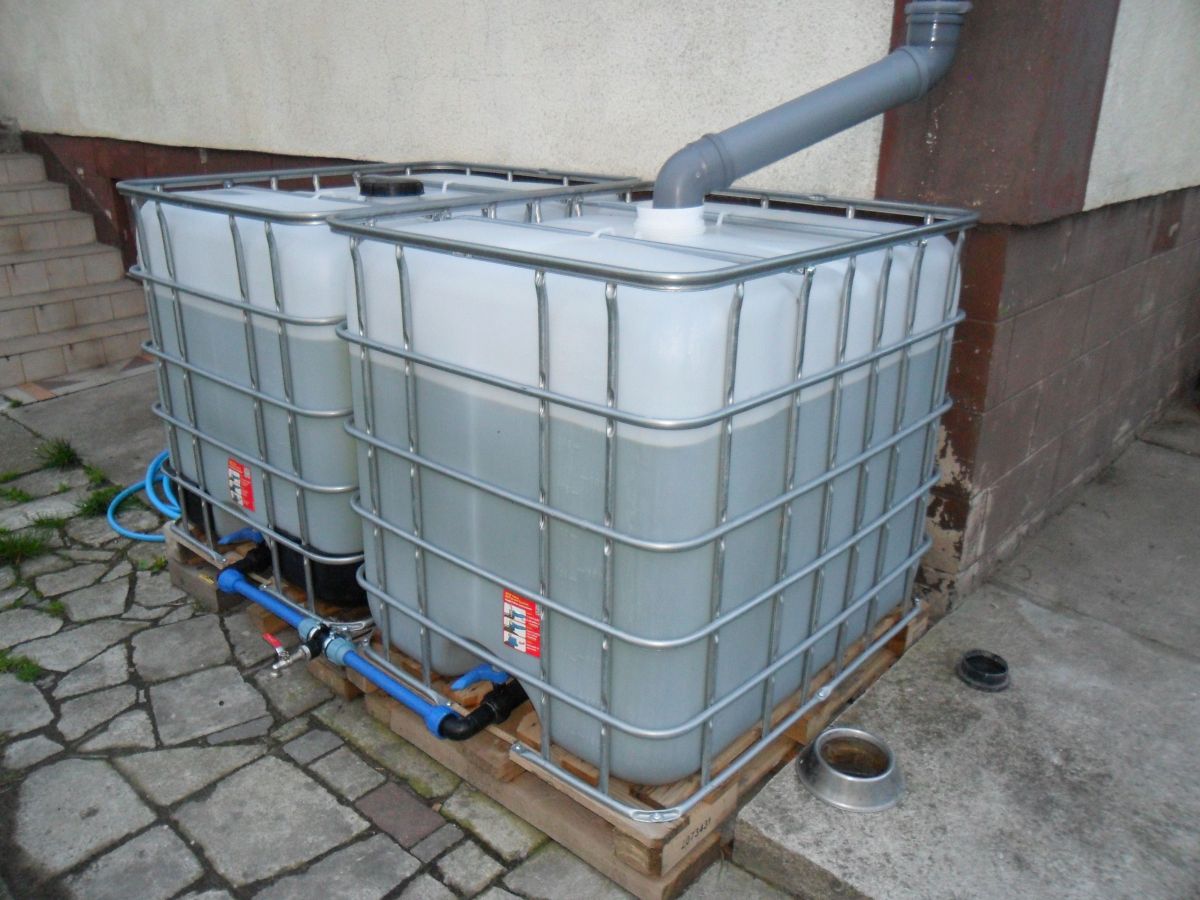
Nie, dziękuję Przekieruj mnie tamzybex wrote:I wonder if enclosing the whole thing with, for example, some panels (as for a soffit) would not be a good solution
zybex wrote:If I make it not very tight, it's probably better than not at all?
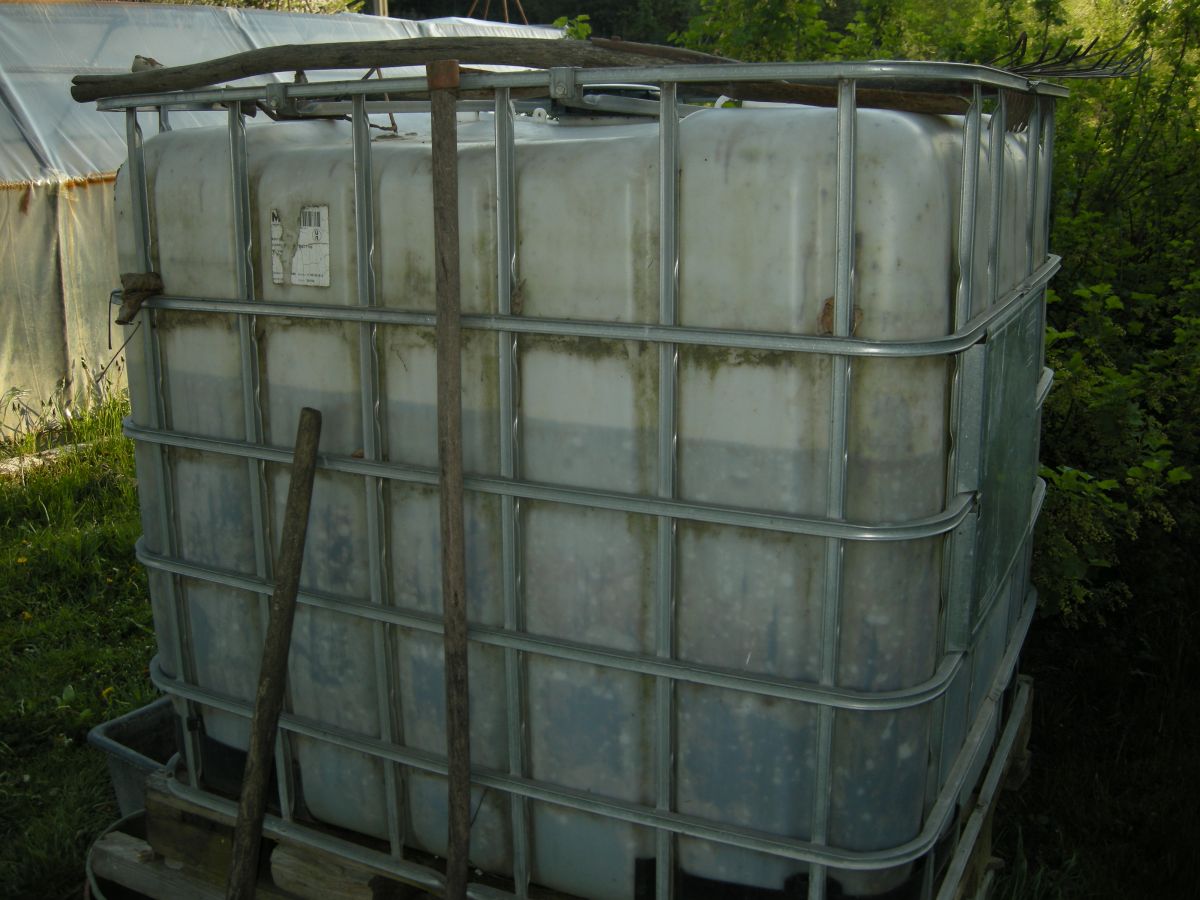
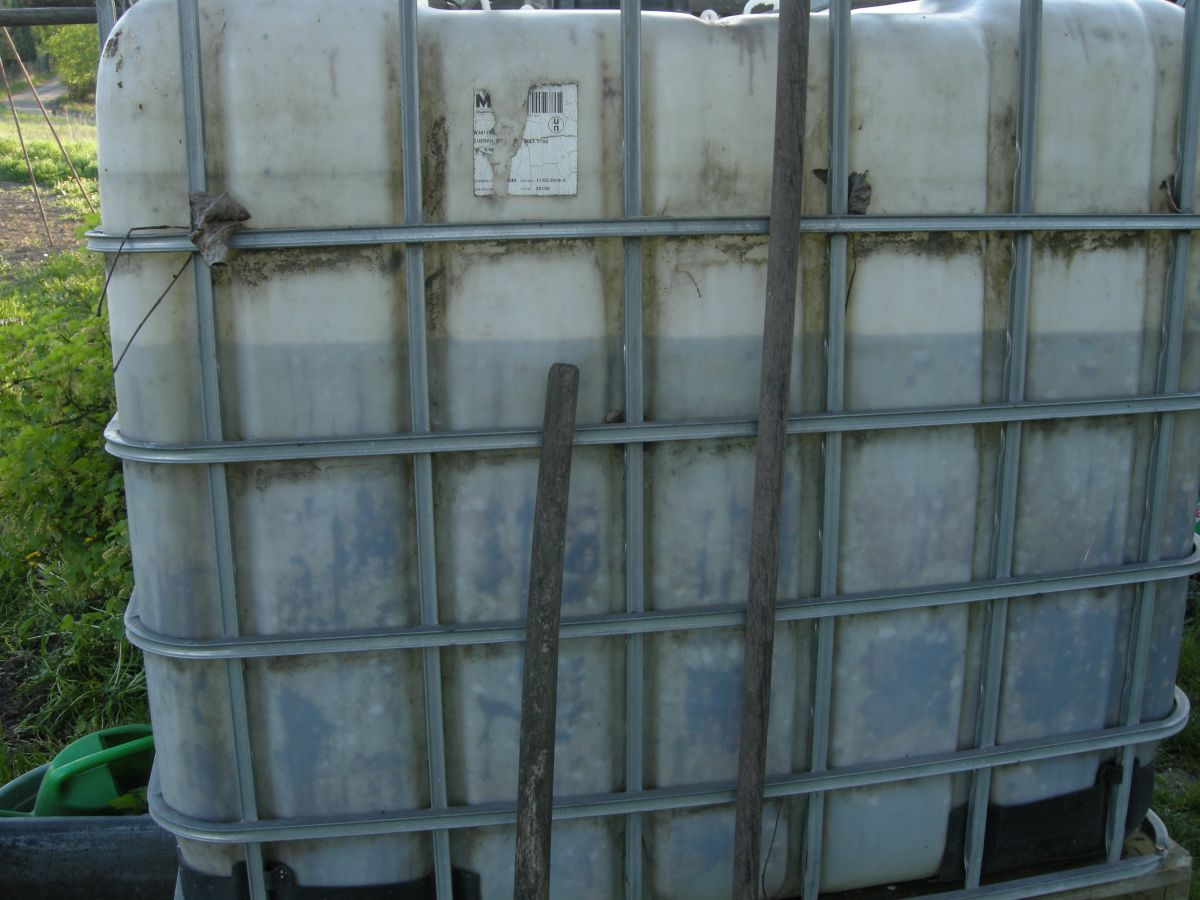
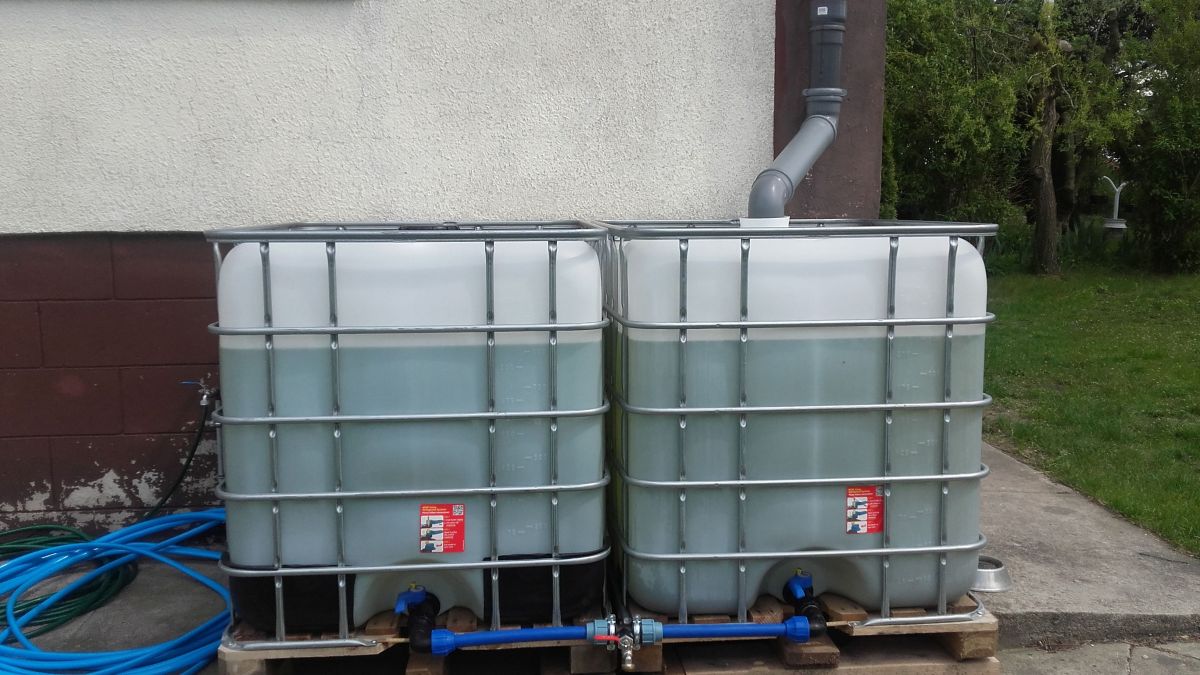
zybex wrote:On one of the forums I saw someone wrapping the tanks with black foil (directly on the baniaku). By the way, I was supposed to have black tanks, but in the end I bought white ones as in the picture. Who knows what it was like with black people? Perhaps there would be no algae, or at least not visible.
wesolyyyy wrote:Hence the advice about the NRC foil - here I am sure that it does not let anything through.
andrzej20001 wrote:Paint the tanks black with Cobra.
wesolyyyy wrote:
You can immediately think about picking up the tanks. It's always a higher pressure on the hose, and it's free![]()
zybex wrote:I can't convince her. He says it now looks good against the plinth of the building. The bucket cannot be put under, and yet he insists that it is good.
matti66 wrote:I wrapped the tank with black agrotextile.
zybex wrote:How do you check the water level then, if that's important to you?
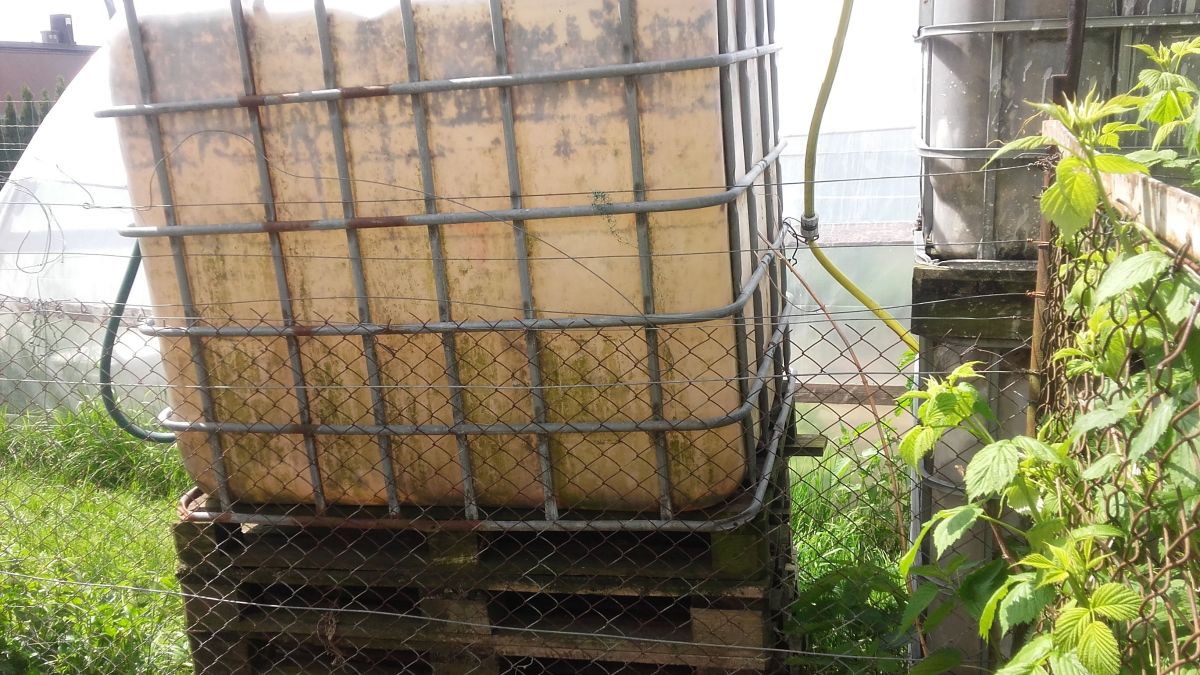
zybex wrote:In the photo, an example of a dirty tank at a neighbor's
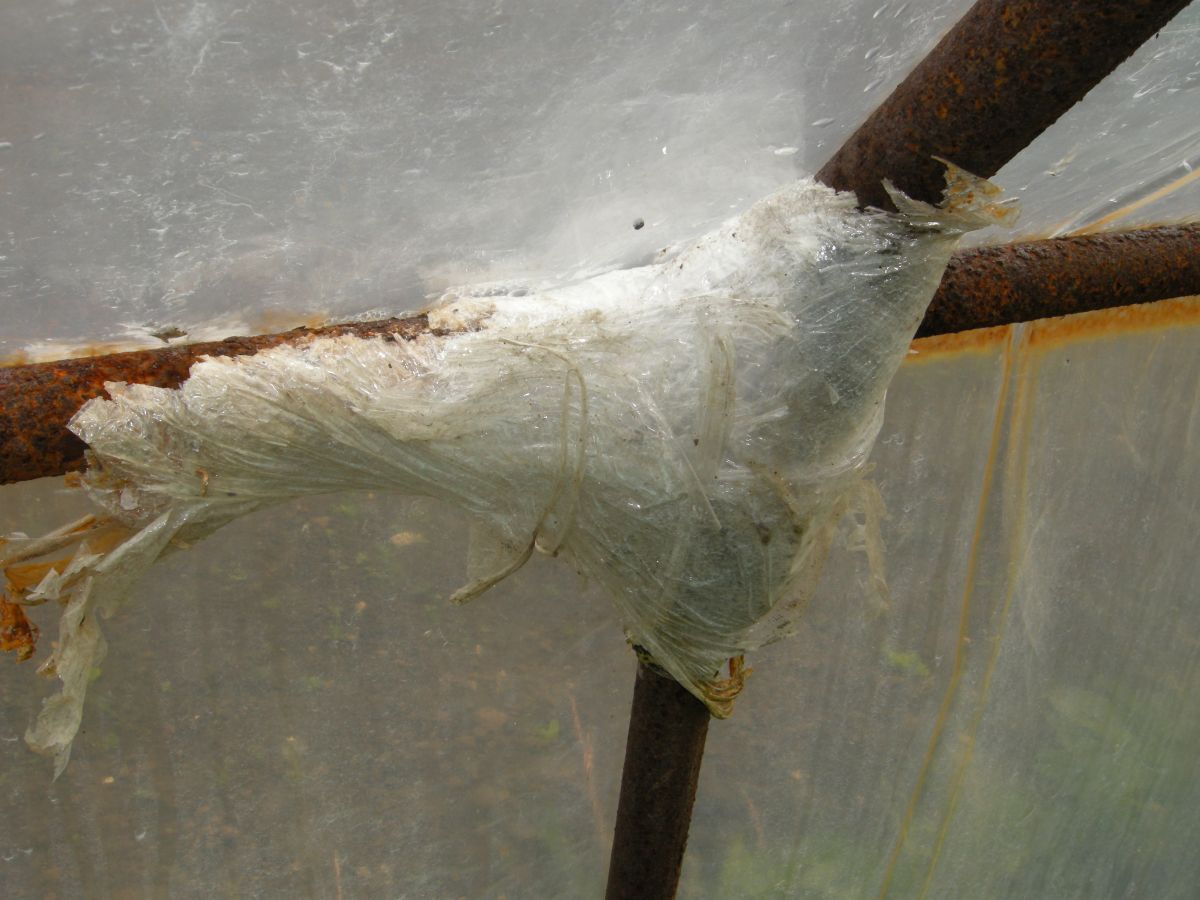
zybex wrote:I agree with it.My wife tells me that such foil is not durable. I think so too
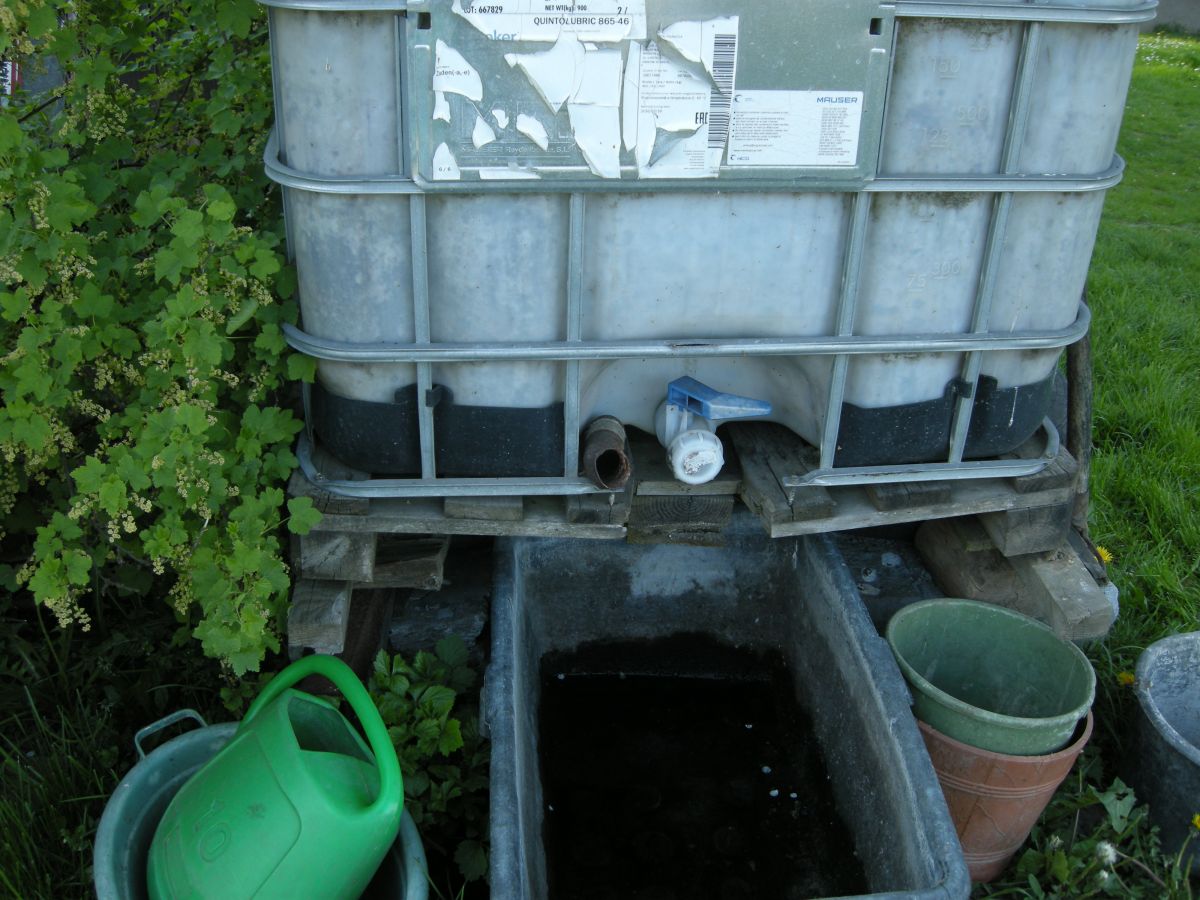
mychaj wrote:I saw a patent made: behind the Mauser valve, a tee and a plastic pipe, yes, fi 16-24 and a second valve. The pipe was at the height of the Mauser and a plastic ball - a simple water gauge.
klm787 wrote:But environmentalists are right, this foil has not decomposed into prime factors. She just crumbled and crumbled. And these particles can constantly circulate in the environment, they can settle on your lungs and other internal organs, they can be in your bloodstream and cause clots and blockages, they can be in your entire digestive system and in many, many other places in nature.. .And ecologists "trumpet" how many thousands of years such foil will decompose.
Covul wrote:Well, yes, but only finer pollutants will "fly out" through the leak (until they silt up the leaks", and the thicker ones will stay in the pipe anyway. After several such "actions", these pipes will be filled / silted with dirt to the full. and "threads" from filtering The idea may be good, but not very effective. I would prefer to connect two or three Mausers, but not at the bottom, but at the top. Before the first Mauser is filled, all sediments / impurities will settle on the bottom, once it is full, clear water from the of the upper layer of the tank will start to overflow into the second one and there will be only clean water without sediments.And such a tank is certainly easier to clean of sediments than pipes, apart from their small capacity, which has an adverse effect on the operation time of such a filter.After the rainfall stops, the vertical sections of the pipes empty automatically through the leak and are ready to receive the next portion of dirt from the gutter when it rains again.
TL;DR: Blocking sunlight cuts algae growth by up to 90 % in IBC/“Mauser” tanks [Smith, 2019]. “Light exclusion beats chemicals long-term” [Elektroda, Anonymous, post #19447602] Wrap tanks or paint them; chemistry stays optional. Why it matters: Clear rainwater reduces clogs, smells, and filter costs.
• Mauser/IBC tank volume: 1000 L nominal (264 gal) [Elektroda, zybex, post #19447725] • NRC (reflective) foil: €0.80–1.20 m²; lifespan ≈3–4 years outdoors [MakerFoil, 2022] • Black agro-textile roll 1.6 × 10 m: €12–15; UV-resistant 3 years [GardenData, 2023] • Pool-grade chlorine tablet clarifier dose: 1 g / 100 L (shock), cost ≈€0.04 L treated [PoolChem, 2022] • DIY sight-tube water gauge: Ø25 mm PVC + 2 valves ≈€9 total [Elektroda, Gwozdziu944, post #21143000]