logo elektroda
logo elektroda
X
logo elektroda

Alteration of a jumper shaver, design and printing of a housing section

p.kaczmarek2 2727 6
ADVERTISEMENT
Treść została przetłumaczona polish » english Zobacz oryginalną wersję tematu
📢 Listen (AI):
  • Alteration of a jumper shaver, design and printing of a housing section
    Hello my dears.
    Here I will present another simple yet practical project for which I used 3D printing. This will be a modification of the so-called "jumper shaver", more specifically the replacement of the power connector with another, more standard one. This swap saved the shaver from being thrown away as the original non-standard power cable was lost when moving house.
    NOTE: this topic will also be written "tutorial-wise", more or less step-by-step I will present the process of designing a new part in Blender, although I will not give the absolute basics here anymore as there are already other Blender tutorials of my authorship available in this section.

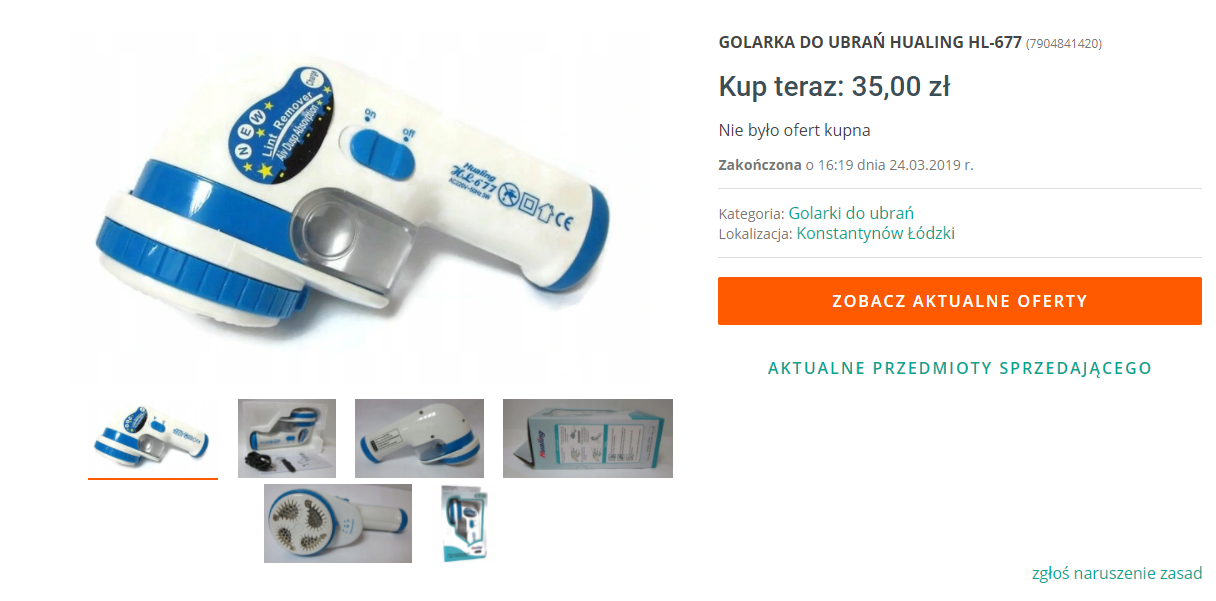
    Teardown Hualing HL-677
    The Hualing HL-677 is a so-called clothes shaver with a built-in, non-removable rechargeable battery. There must also be some sort of transformer inside, as we connect a 230V cable to the device to charge it, unfortunately its connector is quite non-standard. The product costs around £30-40:
    Alteration of a jumper shaver, design and printing of a housing section
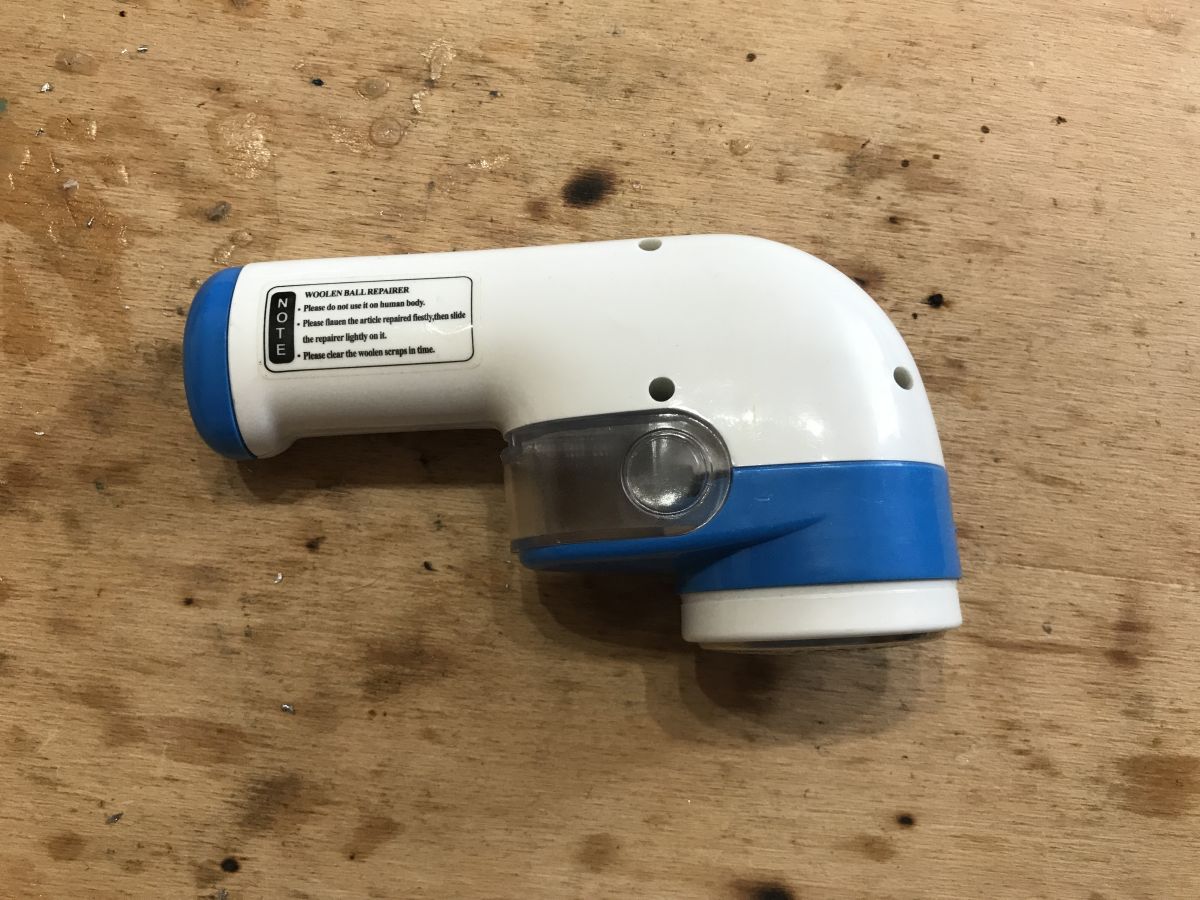
    To start with, let's see how this gadget is built in general.
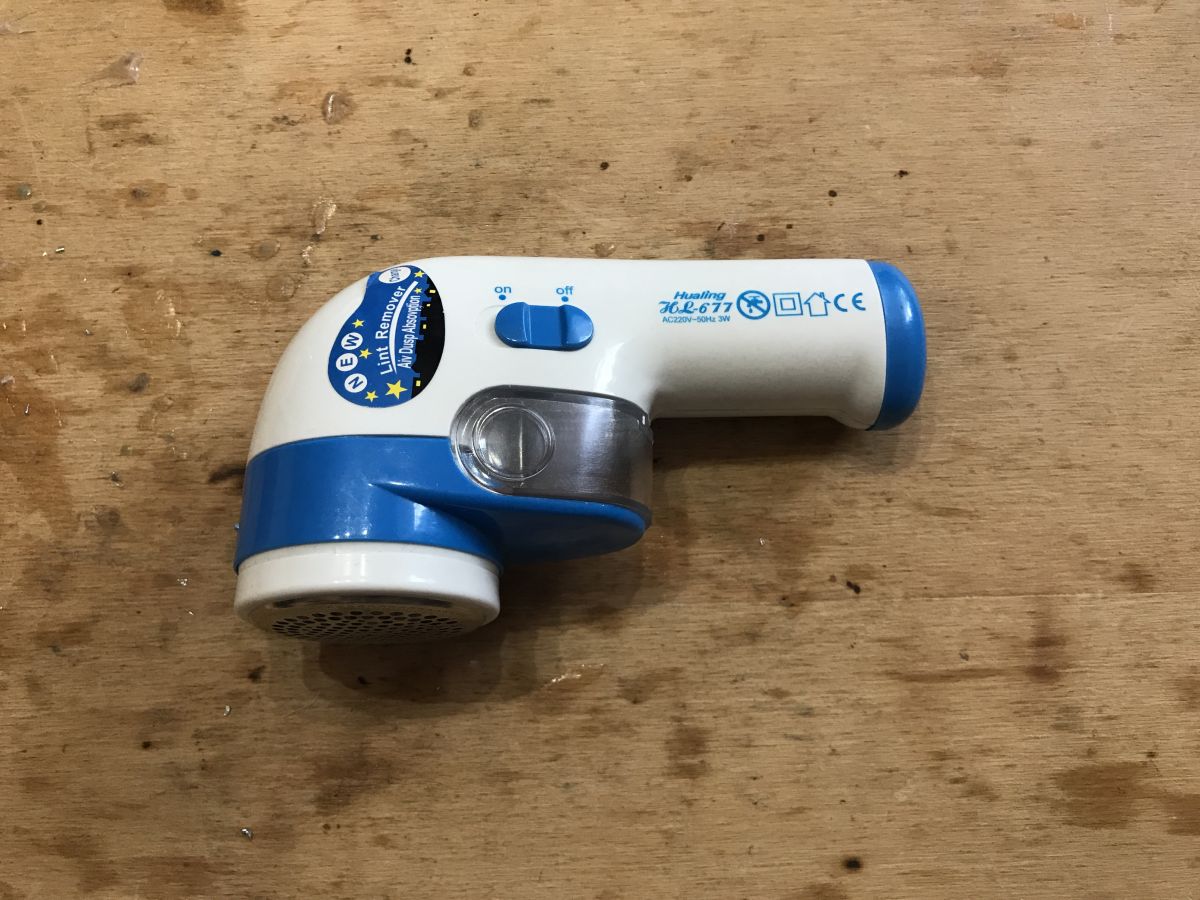
    Alteration of a jumper shaver, design and printing of a housing section Alteration of a jumper shaver, design and printing of a housing section
    The knife cover is unscrewed, but this does nothing for us.
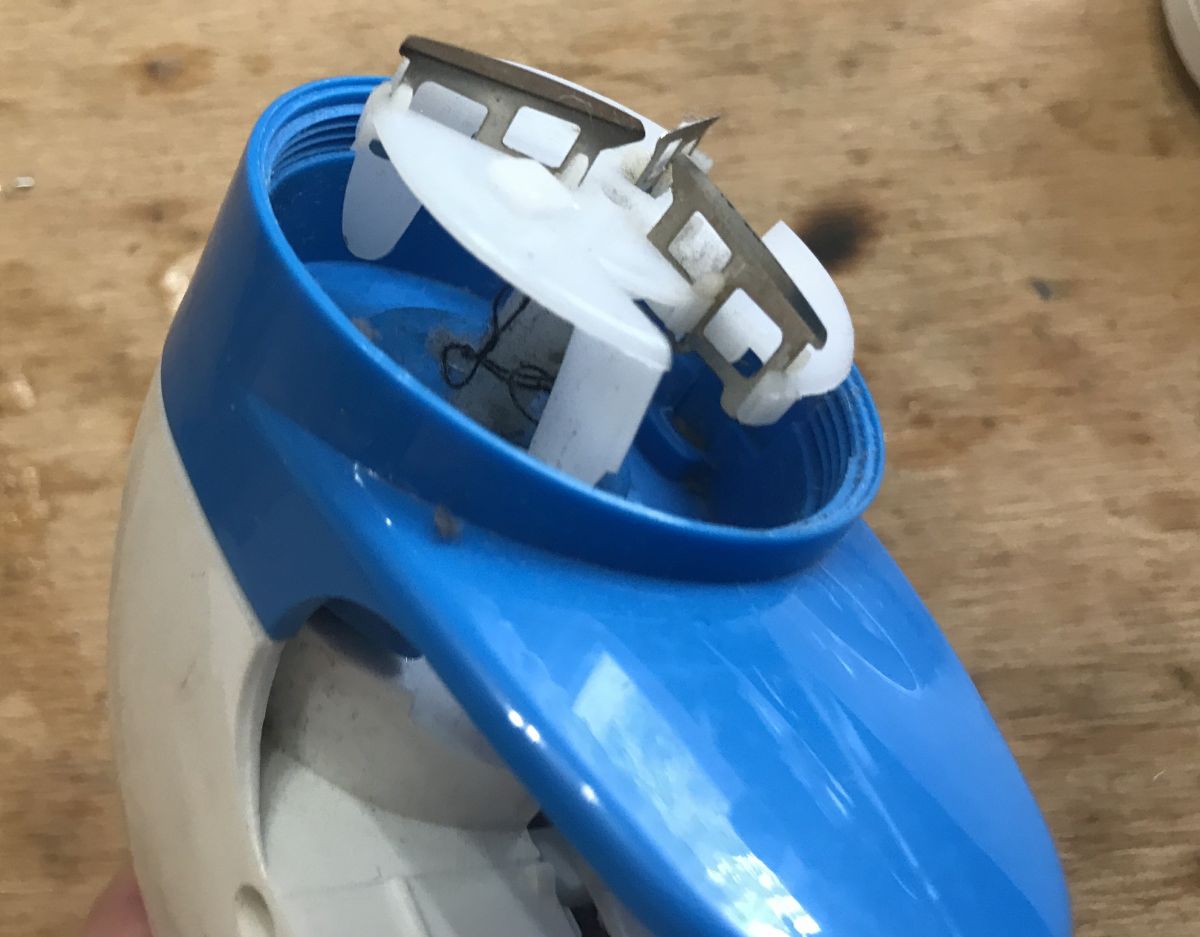
    Alteration of a jumper shaver, design and printing of a housing section
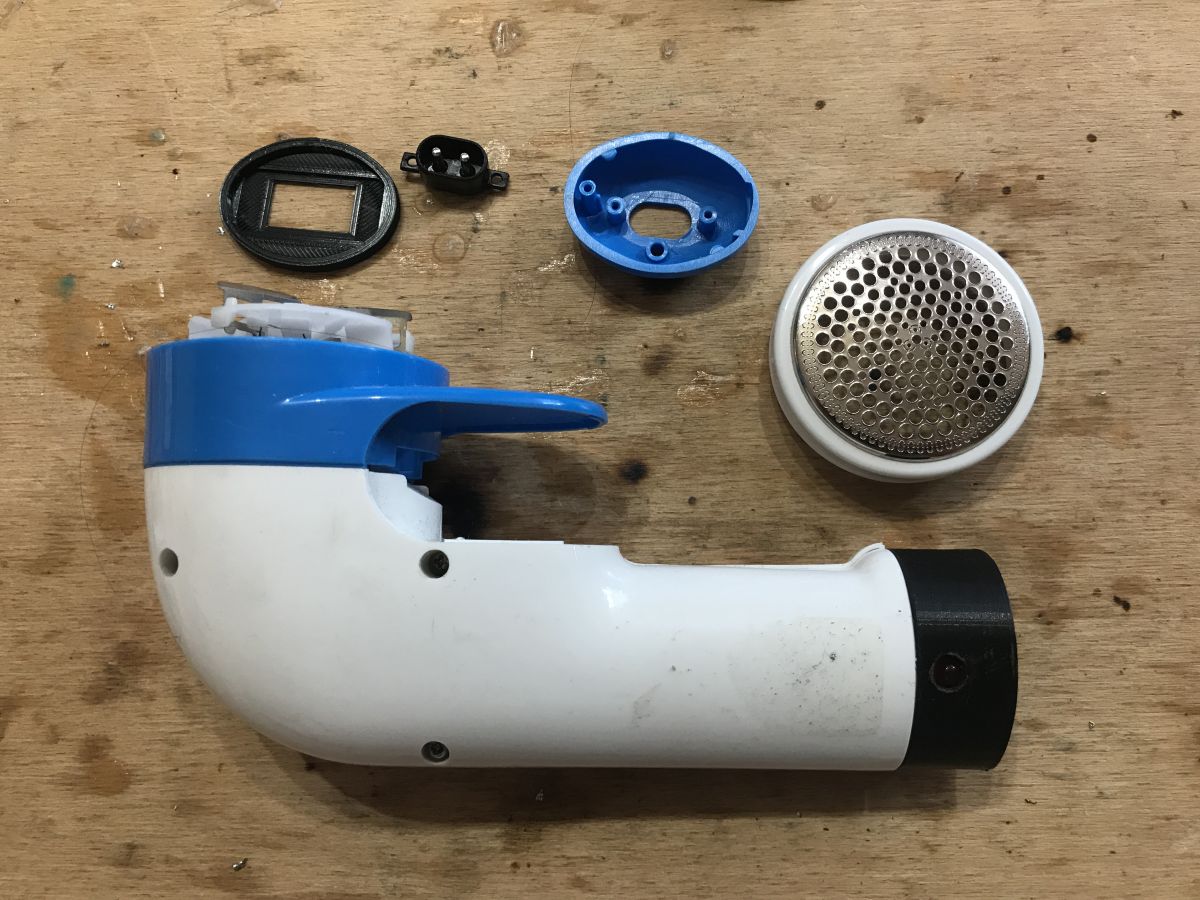
    The housing is held on by three screws and a blue piece with a socket for the mains cable.
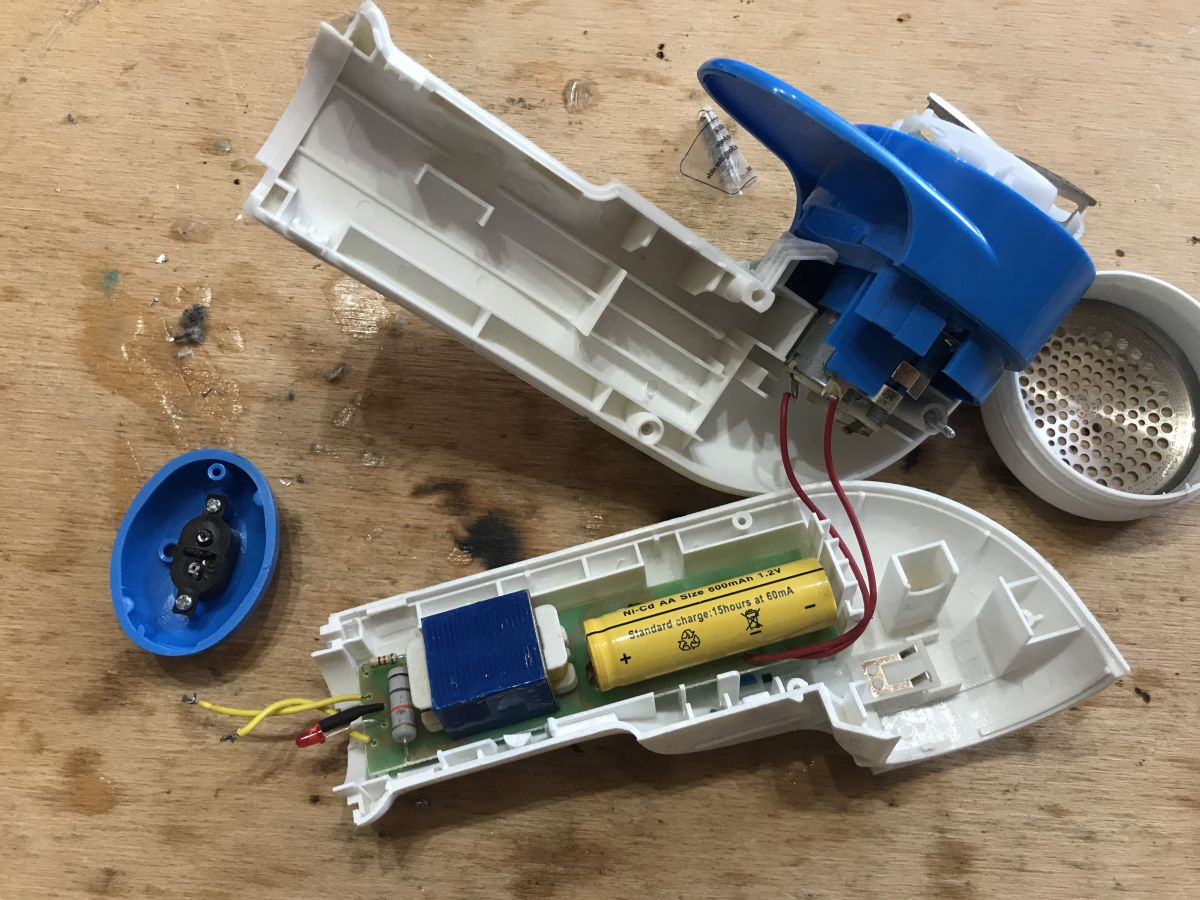
    Alteration of a jumper shaver, design and printing of a housing section
    You can now see that our modification will involve printing the equivalent of the blue element.
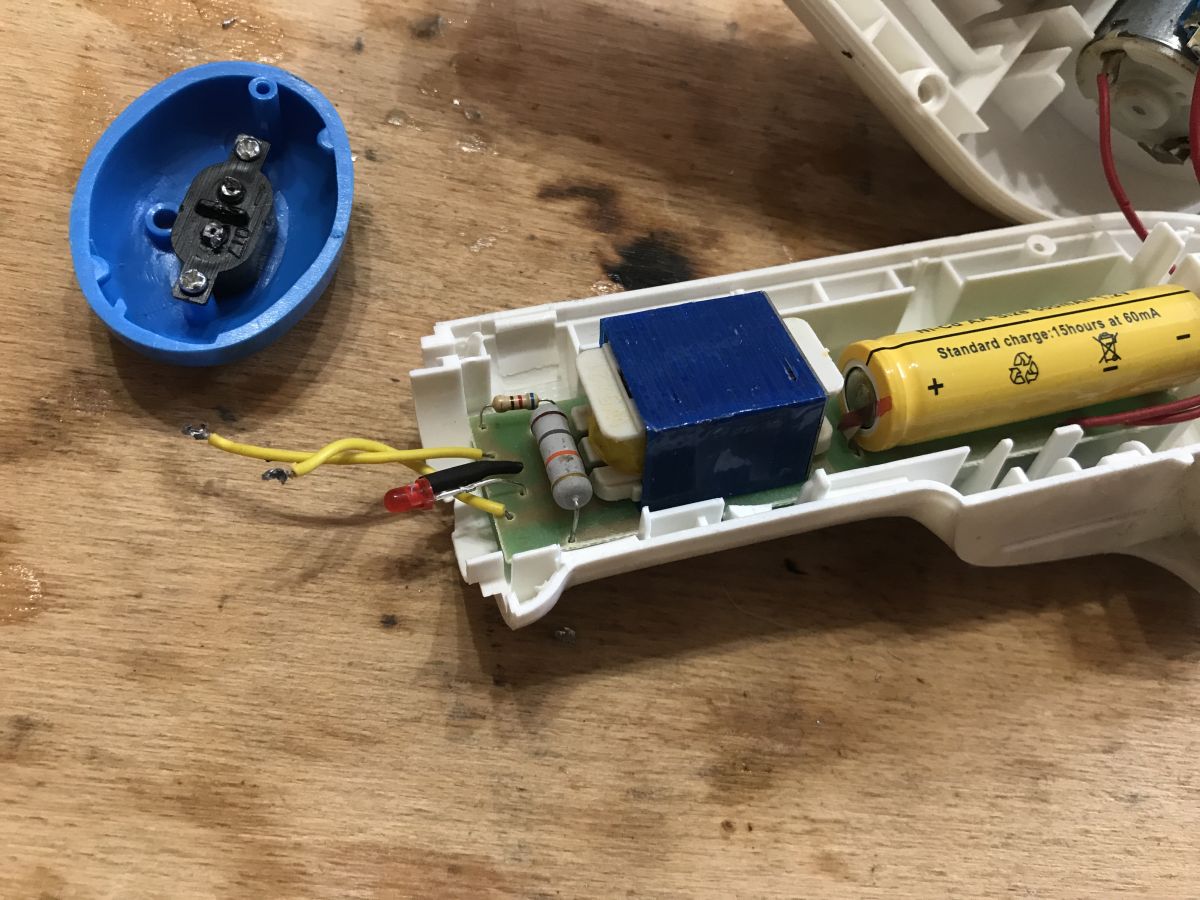
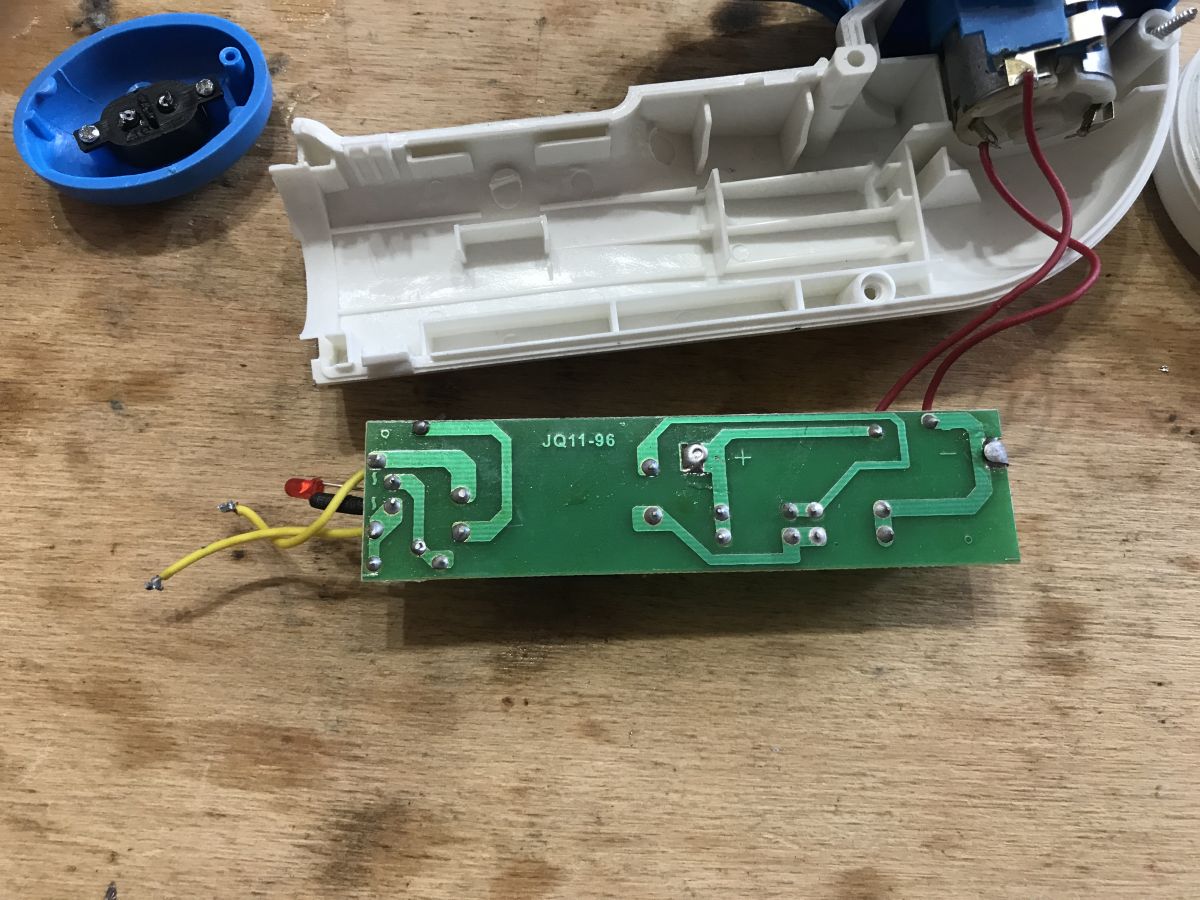
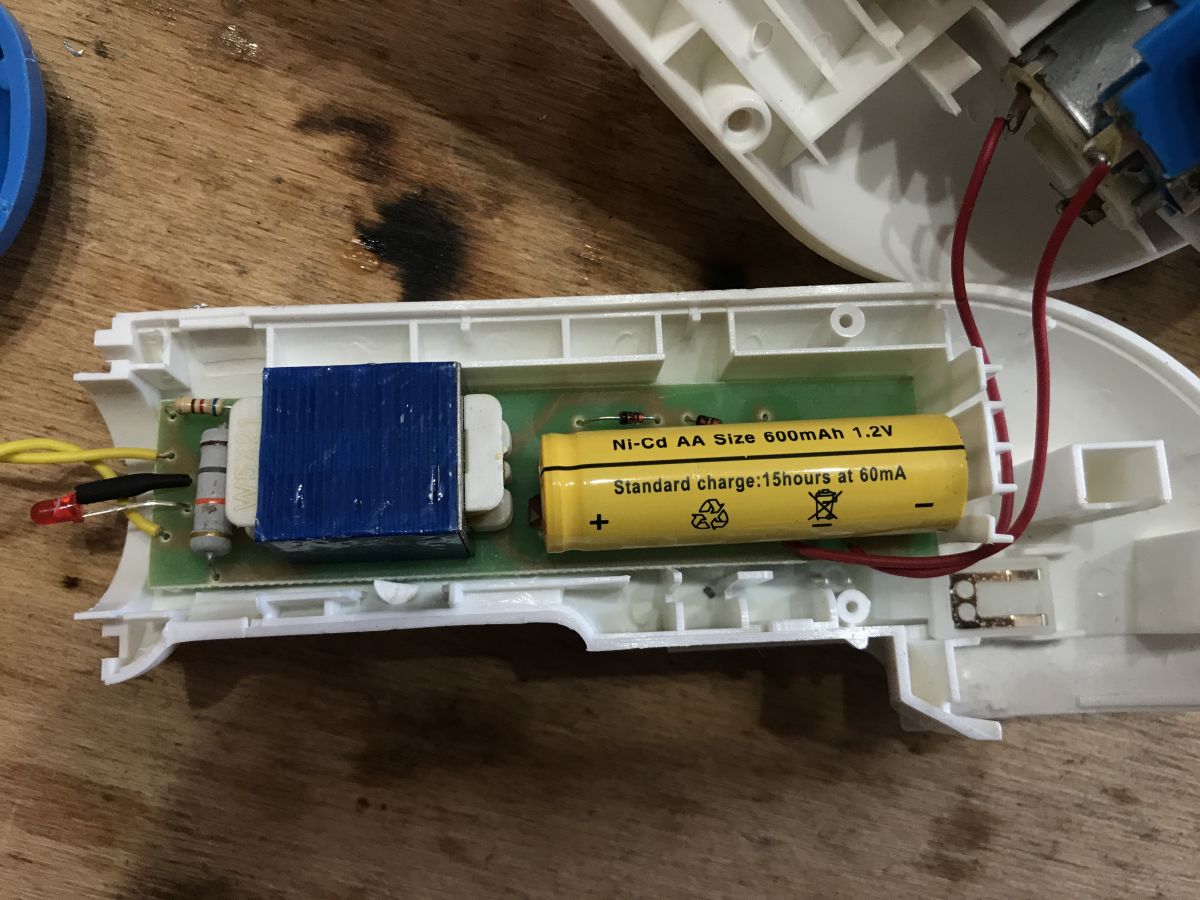
    Still out of curiosity you can look at the electronics from inside:
    Alteration of a jumper shaver, design and printing of a housing section Alteration of a jumper shaver, design and printing of a housing section Alteration of a jumper shaver, design and printing of a housing section
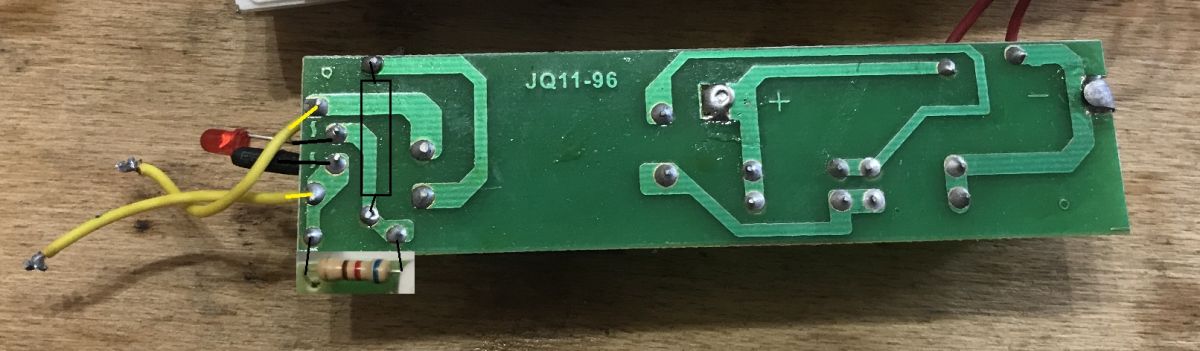
    A 600mAh 1.2 Ni-Cd AA cell is used here with the charging system trimmed to the limit. Behind the transformer we only have a rectifier bridge, and in front of it an LED (which only indicates that the power supply is connected) and current limiting resistors.
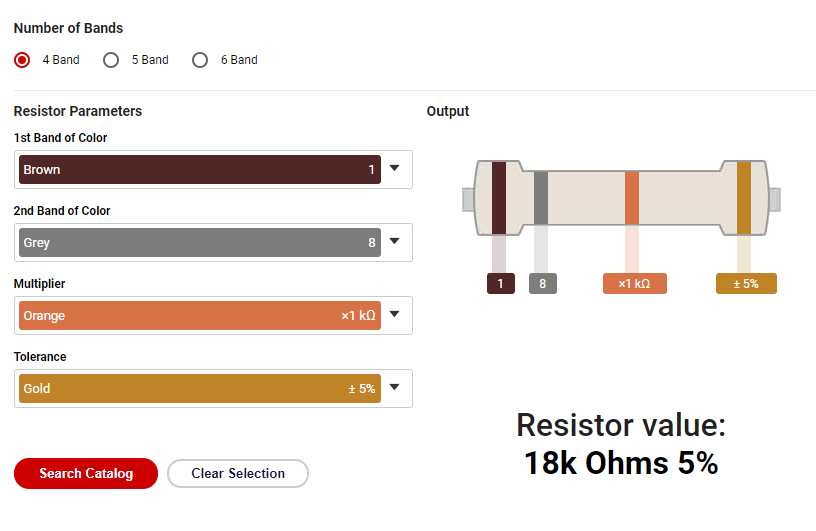
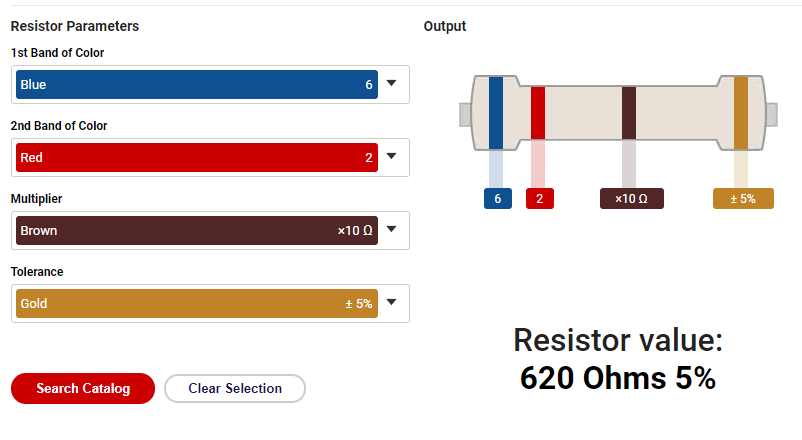
    I have superimposed the component information onto the photo of the board and decoded the resistor values:
    Alteration of a jumper shaver, design and printing of a housing section
    Alteration of a jumper shaver, design and printing of a housing section
    Alteration of a jumper shaver, design and printing of a housing section
    (Source: https://www.digikey.com/en/resources/conversi...ors/conversion-calculator-resistor-color-code )

    Fixing design for new connector
    Here I will describe step by step how I created the attachment object for the connector in Blender.
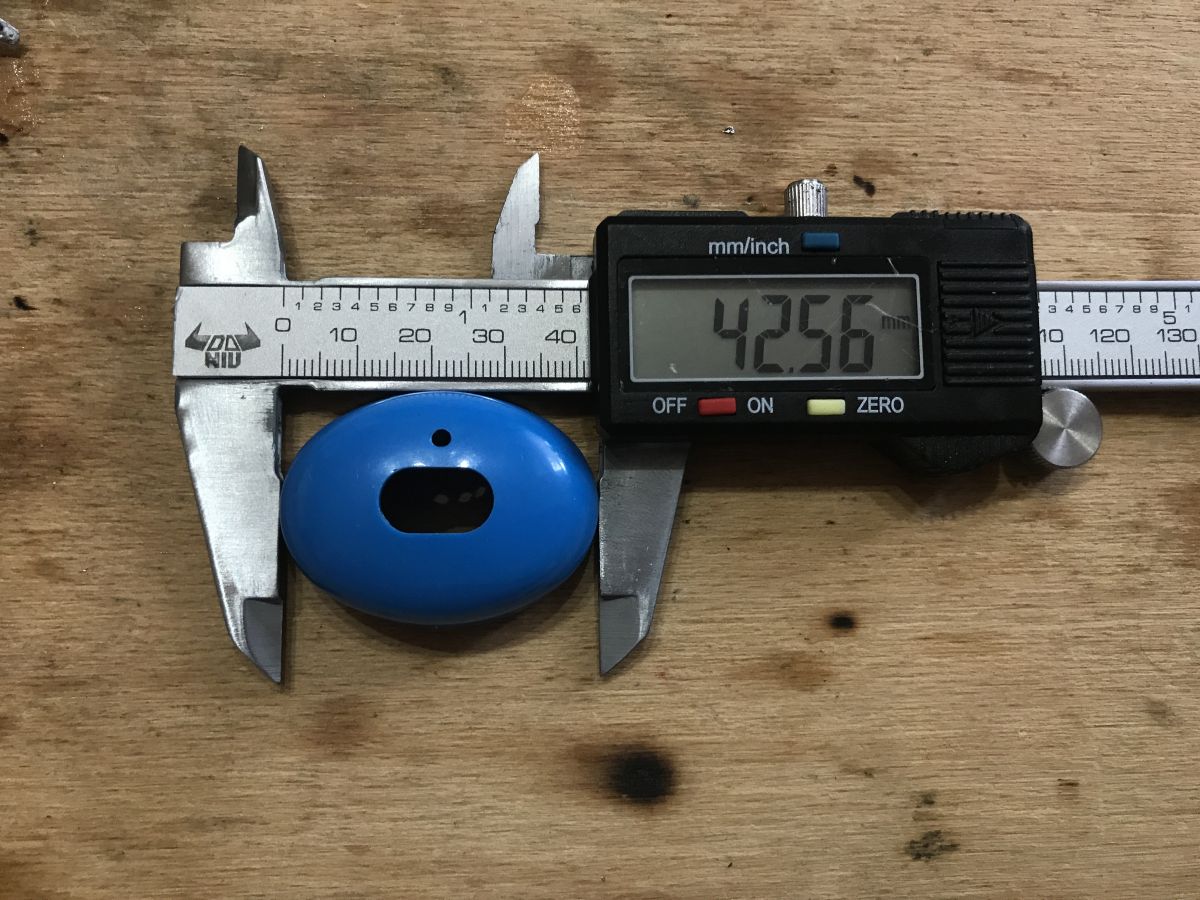
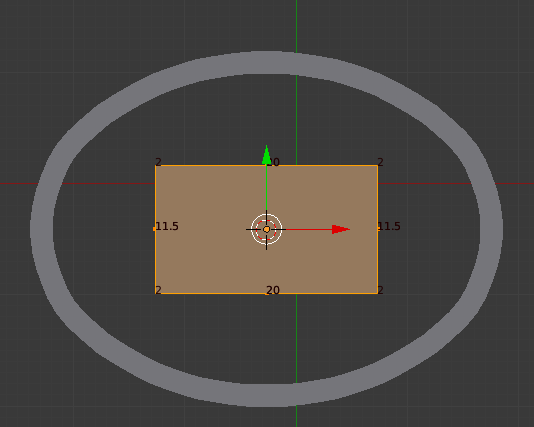
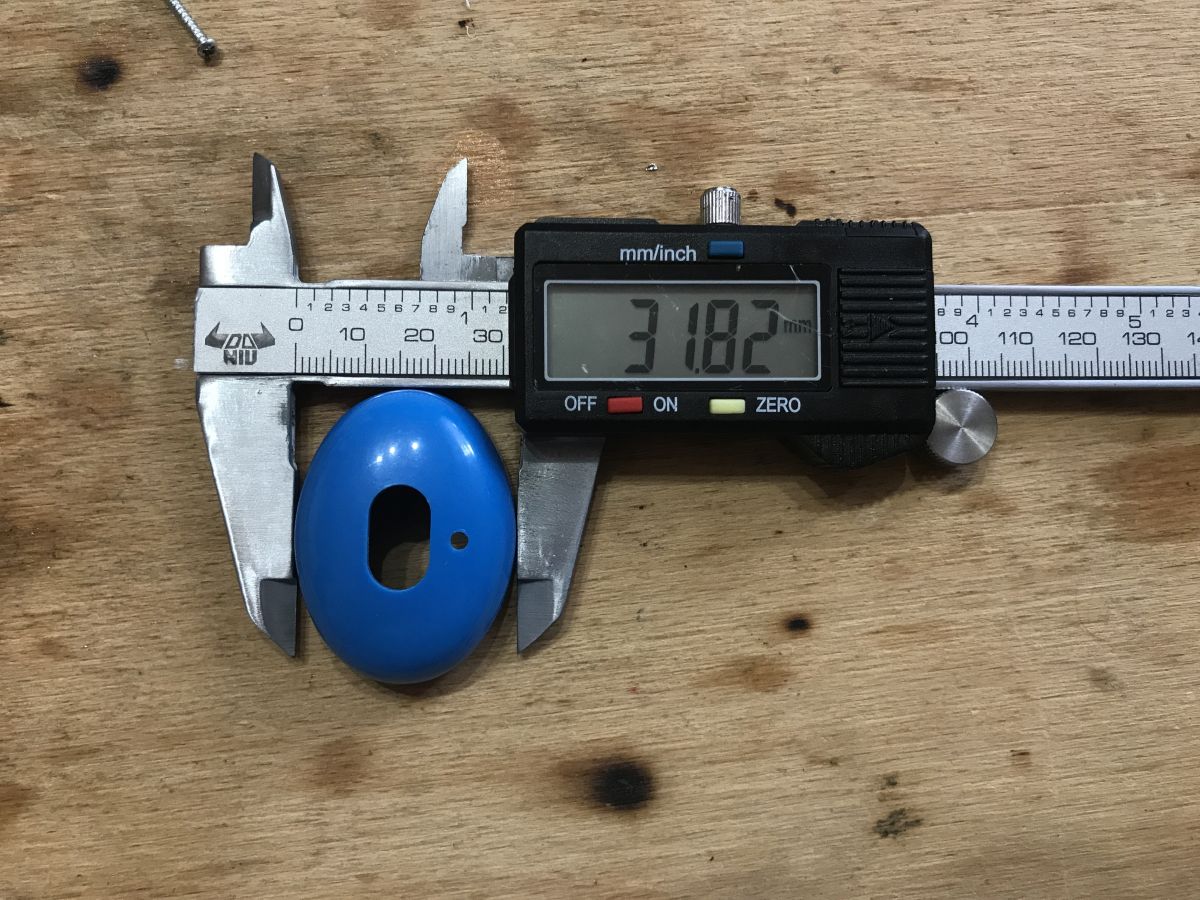
    I started by dimensioning the component:
    Alteration of a jumper shaver, design and printing of a housing section Alteration of a jumper shaver, design and printing of a housing section
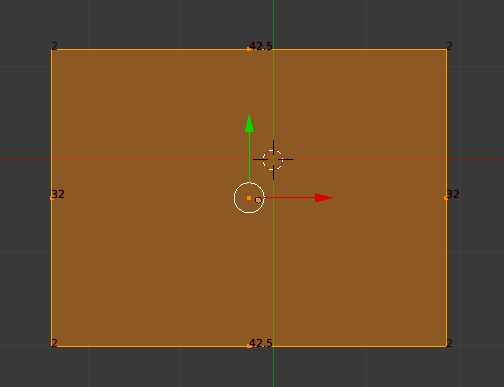
    In Blender, I created a ... plane (Quad) to start with. I prepared a mirror (mirror) for it according to two axes:
    Alteration of a jumper shaver, design and printing of a housing section
    Alteration of a jumper shaver, design and printing of a housing section
    I then used the Bevel tool to do the rounding:
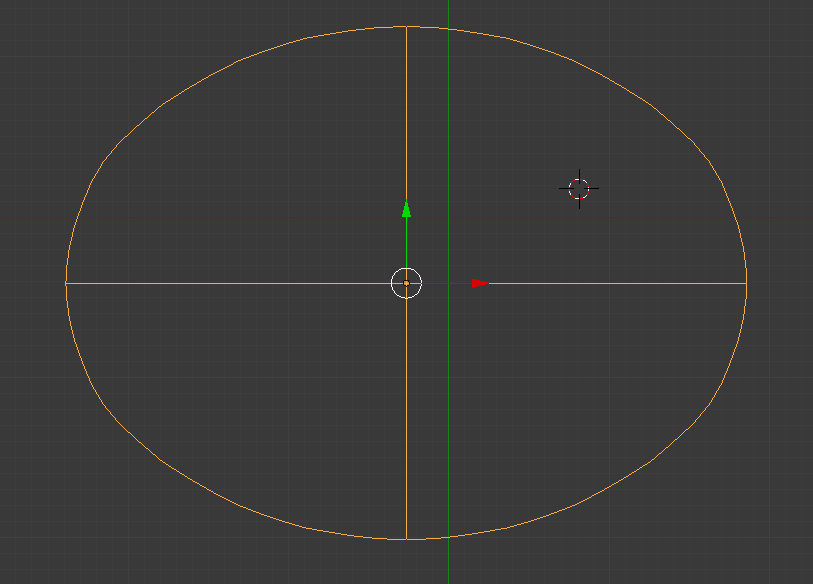
    Alteration of a jumper shaver, design and printing of a housing section
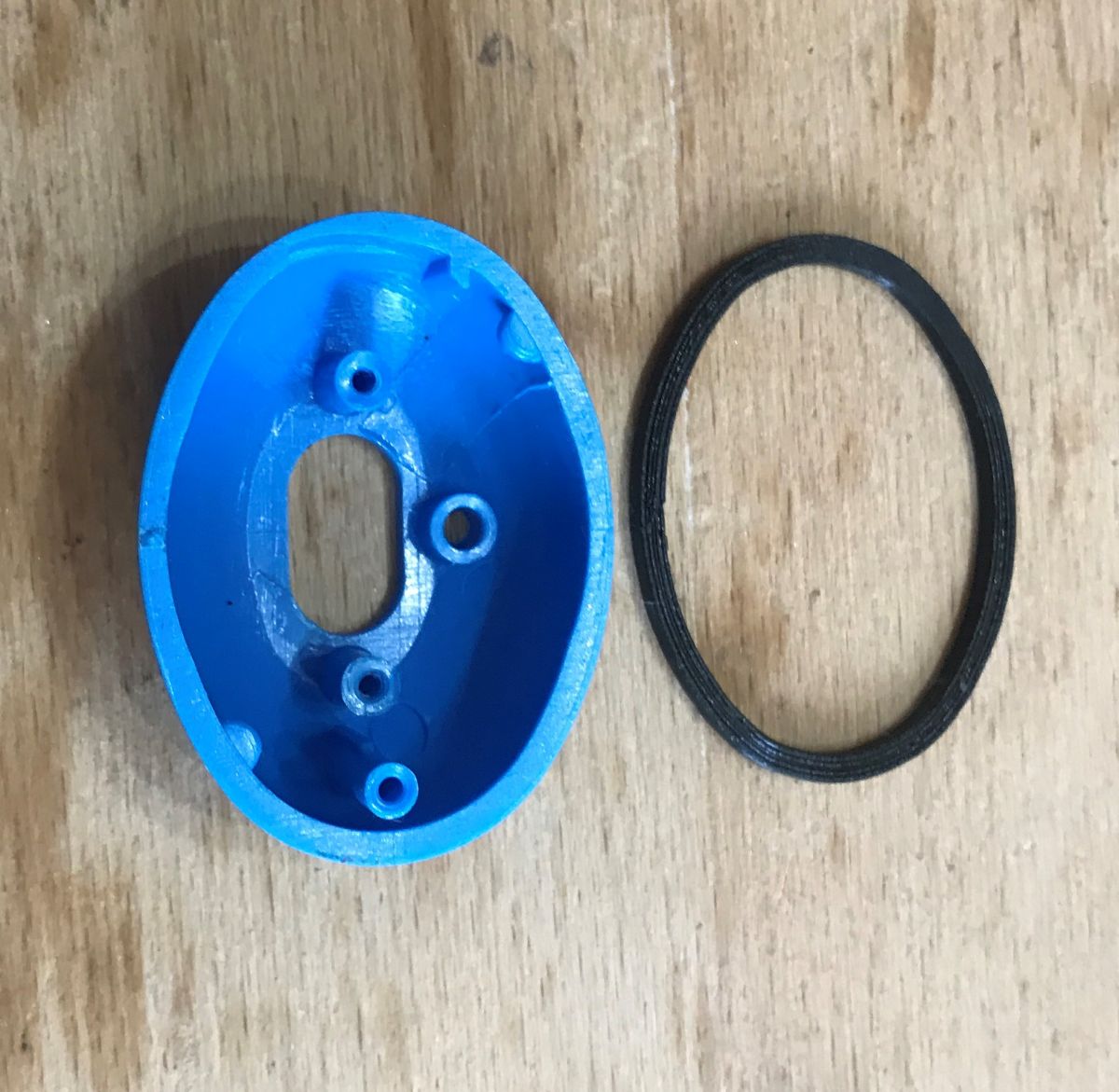
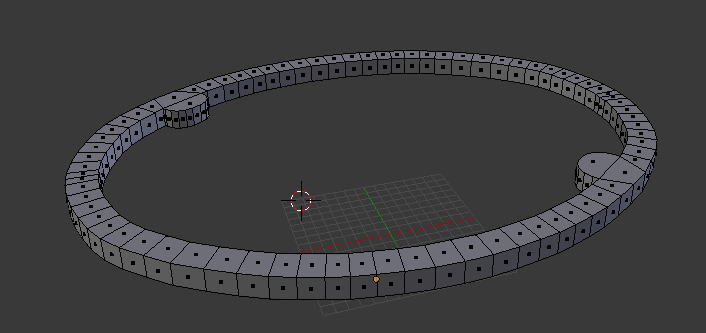
    I gave the object a thickness (extrude) and then duplicated it and made the duplicate smaller, so that I could then do a Boolean difference on both to get just the housing rim I wanted to use for the test and fitting:
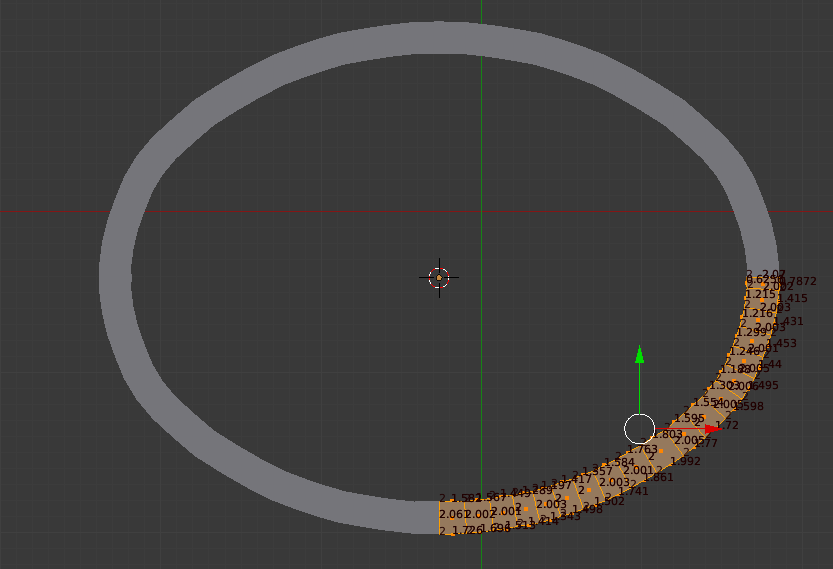
    Alteration of a jumper shaver, design and printing of a housing section
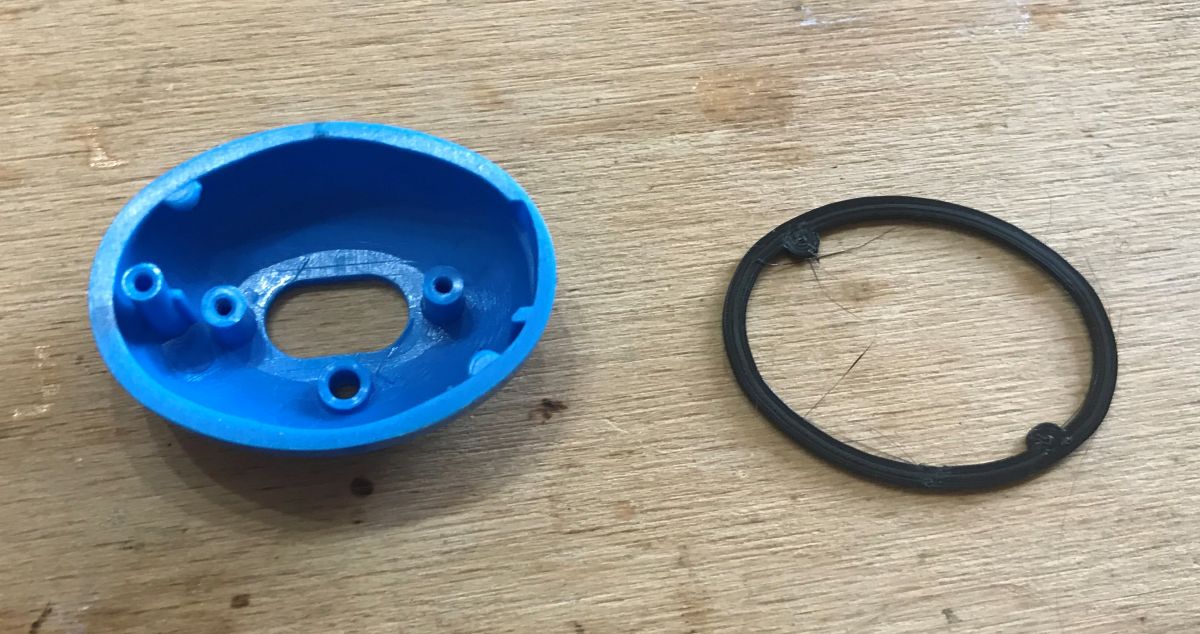
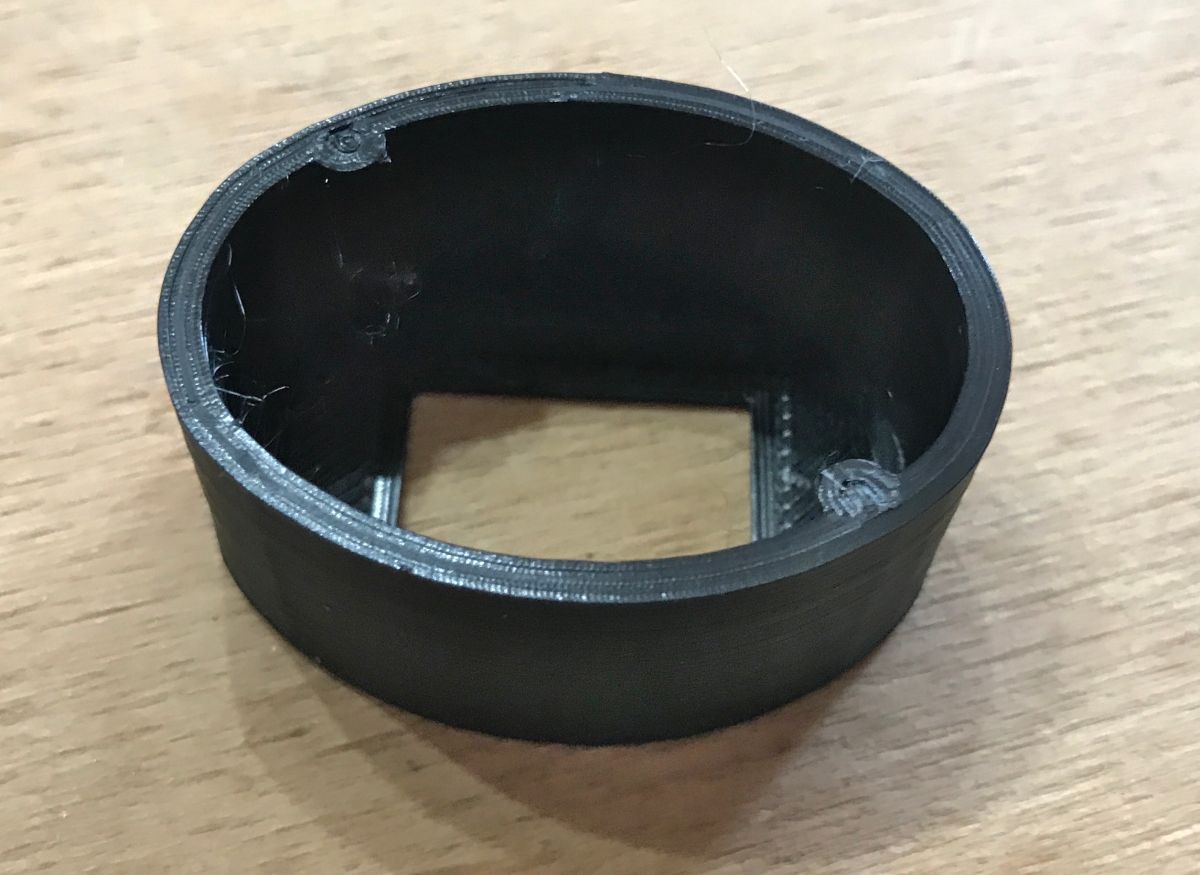
    After printing - it fits ideally:
    Alteration of a jumper shaver, design and printing of a housing section
    Alteration of a jumper shaver, design and printing of a housing section
    I then had to size a new socket. I took them from an old radio, I had the parts in a drawer after some teardown. I transferred the dimensions into Blender:
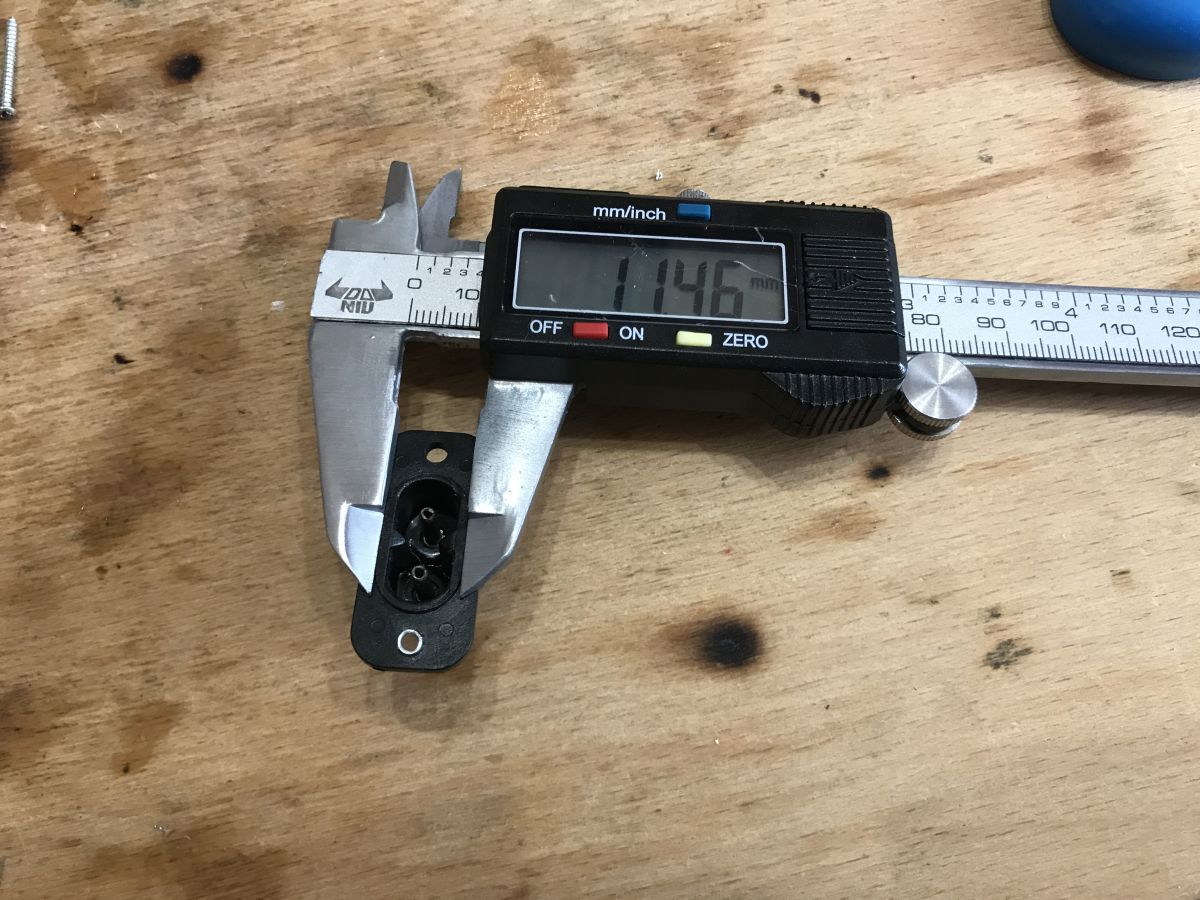
    Alteration of a jumper shaver, design and printing of a housing section
    Alteration of a jumper shaver, design and printing of a housing section
    In the form of two elements, I modelled the connector. One will be cut from the other:
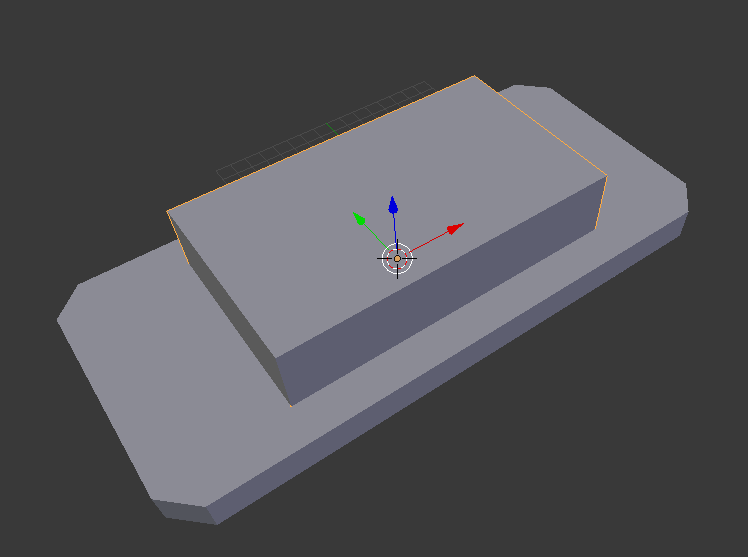
    Alteration of a jumper shaver, design and printing of a housing section
    I also modelled the base of the element for the connector, without the hole:
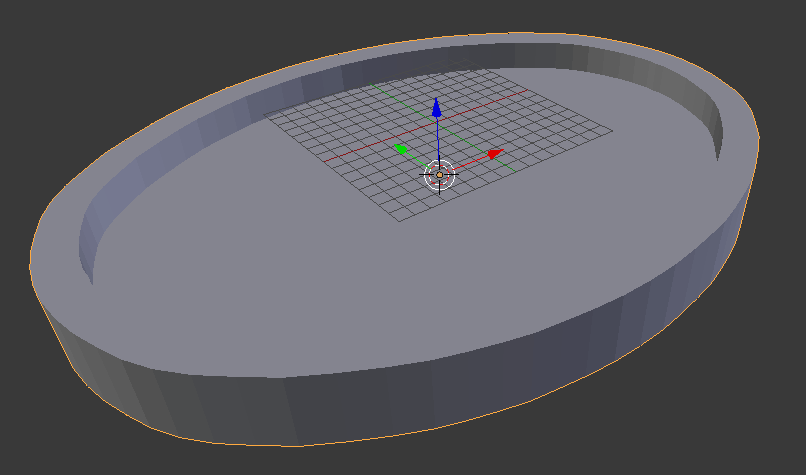
    Alteration of a jumper shaver, design and printing of a housing section
    A boolean operation (cut out) allowed me to get this result:
    Alteration of a jumper shaver, design and printing of a housing section
    The connector will go in at the squeeze, but for the sake of principle it can also be glued.
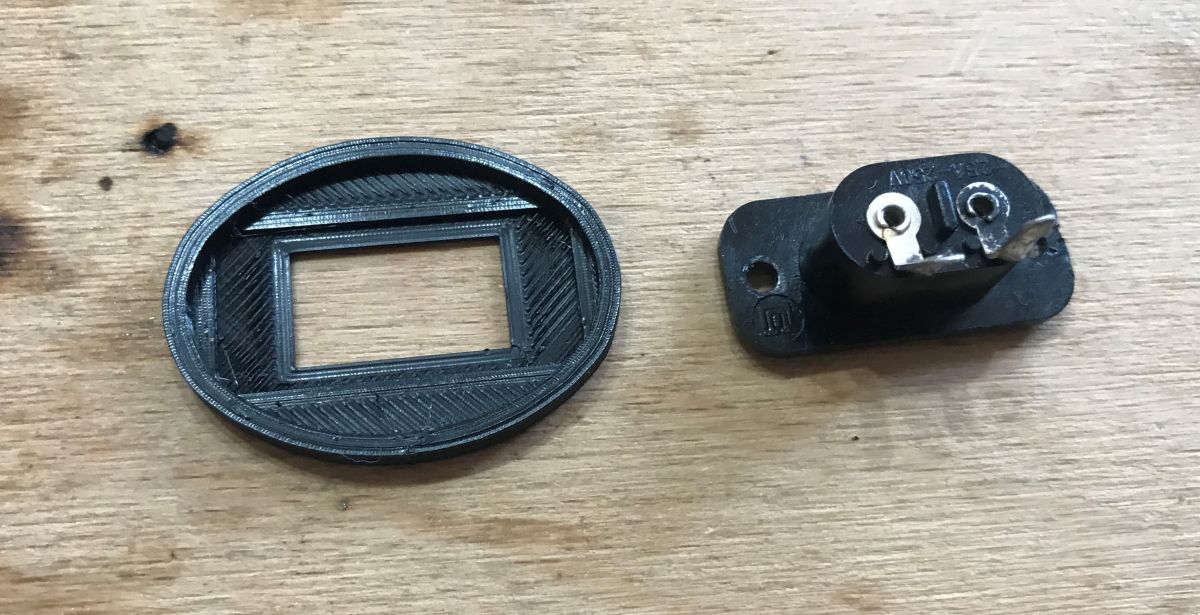
    Alteration of a jumper shaver, design and printing of a housing section
    Now, however, you need to think about attaching the printed part to the rest of the shaver. You can always glue, but this is rather overkill and not a recommended solution, especially as the original has hooks .
    It was time to map them out. I did this by hand via extrude. I modelled the protuberance once, its duplication was done for me by Mirror.
    Alteration of a jumper shaver, design and printing of a housing section
    Alteration of a jumper shaver, design and printing of a housing section
    Well, and a fitting:
    Alteration of a jumper shaver, design and printing of a housing section
    Alteration of a jumper shaver, design and printing of a housing section
    Fits, you can immediately combine our two objects into a whole:
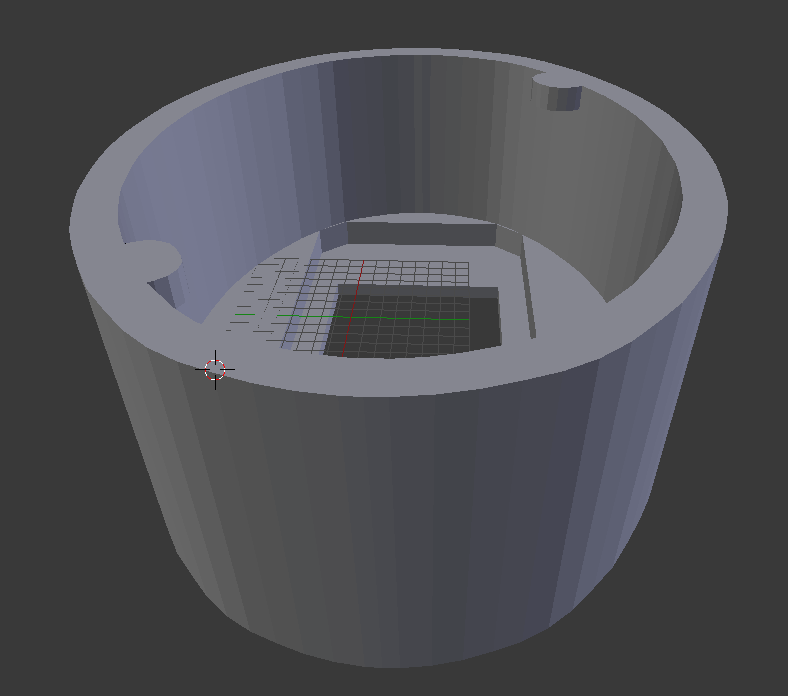
    Alteration of a jumper shaver, design and printing of a housing section
    Printed element:
    Alteration of a jumper shaver, design and printing of a housing section
    Comparison. My element is necessarily larger, as the connector is also larger.
    Alteration of a jumper shaver, design and printing of a housing section
    I made the hole for the LED with a screwdriver:
    Alteration of a jumper shaver, design and printing of a housing section
    The consequence of changing the size of the part was the need to replace the LED with another one:
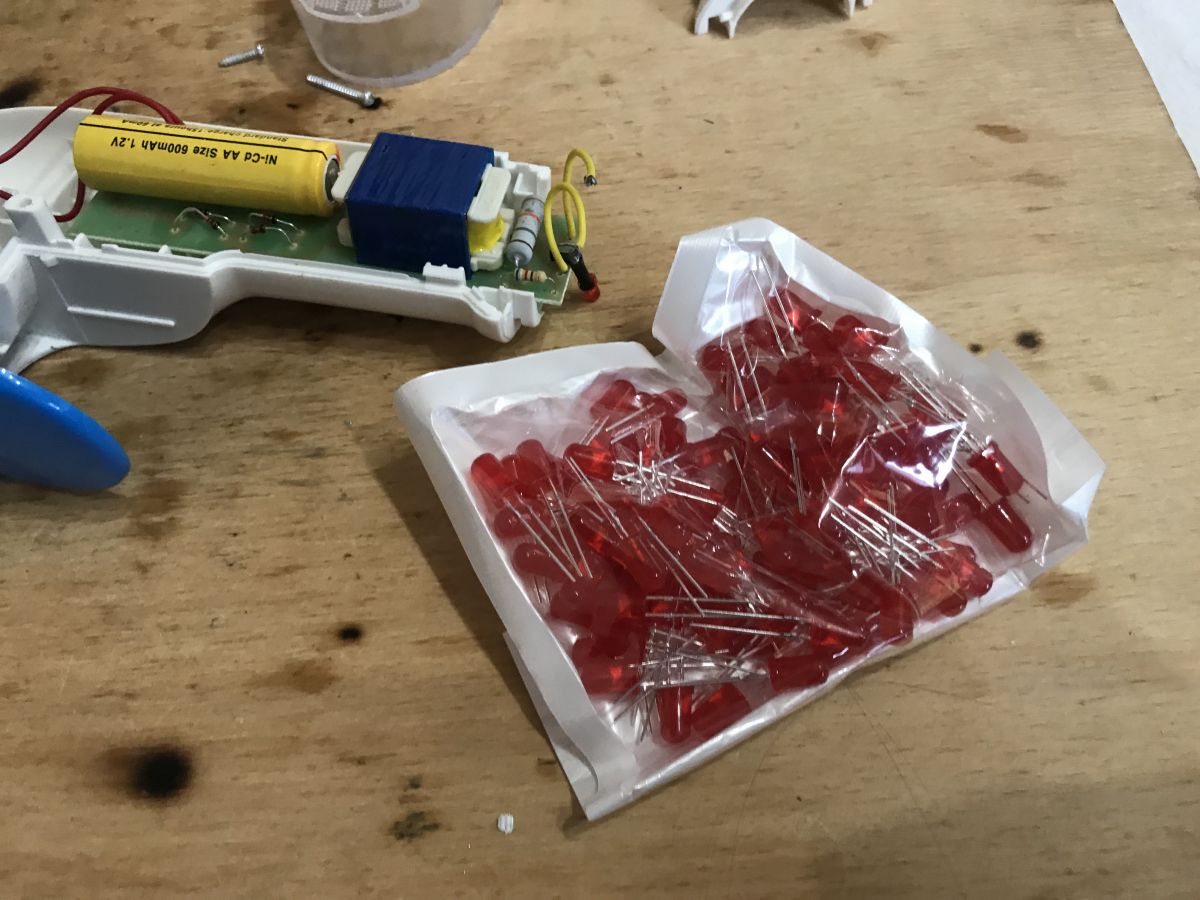
    Alteration of a jumper shaver, design and printing of a housing section
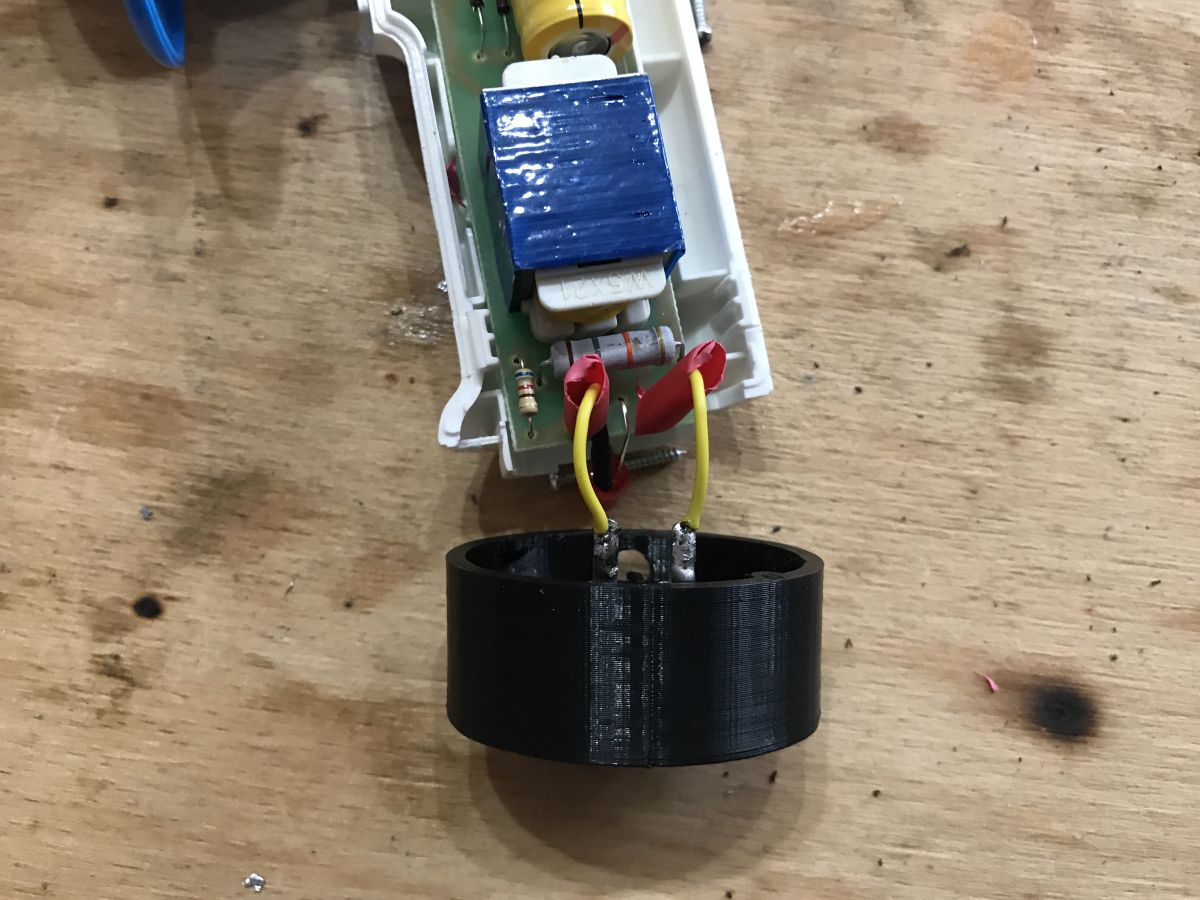
    I used heat shrink sleeves to secure the connection:
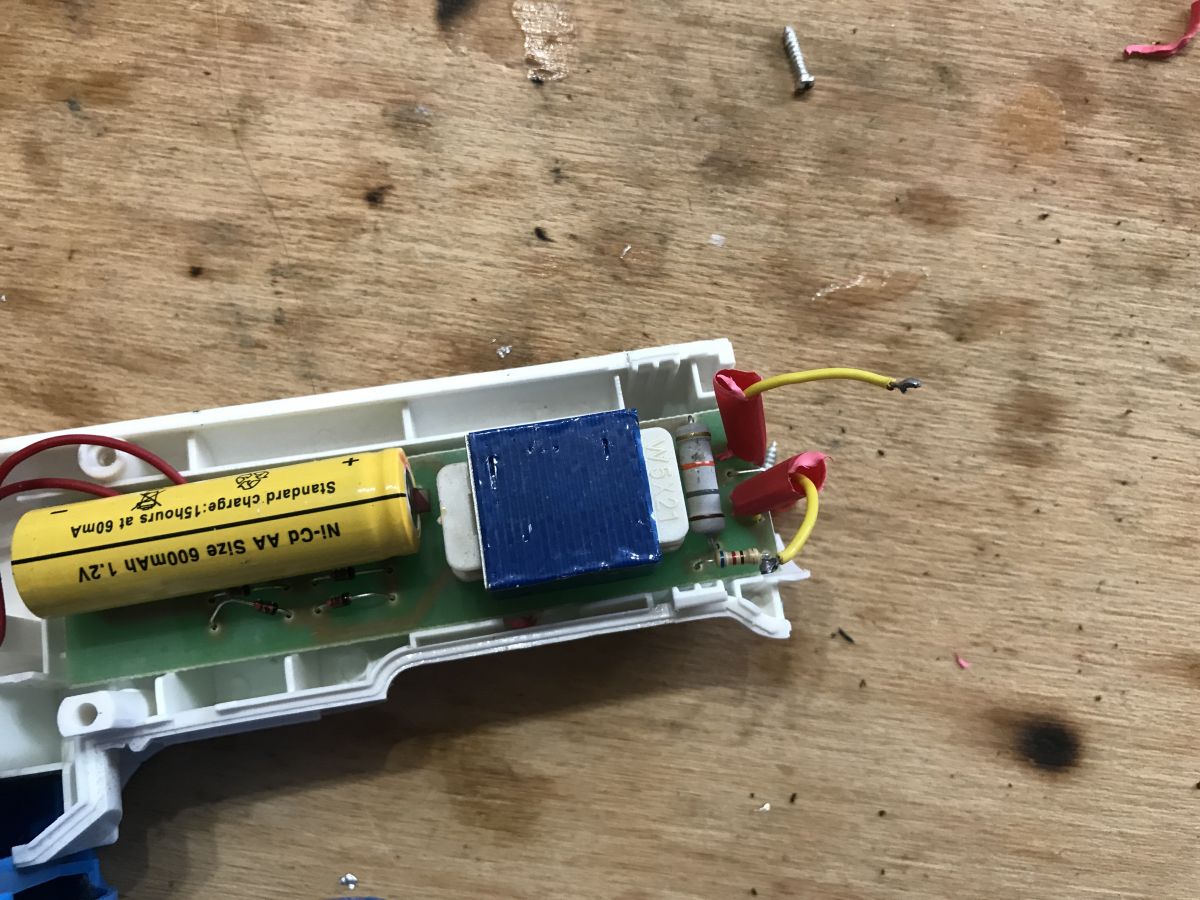
    Alteration of a jumper shaver, design and printing of a housing section Alteration of a jumper shaver, design and printing of a housing section
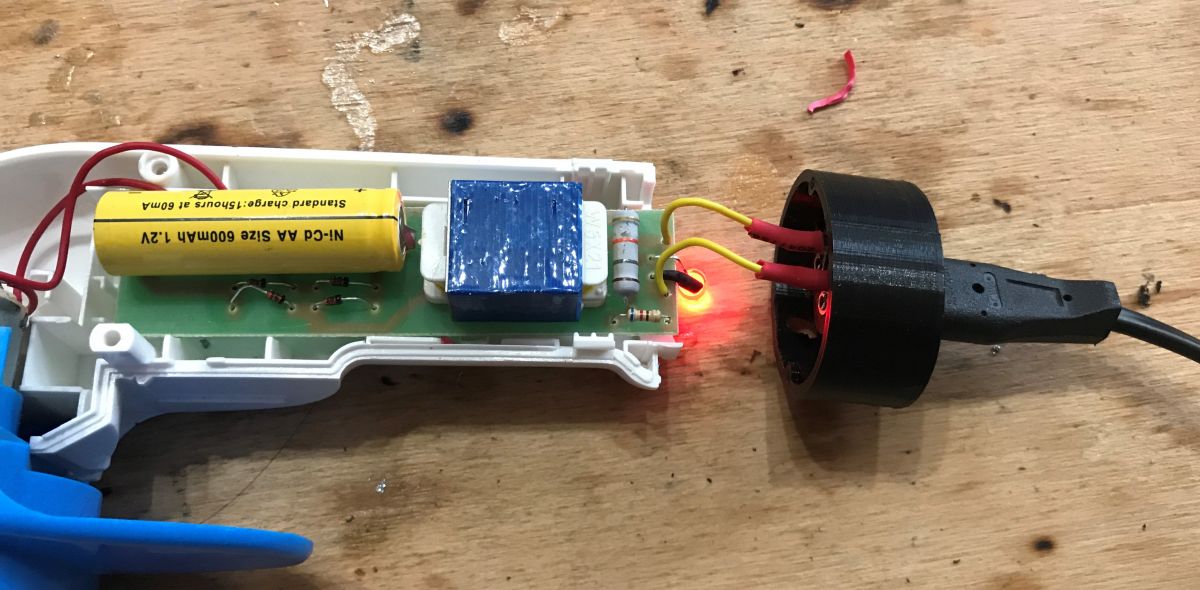
    Pre-assembly test:
    Alteration of a jumper shaver, design and printing of a housing section
    Finished:
    Alteration of a jumper shaver, design and printing of a housing section
    Ultimately, I still wanted to round off the corners and print the component in white, but the new owner of the machine decided that this was unnecessary, so I just final glued the connector to the component (so that when the plug is pressed in, it doesn't fall inside the housing).

    Summary
    The project essentially cost nothing, and even if you counted the weight of the filament it would come out to 7 grams per final piece, so in total with prototypes maybe 25g, at £50/kilo that's £1.25.... as you can see, it was worth it to save a decomposed machine where a new one costs 35PLN. 3D printing once again showed its usefulness.
    After replacing the connector, the razor is compatible with a typical "doubles" power cable, such as many radios, power supplies, or there even Mac OSX mini's have.
    I think it's worth saving even such unusual gadgets and 3D printing helps considerably in this. Now I'm still queuing up to replace the electronics inside so that I can charge from USB (probably when the NiCd dies), but that's not likely to happen soon....

    Cool? Ranking DIY
    Helpful post? Buy me a coffee.

    About Author
    p.kaczmarek2
    Moderator Smart Home
    Offline 
    p.kaczmarek2 wrote 13929 posts with rating 11733, helped 630 times. Been with us since 2014 year.
  • ADVERTISEMENT
  • #2 19695102
    E8600
    Level 41  
    p.kaczmarek2 wrote:
    A 600mAh 1.2 Ni-Cd AA cell is used here

    Personally I wouldn't save the Ni-Cd supply and put in a Li-ion cell with a TP4056 board (the motor should be able to withstand the higher voltage).
  • ADVERTISEMENT
  • #3 19695394
    p.kaczmarek2
    Moderator Smart Home
    E8600 wrote:

    Personally, I would not save the Ni-Cd power supply and put in a Li-ion cell with a TP4056 board (the motor should be able to withstand the higher voltage).


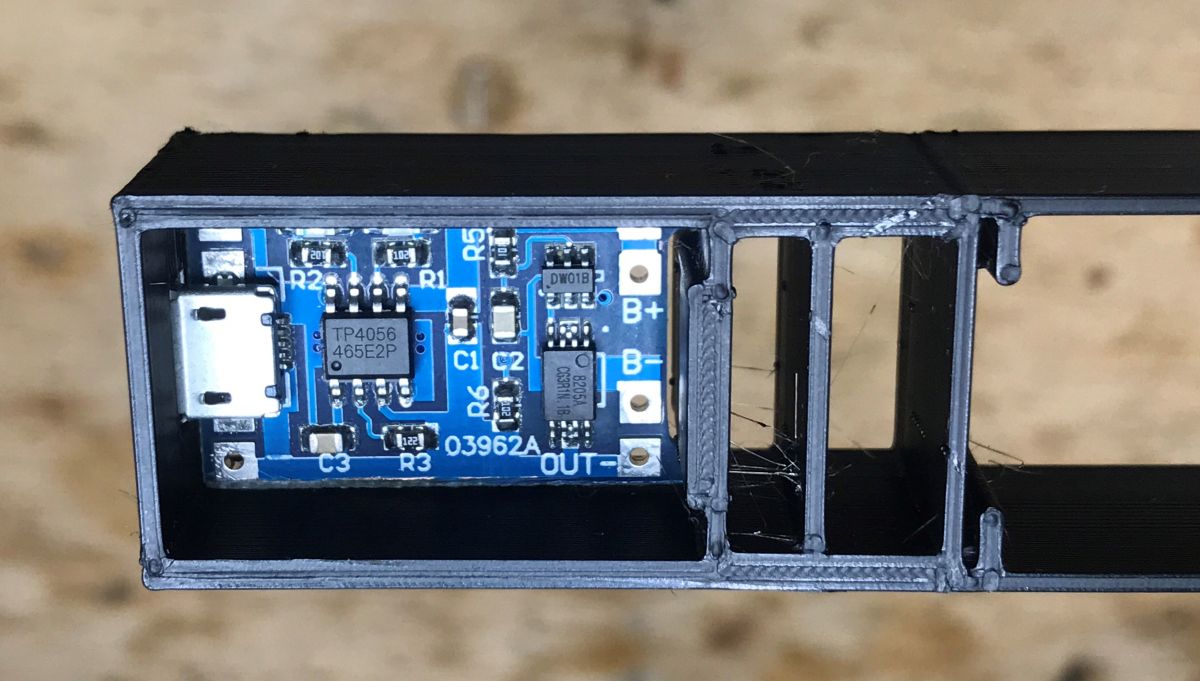
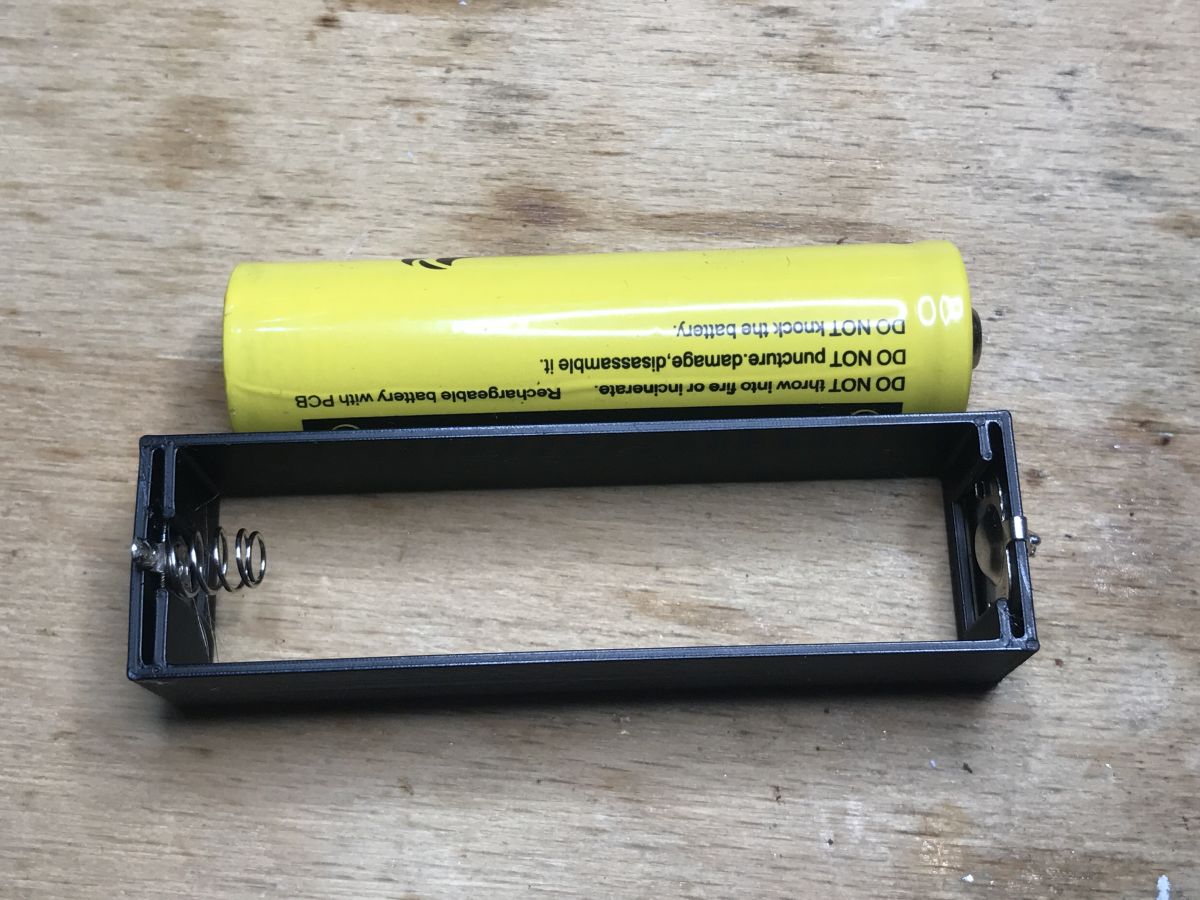
    TP4056, what a small world, I recently rescued a screwdriver like this, I like these modules:
    Alteration of a jumper shaver, design and printing of a housing section
    Alteration of a jumper shaver, design and printing of a housing section
    (pictures incomplete, final result maybe another time)

    However, I think that as long as something still works reasonably well, it can last until its natural death, and then only replacement
    Helpful post? Buy me a coffee.
  • ADVERTISEMENT
  • #4 19696482
    LEDówki
    Level 43  
    If a device has a battery of three nickel cadmium or nickel hydride batteries connected in series, such a battery can be replaced by a single lithium ion battery or a battery of batteries connected in parallel. Converting a 1.2V battery to a 3.6V battery is a difficult art if you do not have a suitable motor.
  • ADVERTISEMENT
  • #5 19700275
    szeryf3
    Level 29  
    You have nicely demonstrated the workmanship of the new housing component.
    As for the power supply, leave it as it is until it dies of amen.
  • #6 19707633
    ElectroTom
    Level 25  
    I replaced the motor in a similar shaver. The commutator of poor quality (only plates without carbides) was damaged.
  • #7 19713166
    AdamFilipek
    Level 20  
    p.kaczmarek2 wrote:
    The housing is held together by three screws and a blue piece with a socket for the mains cable.


    Minor correction - from the pictures of the case I take it that these were more like screws.
📢 Listen (AI):
ADVERTISEMENT