Czy wolisz polską wersję strony elektroda?
Nie, dziękuję Przekieruj mnie tamMlucas wrote:And should it be solid or partisan just cheap?Worth more than a whole house with that pump hehe
Mlucas wrote:power to the heat pump is not possible
markus-19 wrote:Simple question, no answer.
How do you want to implement this emergency power supply?
In the case I gave, it would be done automatically. When choosing variant B, you need to think about powering the indicated circuit without the risk of supplying voltage to the supplier's network.
Mlucas wrote:This may fill the heating installation with glycol - for example, for solar panels, unless something else can be damaged in the pump in the cold.if frost comes, they will turn off the electricity, the frost may break the installations and that's it
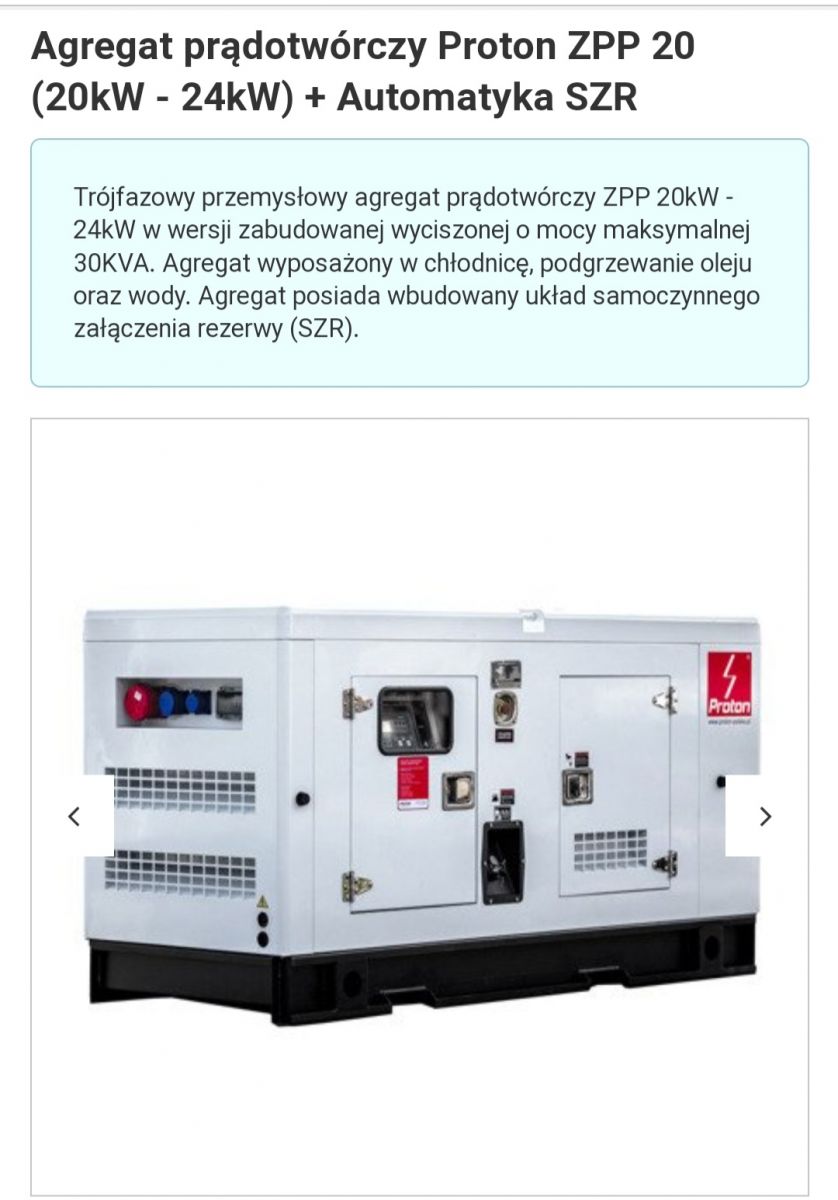
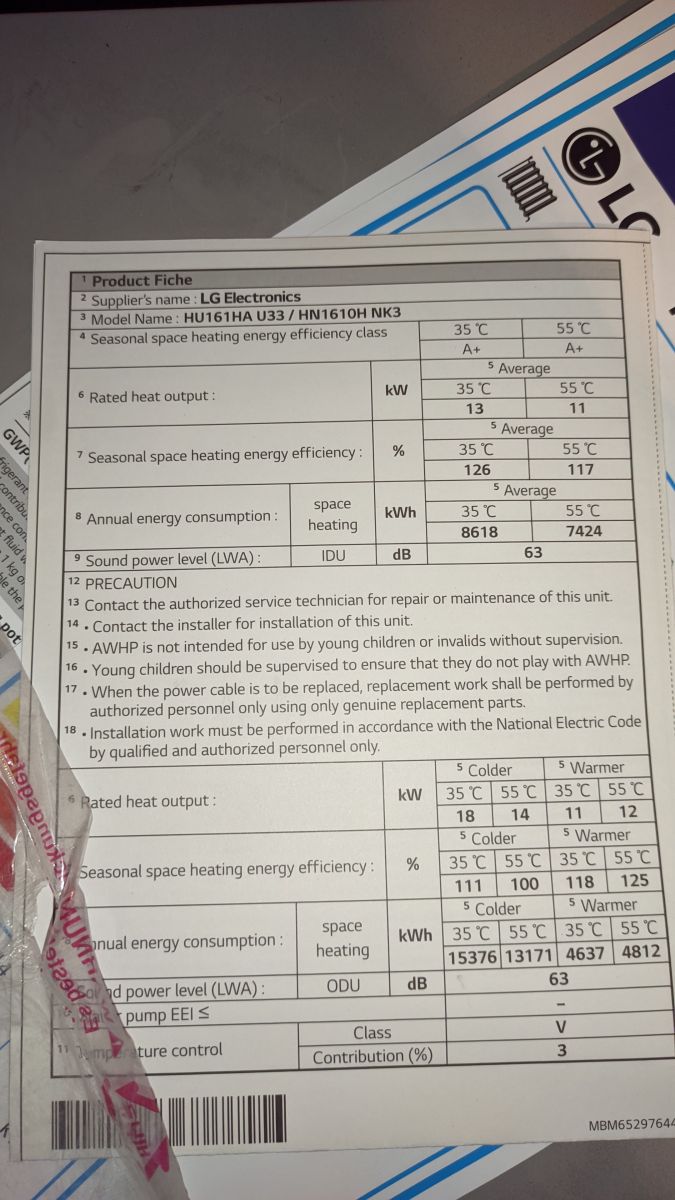
TL;DR: A 13 kW (thermal) heat pump typically draws 3–4.5 kW electric power—“size the genset with 20 % headroom” [Elektroda, karolark, post #19716642]—so a 5–7 kW inverter generator plus UPS keeps circulation running during outages [Elektroda, Janusz_kk, post #19717840]
Why it matters: Correct sizing and clean voltage prevent compressor lock-out and €10 000 repair bills.
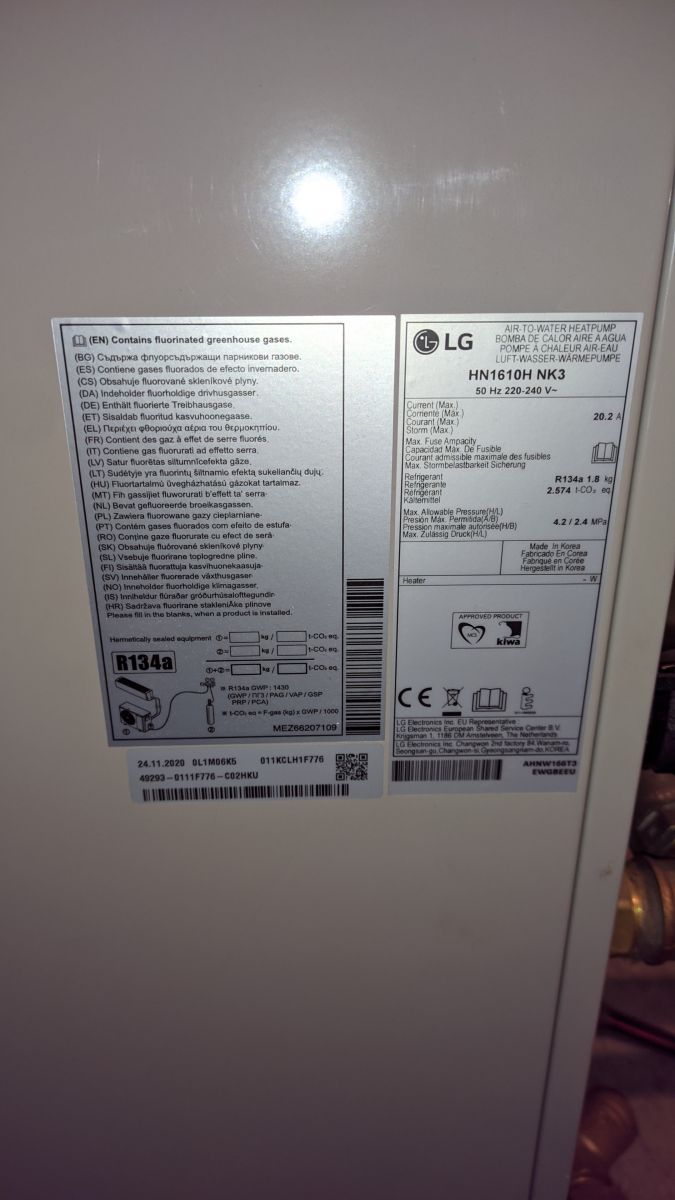
• Generator continuous rating: ≥120 % of pump’s max electric load (≈5.4 kW) [Elektroda, karolark, post #19716642] • Heat-pump phase-sensor trips if imbalance >15 % [Elektroda, kris8888, post #20169802] • Inverter generator THD <3 %; AVR sets often ~10 % THD [Honda, 2021] • 5 kW diesel burns ≈1.2 L h⁻¹ at 50 % load [Yanmar, 2022] • 3 kVA online UPS bridges ≈30 s for ATS start [APC, 2023]