Can a German fuel-oil furnace with no pump run on used oil for garage heating?
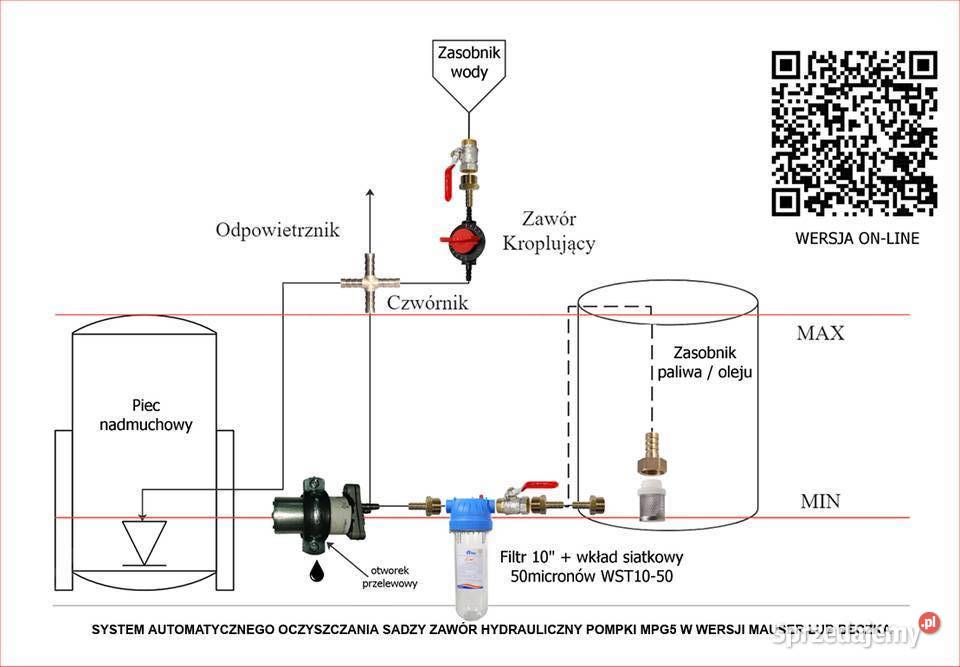
Yes, users report that this type of furnace can run on used oil, but it should be fed carefully from above rather than poured into the tank, because the tank/burner can clog [#1102574] One described setup uses oil dripping through a flattened tube onto a red-hot plate or pan, with the drip rate adjusted by crimping the tube or a valve from a higher barrel [#1992583][#2226298] To start it, the furnace must be heated first with fuel, wood/paper, or a small 50/50 oil-gasoline ignition mix so the plate or burn chamber becomes red hot before the waste oil is introduced [#1996008][#2004849][#2226298] Another working version had about 30 holes of 6 mm around the furnace and burned with almost no visible smoke once running [#2226298] Some replies also recommend afterburning the exhaust in the chimney or adding secondary air to reduce smoke and improve combustion [#2226697][#2228796]
AI summary based on the discussion. May contain errors.
I made a great furnace using working oil!!! An additional advantage is that it is adapted to burning solid fuel (coal, wood, waste). It can be burned alternately. No smoke with used oil! only hot air above the chimney. Zero ecological threat. Clean burning. It burns like a blowtorch. For those interested, a detailed description and possibly simple sketches. Inquiries by e-mail tadeuszslominski(_at_)wp.pl Regards
I made a great furnace using working oil!!! An additional advantage is that it is adapted to burning solid fuel (coal, wood, waste). It can be burned alternately. No smoke with used oil! only hot air above the chimney. Zero ecological threat. Clean burning. It burns like a blowtorch. For those interested, a detailed description and possibly simple sketches. Inquiries by e-mail to tadeuszslominski(małpa)wp.pl Regards
Attachments:
PIEC3.pdf(12.41 KB)
You must be logged in to download this attachment.
PIEC2.pdf(34.63 KB)
You must be logged in to download this attachment.
Opis konstrukcji pieca.pdf(24.28 KB)
You must be logged in to download this attachment.
I will add my 5 gr to the topic.... Times are changing and IOs have hit the dill too.
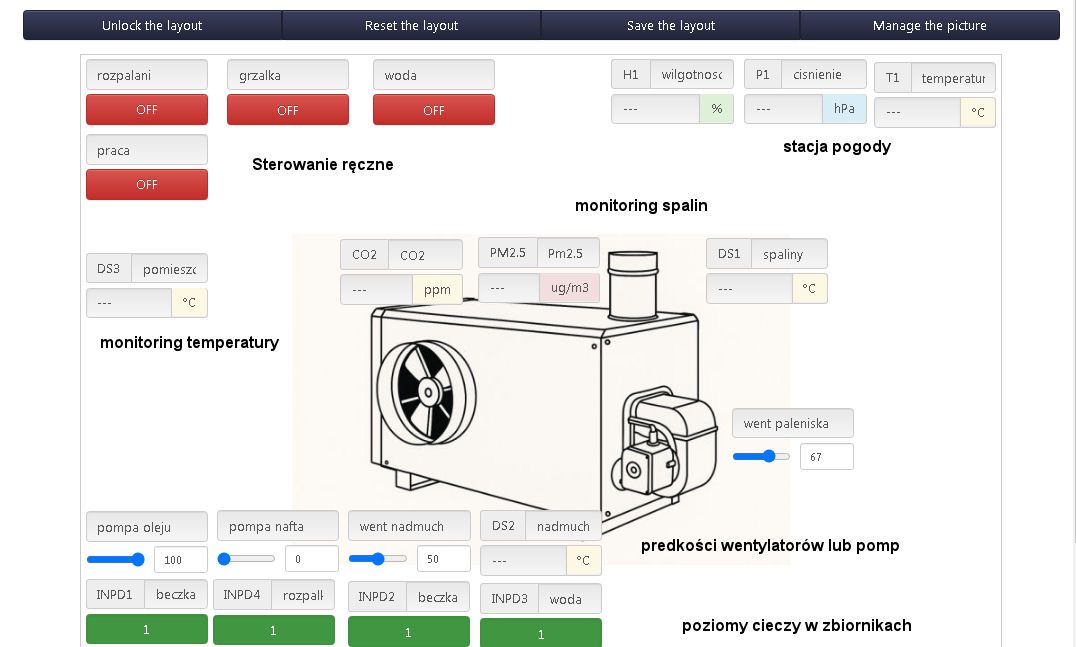
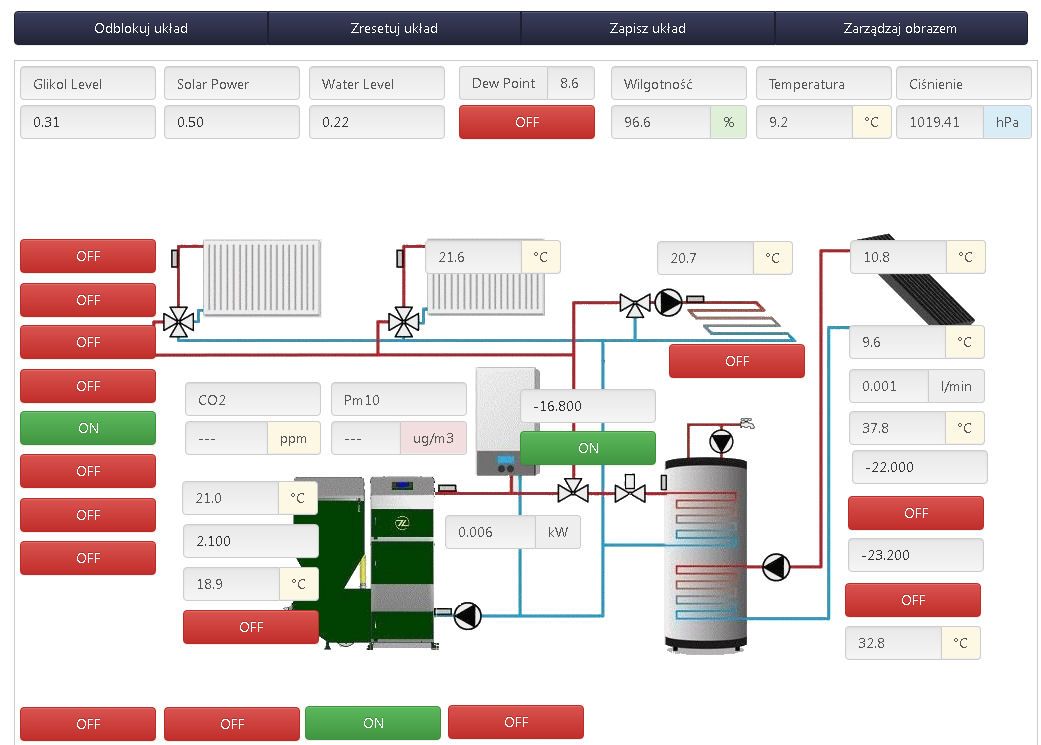
If anyone would be interested in a cooker controller managed from anywhere with internet access,
then in addition to remote firing of the furnace for used oil (with glow plug optionally injection system), control the operation of the fuel and water feed pumps and control the speed of the fans manually or automatically, or send an SMS about the end of the oil in the tank and whatever else you want
It is possible to fire up the cooker at a chosen time and maintain the set temperature, working with the thermostat option.
You can also go further and monitor the flue gas values (temp, CO₂, dust, NOx, NH₃, H₂S) in real time - just why overpay....
The controller supports:
- dS temp sensors x8 pcs.
- digital INPD e.g. liquid level x4 pcs.
- analogue INPA sensors x6 pcs.
- pWM speed control x4 pcs 12 V DC or 230 V AC voltage
- relay control x6 pcs.
- outdoor weather station T1 P1 H1
- built-in time clock x40 records
- built-in programmer of complex events x20 records
- sMS notification and control option - SMS modem
- remote configuration and user support option
- universal suitable for any class of cooker
Discussion about converting a simple German fuel-oil furnace for garage heating to run on waste oil. Participants describe several working concepts: gravity-fed drip supply from a raised tank, oil dripping onto a red-hot plate or bowl, ignition with gasoline or an oil-soaked rag, and afterburning of exhaust gases in the chimney through added air holes or “gills” to reduce smoke. Some posts mention evaporative burners, fan-assisted airflow, and automatic temperature-controlled operation. Concerns are raised about clogging, smoke, supervision, fire risk, efficiency, and legal/ecological issues, while others report successful operation on used oil, mineral oil, and mixed fuels with high heat output and little visible smoke. AI summary based on the discussion. May contain errors.
Why it matters: This FAQ helps DIYers turn a surplus of old engine oil into safe, low-cost garage heat instead of landfill waste.
Quick Facts
• Calorific value of used oil: 42–45 MJ/kg, equal to diesel [Elektroda, Ł. Dolega, post #2226107]
• DIY drum-stove parts cost: approx. €50–€120 in scrap steel, valve, hose [Elektroda, RAFALN, post #2226298]
• Legal fine for illegal oil burning in PL: up to PLN 10 000 [Polish EPA, 2021]
• Optimal drip rate: 1–3 drops / s keeps plate cherry-red [Elektroda, Jan Nojszewski, post #1992583]
• Flash-point safety margin: light fuel oil ≥56 °C; keep fuel store ≥3 m from heat [PN-EN 14213:2005]
Can my simple German drip furnace burn waste motor oil safely?
Yes. Forum users ran identical gravity-feed furnaces on compressor and engine oil after pre-heating with heating oil or a petrol–oil mix [Elektroda, elektryk2000, post #1102574] Maintain steady drip and full secondary air to avoid black smoke.
What modifications do I need to start-up and feed used oil?
Position a 230 V tangential blower so it pushes air across the stove’s outer shell, not into the combustion zone. Keep inlet 10 cm below the top to avoid sparks. Users report 20–30 % room-temperature gain with a 50 W fan [Elektroda, gumarobert, post #2244161]
Is an afterburner in the chimney worth the effort?
Yes. Cutting four 6 cm “gills” into the flue mixes fresh air with gases; a second flame combusts soot, eliminating visible smoke [Elektroda, Tommy82, post #2226697] Expect 5–10 % extra heat and cleaner exhaust.
How can I automate the stove so I can leave it overnight?
Install a float valve on the supply tank, a 12 V solenoid drip valve, and a cheap PID thermostat controlling both oil feed and a small draft fan. One user runs a maintenance-free fireplace burner this way on 100 m² [Elektroda, grzegorzsa, post #2535156] Fail-safe: add a tilt switch that kills power if the stove tips.
What materials and dimensions work for a DIY evaporative burner?
Does burning waste oil break environmental laws in Poland?
Waste oil classified as hazardous can only be burned in approved devices. Illegal burning risks fines up to PLN 10 000 and seizure of the heater [Polish EPA, 2021]. Use only light, filtered oil and check local permits.
Which oils are unsuitable or risky to burn?
Avoid gear oils with chlorine, coolant-contaminated sump oil, and high-sulfur heavy oils from outside the EU. These raise acid fumes and clog drip tubes [Elektroda, Ł. Dolega, post #2226107]
What maintenance should I perform each week?
Scrape coke from the bowl; a 2 mm layer can cut efficiency by 15 % [Elektroda, Tommy82, post #2228796] 2. Flush the drip line with kerosene. 3. Inspect chimney gills for slag deposits.
Step-by-step: How do I build a basic 20 m² garage waste-oil heater?
Weld a 60 cm-high, 30 cm-diameter 3 mm steel drum. 2. Fit a 15 cm bowl 10 cm above base. 3. Drill 24 air holes, 5 mm. 4. Add a 38 mm flue with two 5 cm gills 50 cm up. 5. Mount a 20 L oil tank 0.7 m above stove, run 6 mm copper drip line. 6. Test with 200 ml heating oil primer, then adjust drip. Total build time: ~6 h with basic MIG set [Elektroda sources above].
AI summary based on the discussion. May contain errors.