logo elektroda
logo elektroda
X
logo elektroda

Adapter to lead out a pipe from a portable air conditioner - DIY 3D printing

p.kaczmarek2 2247 14
ADVERTISEMENT
Treść została przetłumaczona polish » english Zobacz oryginalną wersję tematu
📢 Listen (AI):
  • Adapter to lead out a pipe from a portable air conditioner - DIY 3D printing
    The hot weather is coming, so you need to run the air conditioning - all the more so when there is a computer constantly running in the workshop stubbornly heating up the room. The situation gets complicated, however, when you don't have permission to install a full-fledged air conditioner and have to limit yourself to a portable version. In my case, I managed with difficulty to get permission for just a single pass-through hole for ejecting warm air, so I have nothing to complain about anyway, and the only problem left was the installation of the ejection pipe, or more precisely.... the lack of its adapter.
    Here this problem I will try to solve, and immediately, as the warm days start practically tomorrow.

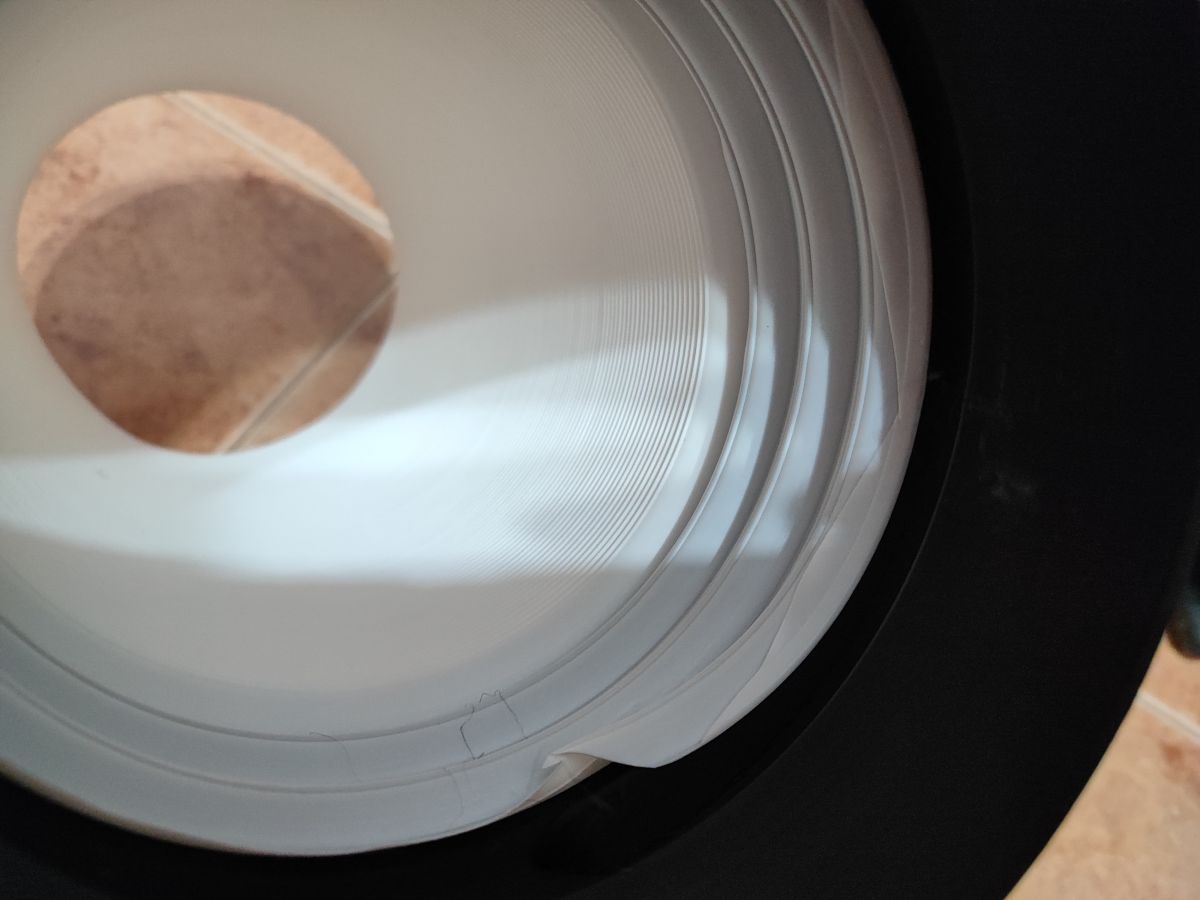
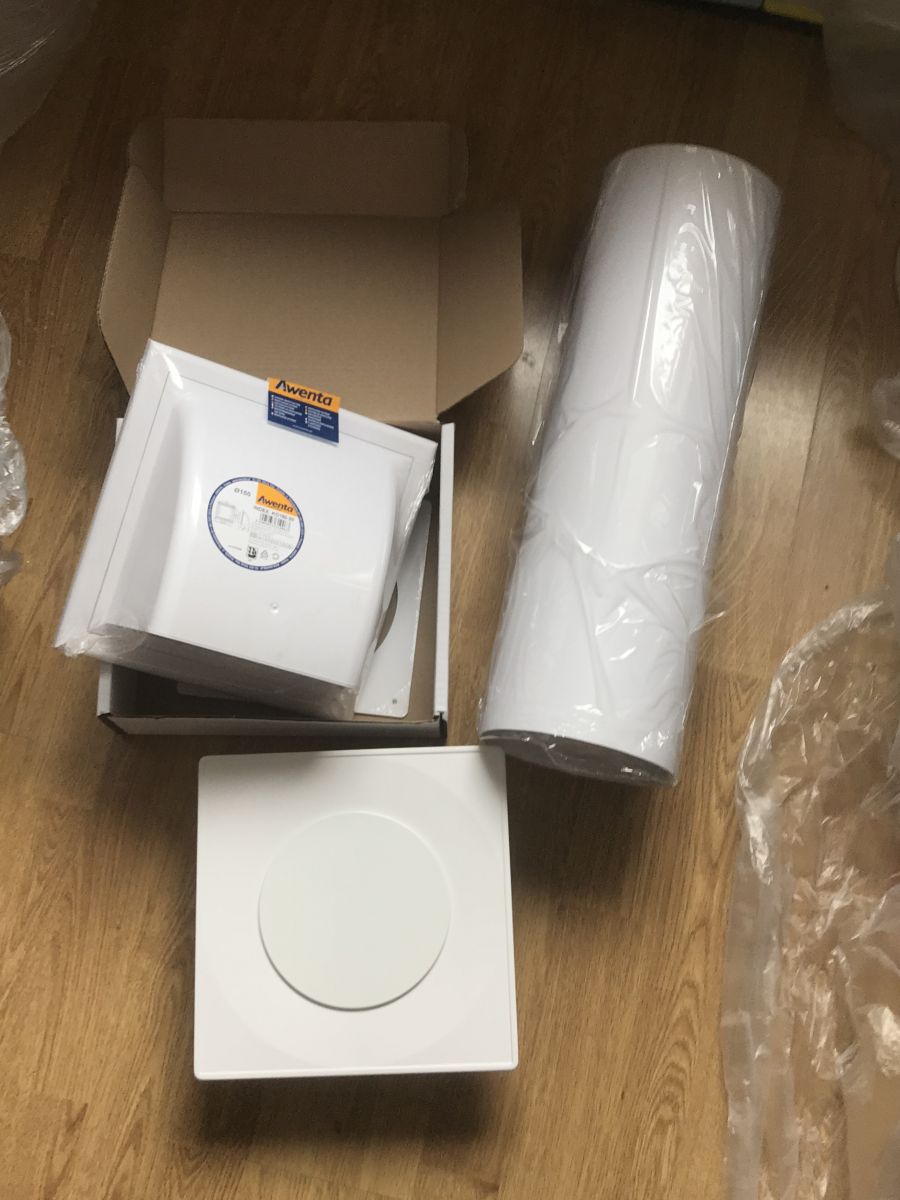
    First a few words about my situation - I have a 15cm ejection hole made, but the air conditioner does not come with a matching adapter:
    Adapter to lead out a pipe from a portable air conditioner - DIY 3D printing
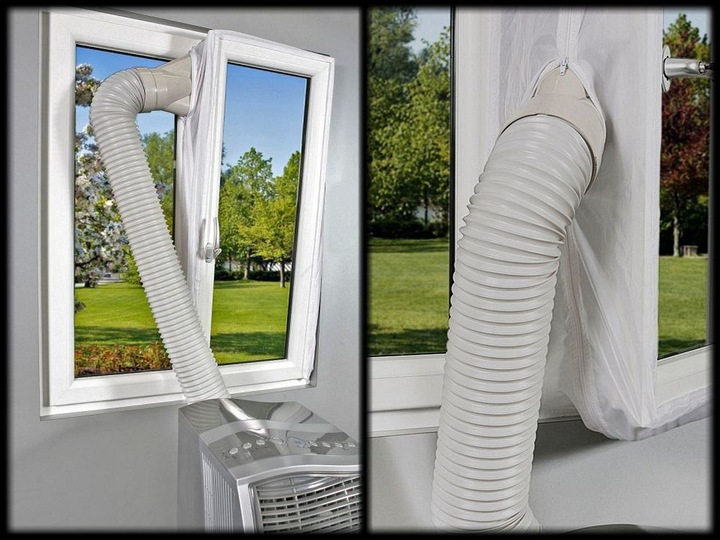
    On the other side there is a flexible hose from the air conditioner, but it doesn't even fit in this hole (it's too big in diameter, it won't go in).
    Something has to be thought of, this is where 3D printing comes to the rescue.

    I started by fitting the component going into my ejection tube:

    Adapter to lead out a pipe from a portable air conditioner - DIY 3D printing
    A test printout confirmed that I had the dimensions correct:
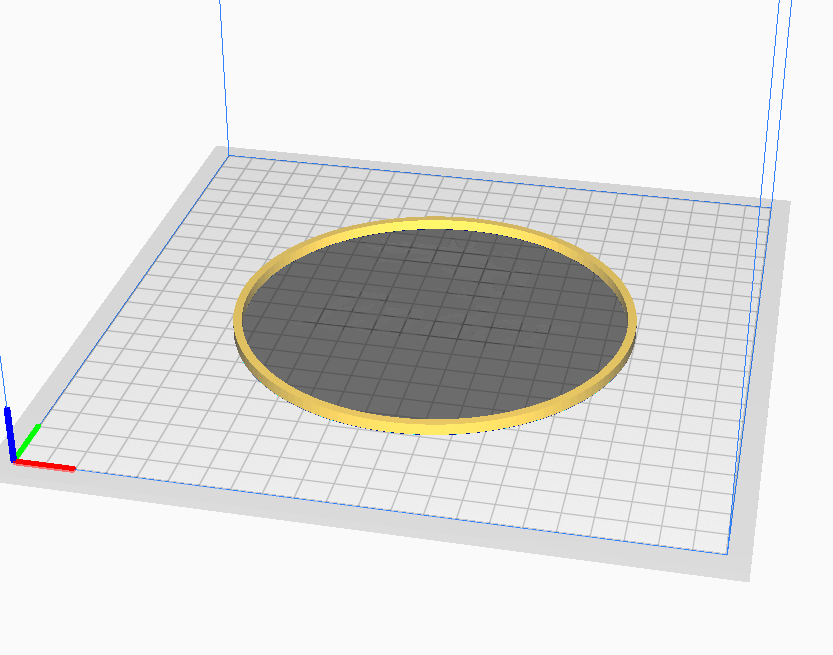
    Adapter to lead out a pipe from a portable air conditioner - DIY 3D printing
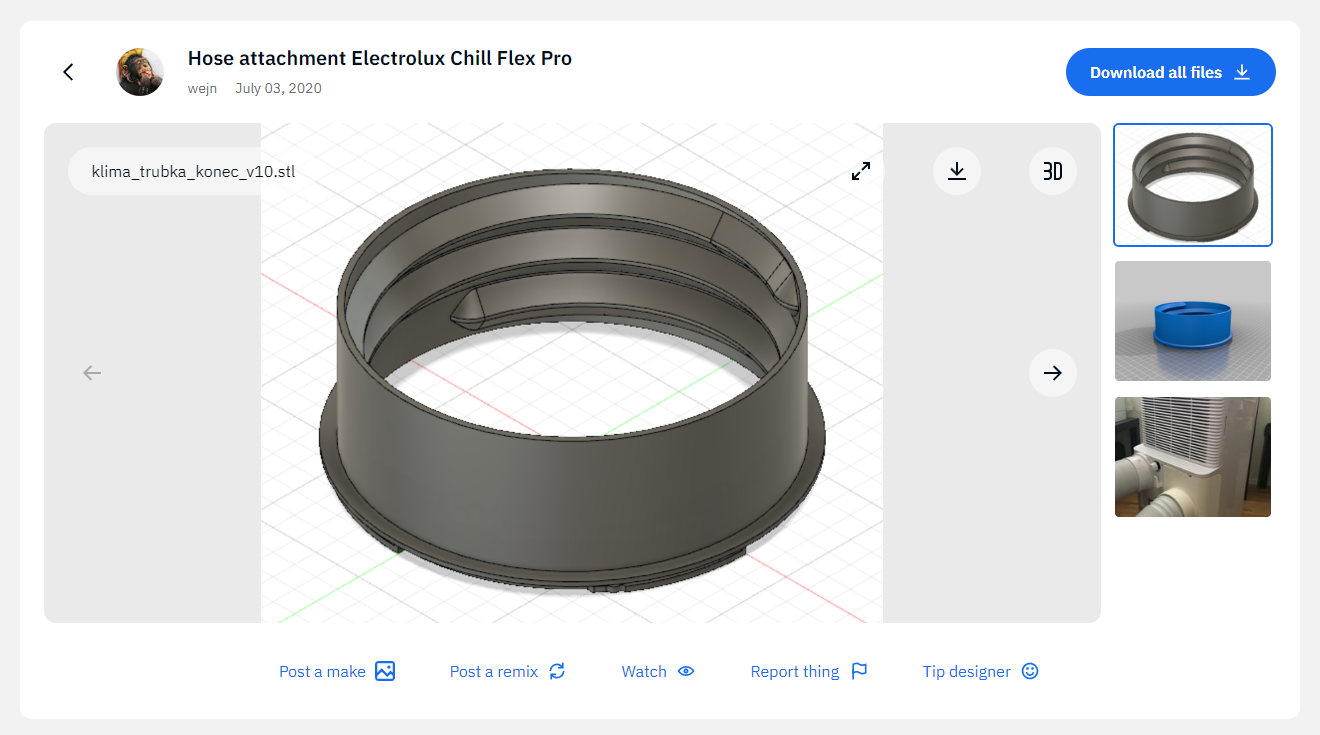
    I then selected a matching threaded component from Thingiverse:
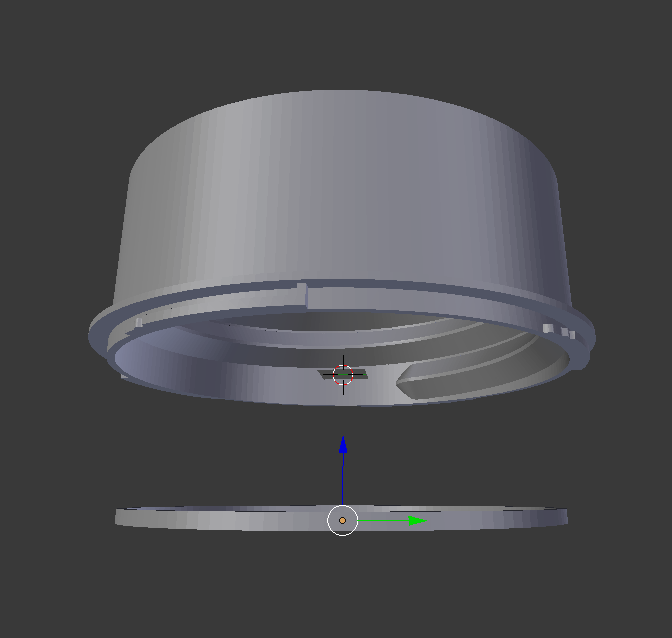
    Adapter to lead out a pipe from a portable air conditioner - DIY 3D printing
    Thread source:
    Adapter to lead out a pipe from a portable air conditioner - DIY 3D printing
    https://www.thingiverse.com/thing:4519730
    I connected the pieces properly, making sure I centred both accurately:
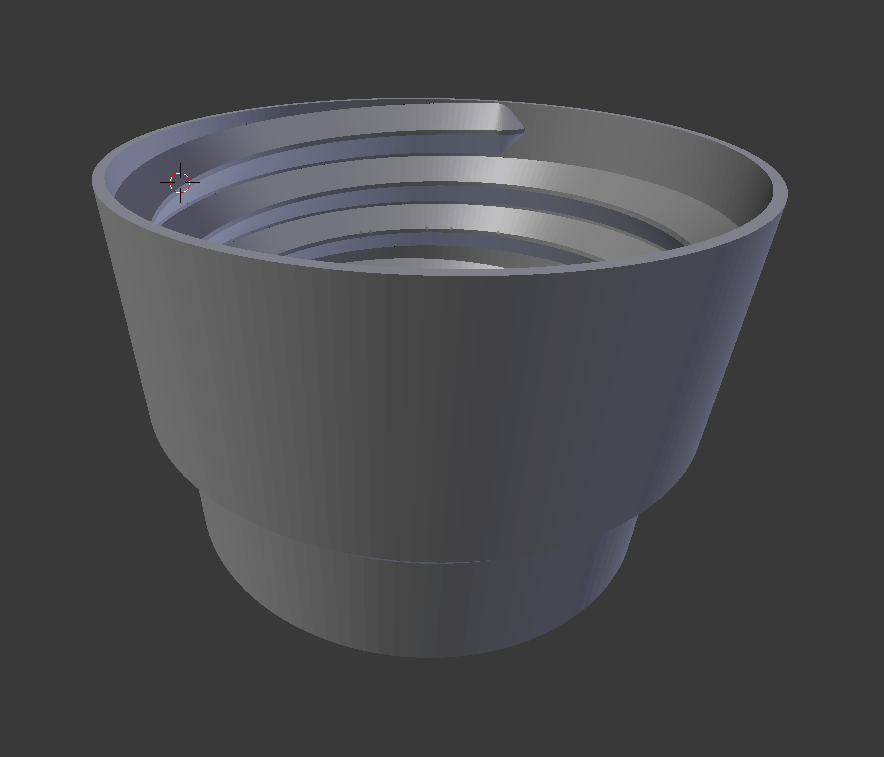
    Adapter to lead out a pipe from a portable air conditioner - DIY 3D printing
    I decided to make the print without the supports:
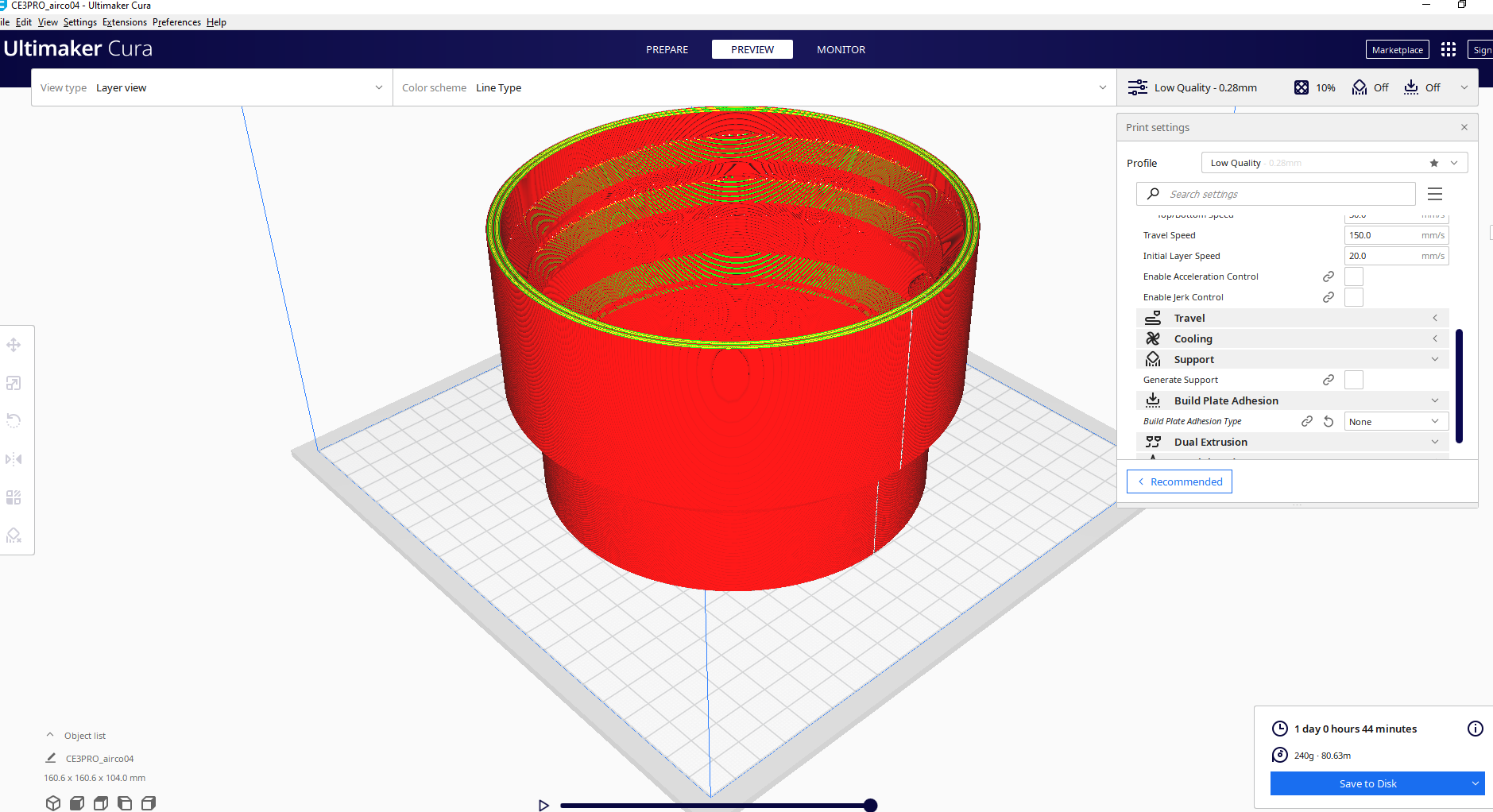
    Adapter to lead out a pipe from a portable air conditioner - DIY 3D printing
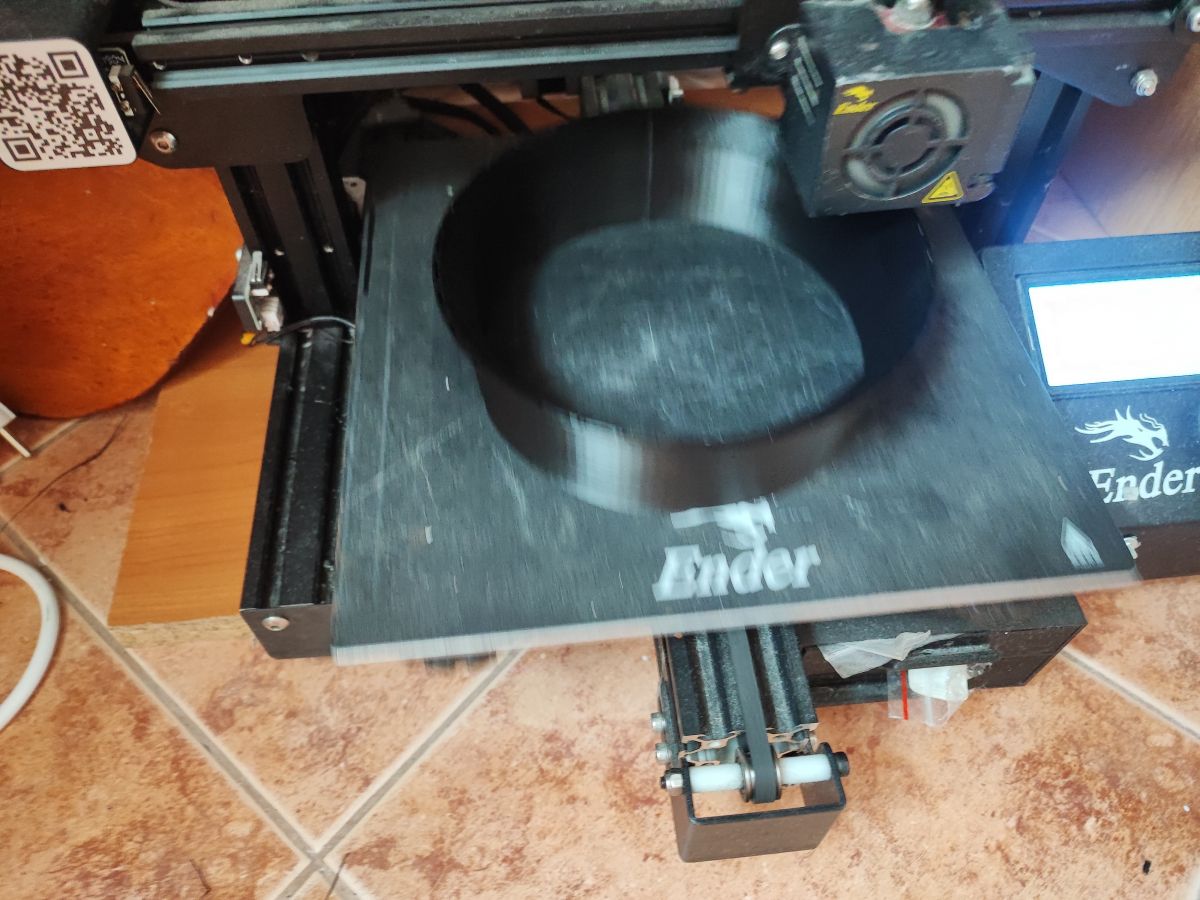
    I sped up the print time by changing the feed rate already during the print - I hit 160% FR.
    During printing on my Ender 3 PRO:
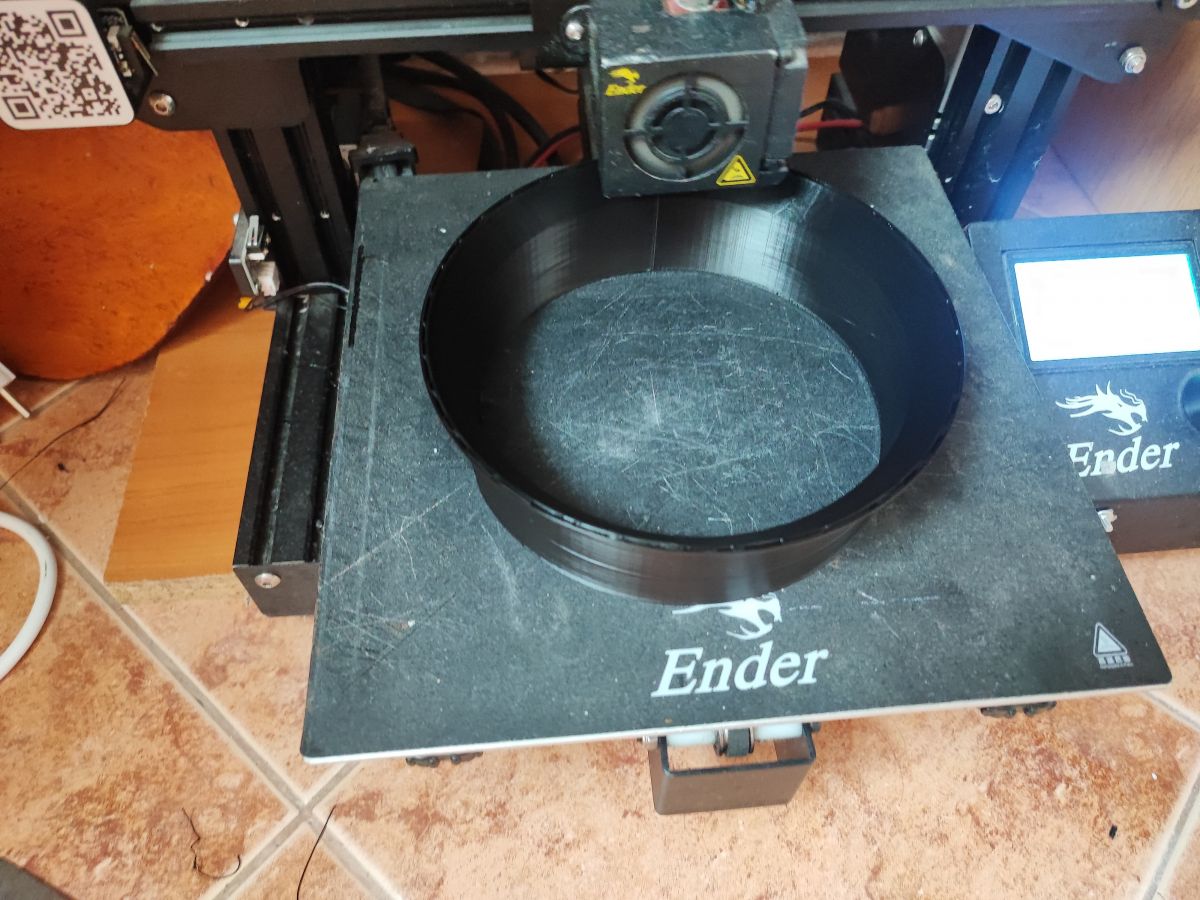
    Adapter to lead out a pipe from a portable air conditioner - DIY 3D printing Adapter to lead out a pipe from a portable air conditioner - DIY 3D printing
    The print took only about 16 hours in the end, which is confirmed by calculations (24/1.6 = 15...)
    Does it fit?
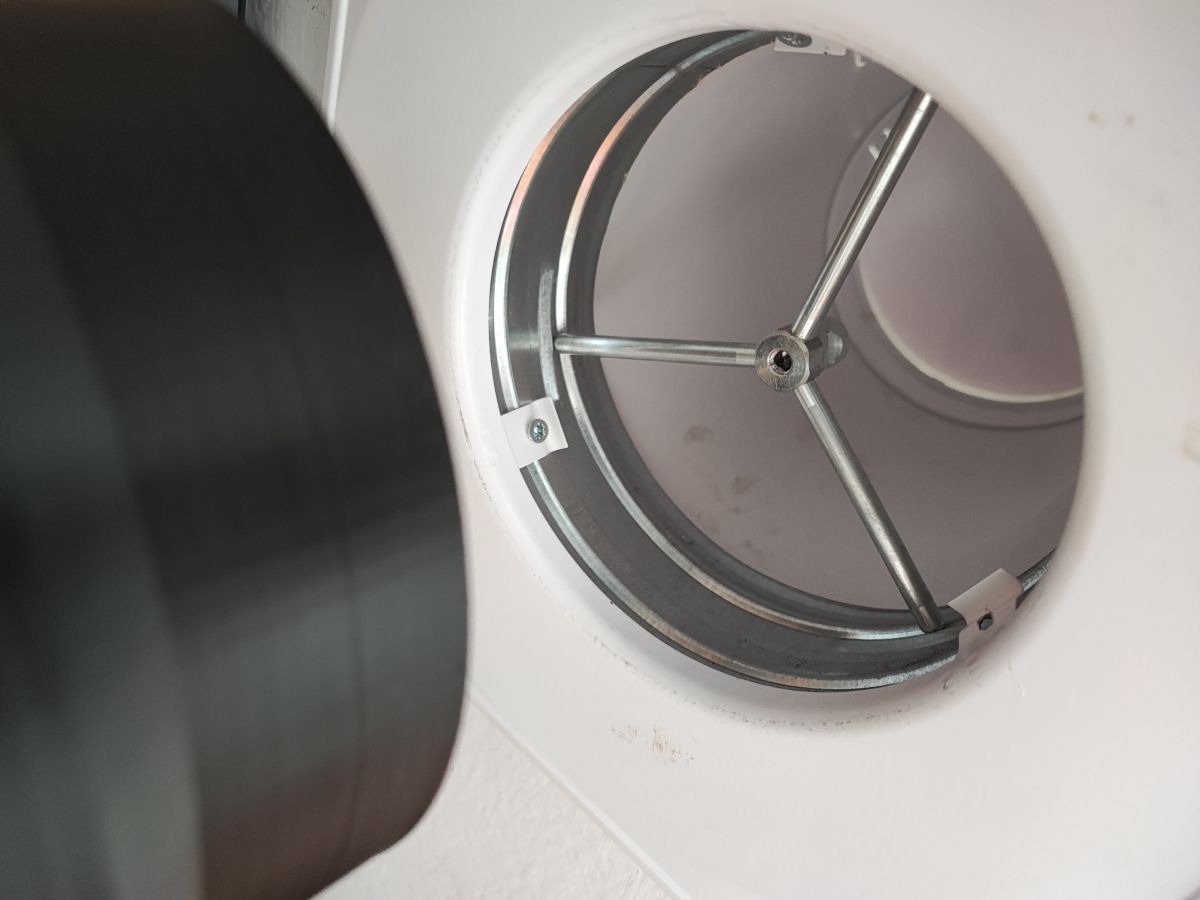
    Adapter to lead out a pipe from a portable air conditioner - DIY 3D printing
    Of course it does, after all I did a test print of both sides beforehand:
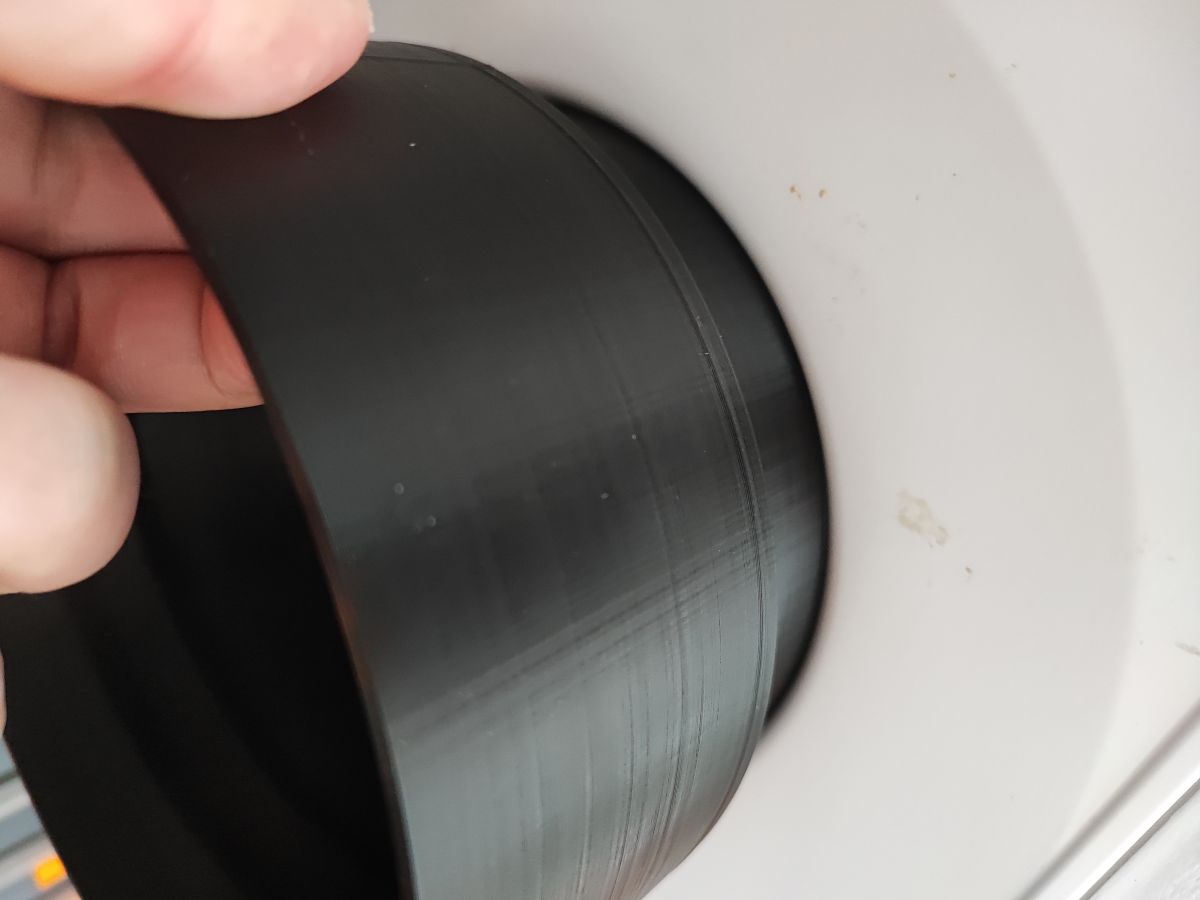
    Adapter to lead out a pipe from a portable air conditioner - DIY 3D printing
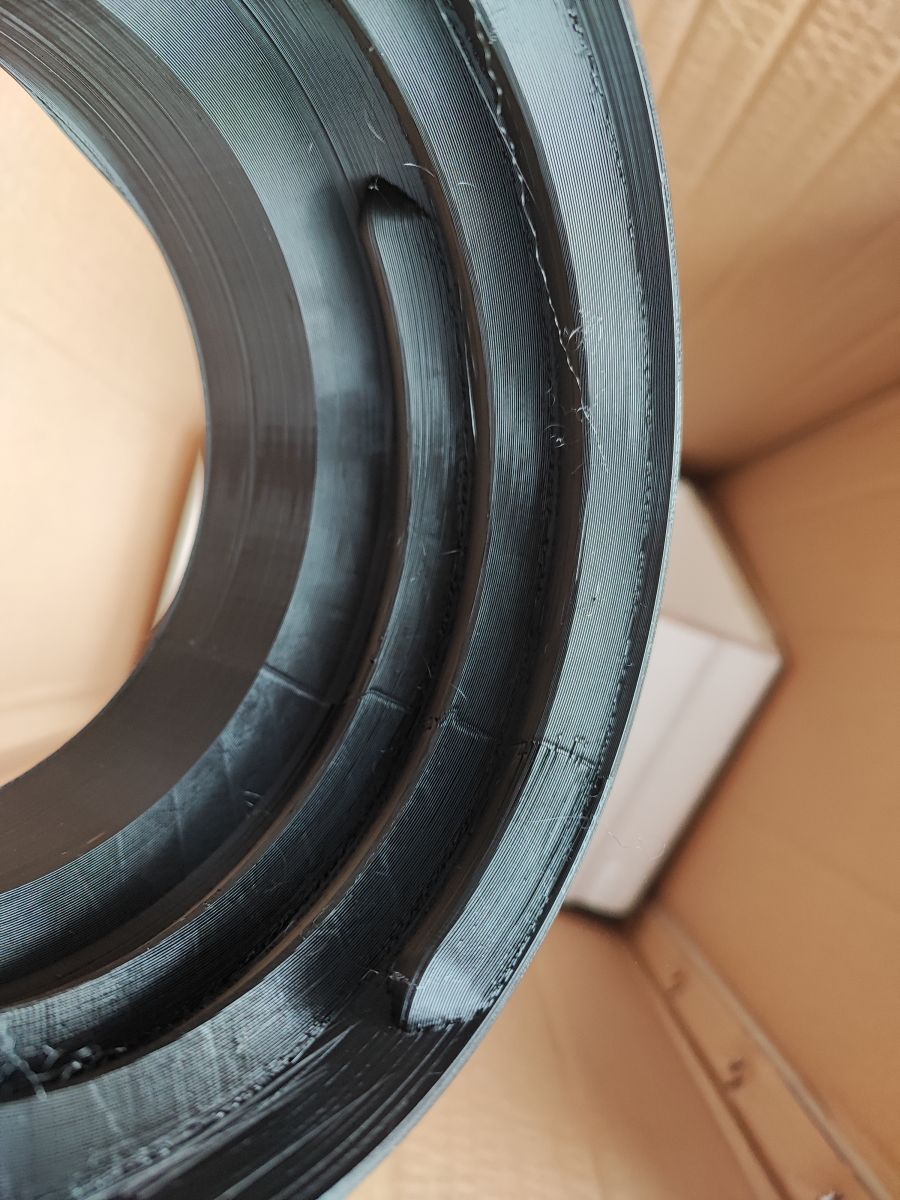
    The thread is also:
    Adapter to lead out a pipe from a portable air conditioner - DIY 3D printing Adapter to lead out a pipe from a portable air conditioner - DIY 3D printing
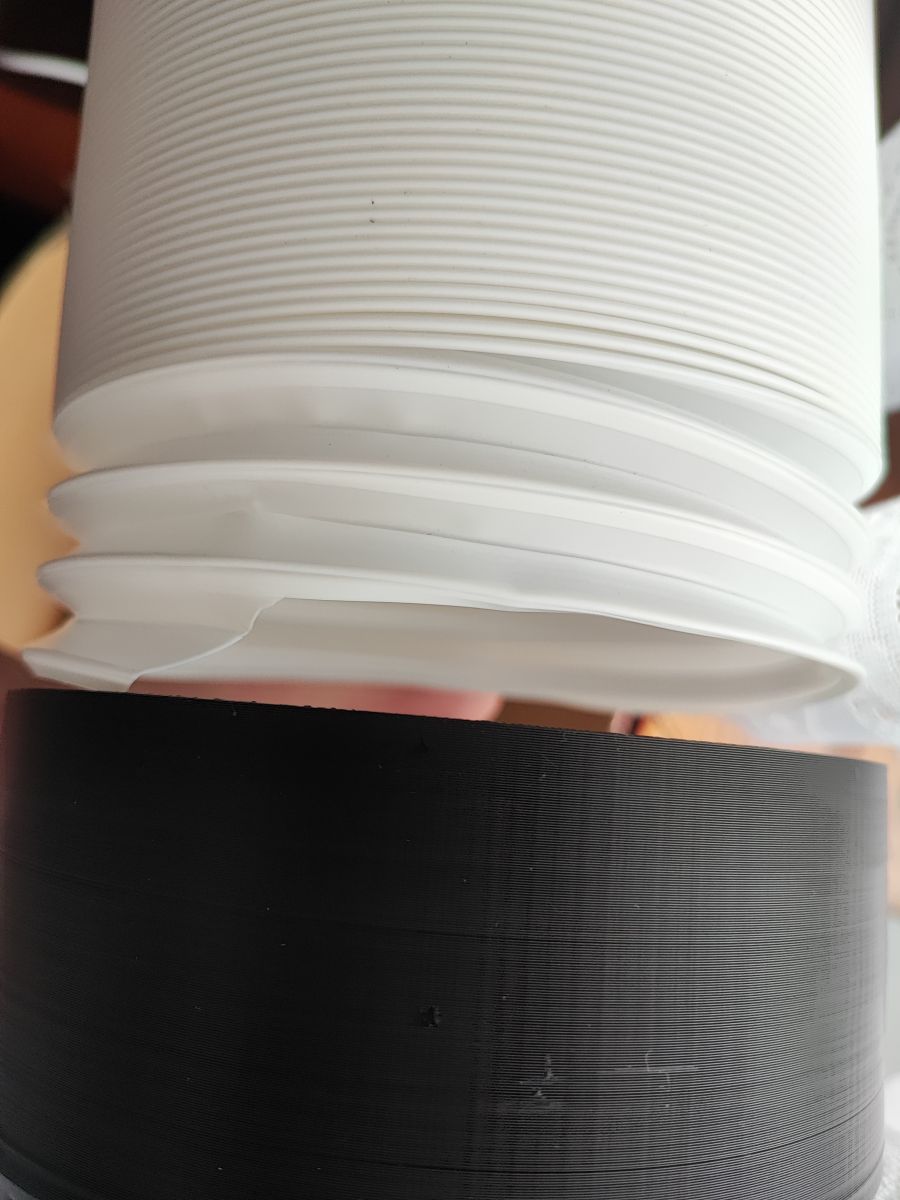
    Final fitting:
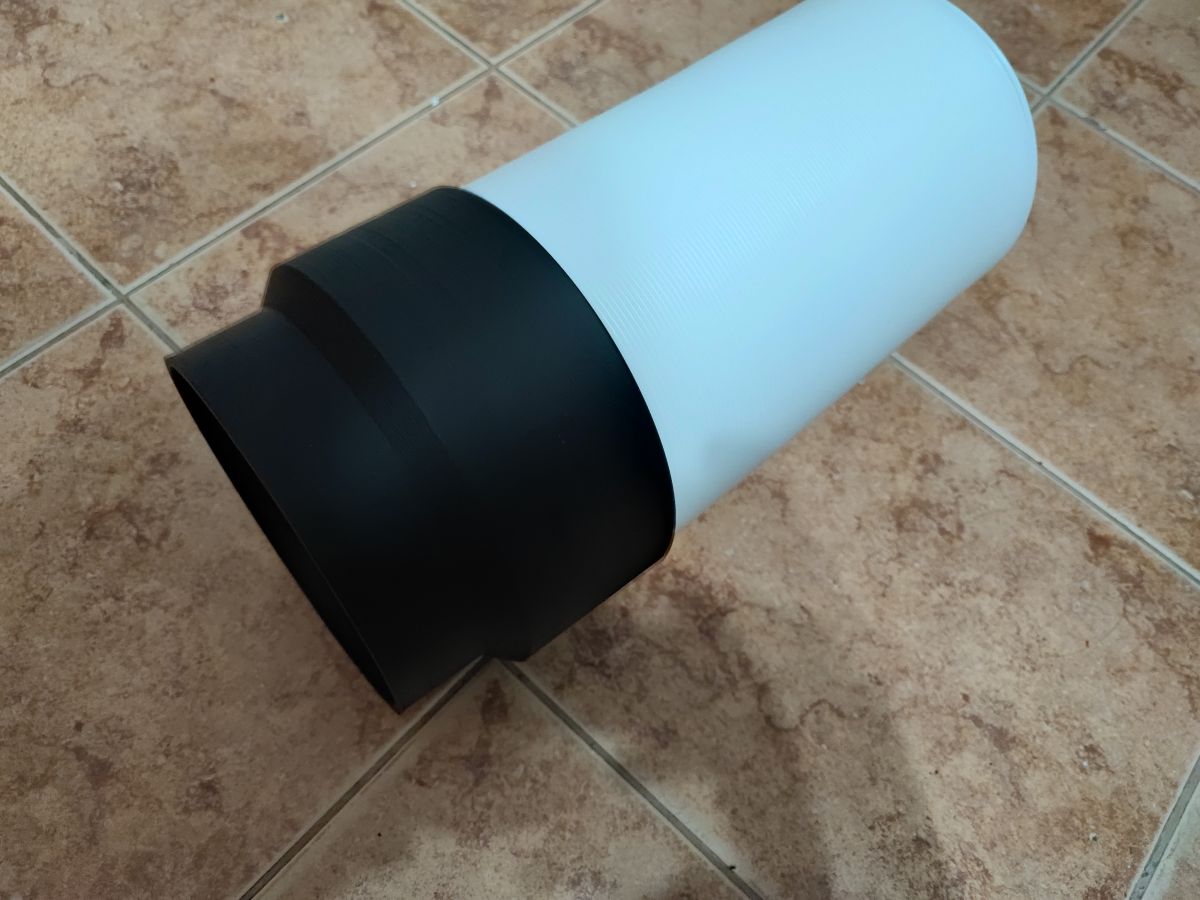
    Adapter to lead out a pipe from a portable air conditioner - DIY 3D printing Adapter to lead out a pipe from a portable air conditioner - DIY 3D printing
    Everything fits and works perfectly.

    All in all, the game cost me about 5 minutes of time in Blender and about £15 in filament (or probably even less, as I remember fiddling with the settings when printing). The whole thing came out perfectly from PLA filament, with no support, my Ender 3 PRO handled it brilliantly. In addition, I managed to solve the problem basically in one day (I put the print in the morning and today the air conditioning is already test-blowing).

    Do you also already run the air conditioning or do you deal with the heat in the studio in a different way? Feel free to discuss.

    Cool? Ranking DIY
    Helpful post? Buy me a coffee.

    About Author
    p.kaczmarek2
    Moderator Smart Home
    Offline 
    p.kaczmarek2 wrote 13927 posts with rating 11732, helped 630 times. Been with us since 2014 year.
  • ADVERTISEMENT
  • #2 21121738
    andrzejlisek
    Level 31  
    p.kaczmarek2 wrote:
    Are you already running air conditioning, or do you deal with the heat in the studio in some other way? I invite you to discuss.


    Following the principle "prevention is better than cure", I have found a cheap but very effective way that I have been using successfully for several years: You need an HDF board and a so-called heater screen, which is metal foil on a thin layer of polystyrene foam. I cut the number of HDF boards corresponding to the number of window sashes and cut them to a size slightly larger than the glass panes and make wire fixings from ordinary paper clips so that the board can be attached to the sash from the outside and also so that there is no need to drill or cut anything in the window structure (the type of fixings should be chosen according to the windows you have) and there is no risk of it falling down, and so that opening the window to ventilate it is not a problem. I glue a ridge screen to the prepared HDF boards and cut to the size of the board.

    I install the boards prepared in this way in spring, hang them around the clock in summer and remove them in autumn. The only downside to this solution is the darkening of the room and the need to use artificial lighting 24 hours a day.

    When making these panels, I made a test a couple of times that on a double-hung window, I hung the panel on one sash, lowered the blinds on both sashes from the room side, and on the second day I looked at the window with a thermal imaging camera, With the naked eye there was no difference between the sashes, but in the camera it is very easy to tell which sash the panel is hanging on, there is a visible difference in thermal radiation.

    The whole idea came from the fact that these panels are supposed to be a cheap and easy to make substitute for metal external blinds. Why would I need to 'displace' excess heat with an air conditioning unit when I could reduce the amount of heat entering the room through the windows? And anyway, on the hottest days I turn on the Fral FSC14SC air conditioner, which I also use when more people are invited in (it can be assumed that each person emits heat at about 100W).

    Before the panels were made, I used the air conditioning every year, and after they were made, there are seasons without a single day of cooling use or possibly on the fingers of one hand at most.
  • ADVERTISEMENT
  • #3 21121739
    viayner
    Level 43  
    Hello,
    i use a very simple method:
    - at my place there are always small hinged windows in each room, about 30cm wide, they are also easily removable and fitted with a mosquito net.
    - after lifting the mosquito net about 30cm from the bottom, I install a 30x30cm panel made of a thin wooden board with a hole that fits the air conditioner tube
    - the rest of the window with the mosquito net is blocked with a cardboard panel (for ease of assembly/disassembly) so that the room is insulated.
    - the whole thing has worked well for many years, installation is maybe 30min.
    I thought about using the vents, but they just required an adapter, and my method proved quick/effective :)
    Regards
  • #4 21122360
    szeryf3
    Level 29  
    You must have an interesting place to work since you had trouble making a vent.
    And have you tried with fitting a life wrap/rescue blanket to the windows?
  • ADVERTISEMENT
  • #5 21122527
    TechEkspert
    Editor
    The problem with these portable air conditioners is that they draw in air from the room for cooling and push the heated air outwards through this pipe,
    this causes:
    1) this pipe acts like a radiator and needs to be shortened as much as possible or covered with a layer of some kind of thermal insulation
    2) the cooled but sucked-in room air is replenished with warm outside air

    To solve pt. 2 it would be good for the air conditioner to have an air inlet in addition to the air outlet and draw in air from outside,
    it may be possible to make a 3D-print to bring in such outside air to cool the unit.
  • #6 21122717
    szeryf3
    Level 29  
    So are we still pulling in warm air?
    And is it not possible to make a closed system?
  • #7 21122933
    TechEkspert
    Editor
    There are portable air conditioners that have two connections, drawing in outside air, cooling the refrigerant and expelling the warm air. The air in the room, on the other hand, circulates in a cooling circuit.
  • #8 21122983
    andrzejlisek
    Level 31  
    TechEkspert wrote:
    2) cooled but sucked-in room air is supplemented with warm outside air


    This disadvantage can be seen as an advantage. Such an air conditioner provides a constant exchange of fresh air.

    TechEkspert wrote:
    There are such portable air conditioners which have two connections, draw in outside air, cool the refrigerant and expel the warm air


    I see a new FRAL model has come on the market with this capability, at least looking at the drawings: https://dombezwirusow.pl/pl/urzadzenia-chlodz...=21028342051&ad=&kd=&gad_source=1
  • #9 21123200
    VIGOR_PICTURES
    Level 21  
    In a flat in a block of flats in a large slab building, I successfully use external films on the windows. Combined with the belief of the flat at night (the location of the flat across a long block of flats in an air corridor guarantees ventilation at all times), it is possible to survive.

    And how about deformation in relation to temperature? PLA (at least Plastspaw) starts to get soft around 60 degrees. Have you measured the outlet air temperature?
  • #10 21123319
    p.kaczmarek2
    Moderator Smart Home
    szeryf3 wrote:
    You must have an interesting place to work since you had trouble making a vent.

    I got permission for a modest air extractor, no longer for the installation of a normal air conditioner on the outside, and the room is also a bit lacking in space

    szeryf3 wrote:

    And have you already tried with the installation of a life wrap/rescue blanket on the windows?

    I have seen these solutions but found them problematic
    Adapter to lead out a pipe from a portable air conditioner - DIY 3D printing

    @TechEkspert the solution is not perfect, that's a fact, but it had to be a compromise


    VIGOR_PICTURES wrote:

    And how about deformation in relation to temperature? PLA (at least Plastspaw) starts to get soft around 60 degrees. Have you measured the outlet air temperature?

    No deformation at the moment, but I'll keep watching:
    Adapter to lead out a pipe from a portable air conditioner - DIY 3D printing
    Helpful post? Buy me a coffee.
  • #11 21124705
    jarekgol
    Level 40  
    I also have such an air-conditioner, not yet fired up this season, so I won't post photos, but I made myself an insert in the window out of plywood to allow the ejection hose to be fitted, and it is *tight* enough that it doesn't need to be removed when it rains. I.e. when it's pouring hard and jamming you have to put one rag under ;)
    Clima used, hose was not there, so at my place is a spiro in a heat shield. It looks not very nice but does the job. I have the ejection connected high up, and below that a second hole and a regular spiro feeding air into the intake area (not tight). I treat this as ventilation, which is also needed for my wellbeing.
    I'm renting a flat, the façade is historic and there's no other way.
  • #12 21125691
    TechEkspert
    Editor
    andrzejlisek wrote:
    TechEkspert wrote:
    2) cooled but sucked-in room air is supplemented with warm outside air


    This disadvantage can be seen as an advantage. Such an air conditioner provides a constant exchange of fresh air.


    Yes, only we cannot regulate the rate of exchange of this air in such a configuration.

    Portable air conditioners also have the disadvantage of making noise, so where possible it is worth using an outdoor unit.
  • #13 21126005
    popek9
    Level 14  
    Hey.

    I've just recently found a very similar air conditioner to the one I have at work on allegro, only mine is with one pipe and no WiFi.

    However, I am very puzzled by the description the seller used:

    "Until now, those hostile to portable air conditioners have pointed out the lower efficiency than permanently installed split air conditioners. Fortunately, as the Fral Super Cool FSC19.2SC Wi-Fi effectively proves, this claim is no longer true. With the use of an optional plenum adaptor, it is possible to use the air conditioner in a two-pipe system - thus increasing its efficiency by as much as 60%, thus equalling the typical efficiency of split air conditioners. The unit can be placed indoors and the outlet pipe pushes heated air outside (traditional system), placed outside the room and the pipe injects cooled air (30% efficiency increase), or used in a two-pipe variant that creates two closed circuits (cooled inside the house and heated outside), where the air conditioner can be inside or outside the house."


    Somehow this increase in efficiency when putting the air conditioner outside and forcing the cooled air into the house doesn't sit well with me. After all, an air conditioner standing outside will be operating in much worse conditions than inside so the efficiency will decrease, not increase. Especially as there will be a much worse reception of heat from the air conditioner. In the house, the hot part (exchanger) is cooled by air at a much lower temperature (at the beginning, e.g. 26-28 oC, after the room has cooled down, e.g. 20 oC) than outside (outside temperature +35 oC or more). The same will happen with the cooling part, where its temperature will be much higher when the air conditioner is standing outside, so here also the efficiency will decrease and the air conditioner (compressor) will have to cool the same room longer than if it were standing inside. That is, the temperature of the cooled air coming out of the air conditioner will vary considerably depending on whether the air conditioner is inside or outside the house.


    What is your opinion on this subject?
  • ADVERTISEMENT
  • #14 21126264
    jarekgol
    Level 40  
    popek9 wrote:
    In the house the hot part (exchanger) is cooled by air at a much lower temperature

    But at the same time, the heat given off has to pump outside, so I wouldn't look for big differences here.
    In addition, if there is a block of wood there to be sweetened that is 70 degrees (I'm shooting), then whether you blow 25 or 31 degrees on it makes less of a difference in my opinion.
    I don't know about efficiency percentages, but if I had the option of blowing it outside and hooking up 2 pipes, I would do so because of the noise :) maybe I would shield it with a piece of plywood, from the direct sun.
  • #15 21127121
    pch
    Level 16  
    I converted such an air conditioner for one season after moving to another part of the building. A disaster. The noise, the negative pressure in the room was such that the door could not be opened and the cooling effect was questionable.

    PC
📢 Listen (AI):
ADVERTISEMENT