logo elektroda
logo elektroda
X
logo elektroda

Intergraph CPWS14003 SMPS: Restoring 12V Output & Identifying Feedback Circuit

165 16
Best answers

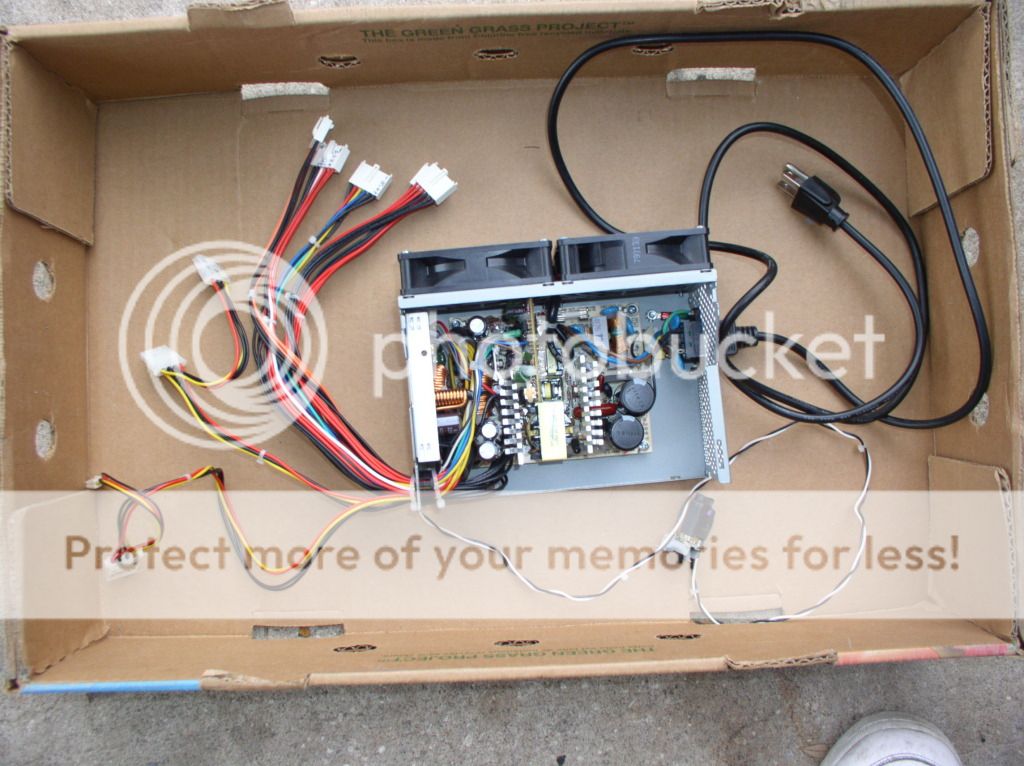
How can I make this surplus Intergraph CPWS14003 SMPS keep its 12 V output up under load and identify the missing feedback or sense connection?

This supply is actually an ATX PC power supply, and it needs the green PS_ON wire tied to ground plus a minimum load on the outputs to start and regulate properly [#21661116] After doing that, the 12 V rail worked normally with an AC/DC TV drawing about 3 A [#21661117] A follow-up test showed that green-to-black alone was not enough; adding a load on the 3.3 V output made the supply power up [#21661119]
Generated by the language model.
ADVERTISEMENT
  • #1 21661103
    RAYMOND JACKSON
    Anonymous  
  • ADVERTISEMENT
  • #2 21661104
    Steve Lawson
    Anonymous  
  • #3 21661105
    RAYMOND JACKSON
    Anonymous  
  • ADVERTISEMENT
  • #4 21661106
    Steve Lawson
    Anonymous  
  • #5 21661107
    RAYMOND JACKSON
    Anonymous  
  • #6 21661108
    Steve Lawson
    Anonymous  
  • #7 21661109
    RAYMOND JACKSON
    Anonymous  
  • ADVERTISEMENT
  • #8 21661110
    RAYMOND JACKSON
    Anonymous  
  • ADVERTISEMENT
  • #9 21661111
    Steve Lawson
    Anonymous  
  • #10 21661112
    RAYMOND JACKSON
    Anonymous  
  • #11 21661113
    RAYMOND JACKSON
    Anonymous  
  • #12 21661114
    RAYMOND JACKSON
    Anonymous  
  • #13 21661115
    RAYMOND JACKSON
    Anonymous  
  • #14 21661116
    Steve Lawson
    Anonymous  
  • #15 21661117
    RAYMOND JACKSON
    Anonymous  
  • #16 21661118
    Steve Lawson
    Anonymous  
  • #17 21661119
    RAYMOND JACKSON
    Anonymous  

Topic summary

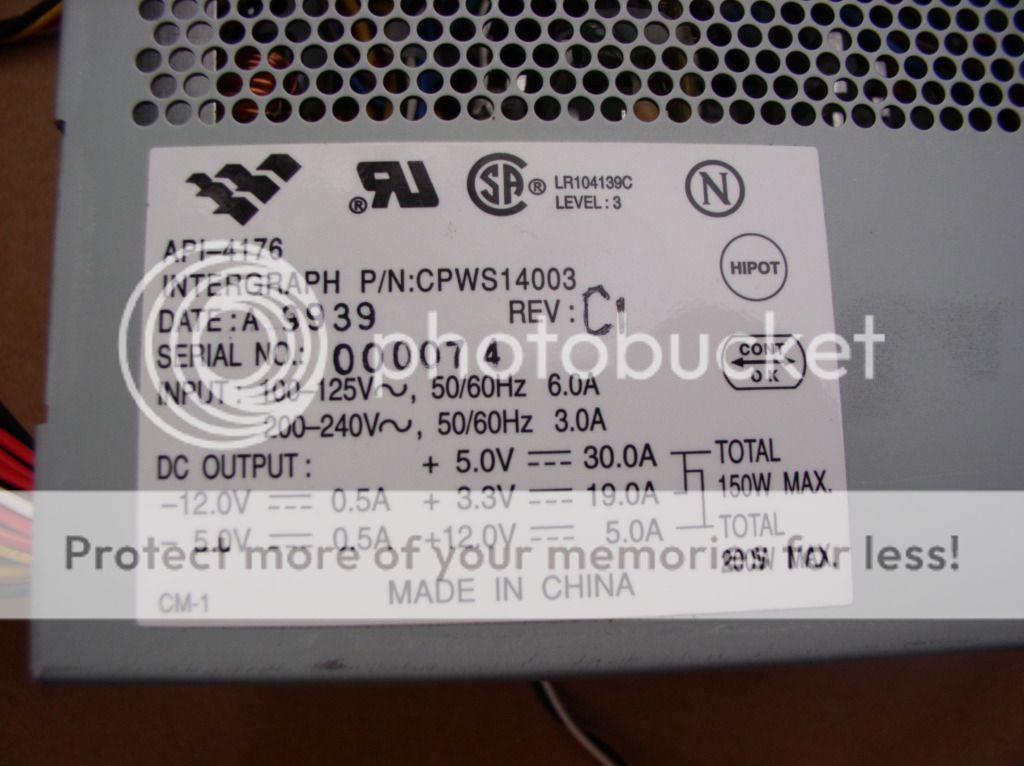
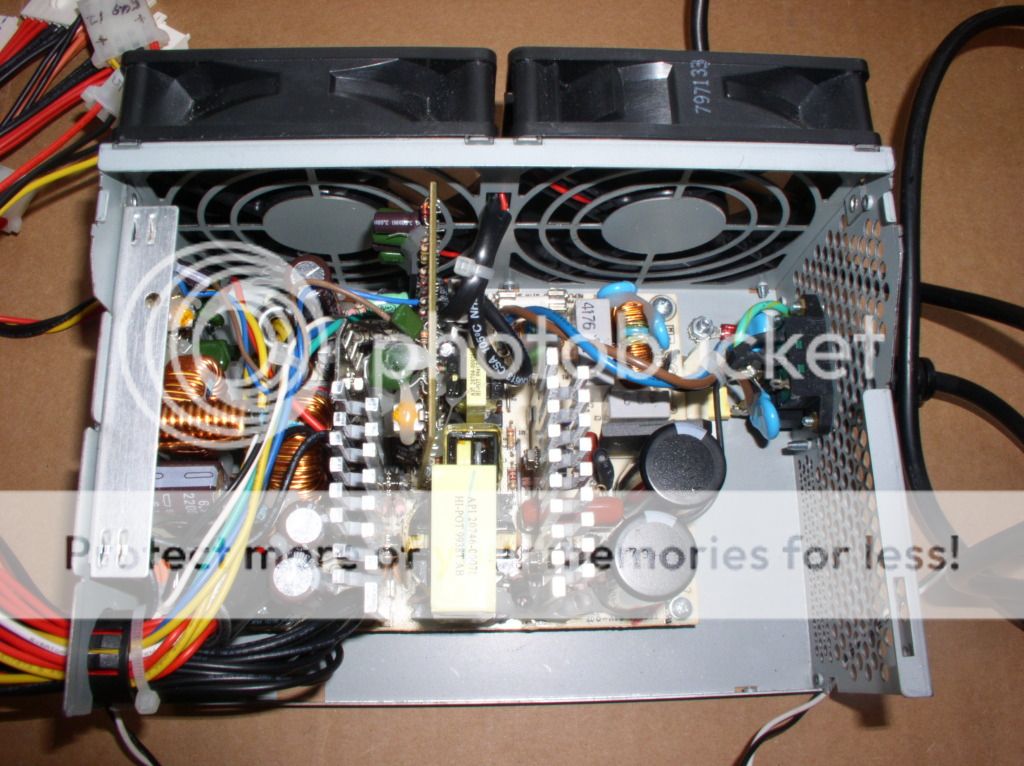
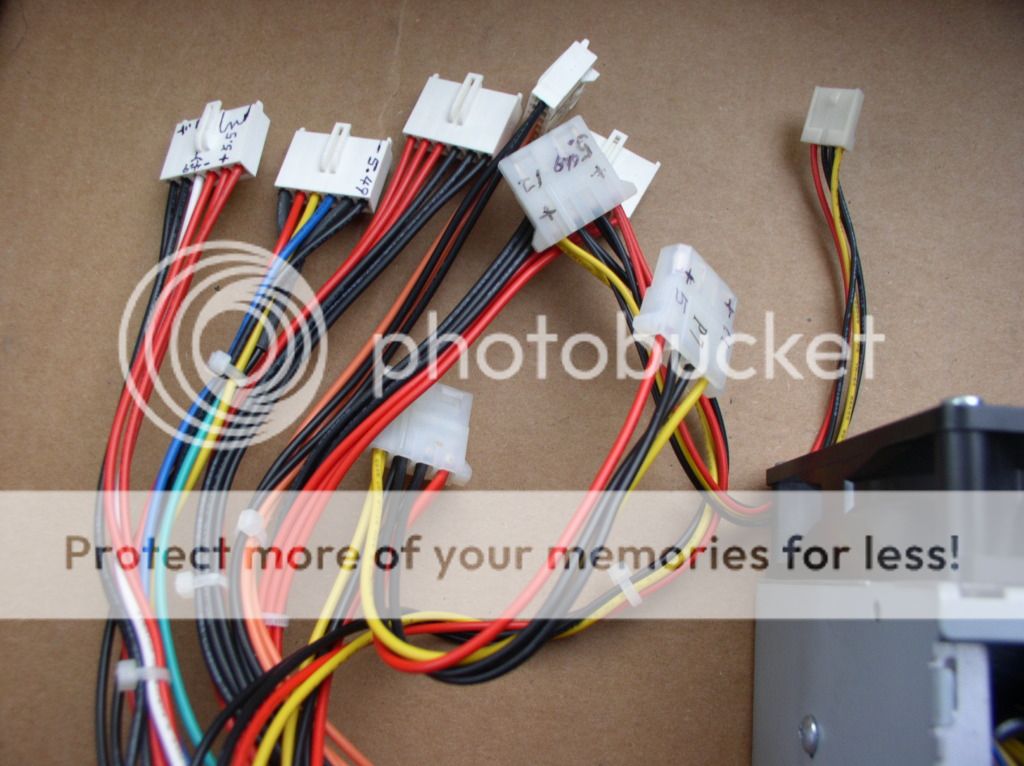
✨ A surplus Intergraph SMPS model CPWS14003 exhibited a 12 V output voltage drop to zero under load, suspected due to missing feedback or sense line connections. The power supply features multiple output connectors with various voltages (+3.3 V, +5 V, +12 V, -5 V, -12 V) and current ratings, typical of an ATX PC power supply design. The issue was resolved by recognizing the supply as an ATX type requiring the green wire (PS_ON) to be connected to ground and a minimum load on the 3.3 V, 5 V, and 12 V outputs to enable proper startup and regulation. Sense lines, often present in such supplies, must be correctly connected or jumpered to the output lines to maintain voltage regulation. The LM339N comparator IC on the PCB likely manages feedback regulation. The supply uses either a flyback or forward regulator topology to provide multiple isolated outputs. The successful operation was confirmed by powering a 3 A load on the 12 V output after applying the correct startup conditions. The SMPS was sourced from Electronic Goldmine, a surplus electronics dealer.
Generated by the language model.

FAQ

TL;DR: The CPWS14003 is an ATX PC PSU (+5 V at 30 A). "This is an ATX PC power supply." Fix 12 V dropouts by shorting PS_ON (green) to ground and adding a small load. [Elektroda, Steve Lawson, post #21661116]

Why it matters: This FAQ shows how to safely bench‑run an Intergraph CPWS14003 and restore stable 12 V output for projects.

Quick Facts

What is the Intergraph CPWS14003 power supply?

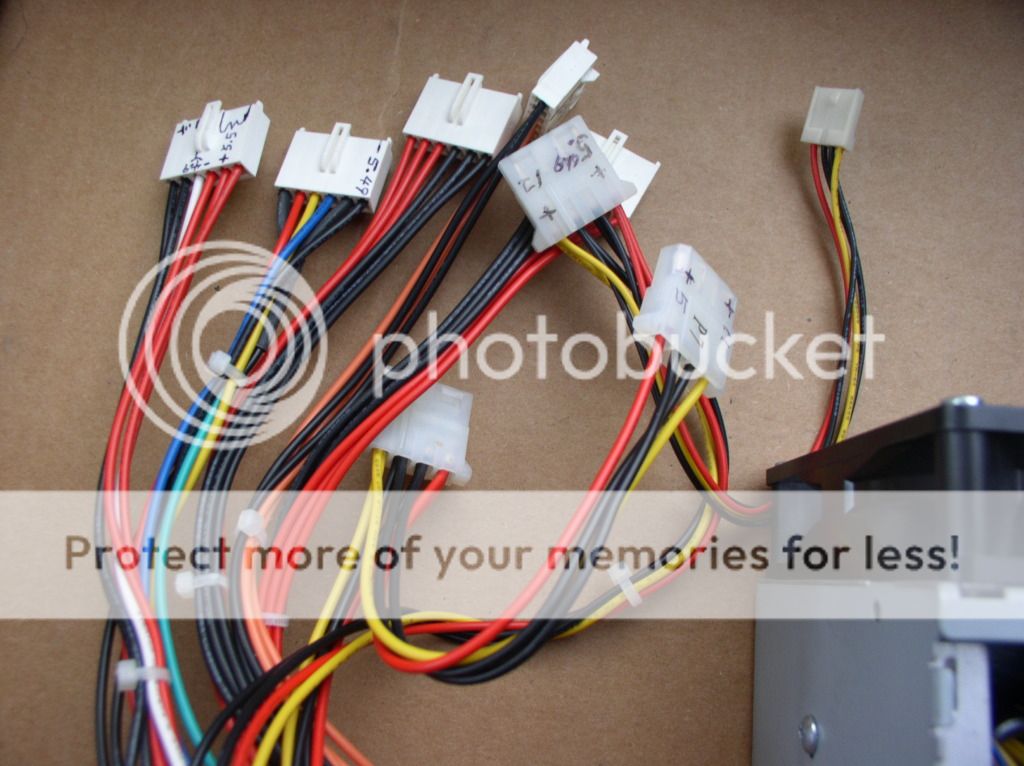
It’s an ATX PC switch‑mode power supply used in desktops. It provides multiple regulated rails for 3.3 V, 5 V, 12 V, and negative outputs, with an ATX control pin (PS_ON). Identification came from photos and behavior matching ATX conventions. [Elektroda, Steve Lawson, post #21661116]

Why does my 12 V rail collapse to 0 V under load?

The protection circuit trips because the ATX unit isn’t properly enabled or loaded. Bridge PS_ON (green) to ground and add a small dummy load on a main rail. Once enabled and loaded, users reported stable 12 V powering consumer gear. [Elektroda, RAYMOND JACKSON, post #21661117]

How do I turn the CPWS14003 on outside a PC?

Use this 3‑step sequence:
  1. Short PS_ON (green) to any black ground.
  2. Attach a modest load to 3.3 V (this unit required it).
  3. Then connect your 12 V load and power AC. “Both were required” on this supply. [Elektroda, RAYMOND JACKSON, post #21661119]

Do I need dummy loads on the rails?

Yes, this model required a minimum load on the 3.3 V rail before the other outputs stayed up. After adding the load and PS_ON→GND, the supply ran normally and supported further loading. [Elektroda, RAYMOND JACKSON, post #21661119]

What wires or connectors carry the available voltages?

The unit exposes multiple connectors carrying combinations of +5 V, +12 V, +3.3 V, and negatives. The label lists capacities: +5 V 30 A, +3.3 V 19 A, +12 V 5 A, −12 V 0.5 A, −5 V 0.5 A. Measure and confirm before wiring. [Elektroda, RAYMOND JACKSON, post #21661107]

What are sense lines and do they affect this PSU?

Sense lines are for remote voltage feedback to maintain regulation at the load. If left floating, regulation can misbehave. The initial issue resembled missing sense feedback, but final fix was ATX PS_ON and load, not sense wiring. [Elektroda, Steve Lawson, post #21661104]

Why did a tiny 120 mA load trigger shutdown on a 5 A 12 V rail?

Before proper enable and loading, even a 120 mA load tripped the protection. After meeting ATX requirements, the 12 V rail supported heavier loads as expected. The early collapse reflected startup conditions, not rail capacity. [Elektroda, RAYMOND JACKSON, post #21661107]

What real‑world load proved the 12 V rail works?

After enabling correctly and adding a 3.3 V dummy load, the supply powered an AC/DC TV drawing about 3 A from the 12 V rail without shutdown. [Elektroda, RAYMOND JACKSON, post #21661117]

Is the CPWS14003 suitable as a bench power supply?

Yes. Once identified as ATX and wired with PS_ON→GND plus a small preload, it behaved like a stable bench PSU for multiple rails. Many hobbyists convert ATX units for projects. [Elektroda, Steve Lawson, post #21661116]

What common failure should I watch for in surplus ATX PSUs?

Electrolytic capacitors can fail early. “There was a run of bad capacitors,” and a cap near a heatsink often suffers. Inspect and replace bulging or leaking caps before heavy use. [Elektroda, Steve Lawson, post #21661116]

Which control pin starts the supply, and how do I use it safely?

Use the ATX PS_ON wire (green). Short it to any ground (black) to command the supply on. Add a modest load on 3.3 V first on this unit to prevent protection trips. Power AC only after wiring is secure. [Elektroda, RAYMOND JACKSON, post #21661119]

What ICs are inside and what do they do?

An LM339N quad comparator was observed on the board. Comparators supervise voltages and control protection or feedback thresholds in SMPS designs. Supervision explains the lockout behavior before correct enable and loading. [Elektroda, RAYMOND JACKSON, post #21661115]

Do I need a schematic to restore 12 V output?

No. Identifying the unit as ATX plus applying PS_ON→GND and adding a preload restored proper operation without a schematic. Visual inspection and labels guided the rail identification. [Elektroda, Steve Lawson, post #21661116]

What input voltages can the CPWS14003 accept?

It shipped with a 115 V cord and has an option for 208 V input. Verify the selector or auto‑range setting before use to avoid damage. [Elektroda, RAYMOND JACKSON, post #21661110]

What is ATX in simple terms?

ATX is the standard PC power format with defined rails and a PS_ON control line. Recognizing ATX pinout explains the need for PS_ON and minimum loads during bench use. [Elektroda, Steve Lawson, post #21661116]
Generated by the language model.
ADVERTISEMENT