logo elektroda
logo elektroda
X
logo elektroda

Comparison of small displays 7" 8" for monitoring and more, measurements

p.kaczmarek2 450 2
ADVERTISEMENT
Treść została przetłumaczona polish » english Zobacz oryginalną wersję tematu
📢 Listen (AI):
  • Comparison of small displays 7" 8" for monitoring and more, measurements
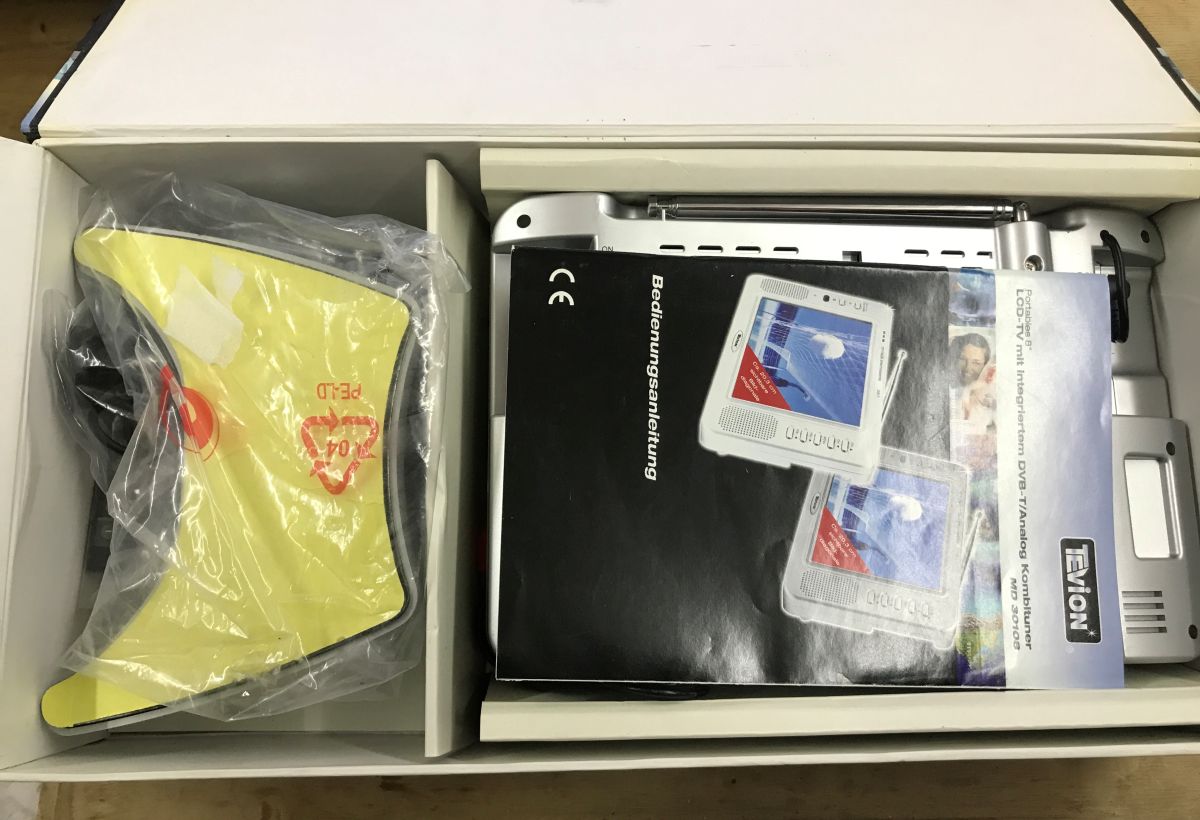
    Here is a comparison, current measurements and a presentation of the interiors of the two displays - the first is the older LCD 8" TV Tevision MD30108K offering antenna and AV input, and the second is the slightly newer EM713/SX-LCD-7CAL 7" 1024x600 IPS/PLS, already compatible with VGA, HDMI and powered by USB. I will check both units with, among other things, an analogue surveillance camera. I will also consider the second unit for use with a Raspberry Pi or other microcomputer.

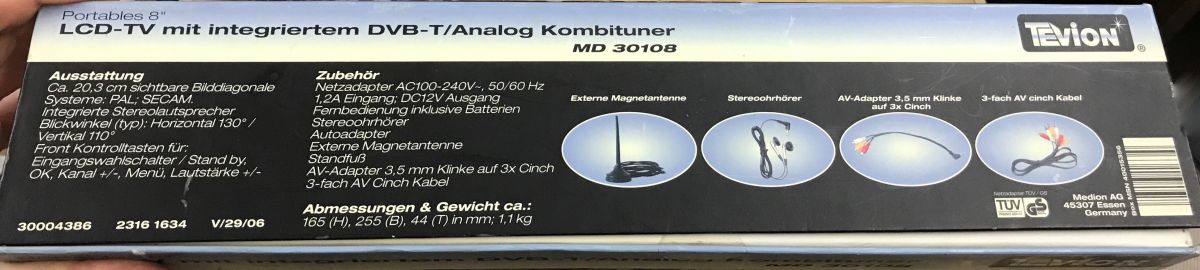
    Let's start with the older hardware. It already supports DVB-T/MPEG2 and runs on 12 volts:
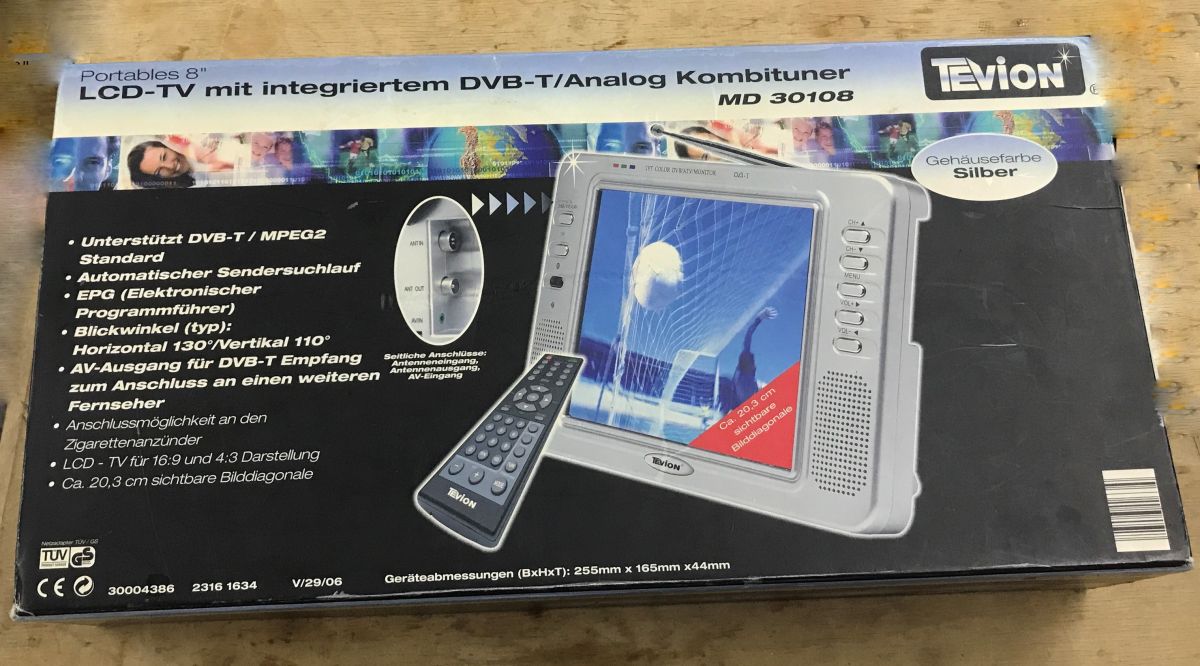
    Comparison of small displays 7" 8" for monitoring and more, measurements Comparison of small displays 7" 8" for monitoring and more, measurements Comparison of small displays 7" 8" for monitoring and more, measurements
    In addition to the remote control, the kit comes with a lighter socket cable that allows you to run the whole thing in your car. The equipment itself is quite handy for its time and has a foot on the back which can also be used as a handle.
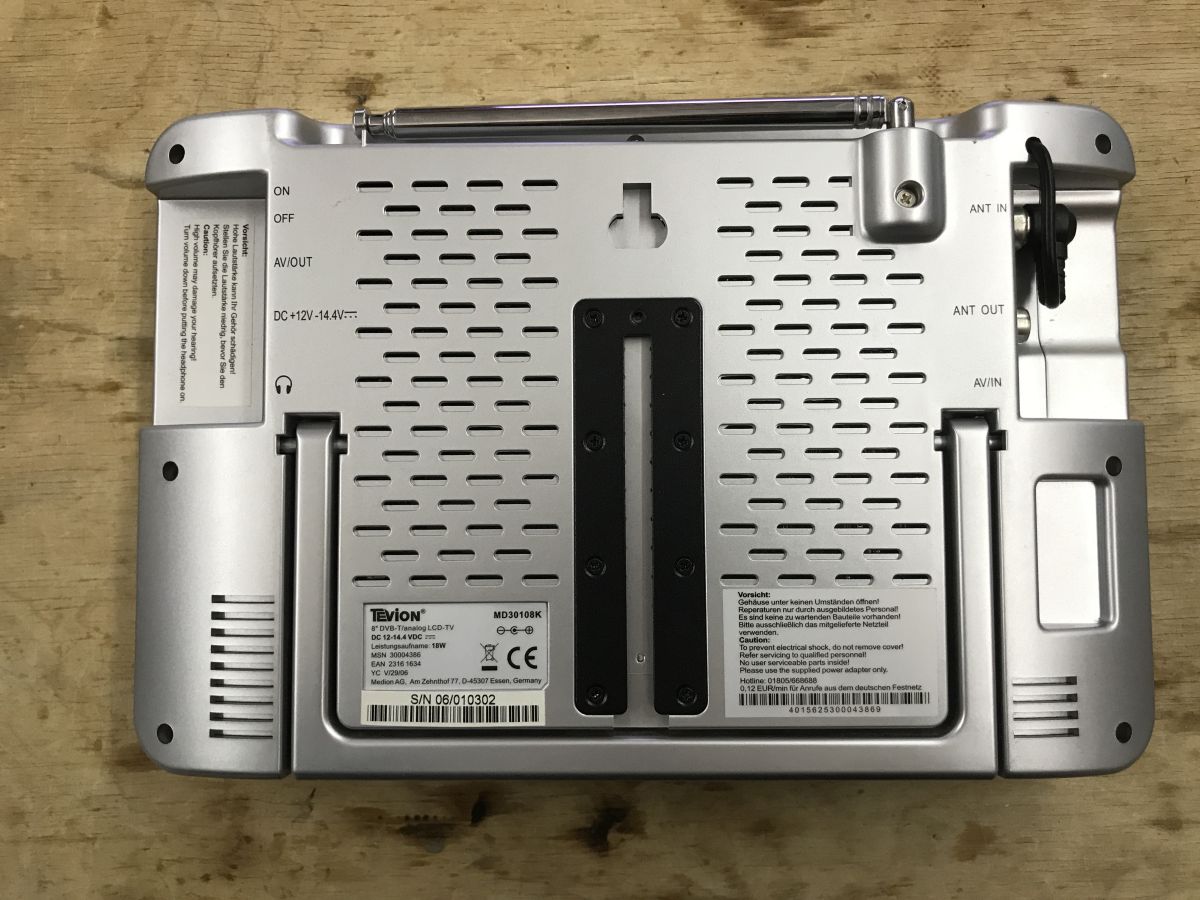
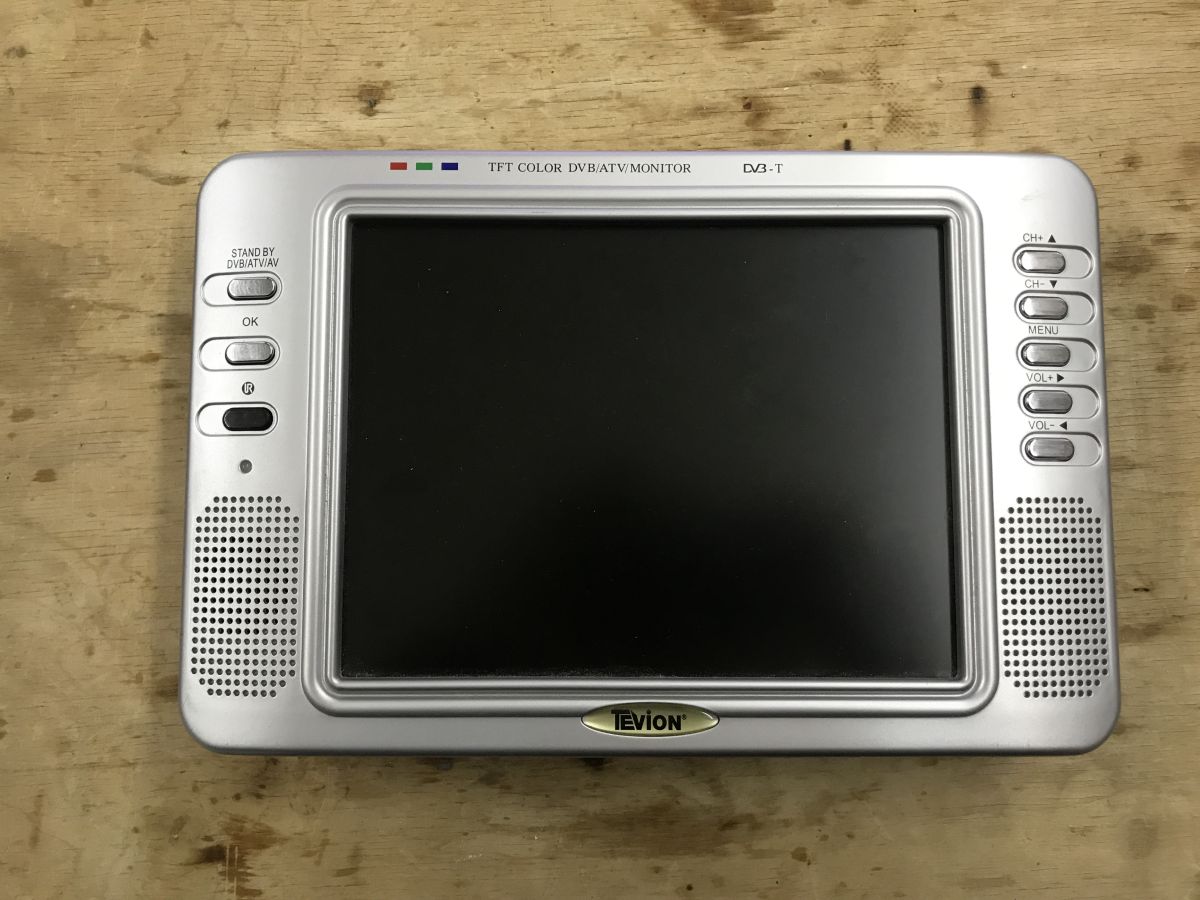
    Comparison of small displays 7" 8" for monitoring and more, measurements Comparison of small displays 7" 8" for monitoring and more, measurements
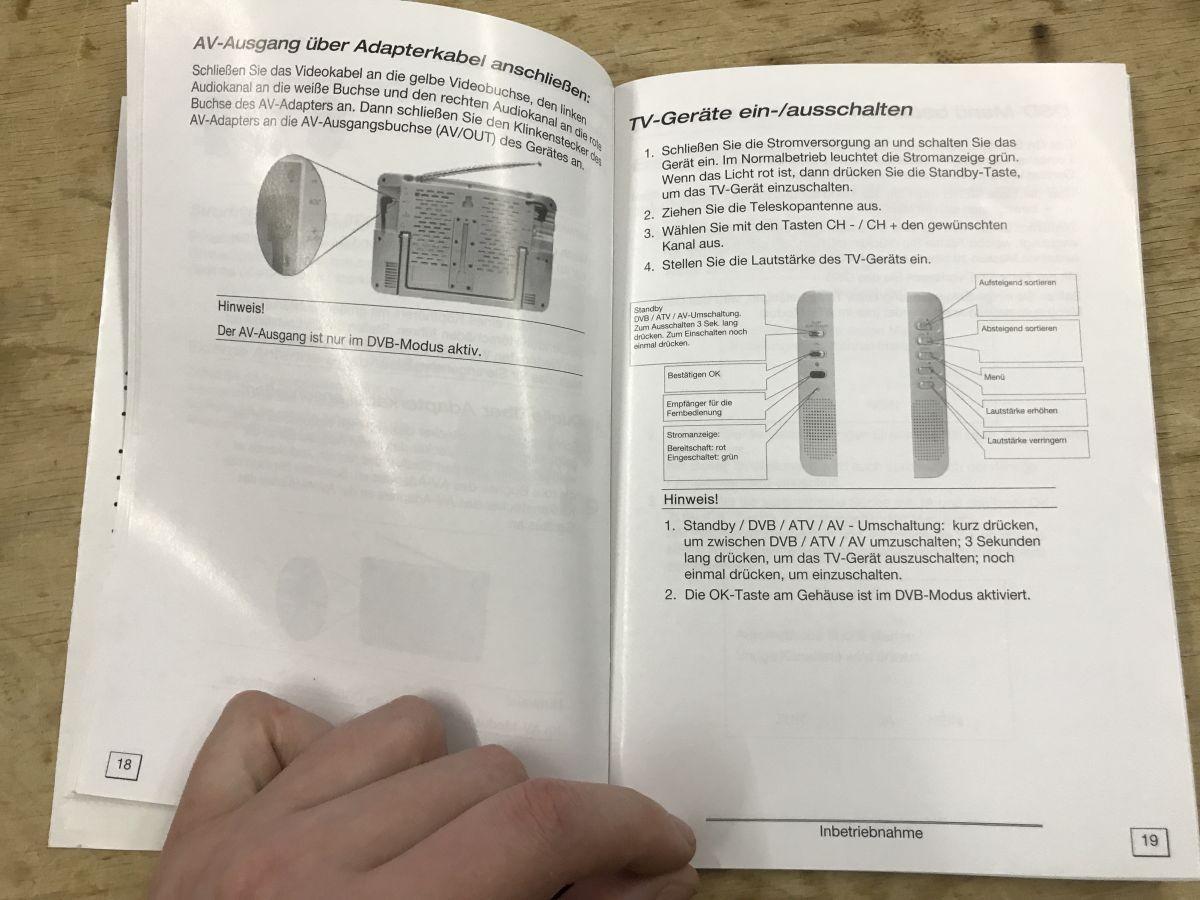
    These were not yet the days when manufacturers tried to reduce the number of buttons on the case to a minimum, so controlling the whole thing is quite intuitive:
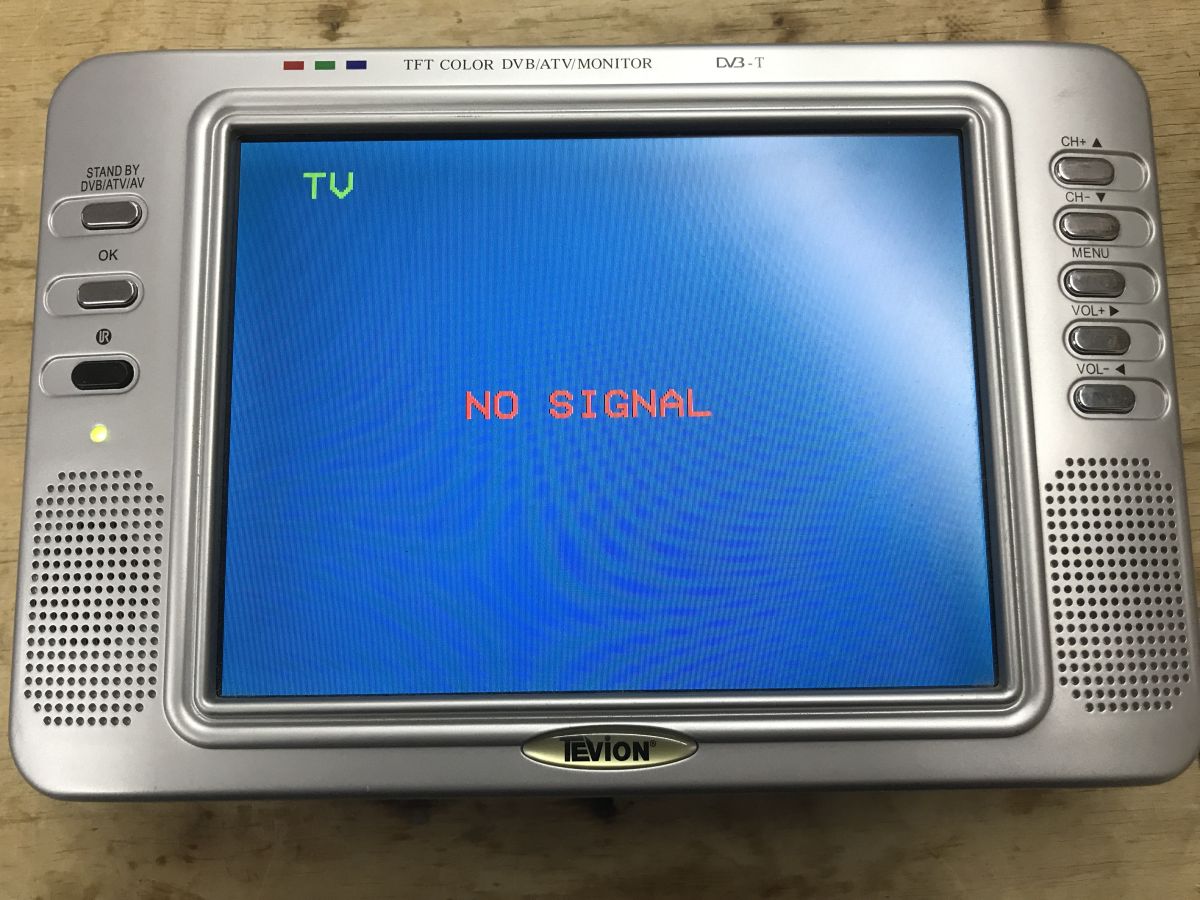
    Comparison of small displays 7" 8" for monitoring and more, measurements Comparison of small displays 7" 8" for monitoring and more, measurements Comparison of small displays 7" 8" for monitoring and more, measurements
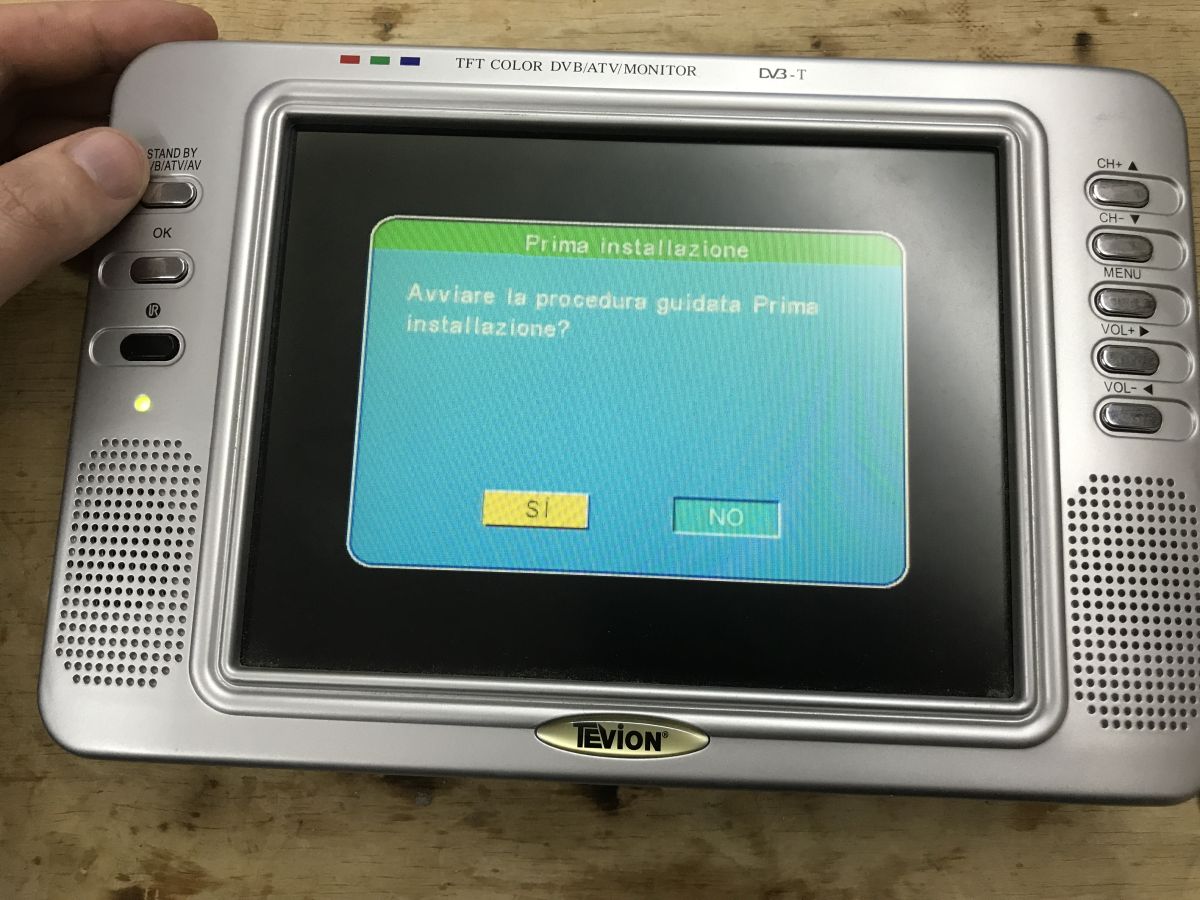
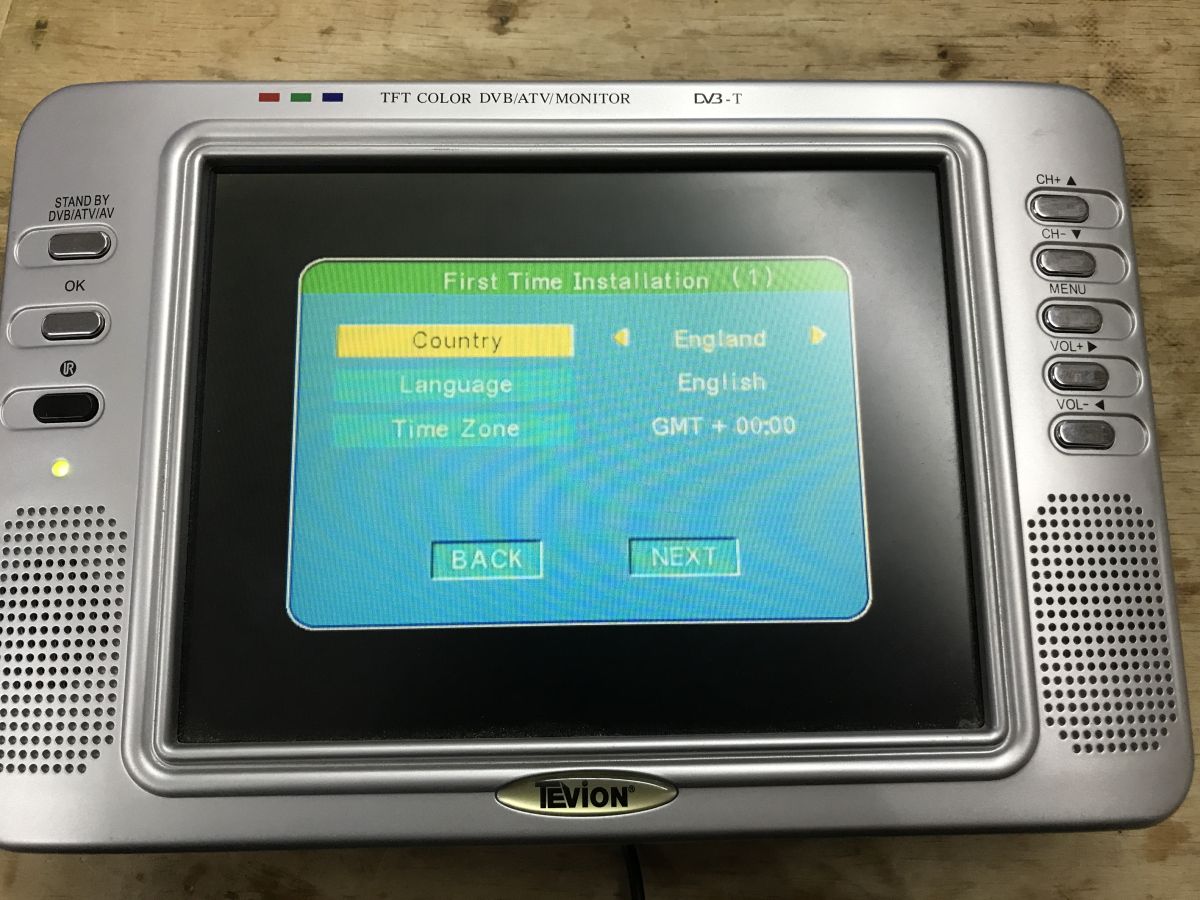
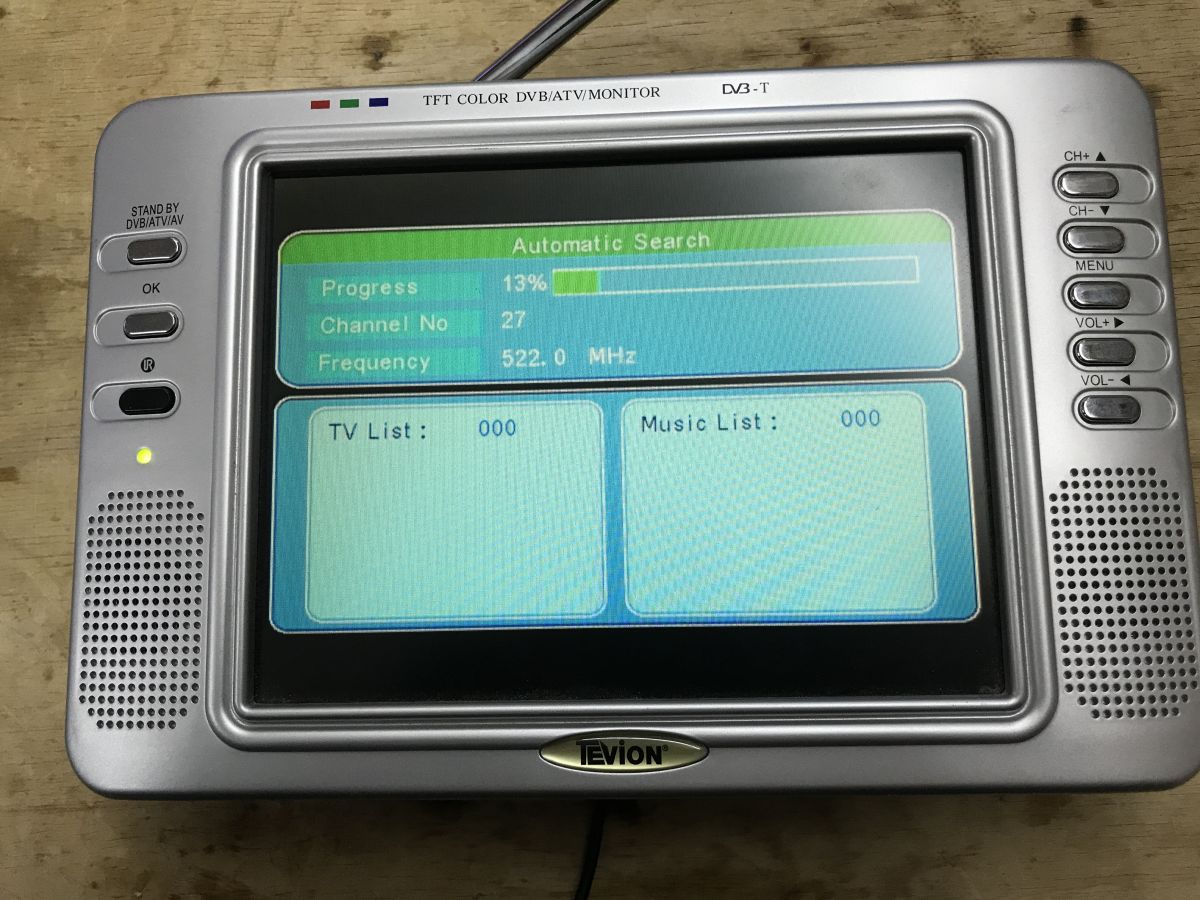
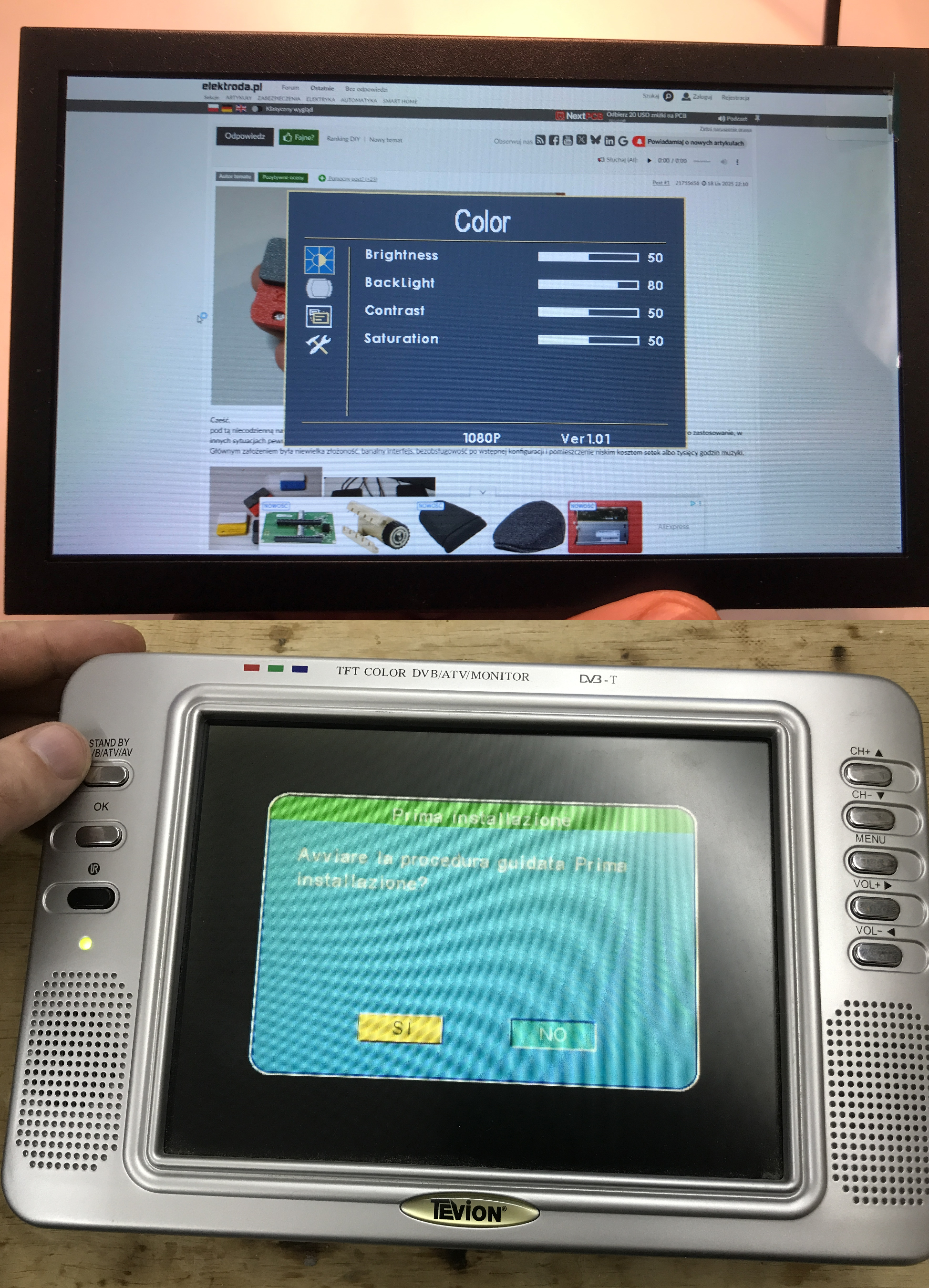
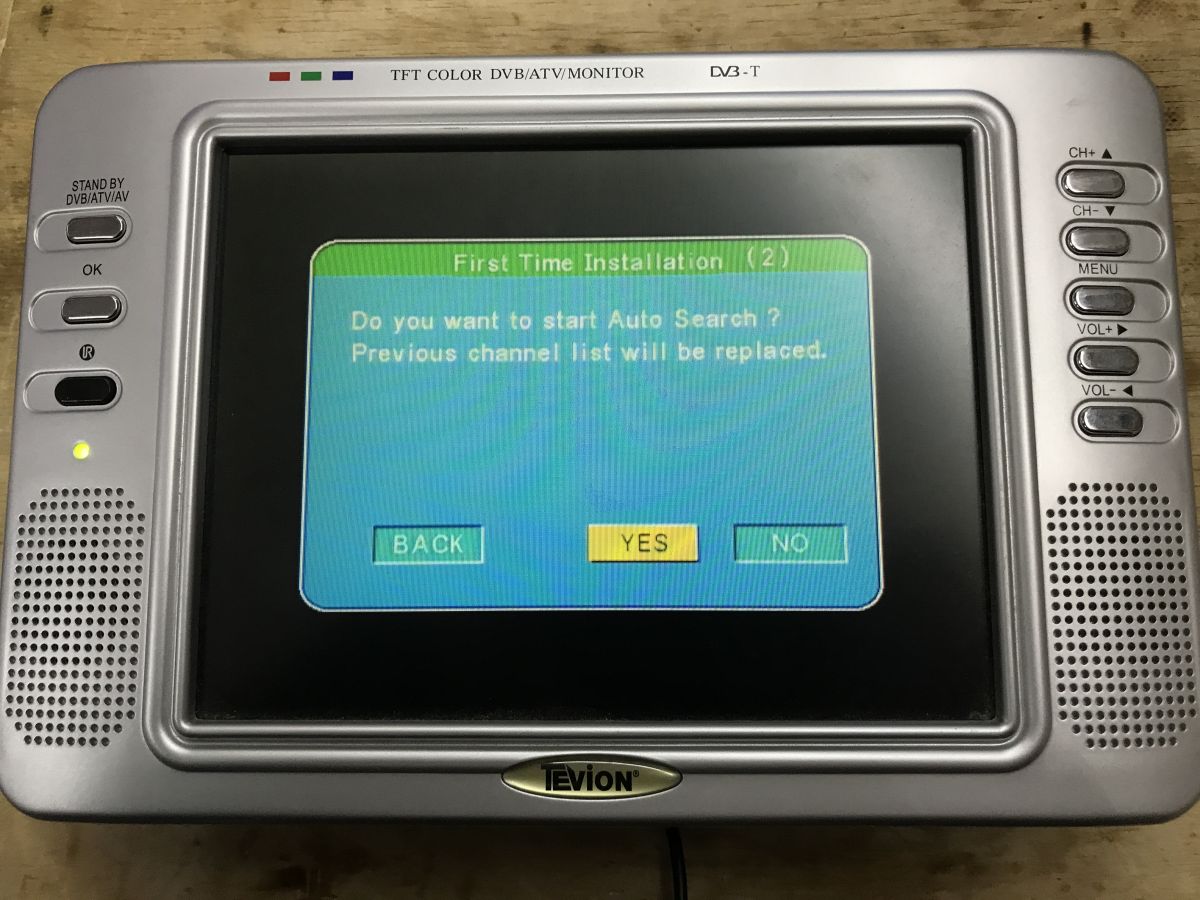
    The unit searches for channels - with poor results, DVB-T2/HEVC would be needed these days:
    Comparison of small displays 7" 8" for monitoring and more, measurements Comparison of small displays 7" 8" for monitoring and more, measurements
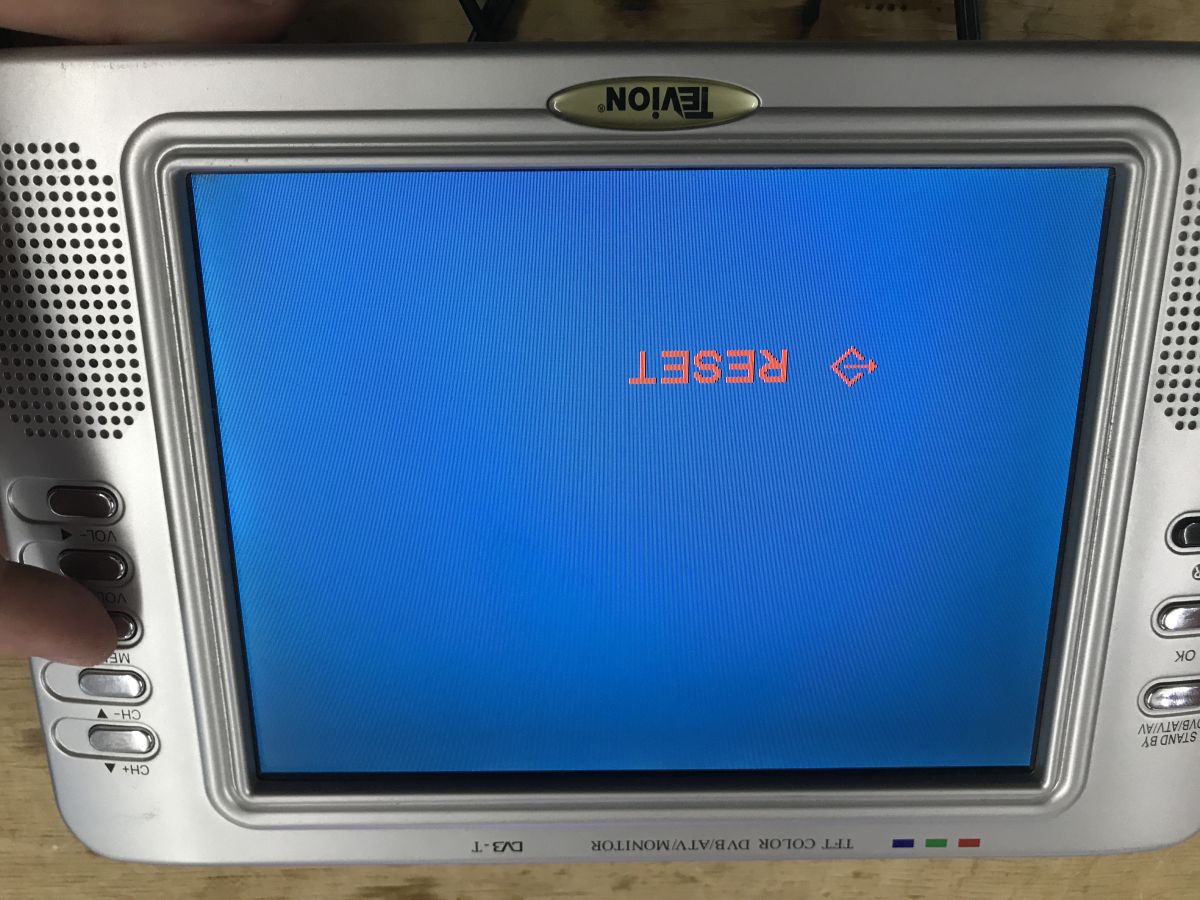
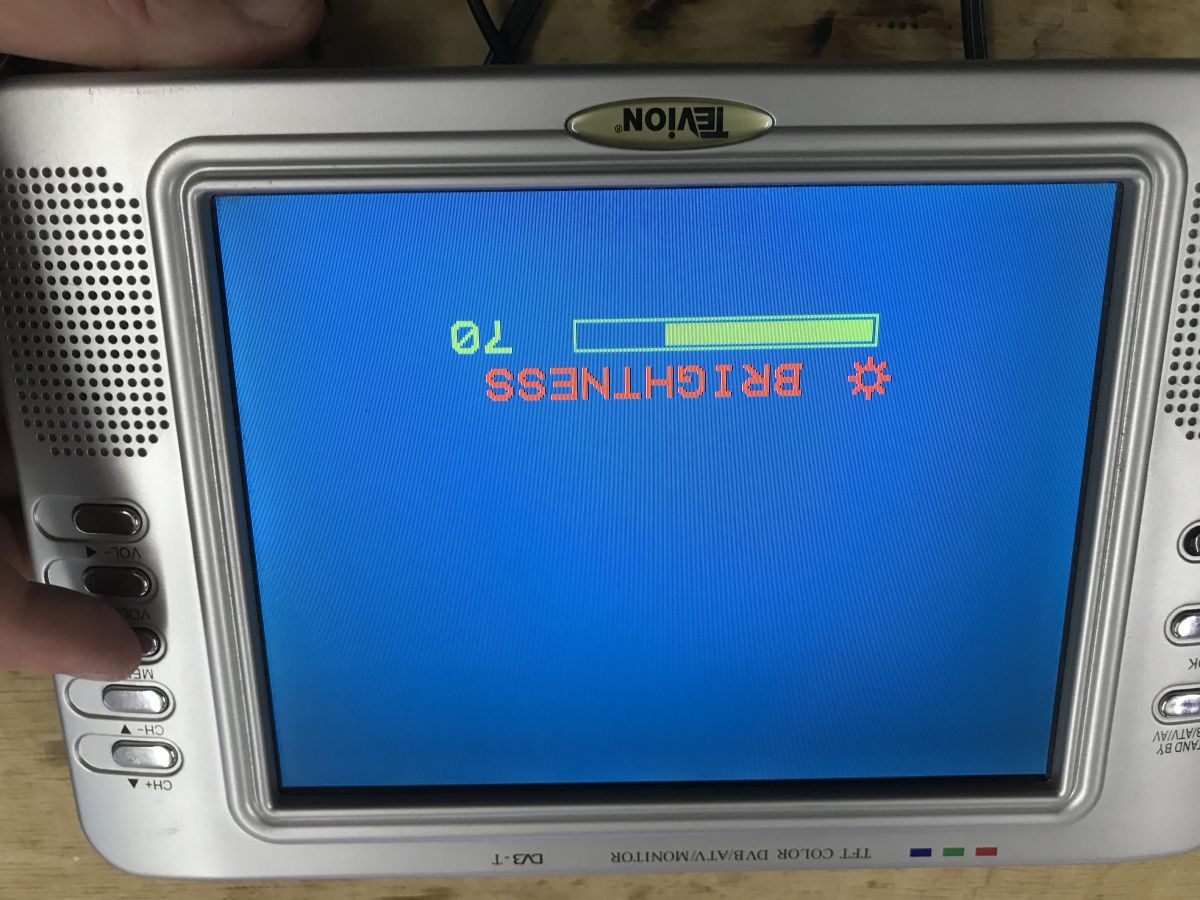
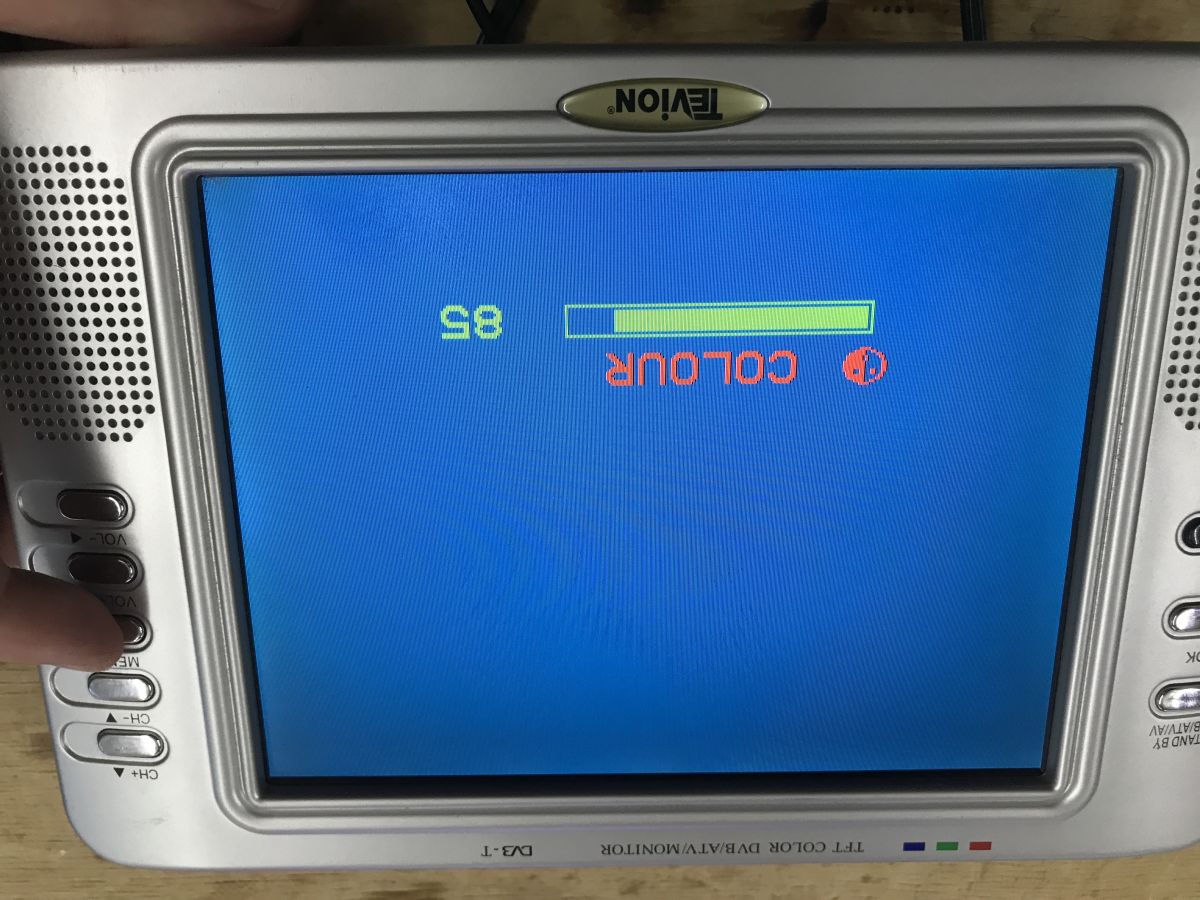
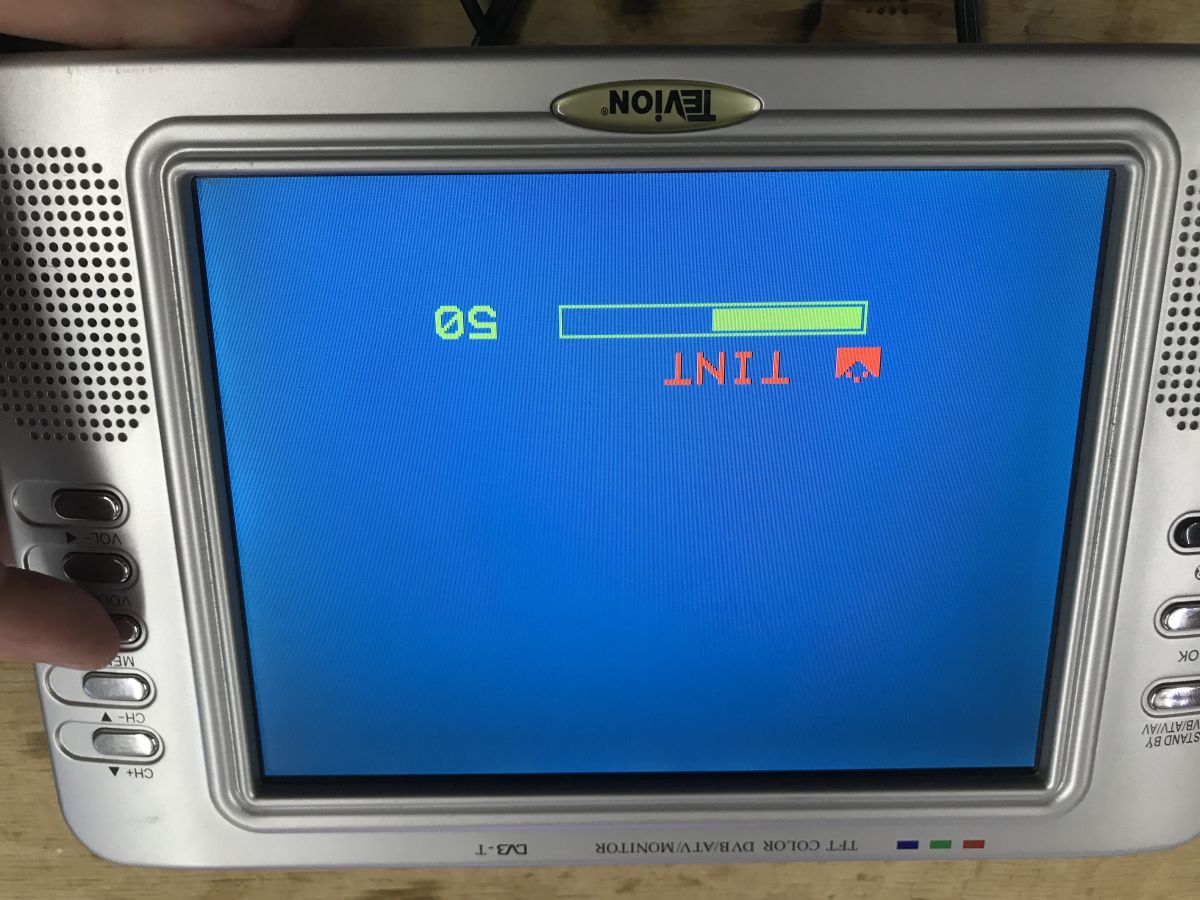
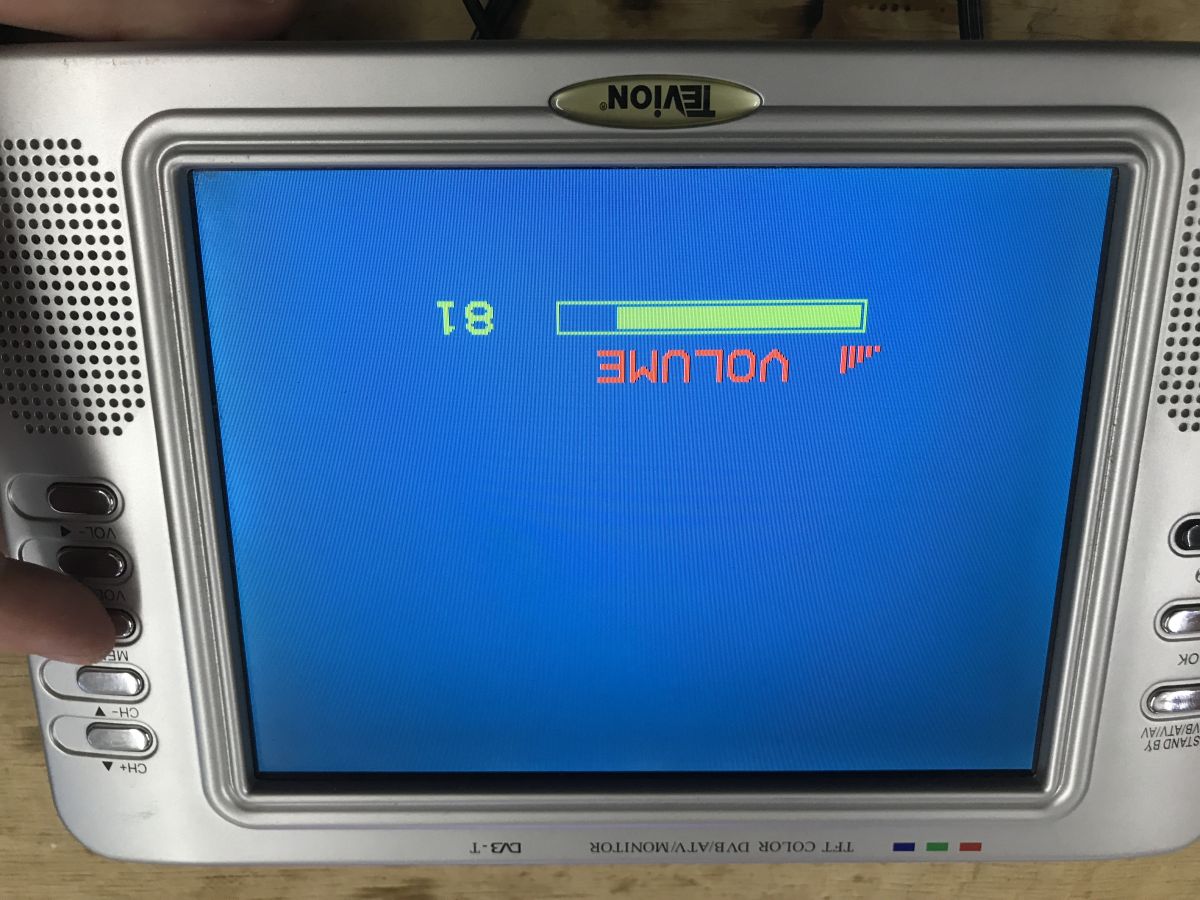
    You can only play with the menu, which in my opinion still holds that older CRT TV vibe. That colour scheme and font.
    Comparison of small displays 7" 8" for monitoring and more, measurements Comparison of small displays 7" 8" for monitoring and more, measurements Comparison of small displays 7" 8" for monitoring and more, measurements Comparison of small displays 7" 8" for monitoring and more, measurements Comparison of small displays 7" 8" for monitoring and more, measurements
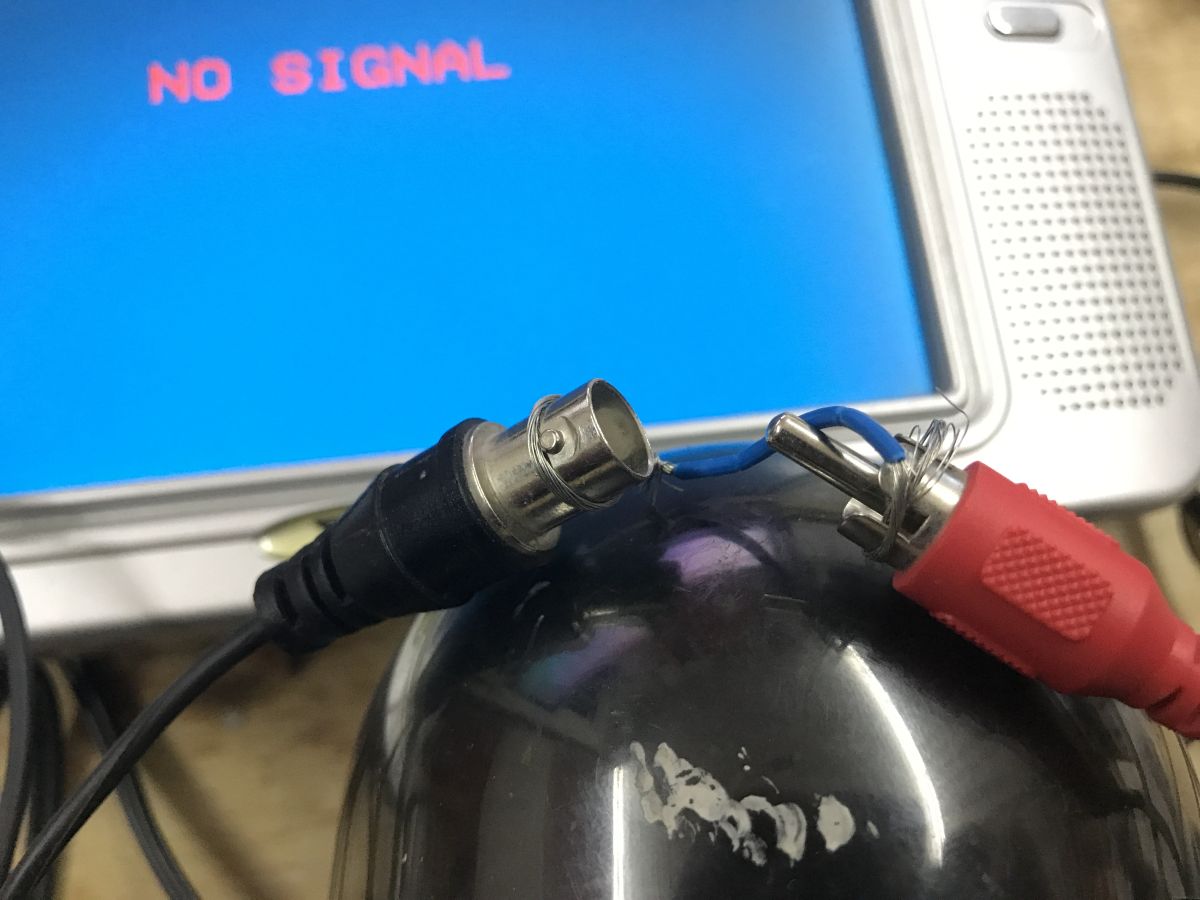
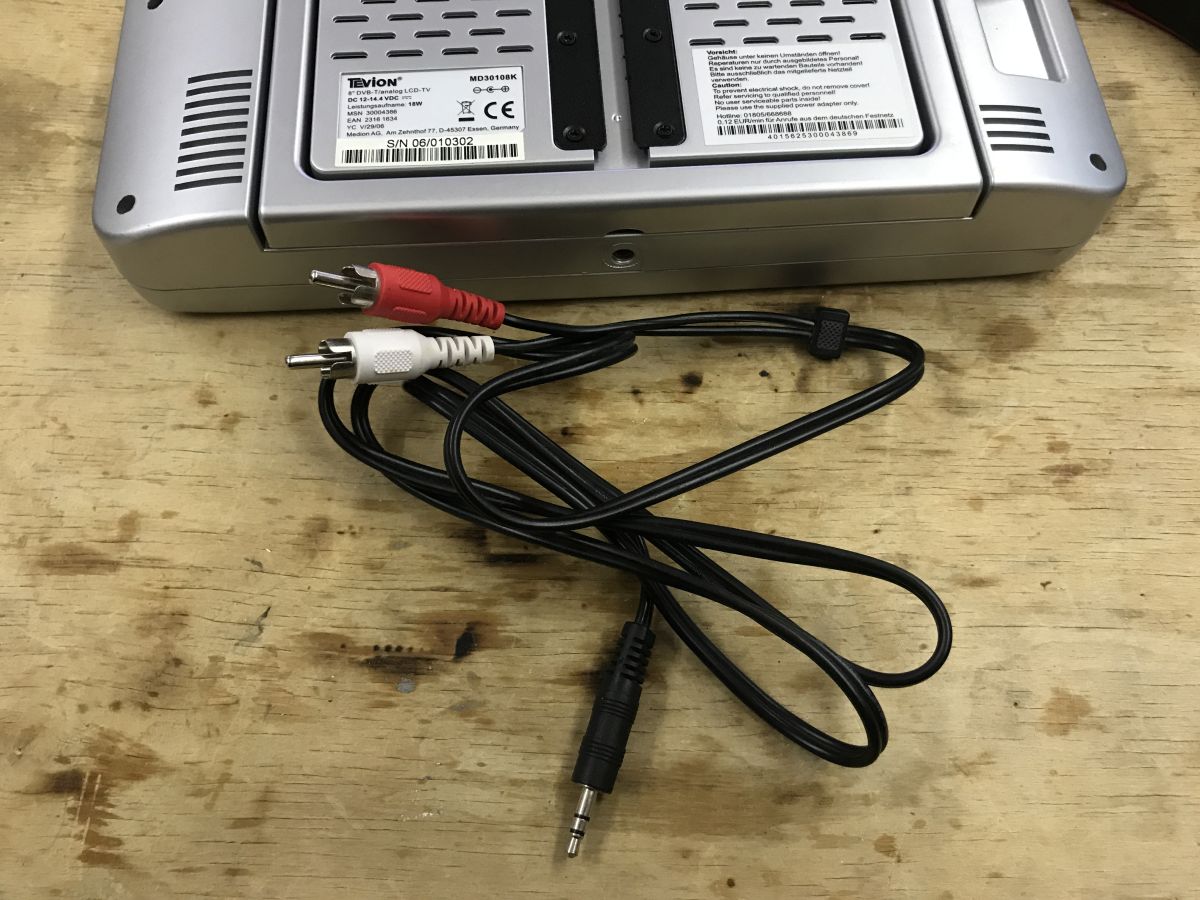
    It remains to do a test with a PAL camera - worse that I don't have an RCA to BNC adapter, but somehow one has to manage:
    Comparison of small displays 7" 8" for monitoring and more, measurements Comparison of small displays 7" 8" for monitoring and more, measurements
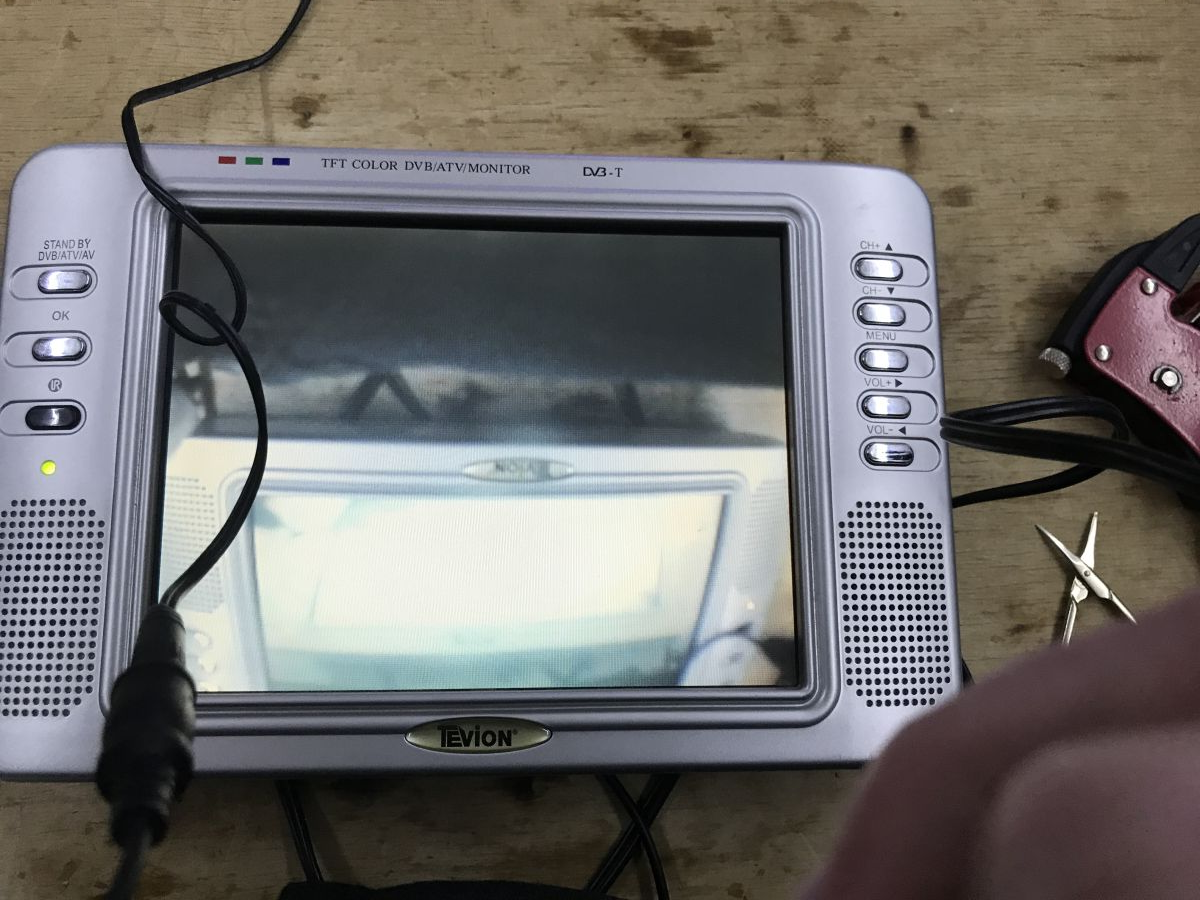
    The camcorder works - you know how with the image, after all it is PAL, but it does its job:
    Comparison of small displays 7" 8" for monitoring and more, measurements

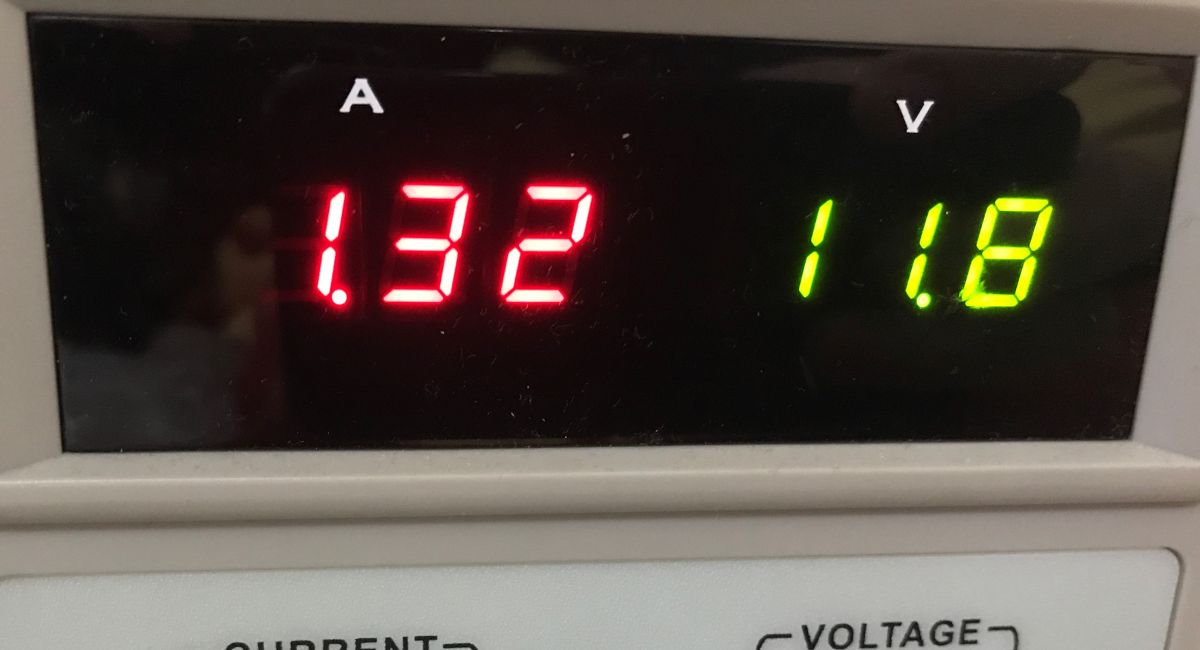
    I also measured the current at 12 volts:
    Comparison of small displays 7" 8" for monitoring and more, measurements
    11.8 V * 1.32 A gives approximately 13.5 W.

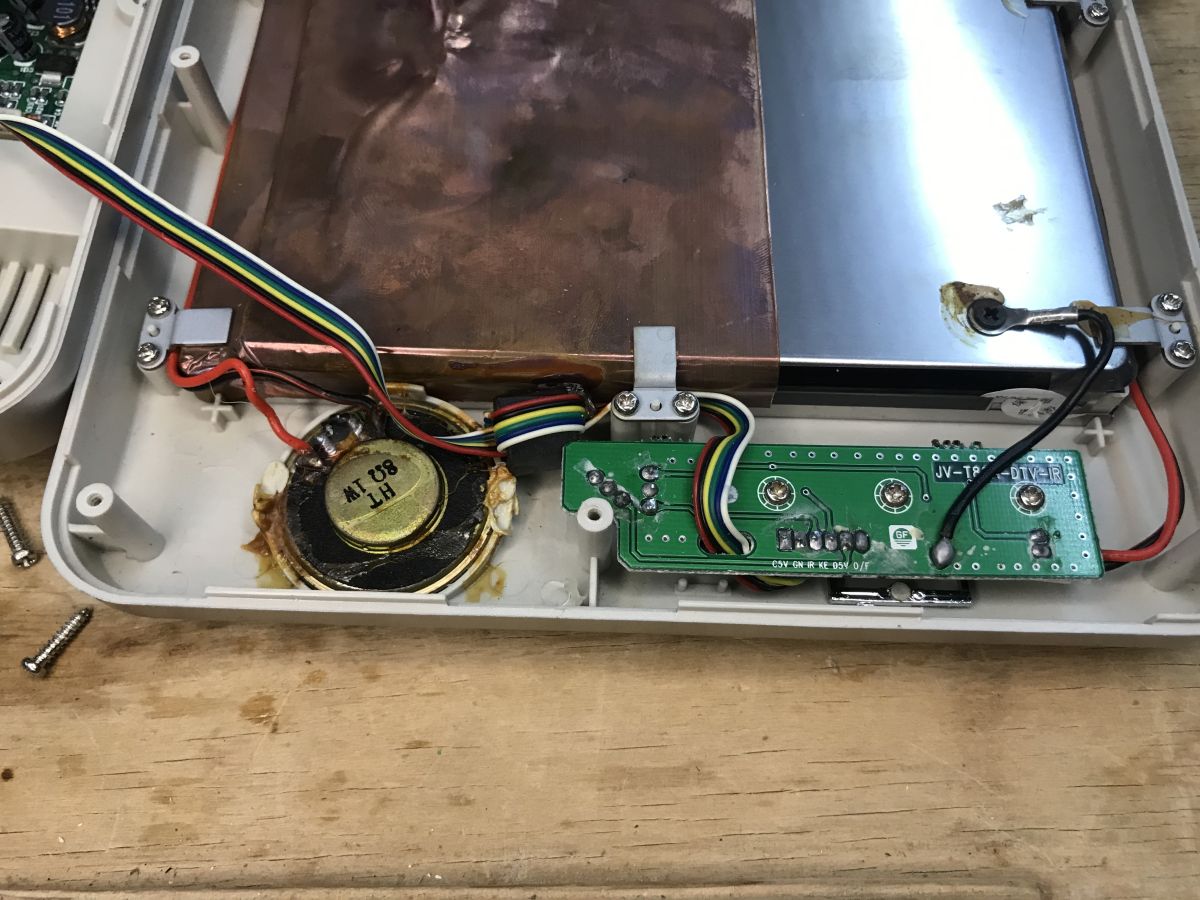
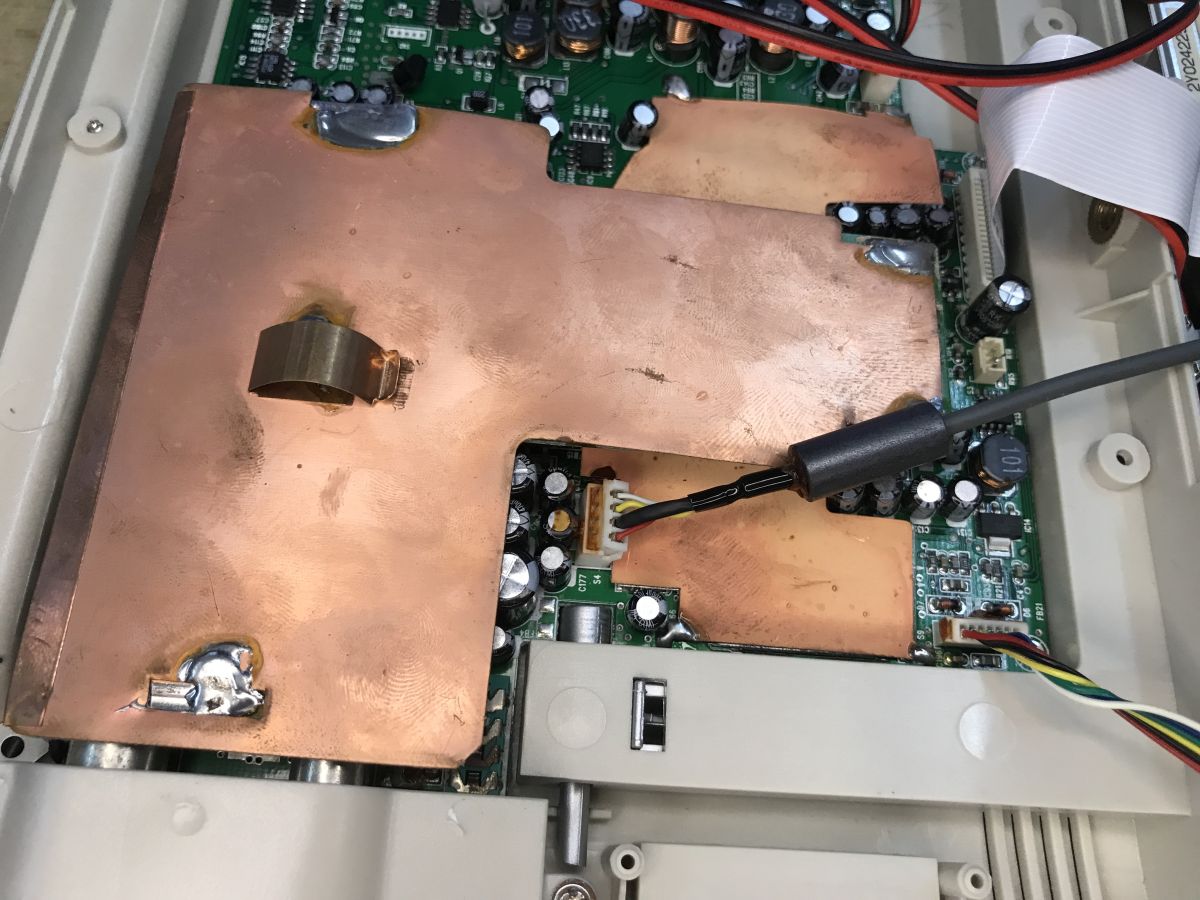
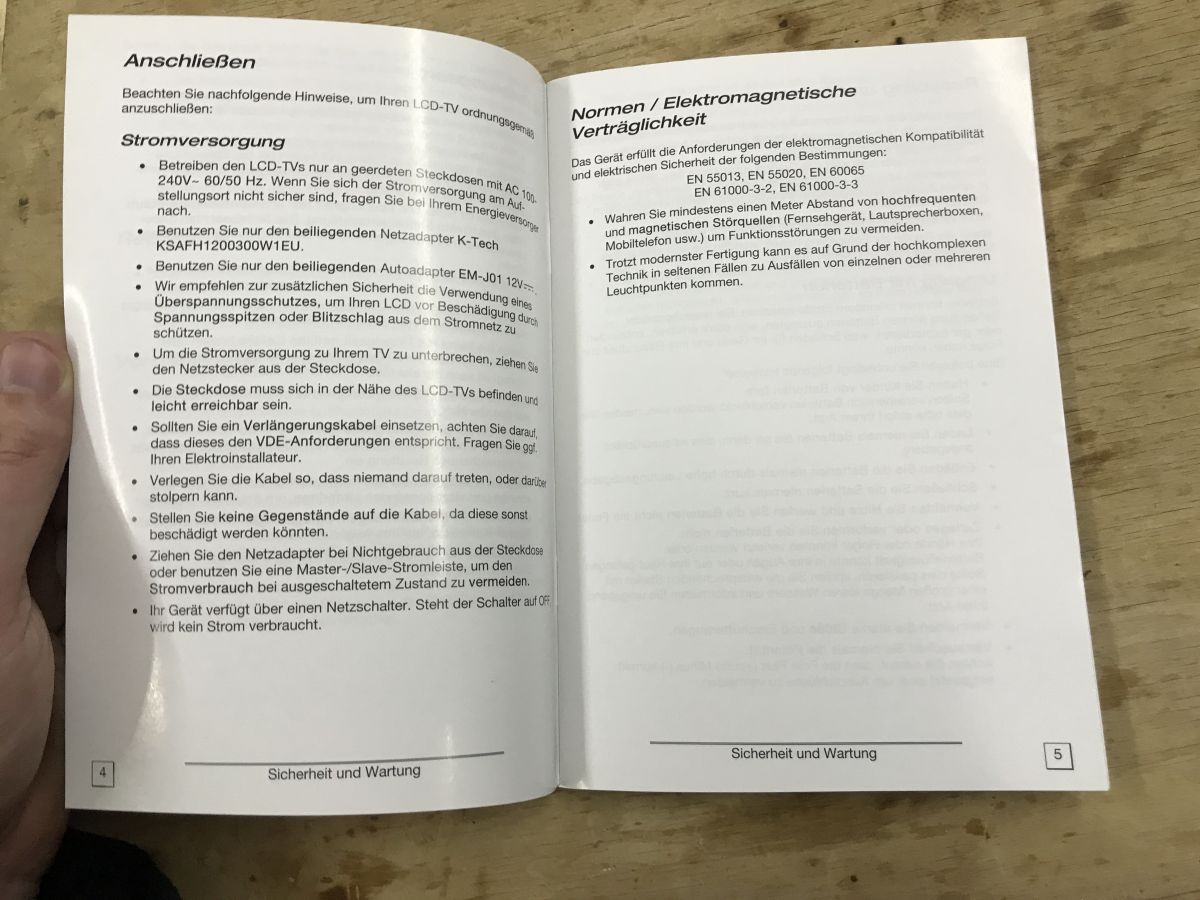
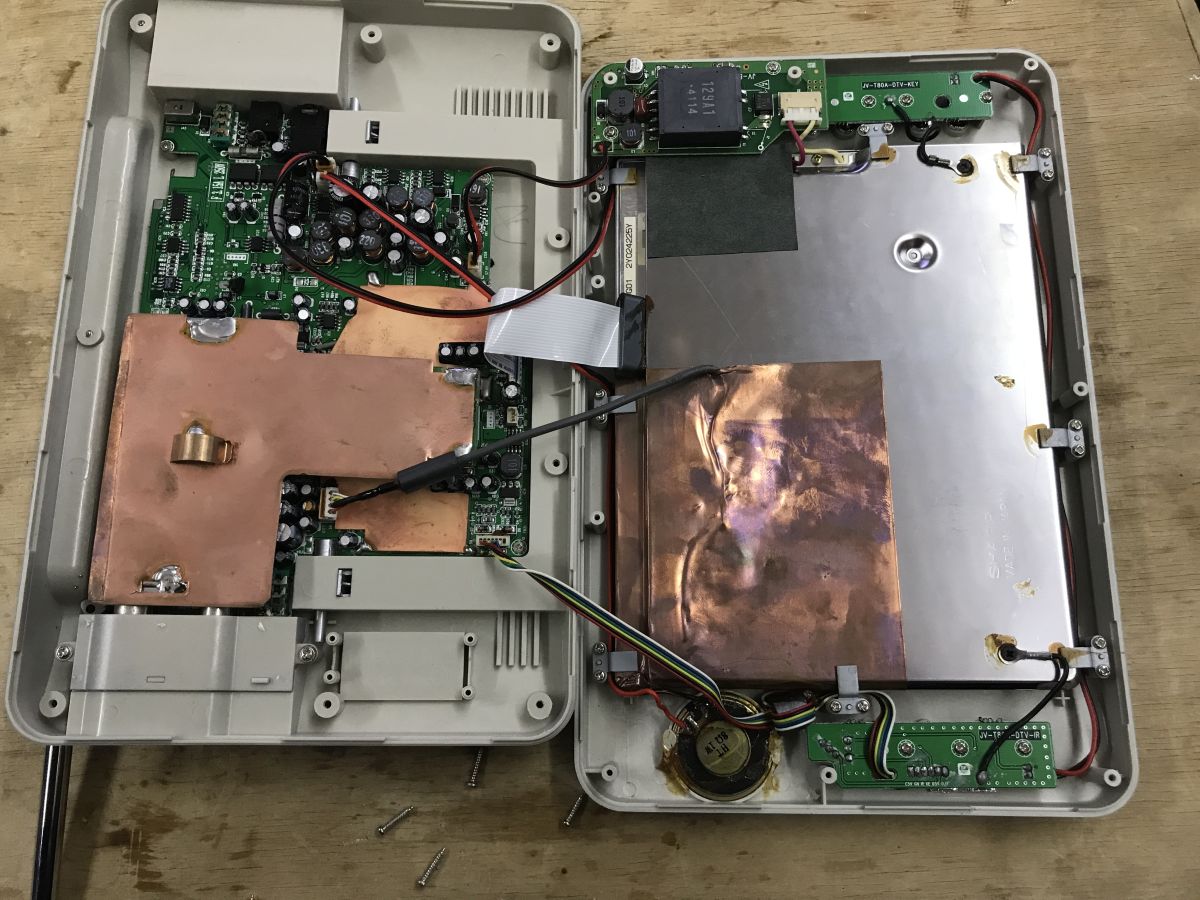
    It remained to look inside. The copper shielding hides quite a lot from us, but at least by the pulse transformer board and the characteristic connector we can judge that the backlighting here is still fluorescent. The whole circuit is not yet as integrated as in newer monitors.
    Comparison of small displays 7" 8" for monitoring and more, measurements Comparison of small displays 7" 8" for monitoring and more, measurements Comparison of small displays 7" 8" for monitoring and more, measurements
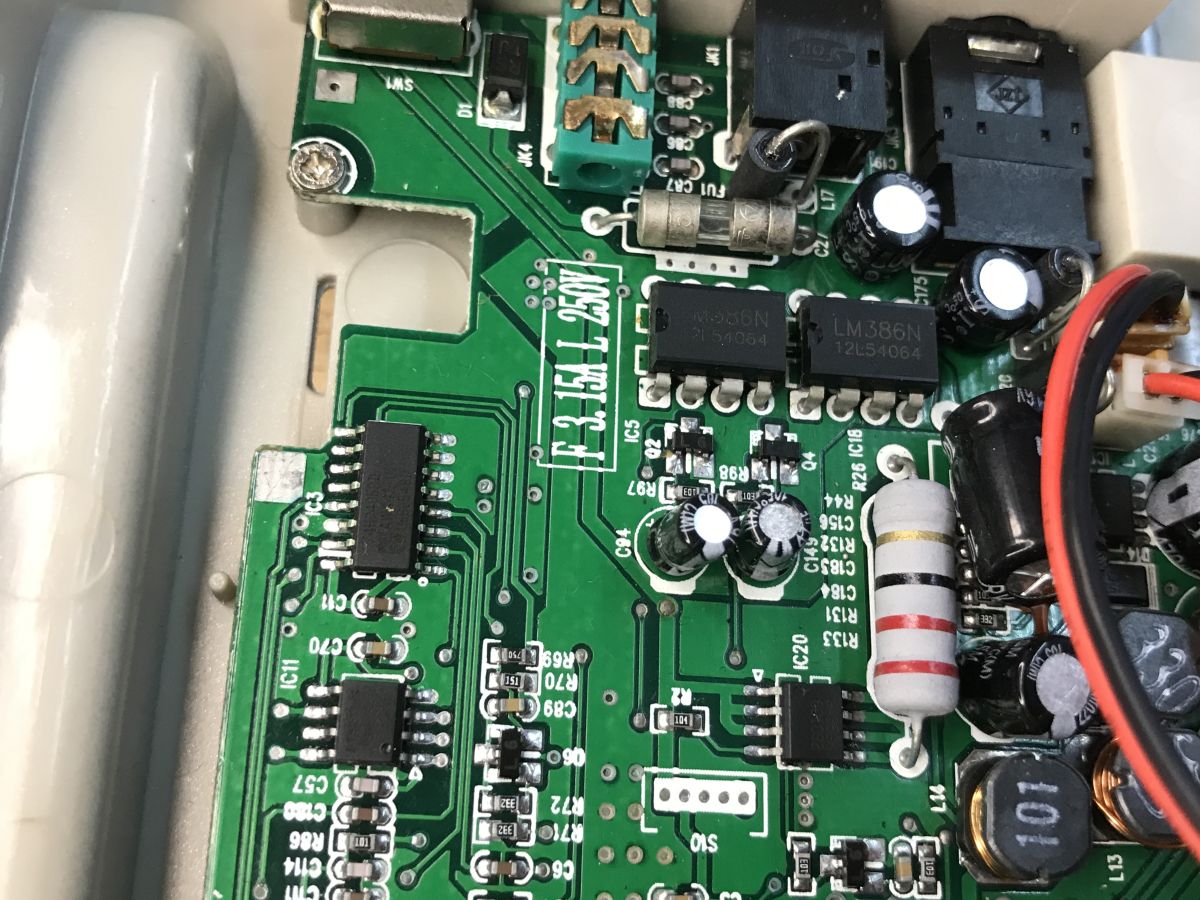
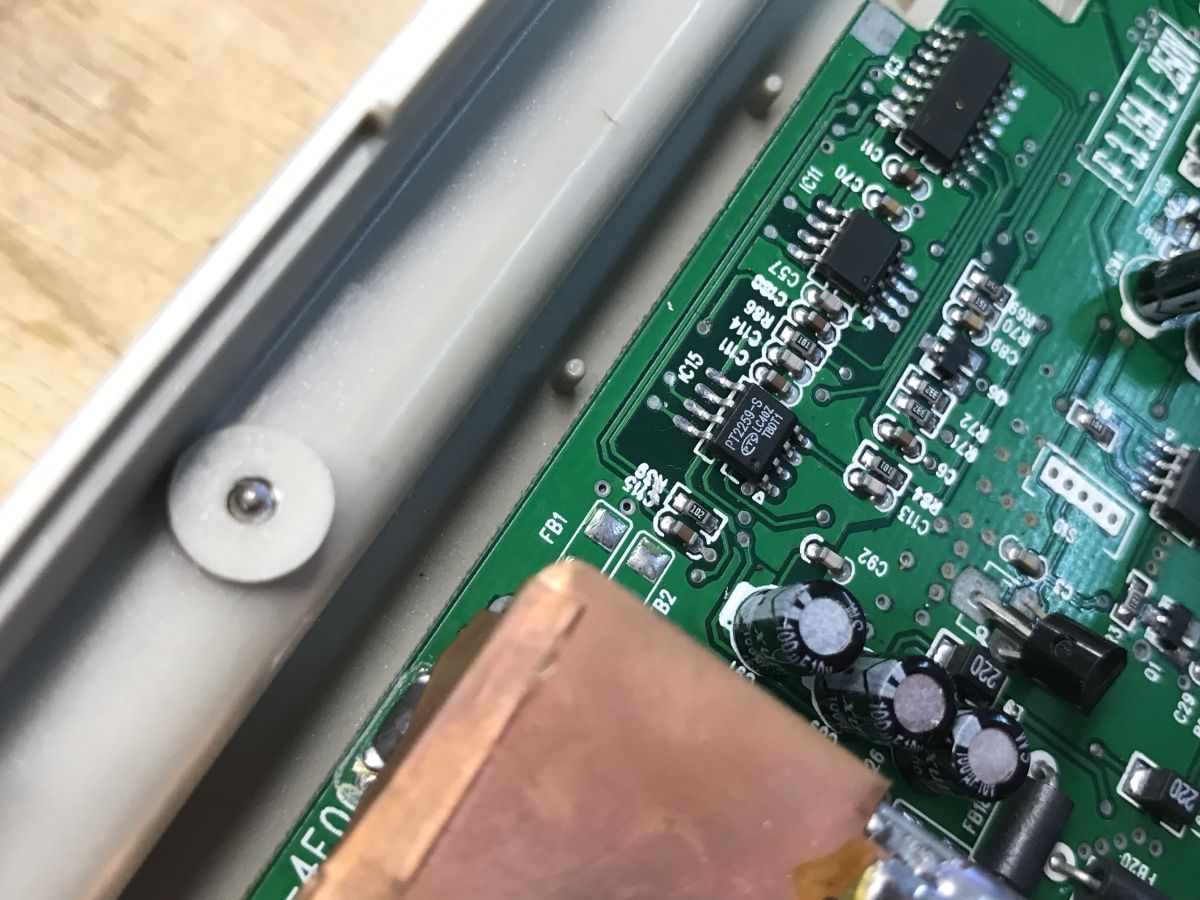
    Of the separate circuits inside, the LN386N amplifiers and the PT2259 driver are conspicuous, the rest I have not analysed.
    Comparison of small displays 7" 8" for monitoring and more, measurements Comparison of small displays 7" 8" for monitoring and more, measurements

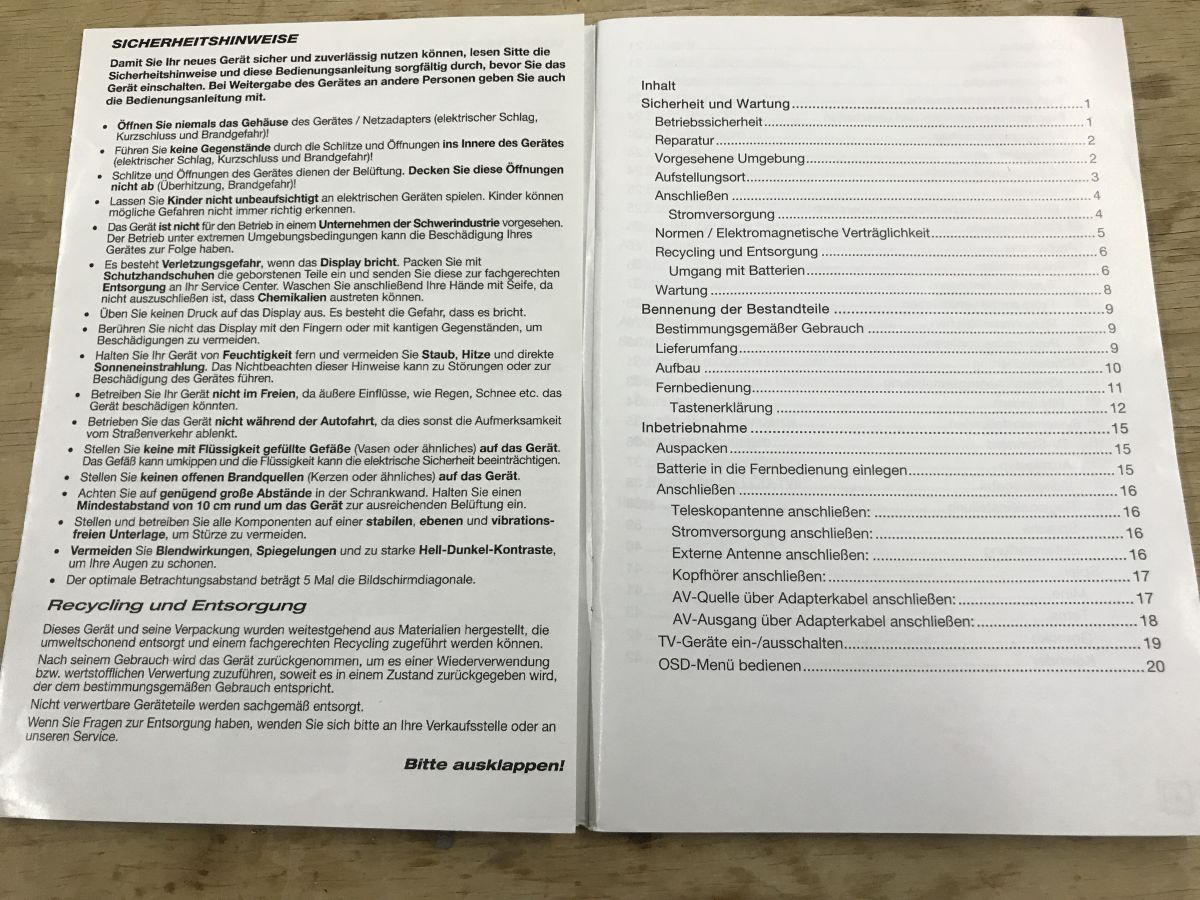
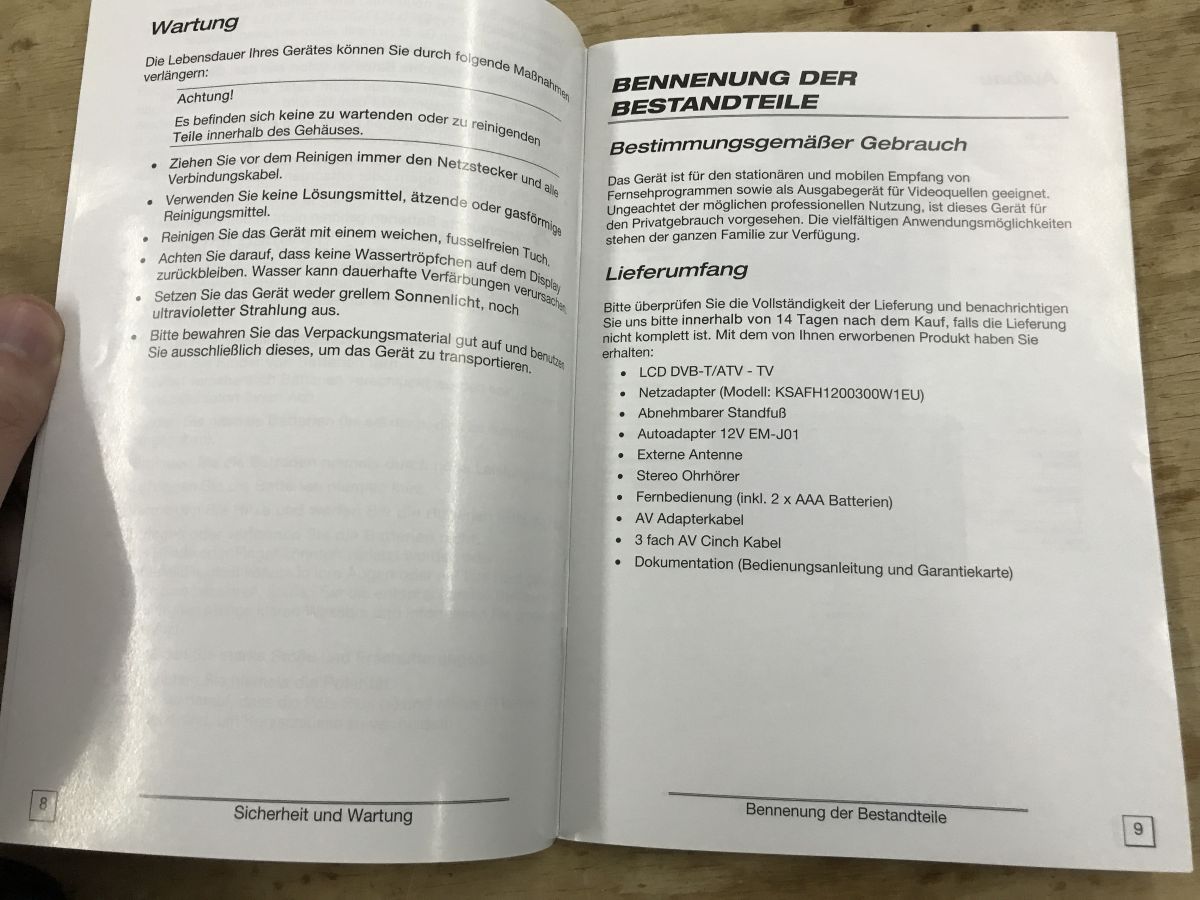
    Finally, the instructions:
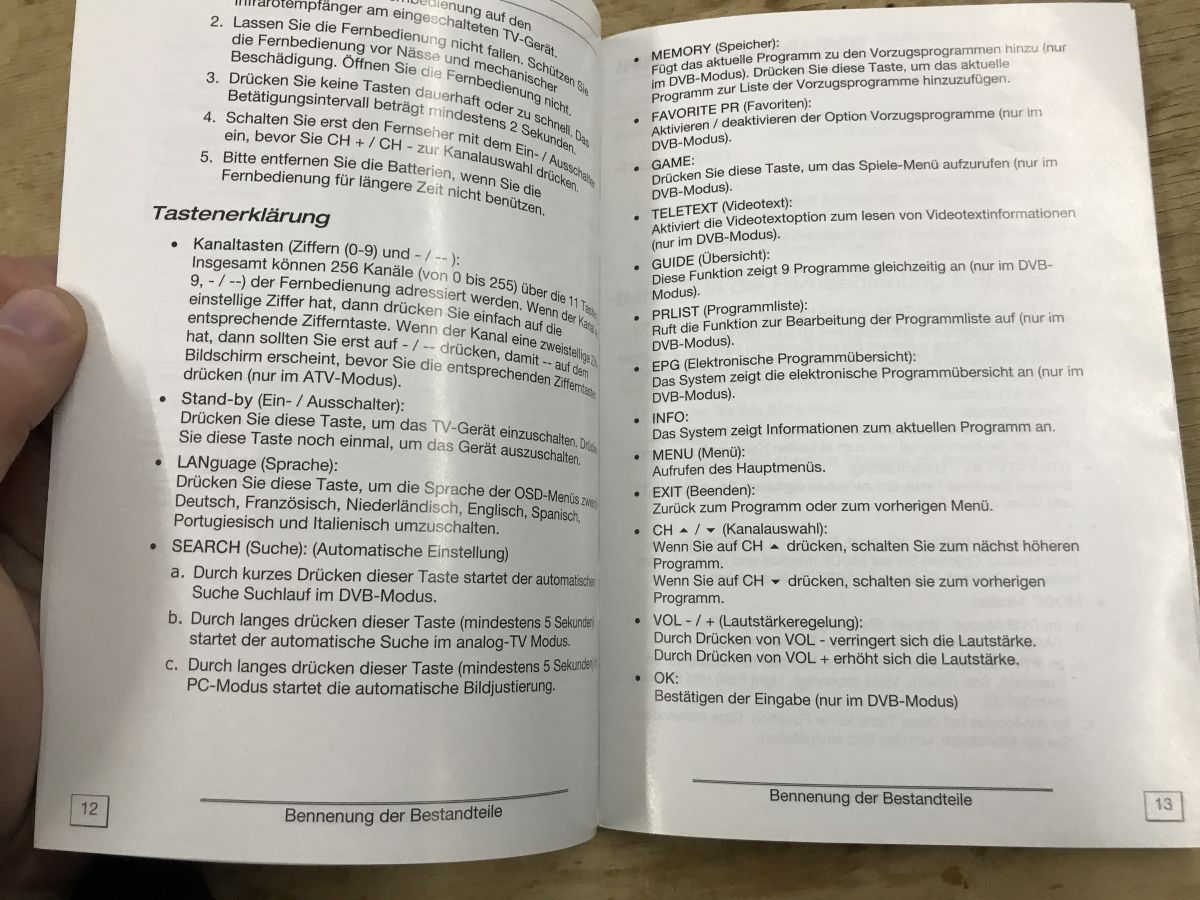
    Comparison of small displays 7" 8" for monitoring and more, measurements Comparison of small displays 7" 8" for monitoring and more, measurements Comparison of small displays 7" 8" for monitoring and more, measurements Comparison of small displays 7" 8" for monitoring and more, measurements Comparison of small displays 7" 8" for monitoring and more, measurements

    Roughly speaking, the market value of such used equipment is £50-100.

    LCD EM713
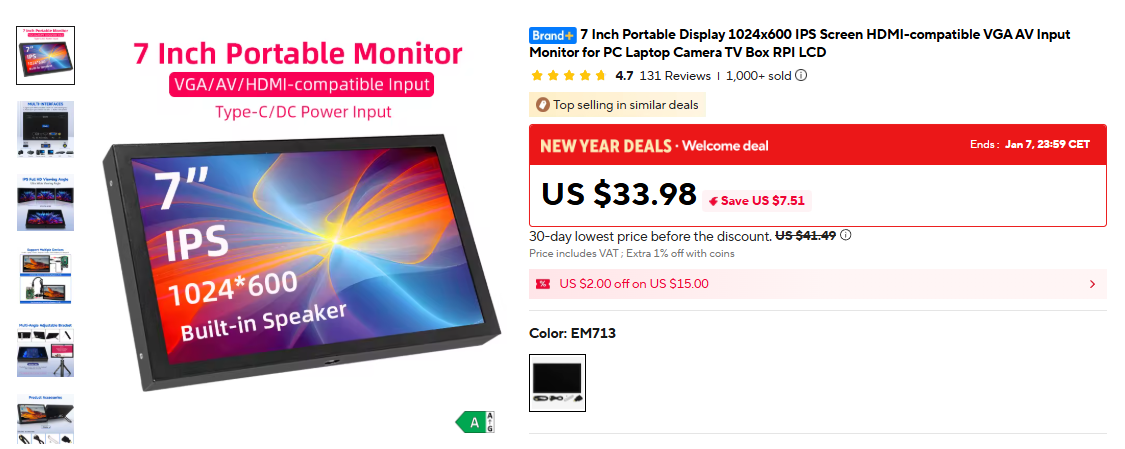
    Now a newer equivalent - LCD EM713 , also branded as Surix SX-LCD-7CAL. Price around from $33 from China, for Polish it's £120.
    7 IPS portable monitor with 1024x600 resolution, VGA, AV, HDMI inputs, and speaker
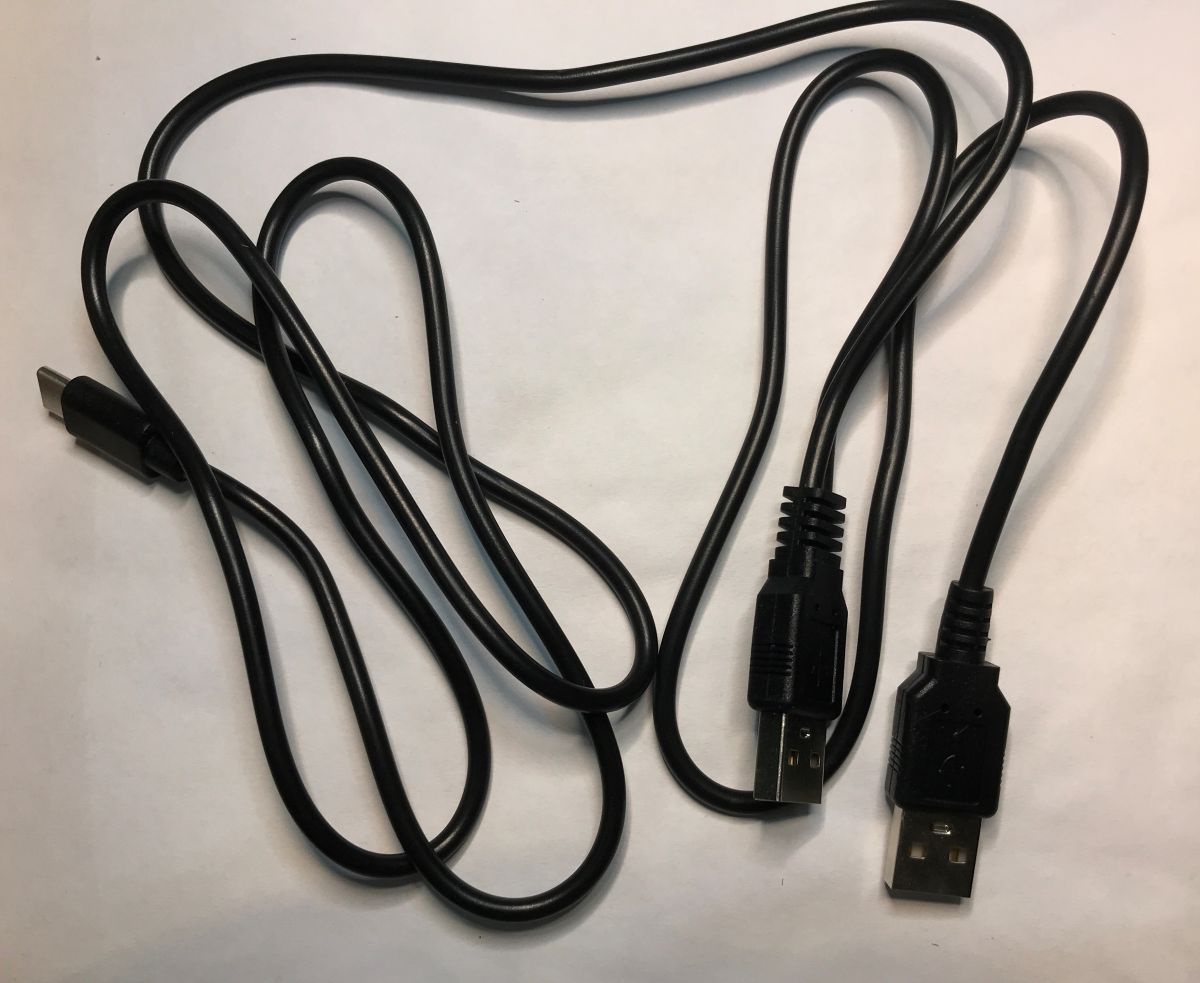
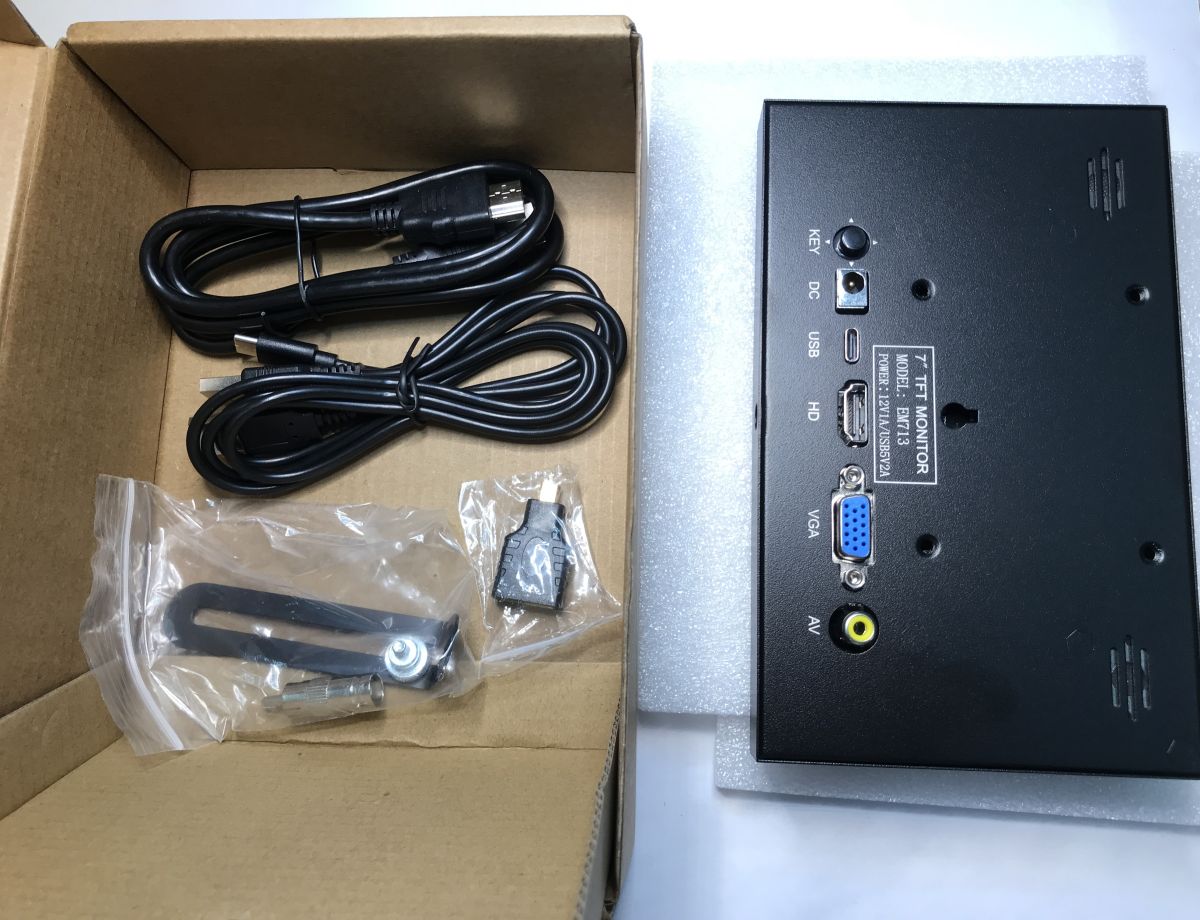
    We start with the contents of the kit, as the box was unlabelled. This is also where we get the wires to start.
    Comparison of small displays 7" 8" for monitoring and more, measurements Comparison of small displays 7" 8" for monitoring and more, measurements
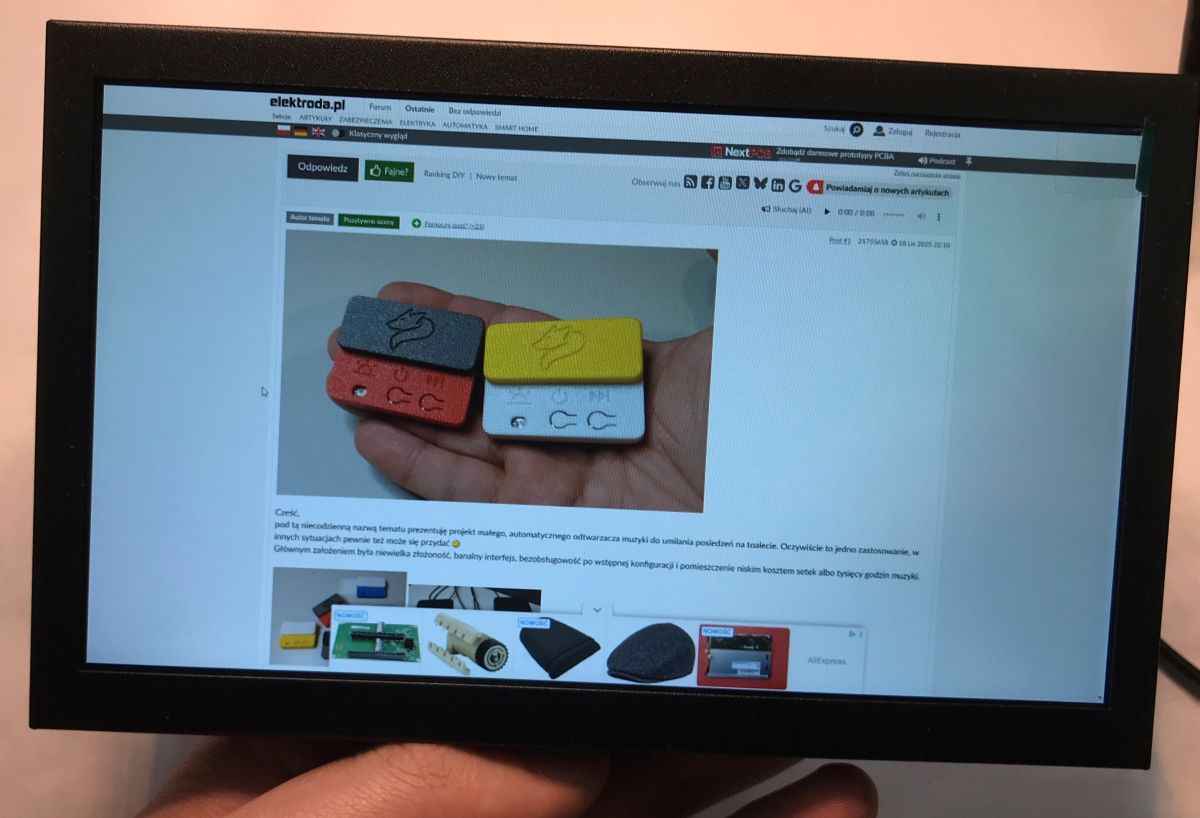
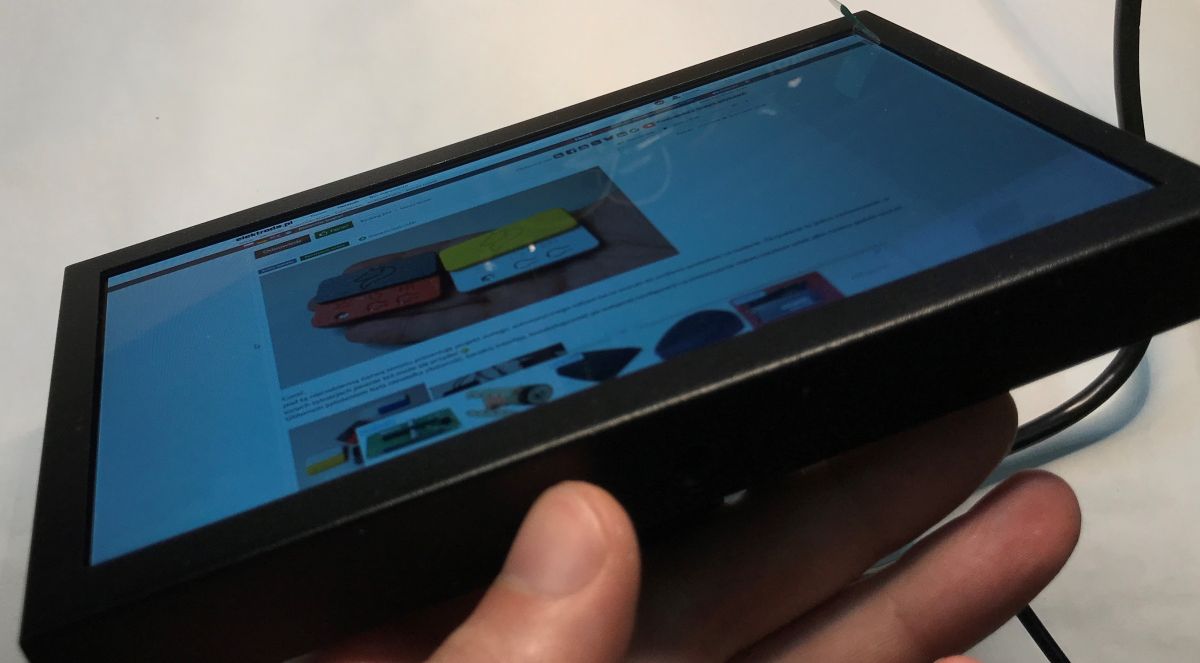
    Image is quite legible, no problem looking at an angle:
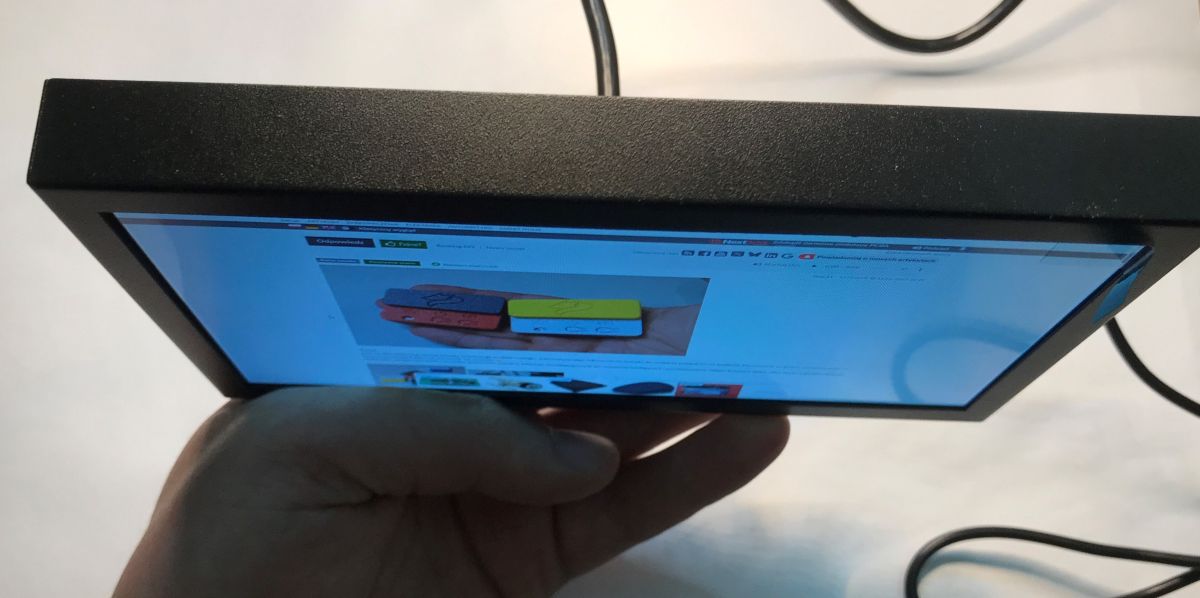
    Comparison of small displays 7" 8" for monitoring and more, measurements EM713 monitor displays elektroda.pl webpage with image of 3 small electronic devices 7 LCD EM713 monitor displaying a website at an angled side view
    The monitor accepts a 1920x1080 signal which then goes to a 1024x600 matrix:
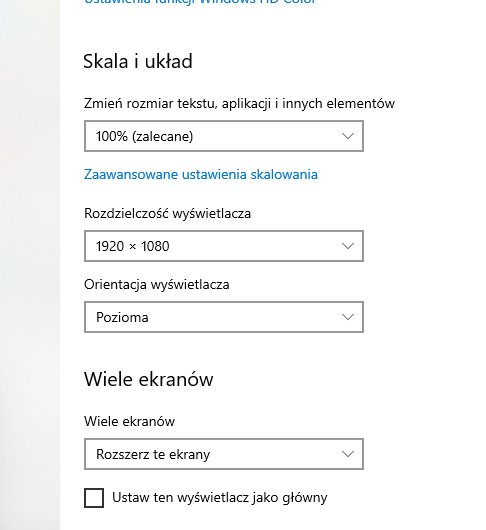
    Windows display settings with 1920×1080 resolution and 100% scaling selected
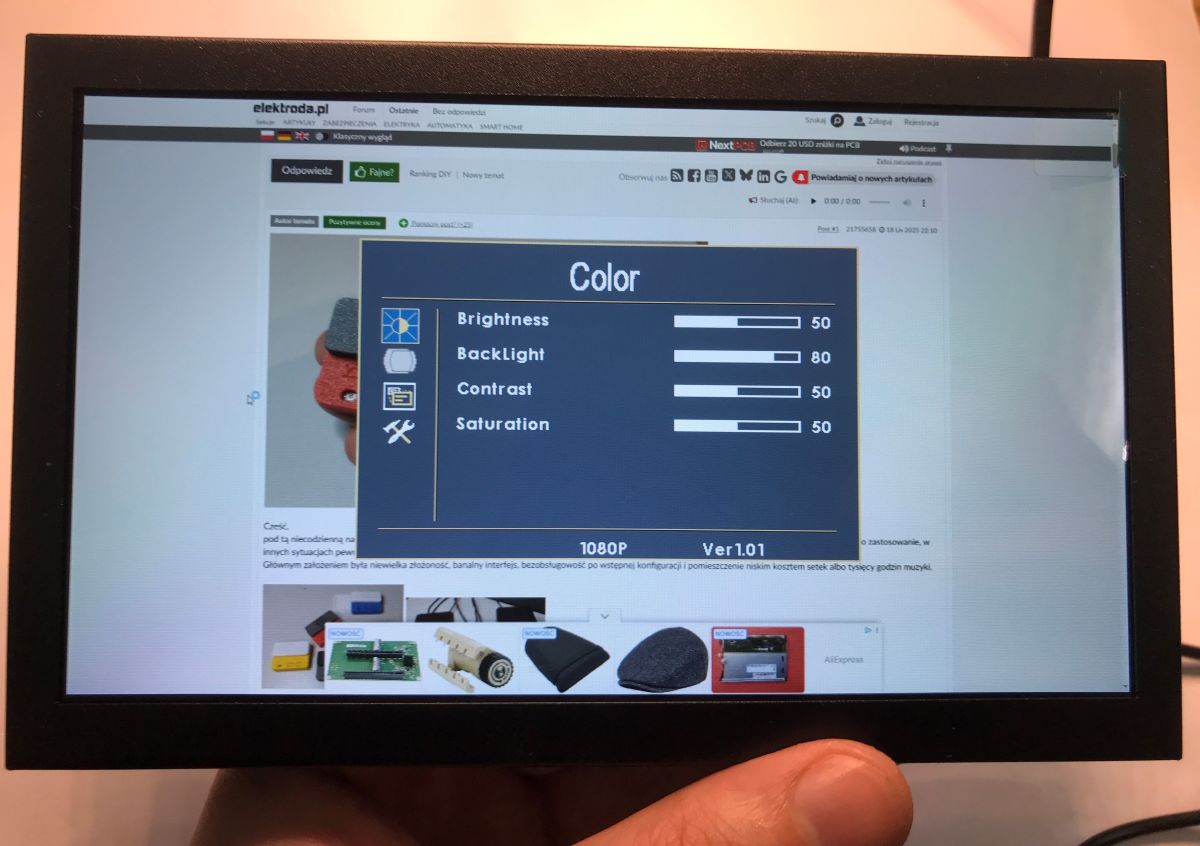
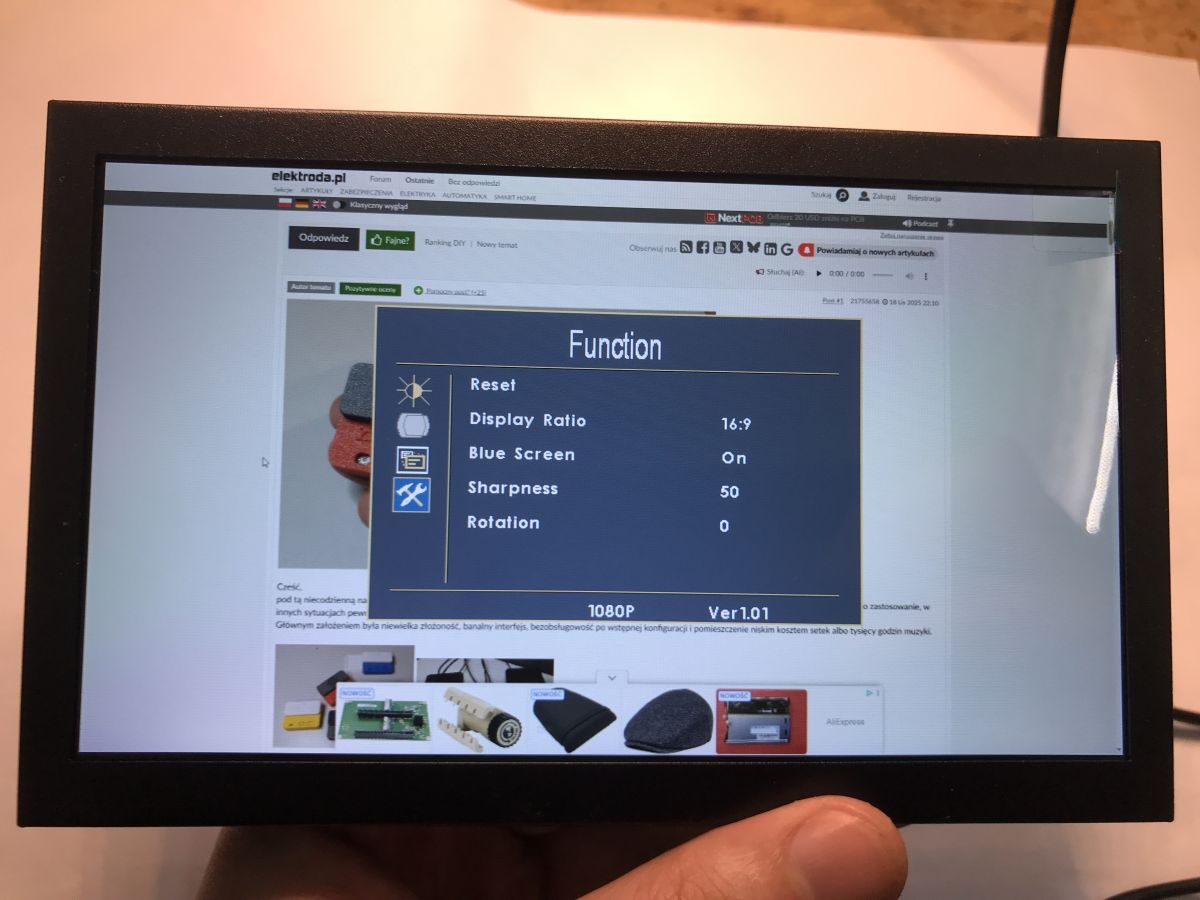
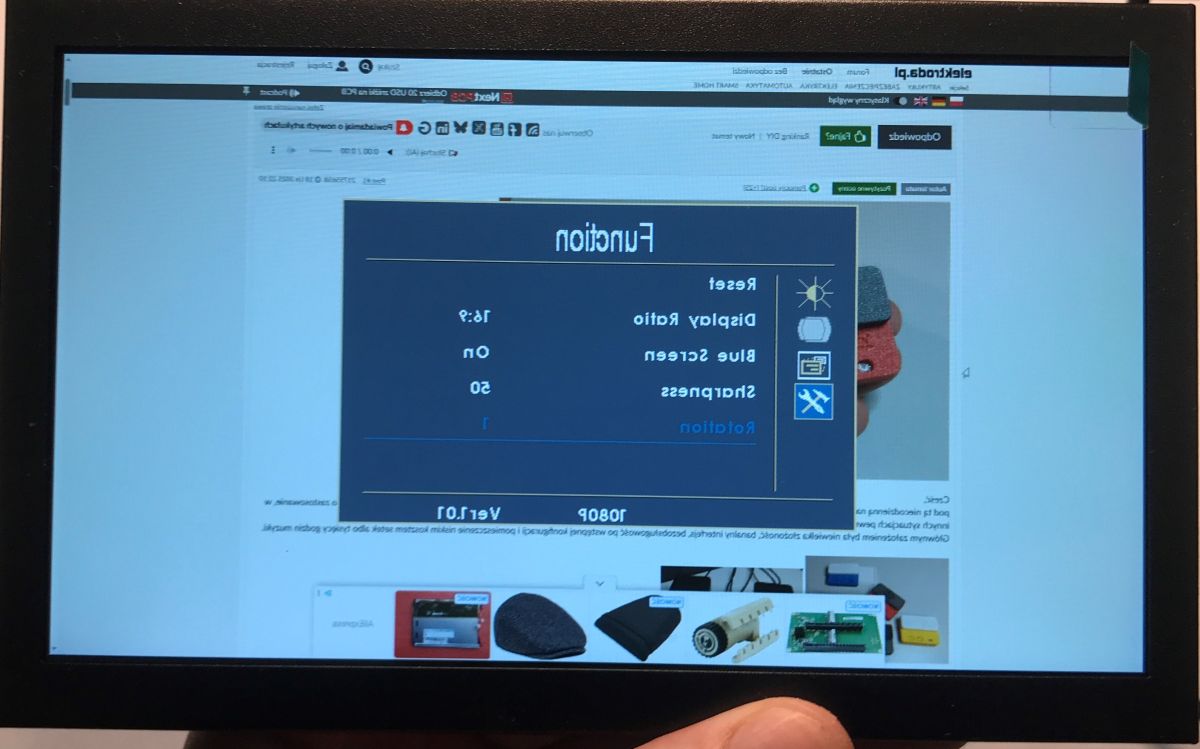
    The menu is already reminiscent of the style of newer designs, we have here the basic picture settings, but the Polish language is not to be found anyway:
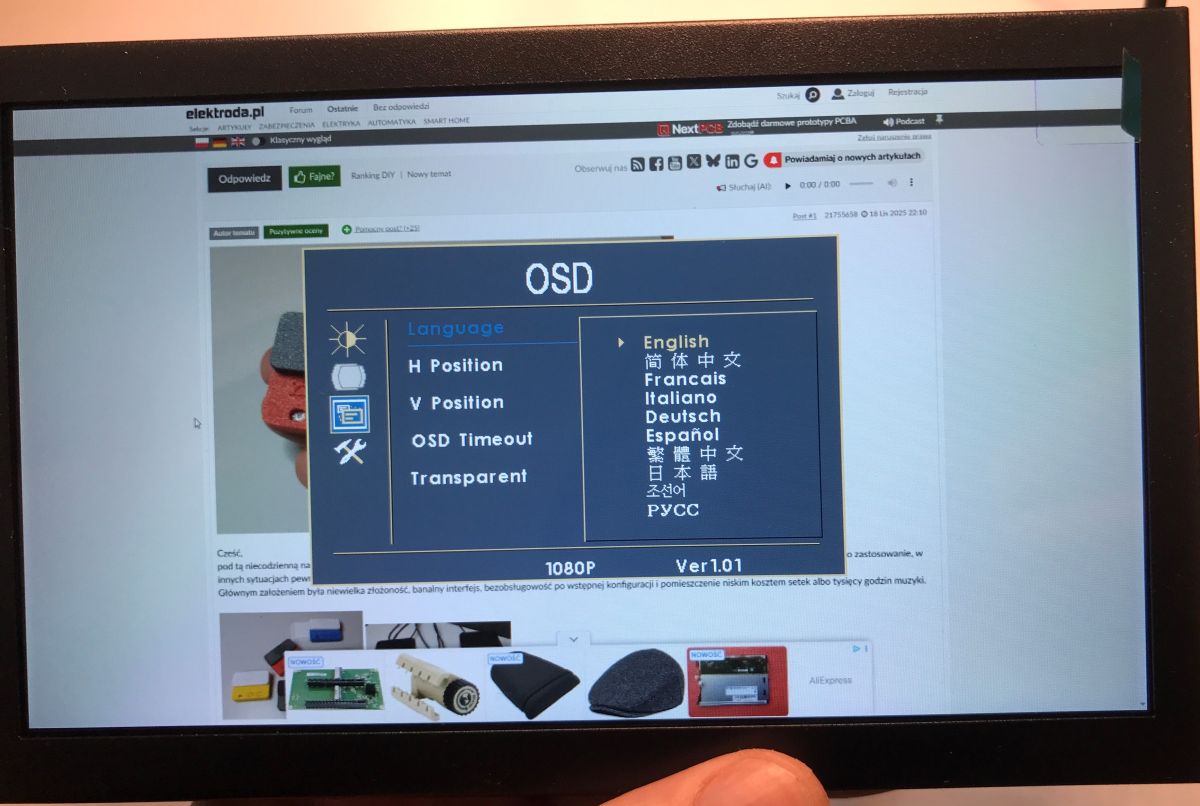
    OSD menu on EM713 7 monitor showing language list and image position settings LCD screen showing image settings menu, held by hand in front of a website LCD EM713 display settings menu with image ratio and sharpness options visible On-screen menu of EM713 display shown upside-down On-screen menu of EM713 display shown upside-down
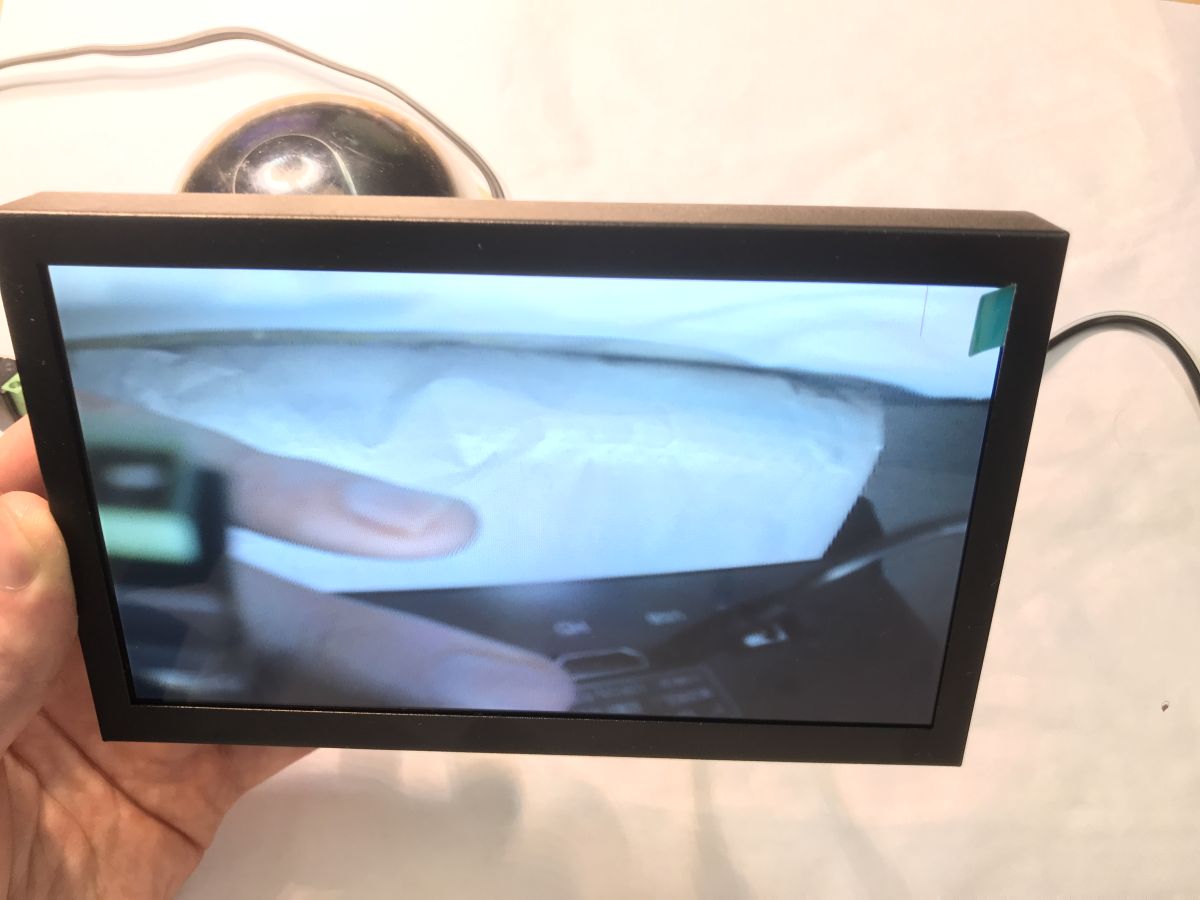
    The monitor does not introduce noticeable delays:


    We received an RCA to BNC adapter in the kit, so there is no problem connecting the camera:
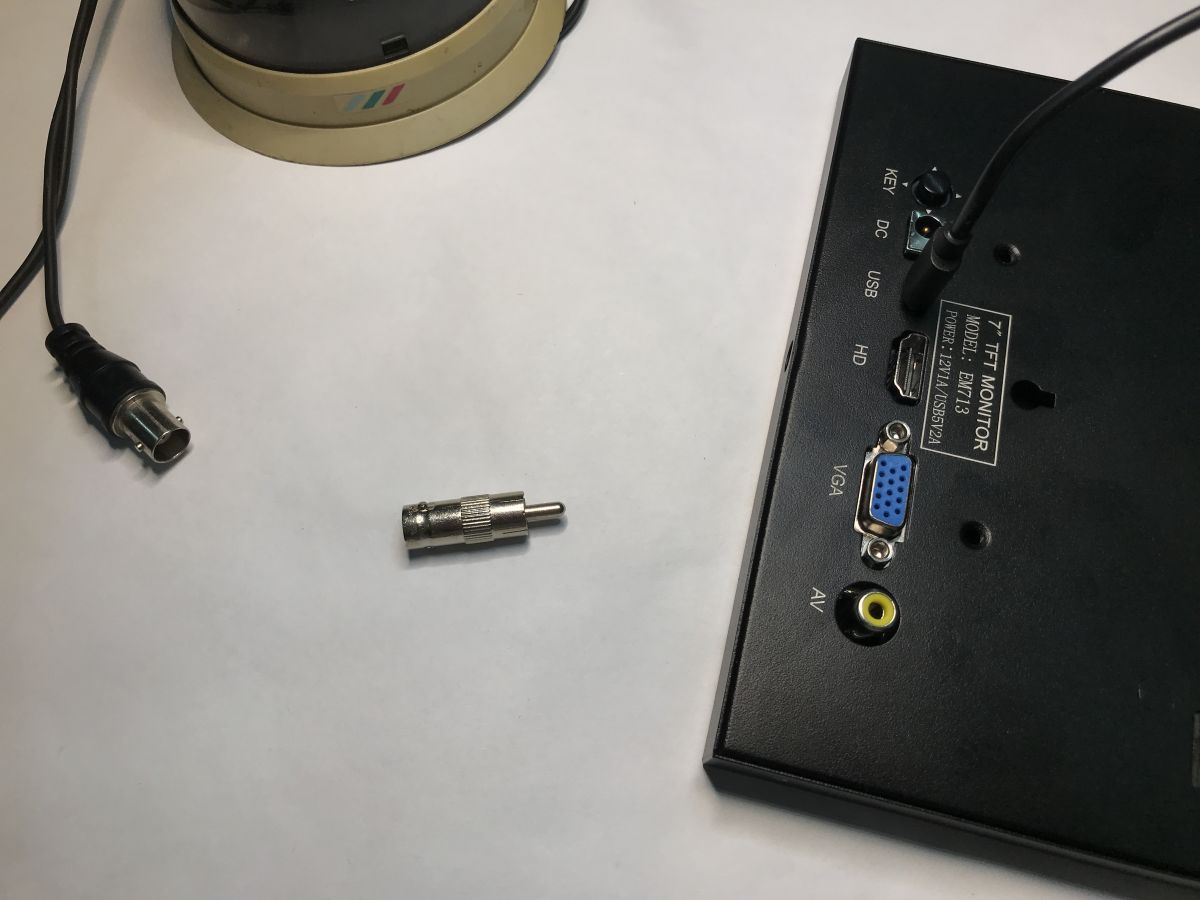
    Close-up of BNC, RCA adapter and HDMI, VGA, AV ports on EM713 monitor LCD screen showing camera feed, held in left hand, dome camera visible in background

    Now the current measurements. The backlight setting changes the current a lot, brightness not at all. First backlight 10% (you can go down to 0%, but that's pointless - you can't see anything then and there might be a problem with the backlight):
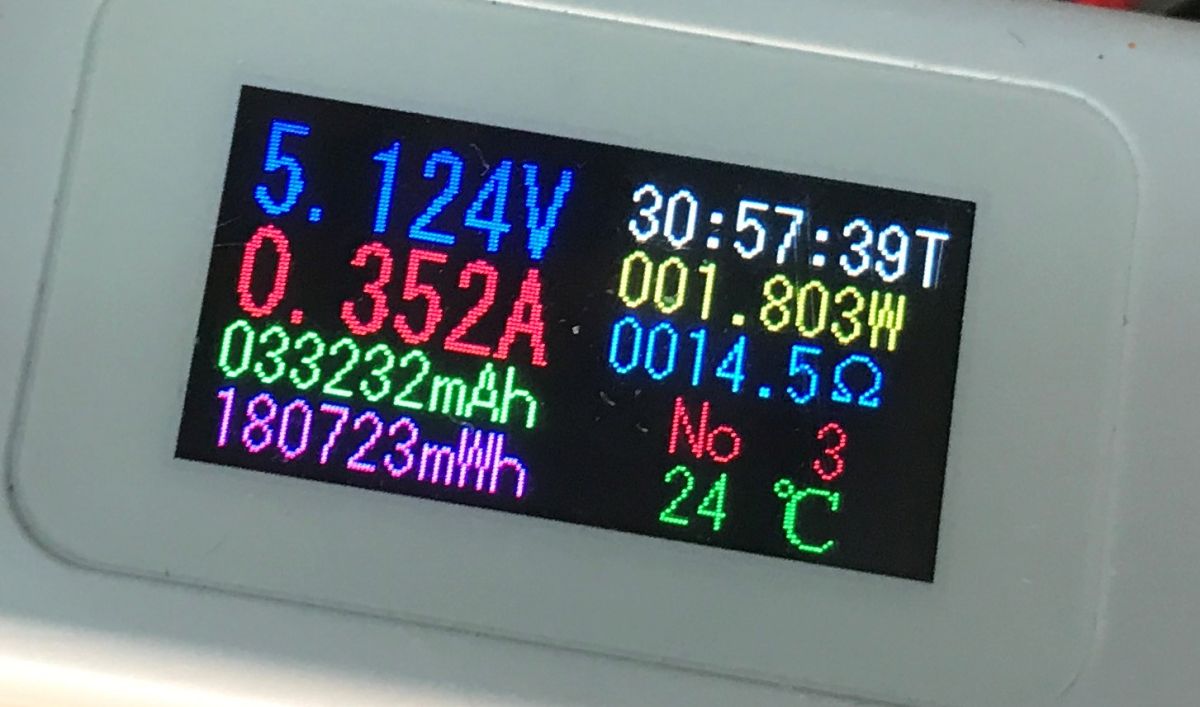
    USB meter screen shows 5.124 V voltage and 0.352 A current draw
    5.1 V * 0.35 A = 1.8 W
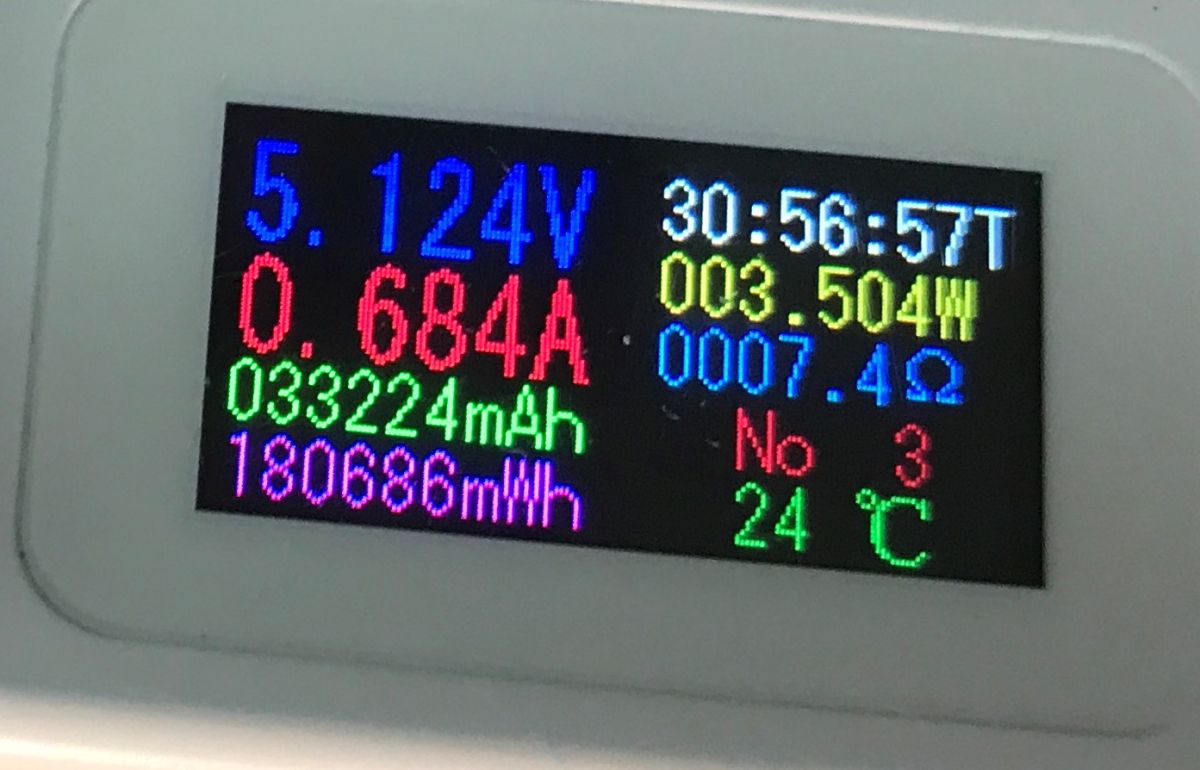
    80%:
    Meter display showing 5.124 V voltage and 0.684 A current from a USB power meter
    5.1 V * 0.68 A = 3.5 W
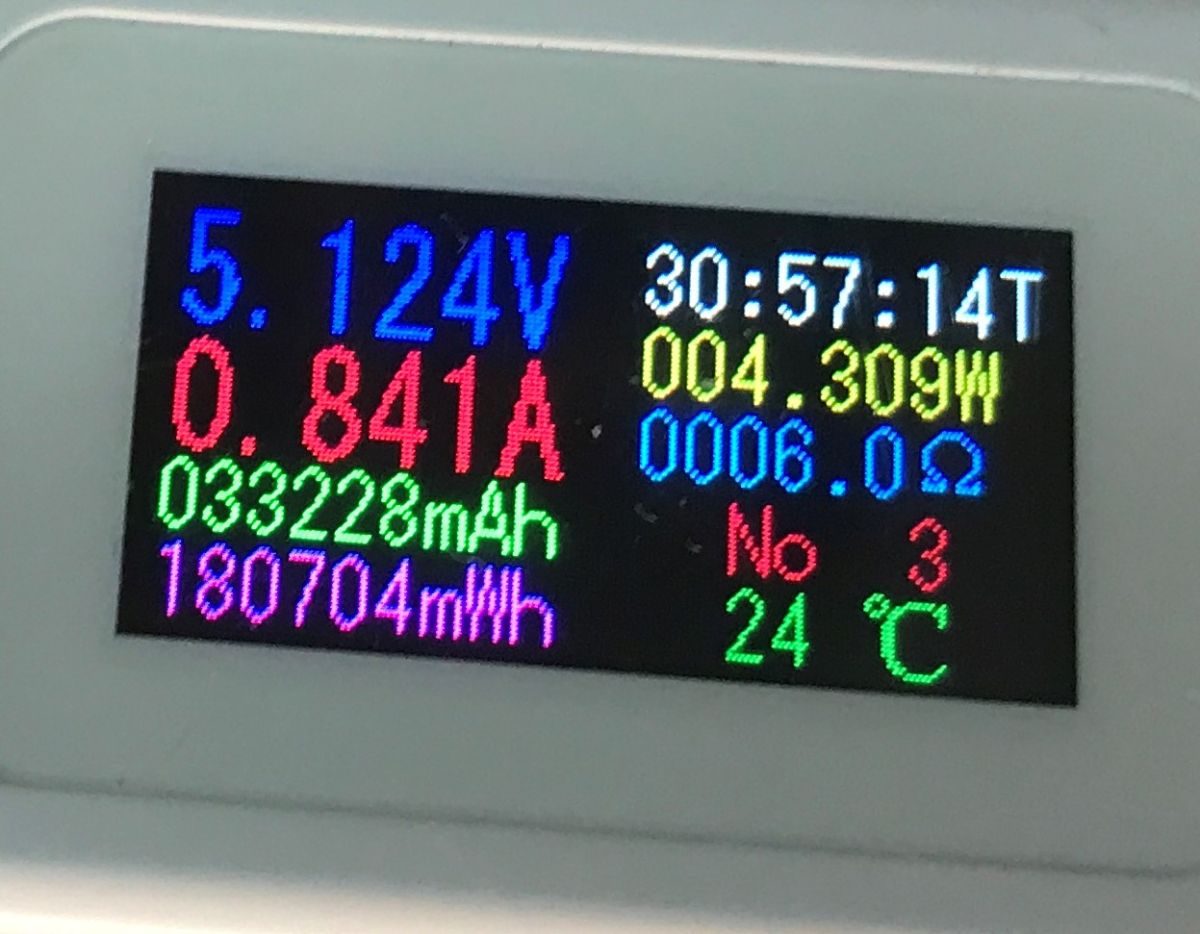
    Meter display showing 5.124 V, 0.841 A current, and 4.309 W power usage
    5.12 V * 0.84 A = 4.3 W
    In summary, such a monitor costs us between 1.8 W (with a lower backlight it is unlikely to be usable) and 4.5 W.

    It remains to look inside:
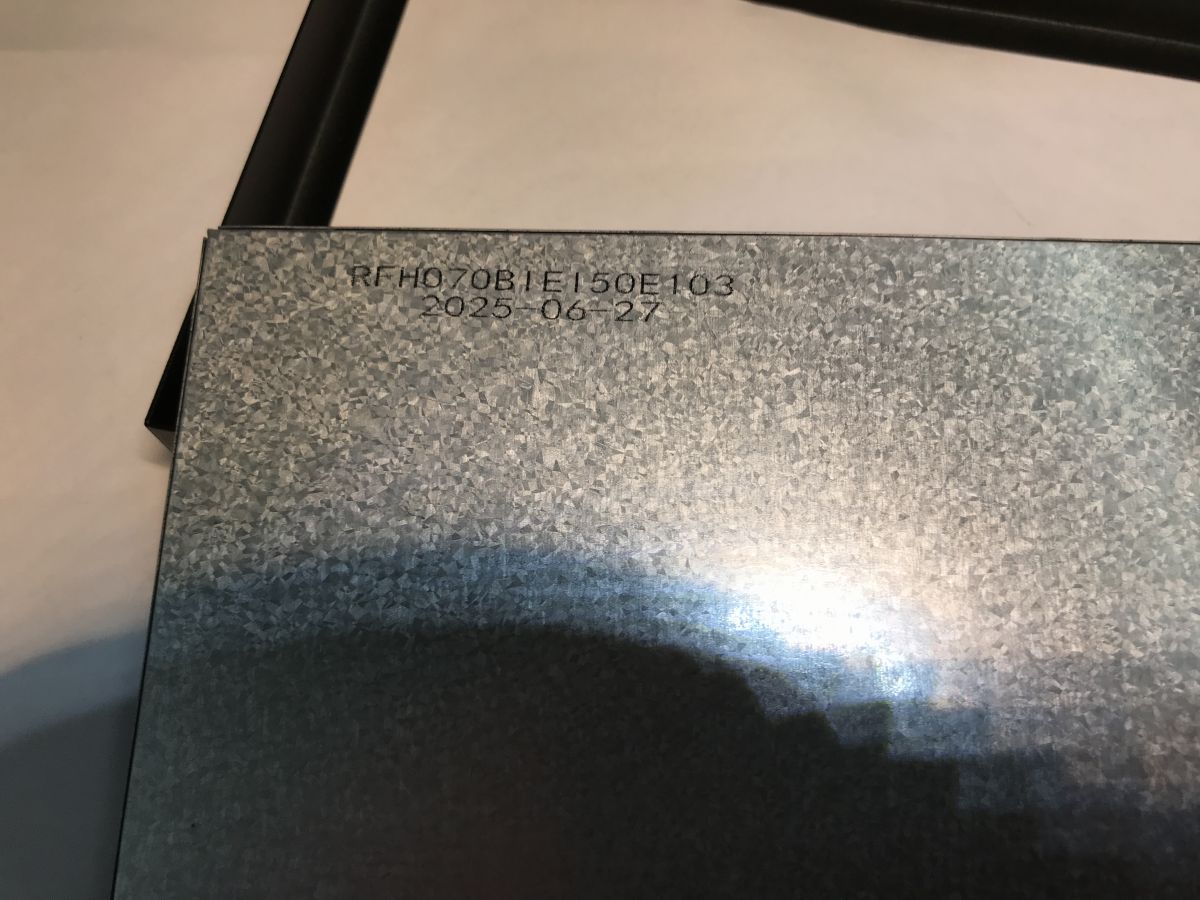
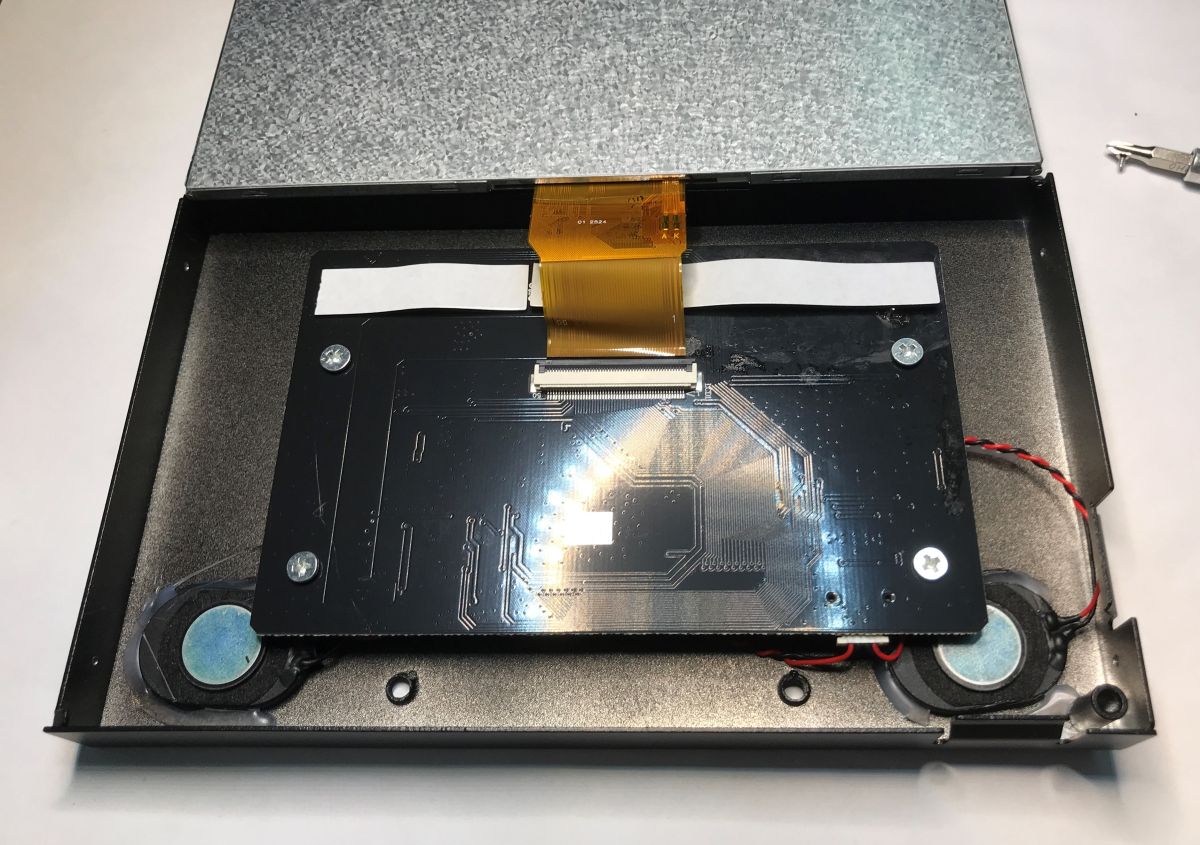
    Close-up of a metal panel with 2025-06-27 date and code RFH070B1E150E103 printed Inside of LCD monitor case showing main PCB and connected ribbon cable
    Date on the matrix - 2025-06-27, fresh.
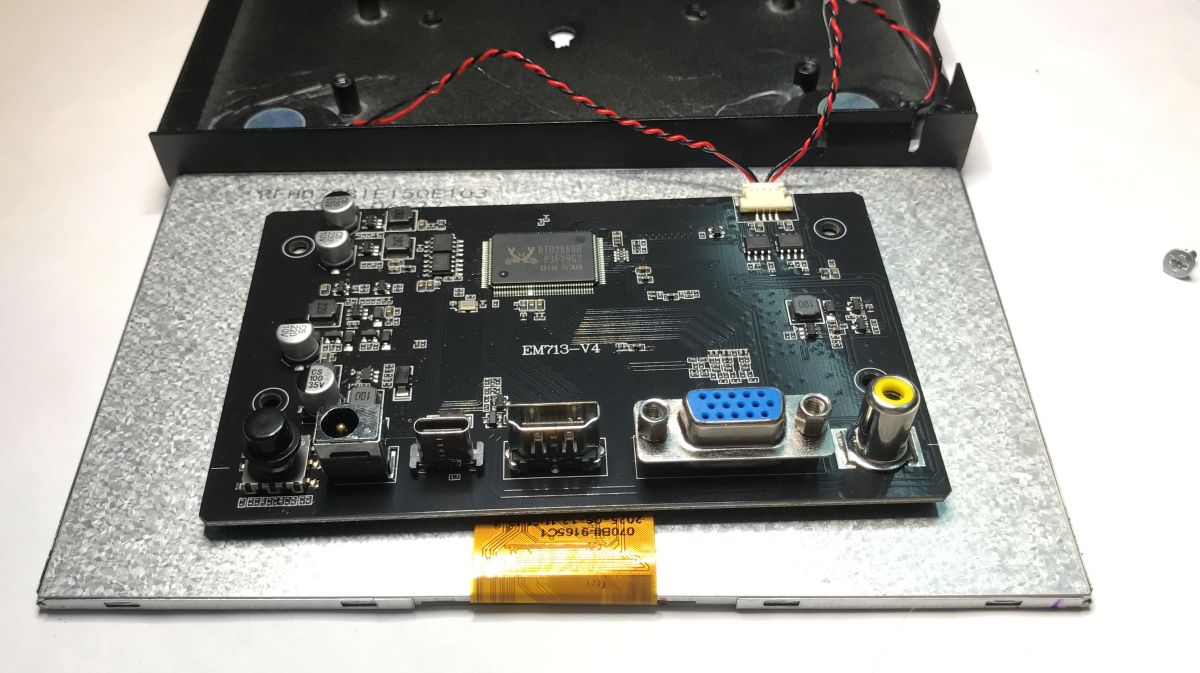
    EM713 LCD monitor mainboard with visible VGA, HDMI, and USB ports
    Everything is on a single PCB. The heart of the chip is RTD2660H , a well-known chip, also found in universal LVDS controllers.
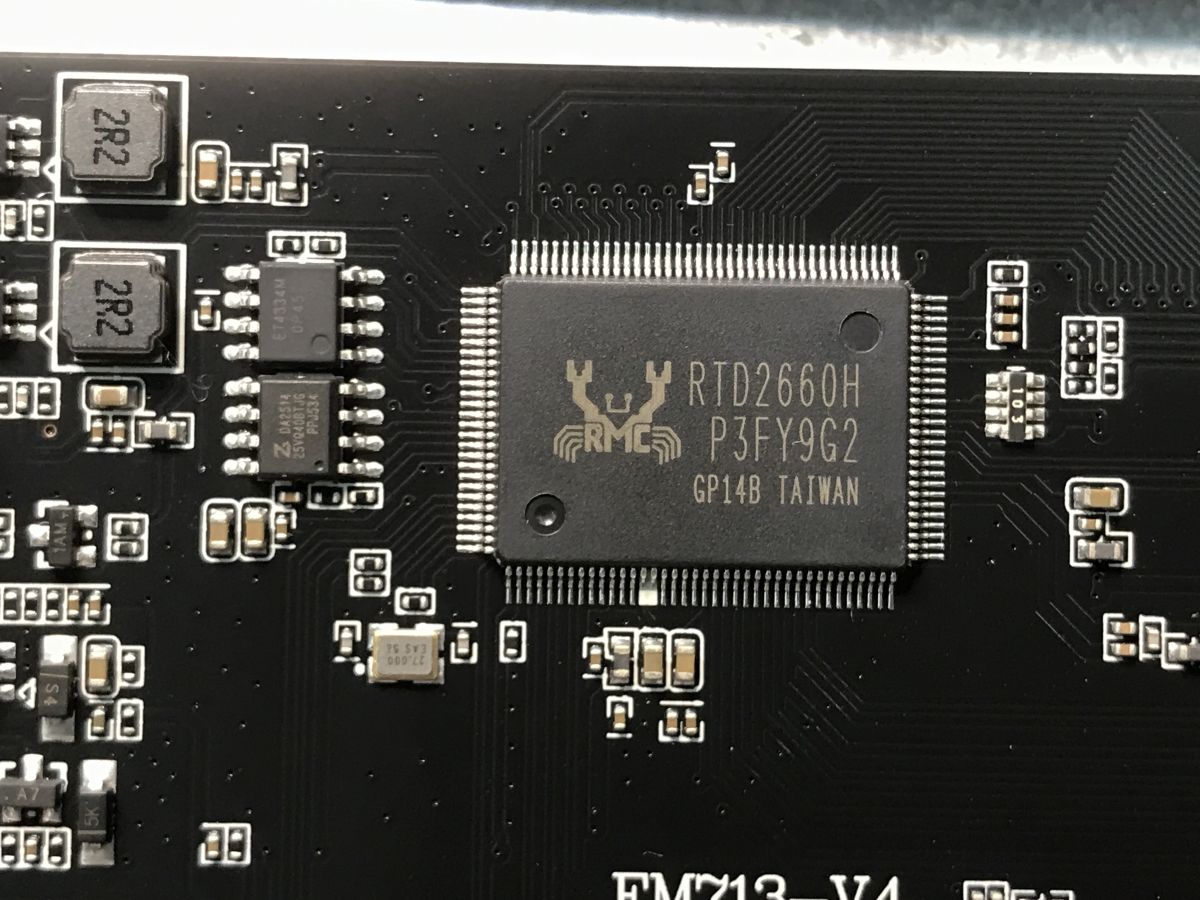
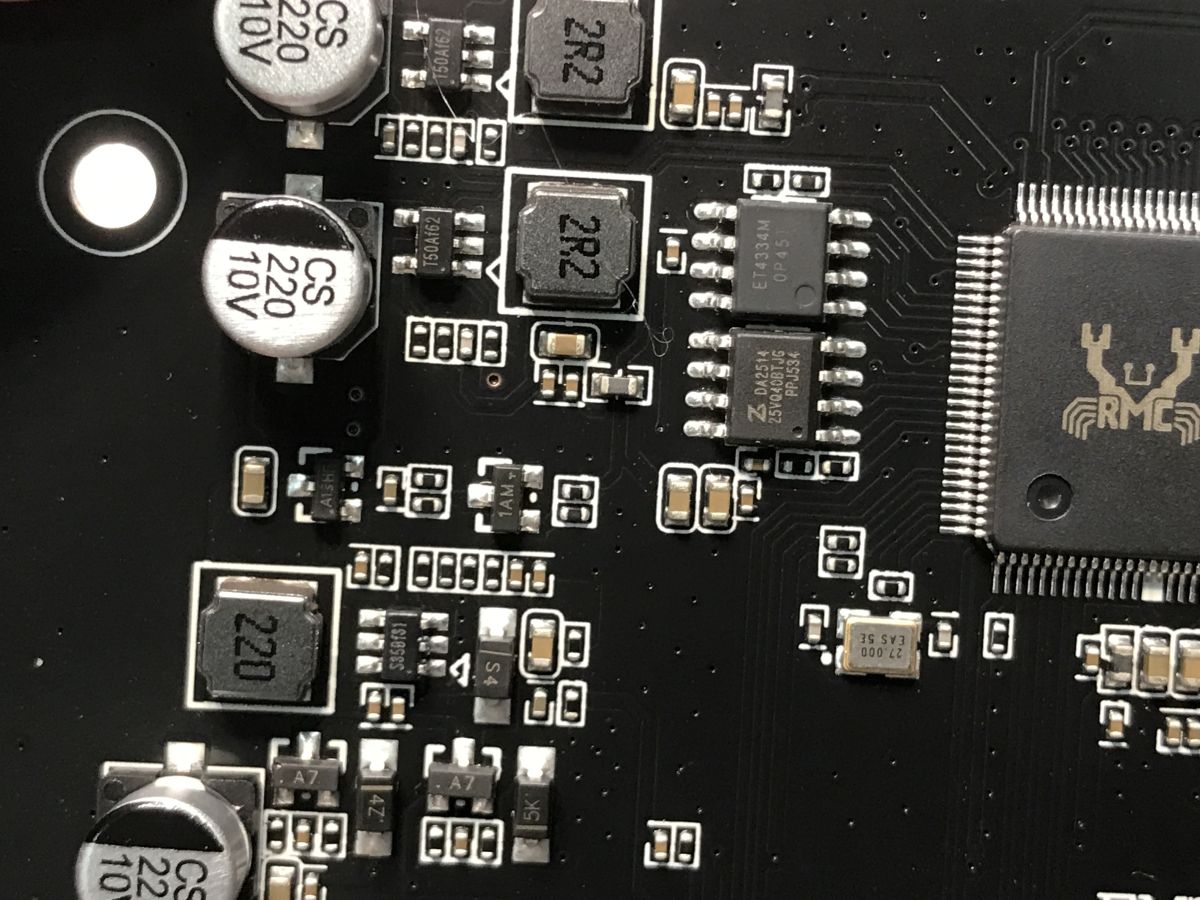
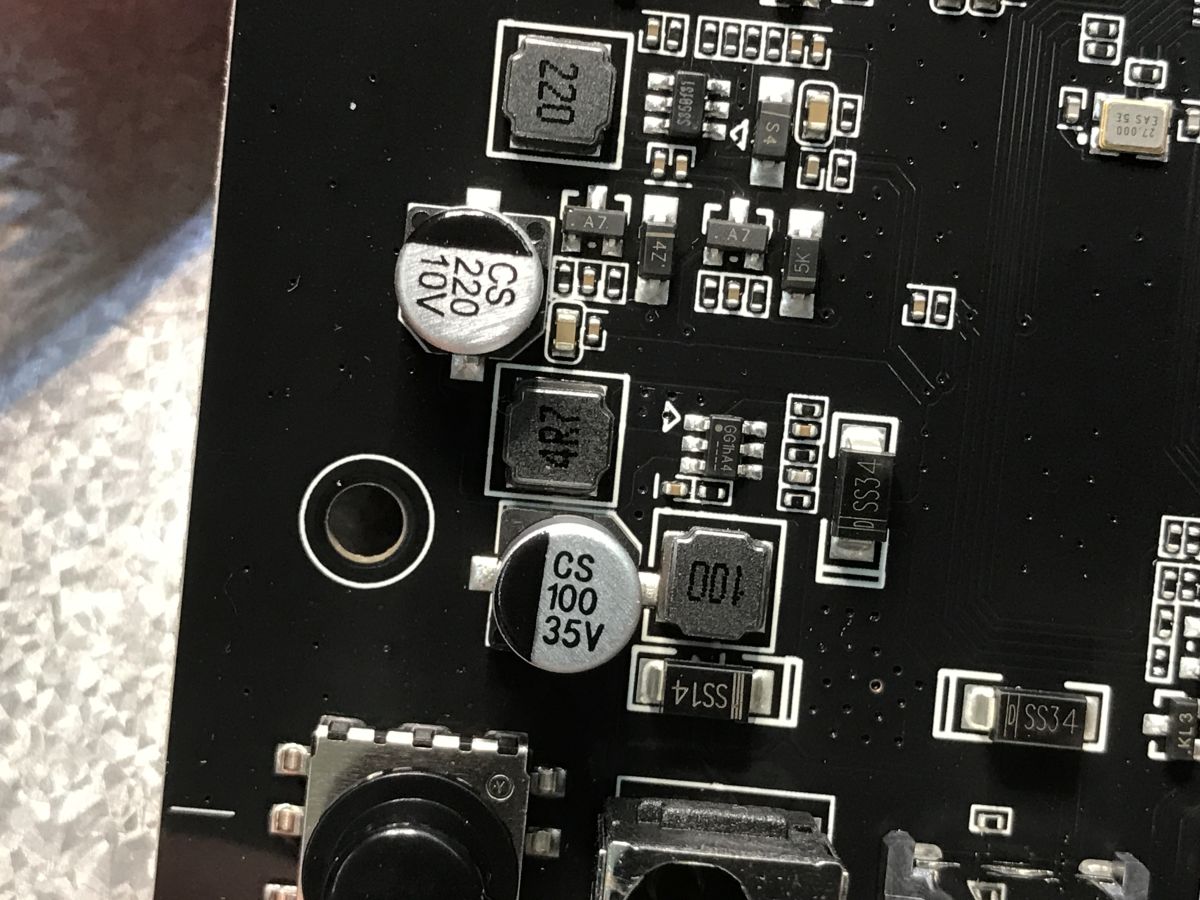
    Close-up of RTD2660H chip on black PCB inside EM713 monitor Close-up of PCB showing ET4334M DAC, 25VQ40BT Flash, RTD2660H chip, and 220µF 10V capacitors Close-up of electronic components on a black PCB with CS-labeled capacitors.
    Right next to it we see the 25VQ40BT, a Flash memory, and the ET4334M, a 24-bit DAC converter. This appears to be for audio. There are even smaller chips - two T50Af62s, anyone decipher? It seems to me that these could be separate right and left channel audio paths.
    Close-up of two HAA2018 A5N06 chips on a black PCB with nearby components
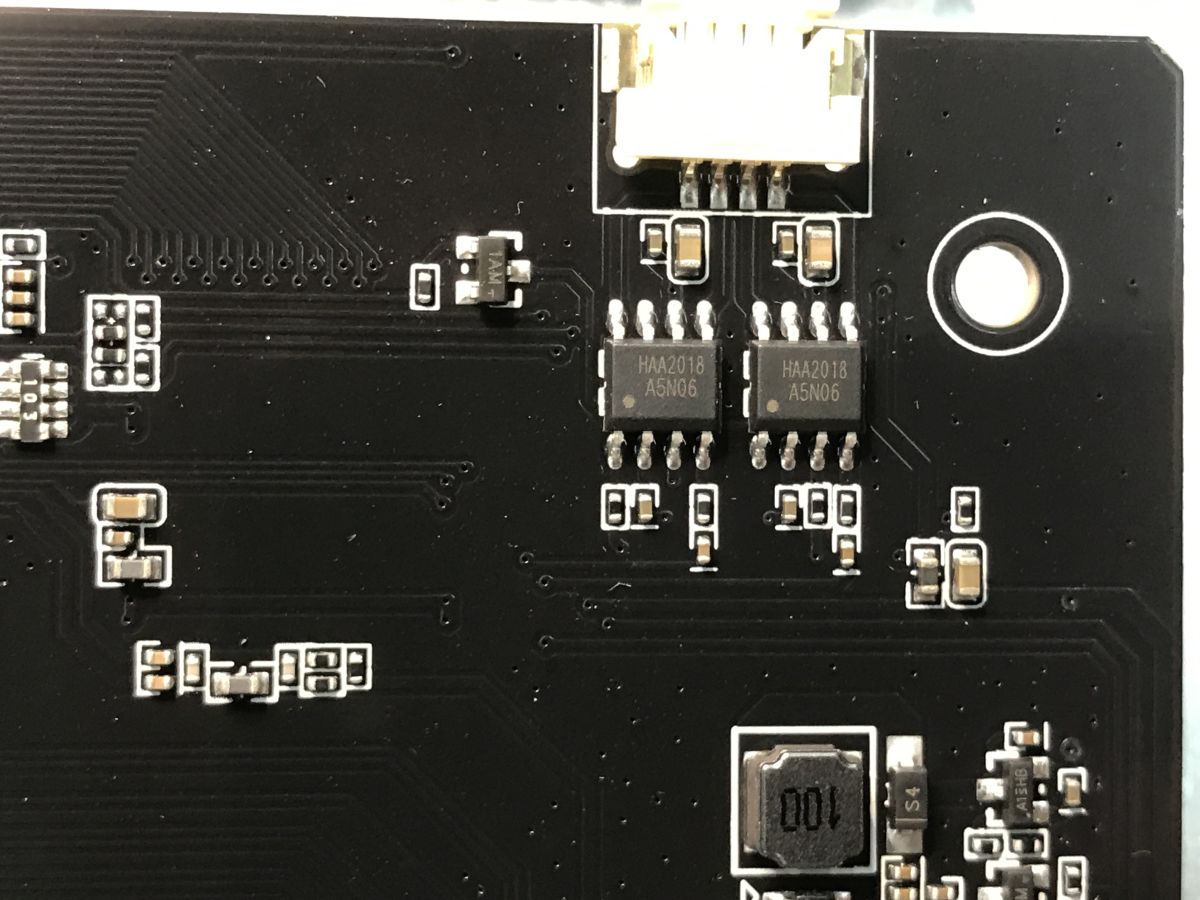
    The two HAA2018s at the connector from the speakers need no explanation - they are audio amplifiers.

    Summary
    This was a brief comparison of the two displays. I realise that they are not de facto the same thing, but I was tempted to put them together in this topic anyway. I was simply replacing the unit at someone's house and had the opportunity, both of them to play with each other for a day.
    The results speak for themselves - in terms of power, it makes no sense at all to keep the older unit. This is due, among other things, to the replacement of the older fluorescent backlight type with a more efficient LED backlight. 13.5 W versus 4.3 W is a threefold difference, although it is still worth considering how much and for what we use the screen - because if we turn it on occasionally, I doubt it will pay off.
    Although it's fair to point out here - the newer one was a 7-inch unit, and the older one was an 'eight'. Well, but that alone won't explain the big difference, of course.
    Another thing is that the older one doesn't have HDMI or VGA at all, but that's rather obvious at first glance. In many applications, this makes it useless.
    I guess that's it - and do you guys use these types of smaller monitors, and if so, for what? Raspberry? A camera? Something else?

    Cool? Ranking DIY
    Helpful post? Buy me a coffee.
    About Author
    p.kaczmarek2
    Moderator Smart Home
    Offline 
    p.kaczmarek2 wrote 13697 posts with rating 11511, helped 623 times. Been with us since 2014 year.
  • ADVERTISEMENT
  • #2 21799451
    gulson
    System Administrator
    It has always puzzled me in security what they see in those small sometimes black and white CRT TVs to which external cameras are connected ;)
    Well, things have improved a bit and for 150£ you can already have reasonably good quality.
    And yes you have to dump to disk if you need to reproduce the situation.
  • #3 21799473
    DJ_KLIMA
    Level 25  
    Definitely better the newer generation, I am always replacing such monitors that are already worn out, as they usually have a pink backlight, barely any light at all, or only one side, poor resolution, and we can choose between power consumption of 5 W or 25-40 W. In the end, the more economical one always wins in the annual calculation, and the manufacturer is the second, or even third, order of magnitude.
📢 Listen (AI):
ADVERTISEMENT