
Good morning,
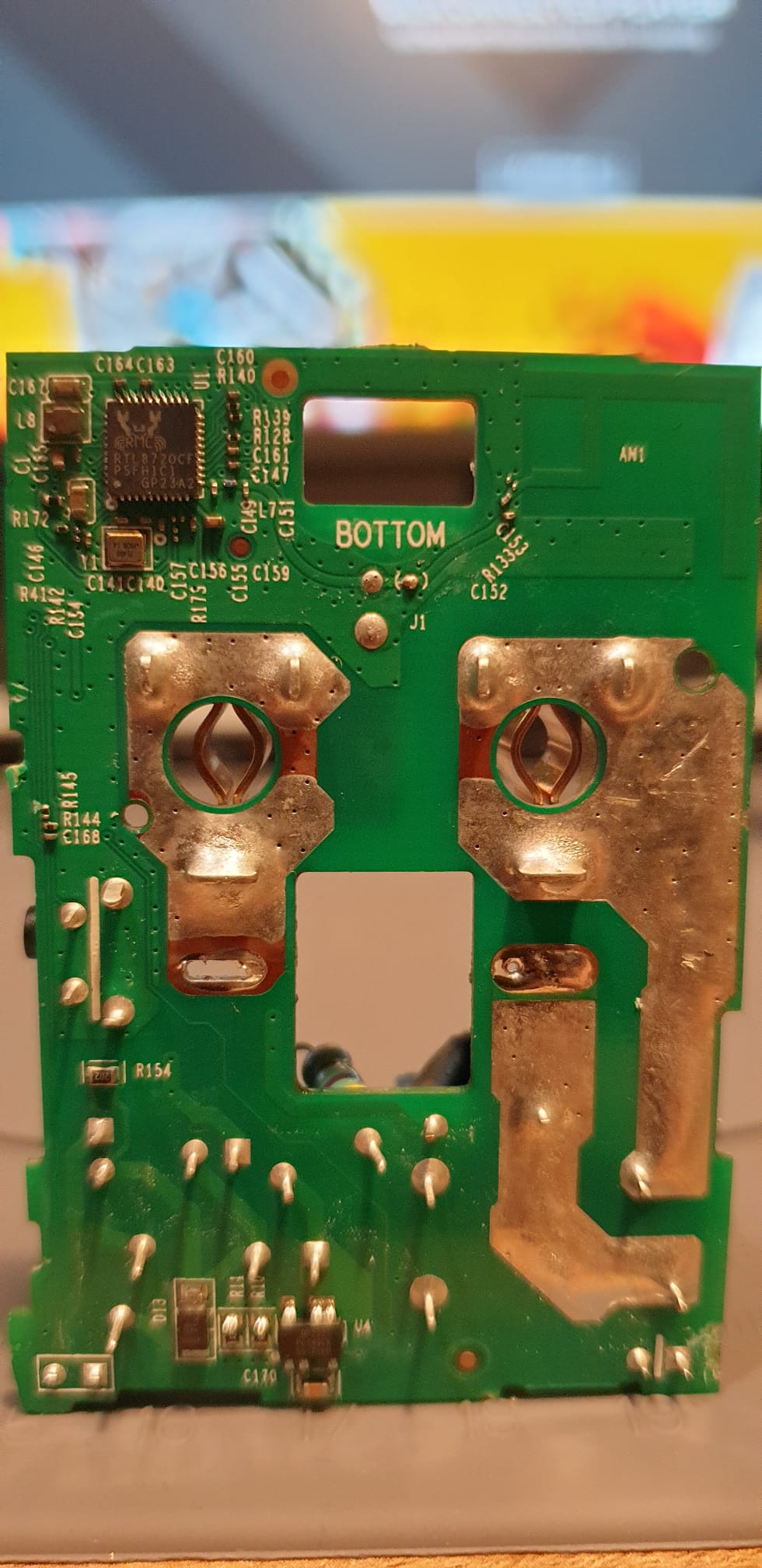
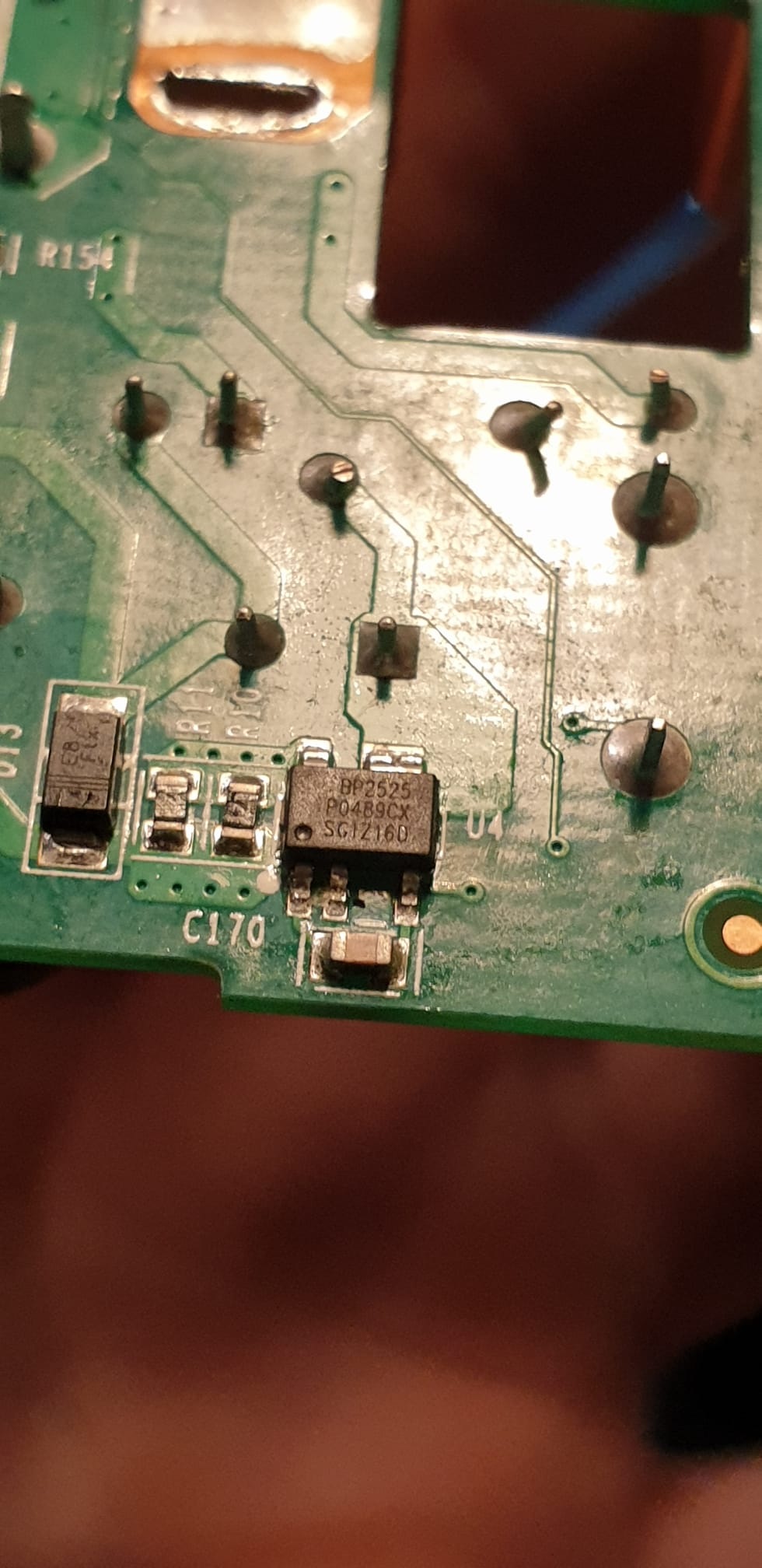
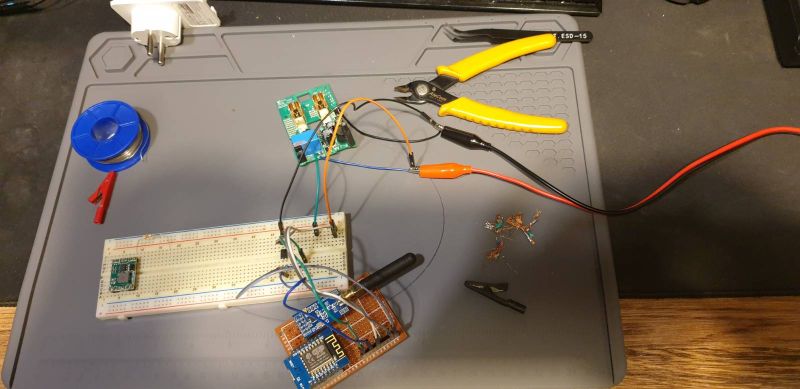
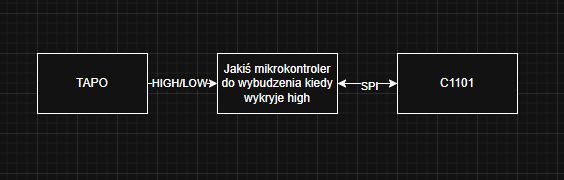
I am carrying out a project to detect the relay status of a Tapo P100 and send information via an ESP8266 (Wemos D1 mini) with a CC1101 module.
Connection description
TAPO side:
- 5 V - wires: orange / blue / red from the power supply
- GND - three black wires (including power supply) 2 Cathode
- Green - relay control signal (0-5 V)
- The 0-5 V signal is applied to the optoisolator PC817 <-> 470 Ω <-> 1 Anode
ESP8266 side (Wemos D1 mini - CC1101):
- GND - common ground with power supply and common ground with PC817 (Grey 1, Grey 2) 2 Cathode / 3 Emitter
- 3.3 V - pull-up for PC817 output (Green) <-> 10 kΩ <-> 4 Collector
- 5 V - power supply for Wemos D1 mini (White)
- PC817 output connected to GPIO of ESP8266 (Blue) 4 Collector <-> GPIO
- CC1101 connected via SPI
Problem
If all the grounds are connected and I switch on the 5 V power supply:
- ESP8266 does not respond to the signal,
- the LED on the Wemos is clearly dimmed,
- the circuit gives the impression of a short circuit or overload.
On the other hand, if I disconnect the GND wire between the ESP8266 and the PC817 (Emitter 3) before turning on the power, then turn on the power and only then reconnect the ground to Emitter 3, the circuit works fine.
What could be causing this circuit effect?
I can provide a detailed schematic with component values if required.

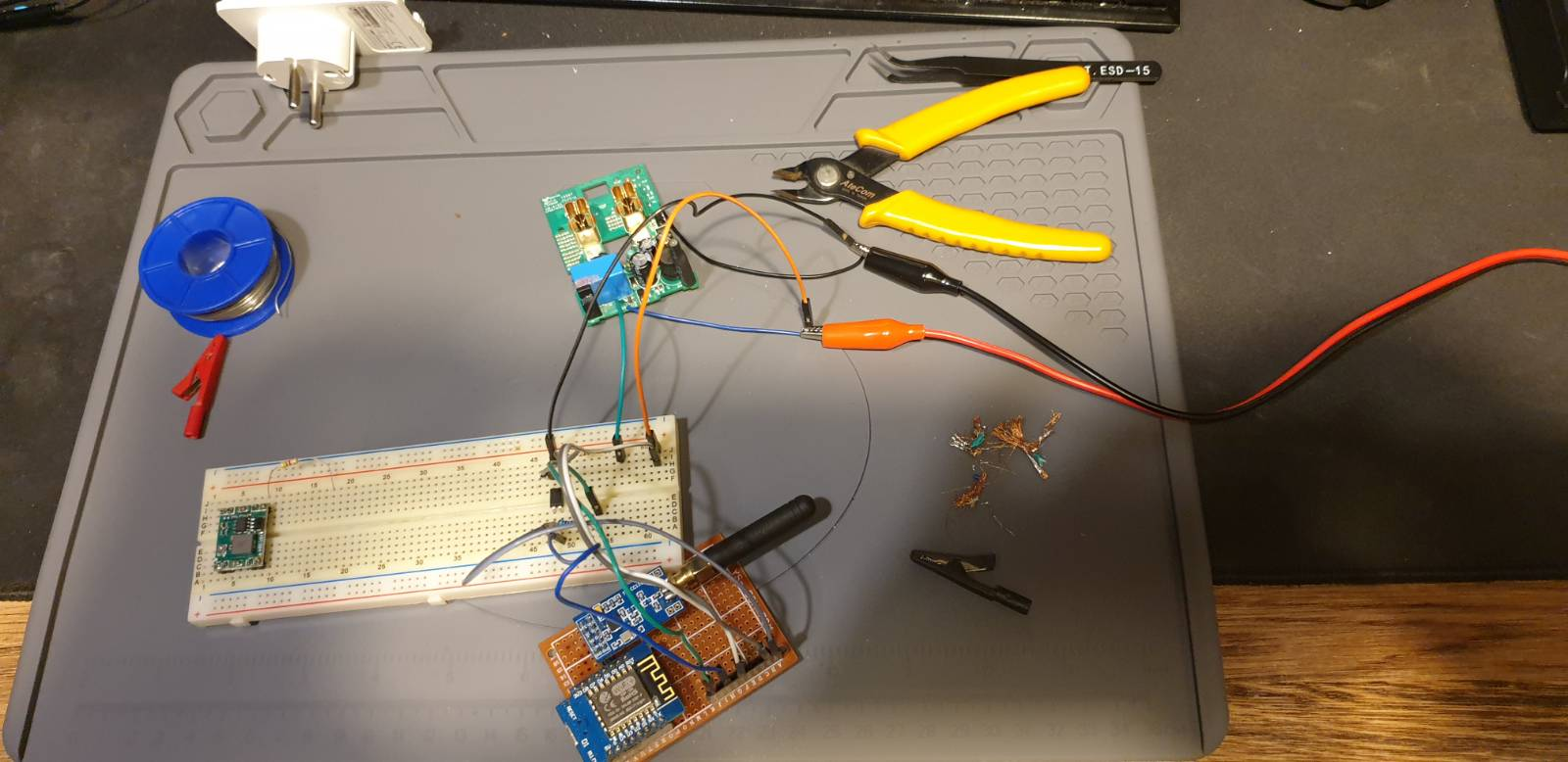
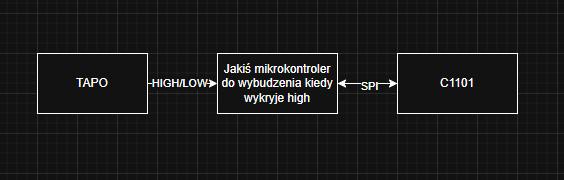
I am carrying out a project to detect the relay status of a Tapo P100 and send information via an ESP8266 (Wemos D1 mini) with a CC1101 module.
Connection description
TAPO side:
- 5 V - wires: orange / blue / red from the power supply
- GND - three black wires (including power supply) 2 Cathode
- Green - relay control signal (0-5 V)
- The 0-5 V signal is applied to the optoisolator PC817 <-> 470 Ω <-> 1 Anode
ESP8266 side (Wemos D1 mini - CC1101):
- GND - common ground with power supply and common ground with PC817 (Grey 1, Grey 2) 2 Cathode / 3 Emitter
- 3.3 V - pull-up for PC817 output (Green) <-> 10 kΩ <-> 4 Collector
- 5 V - power supply for Wemos D1 mini (White)
- PC817 output connected to GPIO of ESP8266 (Blue) 4 Collector <-> GPIO
- CC1101 connected via SPI
Problem
If all the grounds are connected and I switch on the 5 V power supply:
- ESP8266 does not respond to the signal,
- the LED on the Wemos is clearly dimmed,
- the circuit gives the impression of a short circuit or overload.
On the other hand, if I disconnect the GND wire between the ESP8266 and the PC817 (Emitter 3) before turning on the power, then turn on the power and only then reconnect the ground to Emitter 3, the circuit works fine.
What could be causing this circuit effect?
I can provide a detailed schematic with component values if required.

 After re-soldering and changing pins everything works.