logo elektroda
logo elektroda
X
logo elektroda

[Solved] Identifying Unmarked Chip from 34W Tuya WiFi LED Ceiling Light, Double Layer Type

MnM1 1083 7
ADVERTISEMENT
  • ADVERTISEMENT
  • #2 20722857
    ferbulous
    Level 18  
    Posts: 419
    Help: 8
    Rate: 56
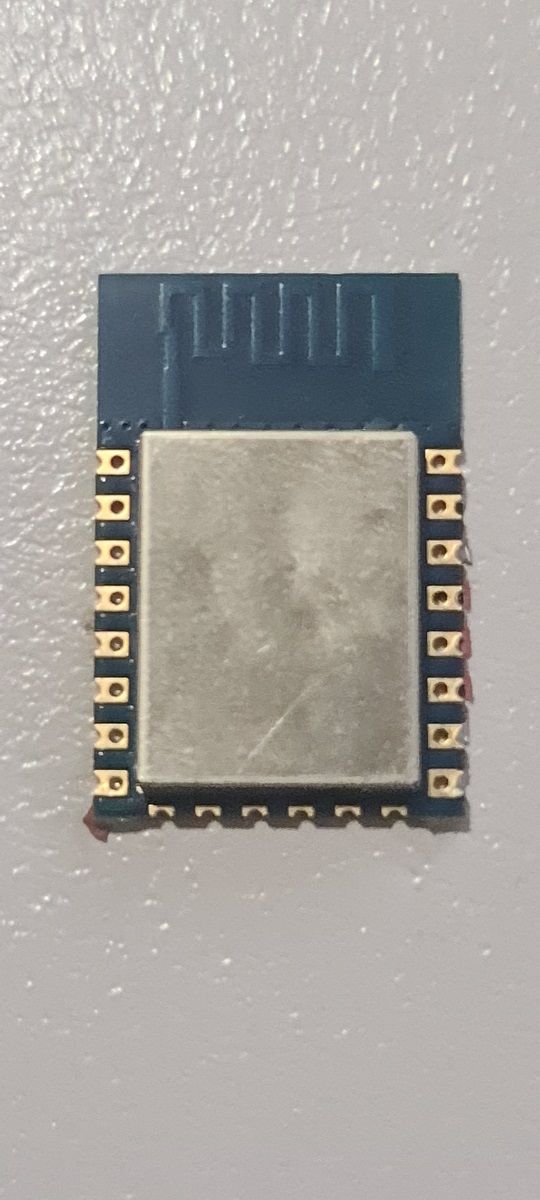
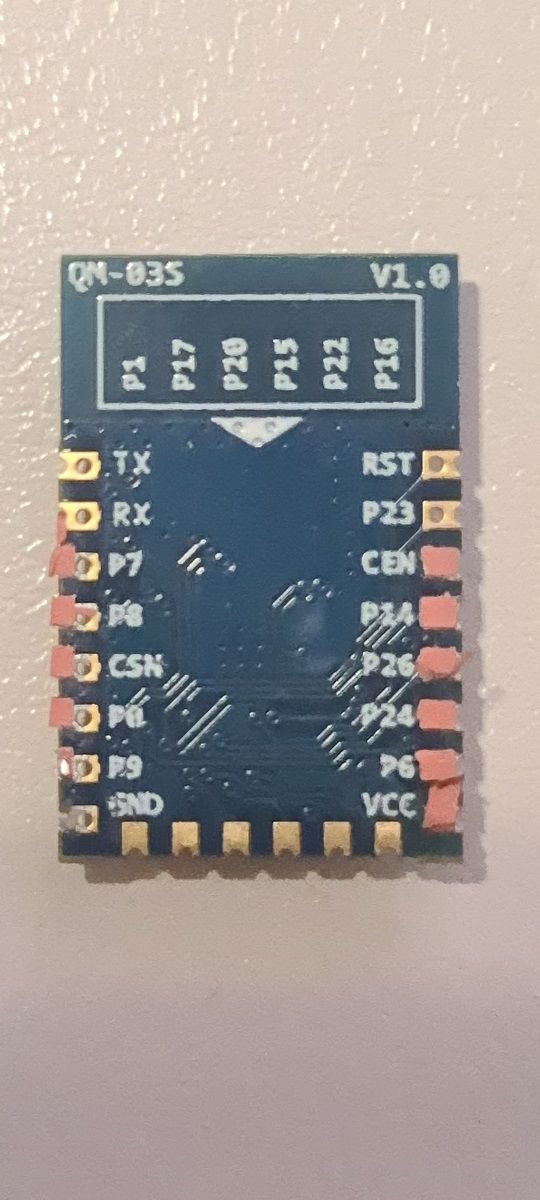
    Can you remove the metal shield? Could be N chip
    Those look like ripped pads on the pins
  • ADVERTISEMENT
  • #3 20722859
    MnM1
    Level 10  
    Posts: 175
    Help: 4
    Rate: 13

    Yes, they are ripped pads... don't ask :)
    I can try to remove the shield.
  • Helpful post
    #4 20722933
    ferbulous
    Level 18  
    Posts: 419
    Help: 8
    Rate: 56
    It's a CB3S
    I hope you can repair those ripped pads on the pcb, takes some patience and steady hands for that
    Do you mind sharing more pics of the device?
  • ADVERTISEMENT
  • #5 20722959
    MnM1
    Level 10  
    Posts: 175
    Help: 4
    Rate: 13
    Do you mean of the actual device?
    Or the PCB - to see the damage? Or something else?
  • ADVERTISEMENT
  • #6 20722965
    ferbulous
    Level 18  
    Posts: 419
    Help: 8
    Rate: 56
    Yes, the actual device teardown, I saw another square wifi led sold locally that could be similar
  • #7 20722978
    MnM1
    Level 10  
    Posts: 175
    Help: 4
    Rate: 13
    OK I see what you mean. The actual device doesn't exist anymore :( Some accident happened a while ago and it broke into a lot of pieces :(

    I kept the chip as I intend to buy a few more for some bedrooms in the house. (the device itself was very good and I remember that I was really impressed by its brightness at the time when I tested it.)
    So now I am doing my homework as in the next couple of weeks I plan get a couple more. I will do a teardown then for sure.
  • #8 20733474
    MnM1
    Level 10  
    Posts: 175
    Help: 4
    Rate: 13
    Chip was identified as CB3S

Topic summary

✨ The discussion revolves around identifying an unmarked chip from a 34W Tuya WiFi LED ceiling light, specifically a double-layer type that is dimmable and features RGB backlighting. The user initially inquired about the chip's identification, noting the absence of a sticker and the presence of ripped pads on the PCB. Responses suggested removing the metal shield for further inspection, leading to the identification of the chip as a CB3S. The user expressed intent to repair the ripped pads and shared that the original device was damaged beyond repair but was impressed by its brightness and performance. Future plans include acquiring more units and conducting a teardown for further analysis.
Generated by the language model.
ADVERTISEMENT