Today we have "on the wallpaper" a small active artificial load of Chinese production.
I still have to describe a few, if not a dozen, gadgets from the series "This is popular on Aliexpress, let's check why". And the vacation is exhausted. So you will not be bored
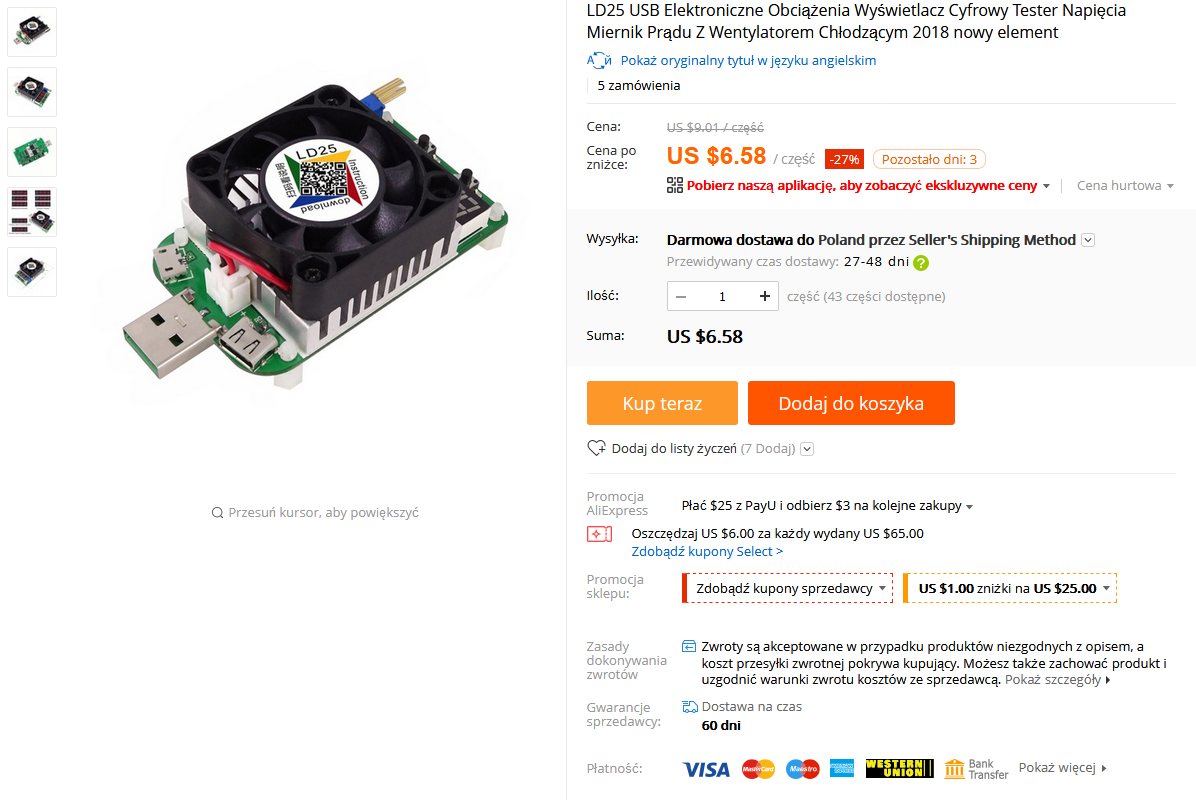
As always, first a screenshot of the auction so that you can easily find yourself.
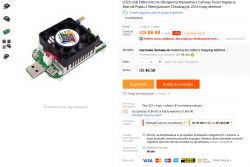
As you can see, it is quite cheap and maybe a useful gadget. As of today, it costs slightly over six and a half dollars, which gives us less than twenty-five Polish zlotys. Is it a lot or a little? I leave it for your evaluation.
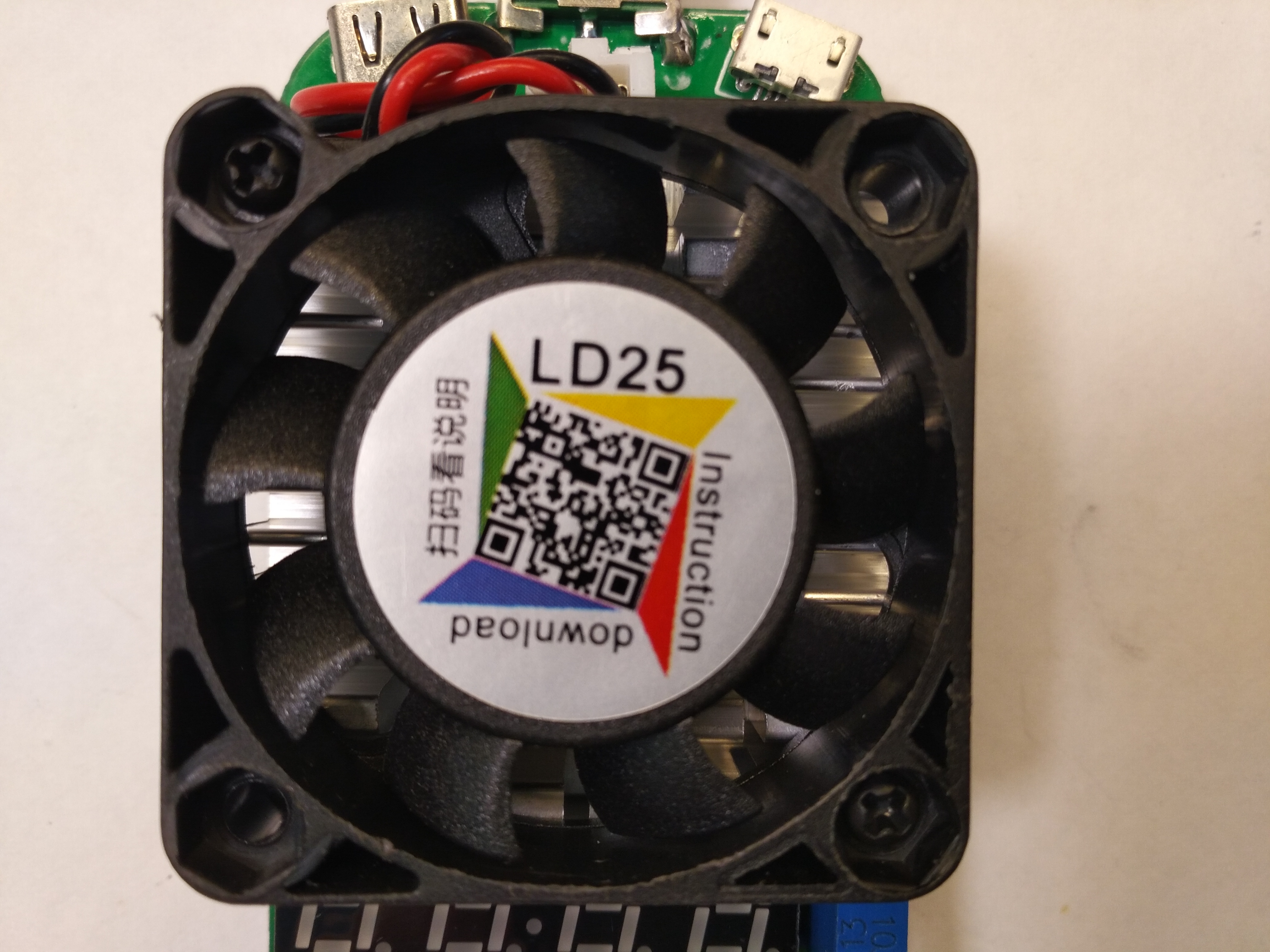
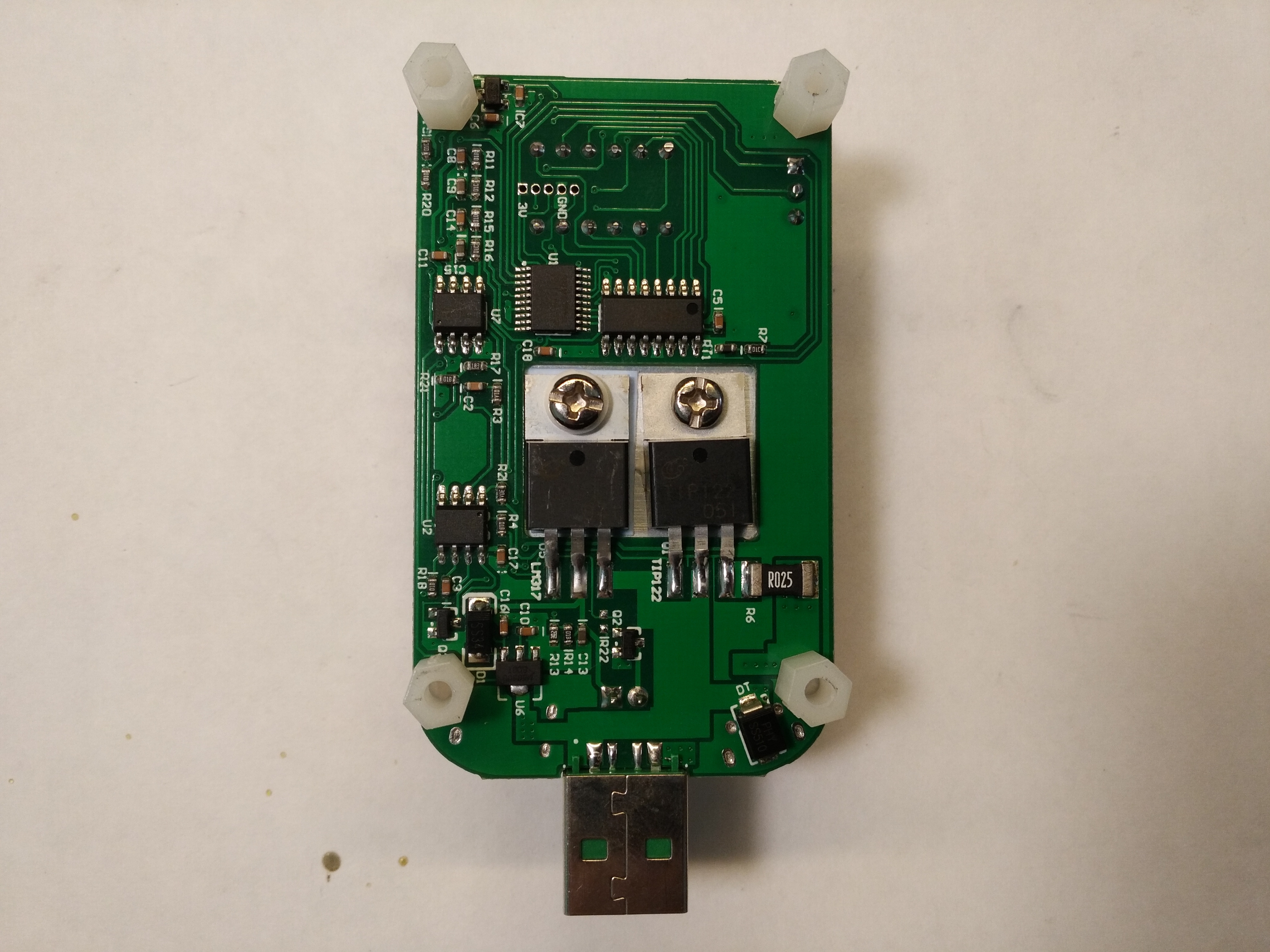
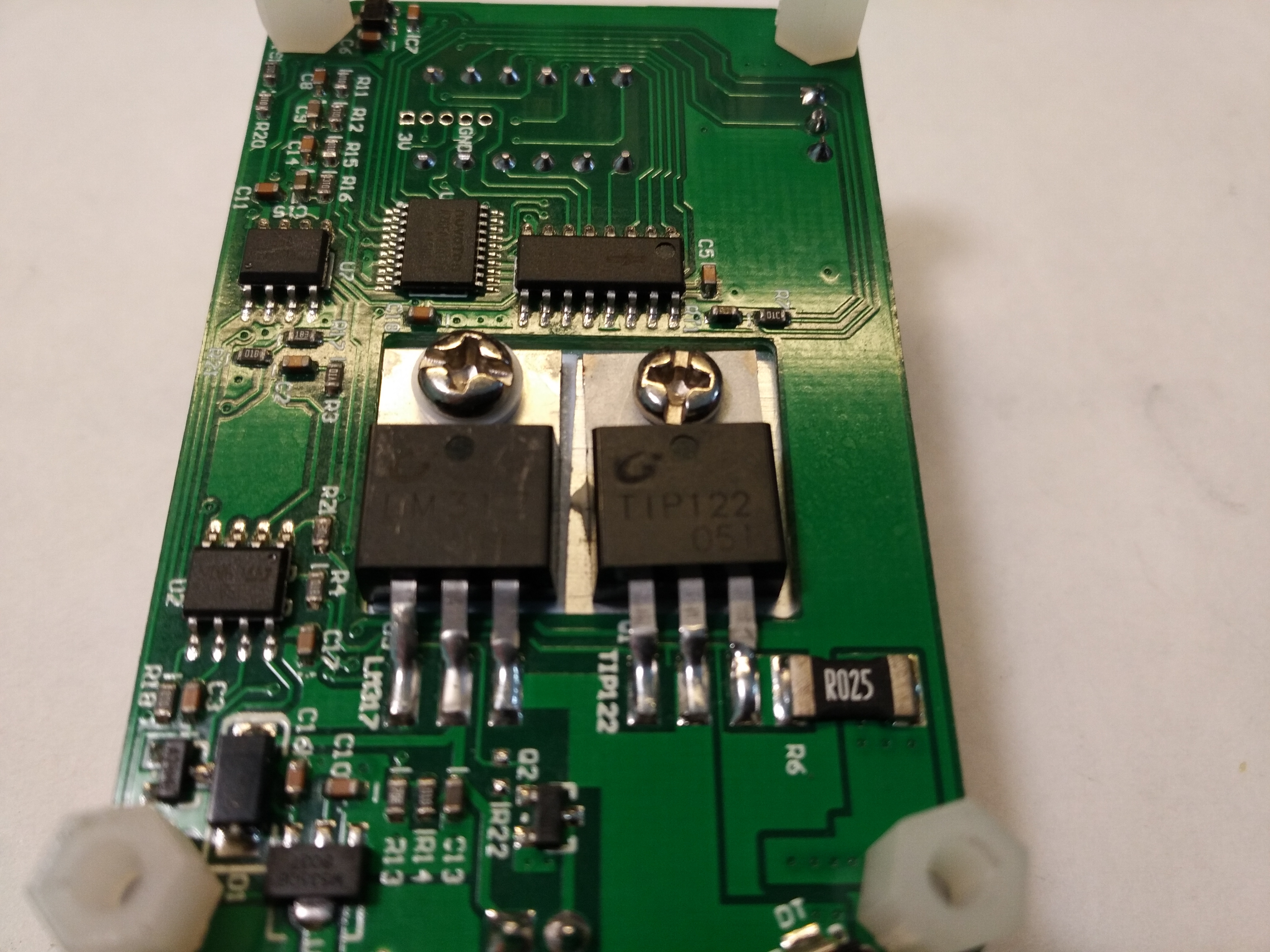
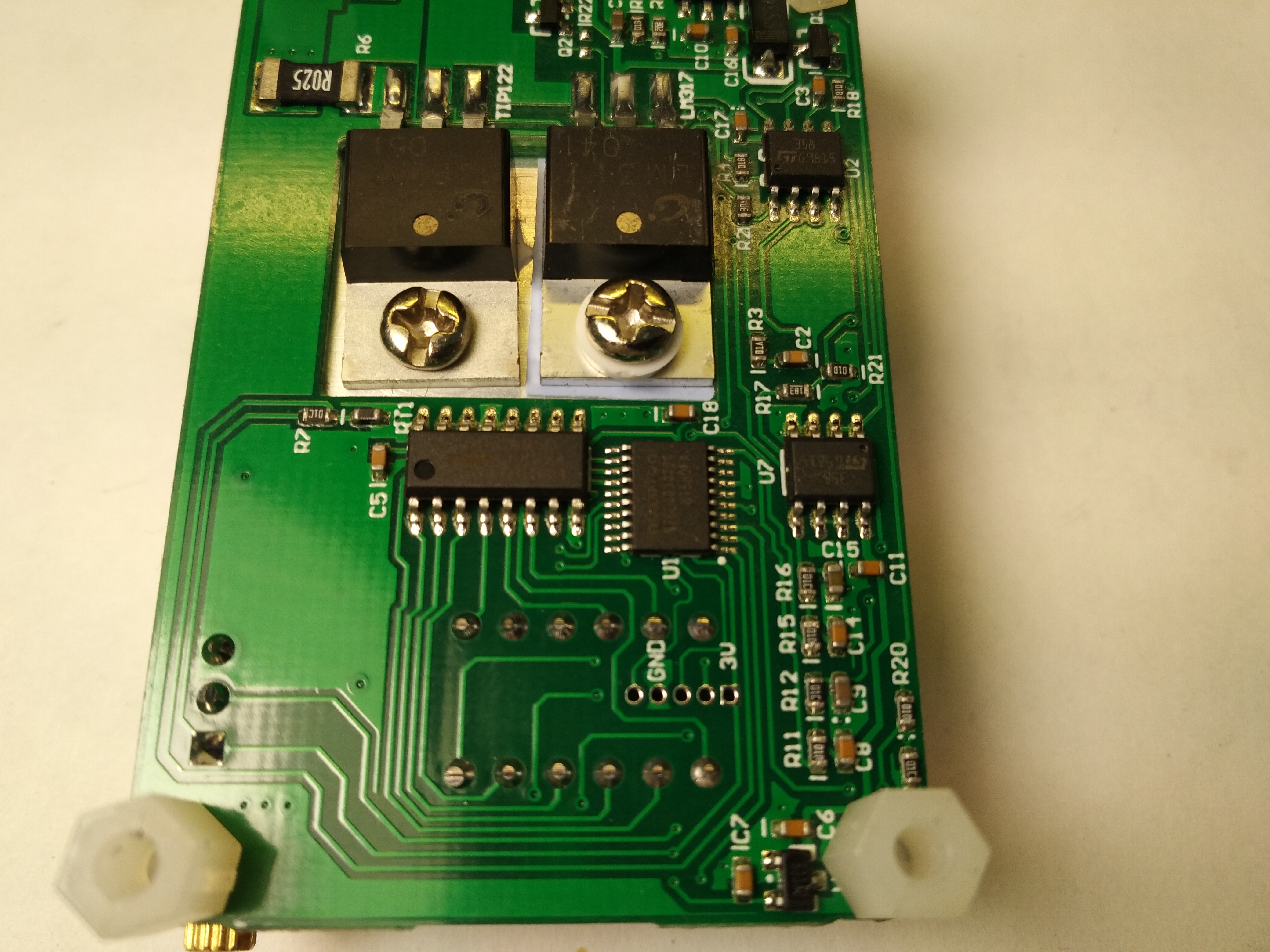
Time for a few photos of the presented device:
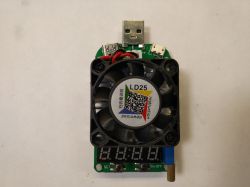
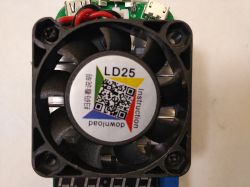
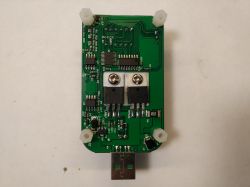
As you can see in the pictures, the gadget seems to be made quite carefully.
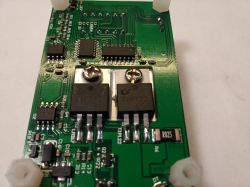
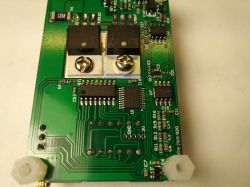
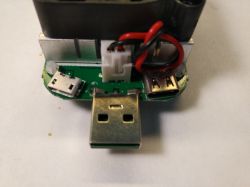
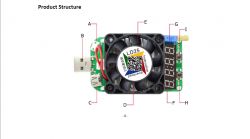
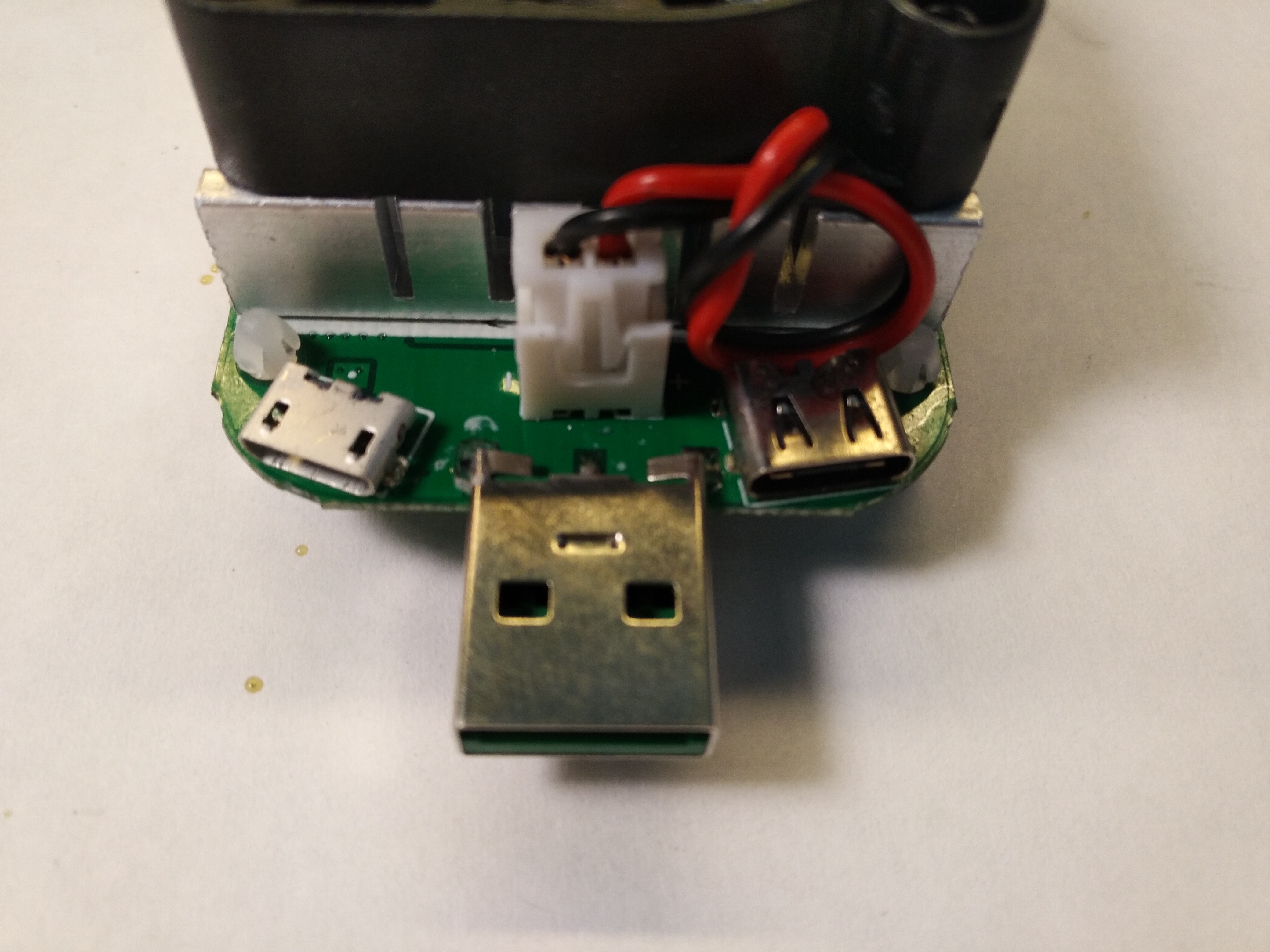
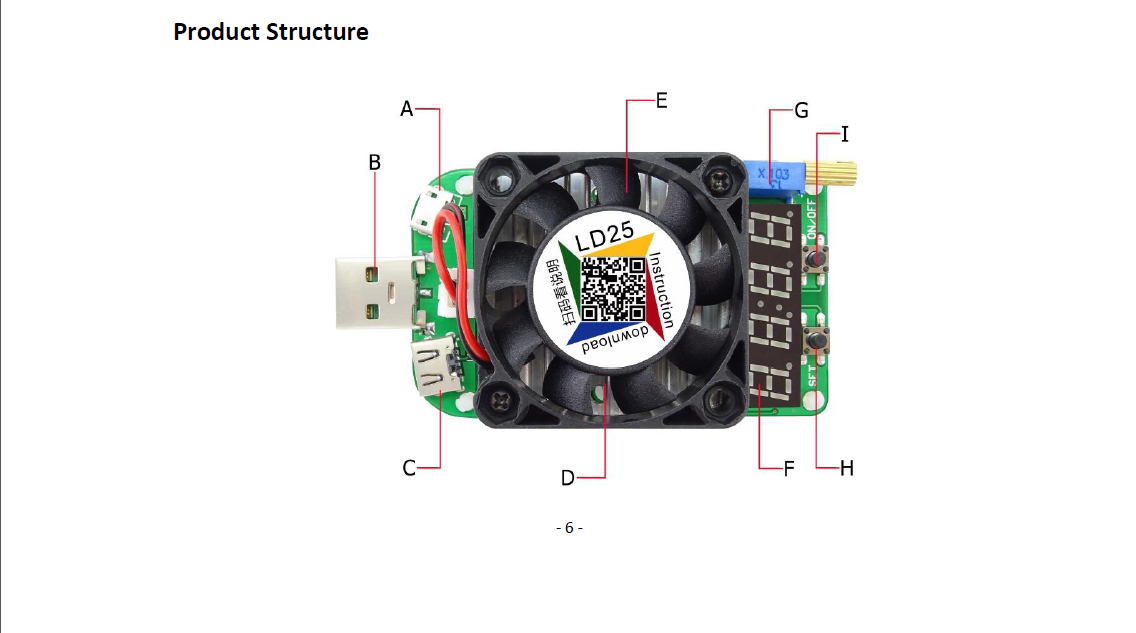
An interesting solution is the use of, in addition to the standard USB A plug, also the MicroUSB and MicroUSB 3.1 sockets. Which allows you to test chargers with a non-detachable cable.
Remember about the current carrying capacity of individual sockets. and so for USB A, it is 5A, which is outside the load range, which is a maximum of 4A. For the MicroUSB 3.1 connector, the load capacity is 4A, i.e. in theory, you can turn the potentiometer all the way to the right. On the other hand, the current carrying capacity of the MicroUSB 2.0 socket is (in theory, but it's hard for me to believe it) 2A. Here we have to be careful, because when I connected the load for the first time to a "two-amp" charger and somehow imperceptibly set the value to 3A, it turned out that the charger gave 3A without any problems.
It was before I read the manual, because as you know, a real electronics / DIY enthusiast reads the manual only when everything else fails

.
Let's move on to some tests, because you are probably waiting for them the most.
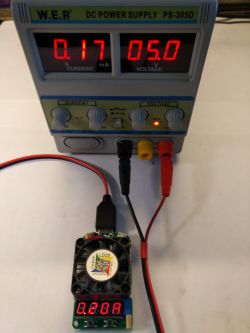
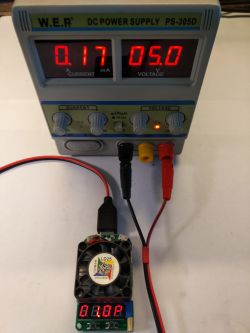
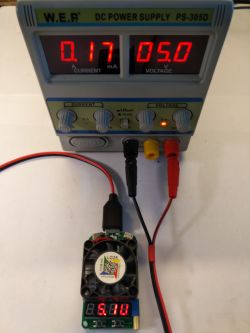
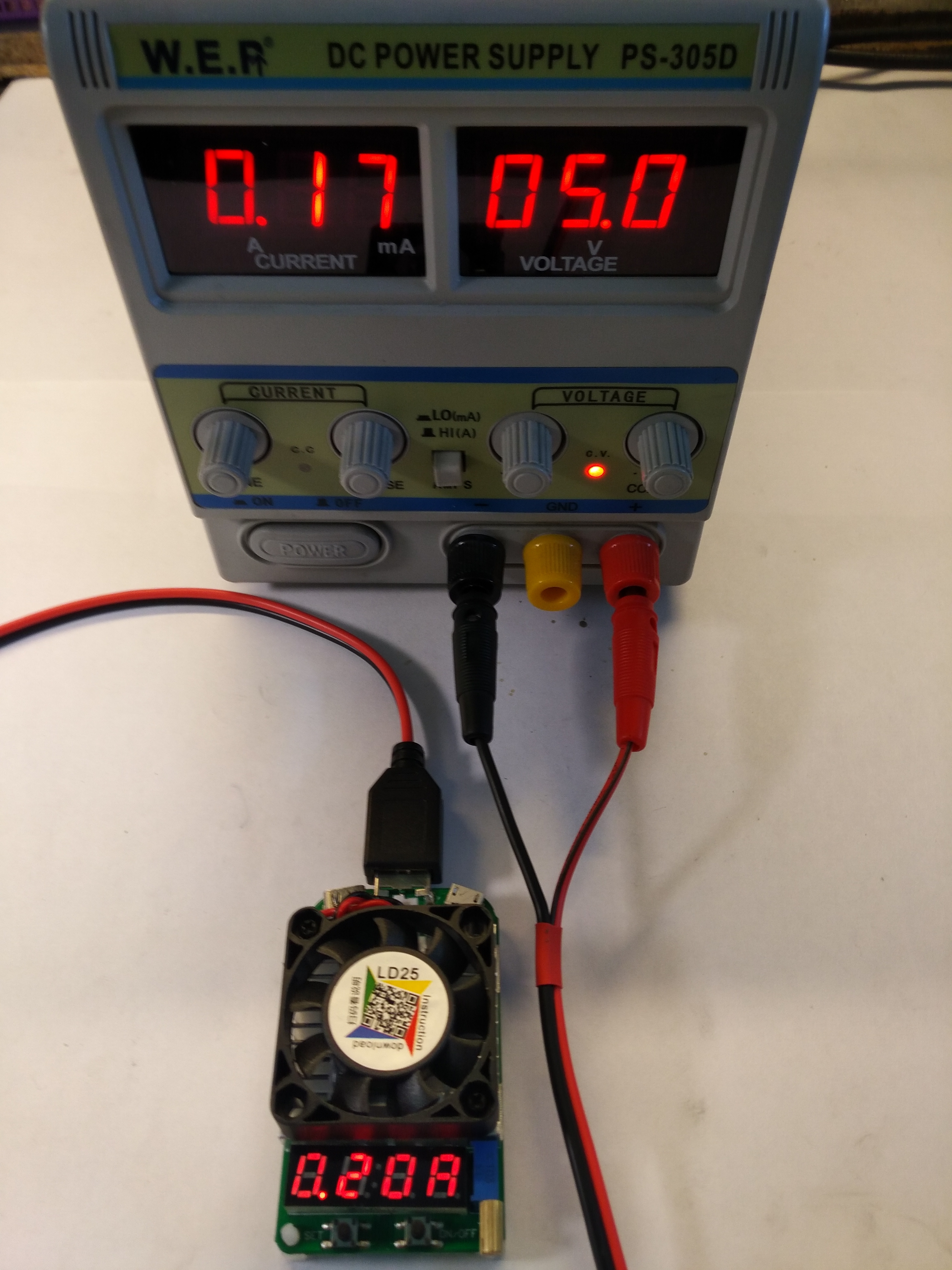
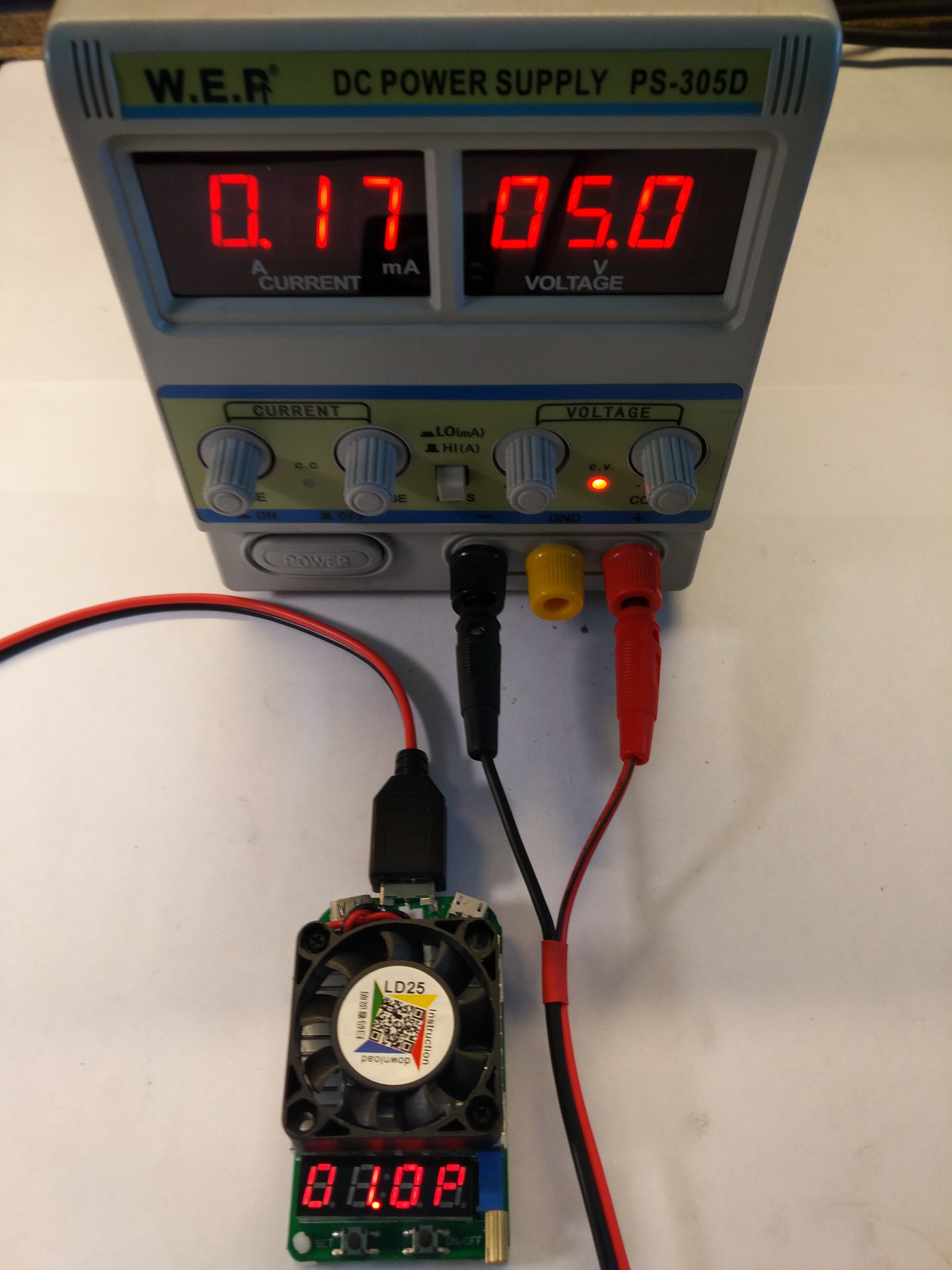
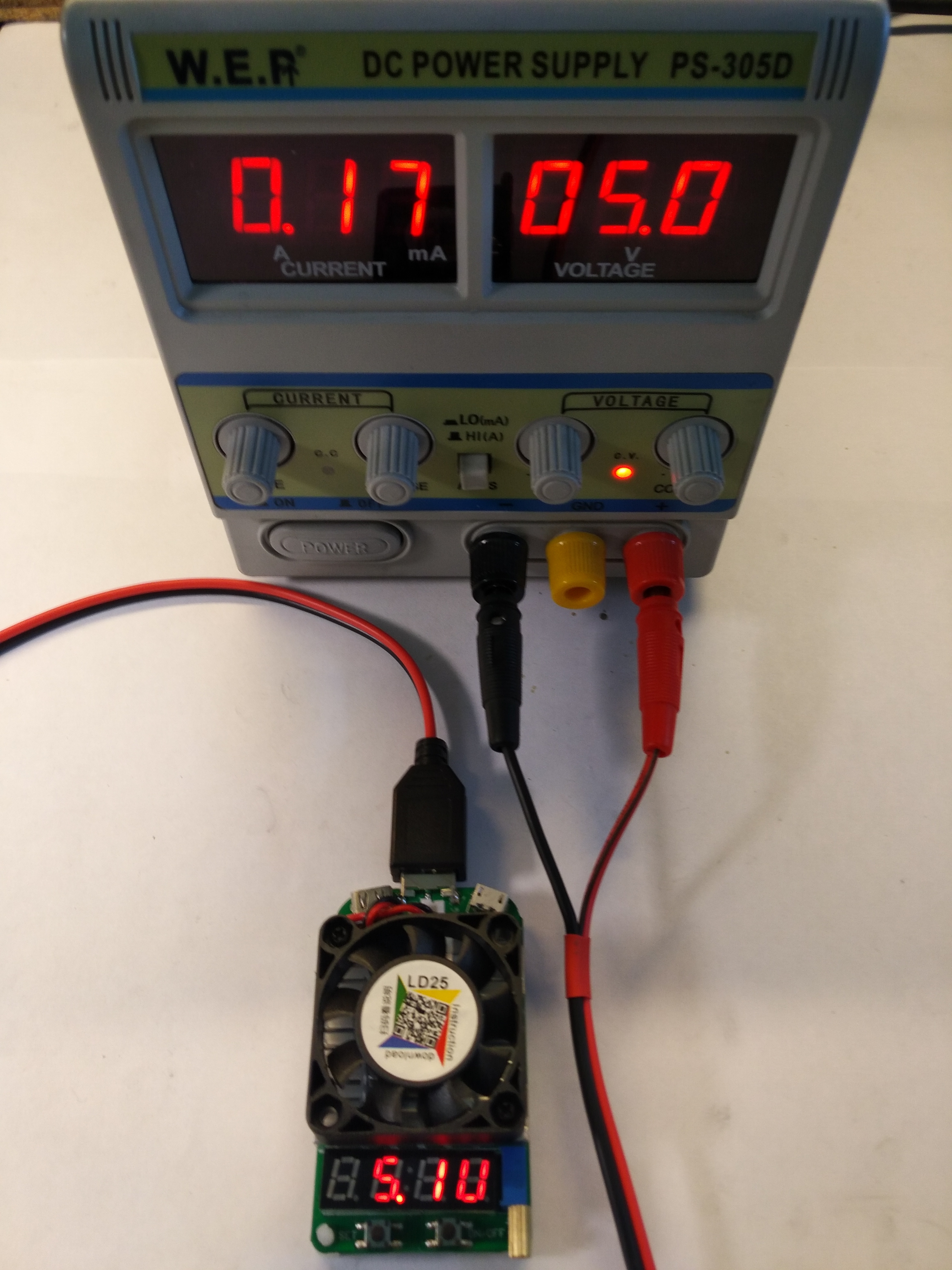
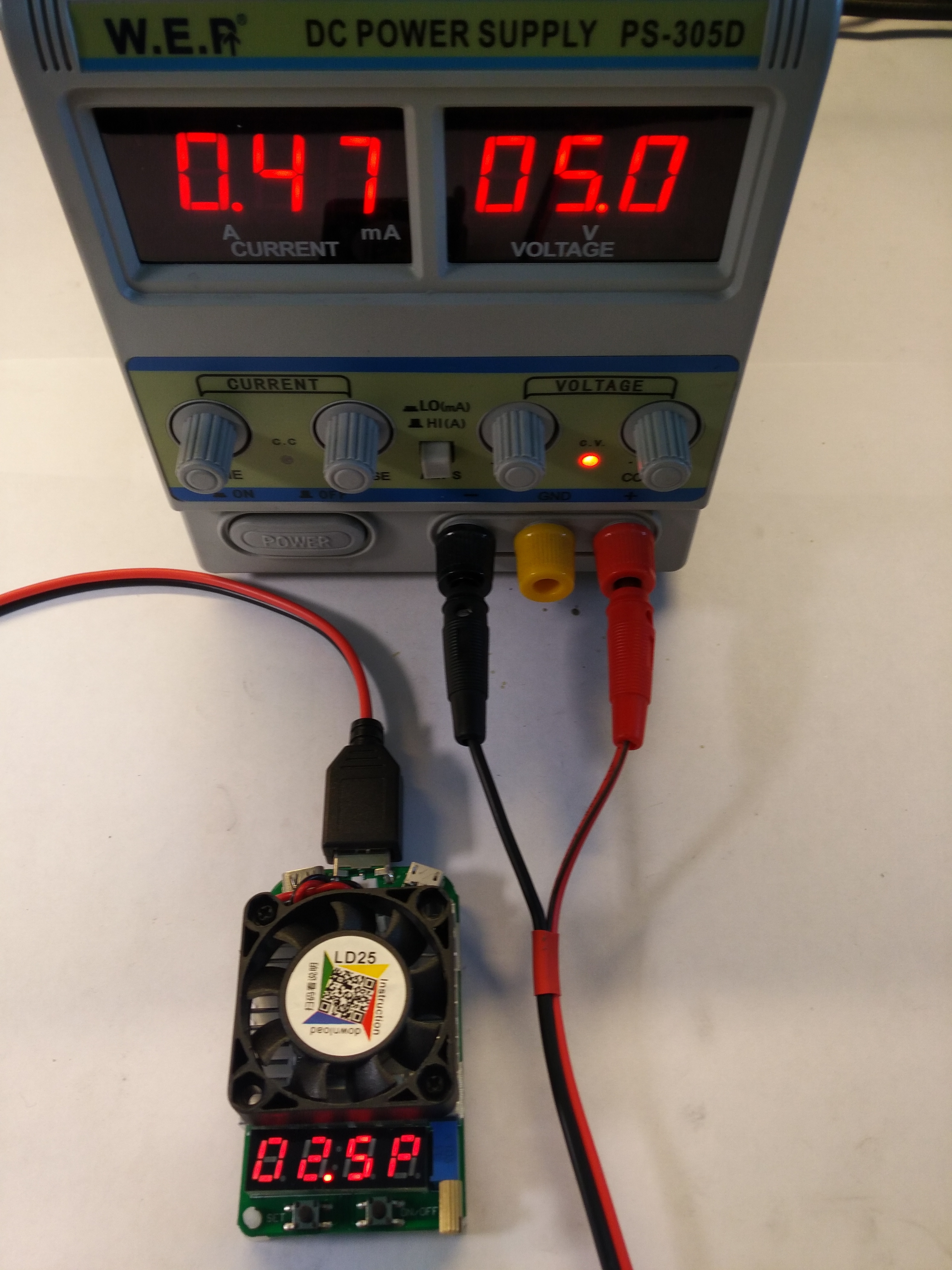
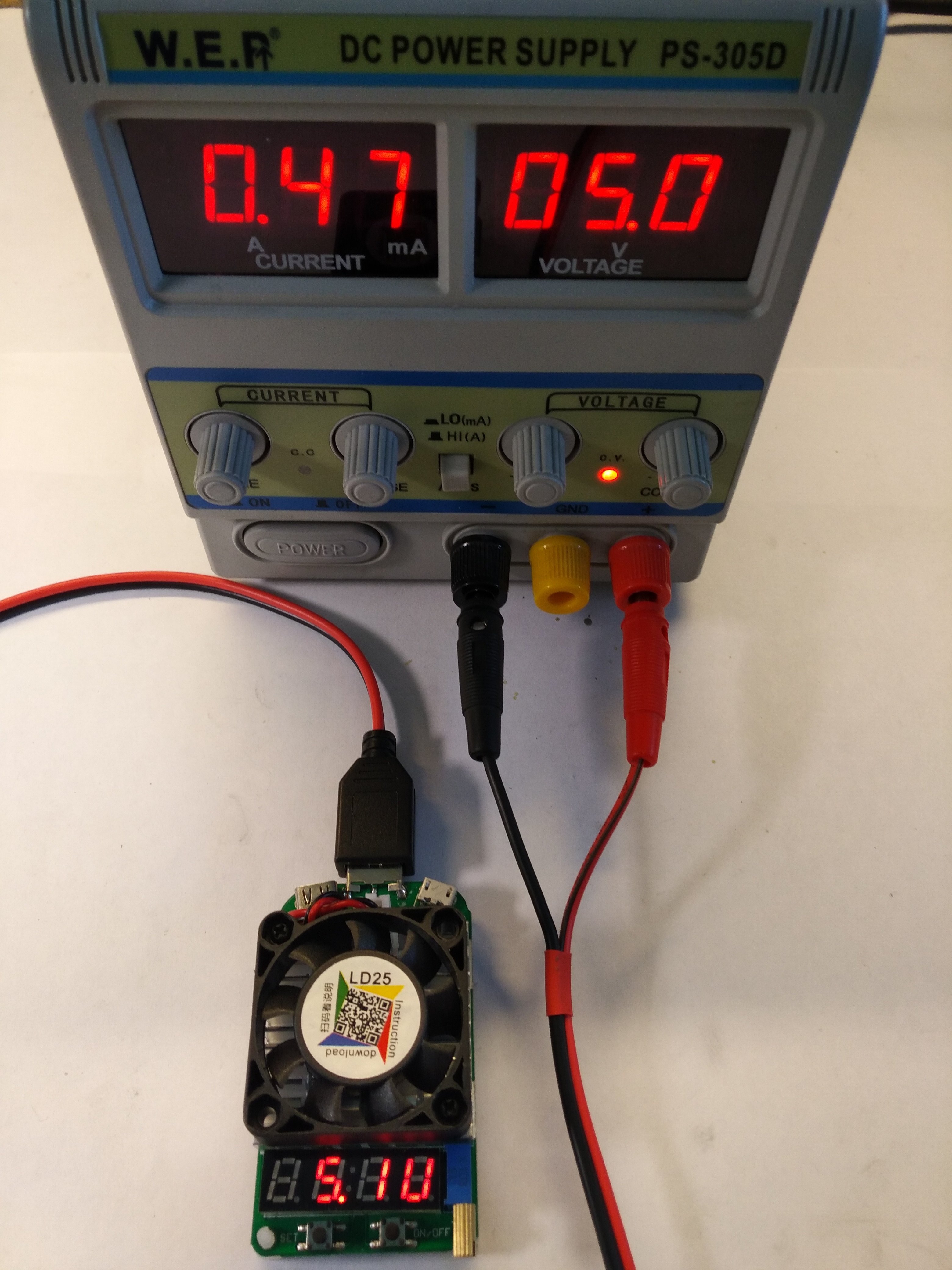
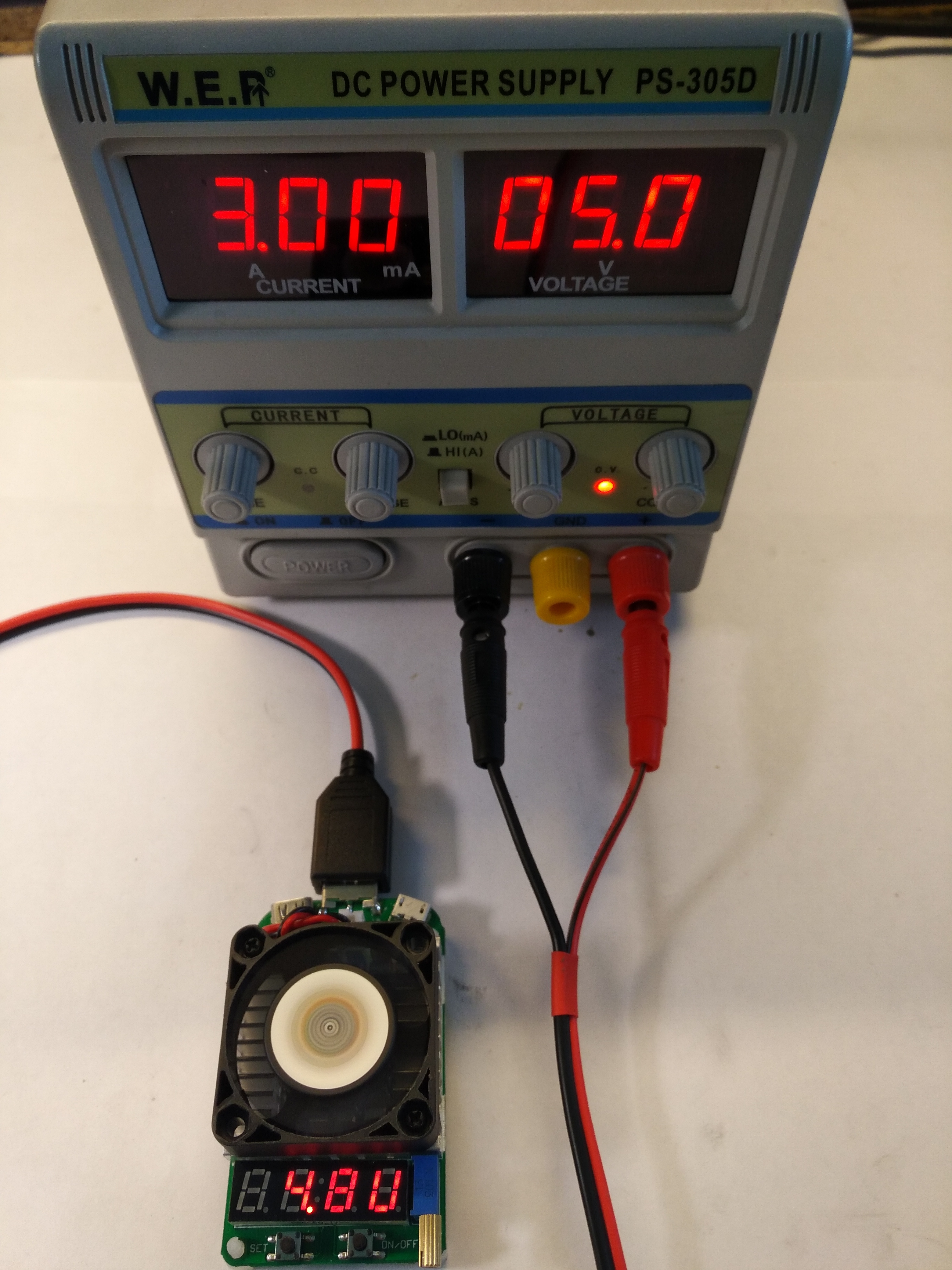
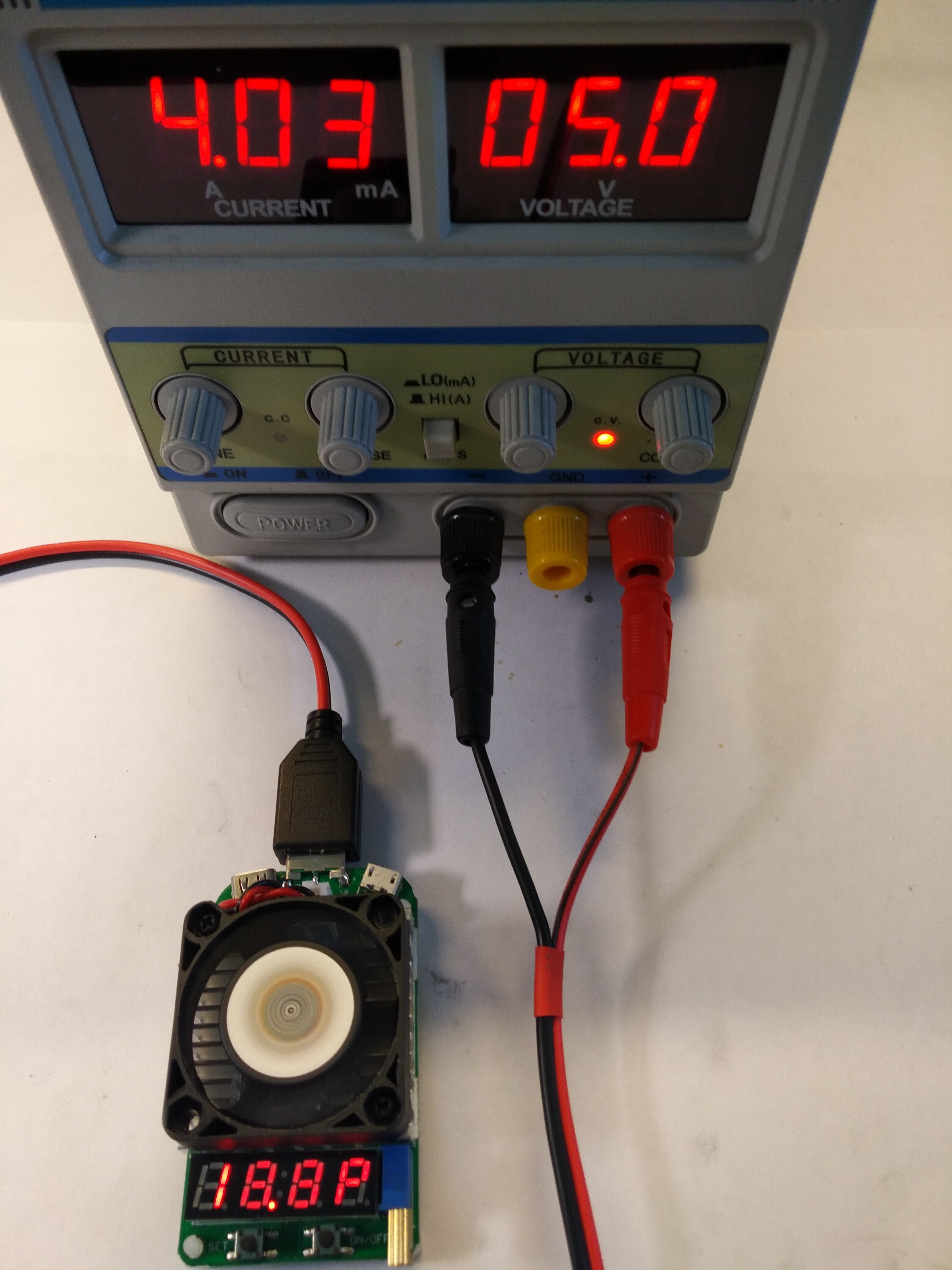
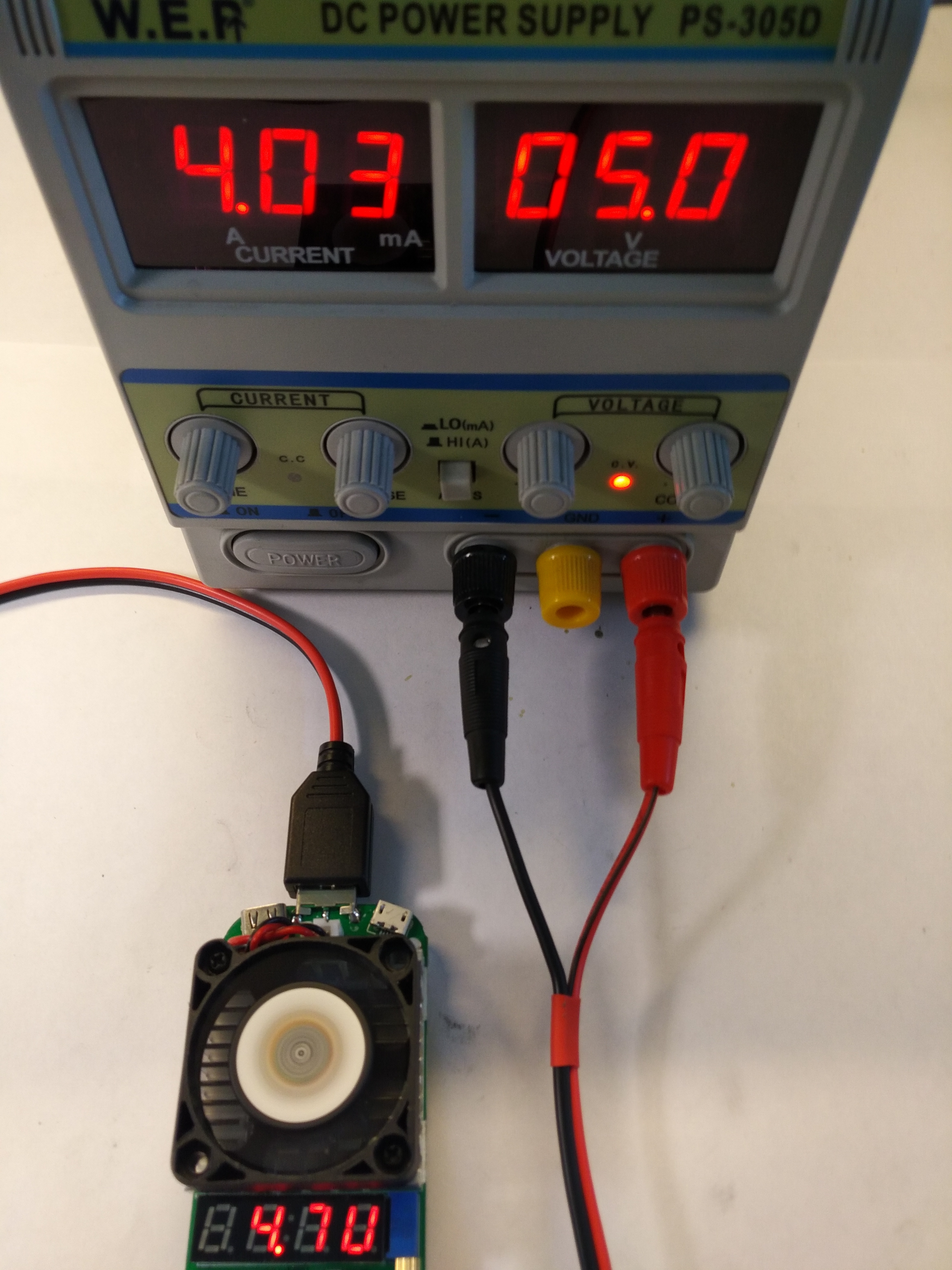
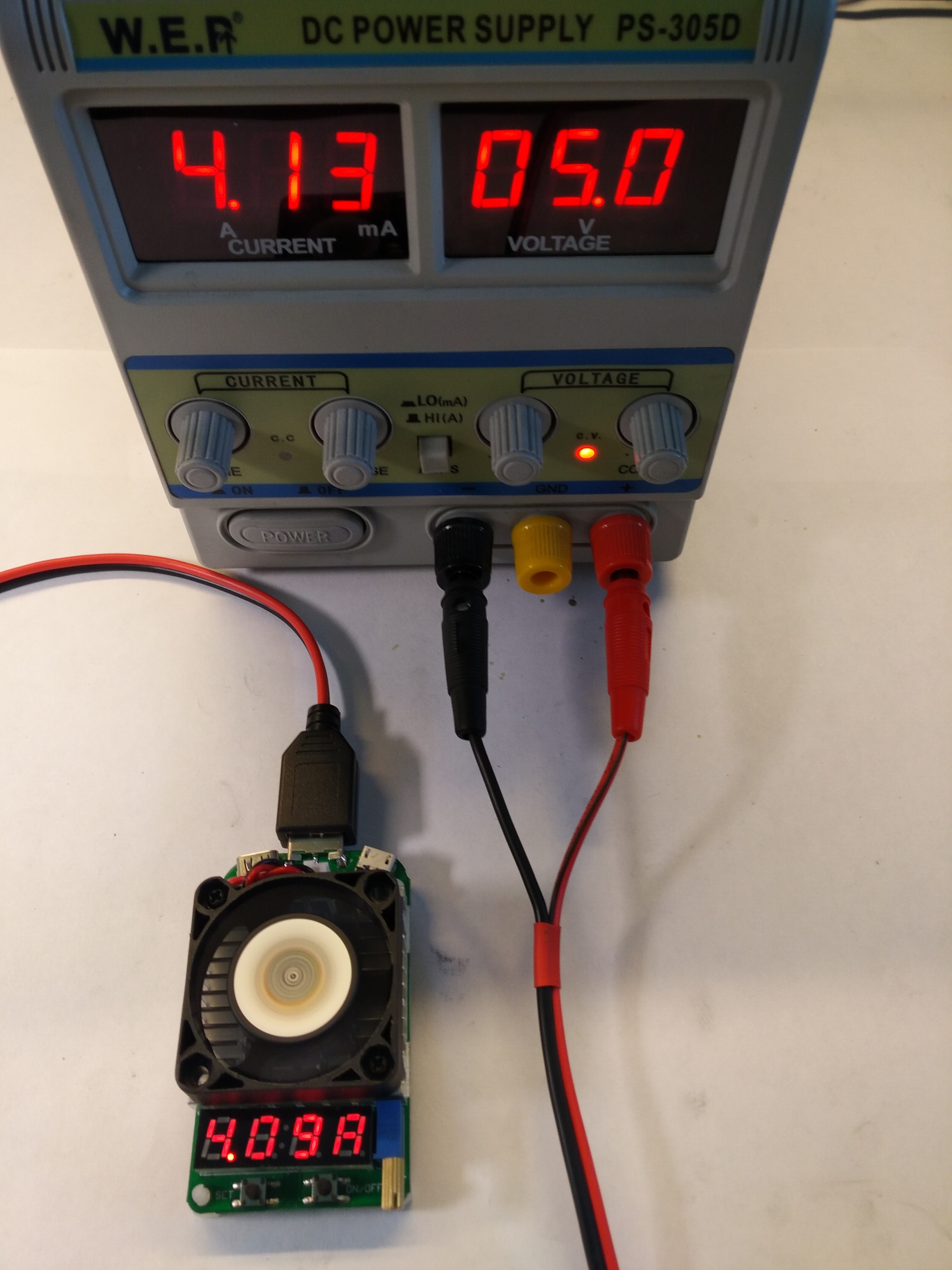
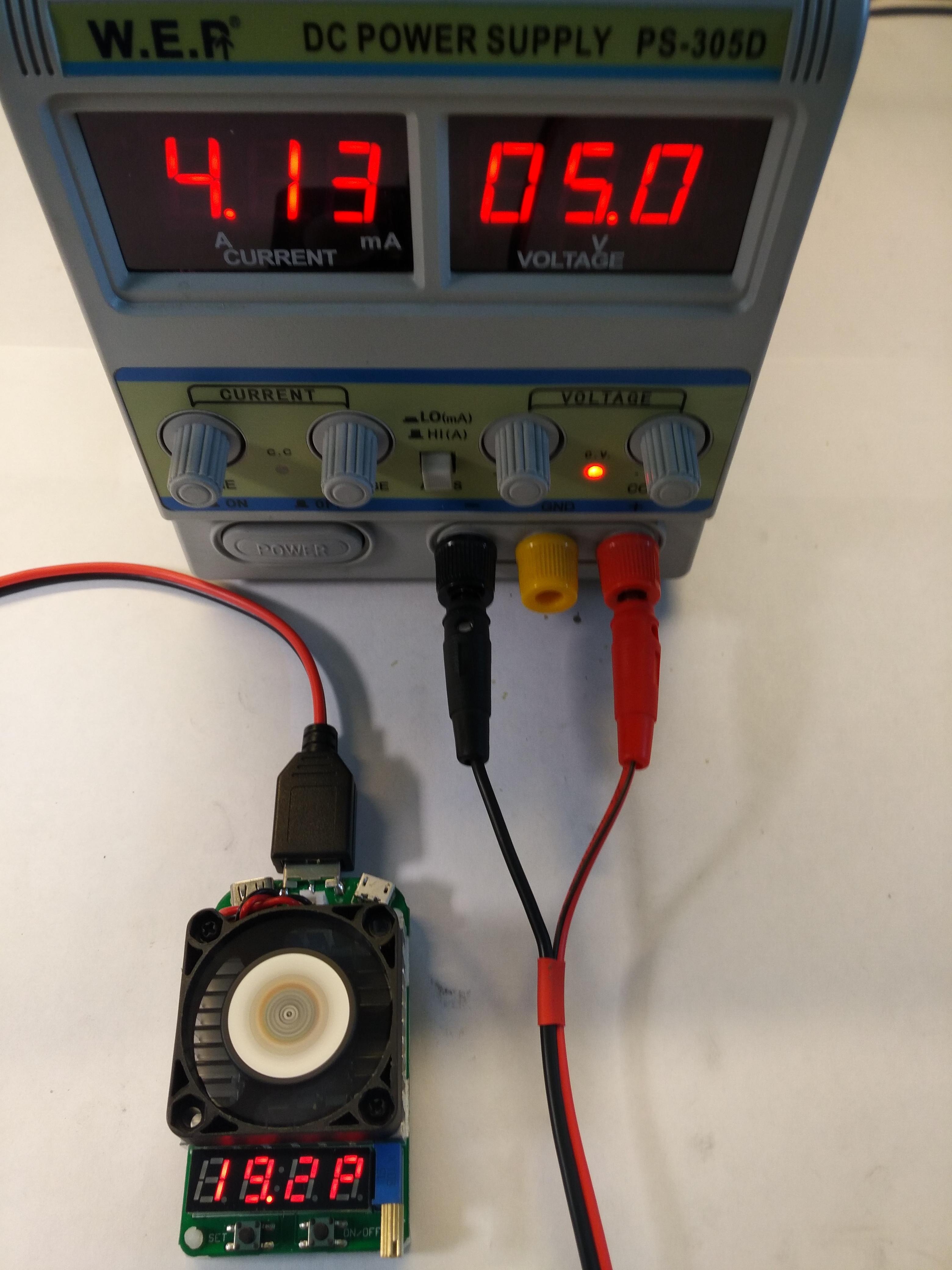
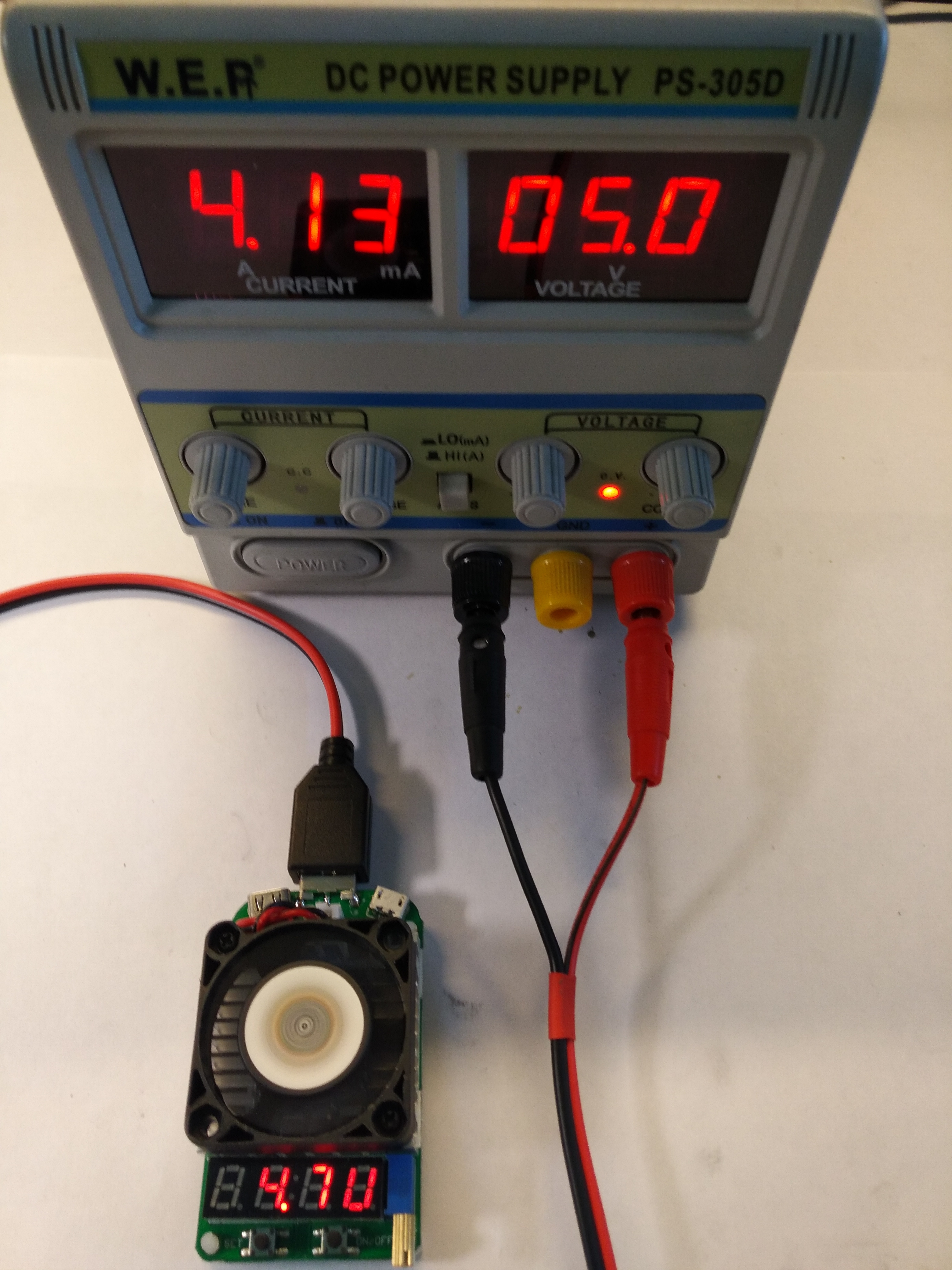
The load is set to 0.2A, the rest can be seen in the pictures. "A" is of course amps. "U" is the actual voltage. "P" is the currently consumed power.
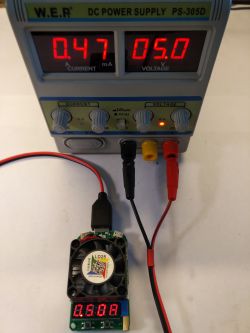
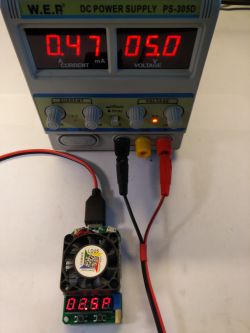
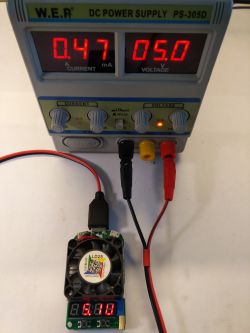
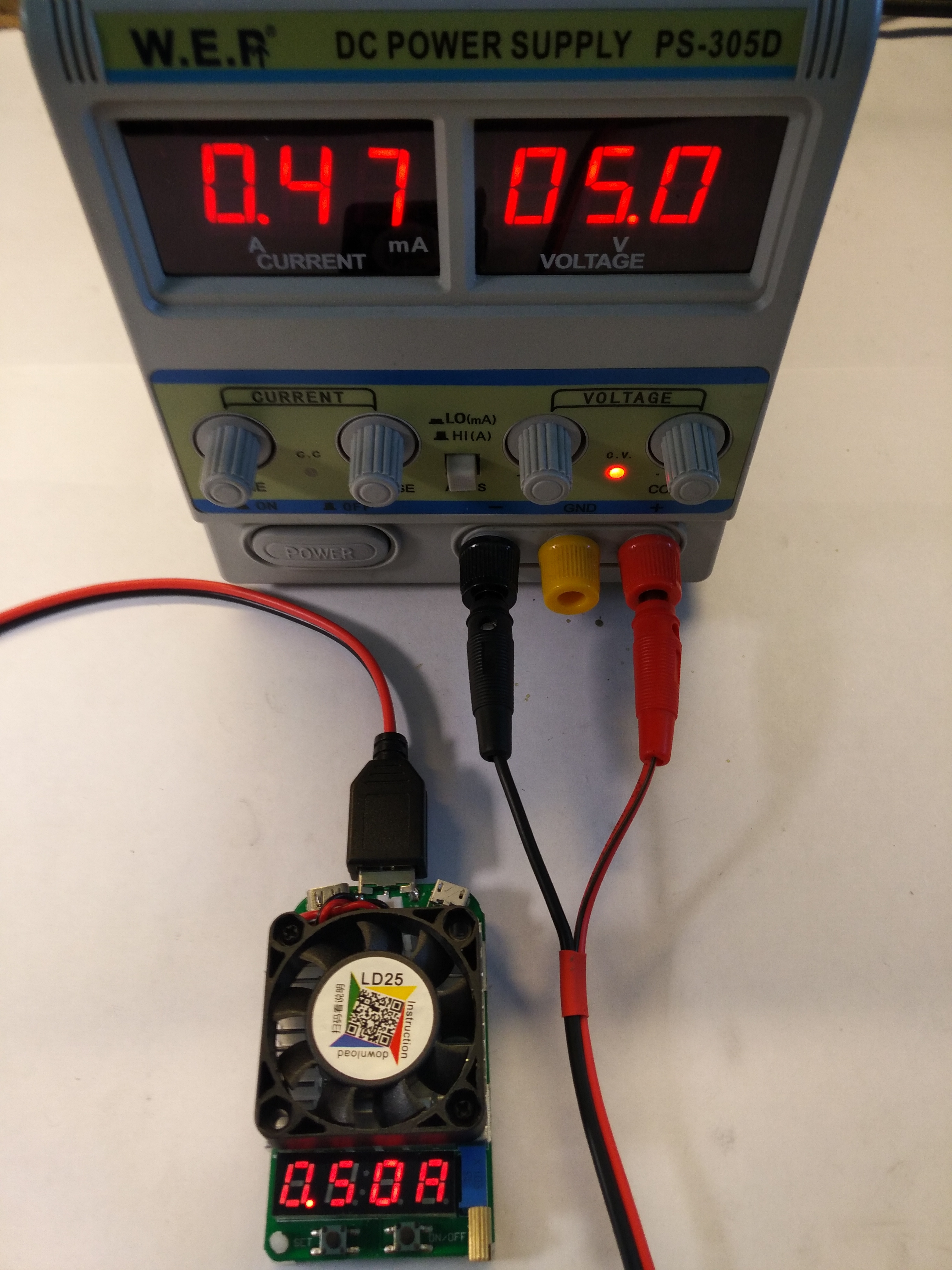
Here we already have half an Ampere.
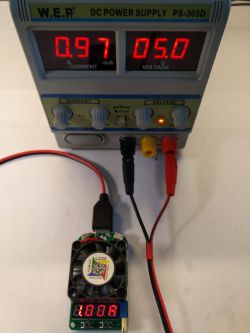
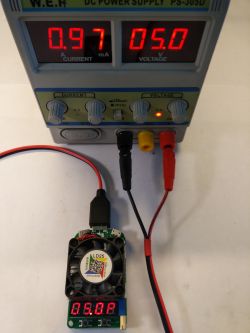
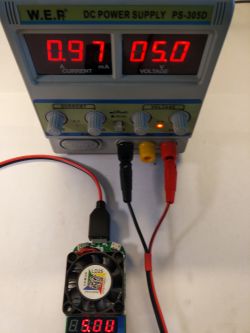
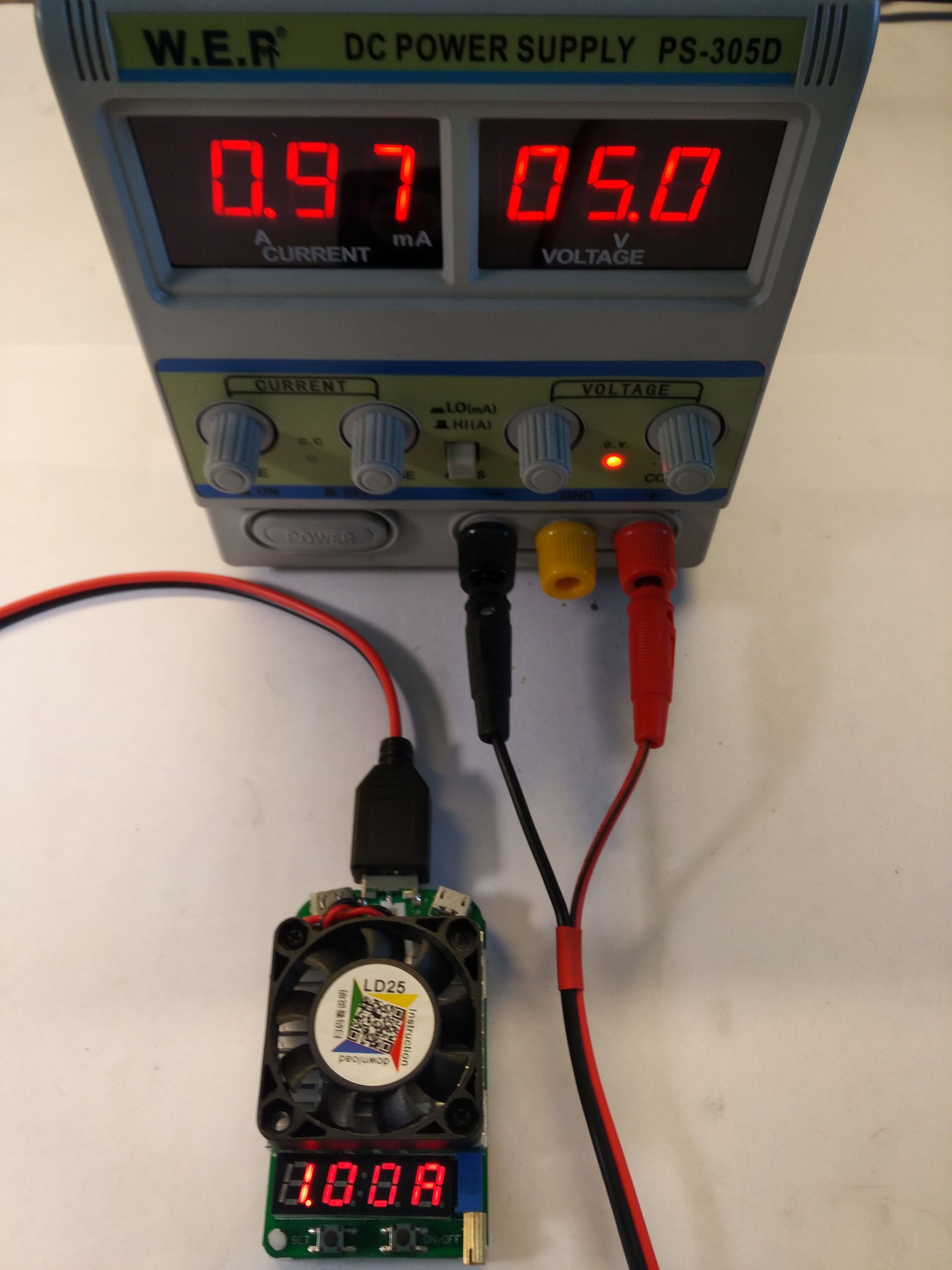
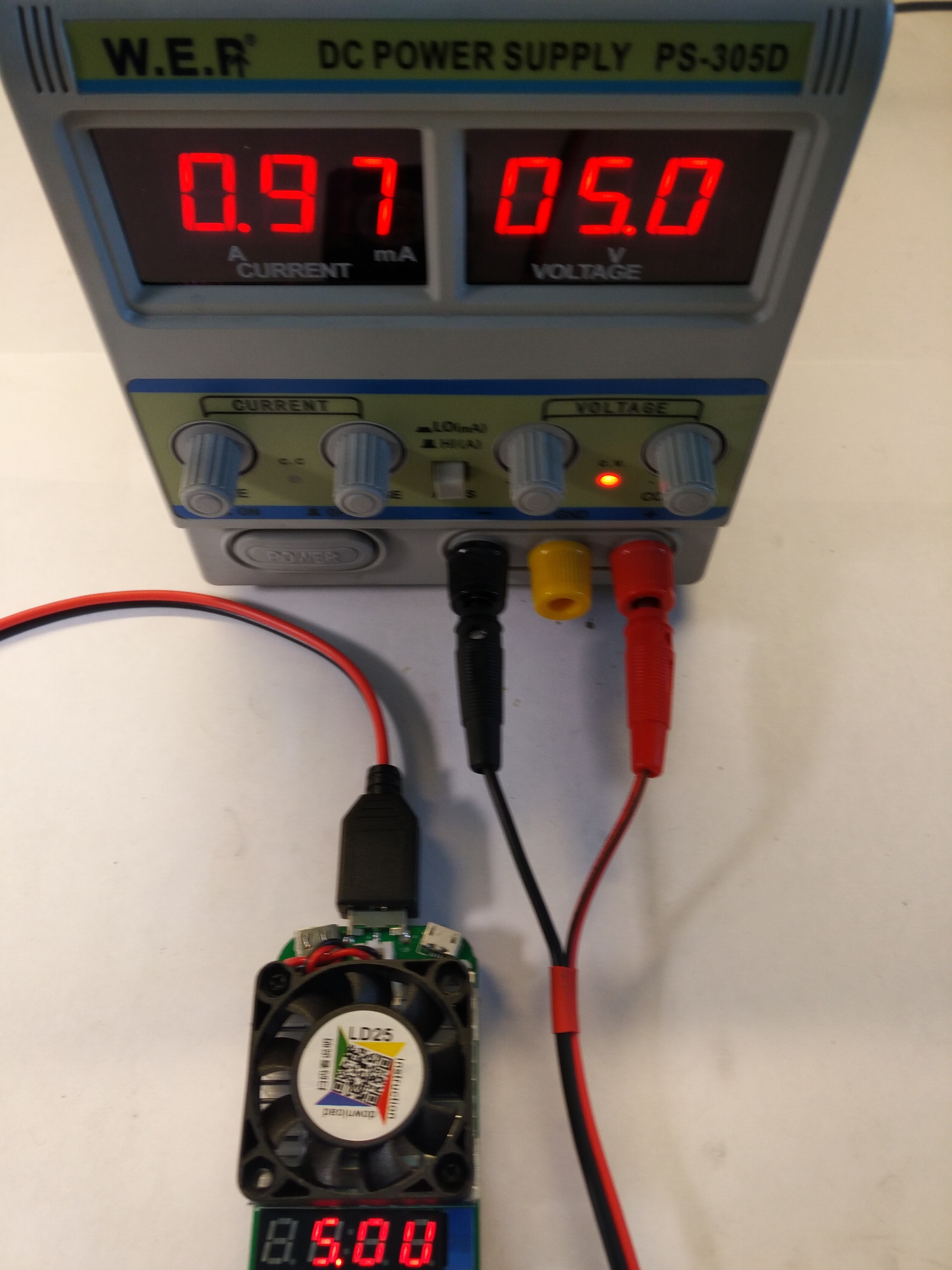
We turn the knob and we have one Amper.
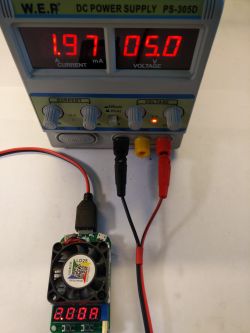
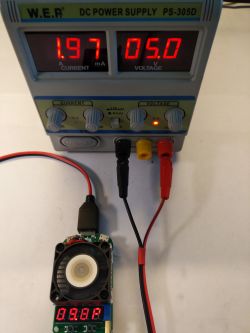
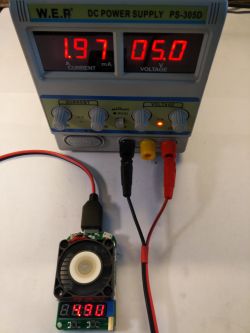
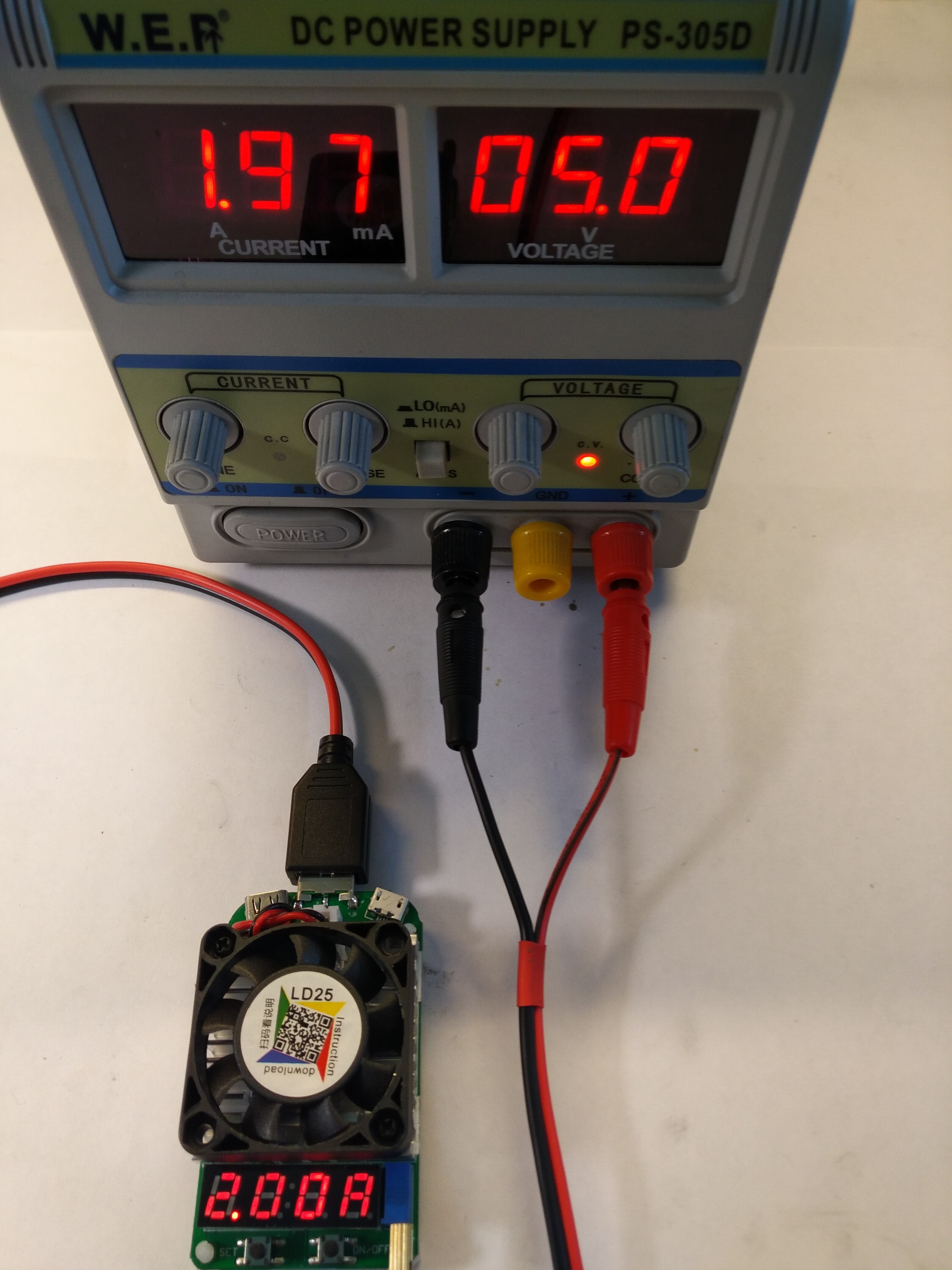
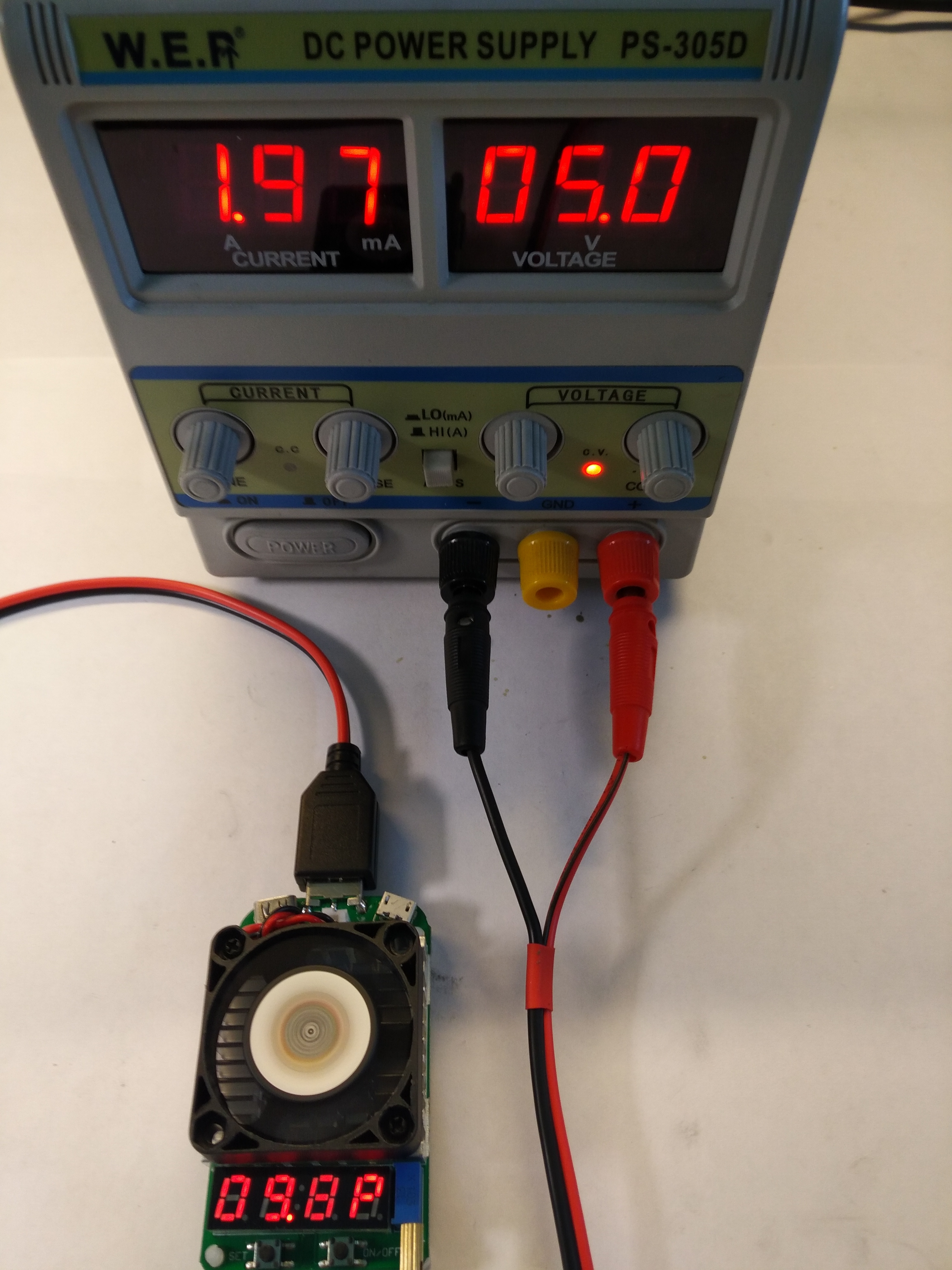
We roll on and come to two amps.
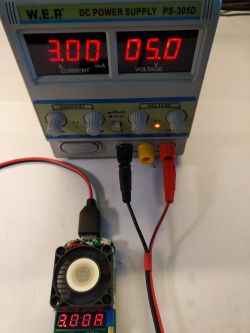
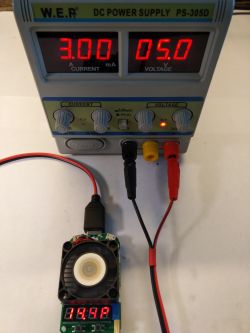
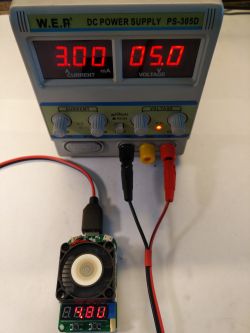
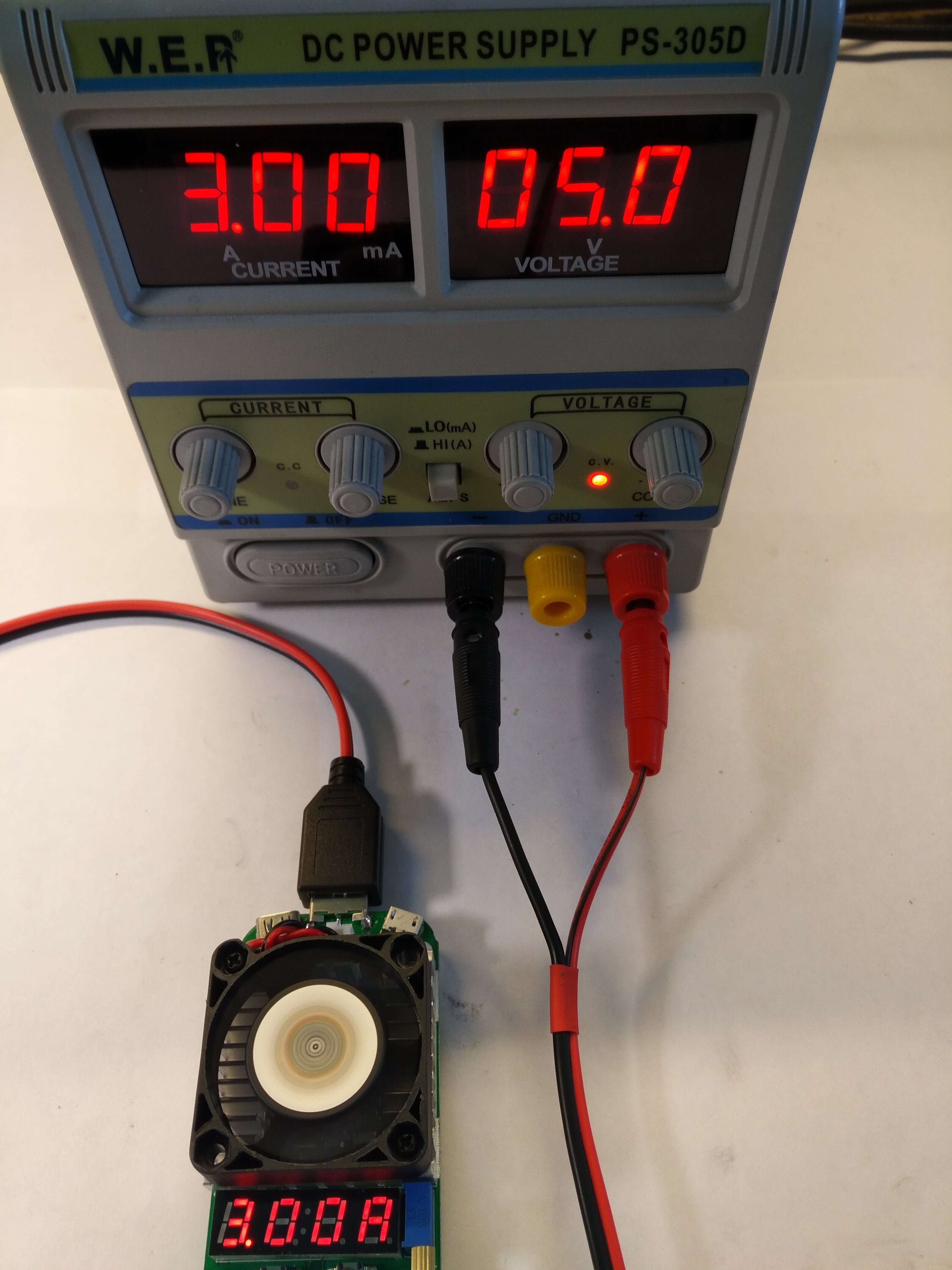
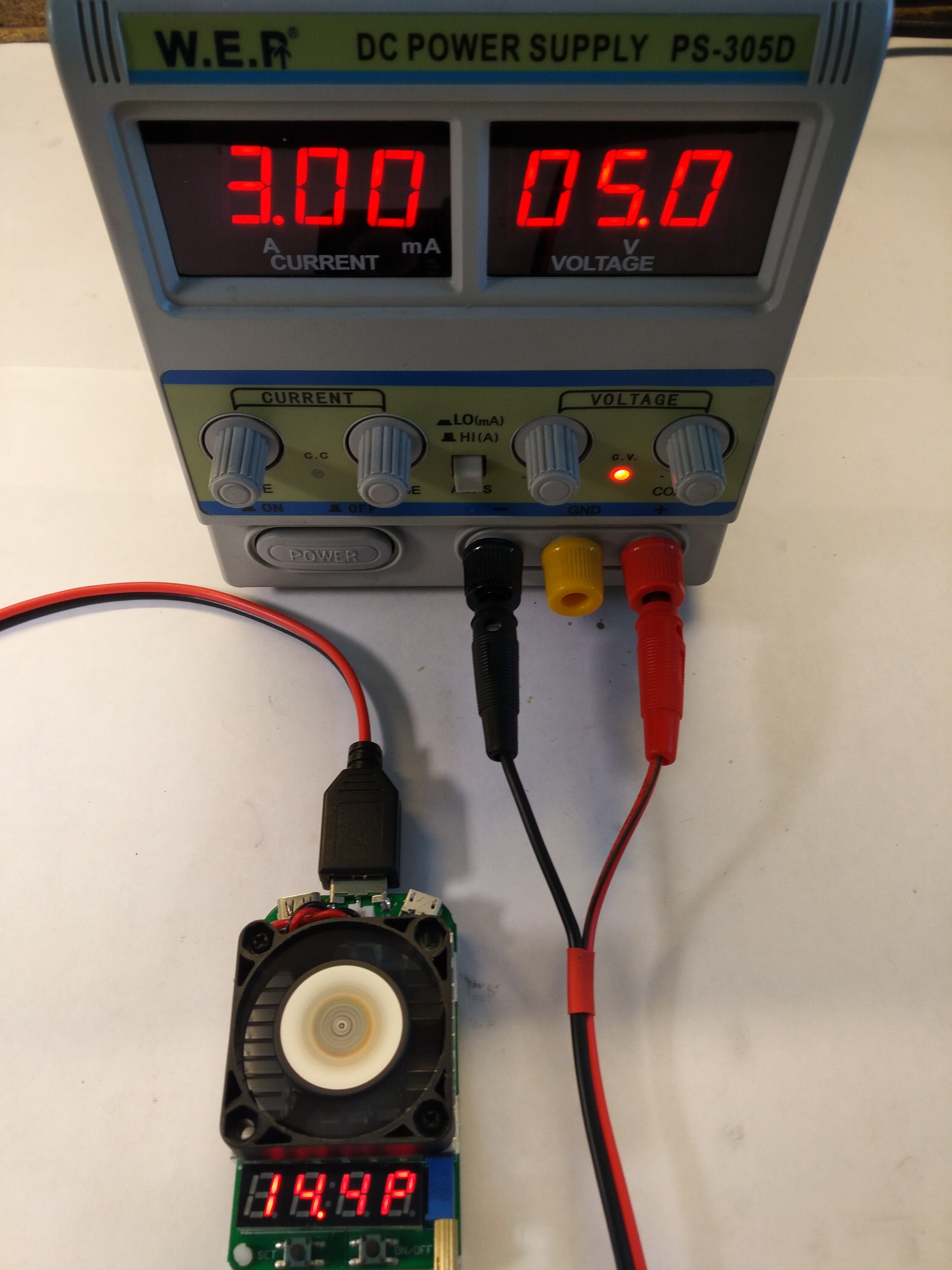
And then further potentiometer, keep turning ... We've already dialed three amps. It's already "a piece of electricity"
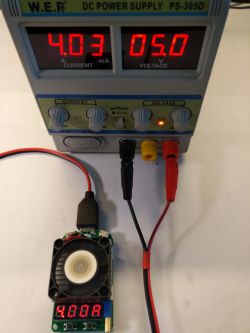
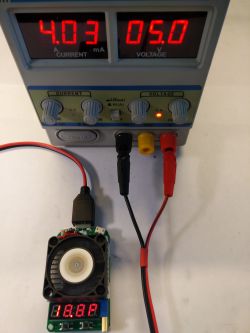
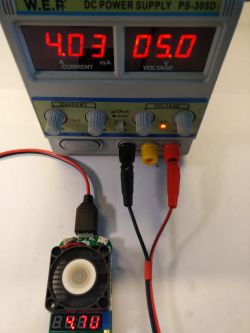
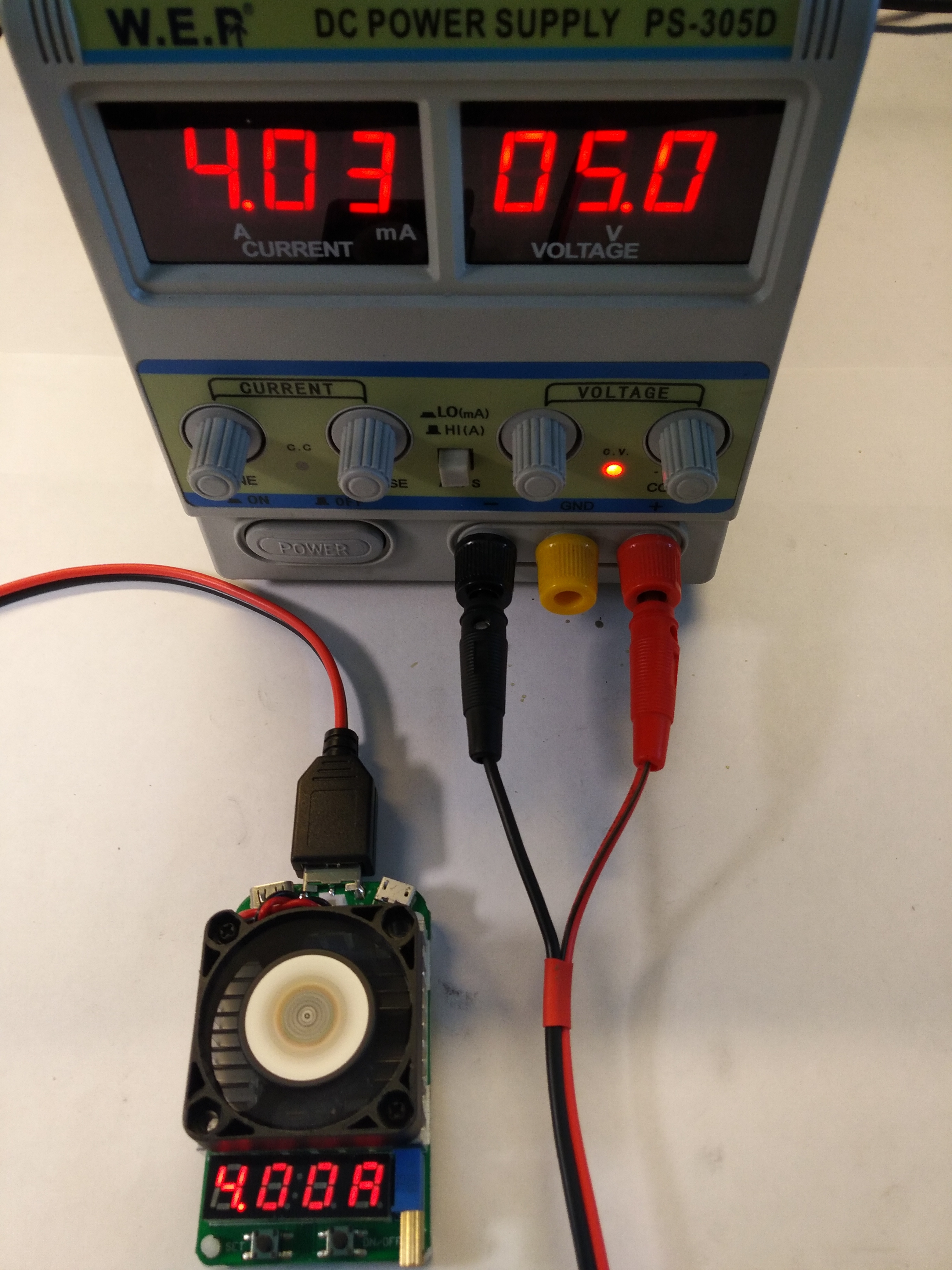
Like me, I hate multi-turn precision potentiometers. Managed to tighten to four Amps. And the device still works, it burns a little, but it doesn't smoke :)
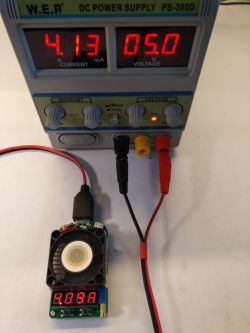
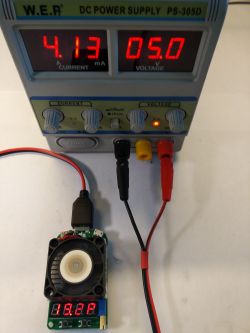
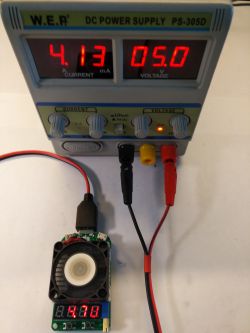
I've come to the end of the scale

. So actually more than four amps, this will not "jerk", but what more to expect from one TIP122 transistor.
I didn't test for voltages higher than 5V because as I mentioned I ended up reading the manual instead of starting there. I also don't have any charger with a "real" USB 3.1 (
@Gulson maybe you will think something about it, after all, I already have something to check
) so the only tests I can run are the ones with the power supply I used today.
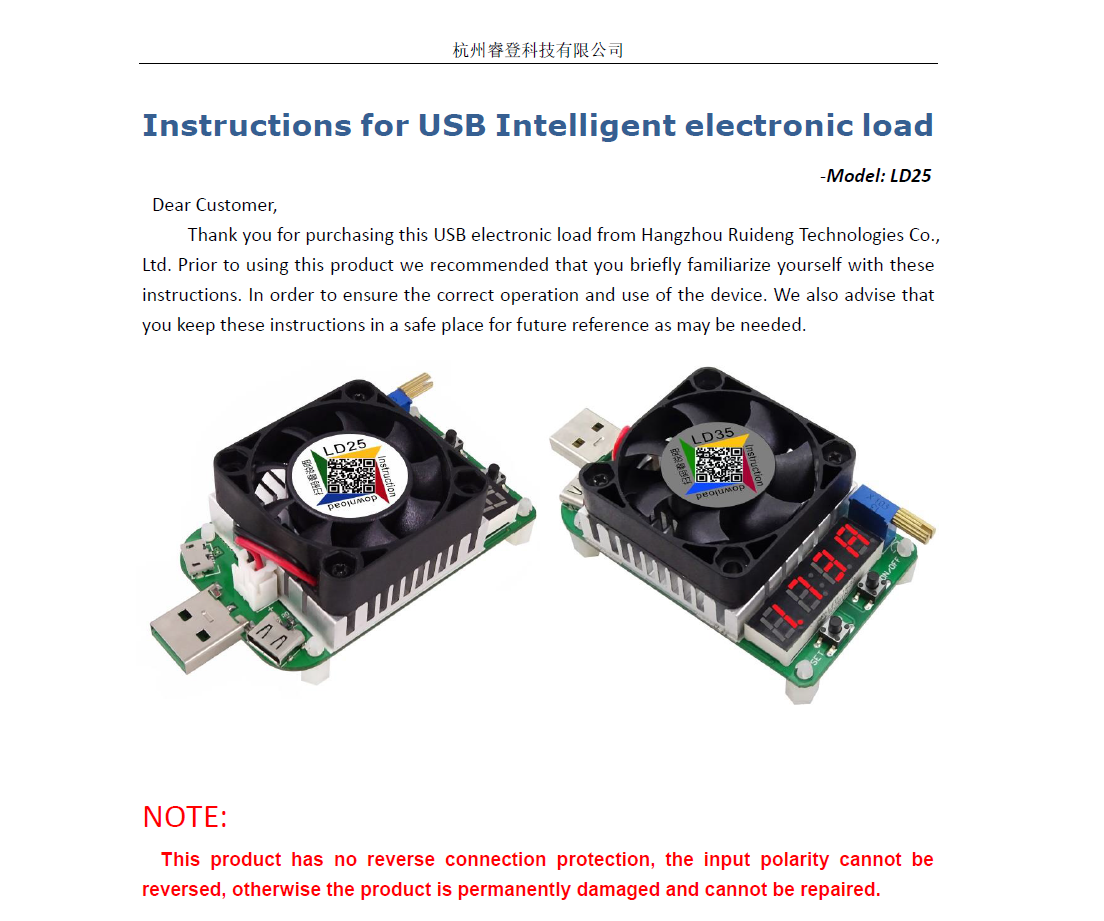
It is true that the instructions are attached, but in order not to waste your precious points,
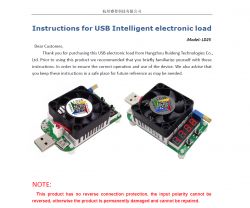
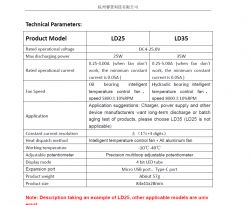
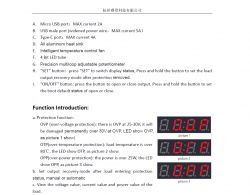
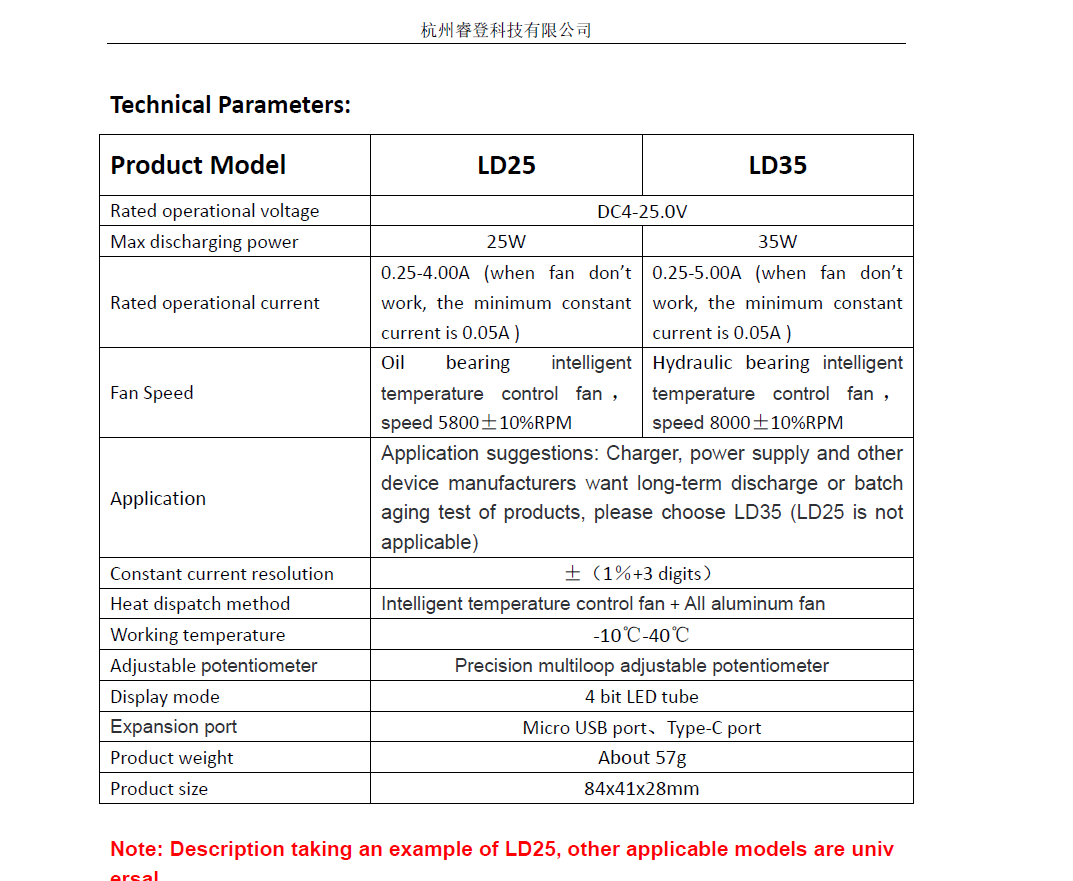
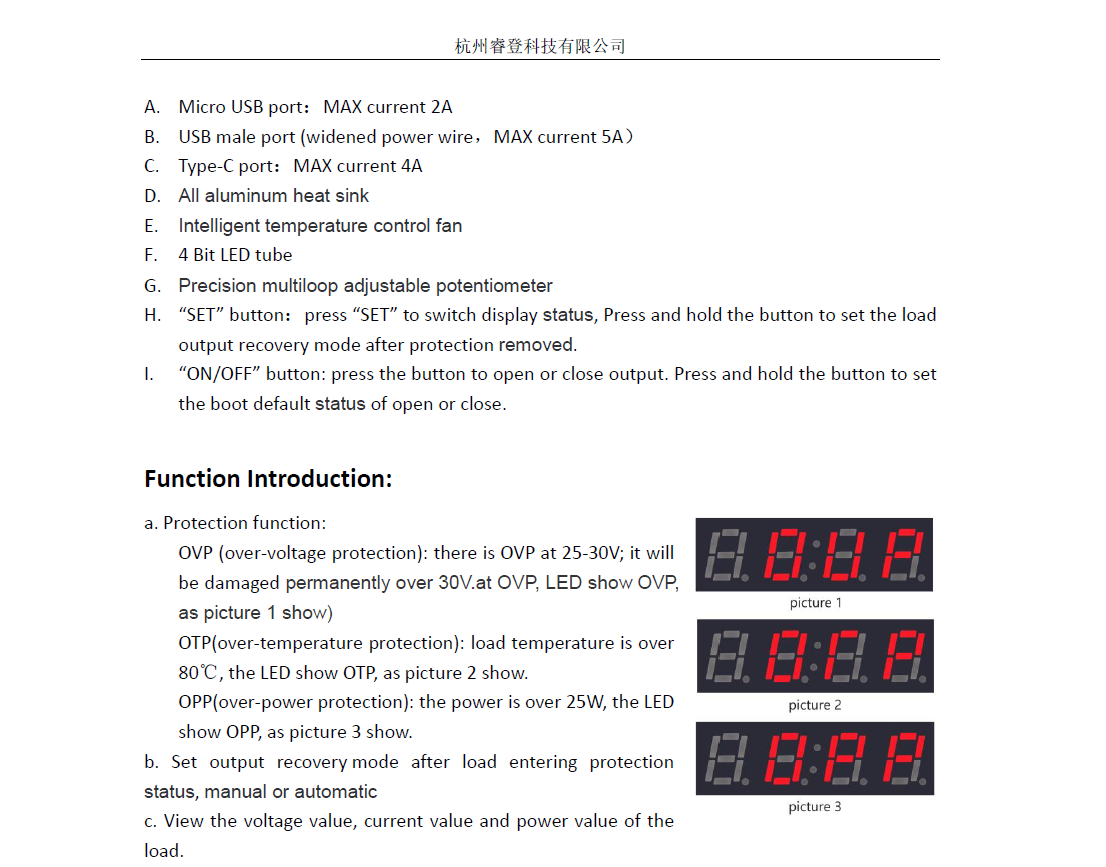
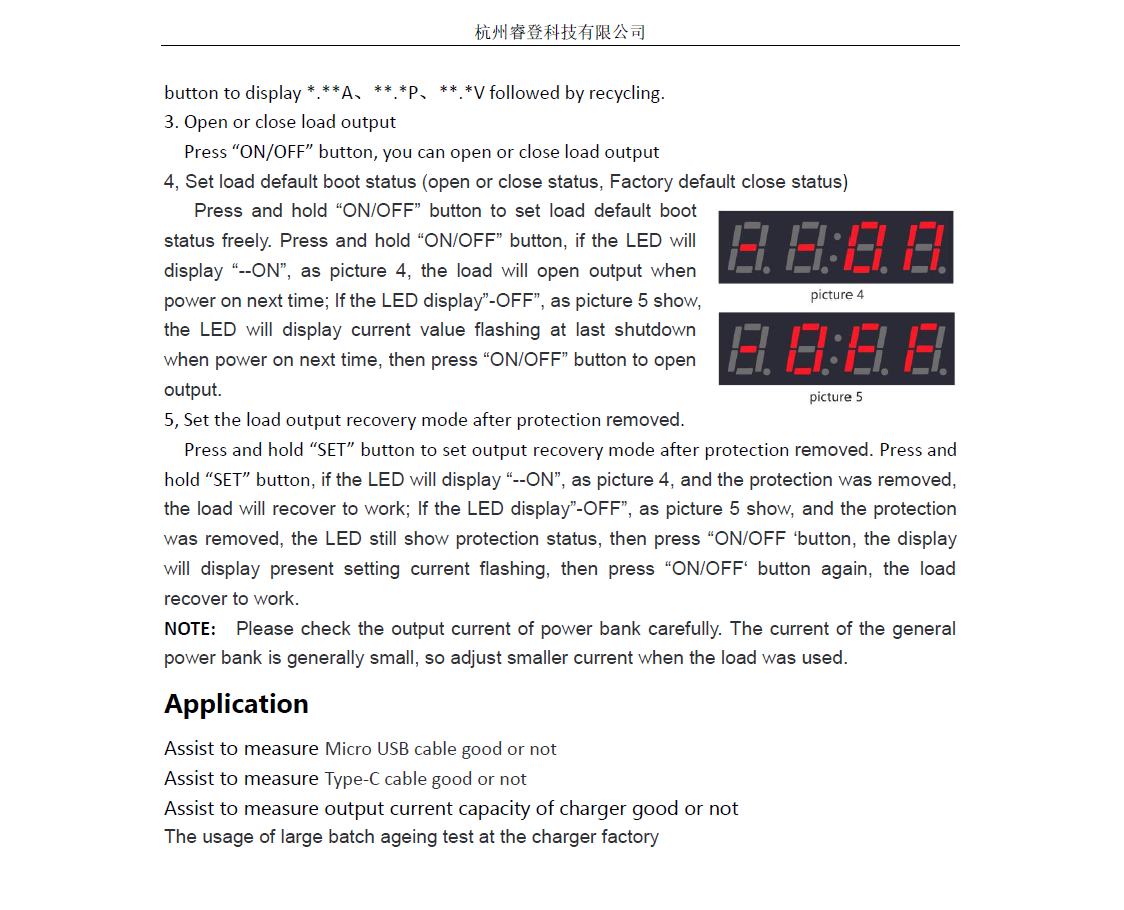
Here I will quote the most important technical parameters: It turns out that PDF has some security. So I am throwing you screenshots:
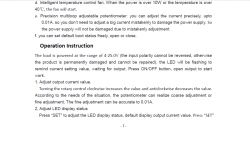
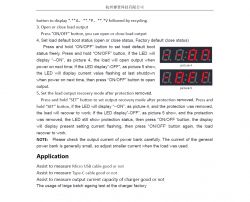
Summarizing.
I believe it can be quite a useful gadget for testing all kinds of USB chargers, and even USB 3.1. I think that this is one of those gadgets that will stay in my cavernous backpack for good, with the help of which I have repaired many equipment in the field. Even though it was supposed to be just a trip, or a simple meeting with friends in another city.
I hope that I comforted you a bit with these last articles, after (let's not be afraid to say it) the defeat of "Cockroach". Because I believe that the Element Tester, watch or artificial load are not only popular but also useful gadgets.
Best regards.
CMS












Comments
Interesting device, do I conclude correctly that it works only in the power supply testing mode? One of the previous artificial loads that a colleague presented (60W, I think) had two operating modes:... [Read more]
You reason well. [Read more]
Some oscillograms with the response to the steep slope and the analysis of the control circuits (at least types of operational amplifiers) would also be useful. [Read more]
I don't have a gadget with me, and tomorrow at work I have a lot of work to do and I don't know if I will have time to check it out. As for the amplifiers, the photos show two LM358s, just open... [Read more]
This is not micro usb 3.1, only usb type c, it is even written in the manual ... [Read more]