Hello
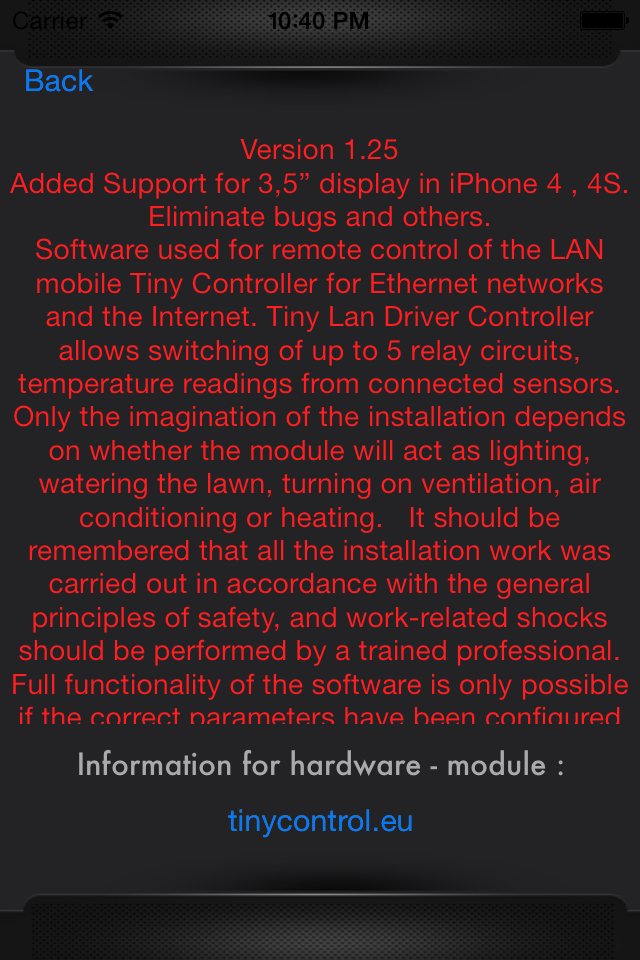
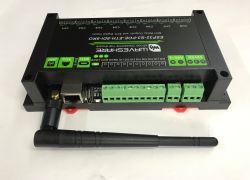
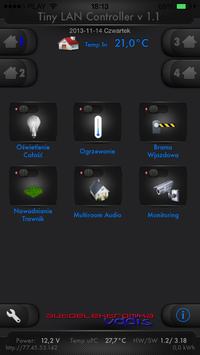
For the long-established Lan TINY Controller module on the market, I recently decided to write an attractive-looking and pretty cool application for the Apple smartphone platform Tiny OnOff .
Since the module is attractively priced (136 PLN) and extensions to it cheap , so I think that the offer in combination with my application may seem reasonable and economically correct
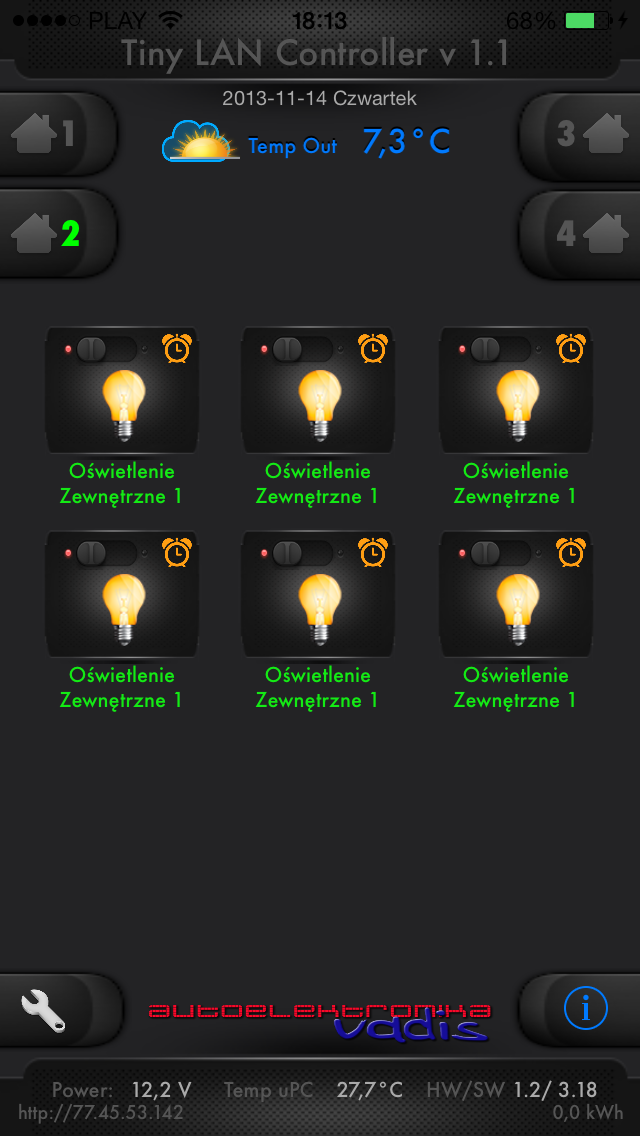
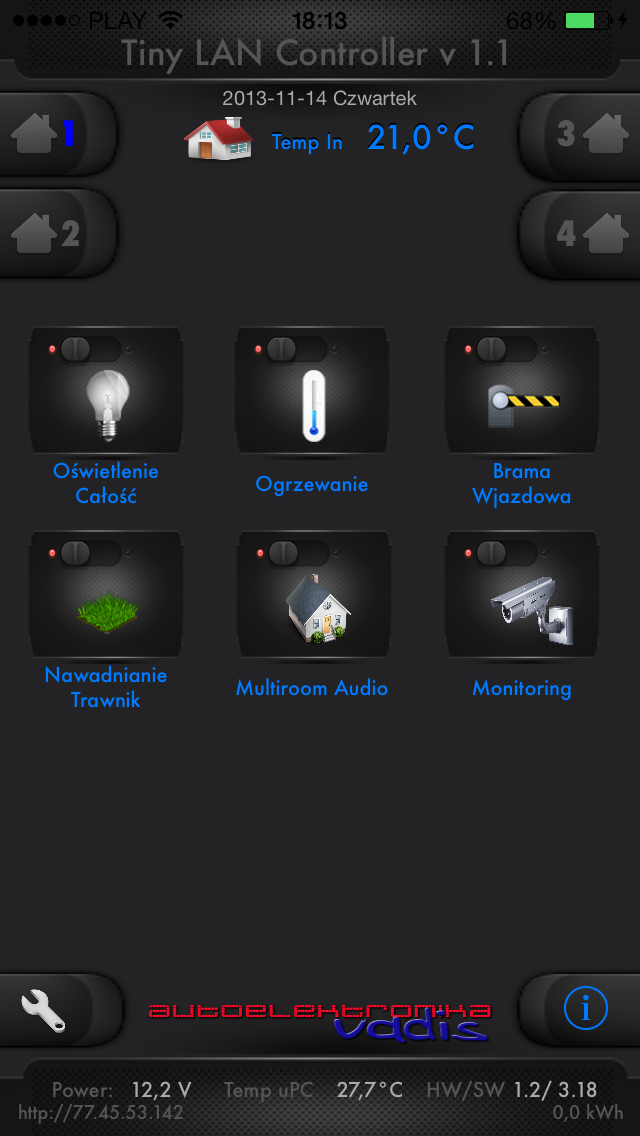
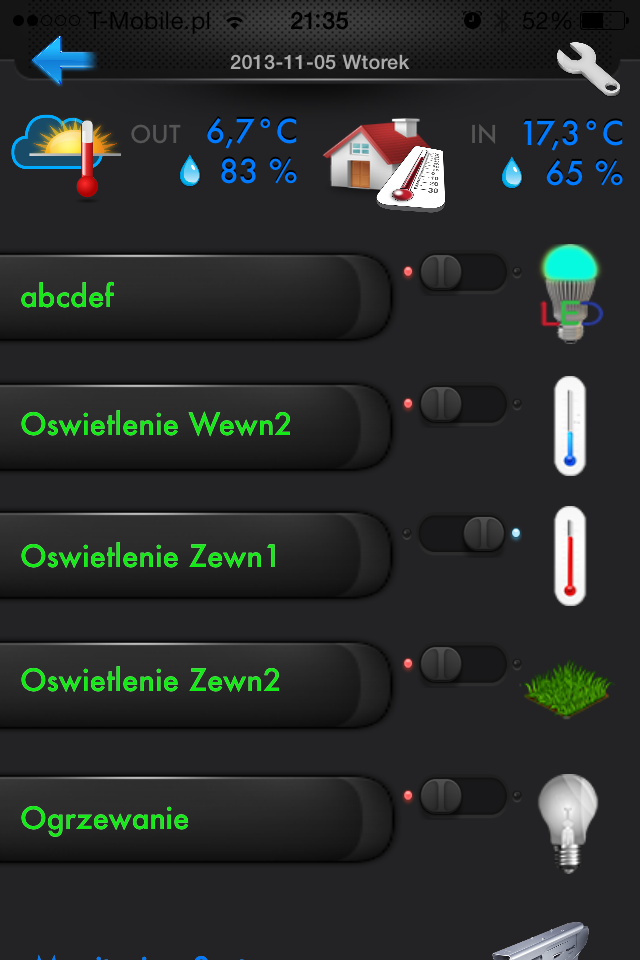
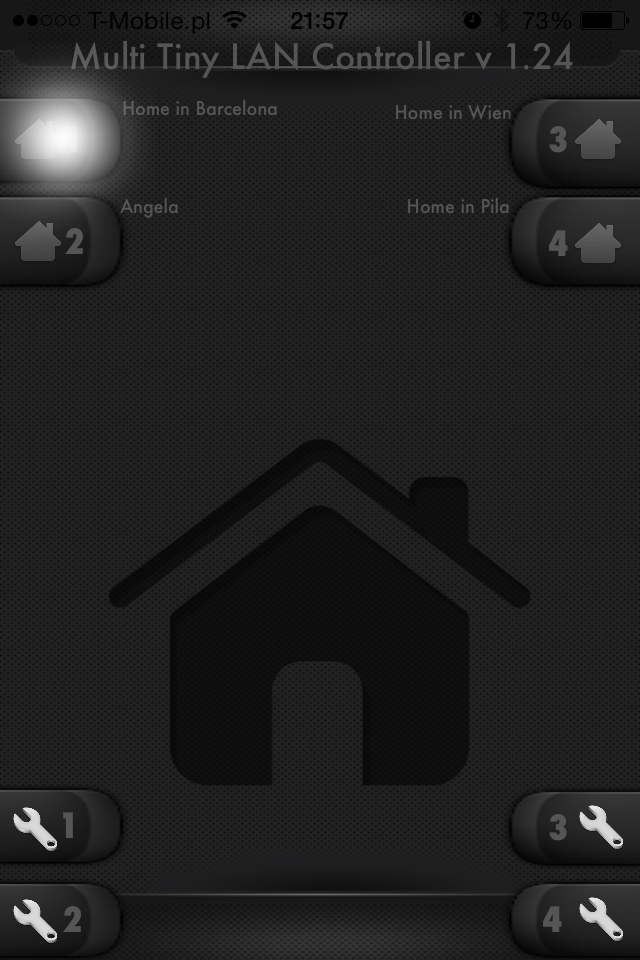
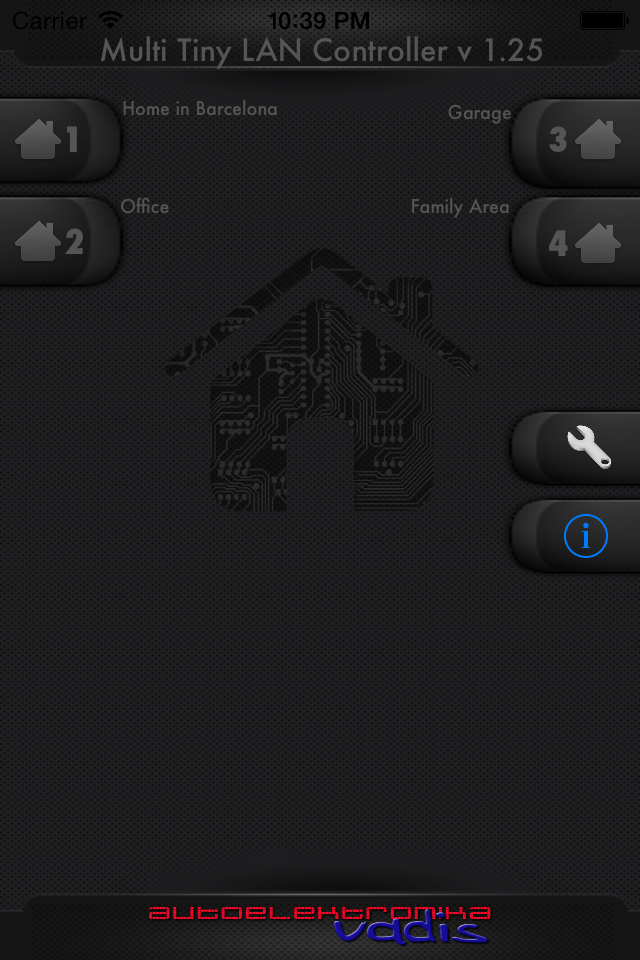
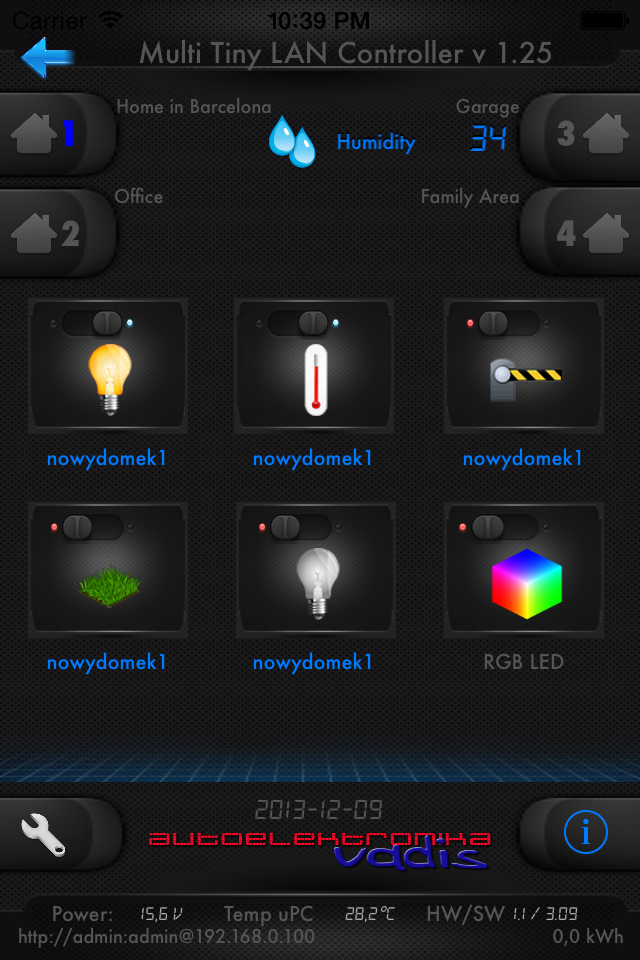
I would like to add that I am looking for suggestions as to what functionality could be added to the application. Currently we have temperature and humidity readings and control of 5 relays - NOTE - in 4 controllers at the same time, which gives us 20 ON/OFF circuits.
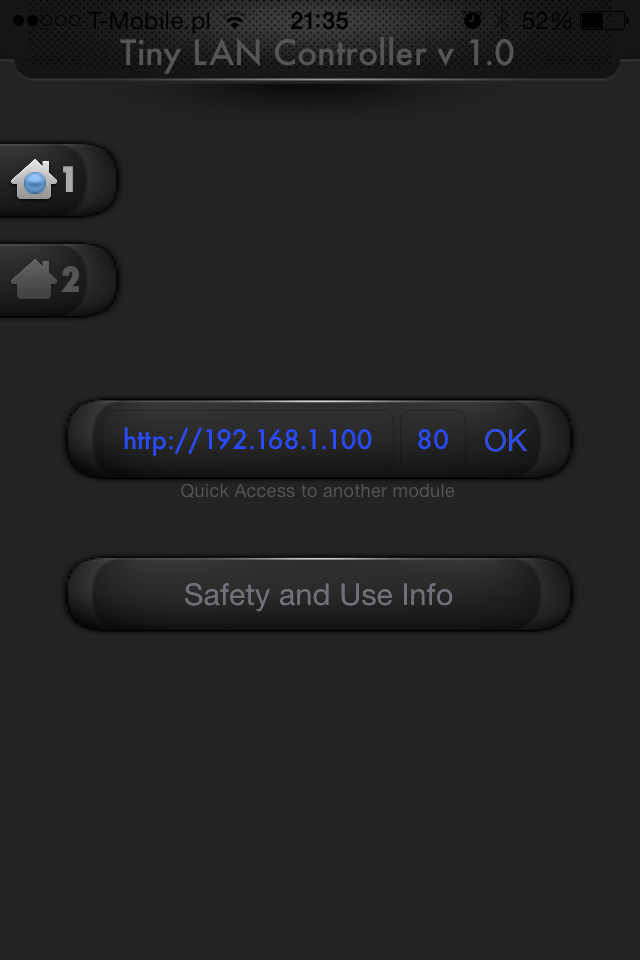
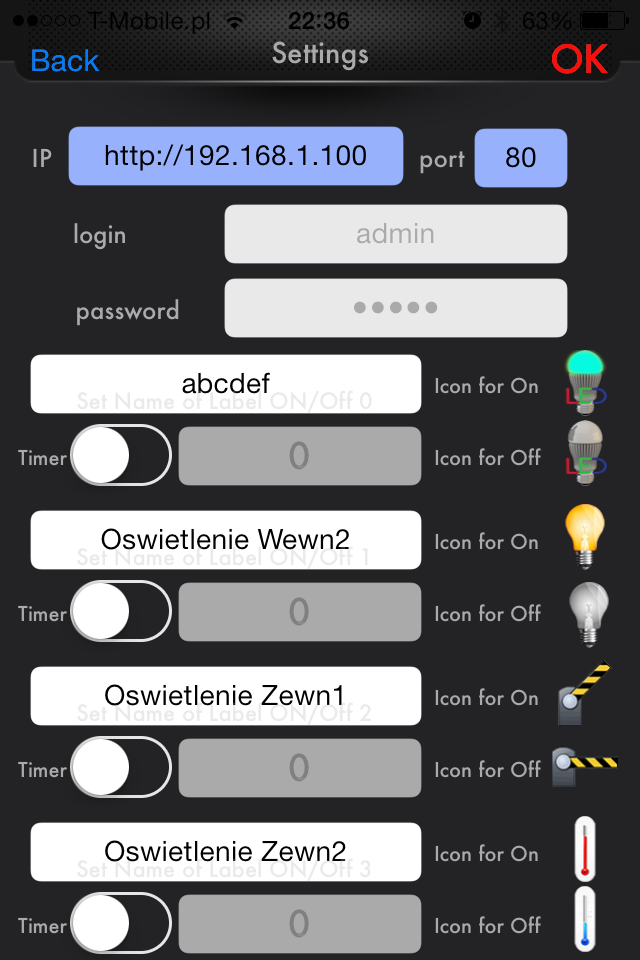
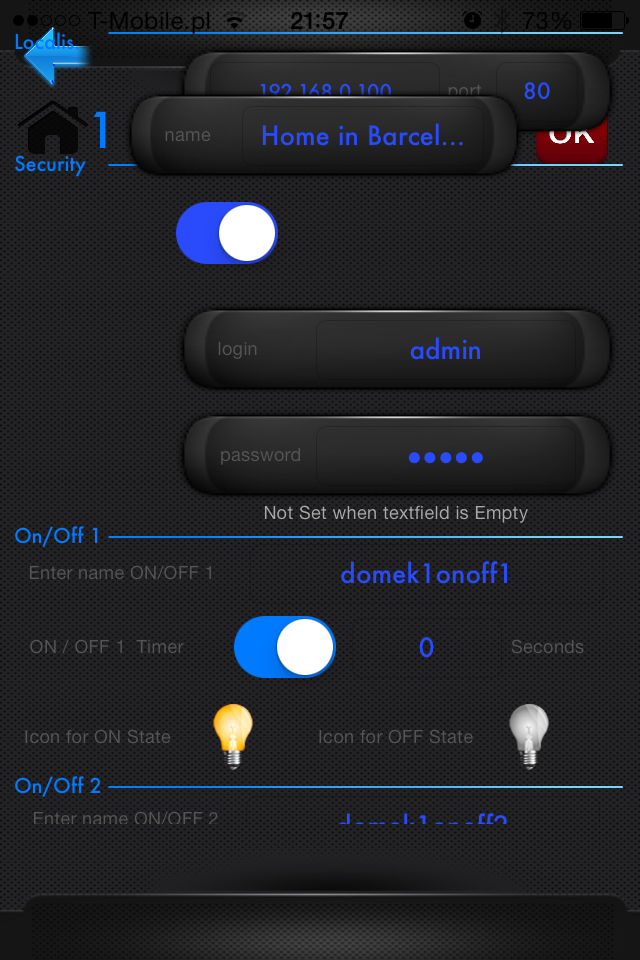
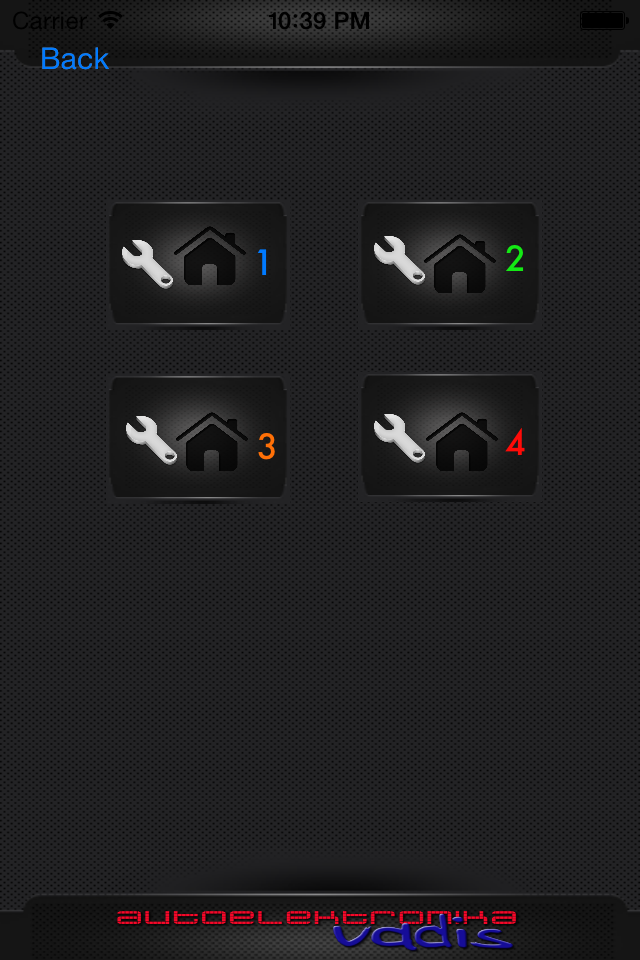
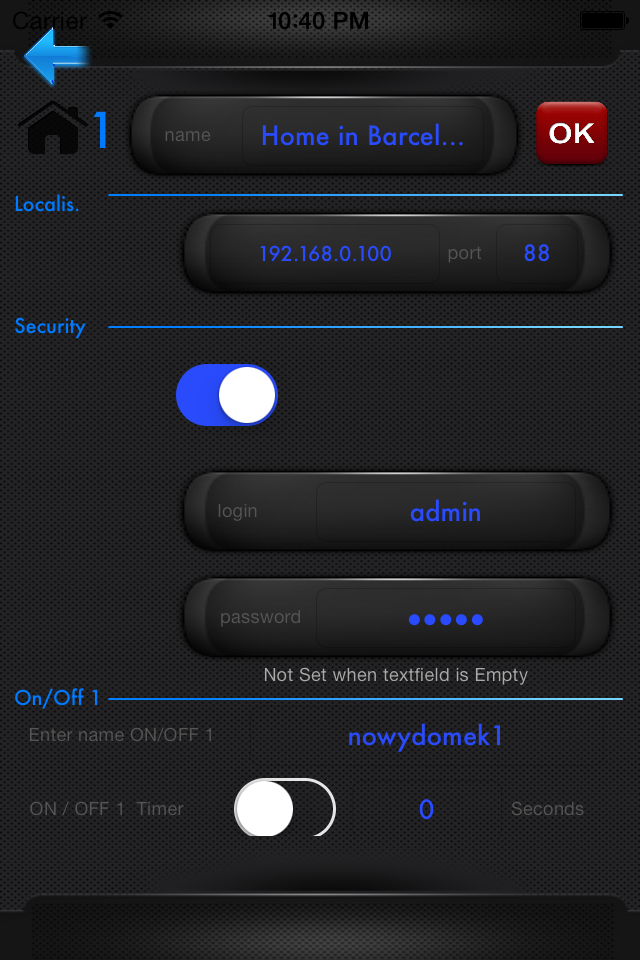
I would like to add that the application enables us to program an OFF-Timer / in seconds / for each of the outputs, each icon is programmed by the user during the configuration according to needs, and the descriptions of the buttons are also programmable and can be changed freely. Each change-control of the circuit results in a feedback check of the states of the switches and other parameters from the module, and the changes are reflected in the application window in a pleasant graphic form.
In the near future, we are planning RGB control, and perhaps DIMMER - dimming for traditional 220 volt lighting.
Short presentation: Presentation
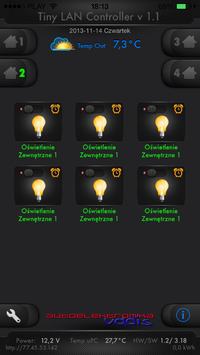
For the long-established Lan TINY Controller module on the market, I recently decided to write an attractive-looking and pretty cool application for the Apple smartphone platform Tiny OnOff .
Since the module is attractively priced (136 PLN) and extensions to it cheap , so I think that the offer in combination with my application may seem reasonable and economically correct
I would like to add that I am looking for suggestions as to what functionality could be added to the application. Currently we have temperature and humidity readings and control of 5 relays - NOTE - in 4 controllers at the same time, which gives us 20 ON/OFF circuits.
I would like to add that the application enables us to program an OFF-Timer / in seconds / for each of the outputs, each icon is programmed by the user during the configuration according to needs, and the descriptions of the buttons are also programmable and can be changed freely. Each change-control of the circuit results in a feedback check of the states of the switches and other parameters from the module, and the changes are reflected in the application window in a pleasant graphic form.
In the near future, we are planning RGB control, and perhaps DIMMER - dimming for traditional 220 volt lighting.
Short presentation: Presentation