FAQ
TL;DR: For 230V façade lighting with 5 lamps (≤50 W total), use an in‑wall digital timer, DIN‑rail timer, or an astronomical clock; “The power of the 5 lamps will not exceed 50W.” [Elektroda, TAGBA, post #16920862]
Why it matters: This FAQ helps homeowners pick a reliable, compact control method without rewiring every lamp.
Quick Facts
- Supply: 230V AC required; OP looked for a 230V timer instead of 12V Arduino modules. [Elektroda, TAGBA, post #16919066]
- Schedule need: From dusk until about 22:00, more often in winter. [Elektroda, TAGBA, post #16923576]
- Load: Approx. 5 lamps, ≤50 W total; LED load is low. [Elektroda, TAGBA, post #16920862]
- DIN‑rail option: Use if you have switchboard space and a dedicated cable. [Elektroda, 762302, post #16919133]
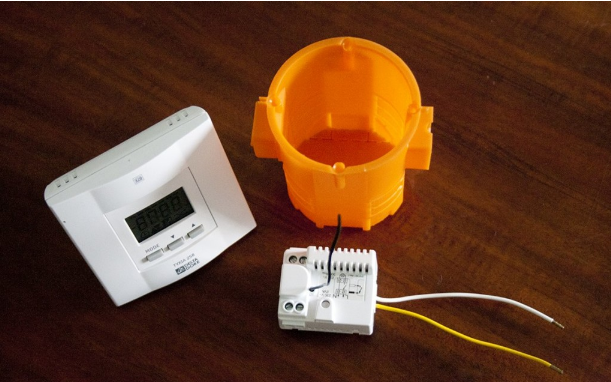
- In‑wall option: 80×80 mm digital clock fits a wall box or surface mount. [Elektroda, Xantix, post #16919102]
What 230V timer relay is recommended for 5 façade lamps?
Use a 230V in‑wall digital timer or a DIN‑rail time switch. Both handle low LED loads and offer weekly schedules. If enclosure space is tight, in‑wall models fit standard boxes. DIN‑rail versions suit central wiring with a dedicated circuit. [Elektroda, Xantix, post #16919102]
Can I avoid running every lamp through the main cupboard timer?
Yes. The OP wanted to avoid rewiring into the cupboard. Fit a compact in‑wall timer in the first lamp’s junction box or a flush box, provided there’s neutral and phase present. This keeps changes local and avoids cabinet congestion. [Elektroda, TAGBA, post #16919284]
Should I use a dusk sensor or a fixed-time schedule?
A dusk (photocell) sensor turns lights on when it gets dark. A fixed-time timer switches at set times. For compact hardware, dusk sensors are smaller, but place the sensor outdoors with clear sky exposure for accuracy. [Elektroda, wnoto, post #16919304]
Can I turn lights off at 22:00 but still start at dusk automatically?
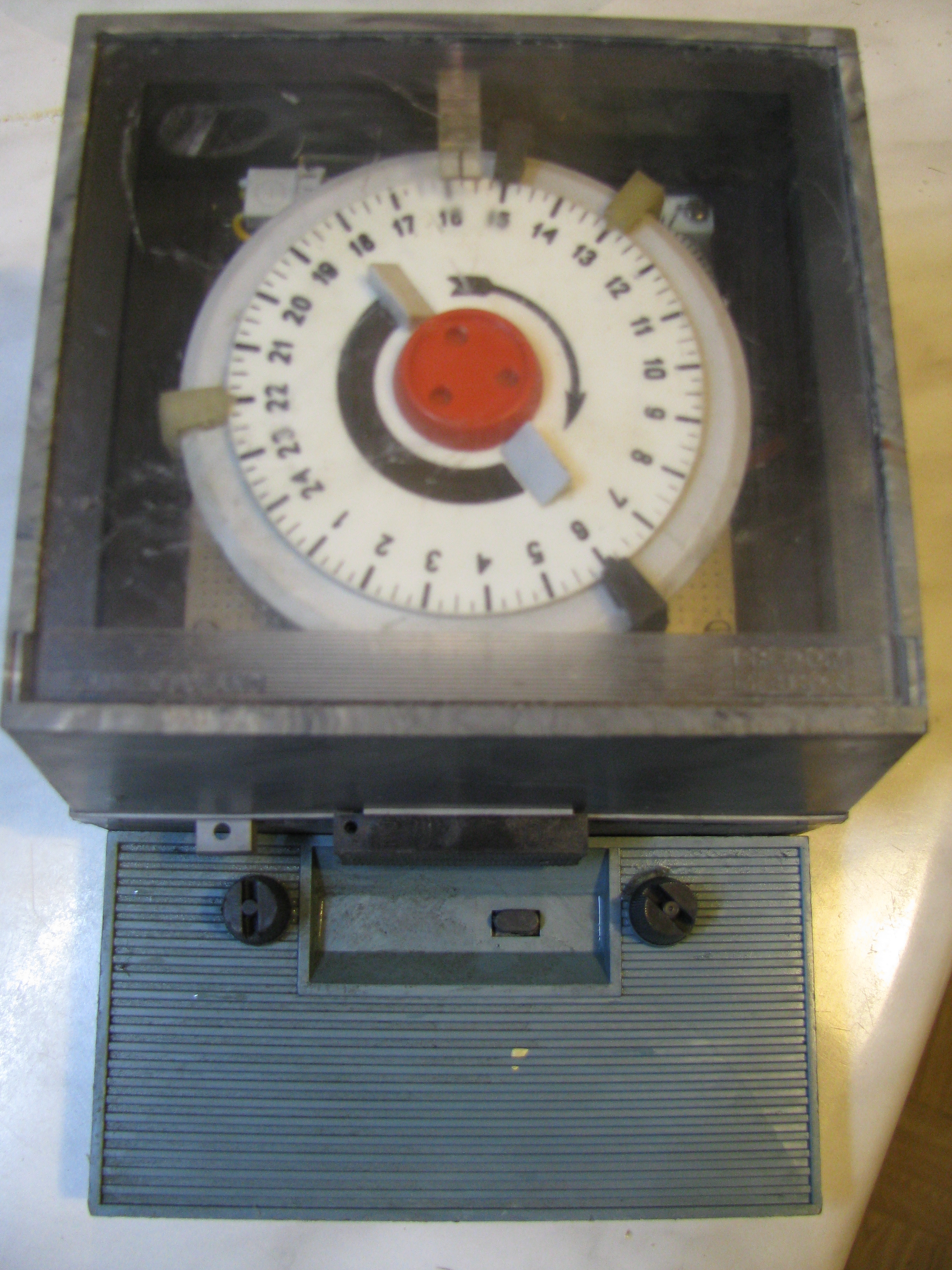
Yes. Use a dusk trigger followed by a timer window, or choose an astronomical clock and add an off‑time cut‑off at 22:00. This meets the requirement: on at darkness, off by 22:00. [Elektroda, TAGBA, post #16923576]
What is an astronomical clock in home lighting control?
It’s a timer that calculates local sunrise and sunset and adjusts daily without a light sensor. As one expert noted, “The astronomical clock itself will make a correction for sunrise and sunset.” This reduces seasonal reprogramming. [Elektroda, pol102, post #16919707]
Is an astronomical clock overkill for five low‑power lamps?
It can be costlier than basic timers. However, it removes manual seasonal changes. If budget is tight, combine a dusk sensor with a cut‑off timer to limit run time. [Elektroda, TAGBA, post #16919742]
What about using a motion detector with a light sensor?
Motion detectors with a built‑in photocell turn on only when someone approaches after dark. This saves energy for low‑traffic façades and avoids all‑night lighting. Position sensors to cover walkways or entrances. [Elektroda, marek216, post #16920493]
My façade is 20 m long; will a mini PIR with 6 m range work?
Coverage will be limited. A single 6 m sensor won’t span a 20 m elevation. Either add more sensors or place one where activity is highest. Converting each lamp isn’t desired by the OP. [Elektroda, TAGBA, post #16920862]
How do I install an in‑wall digital time switch for 230V lights?
- Verify phase, neutral, and load conductors are present in the box.
- Wire the in‑wall clock per its diagram; set weekly program.
- Test manual override, then enable auto mode.
Typical in‑wall units are 80×80 mm. [Elektroda, Xantix, post #16919102]
When should I choose a DIN‑rail time switch instead?
Choose DIN‑rail when you have panel space and a dedicated lighting circuit available. Centralized wiring simplifies maintenance and allows higher current relays if you expand later. [Elektroda, 762302, post #16919133]
Is a wireless or remote module a viable alternative?
Yes. Pair a central programmable clock with a miniature wireless receiver or transmitter module controlling the lamp circuit. This avoids running new control wires and keeps control flexible. [Elektroda, bhtom, post #16924541]
What is Arduino Nano?
Arduino Nano is a small microcontroller board used for DIY control projects. It often runs at 5 V and needs external power relays for 230V loads, which is why the OP looked for mains‑rated timers instead. [Arduino, 2025]
Can I add a dimmer to reduce brightness at night?
The OP mentioned interest in dimming, but not as a hard requirement. If you add dimming, ensure compatibility with your LED drivers and timer or sensor. Some dimmers and timers can conflict. [Elektroda, TAGBA, post #16919685]
What’s the typical size or spec for an in‑wall digital timer?
A referenced model measures 80×80 mm for flush or surface mounting. That form factor suits standard wall boxes and keeps installations neat while delivering programmable schedules. [Elektroda, Xantix, post #16919102]
What if there’s no room in the switchboard for new hardware?
Install control in the wall box or first lamp’s junction box. The OP preferred this to avoid cabinet rewiring where only one supply existed. Verify enclosure ratings for outdoor locations. [Elektroda, TAGBA, post #16919284]
What is an ambient‑light ‘dusk’ sensor?
It’s a device that switches lights based on measured illuminance outdoors. It enables auto‑on at dark without time programming. Install the sensing head outside; the active element must be exposed. [Elektroda, wnoto, post #16919304]