logo elektroda
logo elektroda
X
logo elektroda

[Solved] Failed to connect to ESP32: Timed out waiting for packet header”

wosiekpl 5088 17
Best answers

How can I fix the ESP32 upload error "Failed to connect to ESP32: Timed out waiting for packet header" when programming my board in Arduino IDE?

Lower the upload speed to 115200, check the USB cable, and make sure you selected the correct board for the module you are actually programming [#18296915][#18296934][#18297024] The 10 uF capacitor was not necessary for the fix [#18296889] In this thread, one of the boards was actually an ESP8266, so using ESP32 settings caused the connection problem; the ESP8266 board package had to be installed manually in Arduino IDE [#18297024][#18297048] After installing the proper libraries/board support and choosing the matching module for each board, both devices could be programmed successfully [#18297172]
Generated by the language model.
ADVERTISEMENT
Treść została przetłumaczona polish » english Zobacz oryginalną wersję tematu
  • #1 18296532
    wosiekpl
    Level 21  
    Posts: 1260
    Help: 2
    Rate: 35
    Board Language: polish
    Hello

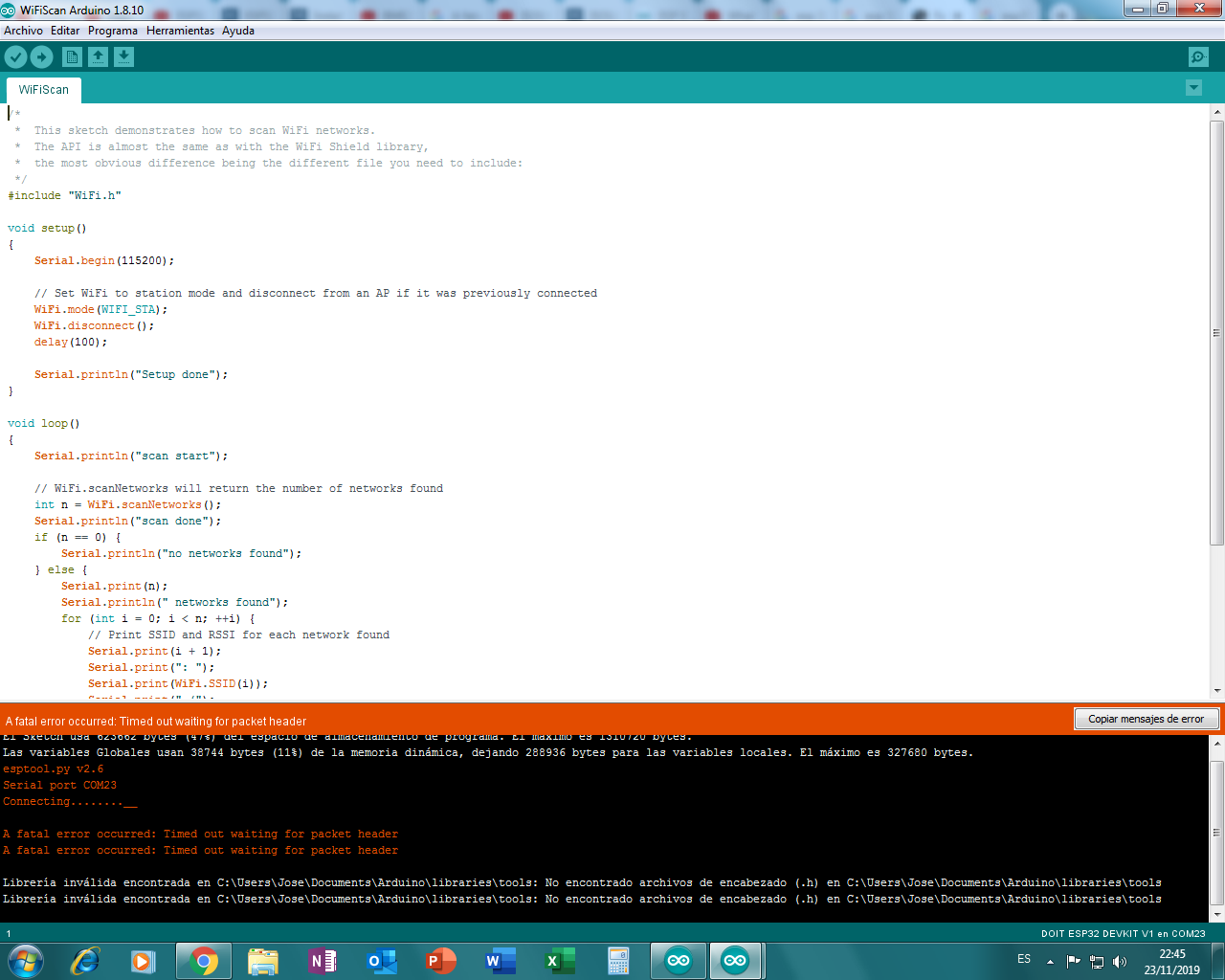
    I am trying to program two ESP 32 modules and during the upload when it finishes the write process I get this error :
    Failed to connect to ESP32: Timed out waiting for packet header”


    On YouTube and websites I found a description of how this problem can be solved. I soldered a 10 uF capacitor between pin E and GND but nothing helped. The Arduino I am using i.e. the software is version 1.8 and Win 7. The drivers are correctly uploaded.
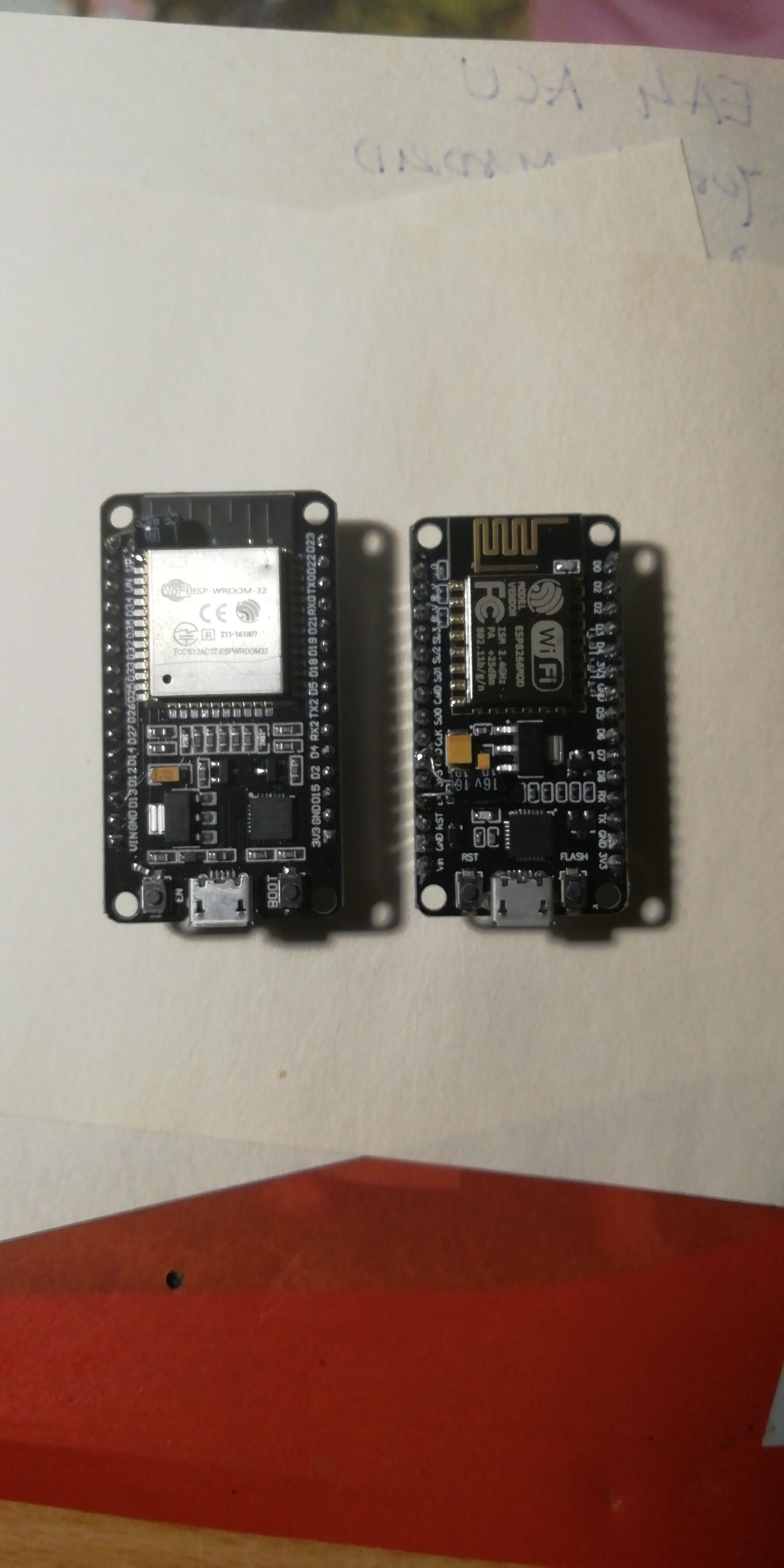
    The modules I am trying to program are these :
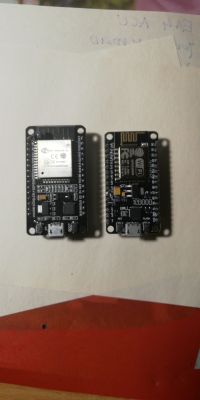
    Failed to connect to ESP32: Timed out waiting for packet header” .

    Added after 1 [hour] 24 [minutes]: .

    I only now noticed , that I should move this topic to another section. Therefore, I ask the admin to close here and move it to the section ESP 8266 and ESP 32 because there it seems to me it should be posted

    I am watching on YouTube how the program is uploaded to the module with the capacitor. And as far as I can see , after connecting , the red led lights up ( before uploading ) and the blue led flashes. In my case, only the red is lit.
  • ADVERTISEMENT
  • #2 18296889
    Anonymous
    Level 1  
  • #3 18296905
    wosiekpl
    Level 21  
    Posts: 1260
    Help: 2
    Rate: 35
    Board Language: polish
    Hello

    This is what it looks like:
    Failed to connect to ESP32: Timed out waiting for packet header” .
    Failed to connect to ESP32: Timed out waiting for packet header” .

    Now I upload to the module , which is on the left in the photo

    The program is Wifi scan

    Interestingly , it used to be to the module , the one on the right , I uploaded the program to Blynk to switch the relays and it worked. Now I try to upload it again and get an error
  • #4 18296915
    Anonymous
    Level 1  
  • ADVERTISEMENT
  • #5 18296917
    wosiekpl
    Level 21  
    Posts: 1260
    Help: 2
    Rate: 35
    Board Language: polish
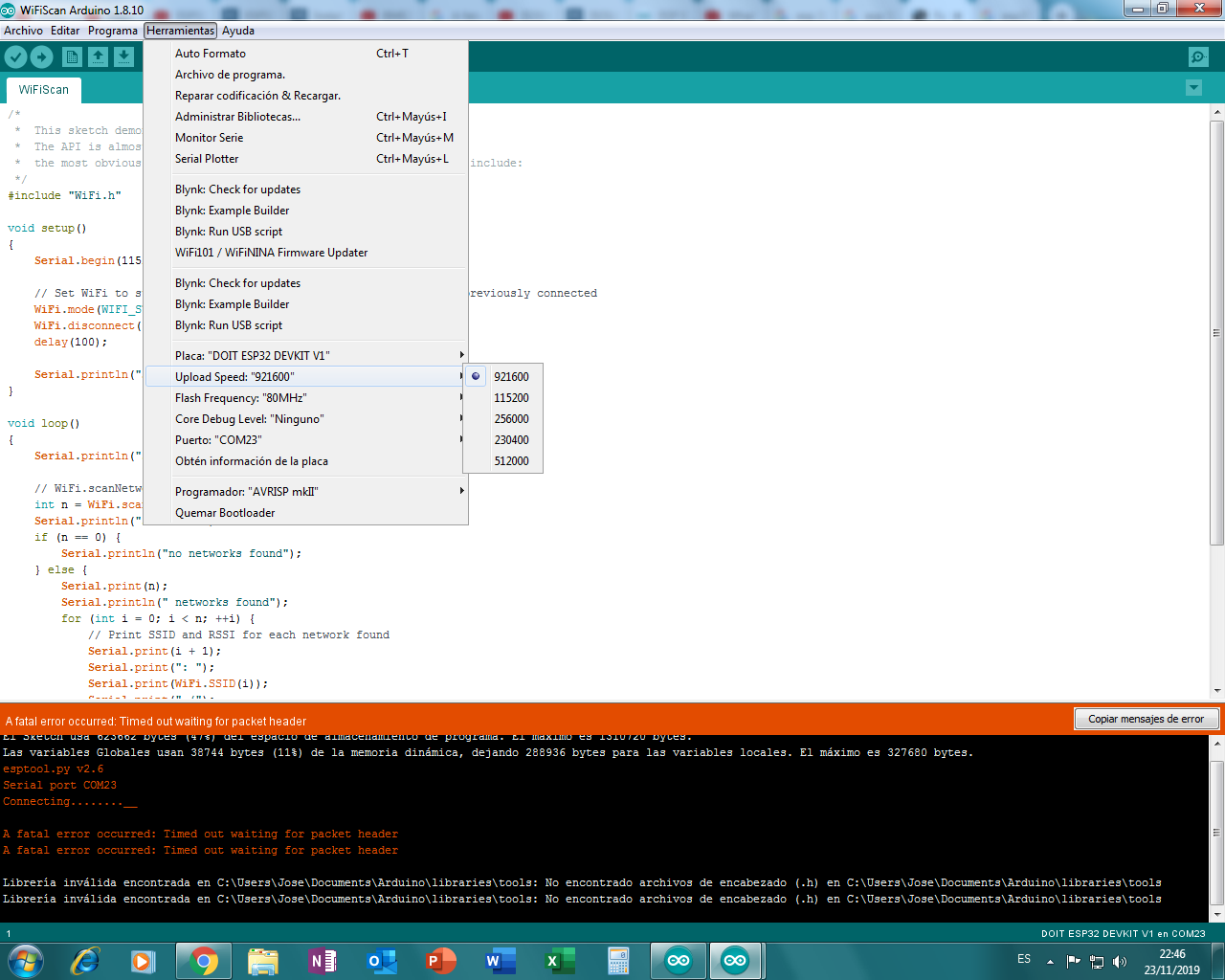
    just changed and uploading

    Failed to connect to ESP32: Timed out waiting for packet header”

    Still error

    Maybe the module you have selected is unsuitable


    Failed to connect to ESP32: Timed out waiting for packet header” .


    Failed to connect to ESP32: Timed out waiting for packet header” .
  • #6 18296934
    Anonymous
    Level 1  
  • #7 18296948
    wosiekpl
    Level 21  
    Posts: 1260
    Help: 2
    Rate: 35
    Board Language: polish
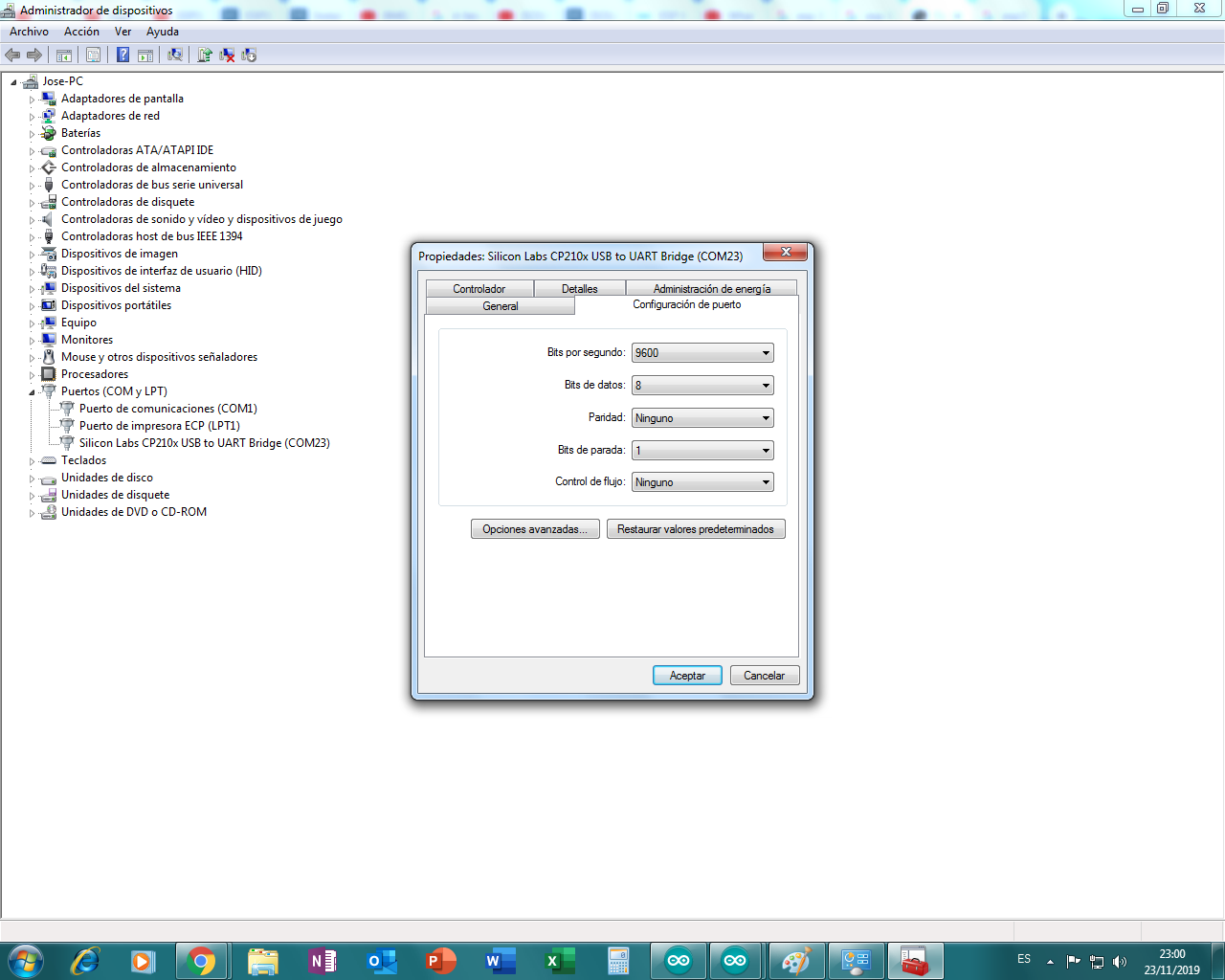
    It was on 9600 and now I have changed it to 115200 . After the change it does not work , the other module also. Now I change the cable

    I have changed both the cable and the port and still nothing, the same error keeps popping up
  • #8 18296971
    Anonymous
    Level 1  
  • #9 18296989
    wosiekpl
    Level 21  
    Posts: 1260
    Help: 2
    Rate: 35
    Board Language: polish
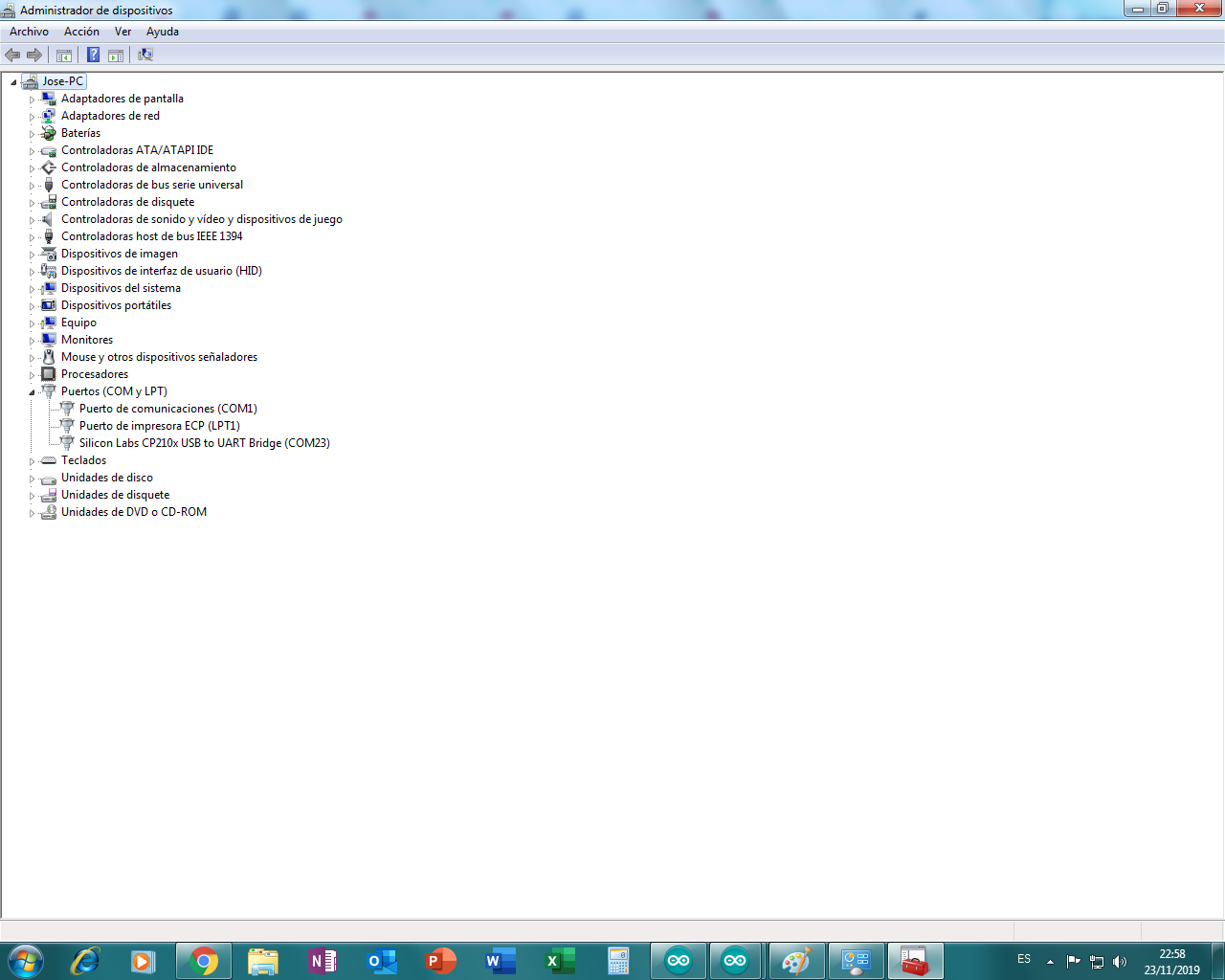
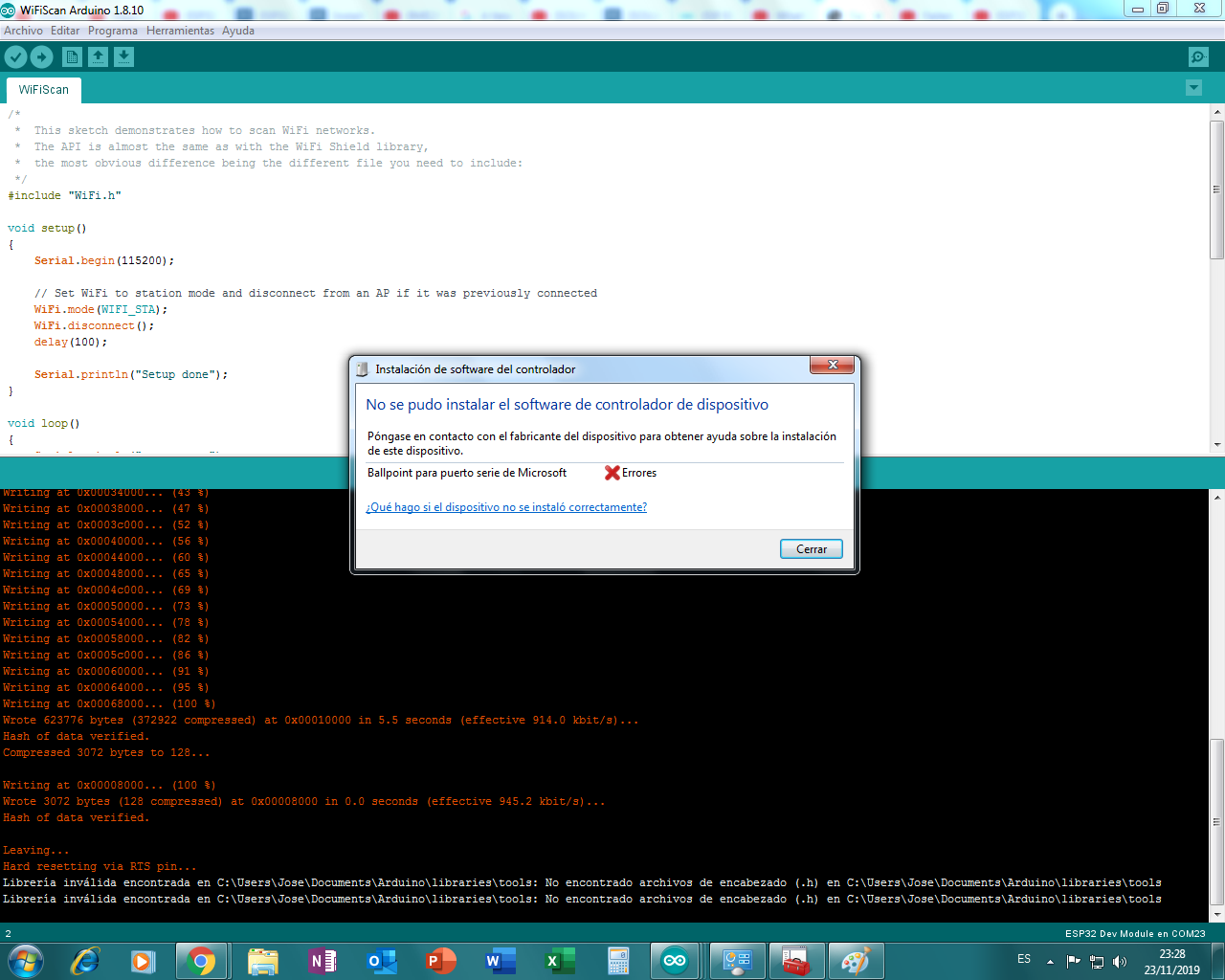
    Now this is how it looks like , The module on the left side , I marked it with number 1
    Failed to connect to ESP32: Timed out waiting for packet header”

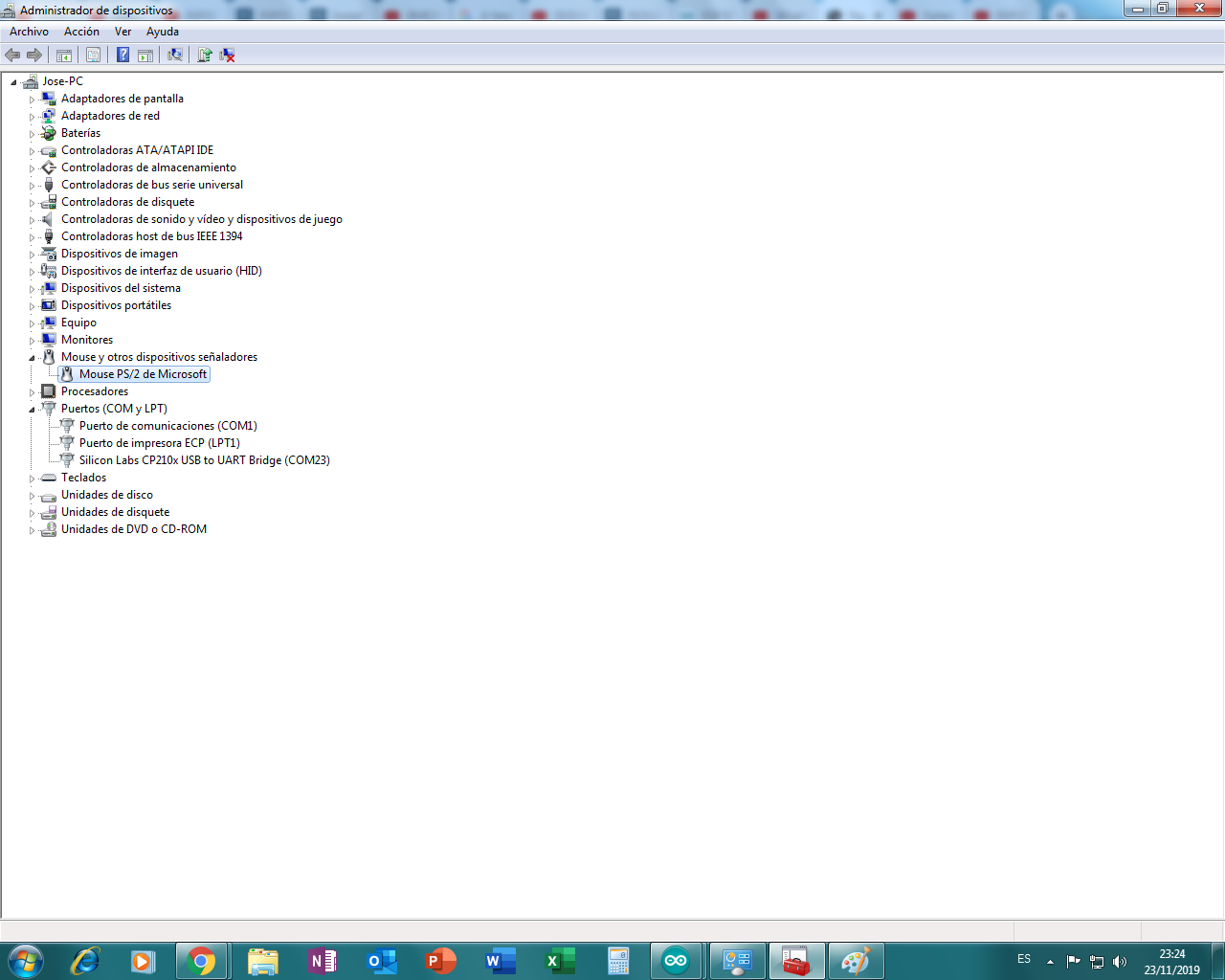
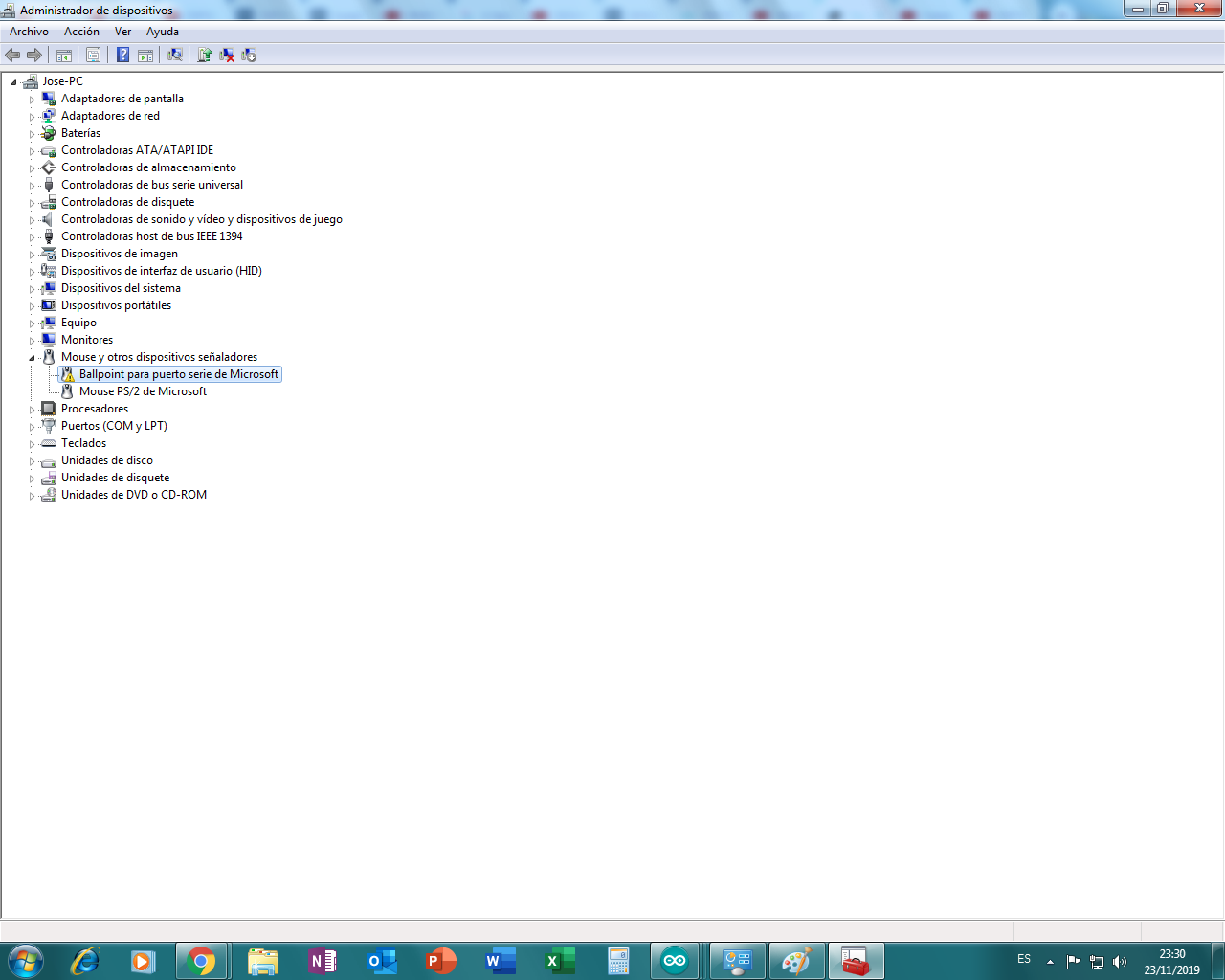
    In the manager I had a mouse driver error , it was displayed twice , one OK and the other with an error and I deleted it

    Now it looks like this
    Failed to connect to ESP32: Timed out waiting for packet header”


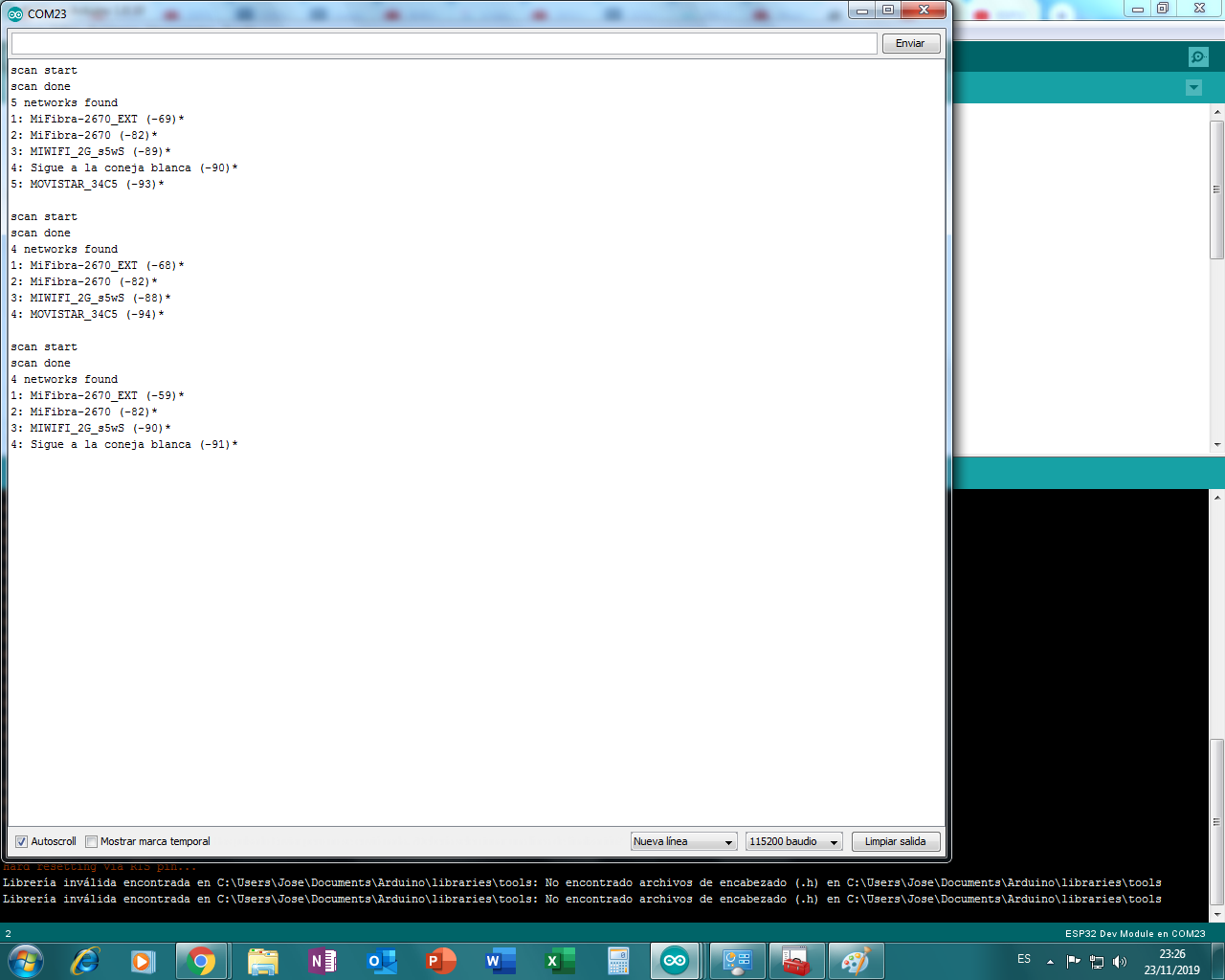
    Module 1 is working , this is how the reading from the port looks like

    Failed to connect to ESP32: Timed out waiting for packet header”
  • #10 18296992
    Anonymous
    Level 1  
  • ADVERTISEMENT
  • #11 18296997
    wosiekpl
    Level 21  
    Posts: 1260
    Help: 2
    Rate: 35
    Board Language: polish
    This is what it looks like now that modulus number 2 is connected

    Failed to connect to ESP32: Timed out waiting for packet header”

    It detects it as a mouse

    Failed to connect to ESP32: Timed out waiting for packet header”

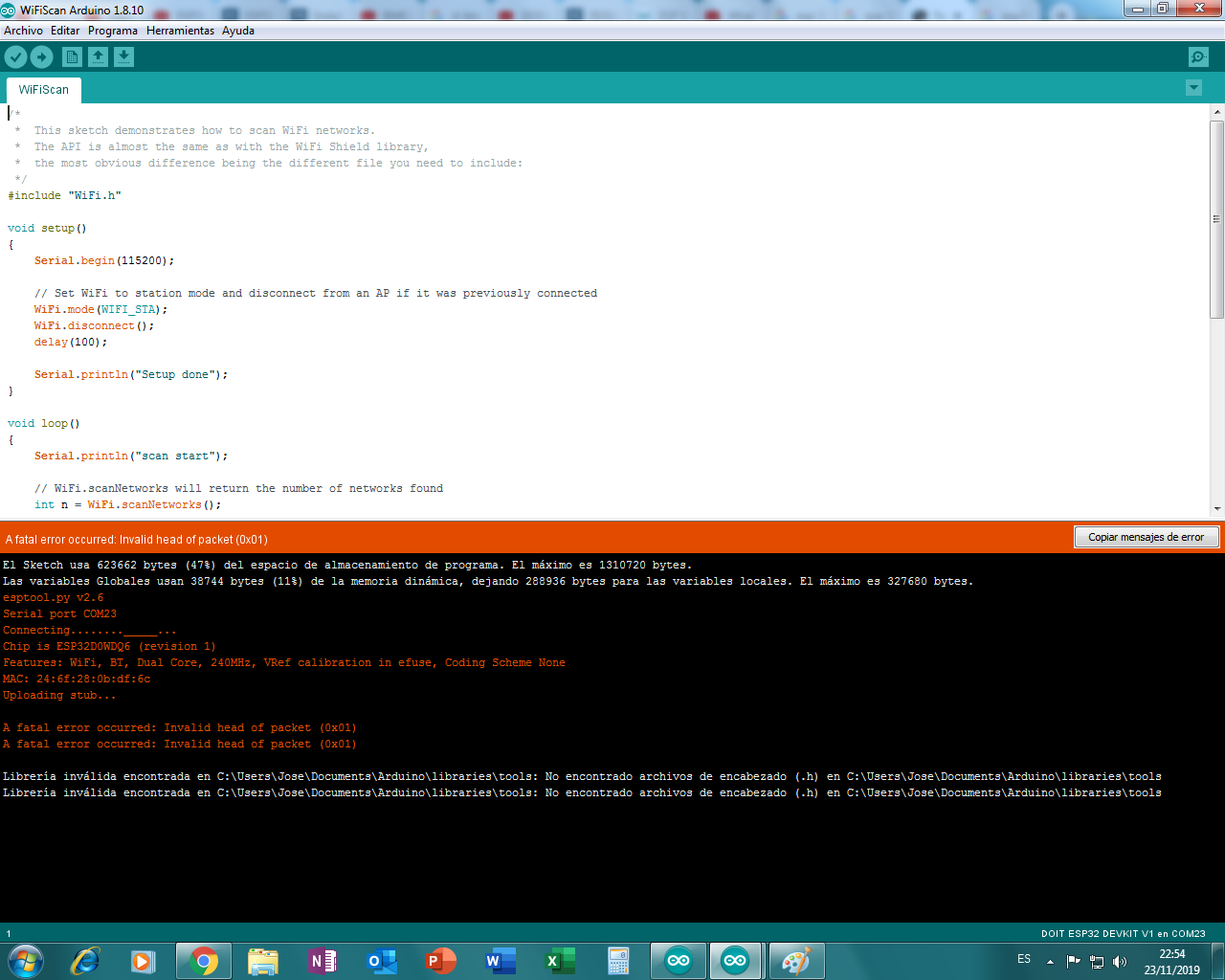
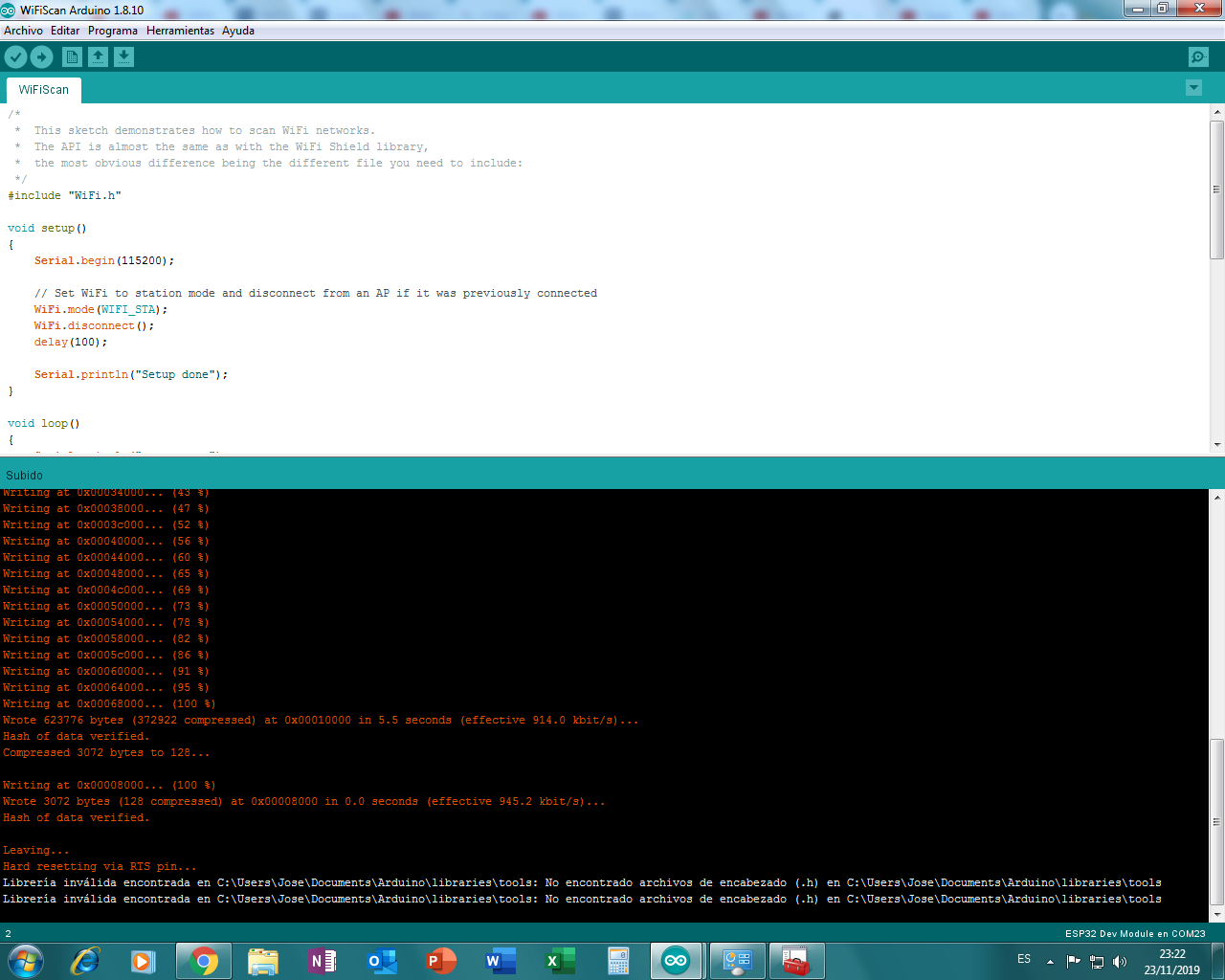
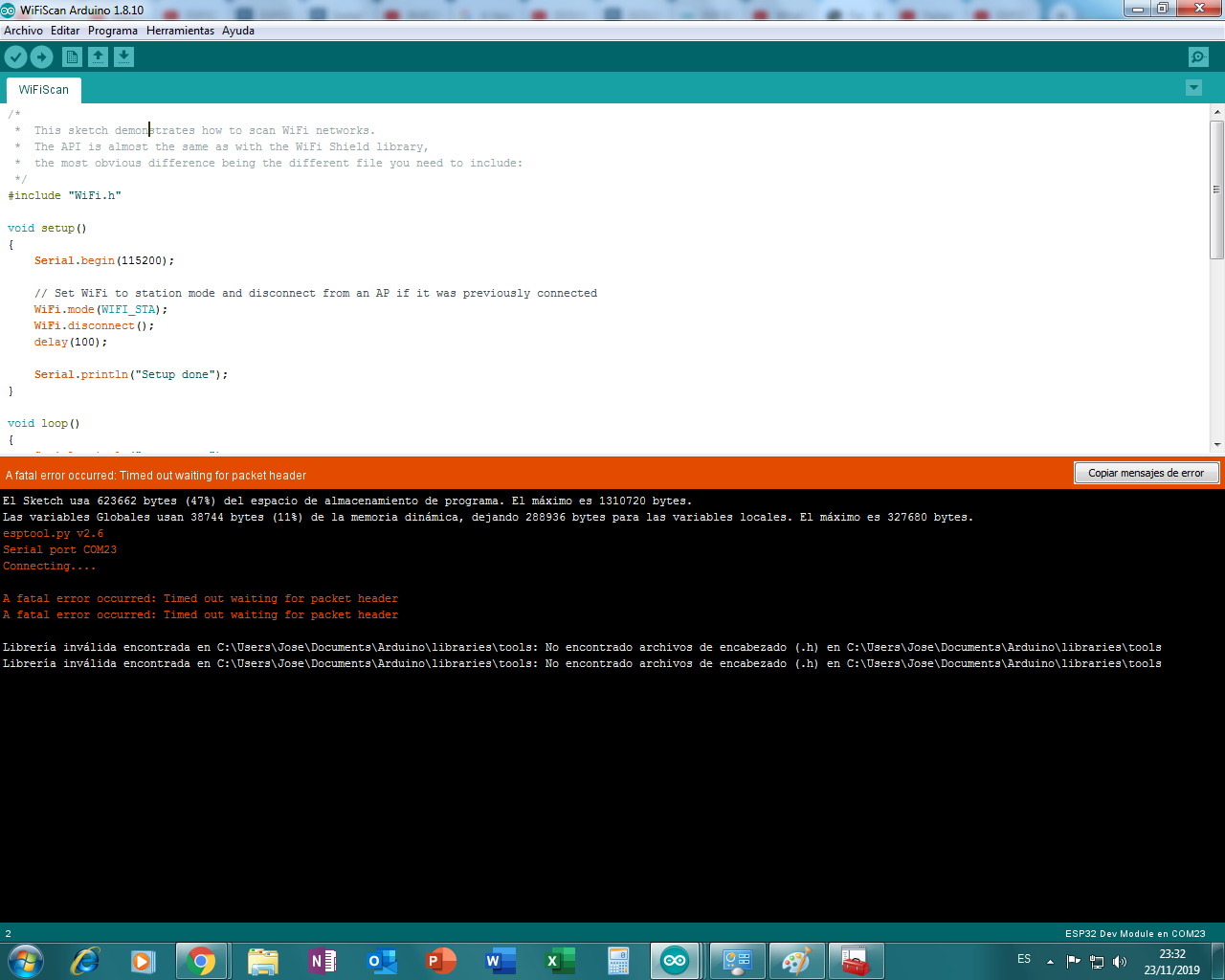
    This is how it is after uploading to module number 2. I have not changed the module type in the tools , it is still saved as ESP32 Dev Module

    Failed to connect to ESP32: Timed out waiting for packet header” .

    After connecting this module , there is a blue Led on the top right . The second led , also blue , next to the usb connector lights up but very weakly . After compilation during uploading both LEDs turn off.
  • #12 18297003
    Anonymous
    Level 1  
  • ADVERTISEMENT
  • #13 18297022
    wosiekpl
    Level 21  
    Posts: 1260
    Help: 2
    Rate: 35
    Board Language: polish
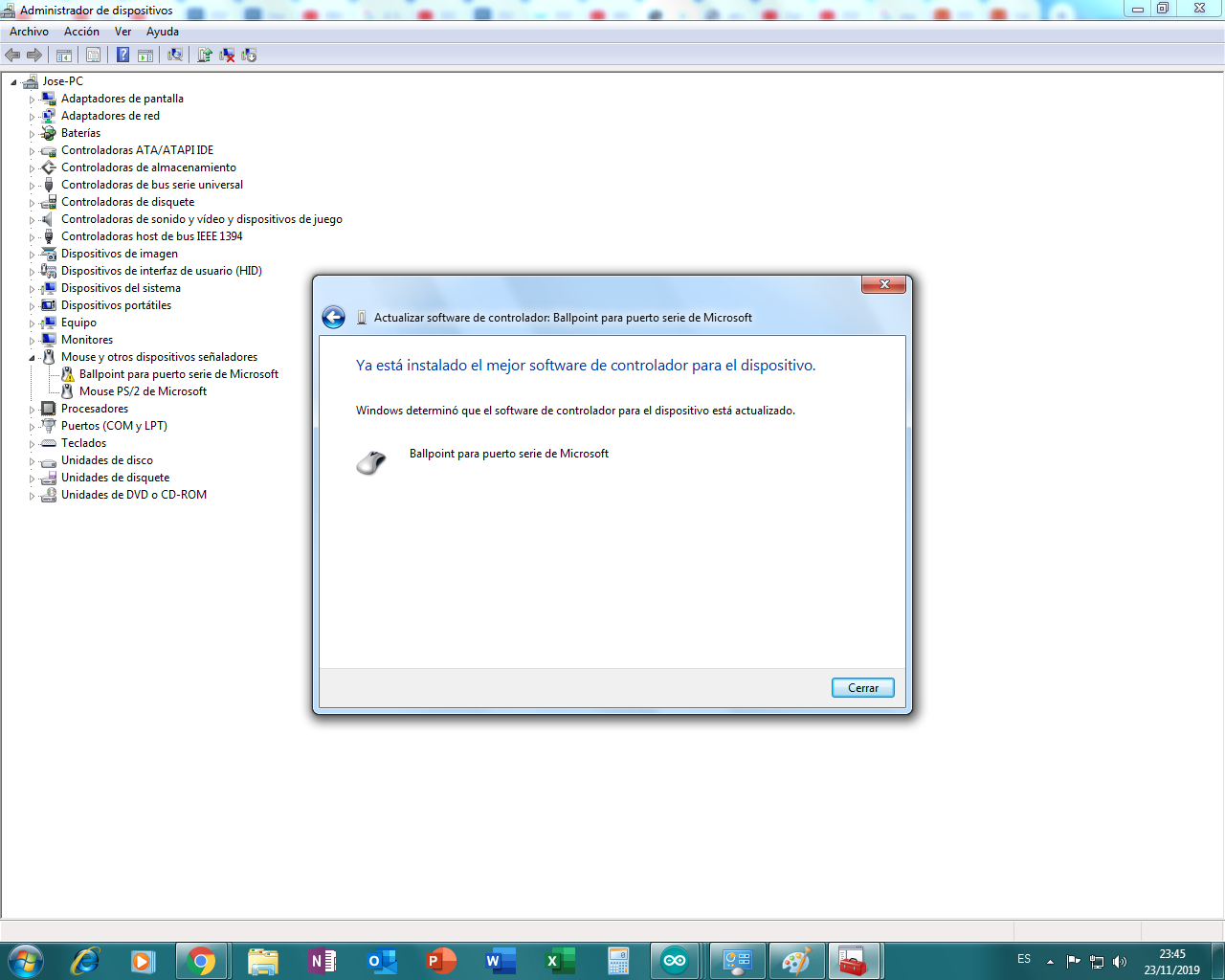
    Both have the same CP2102 chip, now when I buy I will choose another, the CH340

    After connecting , in the manager after updating it shows that the driver is installed. Now I will do the same in Arduino, looking for a library

    Failed to connect to ESP32: Timed out waiting for packet header” .
  • #14 18297024
    Anonymous
    Level 1  
  • #15 18297045
    wosiekpl
    Level 21  
    Posts: 1260
    Help: 2
    Rate: 35
    Board Language: polish
    Yes , you are right
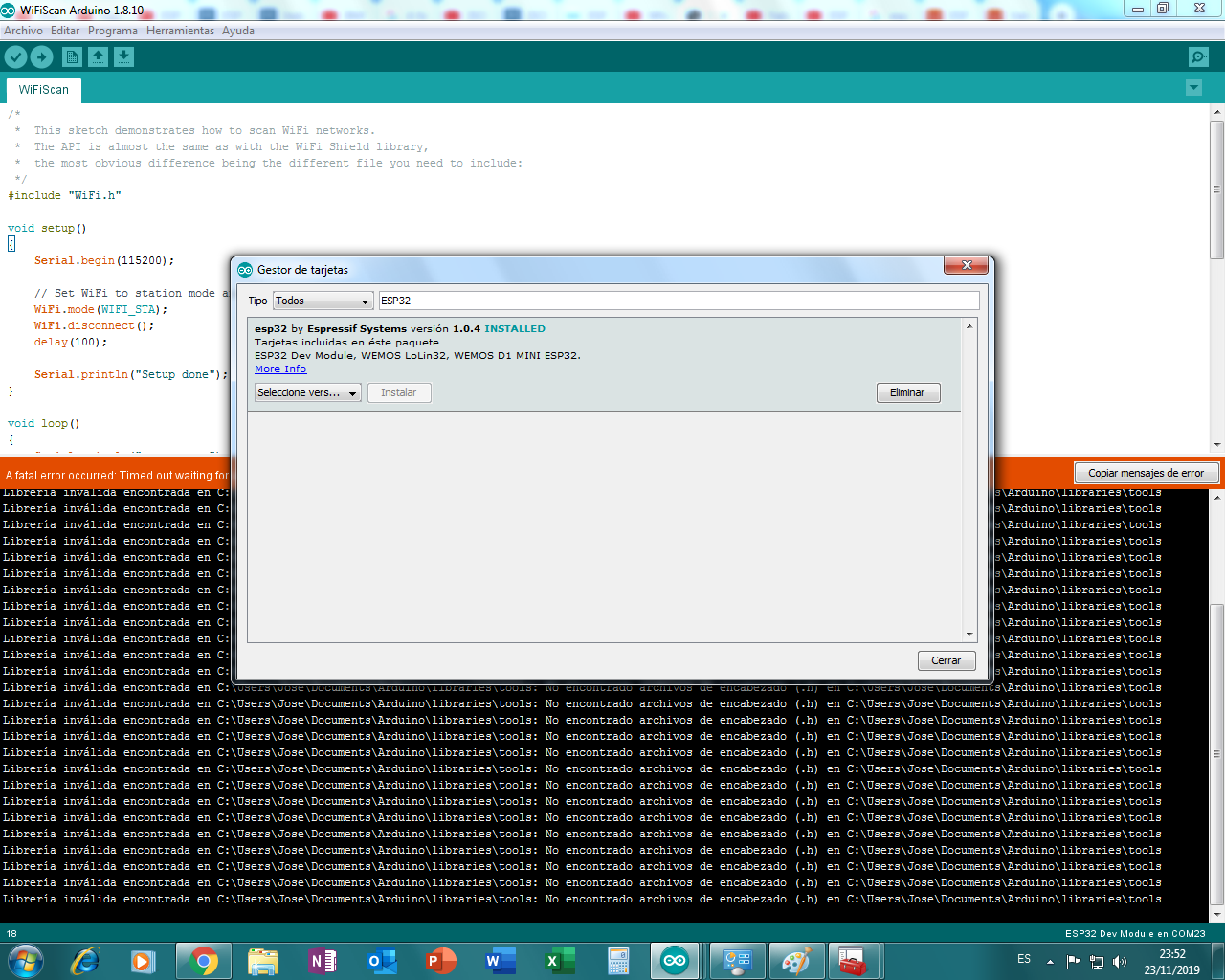
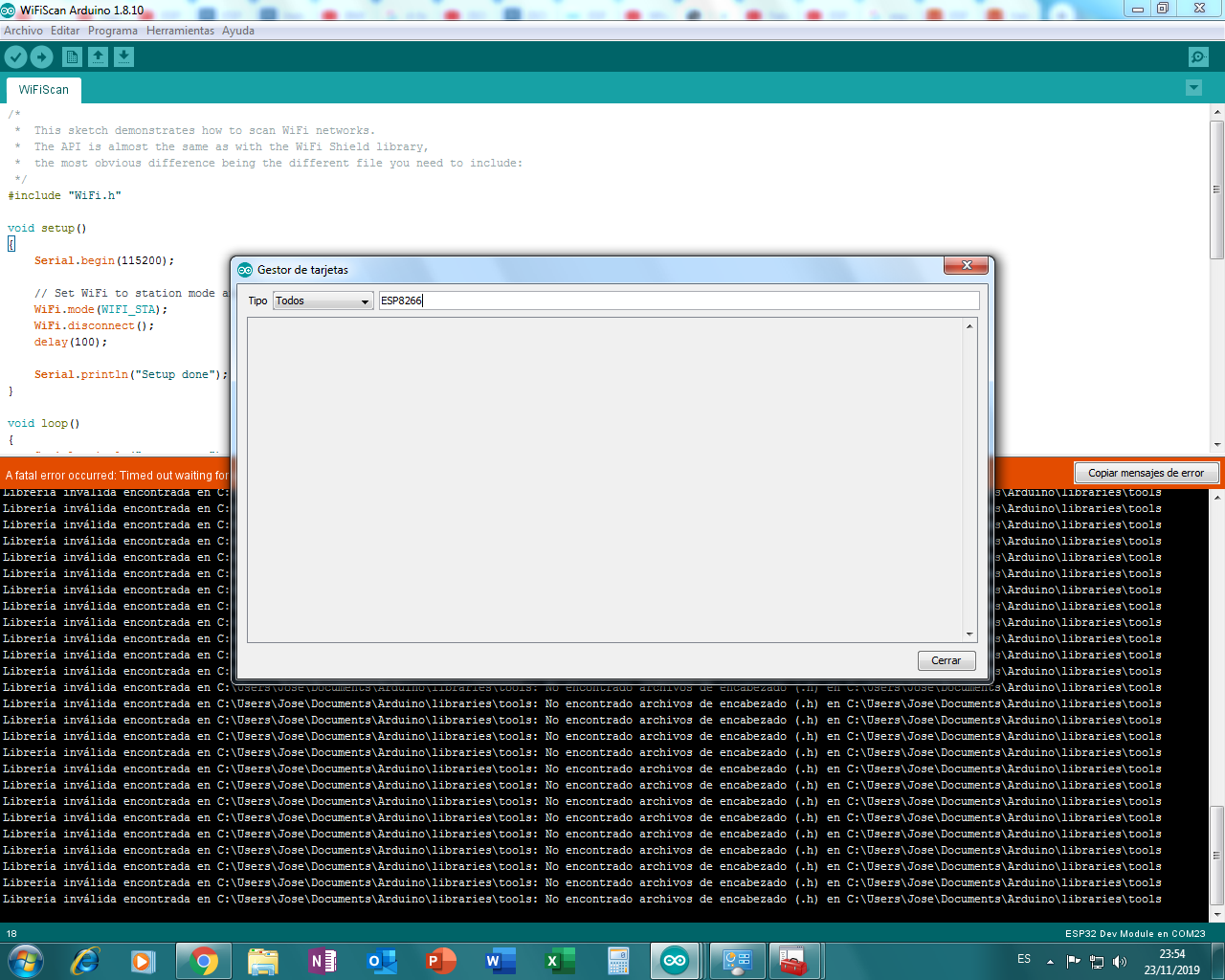
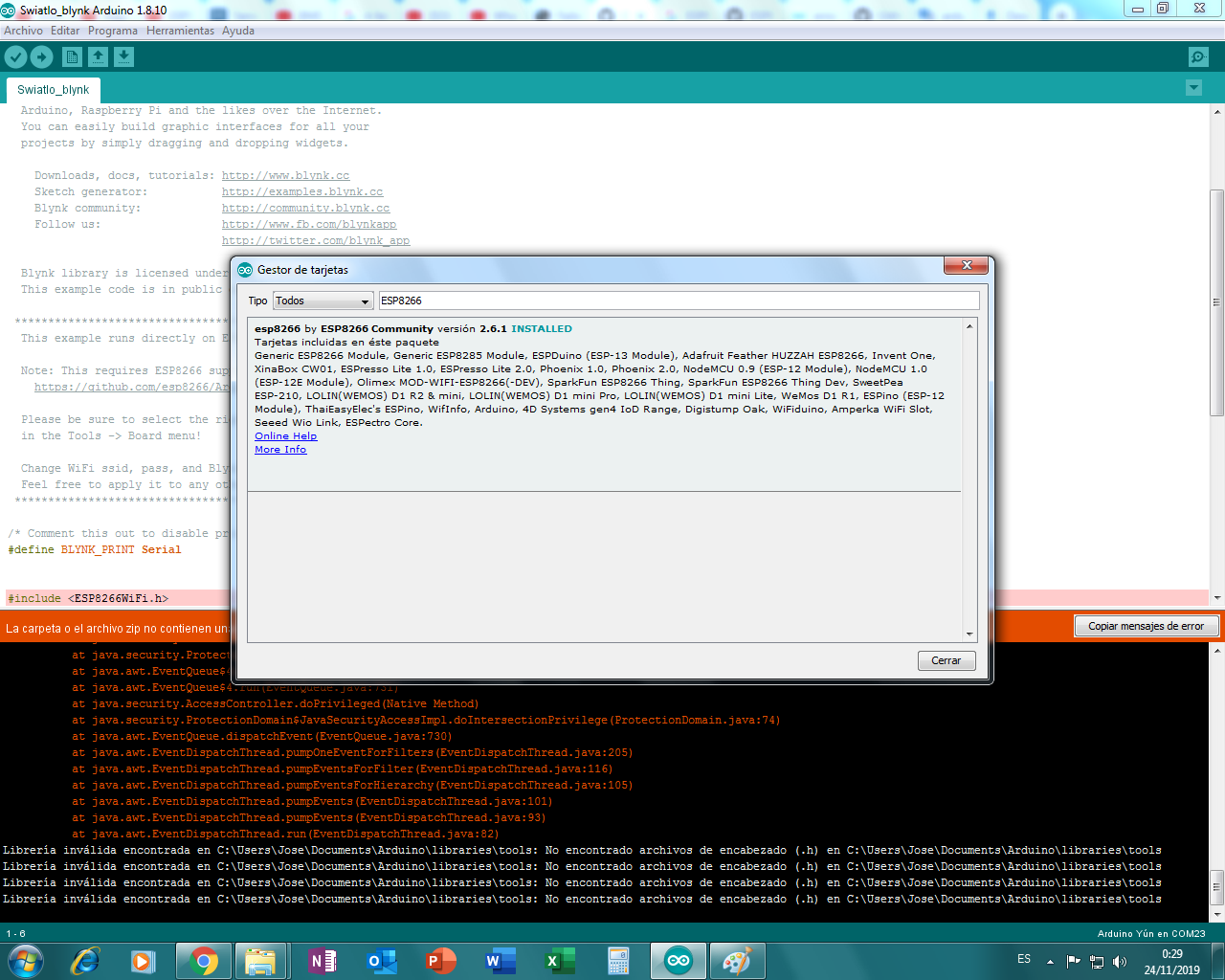
    I have a library Failed to connect to ESP32: Timed out waiting for packet header” for ESP32

    But there is no one for ESP8266

    Failed to connect to ESP32: Timed out waiting for packet header” .


    Only that during the update after connecting it does not detect the ESP8266 module
  • #17 18297057
    wosiekpl
    Level 21  
    Posts: 1260
    Help: 2
    Rate: 35
    Board Language: polish
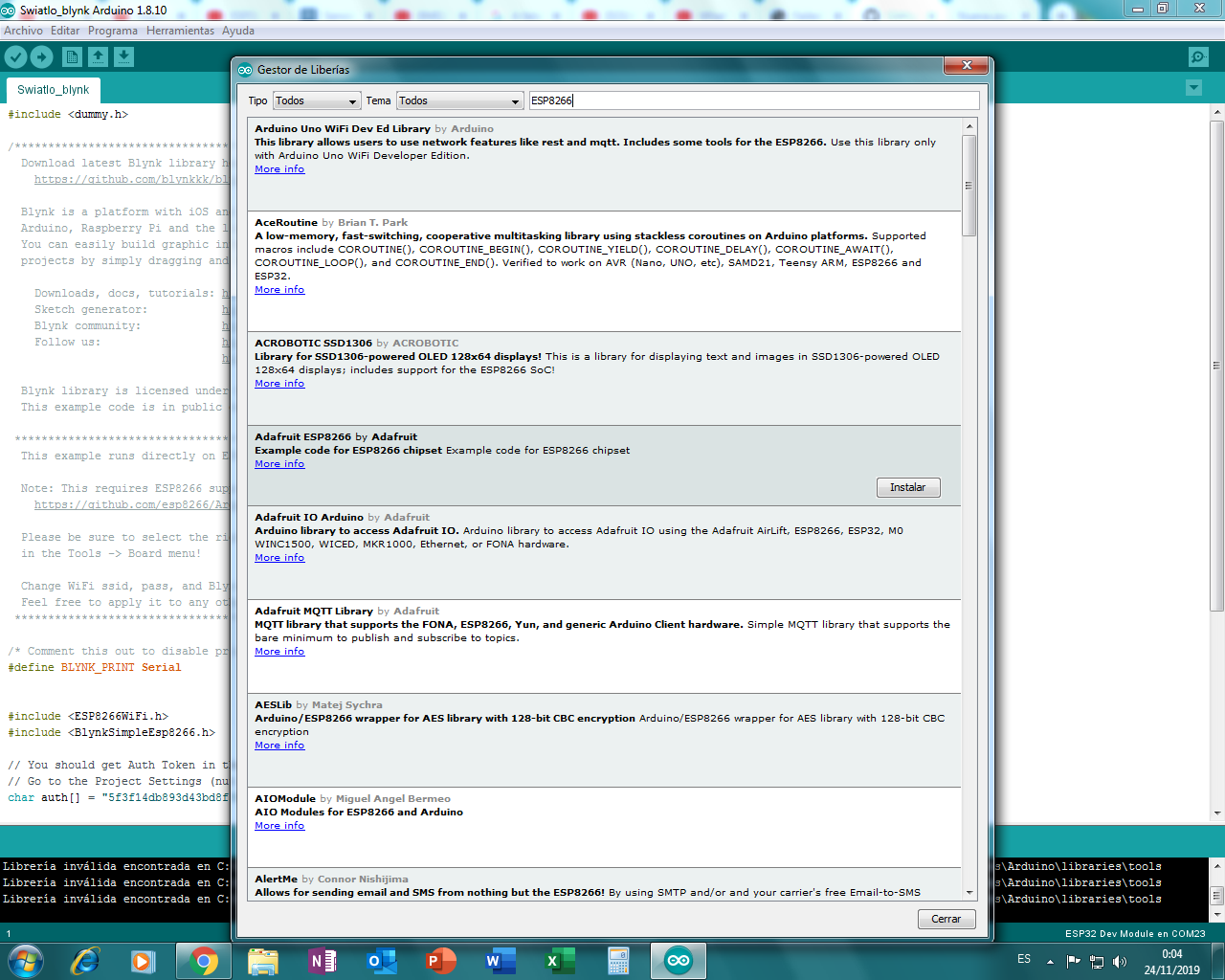
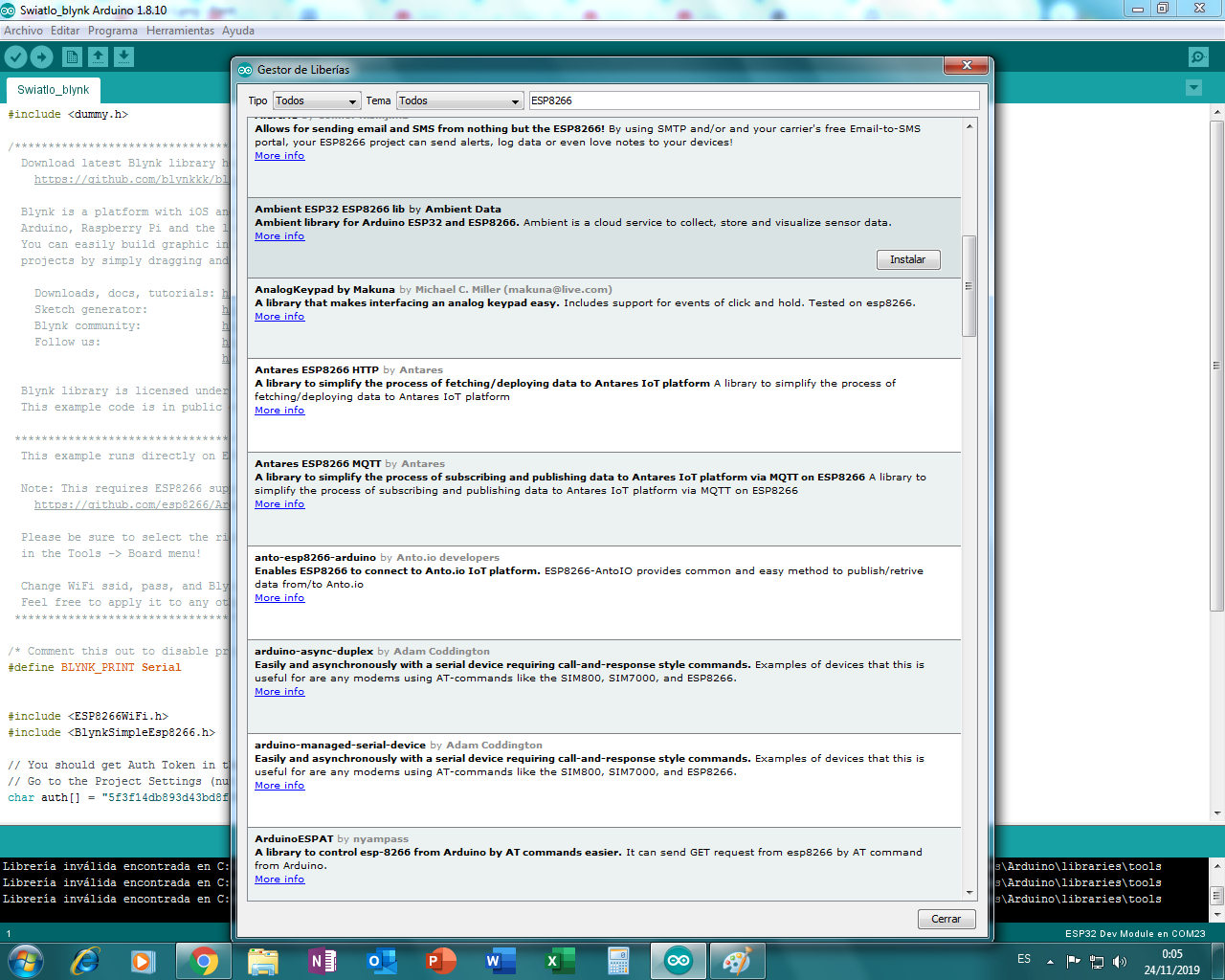
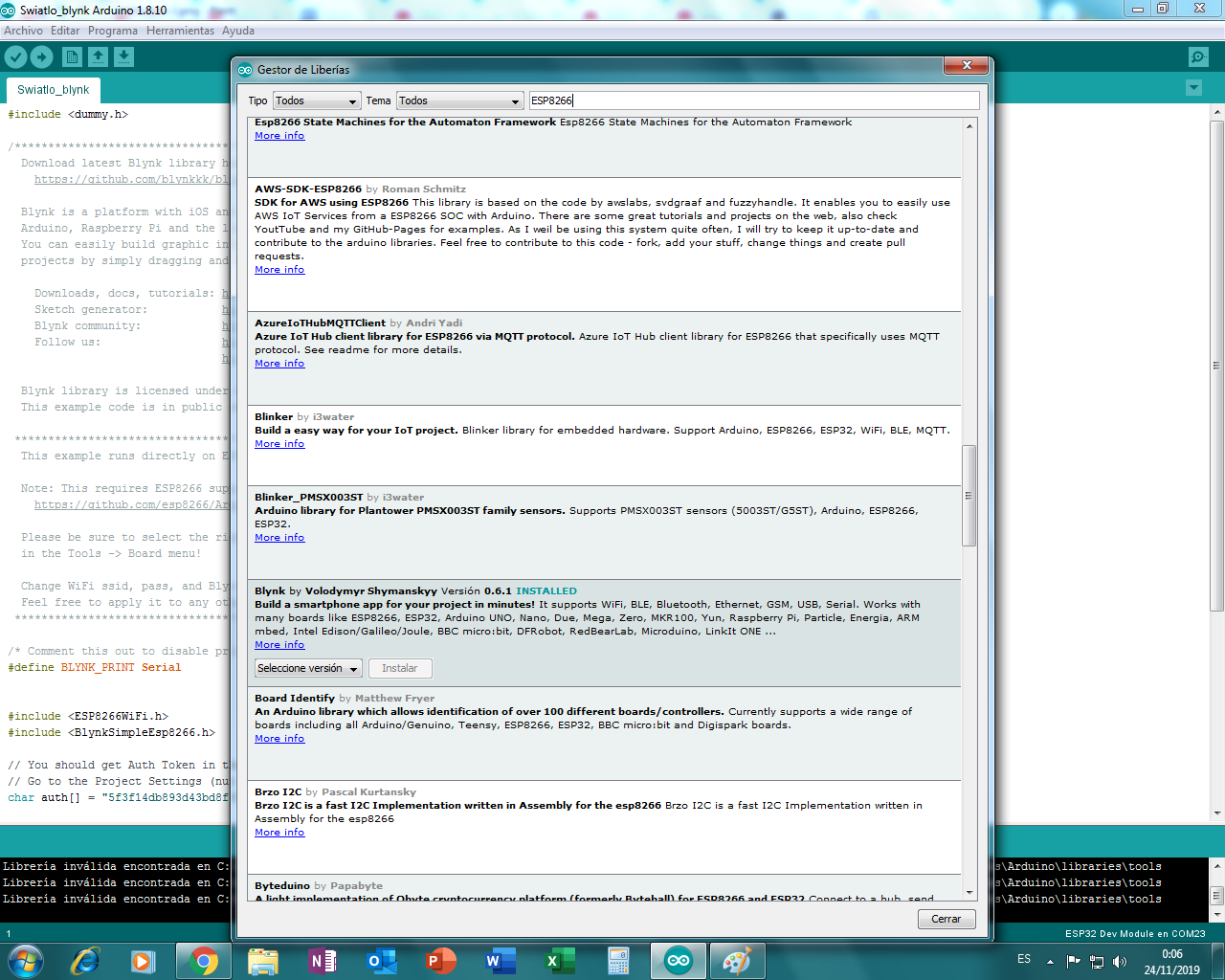
    The libraries seem to be there but are not installed, only Blynk seems to have them

    Failed to connect to ESP32: Timed out waiting for packet header”

    Failed to connect to ESP32: Timed out waiting for packet header” .

    Failed to connect to ESP32: Timed out waiting for packet header” .

    Now I will try to install

    Added after 22 [minutes]:

    This is what it looks like after installing the library

    Failed to connect to ESP32: Timed out waiting for packet header”


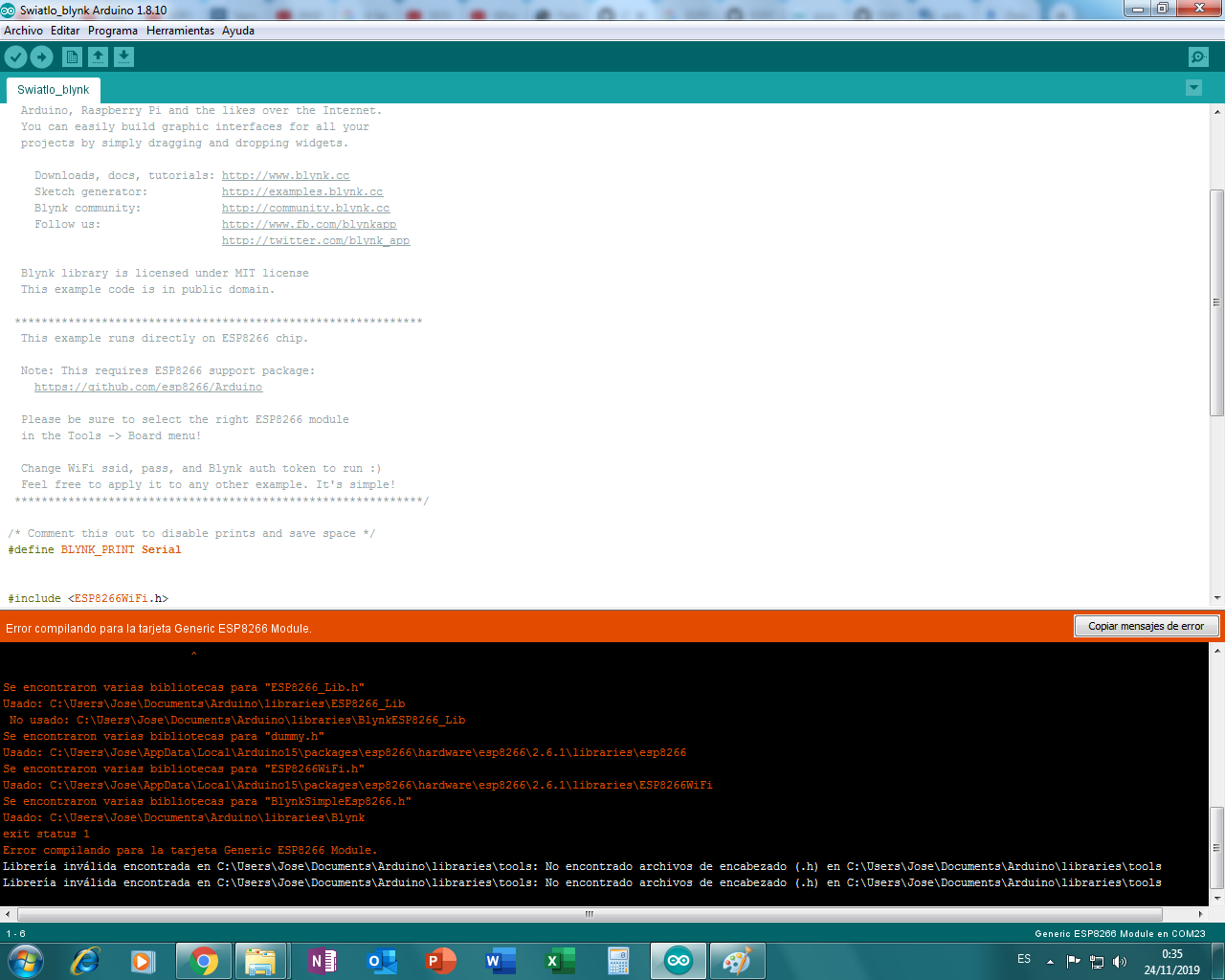
    And this is how it looks after compilation , an error message pops up

    Failed to connect to ESP32: Timed out waiting for packet header”


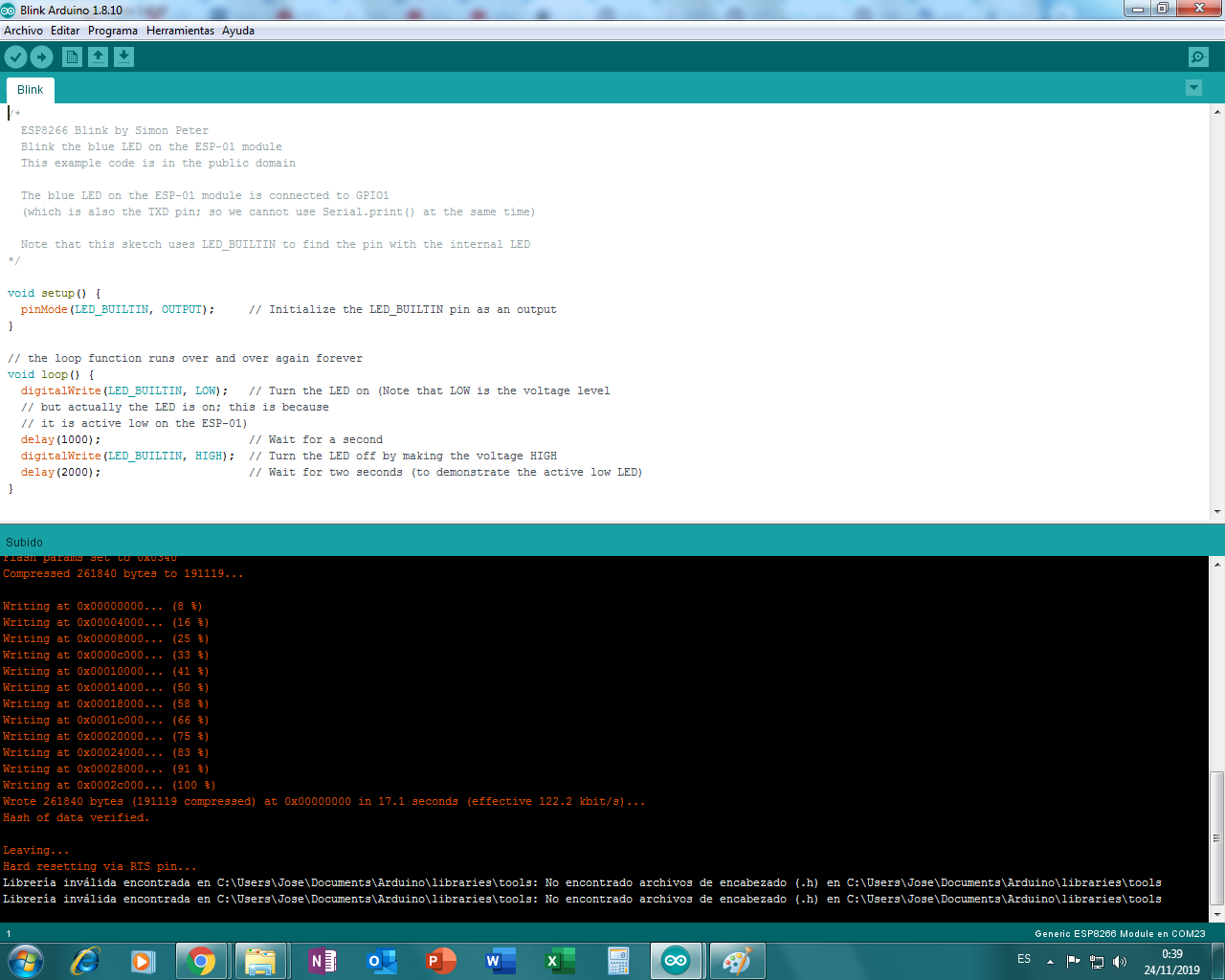
    And here after uploading the example skech as it is in the Arduino program and it works. So in the earlier one something is not set right

    Failed to connect to ESP32: Timed out waiting for packet header” .

    I am now going to upload my program to Blynk to control the relays. This program has worked correctly before

    Added after 4 [hours]:

    After struggling with the program for a few hours, I finally managed to connect to both one and the other module.
    Thank you for your help
  • #18 18297172
    wosiekpl
    Level 21  
    Posts: 1260
    Help: 2
    Rate: 35
    Board Language: polish
    The libraries seem to be there but are not installed, only Blynk seems to have them

    Failed to connect to ESP32: Timed out waiting for packet header”

    Failed to connect to ESP32: Timed out waiting for packet header”

    Failed to connect to ESP32: Timed out waiting for packet header” .

    Now I will try to install

    Added after 22 [minutes]:

    This is what it looks like after installing the library

    Failed to connect to ESP32: Timed out waiting for packet header”


    And this is what it looks like after compilation , an error message pops up

    Failed to connect to ESP32: Timed out waiting for packet header”


    And here after uploading the example skech as it is in the Arduino program and it works. So in the earlier one something is not set right

    Failed to connect to ESP32: Timed out waiting for packet header”

    I am now going to upload my program to Blynk to control the relays. This program has worked correctly before

    Added after 4 [hours]:

    After struggling with the program for a few hours, finally managed to connect to both one and the other module.
    Thank you for your help

    Added after 1 [minute]:

    After correctly installing the libraries and selecting the module appropriately ( each is different ), it was possible to connect and program both.

Topic summary

✨ The discussion revolves around troubleshooting the error "Failed to connect to ESP32: Timed out waiting for packet header" encountered while programming ESP32 modules using Arduino IDE on Windows 7. The user attempted various solutions, including soldering a capacitor and adjusting the upload speed in the Arduino IDE. Despite changing the speed to 115200 and replacing USB cables, the error persisted. The conversation highlights the importance of ensuring the correct USB driver is installed, as well as verifying the selected module type in the Arduino IDE. The user also faced issues with an ESP8266 module, leading to discussions about the need for appropriate libraries and board manager installations for both ESP32 and ESP8266. Ultimately, the user managed to upload a program successfully after resolving library installation issues.
Generated by the language model.

FAQ

TL;DR: 2 boards; one failed with “Timed out…” until the correct board core and drivers were installed. "After correctly installing the libraries and selecting the module appropriately ( each is different ), it was possible to connect and program both." Select the right ESP32 vs ESP8266 target in Arduino IDE. [Elektroda, wosiekpl, post #18297172]

Why it matters: This FAQ helps Arduino IDE users quickly fix ESP32/ESP8266 upload timeouts and driver/board mismatches.

Quick Facts

How do I fix “Failed to connect to ESP32: Timed out waiting for packet header”?

This error usually means the wrong board target or missing drivers.
  1. Install the correct board core for your chip in Boards Manager.
  2. In Tools > Board, select the matching ESP32 or ESP8266 board.
  3. Reinstall or update the USB‑UART driver, reconnect, and retry upload. These steps resolved uploads on both modules in the thread. [Elektroda, wosiekpl, post #18297172]

What upload speed should I set in Arduino IDE?

Set Upload Speed to 115200 while troubleshooting. This conservative rate verifies the link and auto-reset. If uploads succeed, adjust later. The helper’s first step was “Reduce the speed to 115,200 and check.” [Elektroda, khoam, post #18296915]

What does “Invalid head of packet” mean during upload?

It indicates a different connectivity problem than a timeout. Replace the USB cable first and try again. This was the suggested next step when that error appeared. [Elektroda, khoam, post #18296934]

Why does Windows detect my ESP board as a mouse?

Windows can mis-enumerate CP2102 devices as HID mice when drivers clash. On this setup, 1 of 2 boards showed as a mouse. Update or reinstall the driver, then reconnect the board. [Elektroda, wosiekpl, post #18296997]

Do I need a 10 µF capacitor between EN and GND to upload?

No. “Completely unnecessary.” Fix the root cause with the right board definition and drivers instead. [Elektroda, khoam, post #18296889]

How do I add ESP8266 support to the Arduino IDE?

Install the ESP8266 core with Boards Manager using the official instructions. As the helper said, “You need to install the ESP8266 board manager 'manually'.” After installation, select an ESP8266 board before uploading. [Elektroda, khoam, post #18297048]

Which board should I choose for each module?

Use an ESP32 target for ESP32 modules. Use an ESP8266 target for ESP8266 modules. Choosing ESP32 while flashing ESP8266 can block uploads. Change Tools > Board to the correct family. [Elektroda, khoam, post #18297024]

Changing the Windows COM port speed didn’t help. What next?

In this case, switching Device Manager from 9600 to 115200 did not fix uploads. Changing cables and ports also did not help. [Elektroda, wosiekpl, post #18296948]

My example sketch uploads, but my project fails on ESP8266. Why?

Install the ESP8266 core and required libraries, then recompile. After installing, an example sketch built and uploaded. The user’s own project then uploaded correctly. Missing or outdated cores caused the earlier errors. [Elektroda, wosiekpl, post #18297057]

How can I tell if the upload actually completed?

The helper confirmed the upload succeeded from the IDE output screenshot. Check your console for the same success messages. [Elektroda, khoam, post #18296992]

Why does only the red LED light and not the blue LED?

LED patterns vary by board and are not a reliable upload indicator. In this thread, both boards uploaded after fixing board cores and drivers. LED behavior did not block flashing. [Elektroda, wosiekpl, post #18297172]

What else should I check in Device Manager?

Remove duplicate error devices, then reconnect the module. After clearing a faulty mouse entry, one board worked and showed serial output. Verify the COM port appears cleanly. [Elektroda, wosiekpl, post #18296989]
Generated by the language model.
ADVERTISEMENT