logo elektroda
logo elektroda
X
logo elektroda

[Solved] Error uploading code to Generic ESP8266 module - Arduino 1.8.19, Windows 10, board parameters

stasix909 2100 12
ADVERTISEMENT
Treść została przetłumaczona polish » english Zobacz oryginalną wersję tematu
  • #1 19821236
    stasix909
    Level 3  
    Posts: 7

    I have a problem uploading i don't know how to fix it


    . .
    Arduino:1.8.19 (Windows Store 1.8.57.0) (Windows 10), Board: "Generic ESP8266 Module, 80 MHz, Flash, Disabled (new aborts on oom), Disabled, All SSL ciphers (most compatible), 32KB cache + 32KB IRAM (balanced), Use pgm_read macros for IRAM/PROGMEM, dtr (aka nodemcu), 26 MHz, 40MHz, DOUT (compatible), 1MB (FS:64KB OTA:~470KB), 2, nonos-sdk 2.2.1+100 (190703), v2 Lower Memory, Disabled, None, Only Sketch, 115200"
    Executable segment sizes:
    ICACHE : 32768 - flash instruction cache
    IROM : 469464 - code in flash (default or ICACHE_FLASH_ATTR)
    IRAM : 28017 / 32768 - code in IRAM (IRAM_ATTR, ISRs...)
    DATE : 4032 ) - initialized variables (global, static) in RAM/HEAP
    RODATA : 4364 ) / 81920 - constants (global, static) in RAM/HEAP
    BSS : 30224 ) - zeroed variables (global, static) in RAM/HEAP
    The sketch uses 505877 bytes (52%) of program memory. The maximum is 958448 bytes.
    Global variables use 38620 bytes (47%) of dynamic memory, leaving 43300 bytes for local variables. The maximum is 81920 bytes.
    esptool.py v3.0
    .
    Serial port COM4
    Connecting........_____....._____....._____....._____....._____....._____.....____Traceback (most recent call last):
    File "C: File "C.0.2/tools/upload.py", line 66, in <module>
    .
    esptool.main(cmdline)
    File "C:/Users/PC/Documents/ArduinoData/packages/esp8266/hardware/esp8266/3.0.2/tools/esptool.py", line 3552, in main
    .
    esp.connect(args.before, args.connect_attempts)
    File "C:/Users/PC/Documents/ArduinoData/packages/esp8266/hardware/esp8266/3.0.2/tools/esptool.py", line 529, in connect
    raise FatalError('Failed to connect to %s: %s' % (self.CHIP_NAME, last_error))
    esptool.FatalError: Failed to connect to ESP8266: Timed out waiting for packet header
    .
    esptool.FatalError: Failed to connect to ESP8266: Timed out waiting for packet header
    .
    _
    This report should contain more information if in
    File -.> Preferences will be enabled with the option "Show
    Detail information during compilation"
    [/table:82fdd9fd60] [/tr:82fdd9fd60]
  • ADVERTISEMENT
  • #2 19821498
    ArturAVS
    Moderator
    Posts: 26009
    Help: 2295
    Rate: 7712
    How do you program the ESP? Dedicated board/module with programmer or USB<->UART converter?
  • ADVERTISEMENT
  • #3 19821846
    stasix909
    Level 3  
    Posts: 7
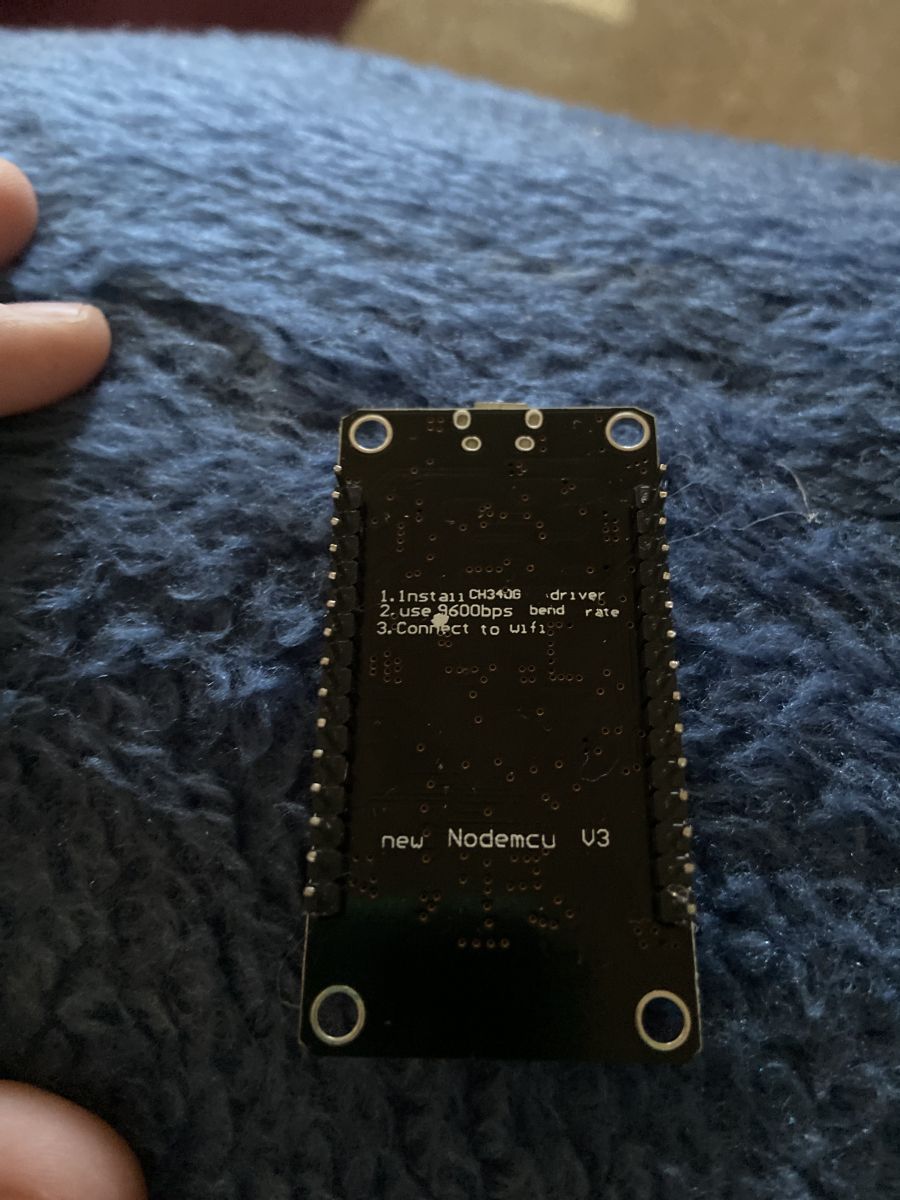
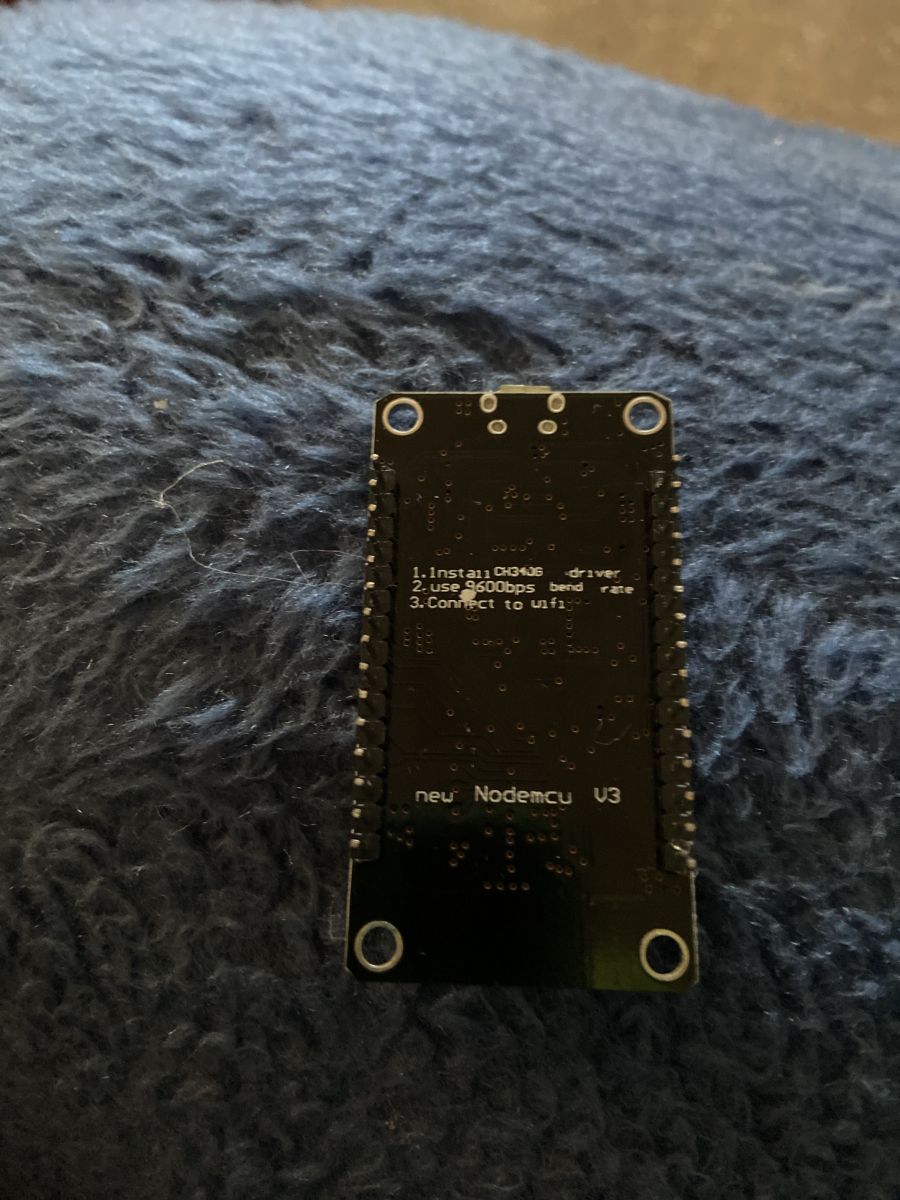
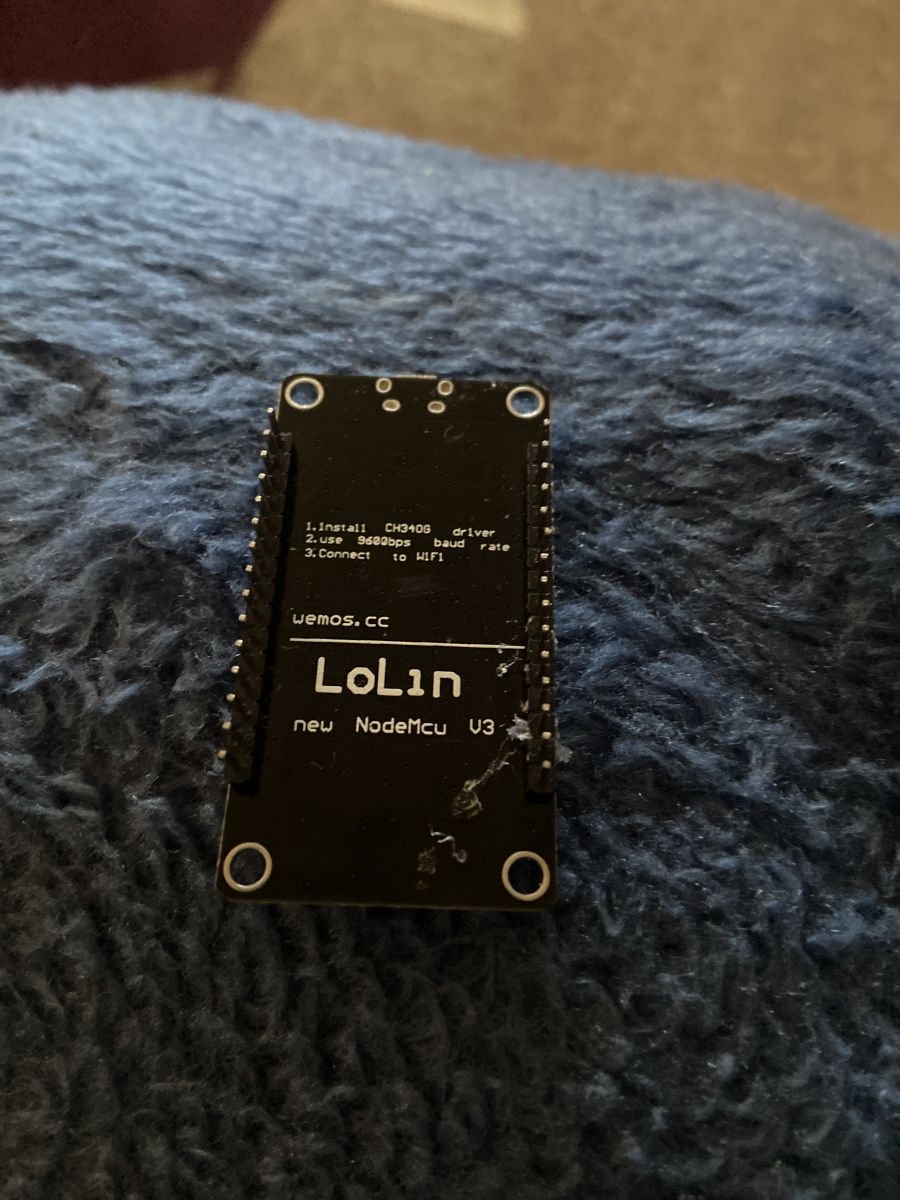
    I'm average at this but it's like this, I take a usb cable I plug it into my computer I have the drivers for esp uploaded and it detects my computer I go into arduino ide and upload and I get this error in 3 esp8266 and I can't upload it says connecting …….—-…….—-…….—-…....
  • #4 19821862
    ArturAVS
    Moderator
    Posts: 26009
    Help: 2295
    Rate: 7712
    stasix909 wrote:
    I'm average at this but it's like I take a usb cable and connect it to the computer
    .
    What ESP module is this specifically?
  • ADVERTISEMENT
  • #5 19821915
    stasix909
    Level 3  
    Posts: 7
    And such 3. 2 plain ones from amazon with no description and 1 lolin Error uploading code to Generic ESP8266 module - Arduino 1.8.19, Windows 10, board parameters Error uploading code to Generic ESP8266 module - Arduino 1.8.19, Windows 10, board parameters Error uploading code to Generic ESP8266 module - Arduino 1.8.19, Windows 10, board parameters .
  • #6 19821935
    ArturAVS
    Moderator
    Posts: 26009
    Help: 2295
    Rate: 7712
    When you turn on the programming (the code compiles without errors) and those dashes and dots in the arduino ide start to go then press reset on the board.
  • #7 19821976
    stasix909
    Level 3  
    Posts: 7
    Ok I'll check when I get home and get back to you.
  • #8 19821997
    ArturAVS
    Moderator
    Posts: 26009
    Help: 2295
    Rate: 7712
    I have (I think) a NodeMcu v3 clone and until I press reset it also throws a communication error.
  • ADVERTISEMENT
  • #9 19822009
    stasix909
    Level 3  
    Posts: 7
    We join in the pain .
  • #10 19822012
    ArturAVS
    Moderator
    Posts: 26009
    Help: 2295
    Rate: 7712
    It's no pain to press a single button.
  • #11 19848953
    stasix909
    Level 3  
    Posts: 7
    if anything this doesn't work either :(
  • #12 19848998
    tomek122
    Level 22  
    Posts: 911
    Help: 33
    Rate: 234
    And do you have the right board selected in arduino?
  • #13 20618510
    stasix909
    Level 3  
    Posts: 7
    I have not solved

Topic summary

✨ The discussion revolves around issues faced while uploading code to a Generic ESP8266 module using Arduino IDE 1.8.19 on Windows 10. The user experiences a communication error during the upload process, despite having the correct drivers installed and the module recognized by the computer. Various suggestions are made, including checking the specific ESP module type, ensuring the correct board is selected in the Arduino IDE, and pressing the reset button on the board during the upload process. The user mentions using three ESP8266 modules, including two generic ones and one Lolin model, but continues to face difficulties in resolving the issue.
Generated by the language model.

FAQ

TL;DR: Uploads show "Failed to connect to ESP8266" while your sketch used 52% flash. Fix COM/board settings, enter bootloader mode, tap reset as "Connecting..." appears, and ensure solid 3.3 V power. [Elektroda, stasix909, post #19821236]

Why it matters: This FAQ helps Windows 10 Arduino IDE users fix ESP8266 upload timeouts fast with the right settings and wiring.

  • ESP8266 enters UART bootloader when GPIO0=0, GPIO2=1, GPIO15=0, EN=1; 3.3 V only. "Wrong straps = no upload." "ESP8266EX Datasheet"
  • Typical upload speed is 115200 baud; esptool also supports higher rates like 921600. "esptool.py README"
  • TX current is ~170 mA typical; design power and decoupling accordingly to avoid resets during upload. "ESP8266EX Datasheet"
  • Auto-reset uses DTR/RTS; set Reset Method to "nodemcu (dtr)" when your adapter supports it. "ESP8266 Arduino Core Docs"
  • LOLIN/WEMOS D1 mini uses the CH340 USB‑UART; install the Windows driver to get a COM port. "LOLIN D1 mini — CH340 Driver"

Quick Facts

  • ESP8266 bootloader straps: GPIO0 low, GPIO2 high, GPIO15 low, EN high; use stable 3.3 V only. "ESP8266EX Datasheet"
  • Default esptool upload speed is 115200; many boards can do 460800–921600 for faster flashes. "esptool.py README"
  • Typical TX current is about 170 mA; undersized supplies can derail uploads and cause resets. "ESP8266EX Datasheet"
  • Enable auto-programming by choosing Reset Method: nodemcu (DTR/RTS) in Arduino Tools. "ESP8266 Arduino Core Docs"
  • D1 mini enumerates via CH340; install its driver on Windows 10/11 for a stable COM port. "LOLIN D1 mini — CH340 Driver"

How do I fix “Failed to connect to ESP8266: Timed out waiting for packet header”?

That message means the bootloader didn’t respond. Put the ESP8266 into flashing mode and retry. How‑To: 1. Hold BOOT/FLASH (GPIO0 to GND). 2. Click Upload; when “Connecting...” appears, tap RESET. 3. Release BOOT when upload starts. Close Serial Monitor and confirm the correct COM port and baud. "esptool.py — Troubleshooting"

Which Arduino IDE settings should I use for a Generic ESP8266 module?

Select Tools > Board: Generic ESP8266 Module. Match Flash Size to your module. Set Upload Speed to 115200. Use Flash Mode DOUT if uncertain. Pick Reset Method: nodemcu (dtr) when your USB‑UART provides DTR/RTS. These defaults maximize compatibility on Windows 10 with Arduino 1.8.19. "ESP8266 Arduino Core Docs"

Do I need to press RESET/FLASH on NodeMCU or LOLIN D1 mini clones when uploading?

Some clones lack reliable auto‑reset wiring. Press reset as the IDE shows the “Connecting...” dots. As one expert put it, “press reset on the board.” If auto‑reset fails, repeat this timing after compilation completes. "Elektroda, ArturAVS, #19821935"

How do I wire a bare ESP‑12E/F for flashing with a USB–UART adapter?

Provide 3.3 V to VCC and EN, GND to GND. Tie GPIO0 to GND for flashing; keep GPIO2 high and GPIO15 low. Cross TX of USB‑UART to RX of ESP8266 and RX to TX. Keep RST pulled up; tap RST to reset. Never exceed 3.3 V on any pin. "ESP8266EX Datasheet"

Which USB‑UART driver do I need on Windows for LOLIN/WEMOS boards?

LOLIN/WEMOS D1 mini uses a CH340 USB‑UART. Install the CH340 Windows driver, then reconnect and note the new COM port. Use that port in Arduino IDE for uploading and the Serial Monitor. "LOLIN D1 mini — CH340 Driver"

What does the “Connecting........_____.....” pattern in the log mean?

Those dots/underscores show esptool is trying to sync with the ROM bootloader. If it repeats, the chip isn’t in flashing mode or the port is wrong. Reset into bootloader, confirm COM port, close any serial terminals, and retry. "esptool.py — Troubleshooting"

Can poor power cause upload failures or random resets?

Yes. The ESP8266 requires a regulated 3.3 V supply and draws bursts of current; TX current is ~170 mA typical. Voltage above 3.6 V exceeds absolute maximum ratings, and 5 V on pins can cause permanent damage. Use good decoupling near VCC. "ESP8266EX Datasheet"

Which flash mode should I pick: DIO, QIO, or DOUT?

Use DOUT for maximum compatibility if you’re unsure. Some modules and flash chips fail to boot with QIO/DIO. If stable, switch to DIO/QIO for speed. Wrong flash mode often leads to boot loops or failed uploads. "ESP8266 Arduino Core Docs"

What upload baud rate is reliable and fast for ESP8266?

Start at 115200 baud. If your board and cable are solid, try 460800 or 921600 for faster uploads. If you see sync errors, drop back to 115200. esptool supports configuring the upload baud rate. "esptool.py README"

How do I enable auto‑reset/auto‑programming in Arduino IDE?

In Tools, set Reset Method to “nodemcu (dtr).” The IDE then toggles DTR/RTS to pull GPIO0 low and reset automatically for flashing. If your adapter lacks DTR/RTS, use the manual RESET/FLASH sequence. "ESP8266 Arduino Core Docs"

Why won’t my ESP8266 upload even though Windows shows a COM port?

Another app may have the port open, or your cable is power‑only. Close Serial Monitor and any terminals, use a data‑capable USB cable, and retry sync with the correct COM port selected. "esptool.py — Troubleshooting"
Generated by the language model.
ADVERTISEMENT