logo elektroda
logo elektroda
X
logo elektroda

[Solved] Error: CRC Mismatch While Flashing CBU Module 7231N with ltchiptool and OpenBK7231N_QIO

ajay100 5643 17
ADVERTISEMENT
  • #1 20848455
    ajay100
    Level 5  

    I'm hoping you might be able to advise me on what to try next with this device.

    I started by connecting the device to an FTDI type serial to USB and saving the flash memory with ltchiptool using the 'Beken series 72xx' Chip family setting. Then, after incorrectly trying to flash the module using OpenBK7231T_UA_1.17.308.bin, I received the error: E: ValueError: Chip CRC value 365C2EDD does not match the calculated CRC value 5A7B6C4C.

    I then found that the IC was a 7231N, so I tried OpenBK7231N_QIO_1.17.333.bin, but received a similar CRC error.

    Following this, I tried to re-flash the stock Tuya firmware that I had saved earlier, once again receiving a CRC error.

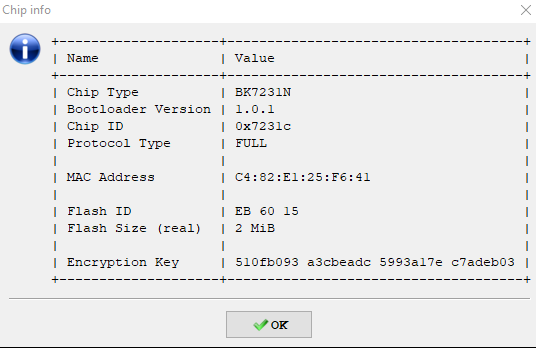
    The module will not boot with Tuya now, although I think it is still partially working. Here is the Chip Info screen:
    Screenshot displaying information about the BK7231N chip.
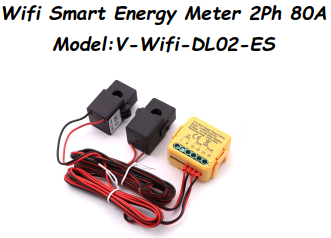
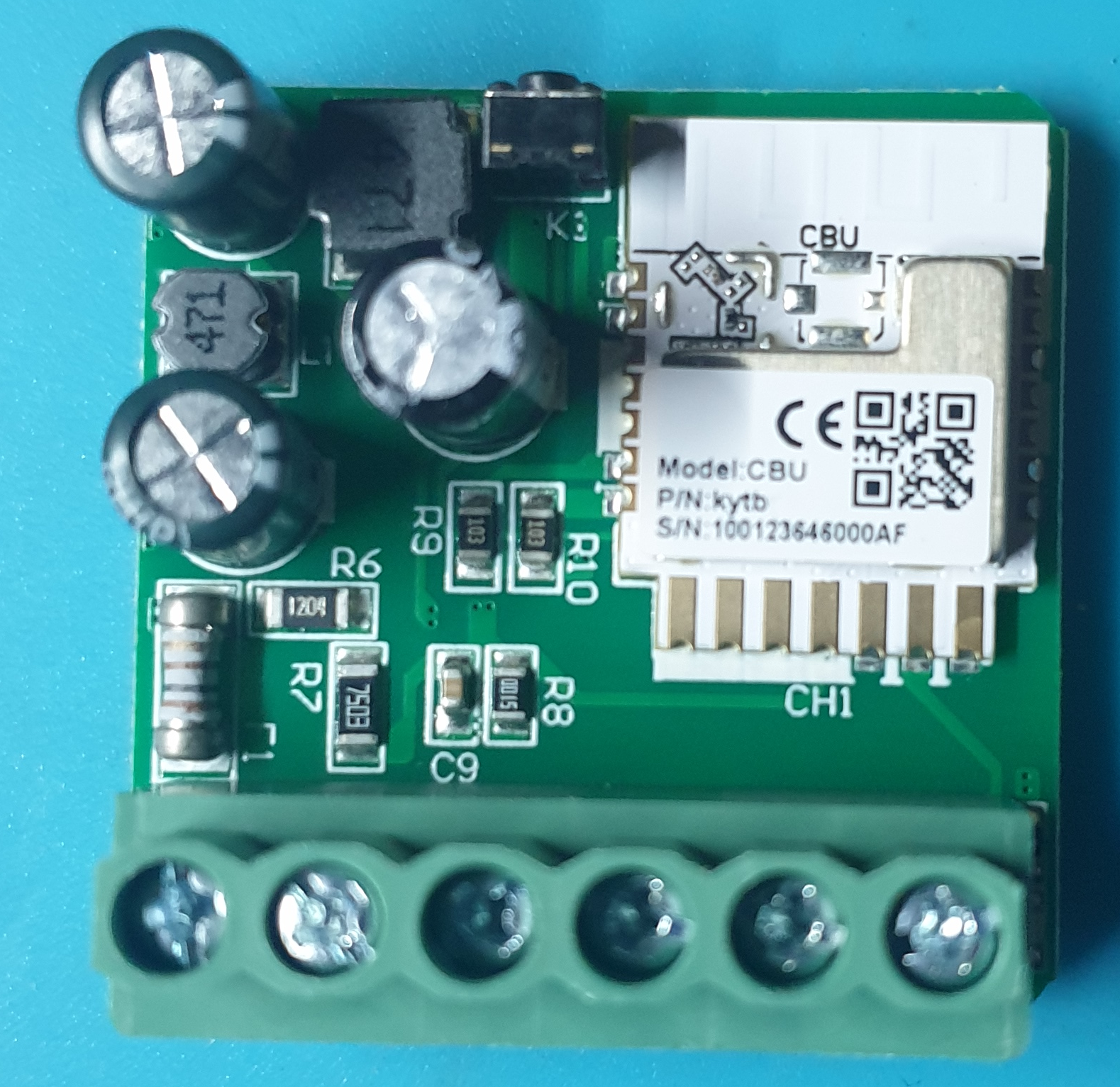
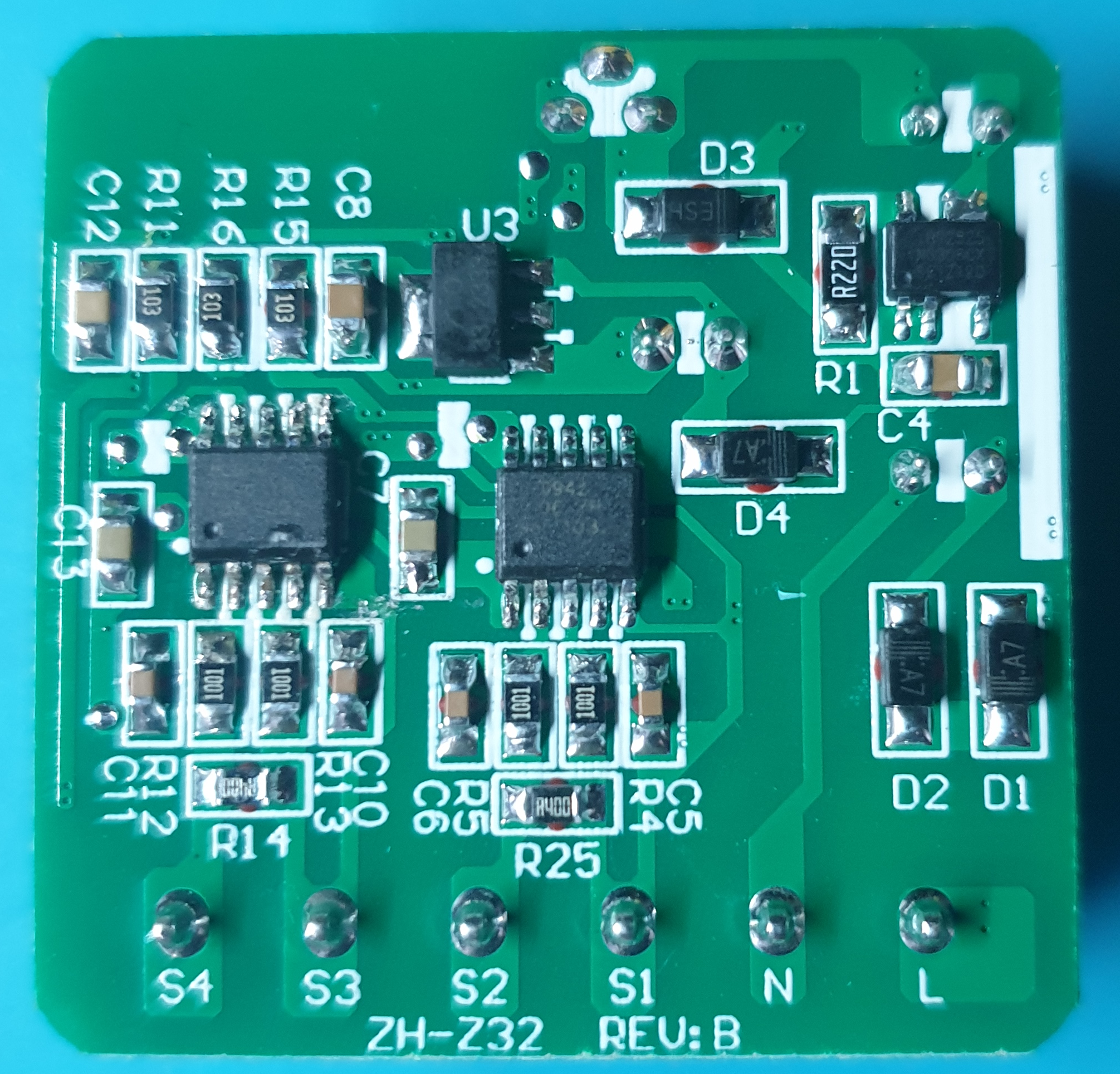
    This is the device:
    WiFi Smart Energy Meter 2Ph 80A with wires and components.

    Electronic module with an integrated circuit and connection terminals.
    Circuit board with two BL0942 integrated circuits and various electronic components.
  • ADVERTISEMENT
  • #2 20848528
    p.kaczmarek2
    Moderator Smart Home
    Helpful post? Buy me a coffee.
  • #3 20848531
    ajay100
    Level 5  

    Hi @p.kaczmarek2, thank you. I have tried BK7231Flasher.exe. It fails 'writing sector' - here is the log:
    Getting bus success!
    Going to set baud rate setting (921600)!
    Will try to read device flash MID (for unprotect N):
    Flash MID loaded: 1560EB
    Will now search for Flash def in our database...
    Flash def found! For: 1560EB
    Flash information: mid: 1560EB, icName: TH25Q_16HB, manufacturer: TH, szMem: 1000000, szSR: 2, cwUnp: 0, cwEnp: 7, cwMsk: 407C, sb: 2, lb: 5, cwdRd: 05-35-FF-FF, cwdWr: 01-FF-FF-FF
    Entering SetProtectState(True)...
    sr: 7c
    sr: 7c
    final sr: 7c
    msk: 407c
    cw: 0, sb: 2, lb: 5
    bfd: 0
    sr: 0
    sr: 0
    final sr: 0
    msk: 407c
    cw: 0, sb: 2, lb: 5
    bfd: 0
    SetProtectState(True) success!
    Going to start reading at offset 0x00...
    Reading 0x00... Ok! Reading 0x1000... Ok! Reading 0x2000... Ok! Reading 0x3000... Ok! Reading 0x4000... Ok! Reading 0x5000... Ok!
    ...Removed for clarity...
    Reading 0x1FD000... Ok! Reading 0x1FE000... Ok! Reading 0x1FF000... Ok!
    Basic read operation finished, but now it's time to verify...
    Starting CRC check for 512 sectors, starting at offset 00
    CRC matches 0x72FD4A81!
    All read!
    Loaded total 0x200000 bytes
    Wrote 2097152 to readResult_BK7231N_QIO_tuya_V-Wifi-DL02-ES_80A_2023-05-12-09-58-58.bin
    Backup 2MB created, now will attempt to extract OBK config.
    It's not an OBK config, header is bad
    OBK config not found.
    Backup 2MB created, now will attempt to extract Tuya config.
    Tuya config extractor - magic is at 2023424
    Saving debug Tuya decryption data to lastRawDecryptedStrings.bin
    Failed to extract Tuya keys - no json start found
    Sorry, failed to extract keys from Tuya Config in backup binary.
    Reading file firmwares/OpenBK7231N_QIO_1.17.334.bin...
    Loaded 1220464 bytes from firmwares/OpenBK7231N_QIO_1.17.334.bin...
    Preparing to write data file to chip - resetting bus and baud...
    Getting bus... (now, please do reboot by CEN or by power off/on)
    Getting bus success!
    Going to set baud rate setting (921600)!
    Will try to read device flash MID (for unprotect N):
    Flash MID loaded: 1560EB
    Will now search for Flash def in our database...
    Flash def found! For: 1560EB
    Flash information: mid: 1560EB, icName: TH25Q_16HB, manufacturer: TH, szMem: 1000000, szSR: 2, cwUnp: 0, cwEnp: 7, cwMsk: 407C, sb: 2, lb: 5, cwdRd: 05-35-FF-FF, cwdWr: 01-FF-FF-FF
    Entering SetProtectState(True)...
    sr: 0
    sr: 0
    final sr: 0
    msk: 407c
    cw: 0, sb: 2, lb: 5
    bfd: 0
    SetProtectState(True) success!
    Going to do erase, start 0, sec count 298!
    Erasing sector 0... ok! Erasing sector 4096... ok! Erasing sector 8192... ok! Erasing sector 12288... ok! Erasing sector 16384... ok!
    ...Removed for clarity...
    Erasing sector 1204224... ok! Erasing sector 1208320... ok! Erasing sector 1212416... ok! Erasing sector 1216512... ok!
    All selected sectors erased!
    Writing sector 0x00... ok! Writing sector 0x1000... ok! Writing sector 0x2000... ok! Writing sector 0x3000... ok! Writing sector 0x4000... ok! Writing sector 0x5000... ok! Writing sector 0x6000... ok! Writing sector 0x7000... ok! Writing sector 0x8000... ok! Writing sector 0x9000... ok! Writing sector 0xA000... ok! Writing sector 0xB000... ok! Writing sector 0xC000... ok! Writing sector 0xD000... ok! Writing sector 0xE000... ok! failed with serial.BytesToRead 0 (expected 15)
    The beginning of buffer in UART contains data.
    Writing sector 0xF000... Writing sector 61440 failed!
    Writing file data to chip failed.

    Here is the result when trying 'Extract config from Tuya binary' with the saved firmware:
    Tuya config extractor - magic is at 2023424
    Saving debug Tuya decryption data to lastRawDecryptedStrings.bin
    Failed to extract Tuya keys - no json start found
  • #4 20848532
    p.kaczmarek2
    Moderator Smart Home
    Can you try in T chip mode? as BK7231T

    Can you try lower baud rate? What is your wire length? Do you provide enough current for BK during flashing?
    Helpful post? Buy me a coffee.
  • #5 20848539
    ajay100
    Level 5  

    Thanks for the feedback. I'm using a variable power supply to power the module with up to 5A available. I tried in T chip mode as BK7231T, using baud rate 115200 and it got a bit further with writing, but failed twice at the same spot (Writing sector 0xE0000... Writing sector 917504 failed!) Here is the log:
    Starting flash new (no backup)!
    Now is: Wednesday, 6 December 2023 2:22:29 PM.
    Flasher mode: BK7231T
    Going to open port: COM3.
    Serial port open!
    Getting bus... (now, please do reboot by CEN or by power off/on)
    Getting bus failed, will try again - 0/100!
    Getting bus success!
    Going to set baud rate setting (115200)!
    Reading file firmwares/OpenBK7231T_UA_1.17.335.bin...
    Loaded 978944 bytes from firmwares/OpenBK7231T_UA_1.17.335.bin...
    Preparing to write data file to chip - resetting bus and baud...
    Getting bus... (now, please do reboot by CEN or by power off/on)
    Getting bus success!
    Going to set baud rate setting (115200)!
    Going to do erase, start 69632, sec count 239!
    Erasing sector 69632... ok! Erasing sector 73728... ok! Erasing sector 77824... ok! Erasing sector 81920... ok! Erasing sector 86016... ok!
    ...
    Erasing sector 1032192... ok! Erasing sector 1036288... ok! Erasing sector 1040384... ok! Erasing sector 1044480... ok!
    All selected sectors erased!
    Writing sector 0x11000... ok! Writing sector 0x12000... ok! Writing sector 0x13000... ok! Writing sector 0x14000... ok! Writing sector 0x15000... ok!
    ...
    Writing sector 0xDC000... ok! Writing sector 0xDD000... ok! Writing sector 0xDE000... ok! Writing sector 0xDF000... ok! failed with serial.BytesToRead 0 (expected 15)
    The beginning of buffer in UART contains data.
    Writing sector 0xE0000... Writing sector 917504 failed!
    Writing file data to chip failed.

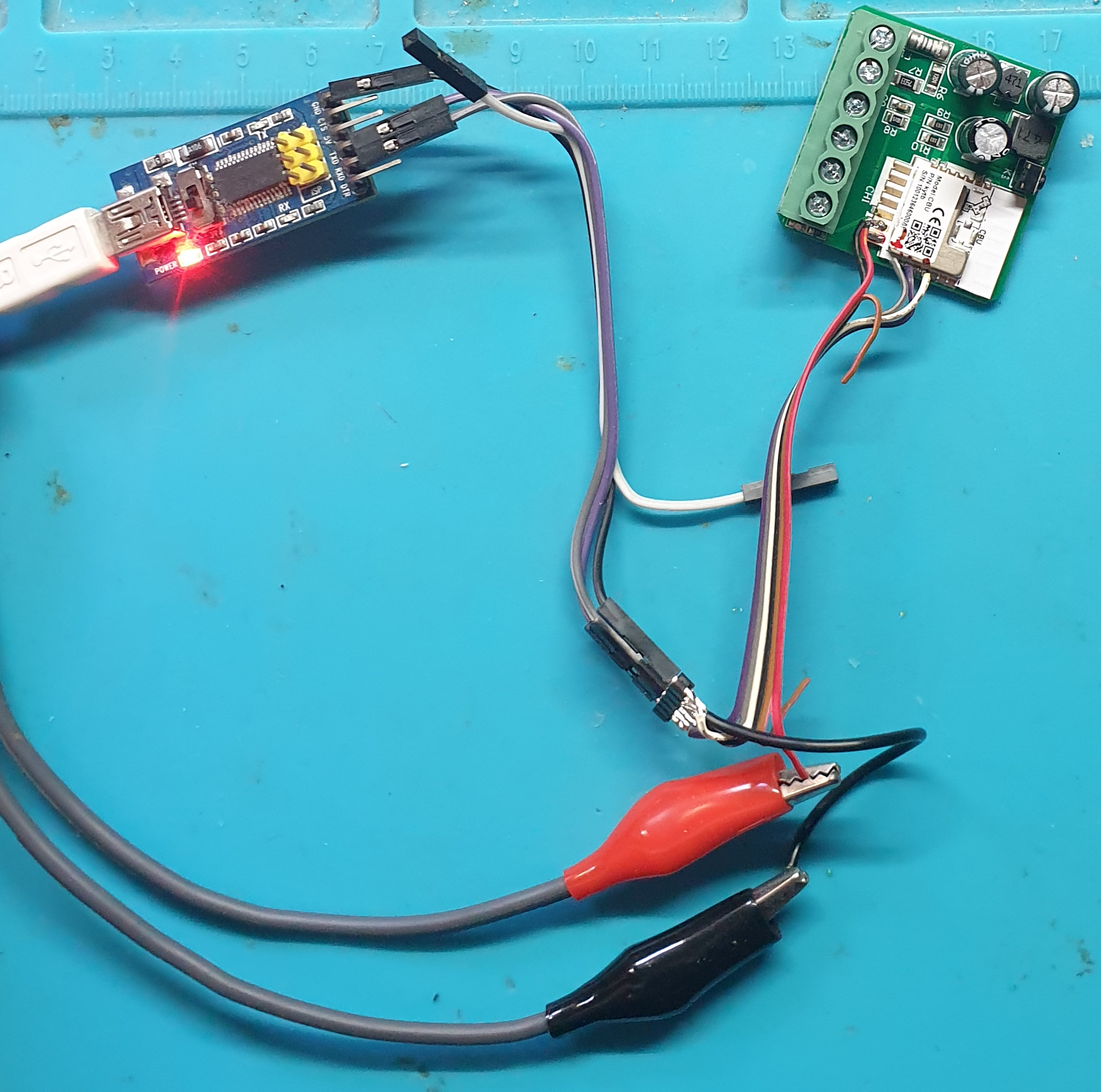
    Here's my setup:
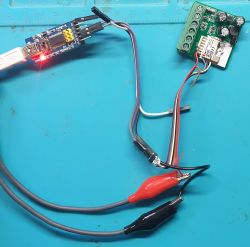
    Electronic module connected by wires to USB adapter on a workbench.
  • ADVERTISEMENT
  • #6 20848648
    p.kaczmarek2
    Moderator Smart Home
    I'd try two things first. Shorten the wires (they are unnecessarily double the lenght) and I would try another USB to UART converted, the one like we use on our Youtube channel:


    Helpful post? Buy me a coffee.
  • #7 20848905
    ajay100
    Level 5  

    Thank you @p.kaczmarek2, success at last. The shortened wires didn't fix the problem but it was a good idea to improve the setup. I found another serial to USB converter and this solved the writing issue. The firmware that worked was OpenBK7231N_QIO_1.17.335.bin, it flashed at full speed too. The original serial to USB has never let me down before, so it just goes to show how finicky these things can be.

    Here is the log for reference:
    Starting flash new (no backup)!
    Now is: Wednesday, 6 December 2023 8:31:13 PM.
    Flasher mode: BK7231N
    Going to open port: COM3.
    Serial port open!
    Getting bus... (now, please do reboot by CEN or by power off/on)
    Getting bus success!
    Going to set baud rate setting (921600)!
    Will try to read device flash MID (for unprotect N):
    Flash MID loaded: 1560EB
    Will now search for Flash def in our database...
    Flash def found! For: 1560EB
    Flash information: mid: 1560EB, icName: TH25Q_16HB, manufacturer: TH, szMem: 1000000, szSR: 2, cwUnp: 0, cwEnp: 7, cwMsk: 407C, sb: 2, lb: 5, cwdRd: 05-35-FF-FF, cwdWr: 01-FF-FF-FF
    Entering SetProtectState(True)...
    sr: 0
    sr: 0
    final sr: 0
    msk: 407c
    cw: 0, sb: 2, lb: 5
    bfd: 0
    SetProtectState(True) success!
    Reading file firmwares/OpenBK7231N_QIO_1.17.335.bin...
    Loaded 1220464 bytes from firmwares/OpenBK7231N_QIO_1.17.335.bin...
    Preparing to write data file to chip - resetting bus and baud...
    Getting bus... (now, please do reboot by CEN or by power off/on)
    Getting bus success!
    Going to set baud rate setting (921600)!
    Will try to read device flash MID (for unprotect N):
    Flash MID loaded: 1560EB
    Will now search for Flash def in our database...
    Flash def found! For: 1560EB
    Flash information: mid: 1560EB, icName: TH25Q_16HB, manufacturer: TH, szMem: 1000000, szSR: 2, cwUnp: 0, cwEnp: 7, cwMsk: 407C, sb: 2, lb: 5, cwdRd: 05-35-FF-FF, cwdWr: 01-FF-FF-FF
    Entering SetProtectState(True)...
    sr: 0
    sr: 0
    final sr: 0
    msk: 407c
    cw: 0, sb: 2, lb: 5
    bfd: 0
    SetProtectState(True) success!
    Going to do erase, start 0, sec count 298!
    Erasing sector 0... ok! Erasing sector 4096... ok! Erasing sector 8192... ok! Erasing sector 12288... ok! Erasing sector 16384... ok!
    ...
    Erasing sector 1204224... ok! Erasing sector 1208320... ok! Erasing sector 1212416... ok! Erasing sector 1216512... ok!
    All selected sectors erased!
    Writing sector 0x00... ok! Writing sector 0x1000... ok! Writing sector 0x2000... ok! Writing sector 0x3000... ok! Writing sector 0x4000... ok!
    ...
    Writing sector 0x128000... ok! Writing sector 0x129000... ok! Starting CRC check for 298 sectors, starting at offset 00
    CRC matches 0xBACEAA31!

    NOTE: the OBK config writing is disabled, so not writing anything extra.
    Writing file data to chip success.
  • #8 20848910
    p.kaczmarek2
    Moderator Smart Home
    Well done. I already had users in the past reporting that some of USB to UART converters are not working well.

    Now, can I help you somehow with the initial OBK configuration?
    Helpful post? Buy me a coffee.
  • #9 20849198
    ajay100
    Level 5  

    Thank you for the offer, I was trying to work it out, but the config cannot be extracted from the original Tuya firmware. Error: Failed to extract keys. I also tried 'Get Config from OBK device on LAN', with the same error. I also exported from the web app with the same result.

    The BK7231Flasher and Web App are incredibly powerful and an enormous amount of work must have gone into them!

    With the config, I found one reference to what appears to be the same device at https://github.com/make-all/tuya-local/issues/1267 where there is 'Information about DPS mappings'. I haven't copied that here, but can do so.

    Cheers - Andrew
  • #10 20849204
    p.kaczmarek2
    Moderator Smart Home
    We are creating our own devices list that has almost 500 entries now, so if you have any information about this device, please post it here in the forum. External links may expire after some time, so we prefer to keep all info on our site. It's safer.

    Here is link to our devices list:
    https://openbekeniot.github.io/webapp/devicesList.html
    Helpful post? Buy me a coffee.
  • ADVERTISEMENT
  • ADVERTISEMENT
  • #12 20850437
    p.kaczmarek2
    Moderator Smart Home
    To be honest, it looks like it was just copy-pasted from Tuya dev API. Still, it's a useful info. Do you need any help with configuring that in OBK?
    Here are our autoexec.bat examples: https://github.com/openshwprojects/OpenBK7231T_App/blob/main/docs/autoexecExamples.md
    Helpful post? Buy me a coffee.
  • #13 20853030
    ajay100
    Level 5  

    Yes, I do need help with the configuration please. This is a *dual* BL0942 AC power meter only. I am monitoring a 60W light bulb on both channels. Working in the web app, so far I have:
    Autoexec.bat
    //Configuration for Tuya V-Wifi-DL02-ES_80A_power_logger_ylw
    startDriver NTP
    startDriver BL0942
    ntp_timeZoneOfs 11


    Log:
    Info:MQTT:MQTT client in mqtt_incoming_publish_cb topic utilities/sensor9/voltage/get
    Info:MQTT:MQTT client in mqtt_incoming_publish_cb topic utilities/sensor9/current/get
    Info:MQTT:MQTT client in mqtt_incoming_publish_cb topic utilities/sensor9/power/get
    Info:MQTT:Publishing val Thing to utilities/sensor9/ssid retain=0
    Info:MQTT:Publishing val 1702140509 to utilities/sensor9/datetime retain=0
    Info:MQTT:Publishing val 3 to utilities/sensor9/sockets retain=0
    Info:MQTT:Publishing val -74 to utilities/sensor9/rssi retain=0
    Info:MQTT:Publishing val 1010 to utilities/sensor9/uptime retain=0
    Info:NTP:Seconds since Jan 1 1900 = 3911089730
    Info:NTP:Unix time  : 1702140530
    Info:NTP:Local Time : 2023/12/09 16:48:50
    Info:MQTT:Publishing val 0.0 to utilities/sensor9/voltage/get retain=0
    Info:MQTT:Publishing val 0.000 to utilities/sensor9/current/get retain=0
    Info:MQTT:Publishing val 0.00 to utilities/sensor9/power/get retain=0


    I can't find a similar setup in the forum. What is my next step?
    Cheers - Andrew
  • #14 20853036
    p.kaczmarek2
    Moderator Smart Home
    What do you have on the main WWW panel?

    What do you mean by dual, are there two BL0942 chips on the board?
    ajay100 wrote:

    Circuit board with two BL0942 integrated circuits and various electronic components.

    It looks like there are indeed two BL0942.
    They may be in SPI mode. Can you try using BL0942SPI?

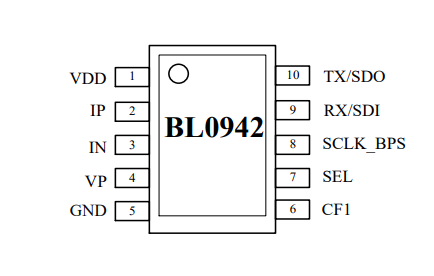
    Are you able to check how they are connected and to which CBU pins are they connected?
    Schematic drawing of the BL0942 integrated circuit with pin descriptions.
    How is SEL connected? Is it in SPI or UART mode?
    Close-up of a table displaying configuration settings with Chinese characters and the words SEL and UART/SPI.
    Can you try to do Tuya config extraction?
    https://www.youtube.com/watch?v=WunlqIMAdgw
    Helpful post? Buy me a coffee.
  • #15 20853235
    ajay100
    Level 5  
    Thank you, I have had some success powering the device with 240VAC. I obtained some readings then used the calibration utility. The logs now show:
    No load:
    Info:MQTT:Publishing val 242.0 to utilities/sensor9/voltage/get retain=0
    Info:MQTT:MQTT client in mqtt_incoming_publish_cb topic utilities/sensor9/voltage/get
    Info:MQTT:Publishing val 0.003 to utilities/sensor9/current/get retain=0
    Info:MQTT:MQTT client in mqtt_incoming_publish_cb topic utilities/sensor9/current/get
    Info:MQTT:Publishing val 241.4 to utilities/sensor9/voltage/get retain=0
    Info:MQTT:MQTT client in mqtt_incoming_publish_cb topic utilities/sensor9/voltage/get
    Info:MQTT:Publishing val 0.002 to utilities/sensor9/current/get retain=0
    Info:MQTT:MQTT client in mqtt_incoming_publish_cb topic utilities/sensor9/current/get
    Info:MQTT:Publishing val 0.000 to utilities/sensor9/current/get retain=0
    Info:MQTT:MQTT client in mqtt_incoming_publish_cb topic utilities/sensor9/current/get
    40W load:
    Info:MQTT:Publishing val 0.00 to utilities/sensor9/power/get retain=0
    Info:MQTT:MQTT client in mqtt_incoming_publish_cb topic utilities/sensor9/power/get
    Info:MQTT:Publishing val 0.131 to utilities/sensor9/current/get retain=0
    Info:MQTT:MQTT client in mqtt_incoming_publish_cb topic utilities/sensor9/current/get
    Info:MQTT:Publishing val 241.6 to utilities/sensor9/voltage/get retain=0
    Info:MQTT:MQTT client in mqtt_incoming_publish_cb topic utilities/sensor9/voltage/get
    Info:MQTT:Publishing val 0.127 to utilities/sensor9/current/get retain=0
    Info:MQTT:MQTT client in mqtt_incoming_publish_cb topic utilities/sensor9/current/get

    So in these logs, voltage and current are fairly accurate, power is showing 0 and this is the first channel only.

    The BL0942 ICs pin 10 TX are connected to pins 6 (RX2) and 16 (RX1) respectively of the CBU module.
    BL0942 ICs pin 9 RX are connected to pins 7 (TX2) and 15 (TX1) respectively.
    SEL is 0V (UART mode).
    Thank you,
    Andrew

    Added after 2 [minutes]:

    I could not extract the Tuya Config in any way I tried. I guess this is because I never registered the device with Tuya.
  • #16 20854374
    ajay100
    Level 5  

    Thanks for your great assistance with this experiment! I've done some more research and discovered a Zigbee version of this power monitor device. I've decided to go down that route using Zigbee2MQTT, as that seems to offer a broader range of devices https://www.zigbee2mqtt.io/supported-devices, with better and simpler outcomes than the Tuya/OpenBK route.
    Cheers - Andrew
  • Helpful post
    #17 20854412
    p.kaczmarek2
    Moderator Smart Home
    If you want, we still can support it.
    ajay100 wrote:

    The BL0942 ICs pin 10 TX are connected to pins 6 (RX2) and 16 (RX1) respectively of the CBU module.
    BL0942 ICs pin 9 RX are connected to pins 7 (TX2) and 15 (TX1) respectively.
    SEL is 0V (UART mode).

    This is very important information. So they simple use two UART ports. So far I have only seen single BL0942 devices that are using TX1/RX1.
    Helpful post? Buy me a coffee.
  • #18 20875362
    ajay100
    Level 5  

    Thanks for your assistance. I have now implemented a similar device using ZigBee2MQTT in Docker, which is a simple solution and supports many devices with no flashing required.

Topic summary

✨ The discussion revolves around a user experiencing CRC mismatch errors while flashing a CBU module 7231N using ltchiptool and OpenBK7231N_QIO firmware. Initial attempts with incorrect firmware led to CRC errors, and subsequent attempts to flash the stock Tuya firmware also failed. Suggestions included using different flashing tools, adjusting baud rates, and ensuring adequate power supply. Ultimately, the user resolved the issue by switching to a different USB to UART converter, successfully flashing the OpenBK7231N_QIO_1.17.335.bin firmware. The user later sought assistance with configuration extraction from the original Tuya firmware, which proved unsuccessful. The conversation concluded with the user exploring a Zigbee version of the power monitor device for better compatibility and ease of use.
Generated by the language model.

FAQ

TL;DR: Two UART ports are used; "So they simple use two UART ports." Swap the USB‑to‑UART, pick the correct OpenBK7231N_QIO firmware, and flash with BK7231GUIFlashTool to clear CRC/sector errors. [Elektroda, p.kaczmarek2, post #20854412]

Why it matters: This FAQ helps DIYers fix CRC/write errors on BK7231N CBU modules and configure dual BL0942 power metering with OpenBeken.

Quick Facts

What causes “Chip CRC value does not match calculated CRC” when flashing a BK7231N CBU?

This checksum error indicates the image or transfer verification failed. In the thread it appeared after flashing a BK7231T image onto a BK7231N module. Use the correct BK7231N QIO build and reflash with a stable link to resolve it. [Elektroda, ajay100, post #20848455]

How do I fix “writing sector … failed with serial BytesToRead 0 (expected 15)”?

Replace the USB‑to‑UART adapter and keep UART leads short. After switching adapters, the flash completed successfully, erasing and writing 298 sectors and passing CRC. Running in BK7231N mode with OpenBK7231N_QIO_1.17.335 solved the write failures. [Elektroda, ajay100, post #20848905]

Which firmware and flasher settings worked for the BK7231N CBU module?

Use BK7231GUIFlashTool (BK7231Flasher.exe), select BK7231N mode, and flash OpenBK7231N_QIO_1.17.335. The session completed at 921600 baud with a matching CRC (0xBACEAA31). [Elektroda, ajay100, post #20848905]

What baud rate and power practices improve reliability during flashing?

If you see instability, drop the baud to 115200 and ensure the BK has sufficient current during flashing. You can also try BK7231T mode as a troubleshooting step before returning to BK7231N for the final image. [Elektroda, p.kaczmarek2, post #20848532]

How can I back up the entire flash safely before flashing OpenBK?

Use BK7231GUIFlashTool to read the device and create a full 2 MB backup. How‑To: 1) Connect RX/TX/GND and enter flashing mode via CEN reset. 2) Click Read to dump the flash. 3) Save the 0x200000‑byte binary for recovery. The tool verifies CRC after read. [Elektroda, ajay100, post #20848531]

Can I extract Tuya keys/config from a raw backup of this device?

The flasher attempted Tuya config extraction but returned “Failed to extract Tuya keys – no json start found.” That means the expected JSON/config block was not present in the saved binary for this unit. [Elektroda, ajay100, post #20848531]

How are the two BL0942 chips wired to the CBU on this meter?

Both BL0942s operate in UART mode (SEL=0 V). BL0942 TX (pin 10) connects to CBU RX2 (pin 6) and RX1 (pin 16). BL0942 RX (pin 9) connects to CBU TX2 (pin 7) and TX1 (pin 15) respectively. [Elektroda, ajay100, post #20853235]

Why do voltage and current read correctly but power shows 0 W?

Logs showed V≈241.6 V and I≈0.127 A with a 40 W load, yet power published as 0.00 W. This indicates the BL0942 power channel wasn’t mapped or calibrated fully in the initial OpenBeken setup. Continue calibration and verify the power register mapping. [Elektroda, ajay100, post #20853235]

Should I try BK7231T mode on a BK7231N if N mode struggles to connect?

Yes. Using BK7231T mode can help establish communication or progress further when the bus is finicky. After that, return to BK7231N mode and flash the correct N QIO image. [Elektroda, p.kaczmarek2, post #20848532]

What does “OBK config writing is disabled” in the flasher log mean?

It means the flasher skipped writing extra OpenBeken configuration during the firmware programming. That is normal; configure the device later via the Web UI or MQTT after the firmware boots. [Elektroda, ajay100, post #20848905]

Which SPI flash is detected on this board and how big is the backup?

The tool recognized MID 1560EB as TH25Q_16HB. The full flash backup is 2 MB (0x200000 bytes). This identification also appears before write/erase operations. [Elektroda, ajay100, post #20848531]

Where should I share device details or find similar OpenBeken devices?

Use the OpenBeken devices list and post details on the forum. “We are creating our own devices list that has almost 500 entries now,” and local copies avoid link rot. [Elektroda, p.kaczmarek2, post #20849204]

Is Zigbee2MQTT a viable alternative to avoid Wi‑Fi flashing here?

Yes. The user ultimately adopted the Zigbee version via Zigbee2MQTT in Docker, citing simpler setup and broader supported devices, with no flashing required. [Elektroda, ajay100, post #20875362]

What if the flasher consistently fails around sector 0xE0000 or 0xF000?

That pattern appeared with a problematic USB‑to‑UART adapter. The log shows “failed with serial.BytesToRead 0 (expected 15)” at 0xE0000. Replace the adapter and retry at a conservative baud. [Elektroda, ajay100, post #20848539]

Are USB‑to‑UART adapters a common failure point when flashing BK7231?

Yes. “Some of USB to UART converters are not working well.” If you see intermittent write errors, swap to a known‑good adapter. [Elektroda, p.kaczmarek2, post #20848910]

Which flasher tool should I start with for BK7231N/T modules?

BK7231GUIFlashTool (BK7231Flasher.exe) is recommended. It supports backup, erase, write, CRC verification, and optional Tuya config extraction for BK72xx devices. [Elektroda, p.kaczmarek2, post #20848528]
Generated by the language model.
ADVERTISEMENT