FAQ 
TL;DR: A 2 MB backup is the safest first step, and one expert fix says "touch the GND wire to the CEN pin" if Easy Flasher cannot start on this BK7231T plug. This FAQ helps Action LSC SmartPlug 3202088 owners flash WB2S hardware, import the right JSON, and recover from common backup or access errors. [#21252494]
Why it matters: The thread resolves the exact model number, the correct WB2S/BK7231T workflow, and the main failure mode that stops backup or flashing.
| Method |
Hardware access |
Main tool mentioned |
Best use in thread |
| UART flashing |
Open plug, solder 4 wires |
OpenBeken flasher / Easy Flasher |
Full backup, firmware flash, JSON recovery |
| Tuya Cloudcutter |
Avoids disassembly |
Tuya Cloudcutter |
Alternative path when users want no teardown |
| macOS flashing |
USB connection required |
hid_download_py |
Flashing BK7231 devices when the standard tool will not run |
Key insight: The most reliable path is still UART with a firmware backup first, then importing the extracted JSON. If backup fails, rebooting the module through CEN at the right moment is the thread’s most concrete fix. [#20975600]
Quick Facts
- The Wi-Fi module is WB2S with a BK7231T MCU, and the flashing connection uses VBAT, GND, RX, and TX at 3.3 V only. [#20975600]
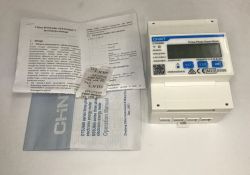
- The corrected plug model is 3202088, not 3202087, and the board identifier shared in the thread is WP02GE dated 2023-09-05. [#20976420]
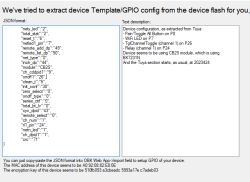
- The shared OpenBeken pin map assigns 6=Relay, 7=Button, 8=LED, 10=WiFi LED, 11=BL0937SEL, 24=BL0937CF1, and 26=BL0937CF. [#20976420]
- The extracted configuration includes power-monitoring thresholds of 180 V low-voltage cutoff, 264 V over-voltage cutoff, and a 5 s reset time. [#20975600]
- Later guidance in the thread says a 2 MB flash read can expose the pinout automatically, which simplifies JSON recovery before reflashing. [#21625232]
How do I flash an Action LSC SmartPlug 3202088 with a WB2S Tuya module and BK7231T using the OpenBeken flasher step by step?
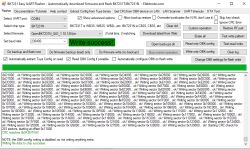
You flash it by opening the plug, wiring the WB2S to a 3.3 V USB-UART adapter, backing up the firmware, and then writing the correct OpenBeken binary. 1. Open the case, identify the WB2S, and solder
GND, VBAT, RX, and TX. 2. In OpenBeken flasher, run
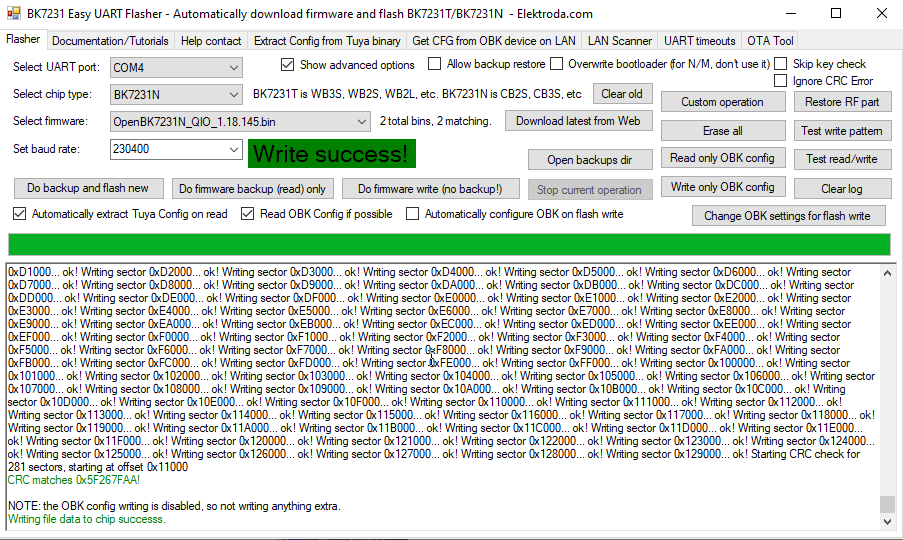
firmware backup (read only) and save the extracted JSON. 3. Flash the matching
BK7231T _UA.bin file, reassemble the plug, join its AP, and import the JSON through
Launch Web App → Import → clear OBK and apply new script.
[#20975600]
Where can I find the correct pinout and MCU details for the WB2S board before flashing an Action SmartPlug?
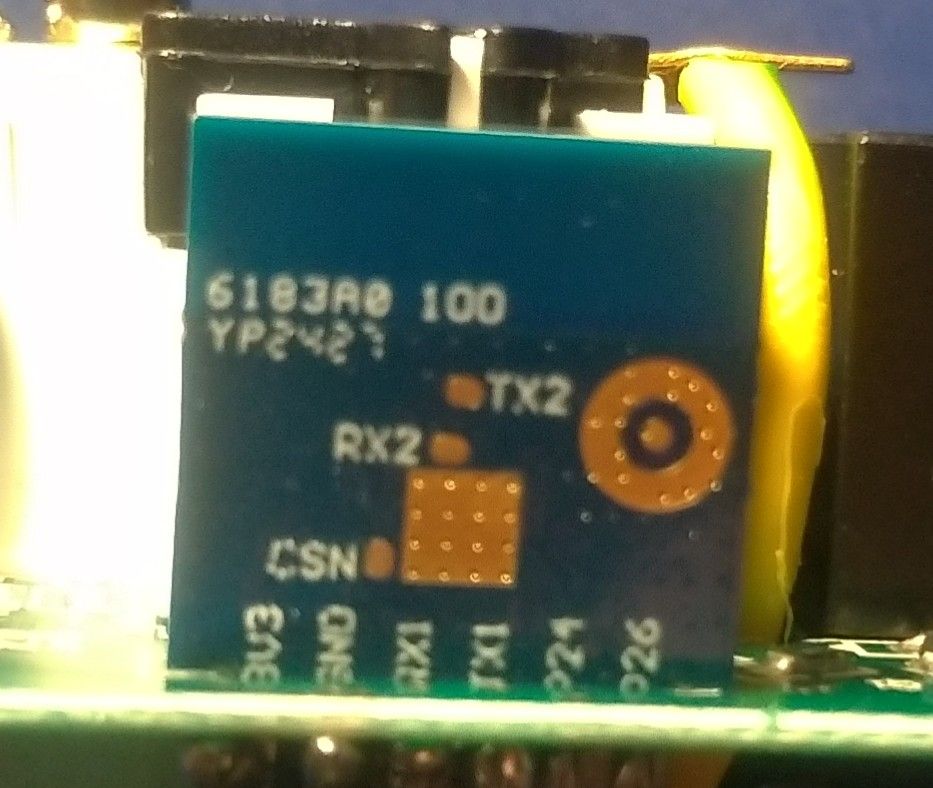
You find them on the back of the blue Tuya module and then confirm them in the Tuya datasheet for that board. The guide says to read the module name first, which here is
WB2S, then verify that the MCU is
BK7231T. The thread also lists the relevant module pins, including
VBAT on pin 1,
GND on pin 3,
UART RX on pin 5, and
UART TX on pin 7, which are the key flashing connections.
[#20975600]
Why does OpenBeken flasher show "Getting bus failed, will try again - 1/100!" when backing up a WB2S/BK7231T plug, and how can I fix it?
That error appears when the module does not reboot into a state the flasher can catch over UART. The clearest fix in the thread is to add a second
GND wire and briefly touch
CEN when the flasher shows
“Serial port open! Getting bus...” during backup or write. Other thread-tested checks are swapping
RX/TX, trying a different USB-UART adapter, and, if needed, removing the module from the main PCB first.
[#21252494]
What is the CEN pin on a WB2S module, and how is it used during backup or flashing?
"CEN is a reset input that reboots the BK7231T/WB2S module when pulled low, letting Easy Flasher catch the bootloader during backup or flashing." In this thread, users use CEN as a manual reset point during UART operations. The WB2S pin table identifies
CEN as pin 10, describes it as
low-level reset, and notes that it is internally pulled high, so touching it to GND briefly triggers reboot.
[#20975600]
How do I trigger reboot on a BK7231T/WB2S module by touching GND to CEN during firmware backup or flashing?
You trigger reboot by briefly shorting
CEN to GND exactly when the flasher asks for a reboot. 1. Connect a second wire to the USB-UART adapter’s
GND. 2. Start
Do Firmware backup (read only) or flashing and wait for the message about getting the bus. 3. Touch that GND wire to the module’s
CEN pin momentarily. In the thread, this is the specific workaround that solved repeated
“Getting bus failed” errors on model
3202088.
[#21252494]
What is an OBK JSON template, and where do I paste or import it after flashing OpenBeken?
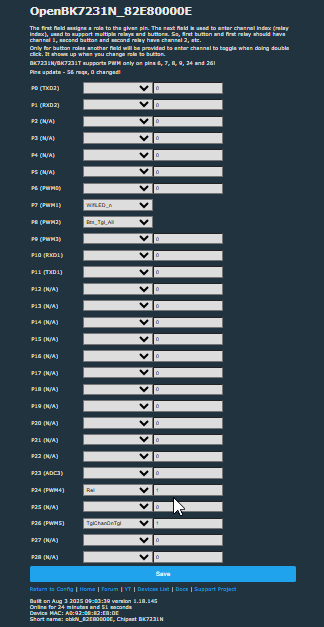
An OBK JSON template is the device configuration that maps pins and features so OpenBeken knows which GPIO drives the relay, button, LEDs, and power metering. After flashing, connect to the plug’s temporary Wi-Fi AP, open its web interface, then go to
Launch Web App → Import and paste the JSON. The guide says to finish with
“clear OBK and apply new script,” which loads the saved configuration onto the flashed plug.
[#20975600]
How do I get the JSON pin configuration from a 2MB firmware backup in Easy Flasher or OpenBeken flasher?
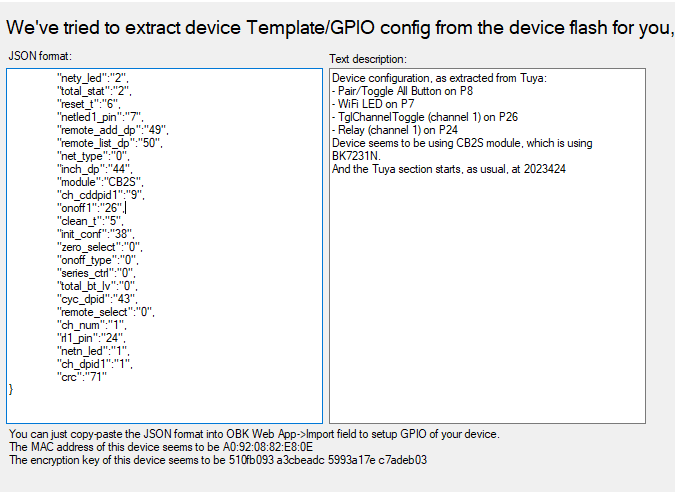
You get it by reading the original firmware first, because the flasher can extract the pinout from that dump. A later reply states that a
2 MB flash read may automatically show the pin configuration on screen. The original guide uses the same flow: run
backup (read only), save the extracted JSON, then reuse it after flashing. If the extraction succeeds, you do not need to build the pin map manually.
[#21625232]
Which OpenBeken firmware file should I choose for a BK7231T or CB2S/WB2S device, and what does the _UA.bin file mean?
Choose the firmware that matches the MCU family and use the file ending in
_UA.bin. For this Action plug, the guide explicitly says to select the firmware for
BK7231T and then flash the
_UA.bin image. Later replies add that Easy Flasher can download the OBK binary automatically, which helps first-time users who already completed the backup and JSON extraction.
[#20975600]
What’s the difference between model 3202087 and 3202088 for the Action LSC SmartPlug, and why does the correct model number matter?
The thread corrects the device to
3202088, not 3202087, and that matters because device listings, search results, and template matching depend on the exact model. A moderator note says the photos show
3202088, and another reply confirms that
3202087 refers to a different topic. The OpenBeken device entry was then updated so the correct plug appears in the searchable devices list under the right name.
[#21030307]
How does Tuya Cloudcutter compare with UART flashing for these LSC/Tuya smart plugs when you want to avoid disassembly?
Tuya Cloudcutter is the thread’s no-disassembly option, while UART flashing is the documented method with backup and pin extraction. A user asked about Cloudcutter specifically to avoid opening the plug, but the step-by-step guide itself uses soldered UART access and a firmware dump first. The thread also shows a real Cloudcutter-related recovery case later, which suggests it works for some users, but the detailed, repeatable instructions here are still the UART method.
[#21030267]
Why might a WB2S or CB2S module fail to flash unless it is desoldered from the plug’s main PCB first?
It can fail because the main PCB may interfere with the module’s signals or power conditions during UART access. When one user kept getting bus errors, the first recommendation was to try desoldering the
WB2S/CB2S from the circuit and then flash it separately. That advice appears before other checks like different adapters or silkscreen verification, so desoldering is treated as a practical troubleshooting step, not an optional nicety.
[#21083703]
How do I recover access to an OpenBeken-flashed smart plug after entering the wrong IP settings and losing the web interface?
You can recover it through the built-in OpenBeken recovery method rather than reflashing from scratch. In the thread, a user lost access after entering the wrong IP settings, could still see the plug on the router, and then restored access using the recovery guidance linked from the OpenBK7231T App FAQ. The follow-up reply confirms the fix worked, so the documented recovery path is the correct first step for misconfigured network settings.
[#21451892]
What alternatives are available for flashing BK7231T devices from macOS if the standard flash tool does not run?
Use
hid_download_py on macOS. The thread points Mac users to the
OpenBekenIOT hid_download_py repository and its README, plus a linked video guide for
BK7231N. That reply is the only concrete macOS alternative given, so it is the thread’s recommended fallback when the standard flashing application does not run on Apple systems.
[#21131204]
Why do some CB2S/WB2S modules have incorrect silkscreen markings, and how should I verify RX, TX, 3.3V, and GND safely?
Some modules in the field have wrong printed labels, so you should trust the documentation pinout over the silkscreen on the can. The thread warns that certain
CB2S/WB2S modules have swapped or incorrect markings and says to follow the documented layout instead. For safe wiring, use only
3.3 V, connect Tuya
RX to adapter TX and Tuya
TX to adapter RX, and verify
GND from the official pin map before powering anything.
[#21086520]
Where is the CEN pin on the WiFi PCB of the Action LSC SmartPlug 3202088, and what baud rate should I use for flashing?
The thread identifies
CEN from the WB2S documentation, not from a final annotated photo of the 3202088 PCB, and it does not state any baud rate. The WB2S pin table in the guide says
CEN is pin 10 and labels it as the reset pin. For the 3202088 board, the practical advice is to locate CEN by matching the module to the official WB2S pinout, especially because some modules may have misleading silkscreen markings.
[#21835018]
AI summary based on the discussion. May contain errors.