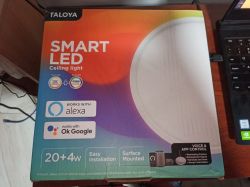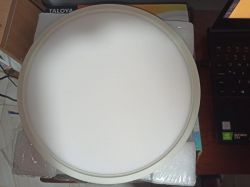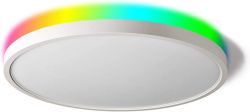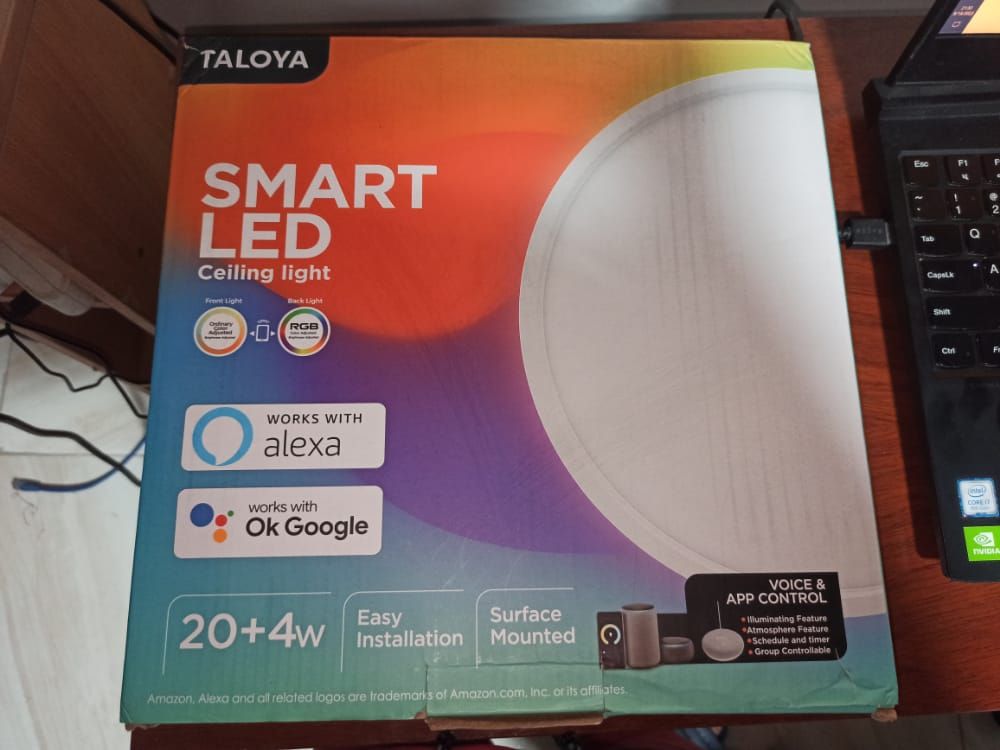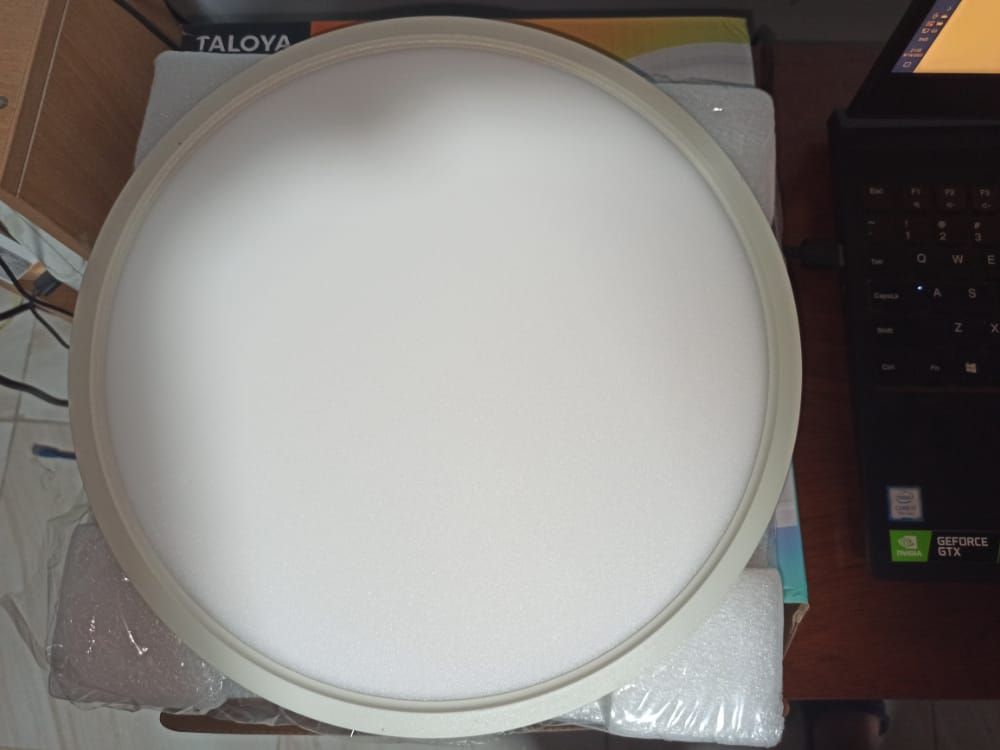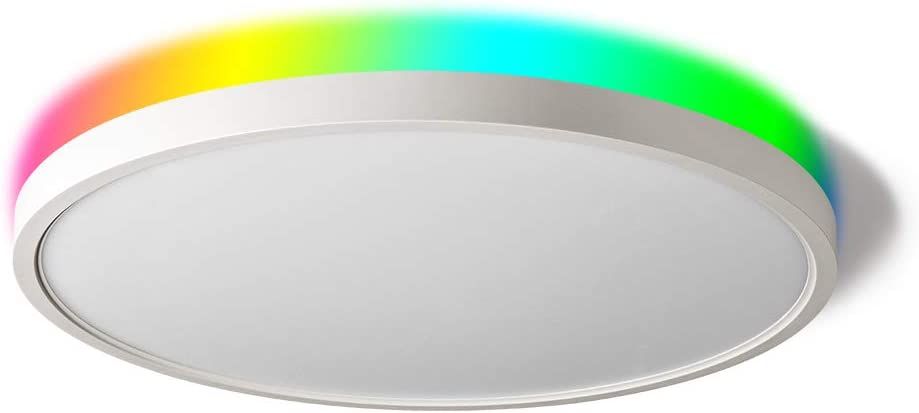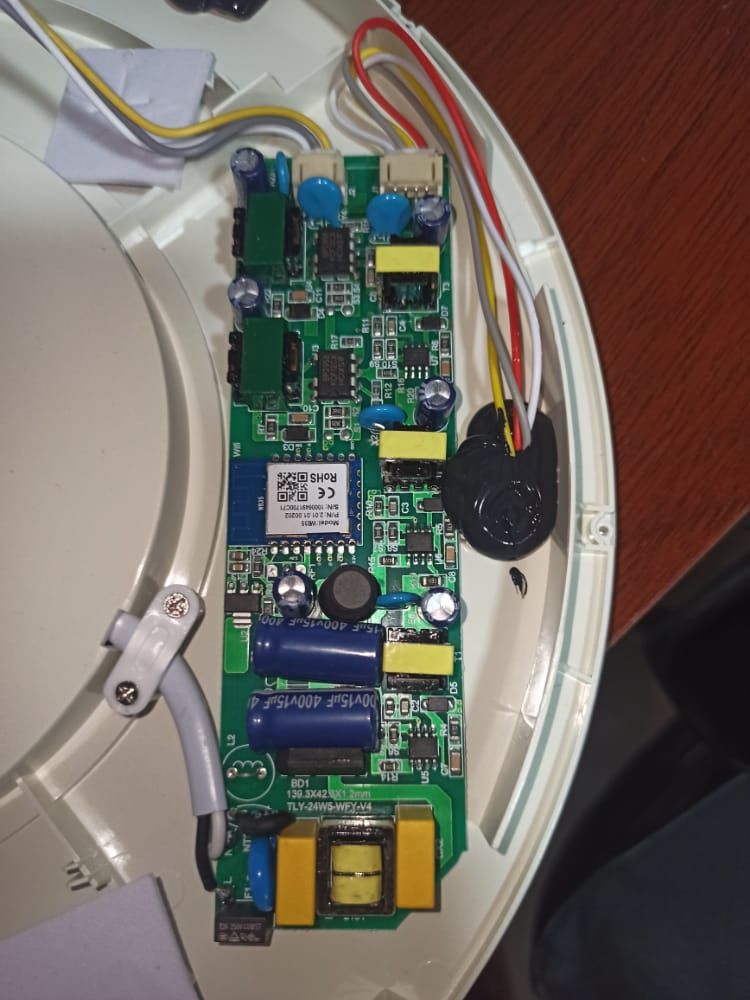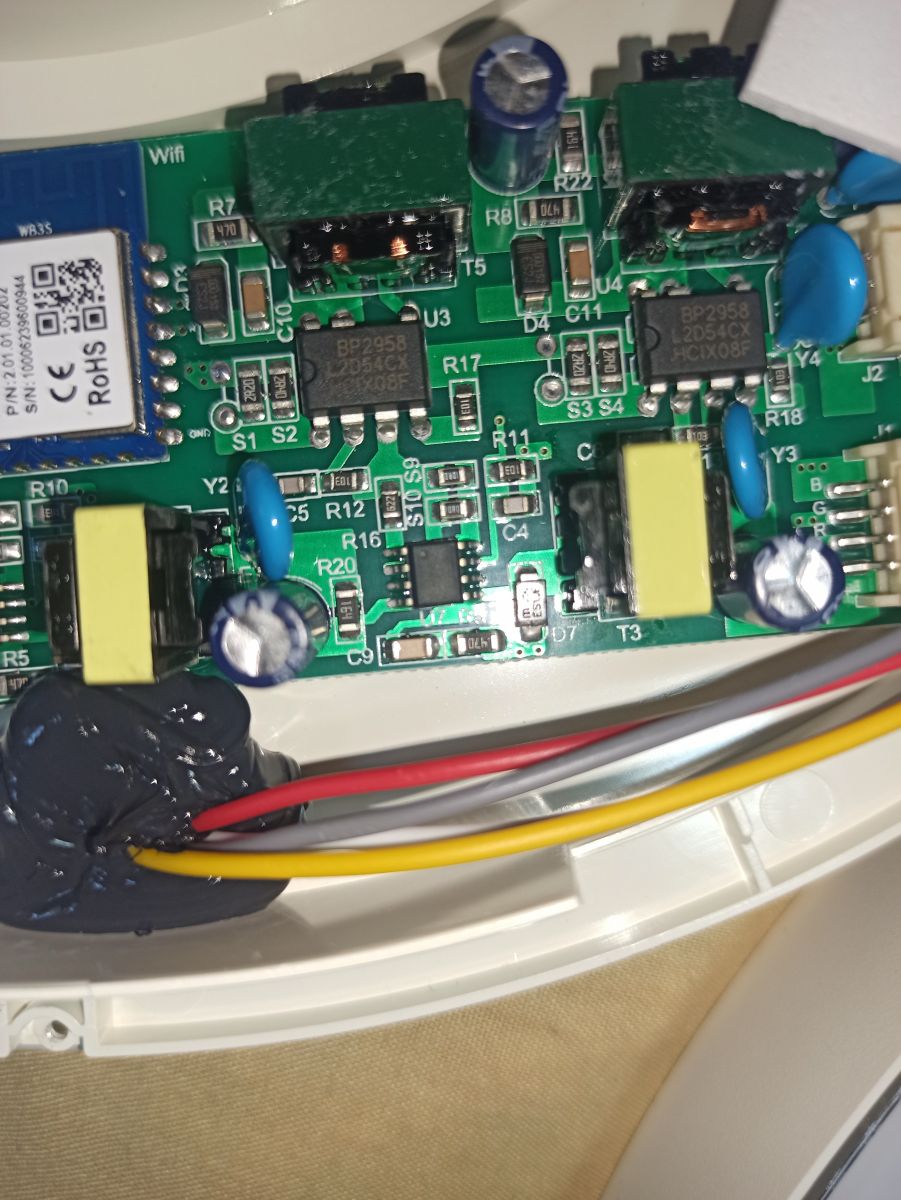
Opening it up is easy, just unscrew the screws on the back.
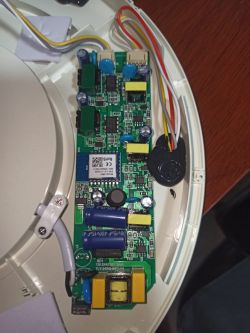
Flashing
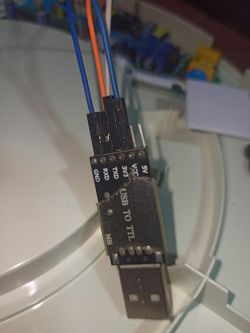
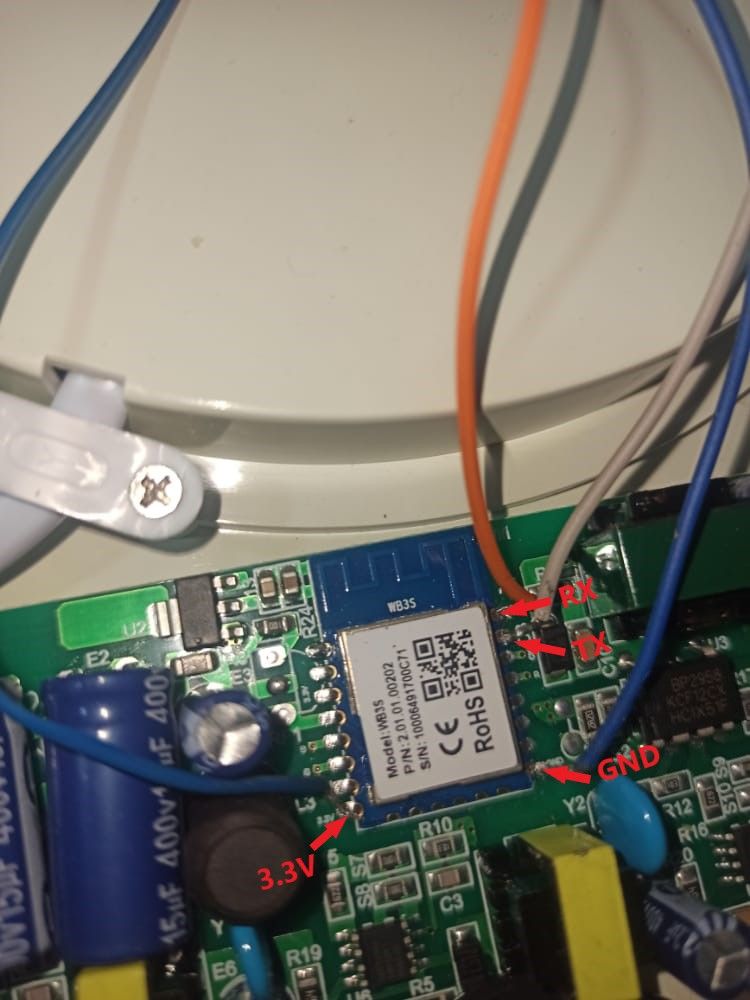
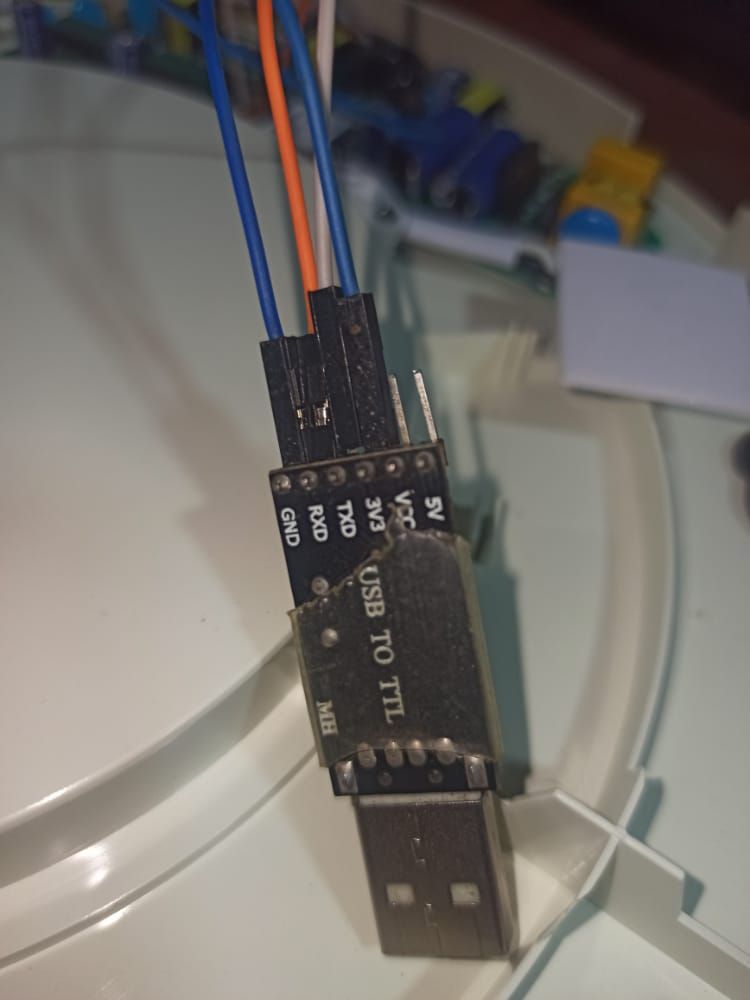
Pins:
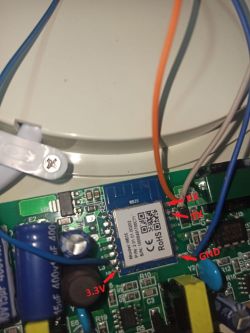
In my case I did it on windows with the hid_download_py tool
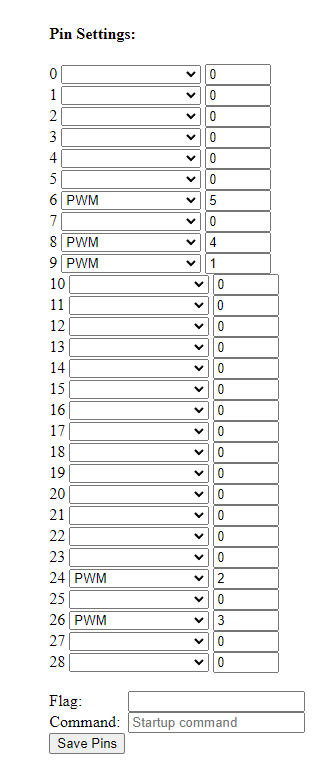
After you flashed the BK7231T. You have to set the PWM pins like this:
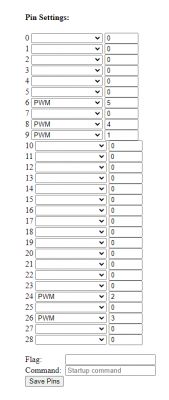
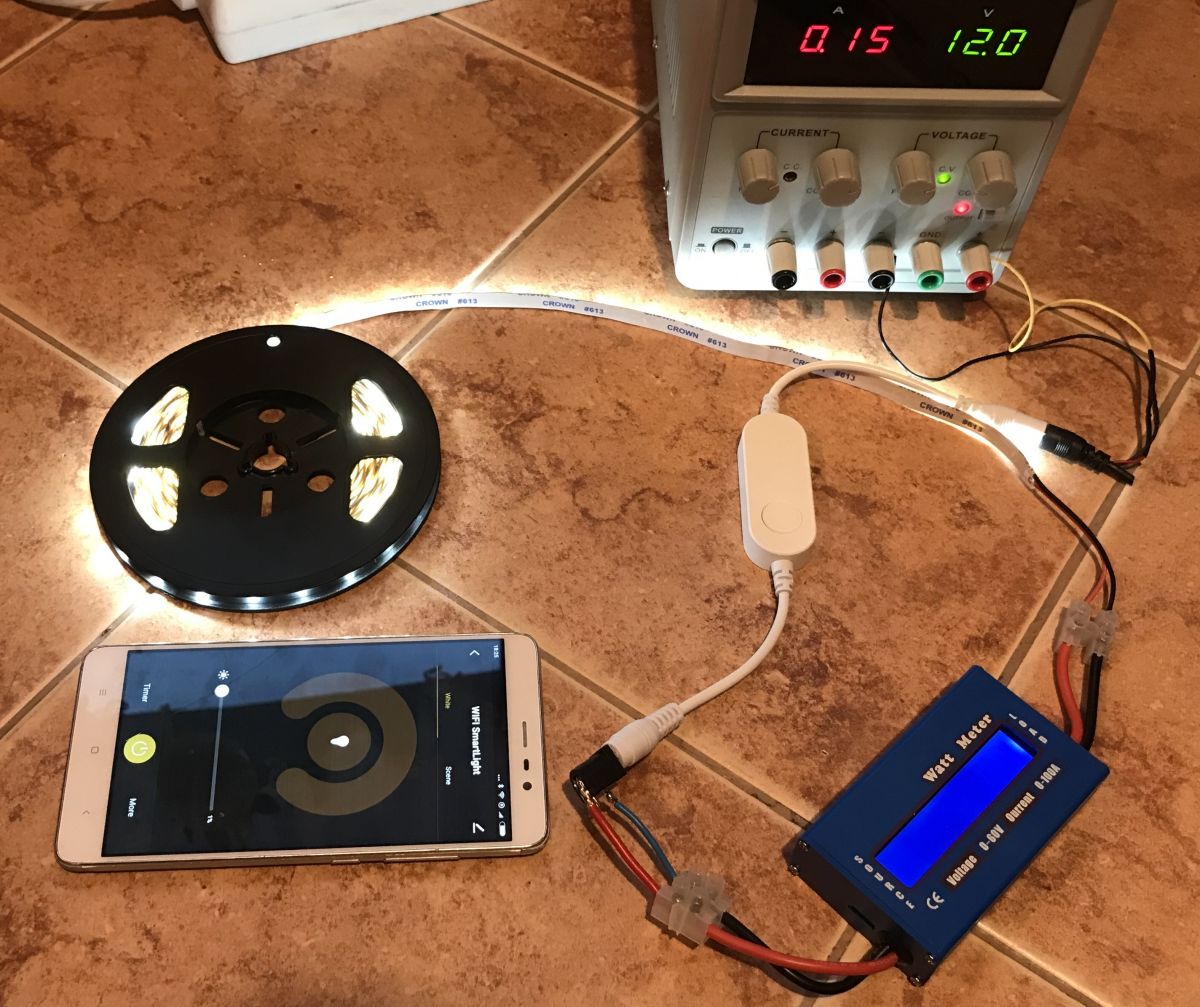
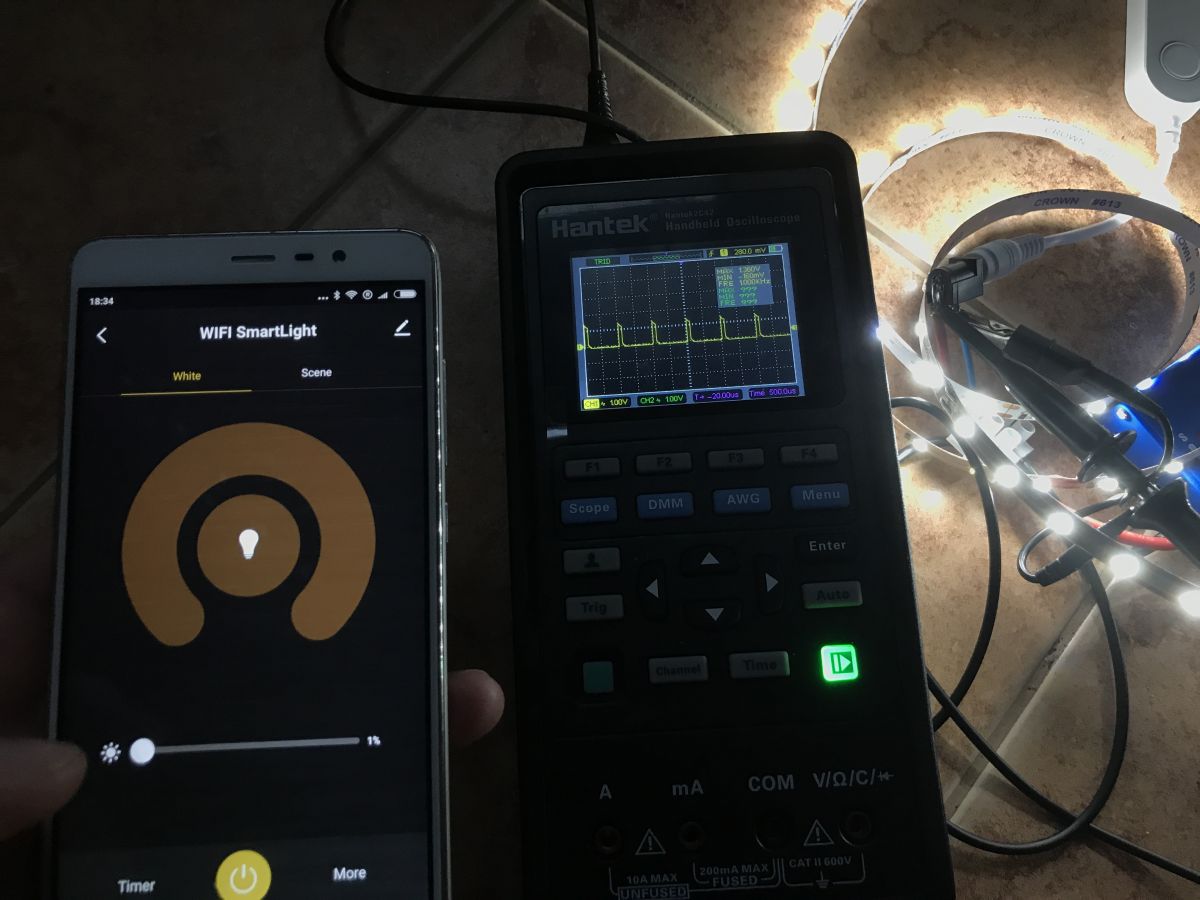
To finish you have to enable Flag 11 - [PWM] BK7231 uses 600hz instead of 1khz by default in Configure General this solves a problem with brightness
this flag is available from version 1.12.55
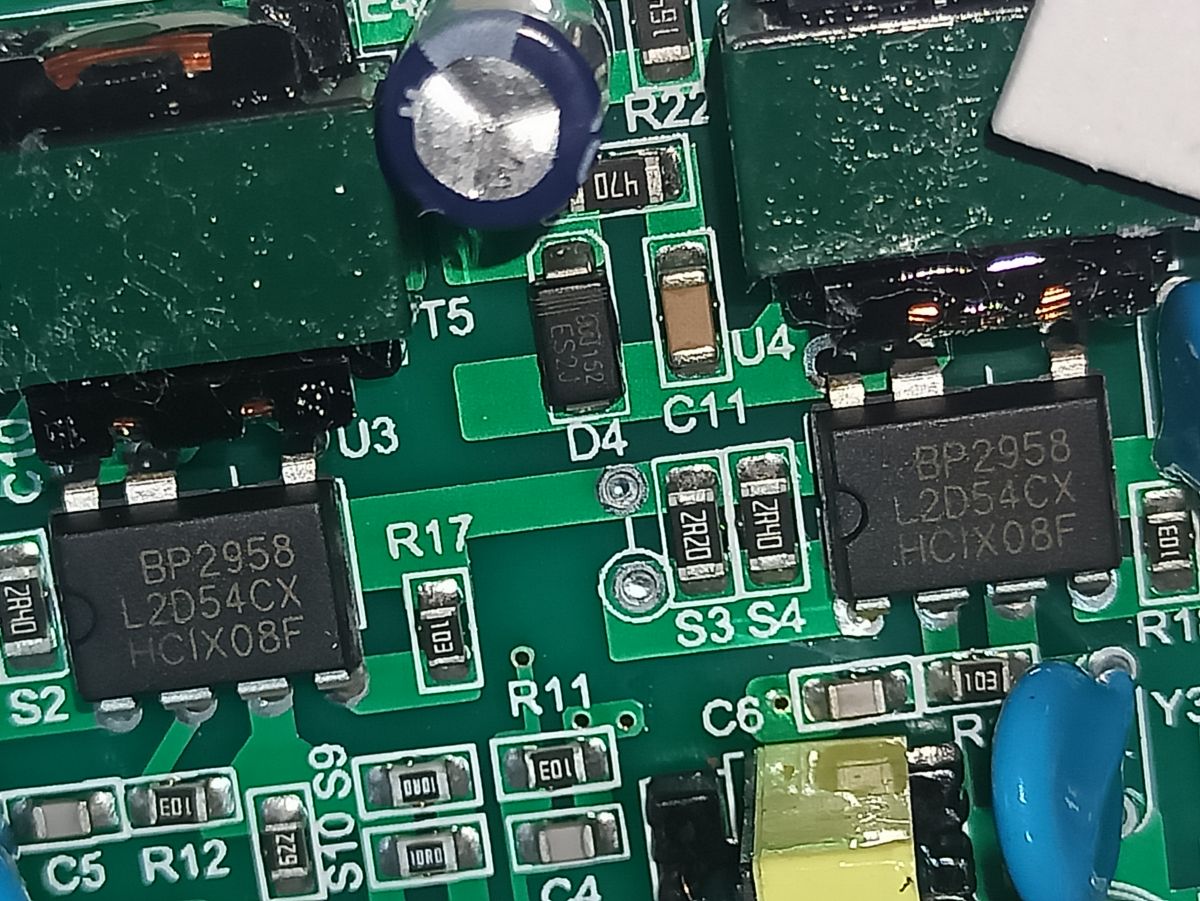
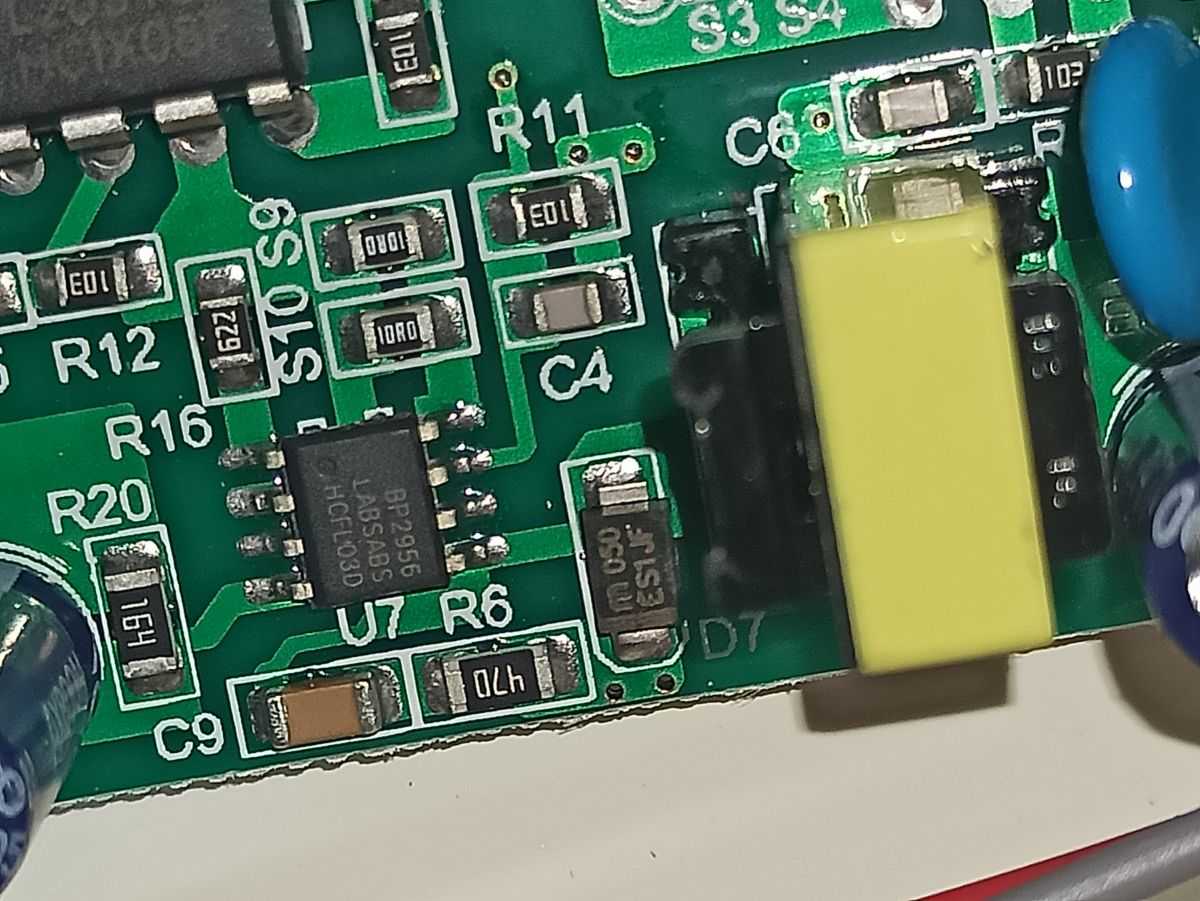
That's a very nice device with a beefy board, I haven't seen that one before. Would you also be able to specify the name of chips in DIP8 and SOIC packages there? I'm just curious.
It's good to know that a fix submitted by one of our OpenBeken contributors as a pull request works for you, the default PWM is 1kHz but flag 11 enables 600Hz version.
Tuya also seems to be using 1kHz by default, at least in case of LED strips that I have tested - see this review: https://www.elektroda.pl/rtvforum/topic3798114.html
Spoiler:
but of course, as it turns out, it's not always 1kHz, sometimes 600Hz is required, in some cases...
I wouldn't say it's a correct usage of that USB to TTL converter. I don't think that 3.3V and 5V pins there has a large current capability. I'd rather say that they are supposed to be connected to VDD to select voltage levels. I'd connect that 3.3V pin to VDD to select 3.3V voltage levels and use external 3.3V LDO to power BK7231.
But if your approach also worked well for you, then it's good
That's a very nice device with a beefy board, I haven't seen that one before. Would you also be able to specify the name of chips in DIP8 and SOIC packages there? I'm just curious.
It's good to know that a fix submitted by one of our OpenBeken contributors as a pull request works for you, the default PWM is 1kHz but flag 11 enables 600Hz version.
Tuya also seems to be using 1kHz by default, at least in case of LED strips that I have tested - see this review: https://www.elektroda.pl/rtvforum/topic3798114.html
Spoiler:
but of course, as it turns out, it's not always 1kHz, sometimes 600Hz is required, in some cases...
I wouldn't say it's a correct usage of that USB to TTL converter. I don't think that 3.3V and 5V pins there has a large current capability. I'd rather say that they are supposed to be connected to VDD to select voltage levels. I'd connect that 3.3V pin to VDD to select 3.3V voltage levels and use external 3.3V LDO to power BK7231.
But if your approach also worked well for you, then it's good
Hello, I already have the light installed, but I ordered another 2 more since they were at a good price, as soon as I flash them I will upload photos of the chips
Thanks for the suggestion, yes, simply with the usb ttl it worked, and although it only gave 3.17v, for the next one I will do it as you suggest
Have you considered doing a full 2MB flash read (preferably after pairing with a dummy SSID) for tuya-cloudcutter project? They are looking for device dumps to make devices programmable by OTA, without opening the case.
That's a very nice device with a beefy board, I haven't seen that one before. Would you also be able to specify the name of chips in DIP8 and SOIC packages there? I'm just curious.
I already had time to flash the other 2 lights, here I leave you images of the chips
Thank you for your work, this post helped me flash a Taloya clone. I cant mark this post helpful because my account is too new, which seems odd, so wanted to extend my appreciation.
Thanks for this post. Just finished conversion of the 15.8" version of this light. Once I opened it, I found a BK7231N CB3S inside. Here are the pins I found that successfully controlled the flashed module in case it helps someone else.
✨ The discussion revolves around the Taloya 12" 24W Ceiling Light (YL300-24W-AI-WEMG) and the process of flashing it with OpenBeken firmware using the BK7231T chip. Users share their experiences with device teardown, flashing procedures, and configuration settings, particularly focusing on setting PWM pins to resolve brightness issues. The importance of using the correct voltage levels during flashing is highlighted, along with the suggestion to contribute pin role information to the OpenBeken database. Additionally, one user expresses gratitude for the guidance received, indicating successful flashing of a Taloya clone.
What chips sit on the Taloya YL300-24W-AI-WEMG main board?
The control board hosts a BK7231T Wi-Fi SoC, a DIP-8 AC-DC converter, and SOIC-8 LED drivers; photos confirm marked PSR BJT driver and LY-MCU pair [Elektroda, gajosu15, post #20216455]
Which GPIOs must be configured as PWM in OpenBeken?
Use hid_download_py. Connect TX, RX, GND and VCC (3.3 V) to the USB-TTL adaptor, hold BOOT low, then upload the OpenBeken binary [Elektroda, gajosu15, post #20193940]
Is the adaptor’s 3.3 V rail safe for powering the lamp PCB?
No; current is limited. "I’d rather use an external 3.3 V LDO" warns the project maintainer [Elektroda, p.kaczmarek2, post #20196144] Insufficient current may cause boot loops.