FAQ 
TL;DR: If you want a TUYA Cloud Cutter pull request for this LEDVANCE bulb, first make a full 2MB flash backup and use UART1. As the expert put it, "always UART 1" for flashing. This FAQ is for WBLC5/BK7231T bulb modders who get stuck at firmware backup, unstable wiring, or weak 3.3V power during teardown-to-profile work. [#20884687]
Why it matters: A clean 2MB dump is the handoff point between a successful teardown and an actionable Cloud Cutter profile request.
| Option |
Works for flashing? |
Main issue from thread |
Best use in this case |
| UART1 (RX1/TX1) |
Yes |
Needs stable wiring and power |
Firmware read/backup |
| UART2 (RX2/TX2) |
No |
Used for logs, not flashing |
Debug output only |
| Small USB-UART 3.3V |
Often unreliable |
Limited current capability |
Data link only, not ideal power |
| AMS1117-based 3.3V supply |
Recommended |
Needs short leads |
More stable external power |
Key insight: The main blocker was not the pin choice. The thread points to two practical causes: long 30–40 cm wires and weak 3.3V power from tiny USB-UART adapters. [#21651100]
Quick Facts
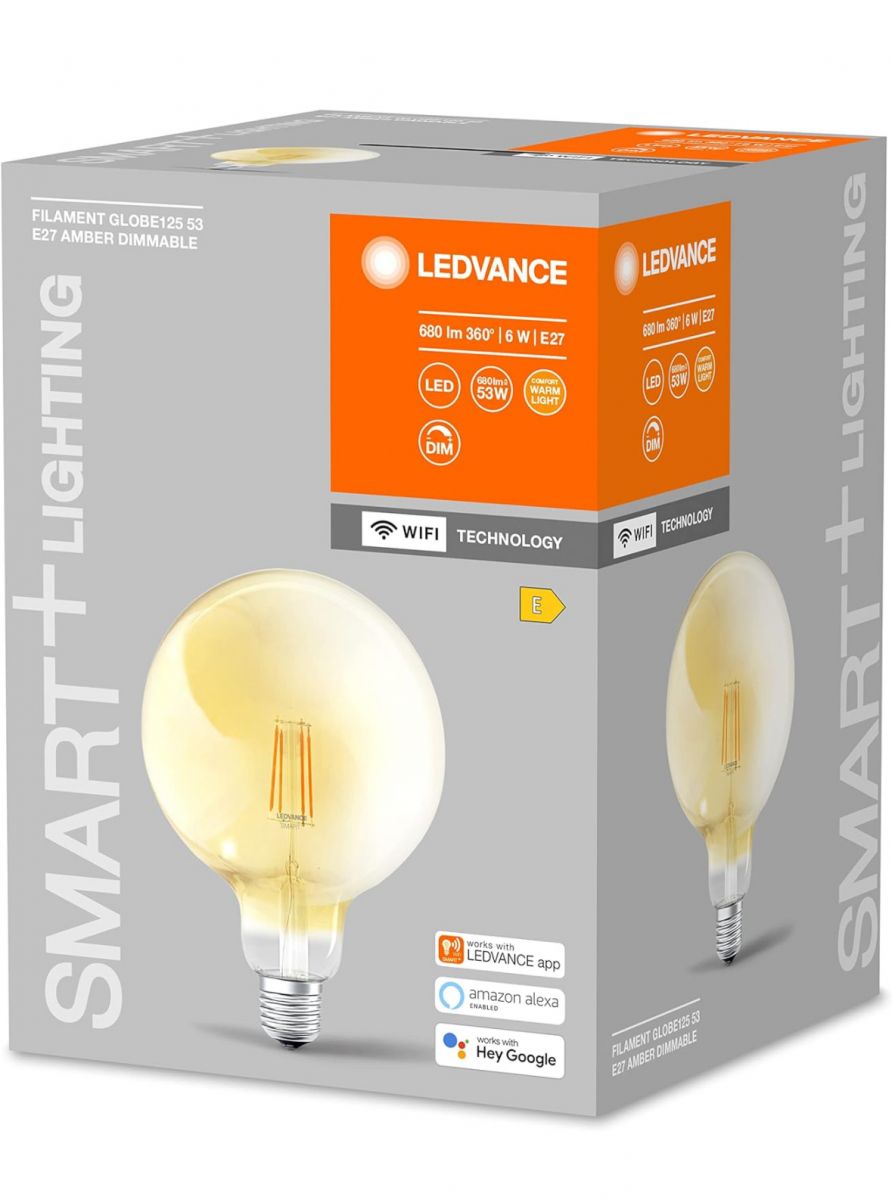
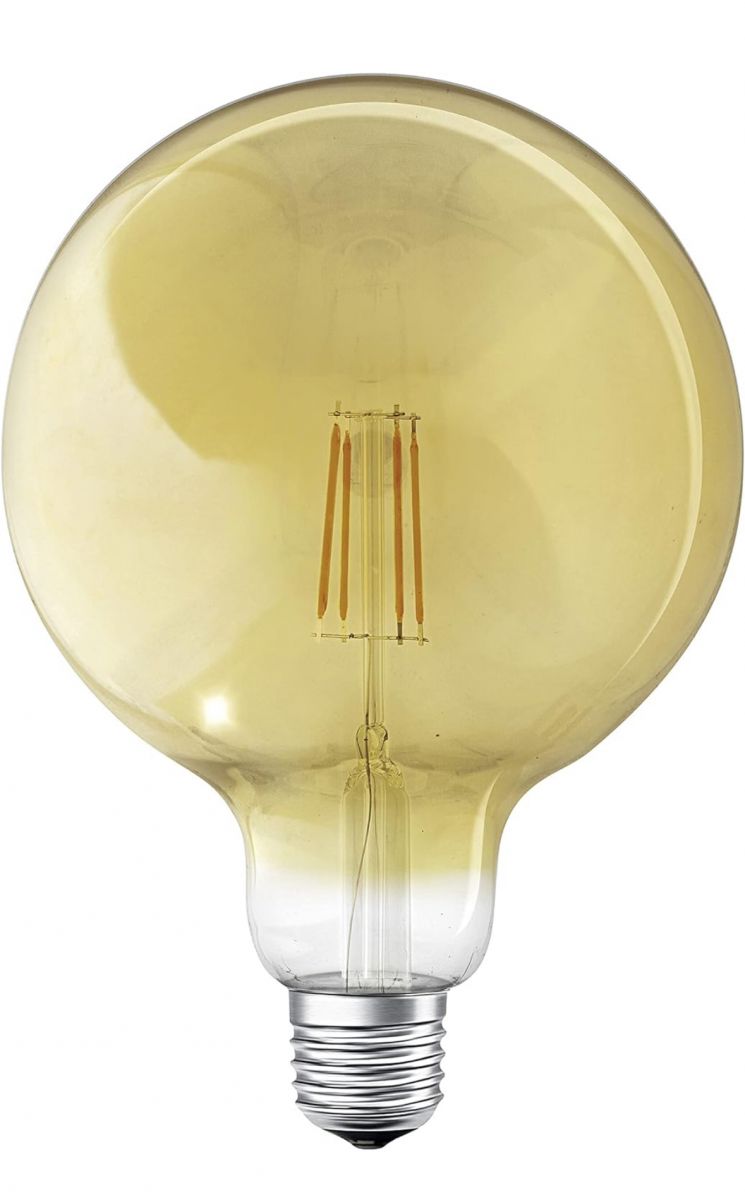
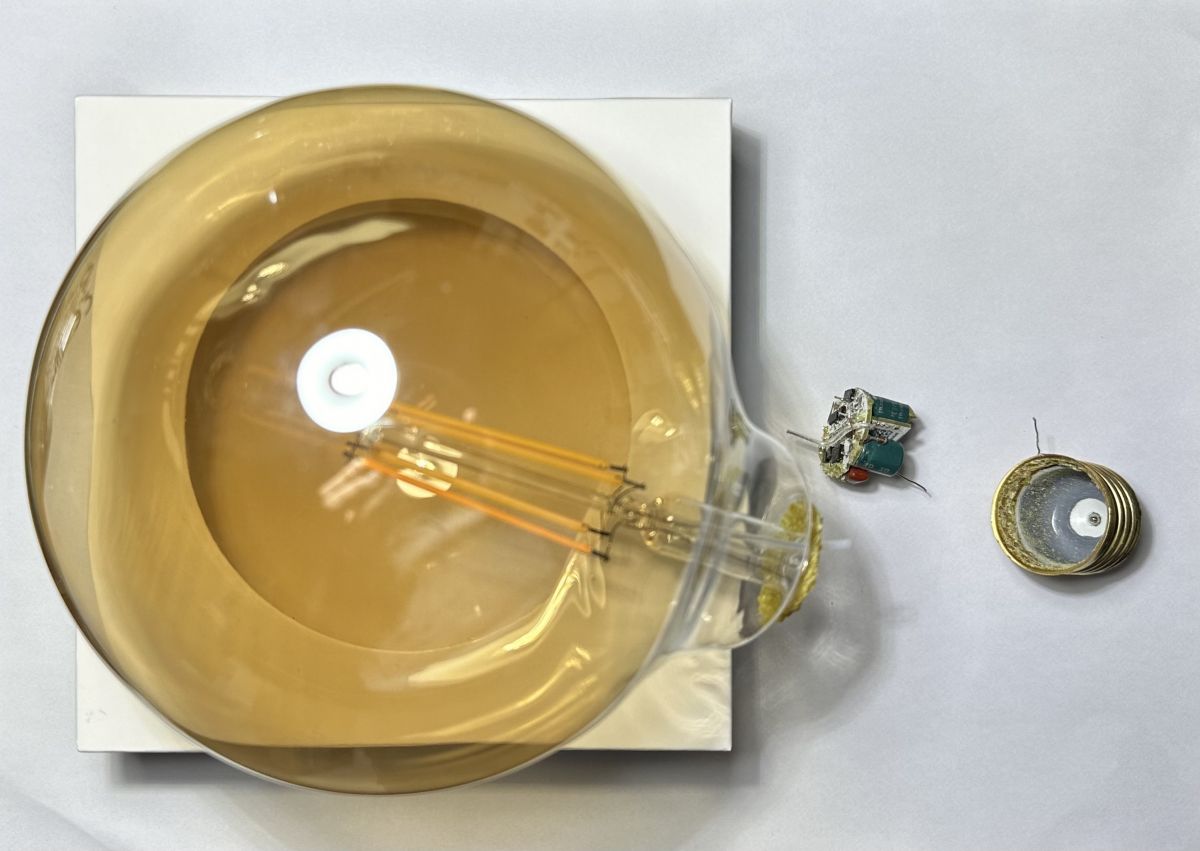
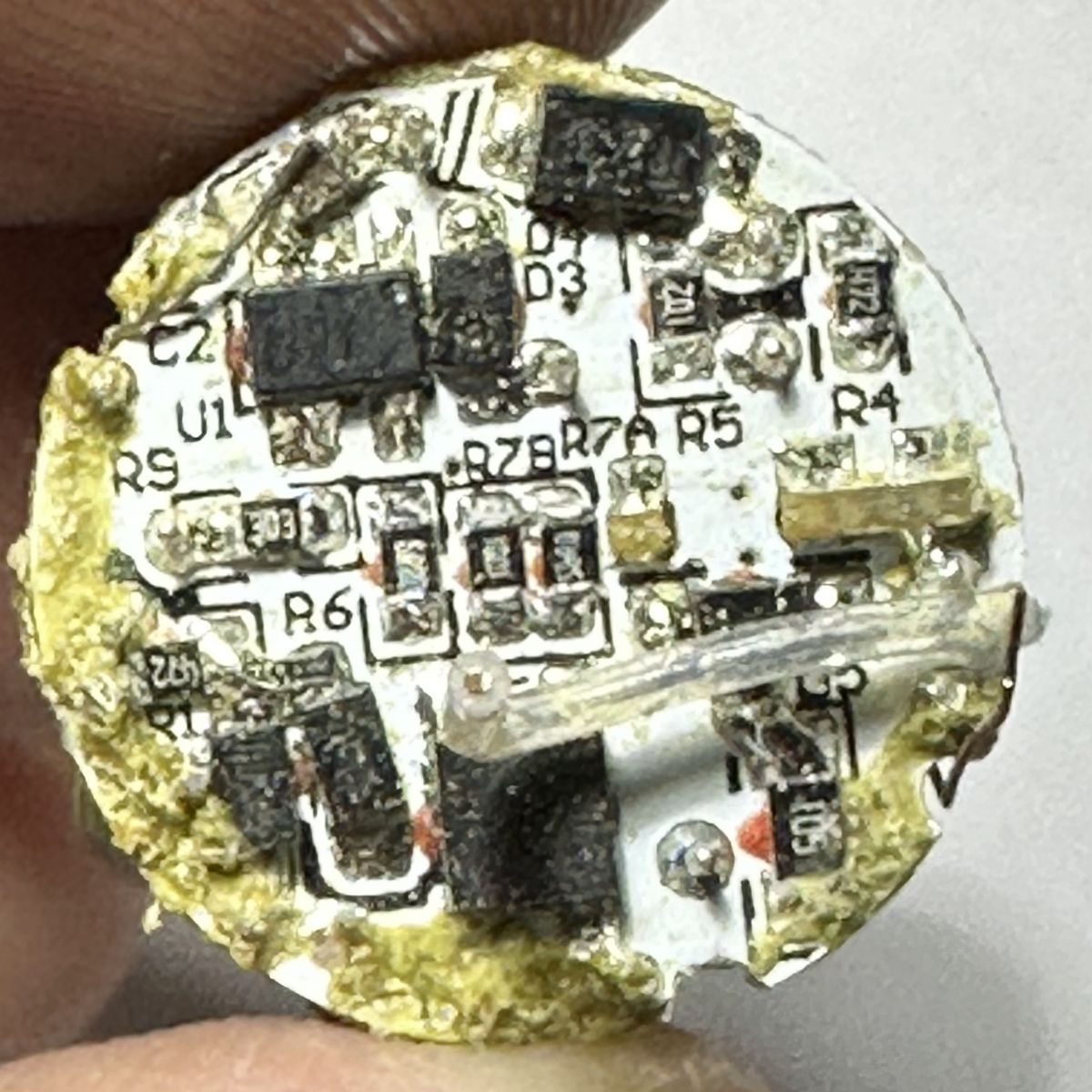
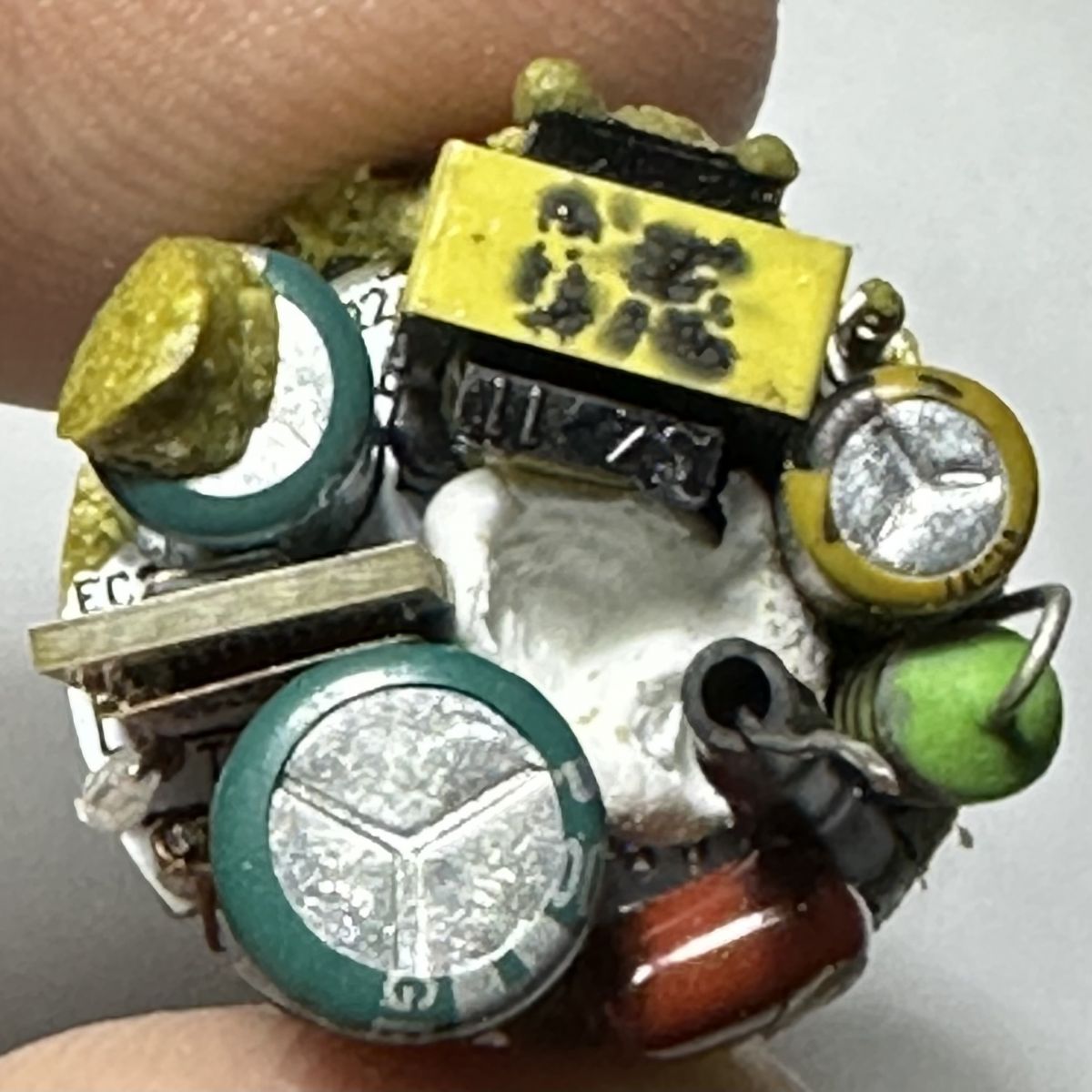
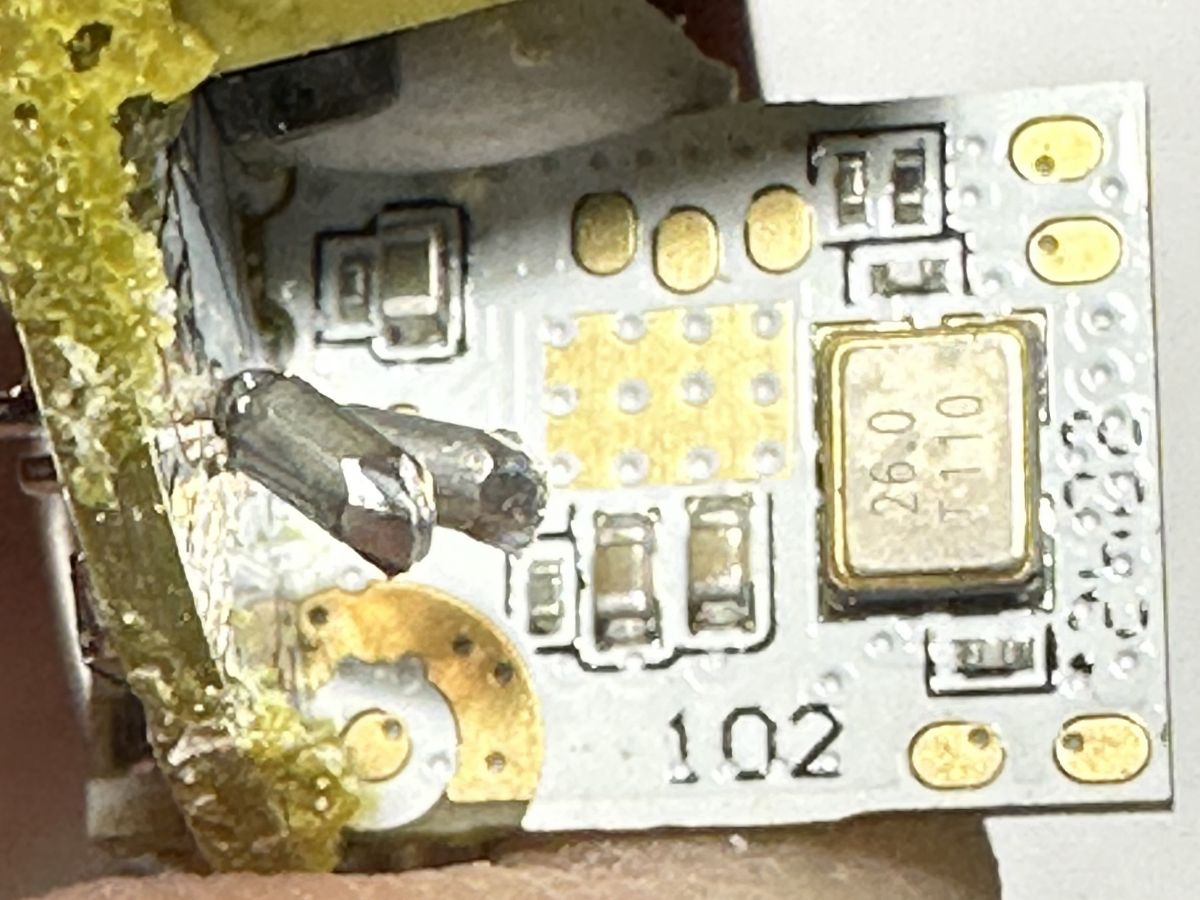
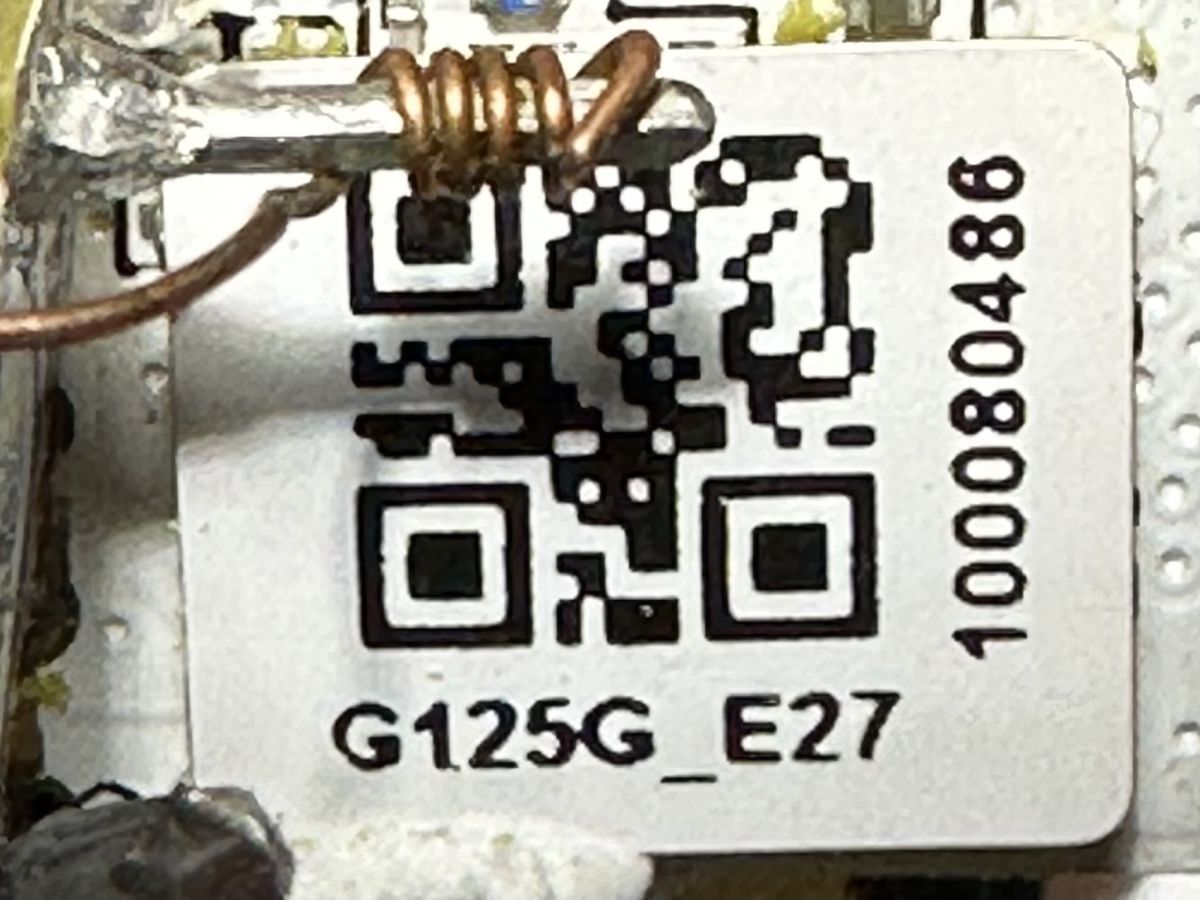
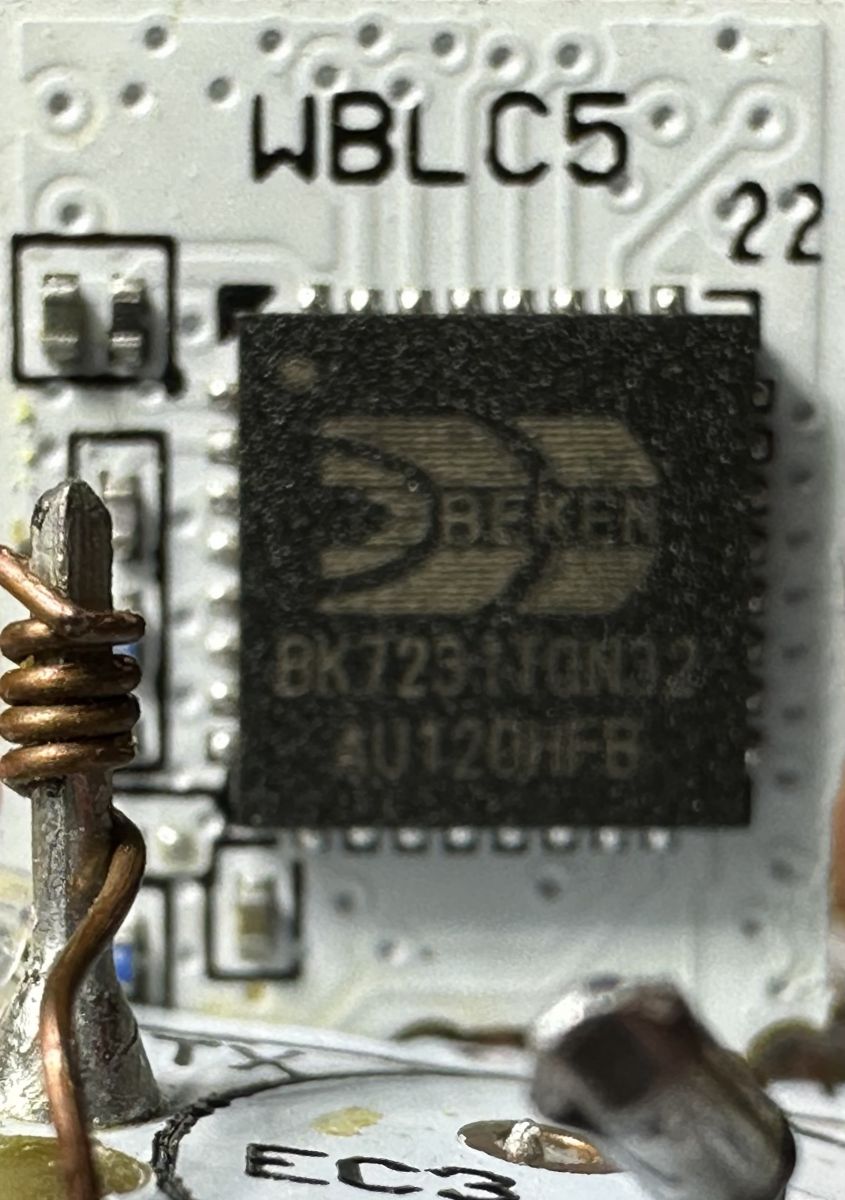
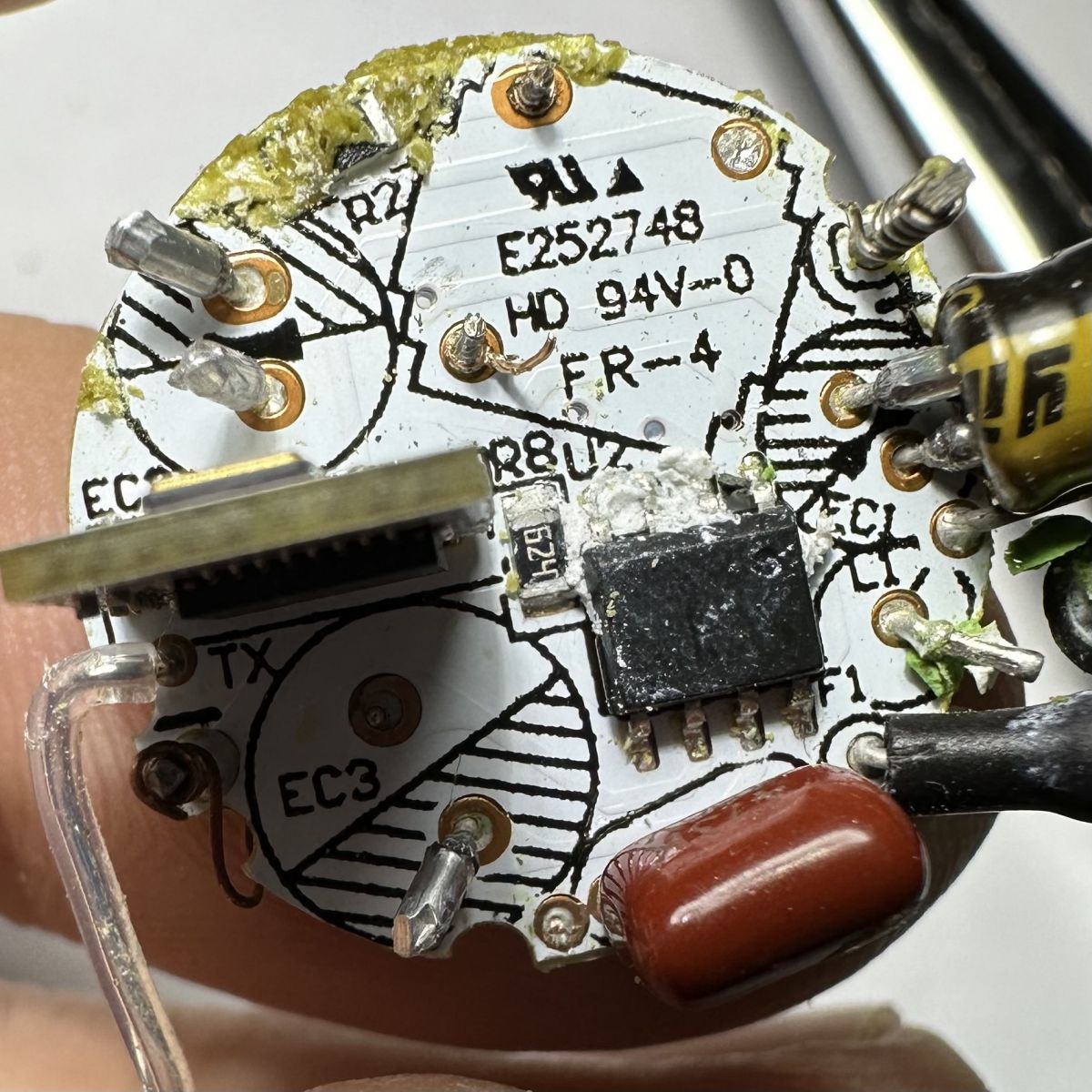
- Device details from the teardown: LEDVANCE Filament Globe 125 53, E27 base, 680 lm, 6 W, Beken BK7231T, and Tuya WBLC5 module. [#20884330]
- For flashing, use UART1 (RX1/TX1). UART2 is reserved for debug log output, not firmware upload or backup. [#20884687]
- The required backup size is a full 2MB flash dump, and the first operation should be read, not write. [#20884344]
- The failing setup used wire lengths of about 30–40 cm, which the expert called too long for reliable communication. [#20887621]
- On the AMS1117 breakout, capacitor codes 104 = 100 nF and 106 = 10 µF were explicitly identified in the thread. [#21651648]
What are the next steps after tearing down a LEDVANCE Filament Globe 125 53 bulb with a Beken BK7231T/WBLC5 if I want to submit a TUYA Cloud Cutter pull request?
The next step is to read a full
2MB flash backup and share it so a profile can be added. The same backup can also be used to extract the OBK configuration. Do the backup before any write attempt, because the expert explicitly advised starting with a read operation first.
[#20884344]
How do I make a full 2MB flash dump from a WBLC5-based Tuya bulb before attempting any write operation?
Make the backup by connecting the bulb over
UART1, powering it from a stable
3.3V source, and performing a read of
0x200000 bytes from address
0x0. 1. Wire RX1, TX1, 3V3, and GND. 2. Start a read operation, not write. 3. Save the full
2MB dump and share it for profile work or OBK extraction.
[#20884687]
Which UART pins should be used for flashing a WBLC5 module in a LEDVANCE bulb: RX1/TX1 or RX2/TX2, and what is UART2 used for?
Use
RX1/TX1 for flashing. UART2 is used for
debug log output only. The expert answered this directly: “always UART 1” is used for flashing, while UART2 serves logs.
[#20884687]
Why does the BK7231 UART flashing tool get stuck on "Read Getting Bus..." or return "Cannot get bus" when trying to back up firmware from a WBLC5 bulb?
The thread points to unstable hardware setup, not a wrong command. The reported causes were
30–40 cm wires and a small USB-UART adapter that likely could not supply enough
3.3V current for flashing. That combination can prevent the tool from getting the bus and leave reads hanging indefinitely.
[#20887860]
How short should the wires be when flashing a BK7231T or WBLC5 bulb over UART, and why do long 30–40 cm leads cause problems?
Keep the wires much shorter than
30–40 cm, because that length was identified as a problem in this setup. The expert said those wires “seem very long” and advised shortening them to improve connection stability. Long leads add noise and make marginal
3.3V power delivery worse during flashing.
[#20887860]
What kind of 3.3V power supply works best for flashing Tuya WBLC5 bulbs: a small USB-UART adapter, Raspberry Pi GPIO, or an AMS1117-based regulator board?
An external
AMS1117-based 3.3V regulator board is the preferred option in this thread. The expert said tiny USB-UART converters often lack enough current capability at
3.3V, and also noted personal use of a breadboard regulator setup instead. A Raspberry Pi GPIO attempt was reported, but it did not solve the connection problem here.
[#21651100]
Where exactly should a decoupling capacitor be connected between 3.3V and GND in a UART flashing setup for a WBLC5 bulb?
Connect the capacitor directly across the single
3.3V and
GND power lines in the flashing circuit, as close to the supply output as practical. The expert clarified that there is only one 3.3V and one GND line in this setup, so the placement is simply between those two rails.
[#21650941]
Why was a 100pF capacitor mentioned for the WBLC5 flashing fix, and why is 100nF the more likely correct value?
The
100pF value was treated as a typo in the thread, and
100nF was identified as the more likely correct value. The expert said, “to be precise, it’s 100nF,” and added that the exact value is not critical because that decoupling should already exist on the board.
[#21651380]
What is TUYA Cloud Cutter, and how does it use a firmware backup or profile to support new bulbs like the LEDVANCE Filament Globe 125 53?
"TUYA Cloud Cutter" is a firmware-profile workflow that adds support for specific Tuya devices, using a device backup to identify and submit the needed profile data. In this thread, the required contribution path was clear: first provide a full
2MB flash dump, then it can be submitted so “they can add profile.”
[#20884344]
What is an OBK config, and how can a 2MB flash backup be used to extract it from a BK7231T device?
"OBK config" is a device configuration dataset that maps how OpenBeken should use the hardware, including key settings derived from the original firmware backup. The thread states that the same full
2MB backup needed for profile submission can also be used to extract the OBK config from the BK7231T device.
[#20884344]
How can I tell whether the stock Tuya firmware on a LEDVANCE WBLC5 bulb is patched against CloudCutter?
You cannot tell from this thread alone, because no check method or confirmed result was provided. When asked whether the stock firmware was patched, the bulb owner answered, “no idea,” and the discussion did not add a verification procedure afterward.
[#20887621]
What's the difference between using a Raspberry Pi GPIO UART port and a USB-to-UART converter for reading firmware from a BK7231T bulb?
In this thread, neither method succeeded, but they failed differently. The Raspberry Pi GPIO UART setup waited indefinitely at
“Read Getting Bus...”, while the USB-UART path returned
“Cannot get bus” and then raised a Python
NoneType error. That makes the USB path less silent, but not more reliable here.
[#20887318]
How do I safely disassemble a LEDVANCE filament bulb and remove the bottom screw or socket without breaking the glass?
Heat the socket with a heat gun until it loosens, then twist it off. The user who opened this LEDVANCE bulb said the process turned out easier than expected and did not describe breaking the glass. That is the only disassembly method explicitly reported in the thread.
[#20887621]
Which USB-to-UART adapter specifications matter most for flashing BK7231T/WBLC5 devices, especially current capability at 3.3V?
The key requirement is strong
3.3V current capability, not just USB-UART functionality. The expert said tiny adapters “don’t have good enough current capability at
3.3V,” which is why a better external regulator and shorter wires were recommended for WBLC5 flashing.
[#21651100]
Why do AMS1117 breakout boards often have both 104 and 106 capacitors on them, and what do those markings mean in a 3.3V flashing circuit?
In this thread, the markings were decoded as two different capacitor values on the same AMS1117 board:
104 = 100 nF and
106 = 10 µF. That means the breakout includes both a small and a larger decoupling capacitor in the
3.3V supply circuit, which matches the user’s reading of the board.
[#21651648]
AI summary based on the discussion. May contain errors.







Comments
Well, first you need a 2MB flash dump and then you can submit it for them to add profile. I can submit it myself, can you share 2MB backup here? We can also use it to extract OBK config. [Read more]
Hi P.! Piotr? or Patryk? :) Hm, I realize I´m really old fashioned: feels somehow strange to me talking to someone without knowing his name.... In any case, thank you for your answer ! Now,... [Read more]
I think you may have got it right at the first try. Regarding the UART port - well, you should check our YT channel for detailed flashing process presentations: https://www.youtube.com/@elektrodacom You... [Read more]
Okay, so I started the first attempt - unfortunately without success :( I double-checked everything and swapped RX/TX to be on the safe side, but maybe you could take another look: the photos are below. I... [Read more]
Hi, how did you remove the bottom screw without breaking the glass? Is the stock tuya firmware patched? [Read more]
How do you power it, how long are the wires, what kind of USB to UART converter? Have you tried swapping RX and TX? [Read more]
Hey @ferbulous, I heated the socket with a heat gun until I could simply twist it off... I had imagined it would be more difficult, but then it went very easily. :) And as for the firmware patch: no... [Read more]
Those wires seem very long. Futhermore, your USB to UART converter does not look like the one that can provide enough current for flashing. Use a better 3.3V source and shorten your wires. Have you watched... [Read more]
Okay, so now that I'm back, I'm going to clear up my two open posts. I've already successfully got the door and window sensor working (complete and corrected instructions will follow soon) and now I'd... [Read more]
Or maybe @darkman2 could help explaining to me how / where exactly you soldered the capacitor to the UART-converter? Would be really kind - thank you ❤️ [Read more]
Hmm I am not sure how I can be more specific, there is only single 3.3V and GND line in the circuit. Maybe I can mark it on photo if you make one of your setup/USB to UART converter? If you are using... [Read more]
Okay, cool, I’ll make a pic of the two different boards I used - thank you! :) [Read more]
I've looked into the Darkman's topic you mentioned, so, there is relatively good explanation, however you can still improve some things: - use shorter wires - you can also use a better 3.3V power supply,... [Read more]
OK, so - just to get this right - when using an external 3.3V supply (like the AMS1117) there would be no need to solder the 100pF capacitor at all? Or could it help for even better chances additiona... [Read more]
Well, to be precise, it's 100nF, I assume, not 100pF. That pF is probably a mistake on Darkman's side. Still, the value is not critical and should be on board already. Sample circuit: https://o... [Read more]
So, these are the two USB-UART adapters I have: from a technical point of view, one looks better than the other. I'm sure you've already gained some experience: or is one the same as the other? https://obrazki.elektroda.pl/9183553200_1756839006_thumb.jpg... [Read more]