FAQ
TL;DR: For people flashing a 2-channel Gerier wall switch, this teardown shows a 2CH CB2S/BK7231N device and gives a working OBK map. "Don't forget to also run PowerSave 1 on it," the maintainer added after the template was accepted, so you can open the case cleanly, wire the flashing pads, and finish with the right post-flash setting. [#20992294]
Why it matters: This FAQ turns a short forum teardown into an extractable, step-by-step reference for opening, flashing, and templating the Gerier 2CH WiFi Switch safely.
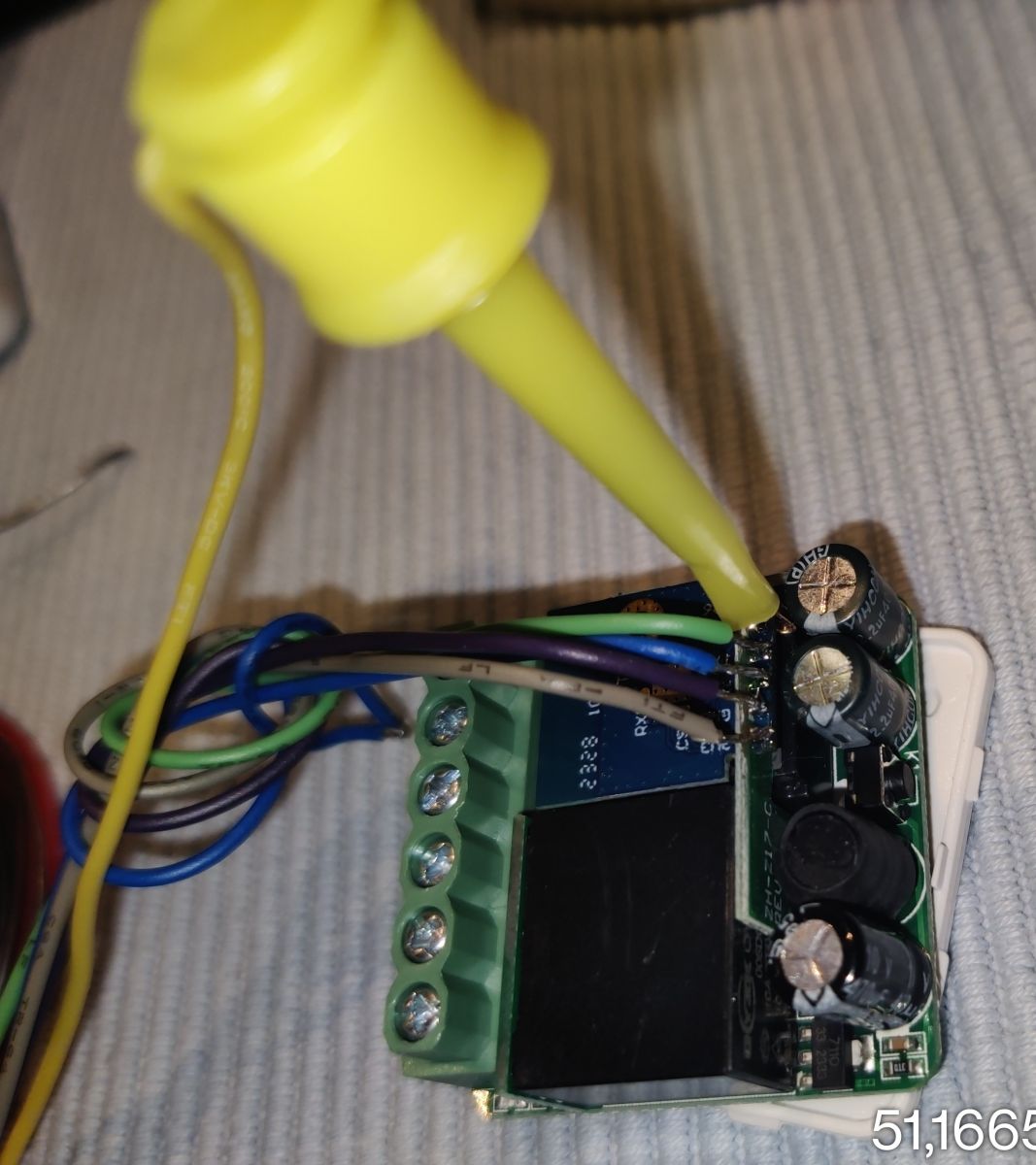
Key insight: The hard part is not the relay map; it is physical access. Most flashing pads are easy to solder because they are labeled on the PCB, but the CEN connection needs a creative temporary contact. [#20991999]
Quick Facts
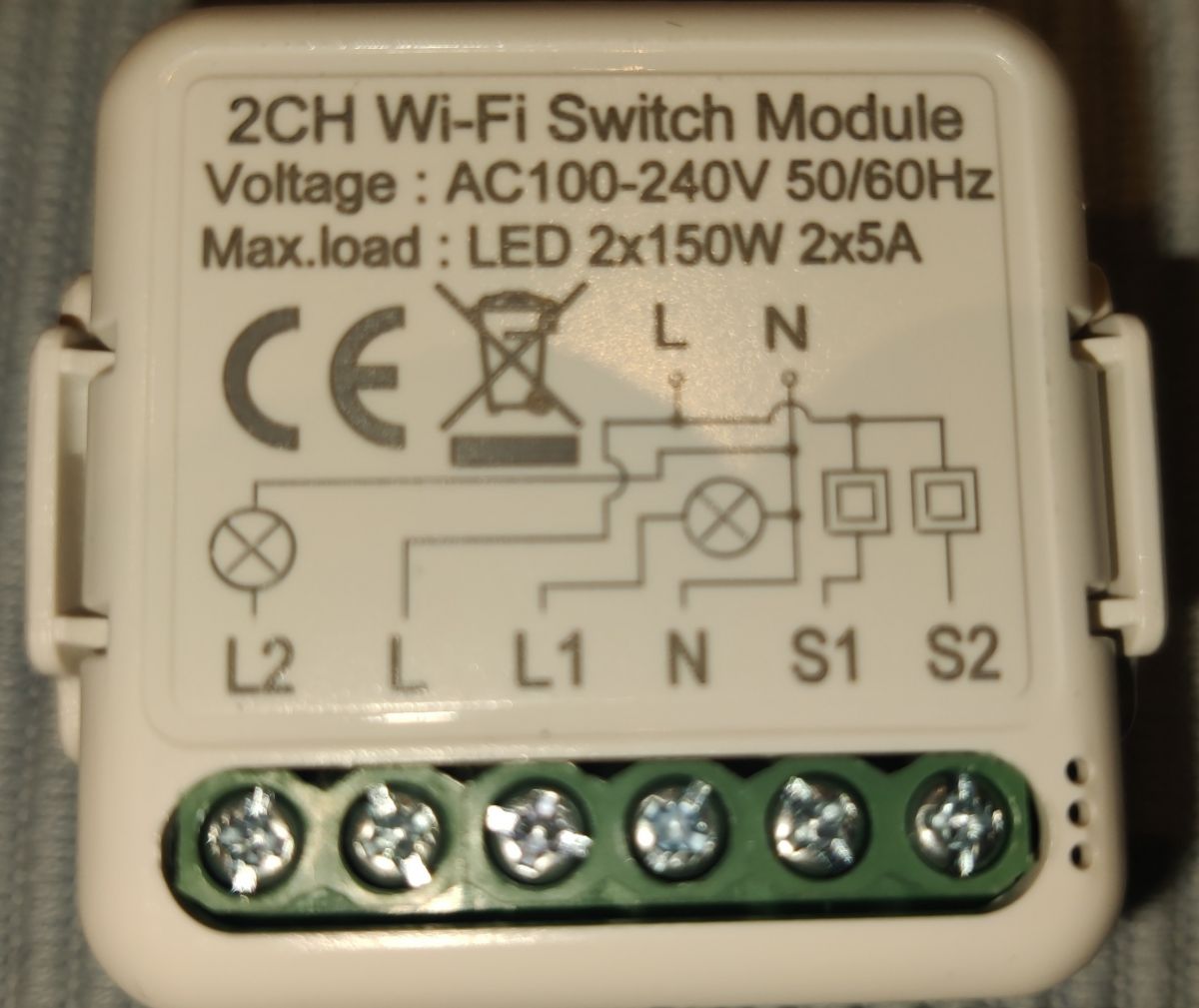
- The posted device is a Gerier 2CH WiFi Switch with model string "LED 2150W 25A" and chip BK7231N in the original image-derived configuration. [#20991999]
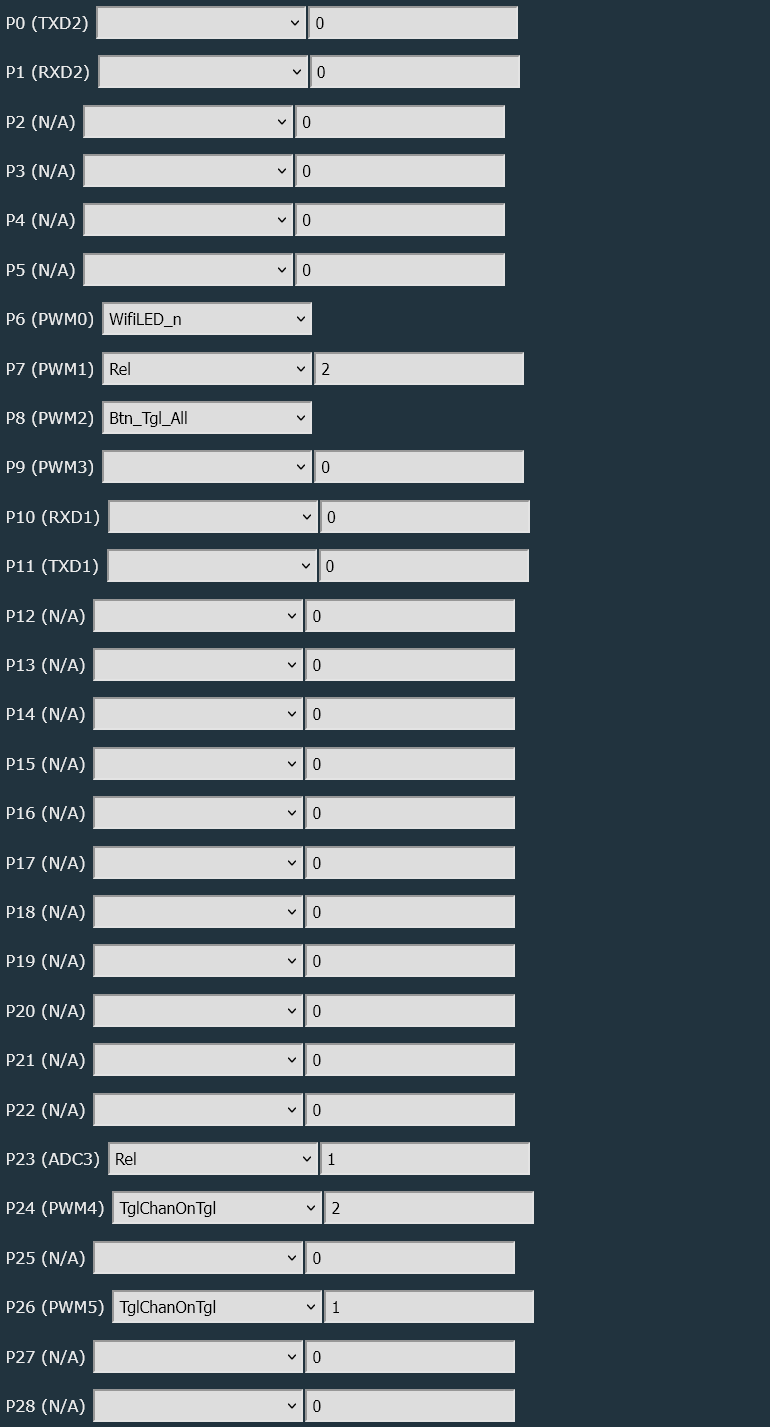
- The OBK pin map shown in the teardown assigns GPIO 7 = Rel;2, GPIO 23 = Rel;1, and GPIO 6 = WifiLED_n;0 for the two relays and Wi-Fi LED. [#20991999]
- Input handling uses GPIO 8 = Btn_Tgl_All;0, GPIO 24 = TglChanOnTgl;2, and GPIO 26 = TglChanOnTgl;1, indicating one shared toggle input plus per-channel toggle behavior. [#20991999]
- After the device was added to the OpenBeken list, the maintainer gave one specific runtime recommendation: run PowerSave 1 on this switch. [#20992294]
- The project maintainer said the catalog had reached about 517 teardowns, which explains why complete templates and fully filled fields matter before submitting a new device. [#20993077]
How do you open the Gerier 2CH WiFi Switch LED 2*150W 2A case without damaging it?
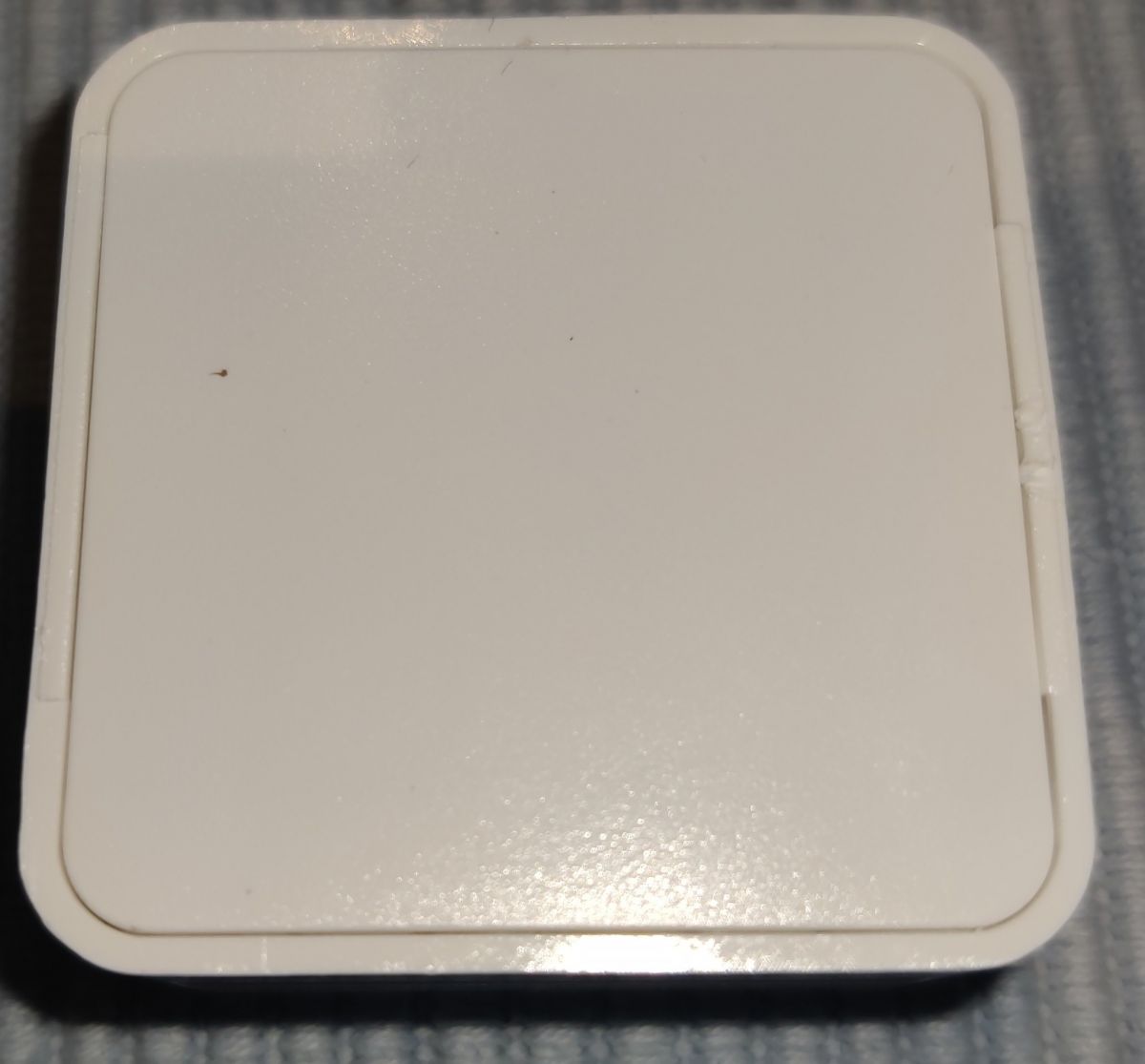
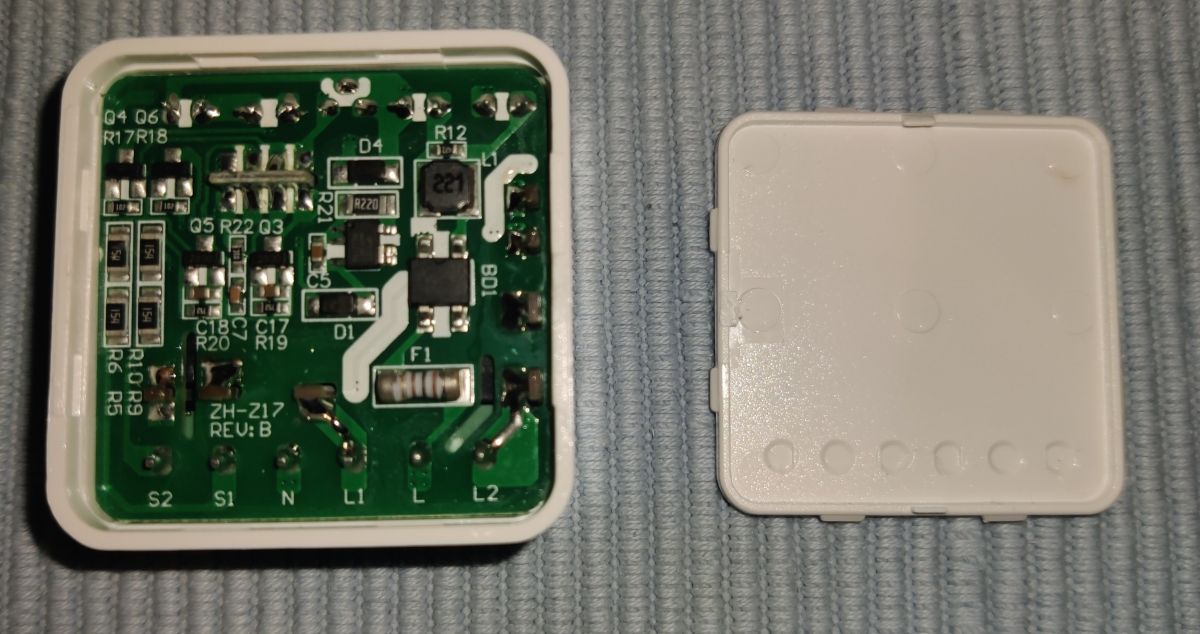
Open it from the back side with a small knife inserted at the middle of any side. 1. Turn the device so the back faces up. 2. Push a small knife into the center of one side seam. 3. Release the clips, then press on the green wire screw bar to remove the PCB. The author states this opens the case without destroying it.
[#20991999]
What is the step-by-step process for flashing a Gerier 2CH WiFi Switch with a CB2S module to OpenBeken?
Flash it by opening the case, soldering the labeled pads, and making a temporary CEN connection. 1. Open the enclosure from the back and remove the PCB. 2. Solder to the easy, PCB-documented connectors and attach CEN with a creative temporary contact. 3. Run the usual flashing procedure, then apply the shown OBK configuration and PowerSave 1. "Don't forget to also run PowerSave 1 on it," the maintainer wrote.
[#20992294]
Which pins and functions should be configured in the OBK template for the Gerier 2CH WiFi Switch LED 2*150W 2A?
Use the mapping extracted from the original firmware image: GPIO 6 = WifiLED_n;0, GPIO 7 = Rel;2, GPIO 8 = Btn_Tgl_All;0, GPIO 23 = Rel;1, GPIO 24 = TglChanOnTgl;2, and GPIO 26 = TglChanOnTgl;1. The posted JSON also identifies the vendor as Gerier, the name as 2CH WiFi Switch, and the chip as BK7231N.
[#20991999]
What is the CB2S module, and how does it relate to the BK7231N chip in this Gerier switch?
The switch uses a CB2S module, and the posted configuration identifies its chip as BK7231N.
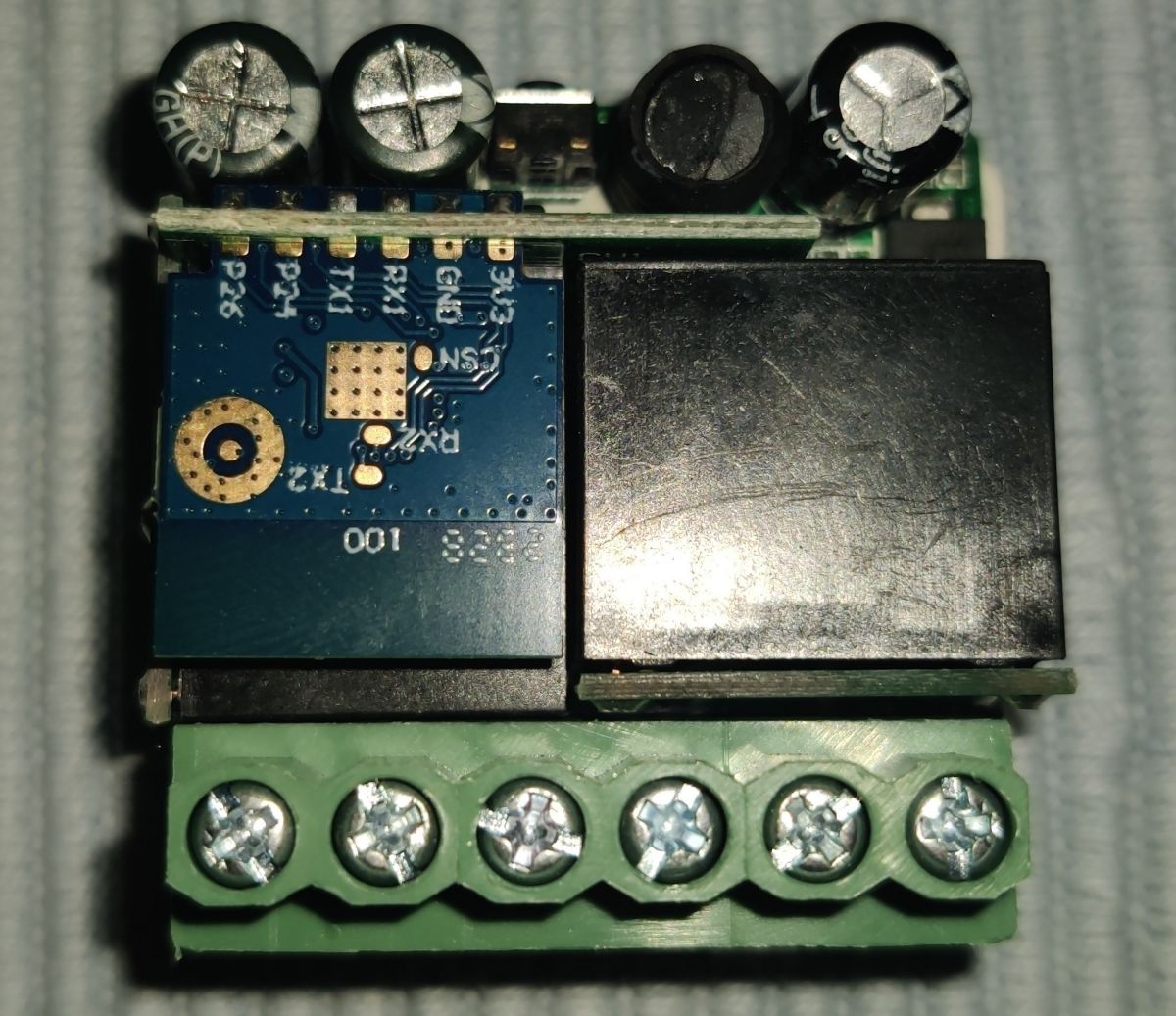
"CB2S is a module that carries the switch’s wireless controller and exposes flashing connections, with most pads easy to solder and one harder CEN contact." In this device, CB2S is the module on the PCB, while BK7231N is the chip named in the original image-derived template.
[#20991999]
What does the CEN pin do when flashing a BK7231N-based CB2S board, and how can you connect to it safely?
The thread only shows that CEN is required for flashing and is the hardest connection to make. The author says all other connectors are easy to solder and documented on the PCB, but CEN must be connected "somehow" with a creative method; he used a measurement connector instead of a permanent solder joint. That makes CEN the awkward contact point on this board.
[#20991999]
Why is PowerSave 1 recommended on this Gerier 2CH WiFi Switch after adding it to OpenBeken?
It is recommended because the OpenBeken maintainer explicitly told users to run it on this device after adding the template. The thread gives no deeper engineering explanation, but it does provide one clear post-flash action: run PowerSave 1 once the Gerier 2CH switch is on OBK. That is the only device-specific runtime tweak stated in the discussion.
[#20992294]
What is OpenBeken (OBK), and why is it described as a Tasmota or ESPHome clone for devices like this one?
OpenBeken is the firmware project this Gerier switch was added to after the teardown was posted. The posts show it as the target platform for template-driven flashing on a BK7231N device, but they do not explain the "Tasmota/ESPHome clone" label in technical detail. In this thread, OBK matters because the switch was accepted into its supported device list on 2024-03-06.
[#20992294]
OpenBeken vs Tasmota vs ESPHome: which firmware is the best fit for a Gerier switch that uses BK7231N instead of ESP chips?
OpenBeken is the only firmware actually used and validated in this thread for the BK7231N-based Gerier switch. The posts do not compare Tasmota or ESPHome features, install paths, or support on this exact board. For this specific teardown, the practical answer is simple: use the OBK template that was added to the project list and follow the posted pin map.
[#20992294]
Which solder points on the Gerier 2CH WiFi Switch PCB are easiest to access for flashing, and which one is the hardest?
Most flashing connectors are easy to access, and CEN is the hardest one. The author says the easy pads are already documented on the PCB, which reduces guesswork during soldering. He singles out CEN as the awkward point and says it must be connected in a creative way, using a measurement connector in his setup.
[#20991999]
What does the original firmware image reveal about the Gerier 2CH WiFi Switch pin mapping and relay/button behavior?
It reveals a two-relay, shared-button design with separate channel toggle mappings. The posted image-derived JSON maps Rel;2 to GPIO 7 and Rel;1 to GPIO 23, then assigns Btn_Tgl_All to GPIO 8, TglChanOnTgl;2 to GPIO 24, and TglChanOnTgl;1 to GPIO 26. It also shows WifiLED_n;0 on GPIO 6, so the Wi-Fi indicator uses an active-low LED role.
[#20991999]
How do the Btn_Tgl_All, TglChanOnTgl, Rel, and WifiLED_n roles work in an OpenBeken device template?
In this template, Rel drives the two output relays, Btn_Tgl_All acts as one shared button input, TglChanOnTgl links toggle behavior to each channel, and WifiLED_n controls the Wi-Fi LED as an active-low signal. Those roles appear directly in the posted mapping: two relay outputs, one common button, two per-channel toggle entries, and one Wi-Fi indicator entry.
[#20991999]
What tools are best for opening and flashing a compact in-wall WiFi switch like the Gerier 2CH model?
The thread shows two practical tools: a small knife for opening the case and a measurement connector for the difficult CEN contact. A soldering setup is also implied because the author says the other connectors are easy to solder. For this compact in-wall switch, the useful tool choice is simple: use a thin blade for the seam and a temporary contact method for CEN.
[#20991999]
What safety precautions should you follow before tearing down and programming a mains-powered WiFi switch?
The thread does not list electrical safety steps, so the only safe, source-based answer is procedural: remove the PCB only after opening the back carefully and avoid forcing the case. It is a small in-wall WiFi switch with a green wire screw bar and exposed PCB once opened, so rough handling can damage the enclosure or board. No voltage-specific safety checklist is provided in the posts.
[#20991999]
Why would a Gerier 2-channel switch use a shared toggle-all button plus separate channel toggle mappings in its firmware template?
The template suggests the firmware supports both group control and independent channel actions. GPIO 8 is mapped as Btn_Tgl_All;0, while GPIO 24 and GPIO 26 are mapped as TglChanOnTgl for channels 2 and 1. That pattern fits a 2-channel product where one action can affect both relays and other actions can toggle each relay separately.
[#20991999]
How can I create a more complete OpenBeken teardown template so all fields are filled in correctly before submitting a new device?
Fill every template field before posting and include as much device detail as you can. The maintainer says he usually fills missing fields by hand, that it already takes hours, and that the project had reached about 517 teardowns. He specifically asks contributors to post detailed teardowns with all possible fields completed, because that speeds device-list updates.
[#20993077]
AI summary based on the discussion. May contain errors.






Comments
Thank you, device has been added to our list: https://github.com/OpenBekenIOT/webapp/commit/97fe9f24b84b7d2805c144a8d72c3f39729bbf47 Don't forget to also run PowerSave 1 on it. [Read more]
Welcome - many thanks for your efforts on OpenBeken and publishing it freely on the Internet. My way to say thank you for this... More teardowns will come in the next days. Will write something about... [Read more]
Thank you. If you want to help more, the first thing to watch for is filling all the fields in the template. I always do it by hand but I am just one person and it takes hours already. We are at 517 or... [Read more]