







Hello,
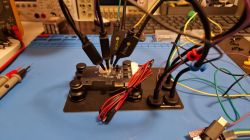
i am in the middle of a project to send data from the MPU9250 module (accelerometer, gyroscope, magnetometer) to a computer via wifi using the ESP8266 WIFI module. The two systems are coupled together using the Atmega16A, the microcontroller of course receives data from the MPU9250 and transmits it directly to the ESP8266 and "programs" both modules (AT commands and register entries). The wifi module connects to the router>then to the computer and the data is received by a simple C# application that waits for the connection. Namely the problem is that the data sampling rate from the MPU is about 100Hz and the wifi module only sends 2-3 packets per second . For my project where I want to get real-time acceleration results on the PC it is far too slow (I don't want to buffer them). I would like to know if there is any way to speed up the module so that it runs at full speed? I have already sent data in continuous transmission mode where the effect was also unsatisfactory.
Below is a list of AT commands I am sending to the ESP8266 and the main program loop (the program works without any problems on RS232/USB converter and data is received without "lag").
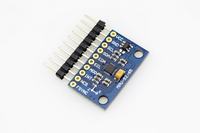
MPU9250
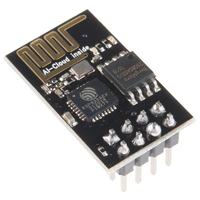
ESP8266
Thanks for your interest and apologies for the errors.
i am in the middle of a project to send data from the MPU9250 module (accelerometer, gyroscope, magnetometer) to a computer via wifi using the ESP8266 WIFI module. The two systems are coupled together using the Atmega16A, the microcontroller of course receives data from the MPU9250 and transmits it directly to the ESP8266 and "programs" both modules (AT commands and register entries). The wifi module connects to the router>then to the computer and the data is received by a simple C# application that waits for the connection. Namely the problem is that the data sampling rate from the MPU is about 100Hz and the wifi module only sends 2-3 packets per second . For my project where I want to get real-time acceleration results on the PC it is far too slow (I don't want to buffer them). I would like to know if there is any way to speed up the module so that it runs at full speed? I have already sent data in continuous transmission mode where the effect was also unsatisfactory.
Below is a list of AT commands I am sending to the ESP8266 and the main program loop (the program works without any problems on RS232/USB converter and data is received without "lag").
Code: C / C++
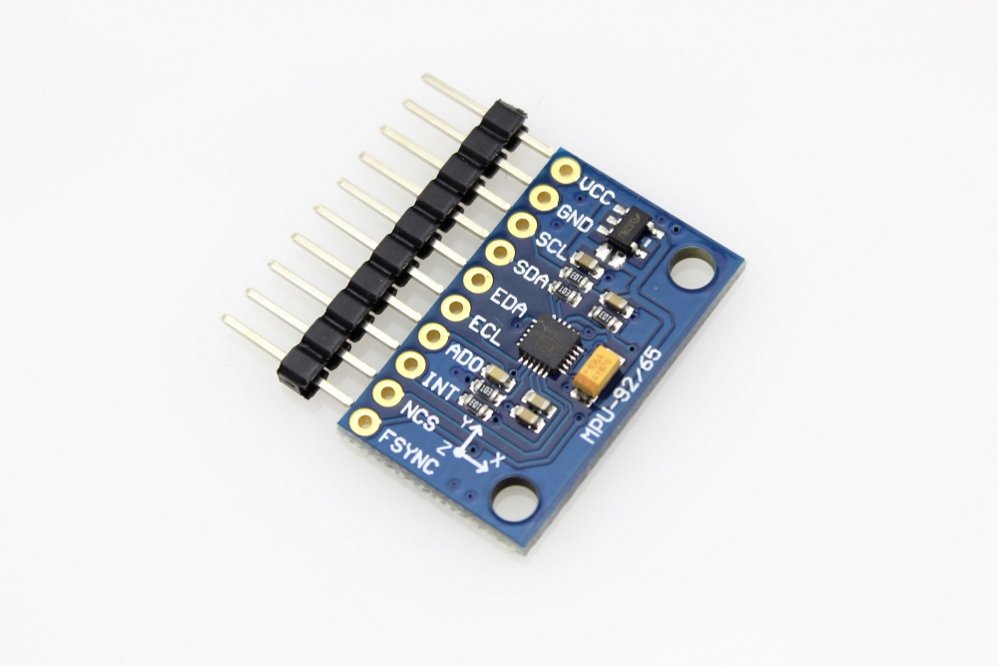
MPU9250
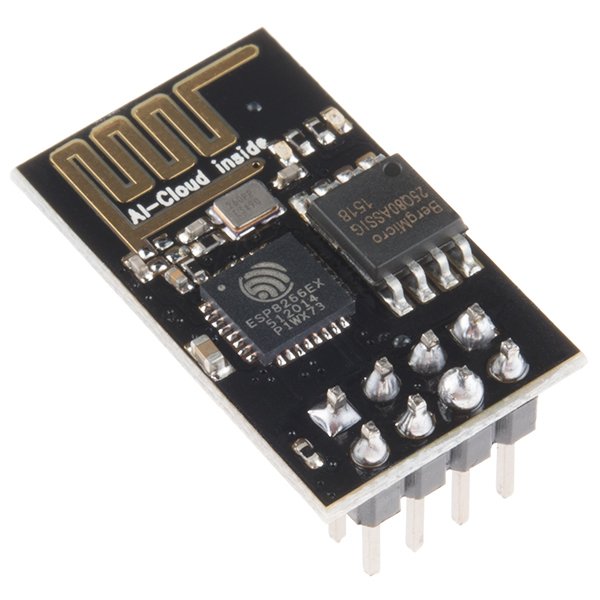
ESP8266
Thanks for your interest and apologies for the errors.
 Good. Here it is not the AVR that is the bottleneck, let alone the UART connecting it to the ESP. The problem is the way the data is sent. Probably the author sends the packet with an AT command, then waits for the module to confirm that the sending is correct. And this takes time. Configure the module to form an RS-WiFi bridge and just send bare data. You will achieve much higher speeds in this mode. Of course, it would be optimal to switch to direct ESP programming, e.g. using C and the provided API, but this is not necessarily needed.
