

You can. For example with NodeRed




Czy wolisz polską wersję strony elektroda?
Nie, dziękuję Przekieruj mnie tampiterek-23 wrote:I have a little question ...
Is it possible to somehow transfer data (Xiaomi Mijia 2 sensor) from Home Assistant to another server? If so, how to bite it?
 while all the rest (diary, esphome, zigbee etc.)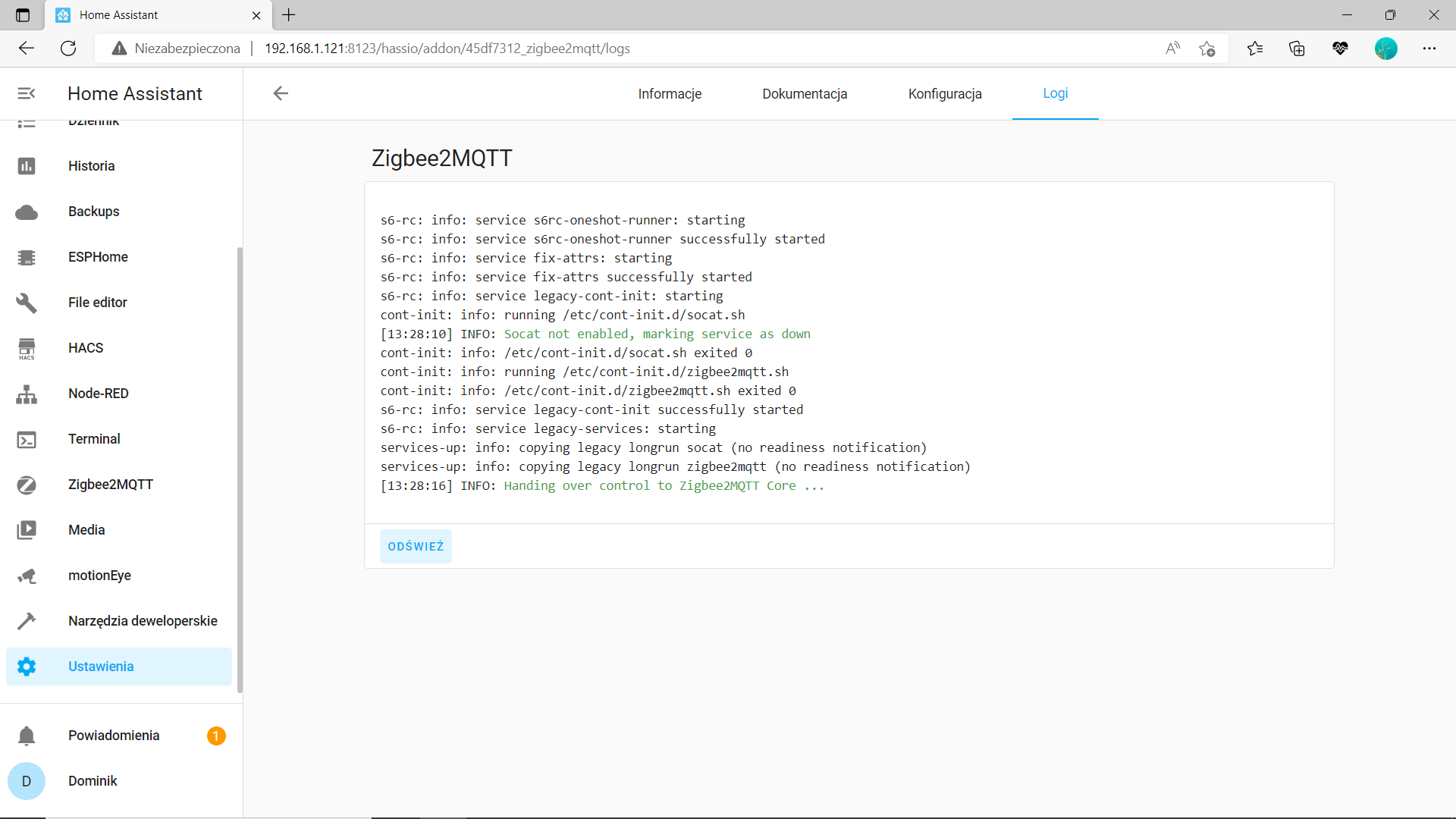

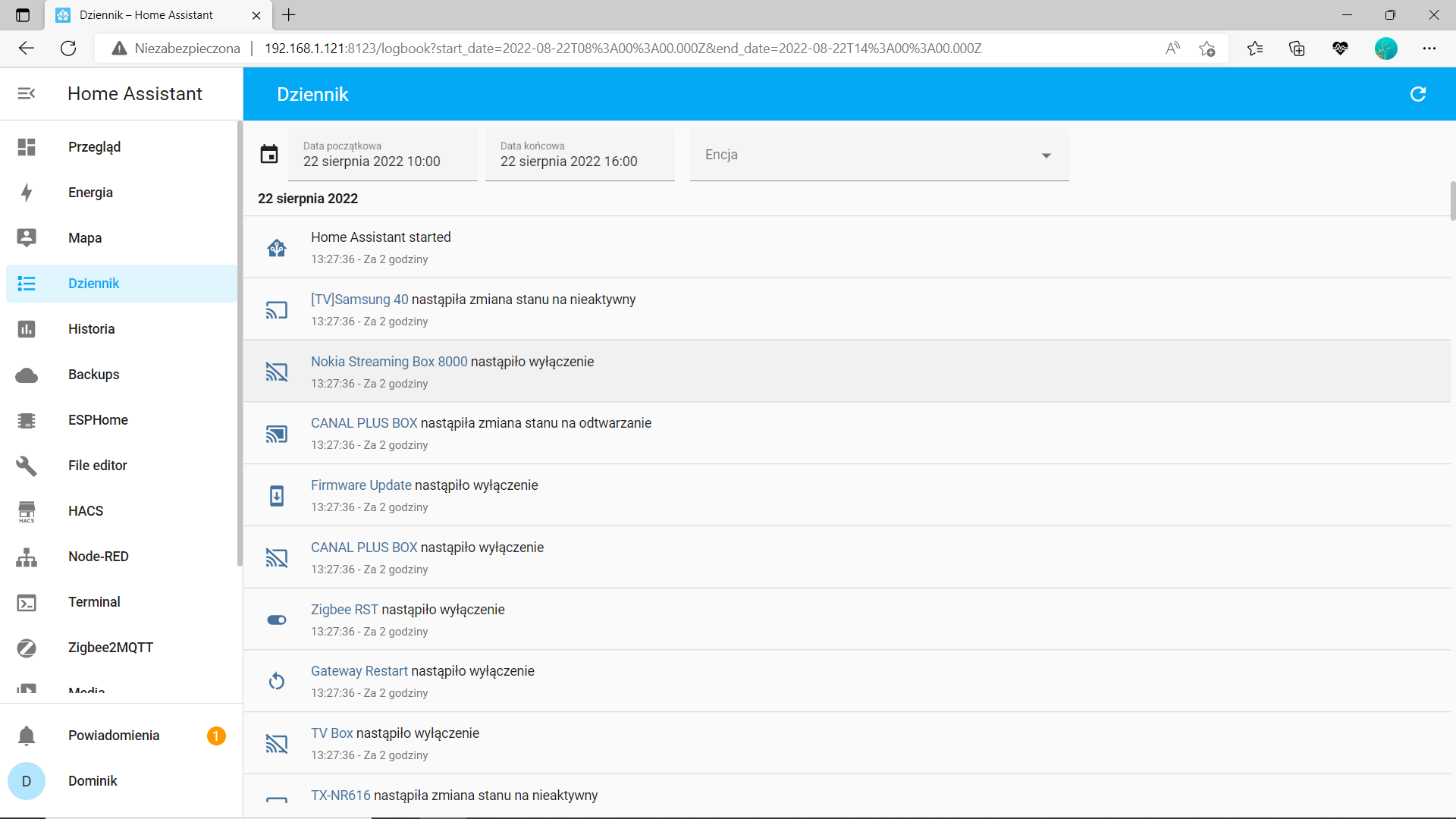
 with a nerve ...
homeassistant:
name: Home
latitude: 32.87336
longitude: 117.22743
elevation: 430
unit_system: metric
currency: USD
time_zone: "America/Los_Angeles"
external_url: "https://www.example.com"
internal_url: "http://homeassistant.local:8123"
allowlist_external_dirs:
- "/usr/var/dumping-ground"
- "/tmp"
allowlist_external_urls:
- "http://images.com/image1.png"
media_dirs:
media: "/media"
recordings: "/mnt/recordings"
legacy_templates: falsepablo_banita wrote:It's hard for me to say what my friend messed up there ;-)
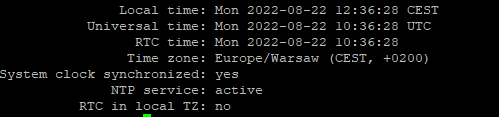
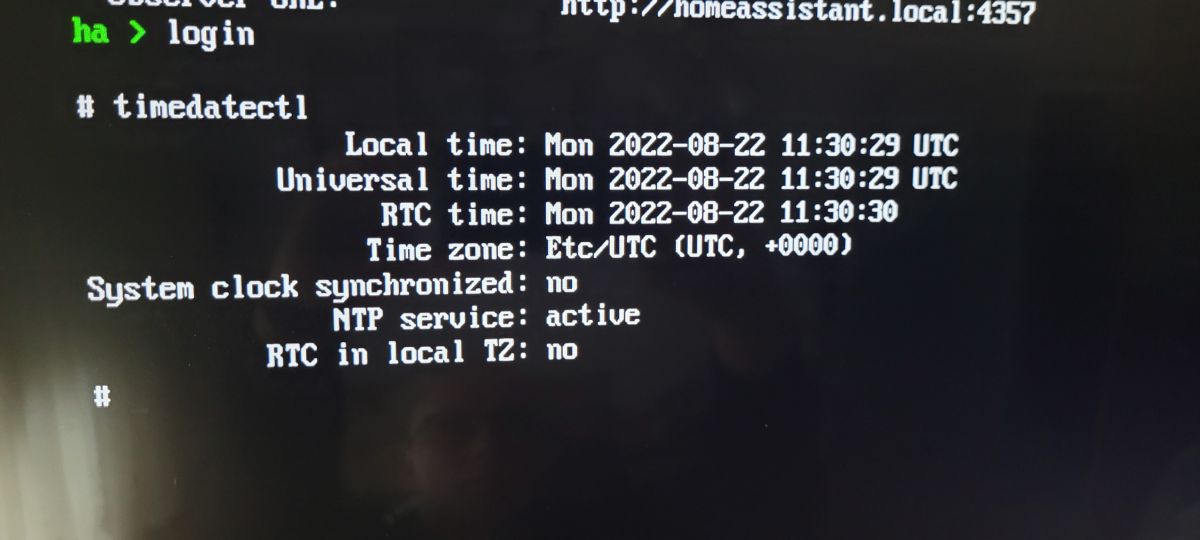
1.The bios watch should be set to time UTC not on local time - this is the first to change
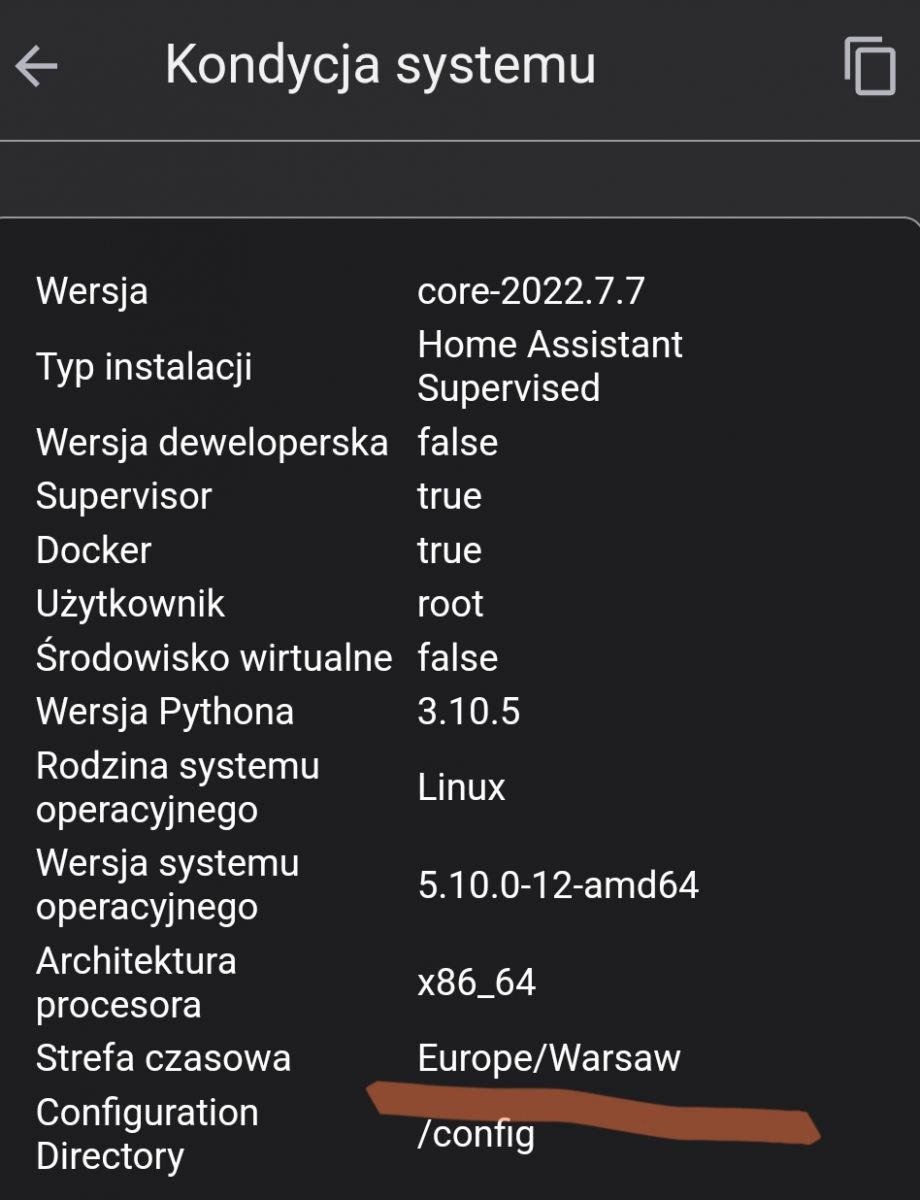
2. Is the timezone set in the HA itself?
Link
homeassistant:
  name: Home
  latitude: 32.87336
  longitude: 117.22743
  elevation: 430
  unit_system: metric
  currency: USD
  time_zone: "America/Los_Angeles"
  external_url: "https://www.example.com"
  internal_url: "http://homeassistant.local:8123"
  allowlist_external_dirs:
    - "/usr/var/dumping-ground"
    - "/tmp"
  allowlist_external_urls:
    - "http://images.com/image1.png"
  media_dirs:
    media: "/media"
    recordings: "/mnt/recordings"
  legacy_templates: false

pablo_banita wrote:We did not understand each other.
Set the system time (in bios preferably) to universal time (-2 hours to ours).
And show what you got at that point in HA
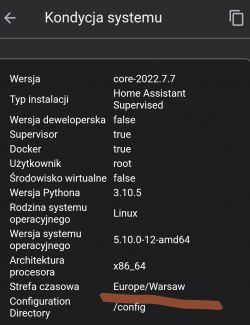
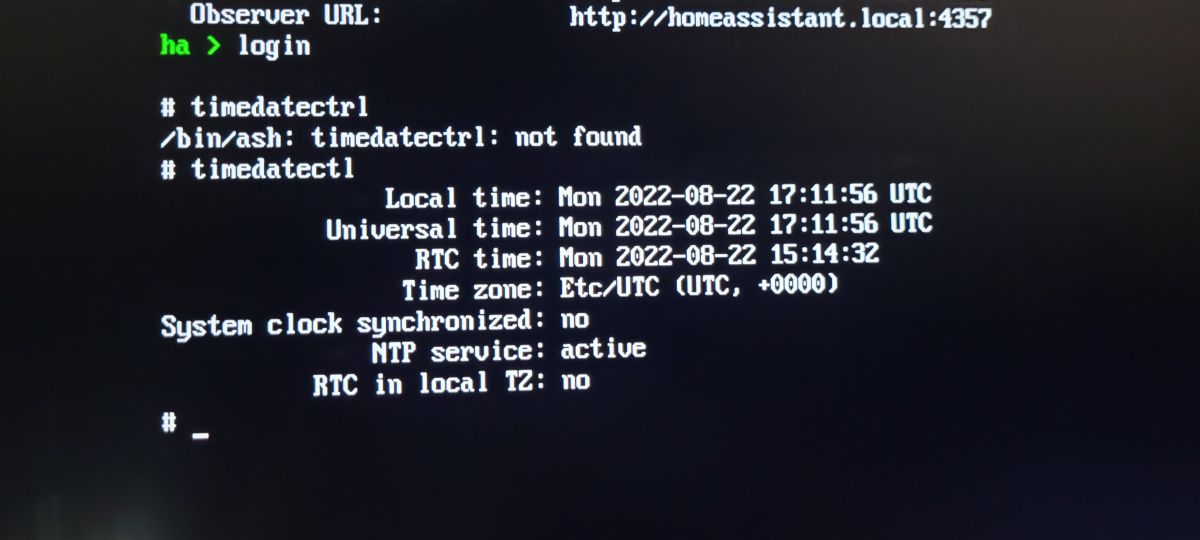
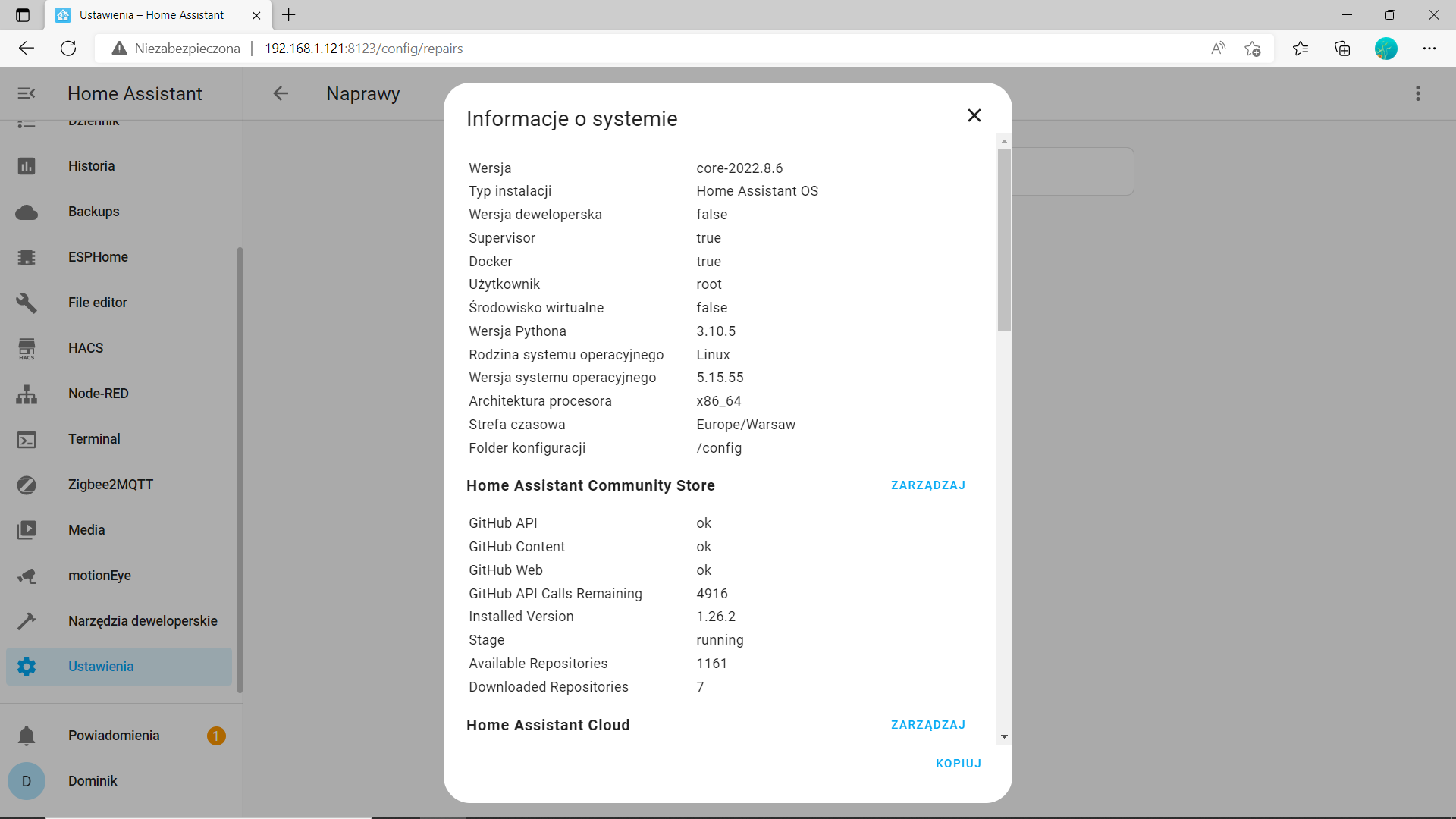

pablo_banita wrote:bambek2005 wrote:if he added a ruler with a zone - strange, but no
Where was he supposed to add?
- to configuration.yaml?
thanks for the link but something I have the impression that it does not apply to me, i.e. in my configuration.yaml there is absolutely nothing and as you can see
he sets the zone with the GUI and now raises another question for MiSie - where, if not in configuration.yaml HA OS writes it?
Maybe in this version of HA the configuration files are also named differently?
bambek2005 wrote:pablo_banita wrote:to configuration.yaml?
pablo_banita wrote:HA does not add anything to itself.
I don't know why you think it doesn't concern you - it's about HA OS.
Tell me if you have set the pin (your location).
Do you have this system shared "on the city"?
TL;DR: Home Assistant now lists 1,800 + native integrations (2023-03) and, as one user notes, "Home Assistant solves it all" [Elektroda, p.kaczmarek2, post #19247020] Stick to supported hardware, set UTC BIOS time, and avoid the CC2531 dongle for large Zigbee nets. Why it matters: Correct install choices and network tweaks prevent 90 % of the typical failures reported by beginners.
• Minimum hardware: 2 CPU cores, 1 GB RAM; ideal 4 cores, 4 GB RAM [HA Docs]. • Recommended SD card for Pi: 32–64 GB, Class 10 [Elektroda, 19247020] • Average power draw: Raspberry Pi 4 ≈ 3 W; Celeron J3930 mini-PC ≈ 7–12 W [Elektroda, chemik_16, post #19247365] • MQTT default port: 1883; Zigbee2MQTT default channel: 11 [Mosquitto, Z2M Wiki]. • Zigbee network limit for CC2531: ≈ 20–25 devices before packet loss [Koenkk, 2022].
bash installer.sh -m raspberrypi3 to bypass the armv7 detection [Elektroda, 19247020]proxmox_hassos_install to auto-create a KVM VM with the latest HAOS image [Elektroda, chemik_16, post #19247756] Bridge the NIC so the VM gets a LAN IP.SetOption19 1 in the Tasmota console to enable auto-discovery. The switch appears under Integrations → MQTT [Elektroda, 19247020]permit_join: true. 3. Press the sensor button until it blinks; the device shows in the Zigbee2MQTT UI within 30 s [Elektroda, 19247020]below: 5 and device_id: <relay> [Elektroda, 19247020]nmcli will show connected [Elektroda, 19247020]<HA_IP>:<port> [Elektroda, 19247020]